Kyoto, Nara, and learning the art of noticing
Kyoto - learning to slow down
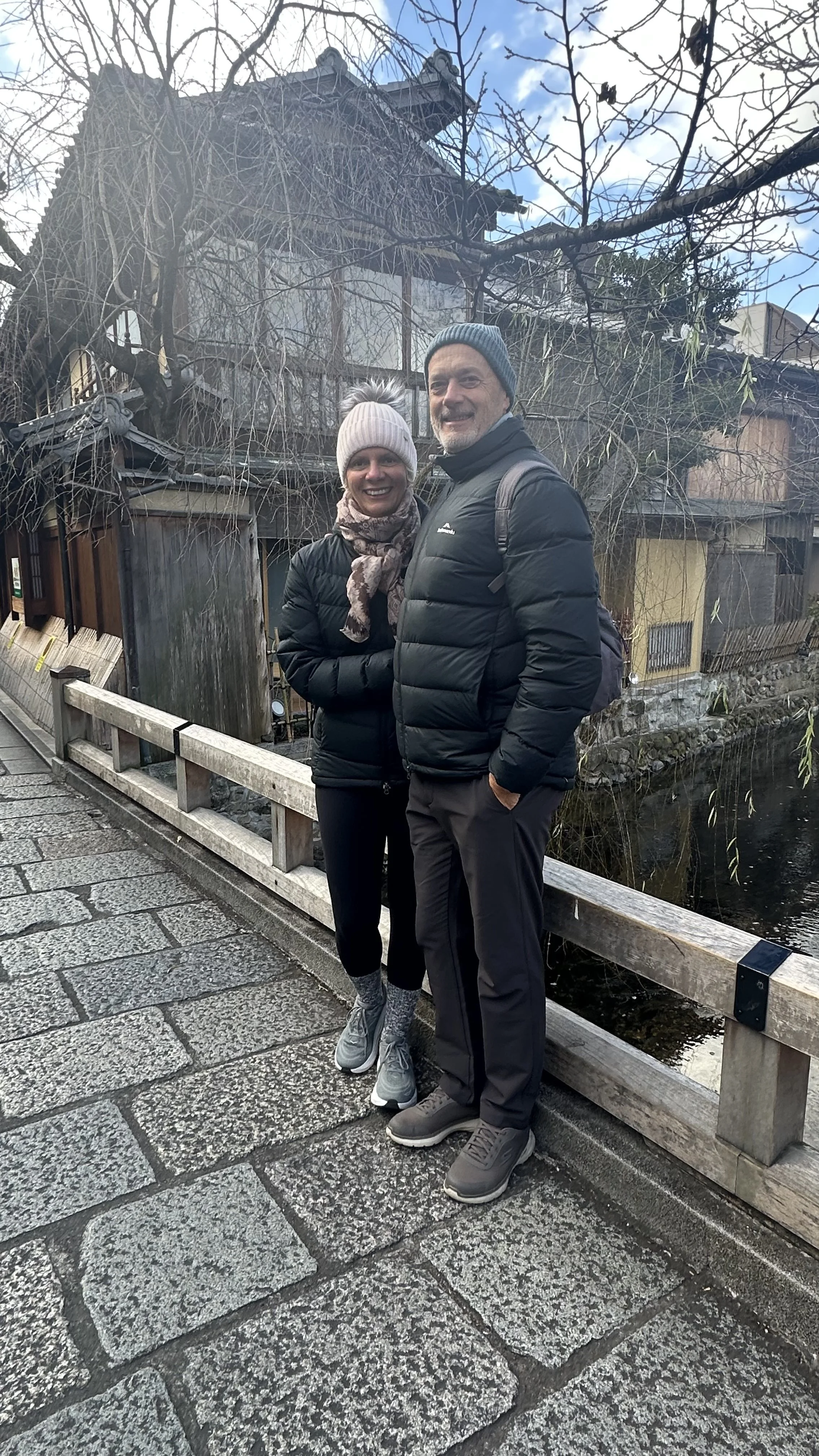
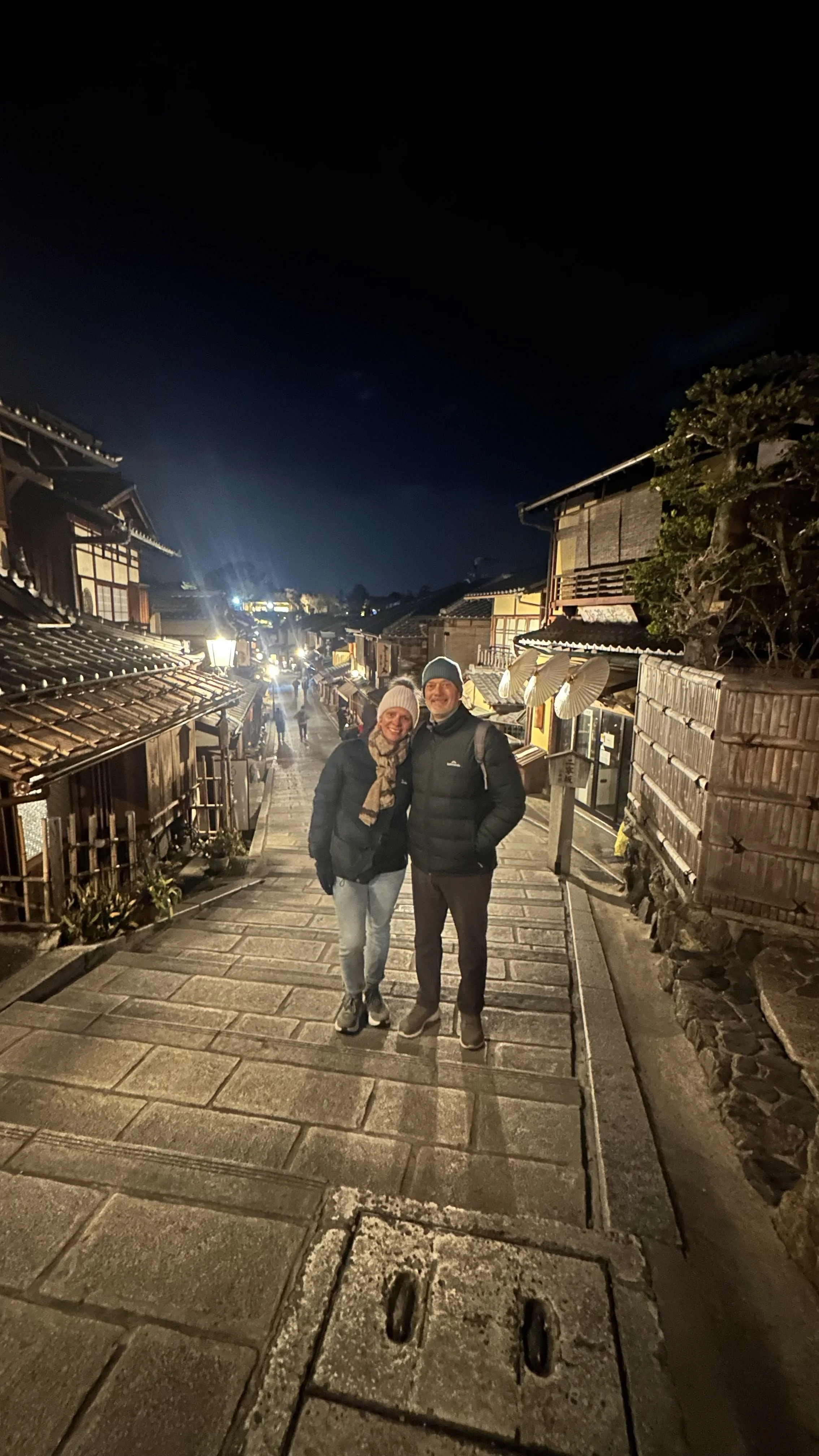
Kyoto has a way of slowing you down without ever asking. The shift is subtle, you feel it before you understand it. Steps soften. Voices lower. Attention sharpens. Dogs bark once! The city doesn’t perform for you; it simply continues being itself, and invites you to meet it there.
This was Japan’s capital for over 1,200 years, and it still carries that quiet authority. Surrounded by mountains and exceptionally clean water, Kyoto became the cradle of refined culture - tea, sake, cuisine, and craftsmanship. It escaped the air raids of the Second World War, and the continuity shows. Tradition here isn’t preserved behind shops and souvenirs; it’s lived.
People often describe Kyoto residents as reserved, even distant. Outsiders sotomono are kept at arm’s length, and belonging takes generations. But once trust is earned, loyalty runs deep. This is not a city of quick warmth, but of durable bonds. You sense it in the way people move, speak, and wait.
Hanamachi - grace and restraint
In the hanamachi districts, those values are embodied by the Geiko and Maiko. Across Japan, the word geisha simply means “person of the arts,” but in Kyoto a fully trained geisha is called a Geiko, a distinction locals care deeply about.
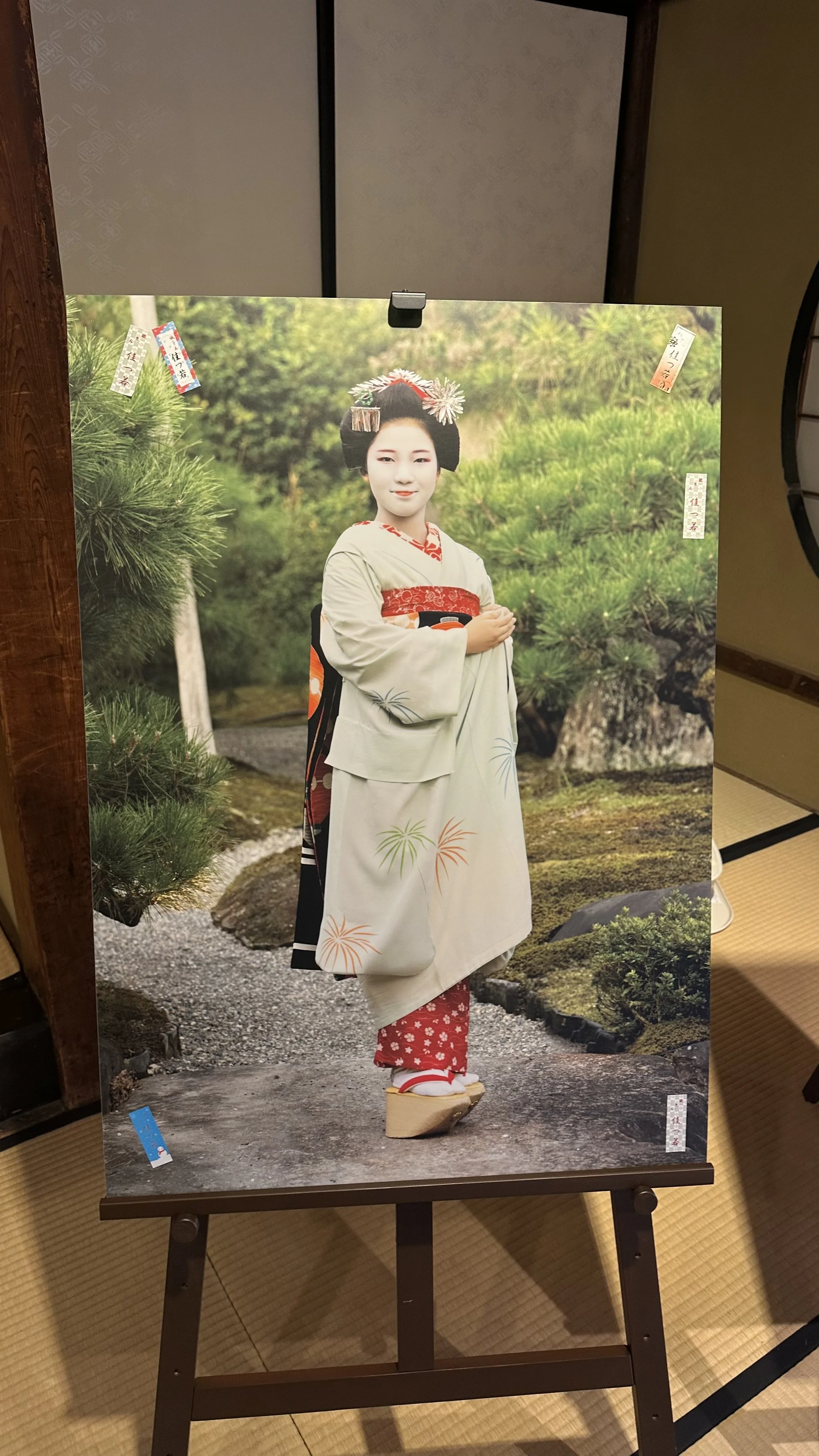
A Maiko is an apprentice, usually beginning her training in her mid-teens. She studies for over 10 years dance, music, tea ceremony, etiquette, dialect, and the art of conversation. Her appearance reflects learning in progress: long-sleeved kimono, brightly coloured obi, intricate hairstyles, more decorative makeup.
A Geiko is mastery. Her look is restrained, deliberate, confident without display.
We attended a Geiko–Maiko performance at the official museum only fifteen minutes long and it was fascinating. No excess, no showmanship. Just controlled movement, precision, and grace. Every gesture mattered. Definitely worth visiting.
Once numbering in the tens of thousands, geiko and maiko today exist only in the low hundreds across Japan a rarity that shifts how you see them in Kyoto, not as performers, but as caretakers of something fragile and deeply alive. That made witnessing even a brief dance feel special, not entertainment, but a privilege.
Nara - origins and coexistence
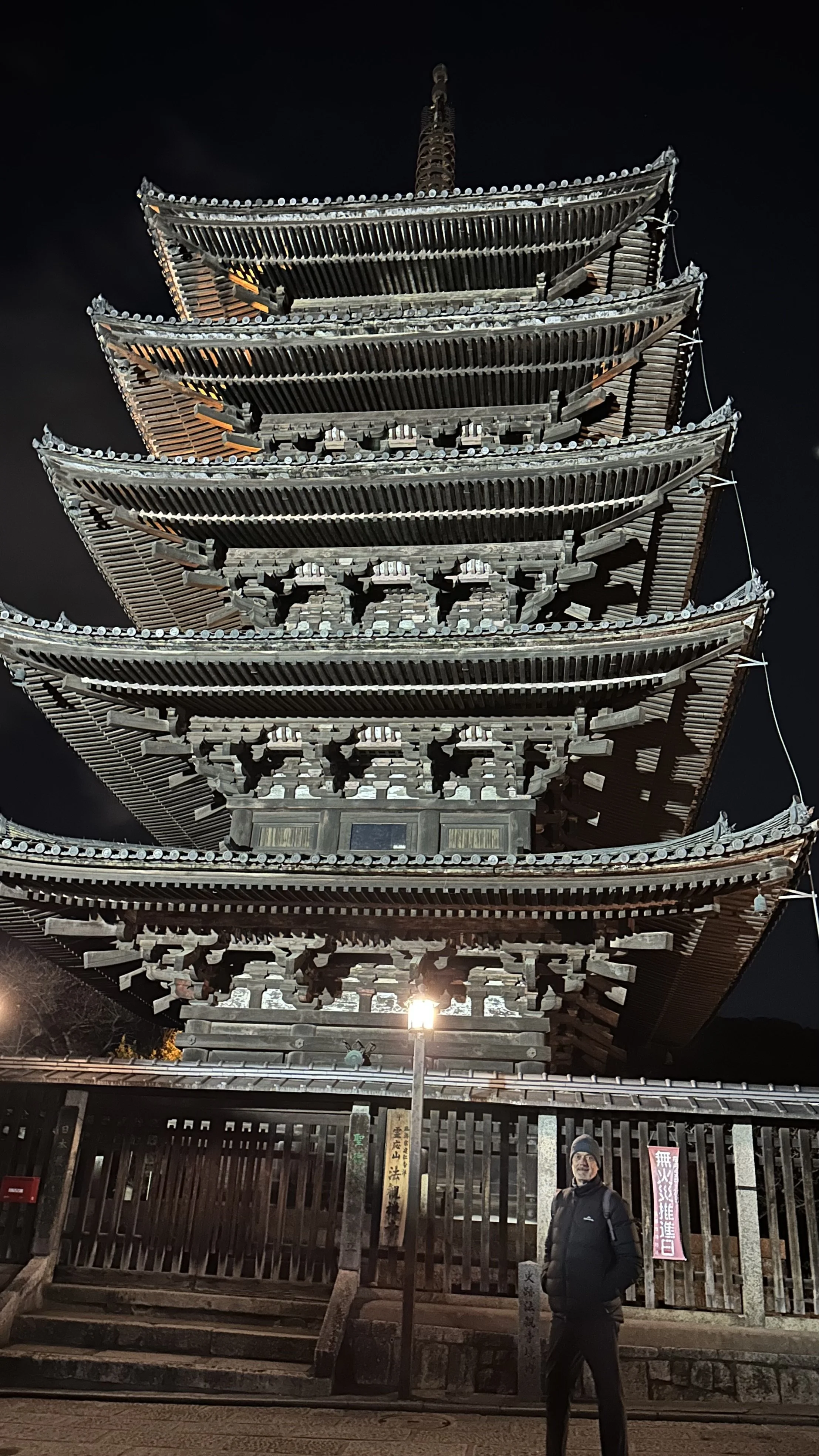
From Kyoto we travelled to Nara, Japan’s first permanent capital from 710 to 784. Buddhism took root early here, and Kōfuku-ji temple still speaks to that period of spiritual ambition and aristocratic power. Its five-storey pagoda rises with balance rather than force. It is a physical model of Buddhist cosmology.
Each tier represents one of the Five Elements (godai): earth (foundation), water (adaptability), fire (energy and transformation), wind (growth and freedom), and space/void (ultimate reality beyond the physical world).
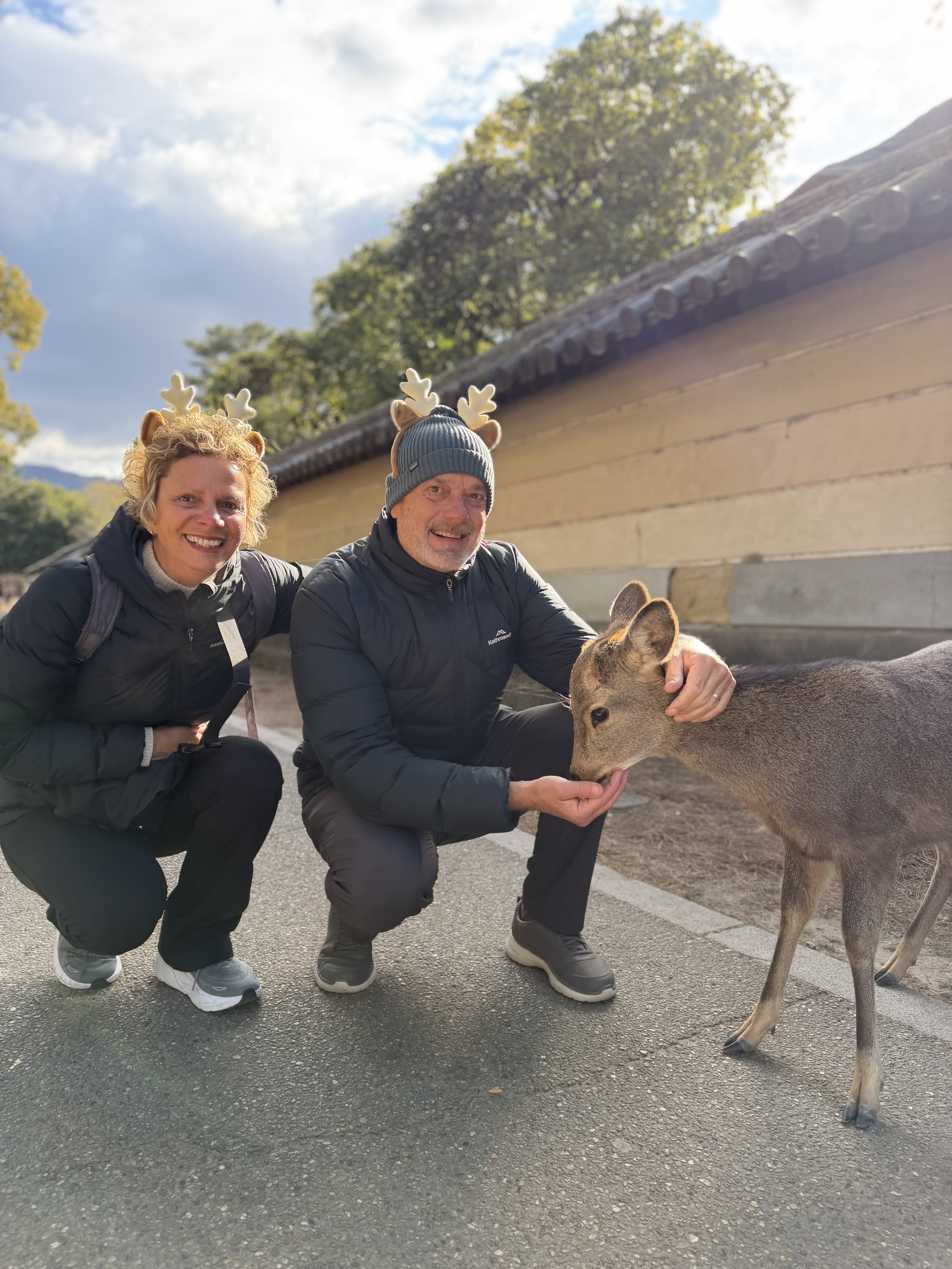
And then there are the deer. According to legend, a divine being arrived here riding a white deer, and ever since they have been protected as messengers of the gods. They roam freely, bowing gently before accepting food. Nebojsa loved feeding them with their favourite cookies while I was a happy photographer.
Arashiyama - nature as teacher
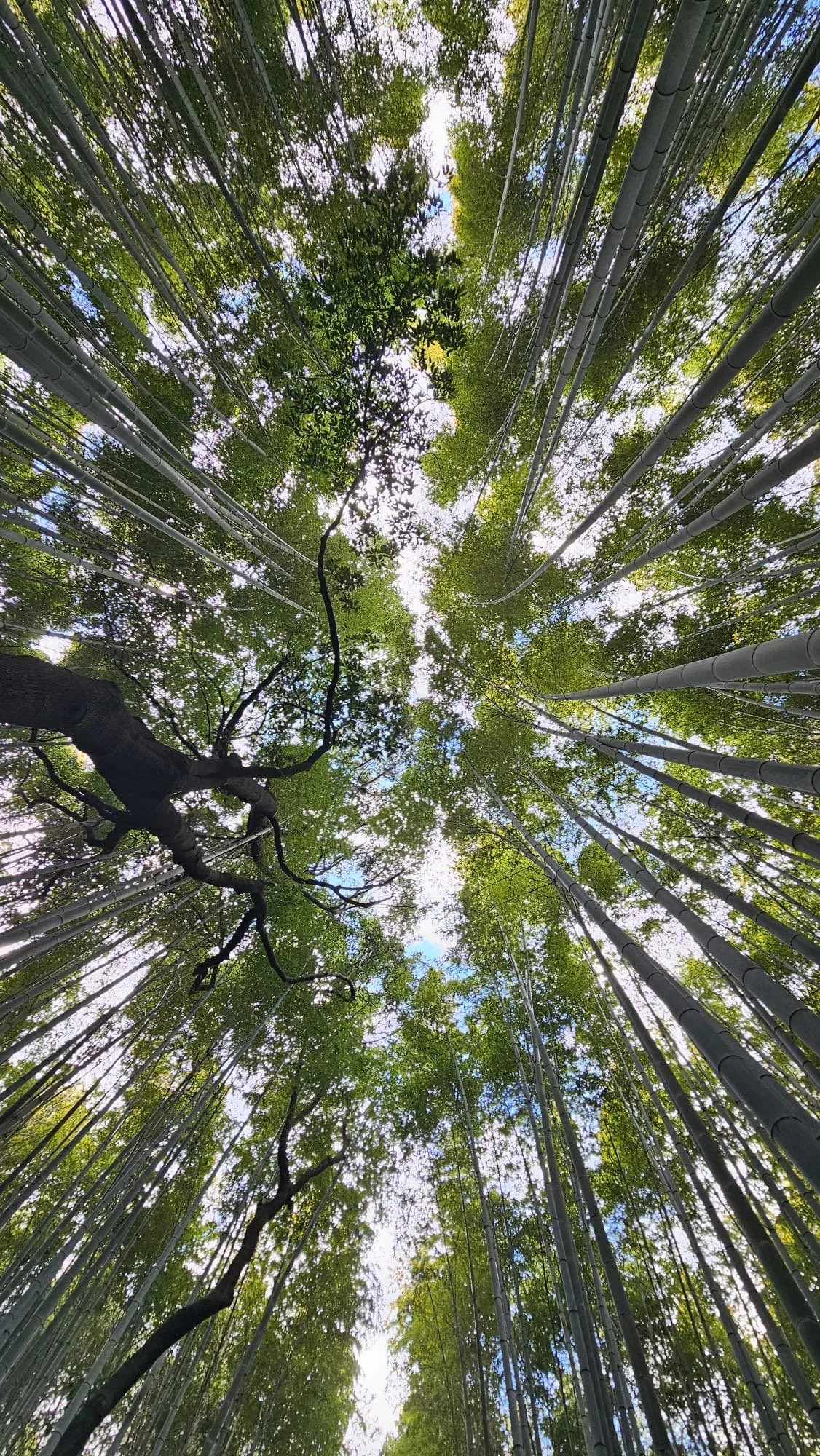
Arashiyama offered a different kind of stillness. For over a thousand years, nobles and poets retreated here to admire cherry blossoms, moonlight, and seasonal change. The bamboo grove is not artificial; it is preserved. Walking through it, voices naturally fall not because you’re told to be quiet, but because it feels right.
Bamboo bends, but rarely breaks a quiet strength admired here, often referenced as a way of being.
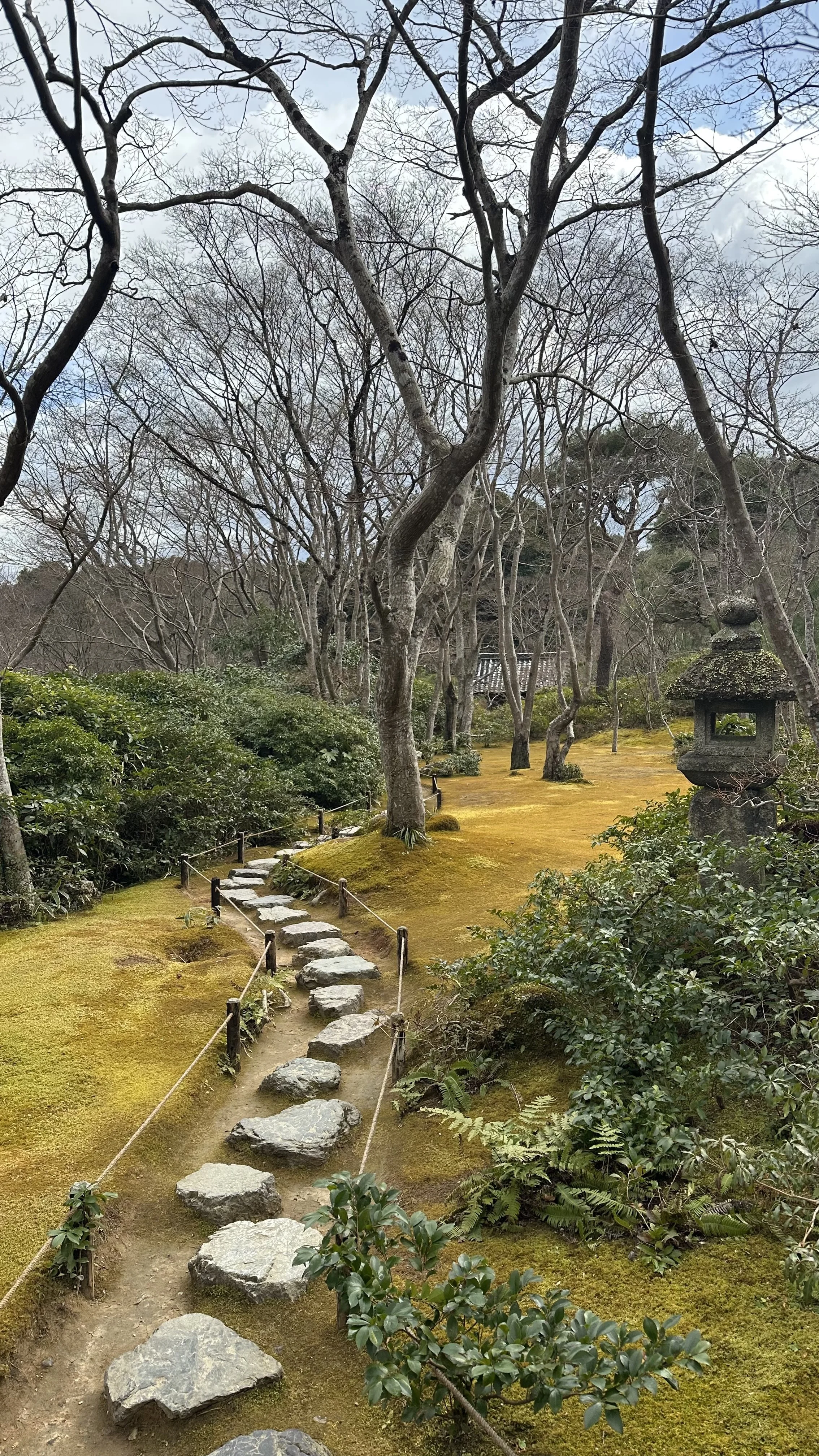
Just beyond the grove lies Okochi Sanso Garden, the place that stayed with me most. It unfolds slowly. Paths curve. Views appear, disappear, then return. Moss softens the ground. The stillness felt complete, serene, calm, deeply peaceful. Not empty, but full. Full of birdsong, filtered light, the sound of your own breathing.
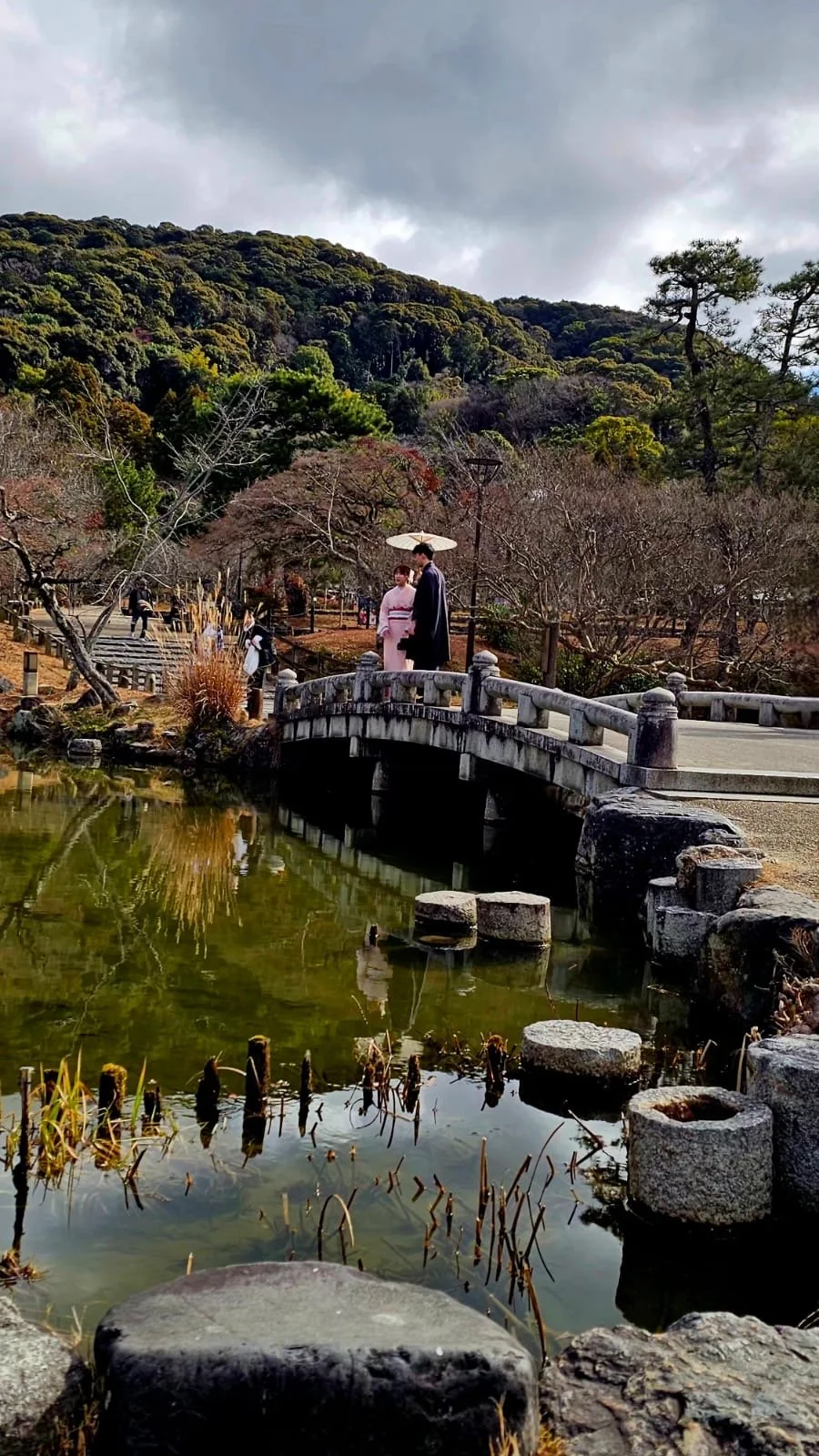
Nearby, Tenryu-ji’s garden reflects the same philosophy through “borrowed scenery,” where surrounding mountains become part of the design. It expresses a deeply Japanese belief: humans should live alongside nature, not dominate it.
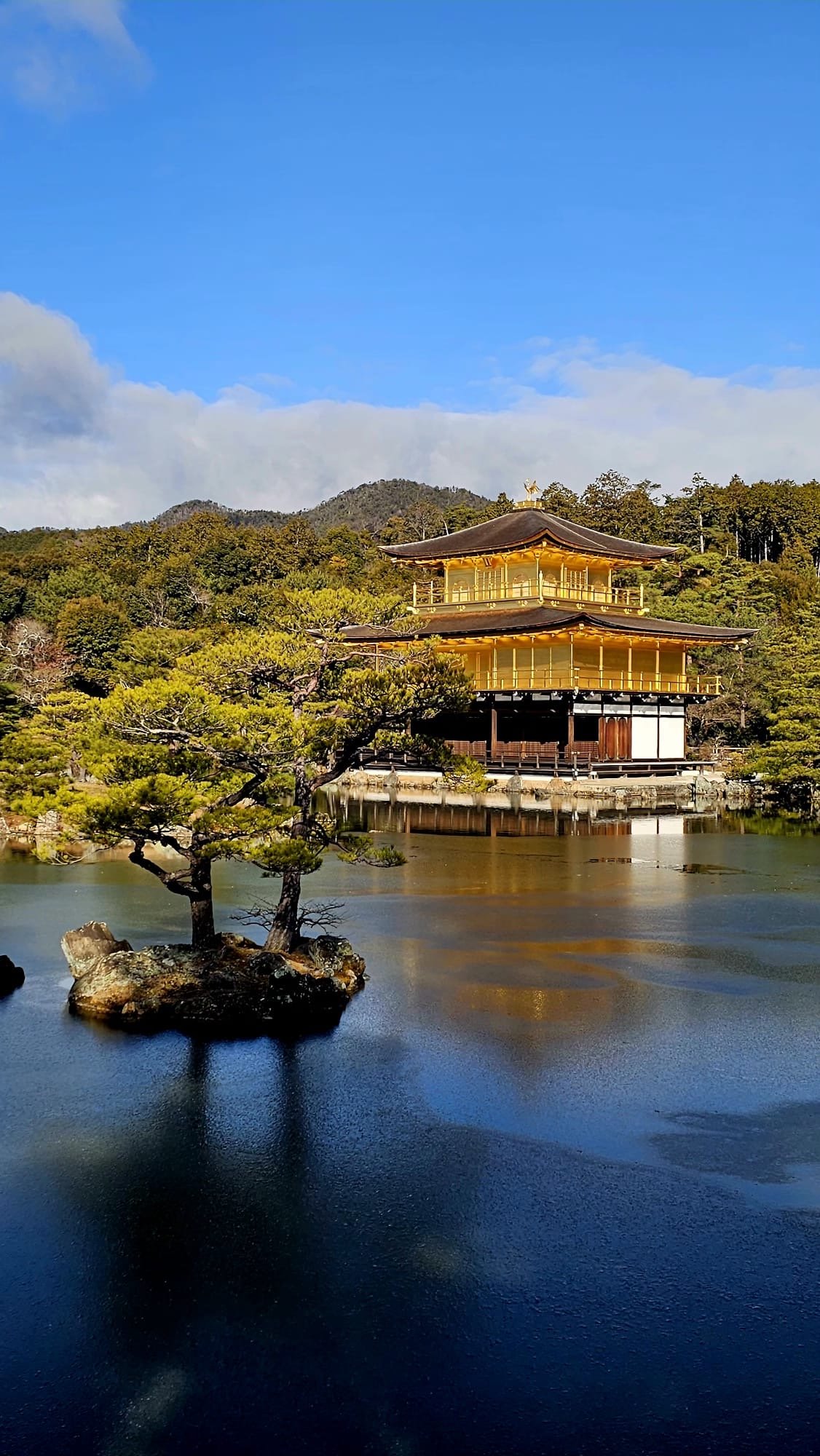
Back in Kyoto we also visited the Golden Pavilion, Kinkaku-ji, where the gold-leaf structure sat quietly beside a frozen lake. What stayed with me most was the reflection of the surrounding trees mirrored on the ice, still and delicate. The pavilion was beautiful, but it was nature that took centre stage, quietly stunning in its winter calm.
Tea - presence in a bowl
Tea carries this philosophy perfectly. Introduced in the 12th century by Zen monks to stay awake after meditation, matcha became both nourishment and ritual. Sourced from Uji, hand-picked, stone-ground, and prepared with care.
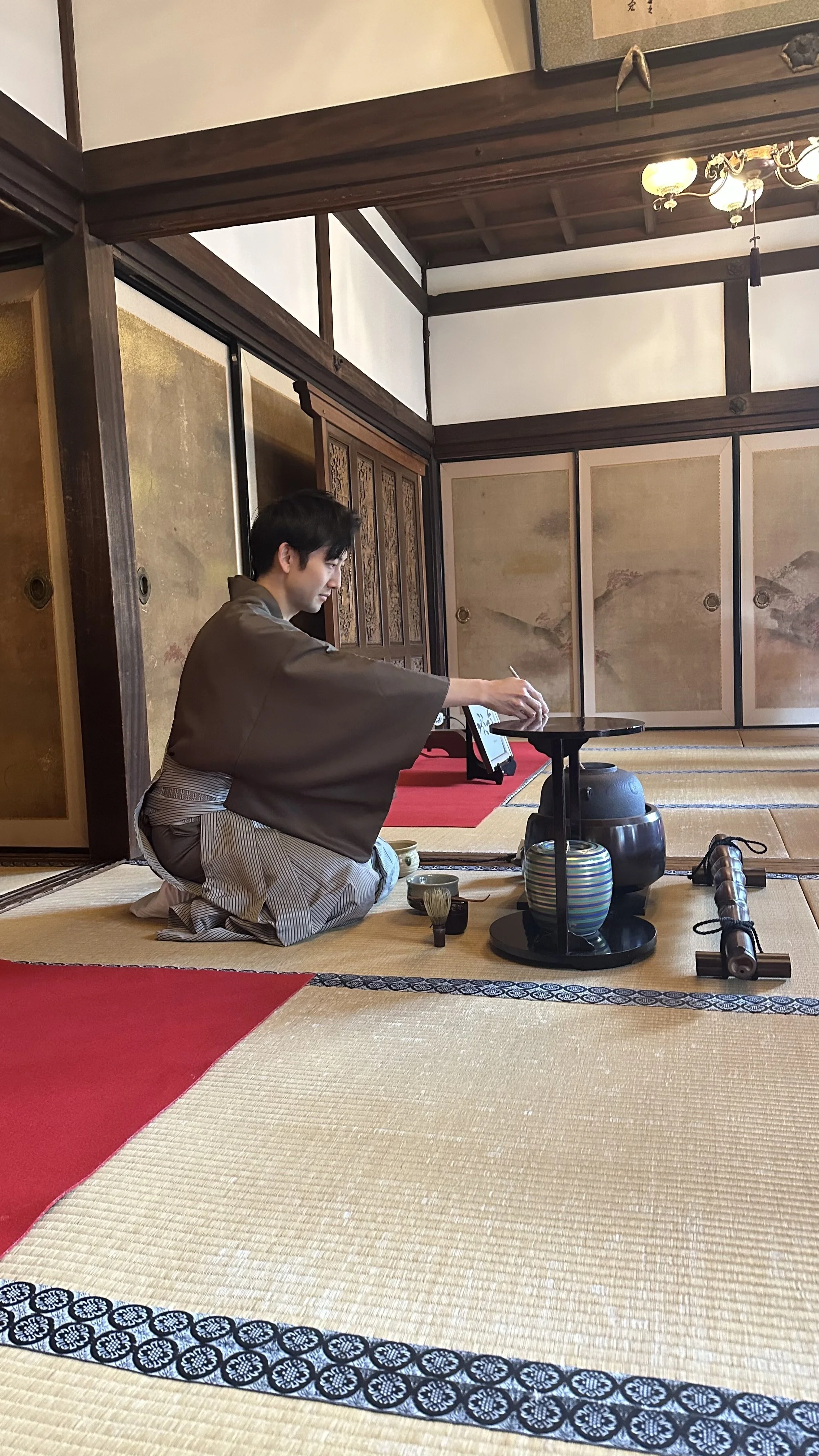
We attended a traditional matcha tea ceremony and loved the experience, even though I’m not really a fan of matcha itself. The ceremony rests on four principles: wa (harmony), kei (respect), sei (purity), and jaku (tranquility). The temperature of the water, the turning of the bowl, the shared silence, everything is deliberate. It’s less about drinking tea, and more about learning how to be present.
Fushimi Inari - intention made visible
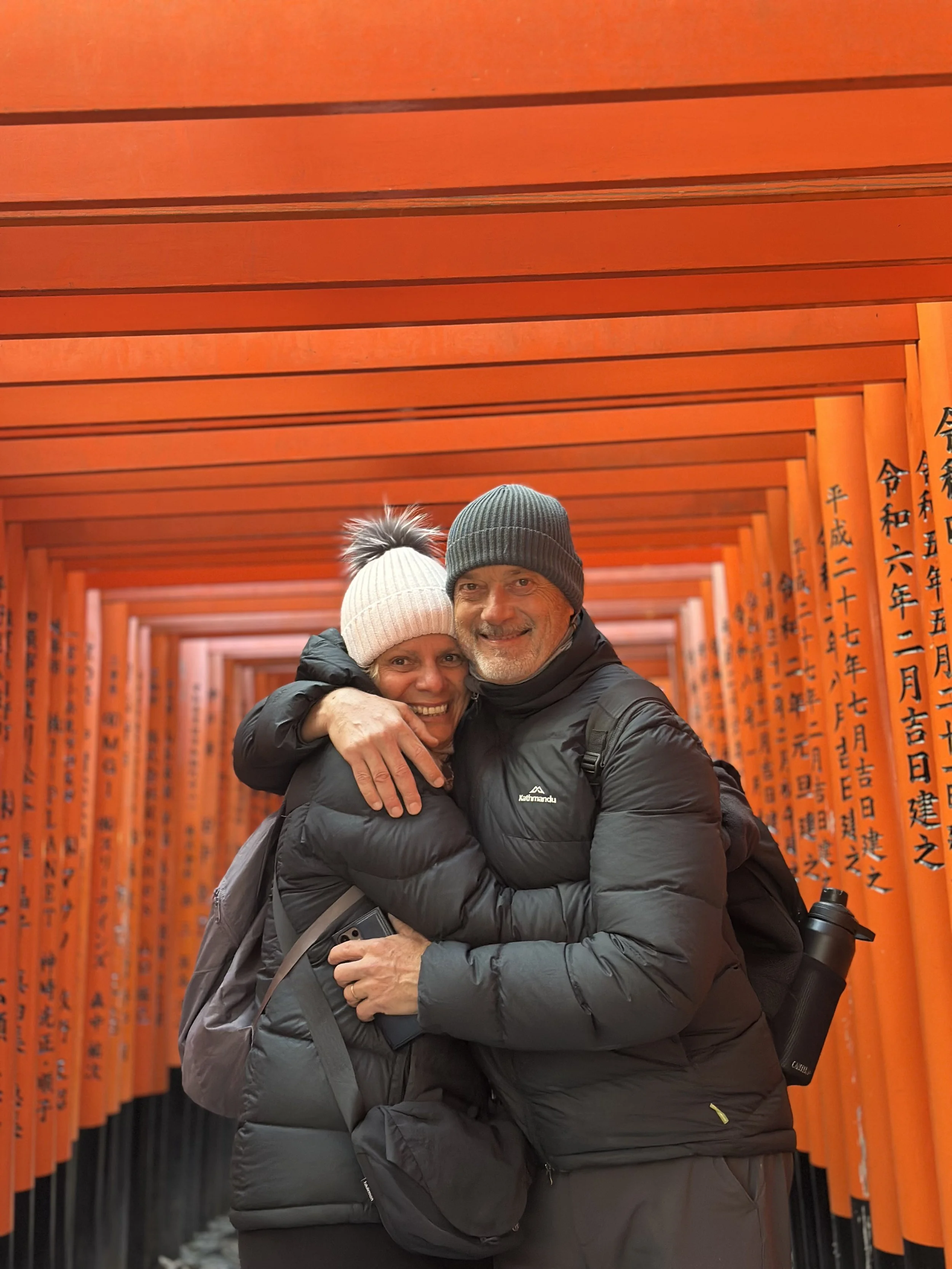
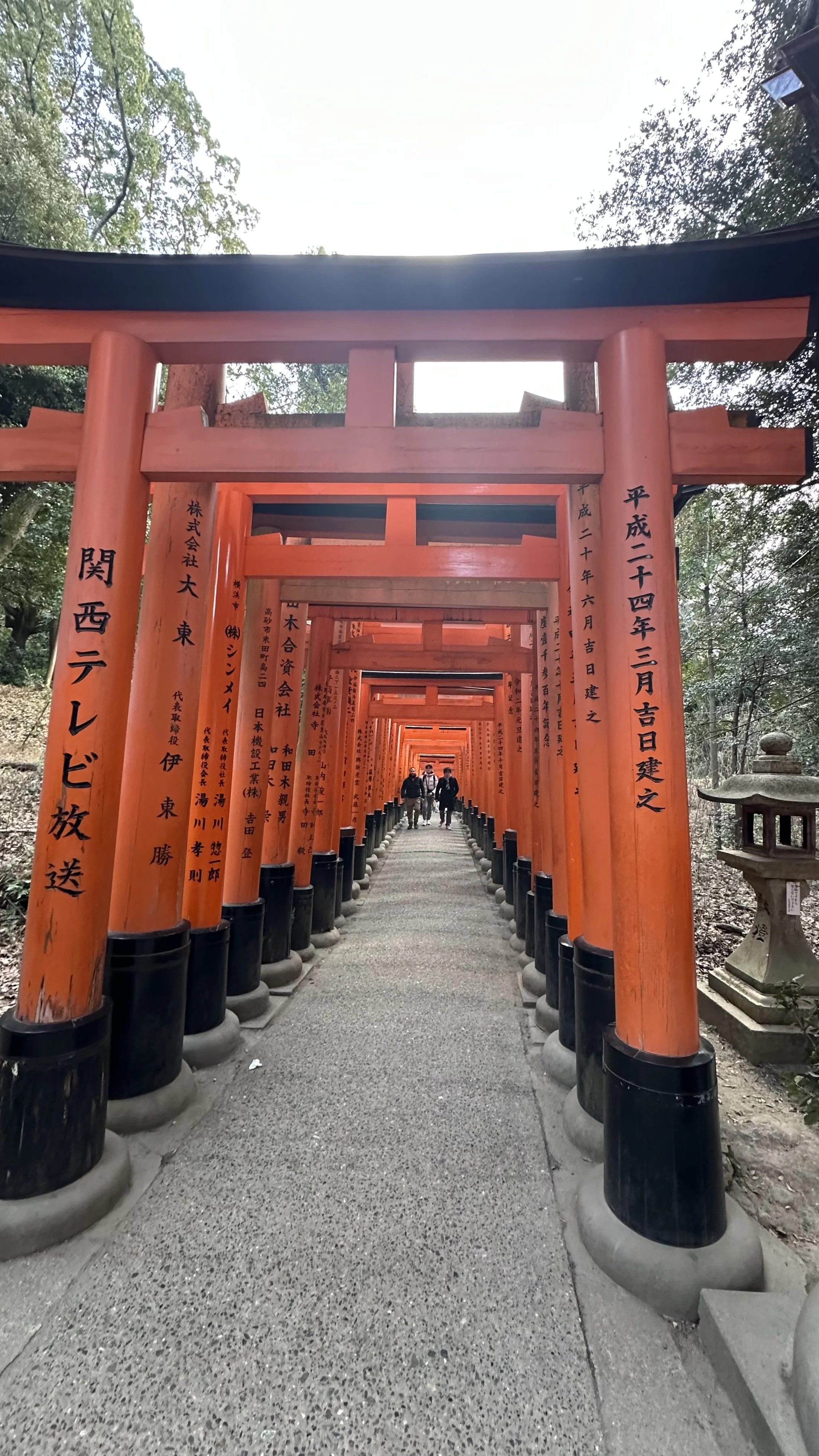
At Fushimi Inari, intention takes physical form. Thousands of torii gates climb the mountain, each donated in gratitude or hope. Their rich, deep orange / red colour symbolises protection, life force, and the boundary between the human and divine.
Passing through a torii gate means leaving the ordinary behind.
Fox statues line the path, they are messengers holding keys, rice, scrolls, or jewels. Wishes made tangible. Ritual here is simple. Cleanse. Bow. Clap. Wish. Shinto doesn’t demand belief. It asks for presence.
Balance - softness and discipline
I first noticed it in small, everyday details.
Women of all ages carry small soft toys clipped to bags and phones. Curious, I learned about kawaii culture which values softness, approachability, and emotional ease. What began as a gentle response to social restraint has become a widely accepted way of expressing care, warmth, and individuality. I’m still resisting the urge to buy one myself, we’ll see how that goes by the end of this incredible trip.
I noticed the same balance in restaurants. People eat slowly and attentively, using chopsticks with practiced ease. Dishes arrive in small portions, designed for a single bite. Chopsticks shape the entire experience: food is cut in the kitchen, bones removed in advance. There are no knives at the table and that absence matters.
Knives and forks imply cutting, piercing, even a quiet battle with the food. In Japan, eating is not something to be conquered. It’s something to be respected. Chopsticks ask for precision rather than force, cooperation rather than domination.
There’s history beneath this. In a culture shaped by the samurai, weapons were never brought casually to the table. The separation between violence and nourishment was deliberate. Meals became a place of peace, not conflict. Used in Japan for over a thousand years, chopsticks quietly teach patience, care, and restraint. Eating becomes measured, not rushed.
That same mindset appears in Kaizen. After the war, when resources were scarce and sweeping change wasn’t possible, workers focused on small, practical improvements within their own tasks. Tiny adjustments, led by those doing the work, accumulated over time. Those modest refinements helped shape companies like Toyota, progress built through care, consistency, and discipline.
Again and again, the same pattern appeared, discipline softened by care. Not opposites, but partners.
Walking through Kyoto, without instruction or effort, my own pace began to soften and I realised how rarely I allow that to happen.
Leaving Kyoto
And that feeling lingers….
Japan doesn’t ask you to rush. It asks you to notice.
The bend in bamboo. The pause before a bow. The grace of restraint. Somewhere along the way, without effort or instruction, your own pace softens too.
Next, we head north, to snow, mountains, and I suspect a very different rhythm in Sapporo and Niseko. So excited to be skiing in Japan for the very first time!