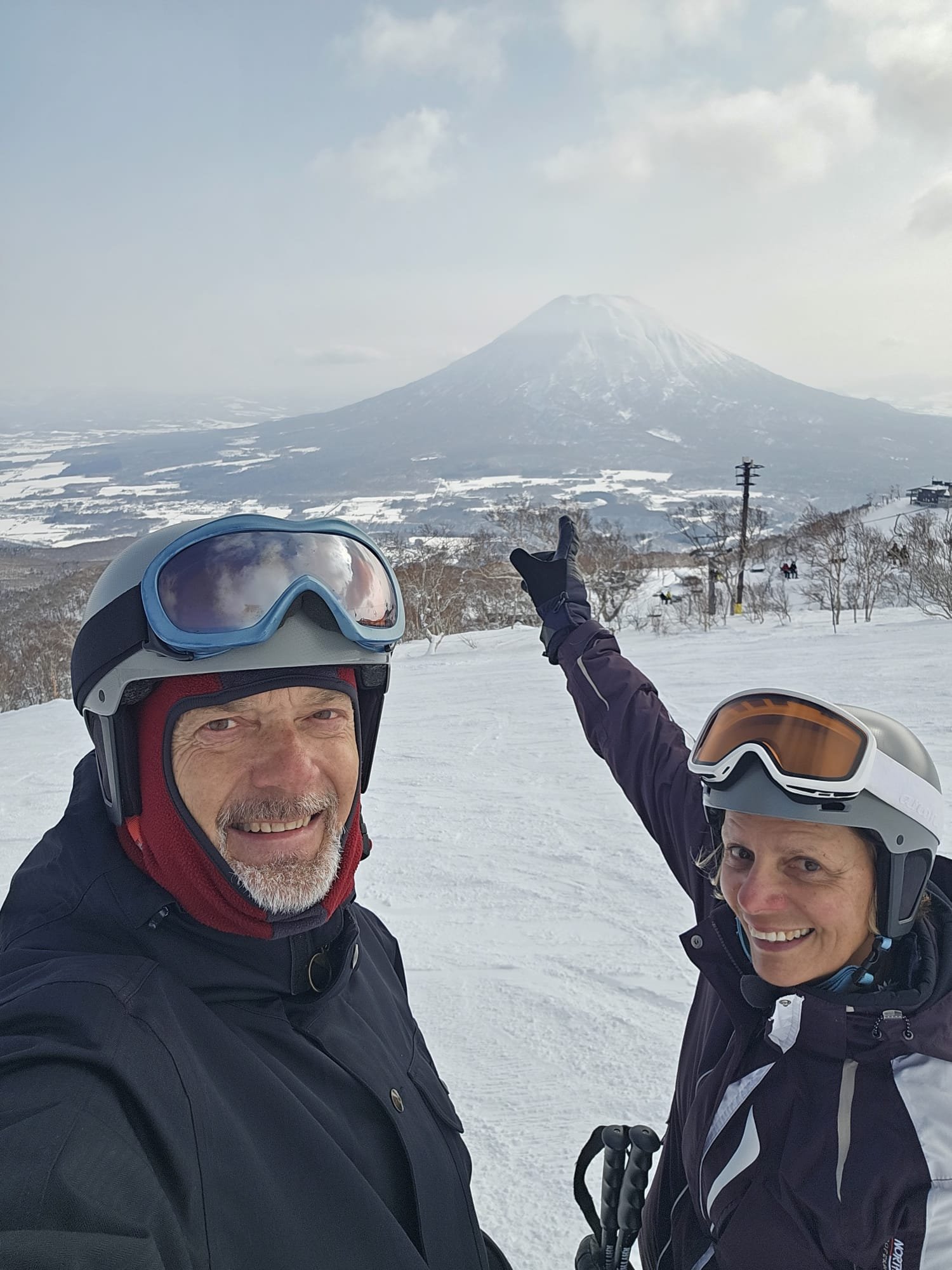
Niseko - when snow rewrites everything I thought I knew
I thought I knew snow.
I grew up with it. I learned to ski on it. I found my happiest winter self on Jahorina, the mountain that shaped my love for winter, for movement, and for that deep, comforting quiet only snow can bring.
So when I arrived in Niseko, Japan, I wasn’t prepared to be re-educated.
When altitude stops explaining snow
I grew up believing that altitude was the defining factor when it came to snow.
Both Jahorina and Niseko sit at almost the same ~ 43° N latitude, yet one is a snow legend and the other… politely snowy.
Jahorina, rising to almost 2,000 metres above sea level, reinforced that belief. It is a proud, continental mountain, cold, clear, and shaped by winters where snow is valued, anticipated, and never taken for granted.
Niseko quietly dismantles that logic.
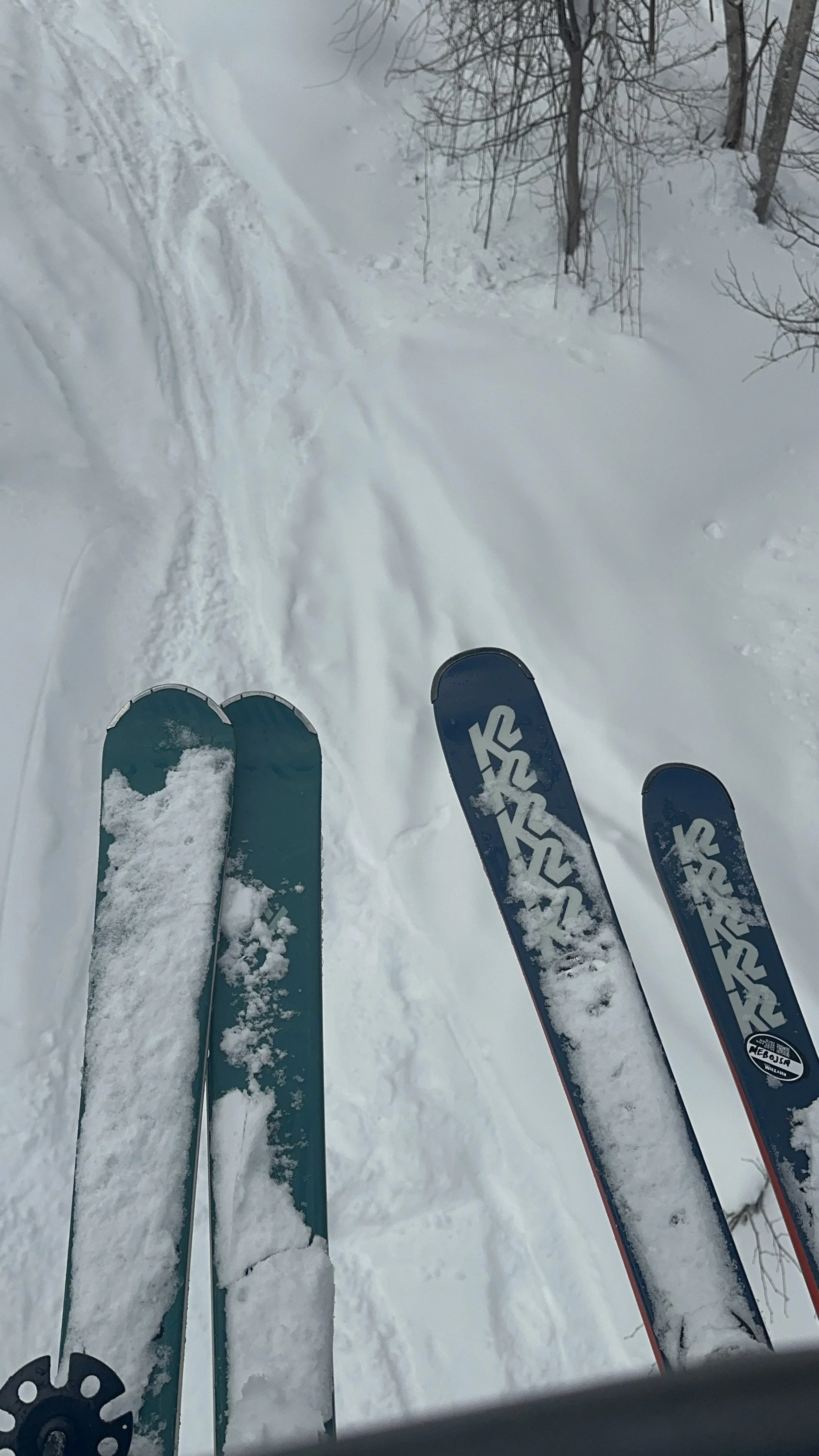
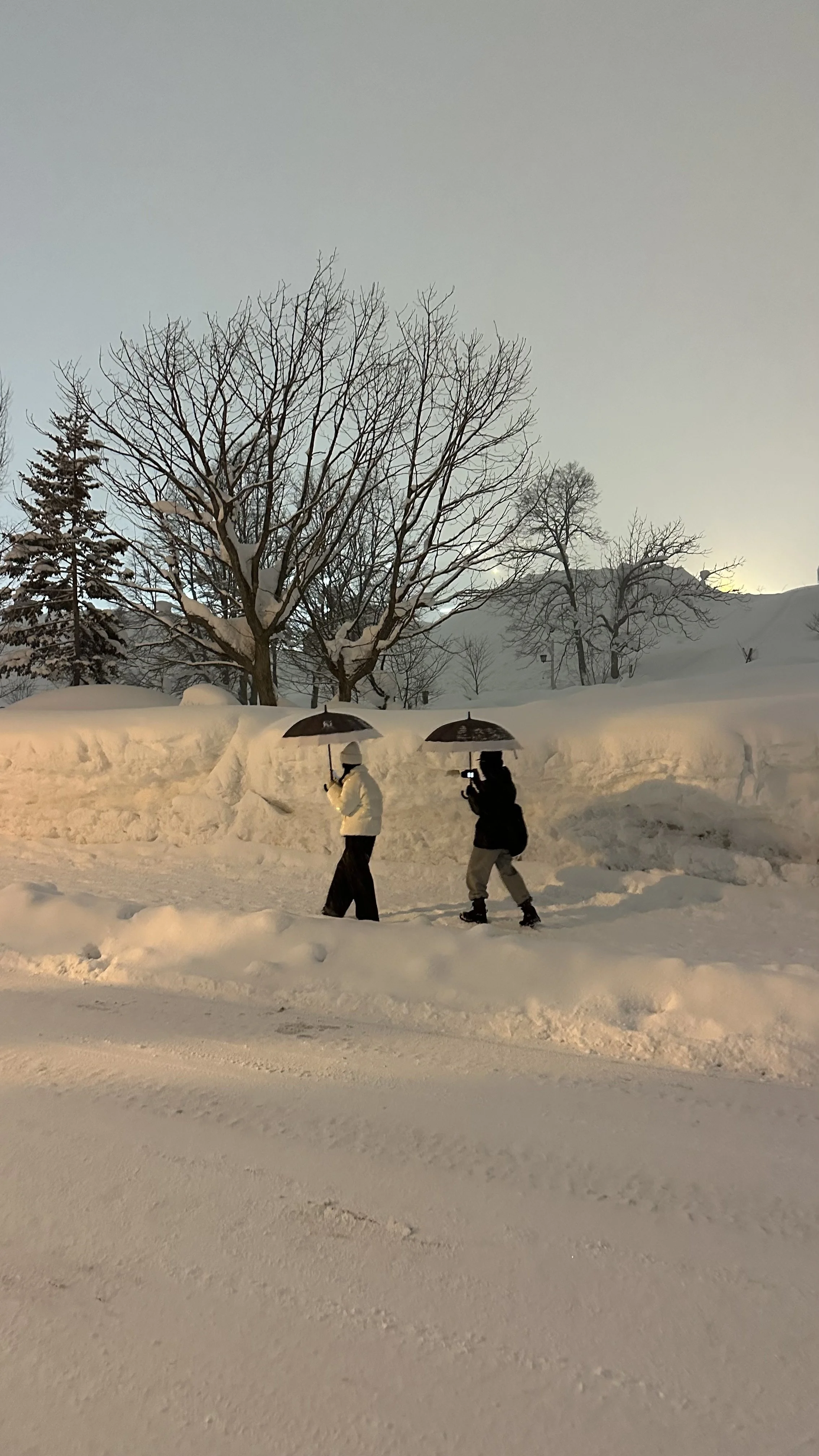
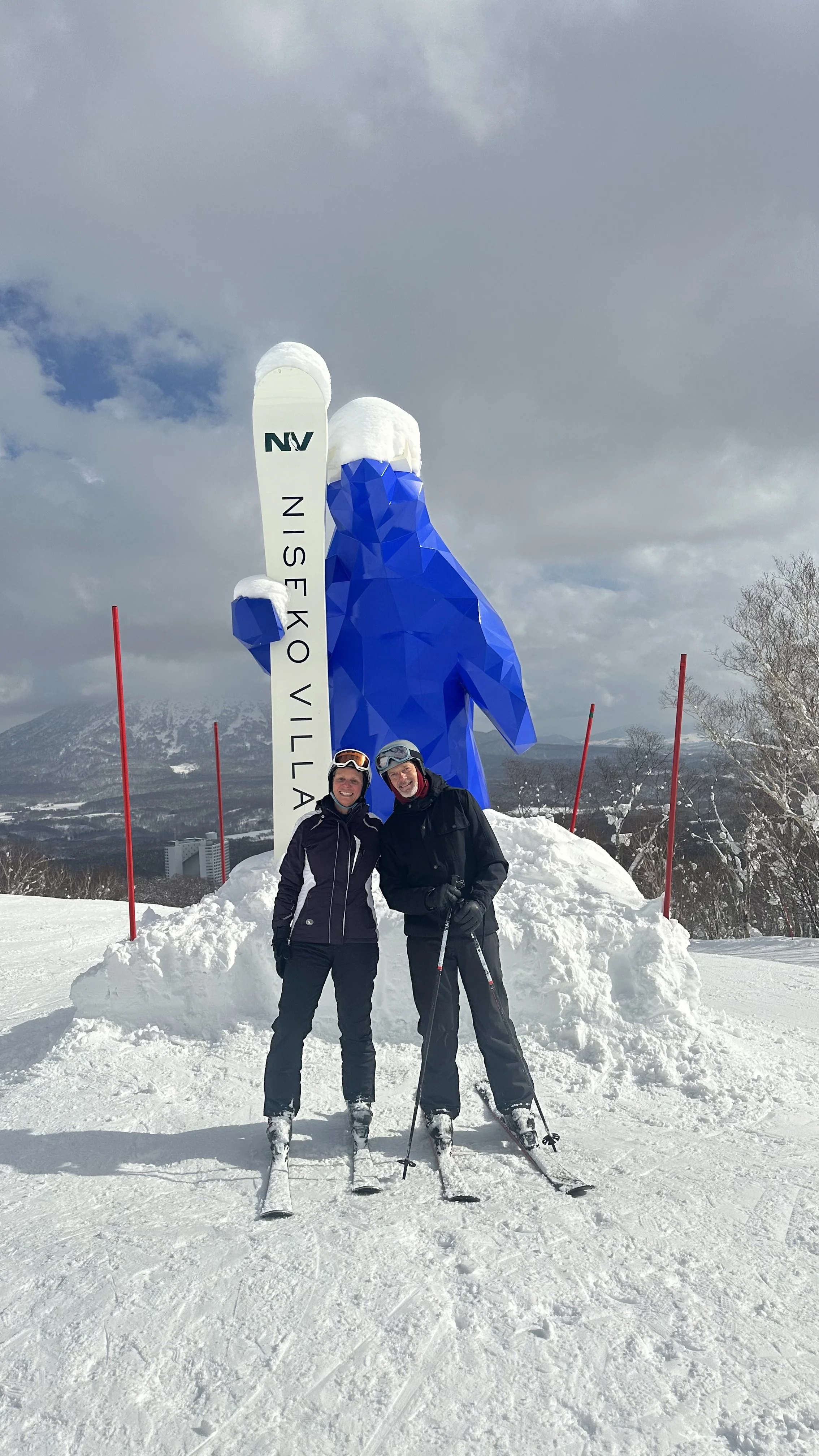
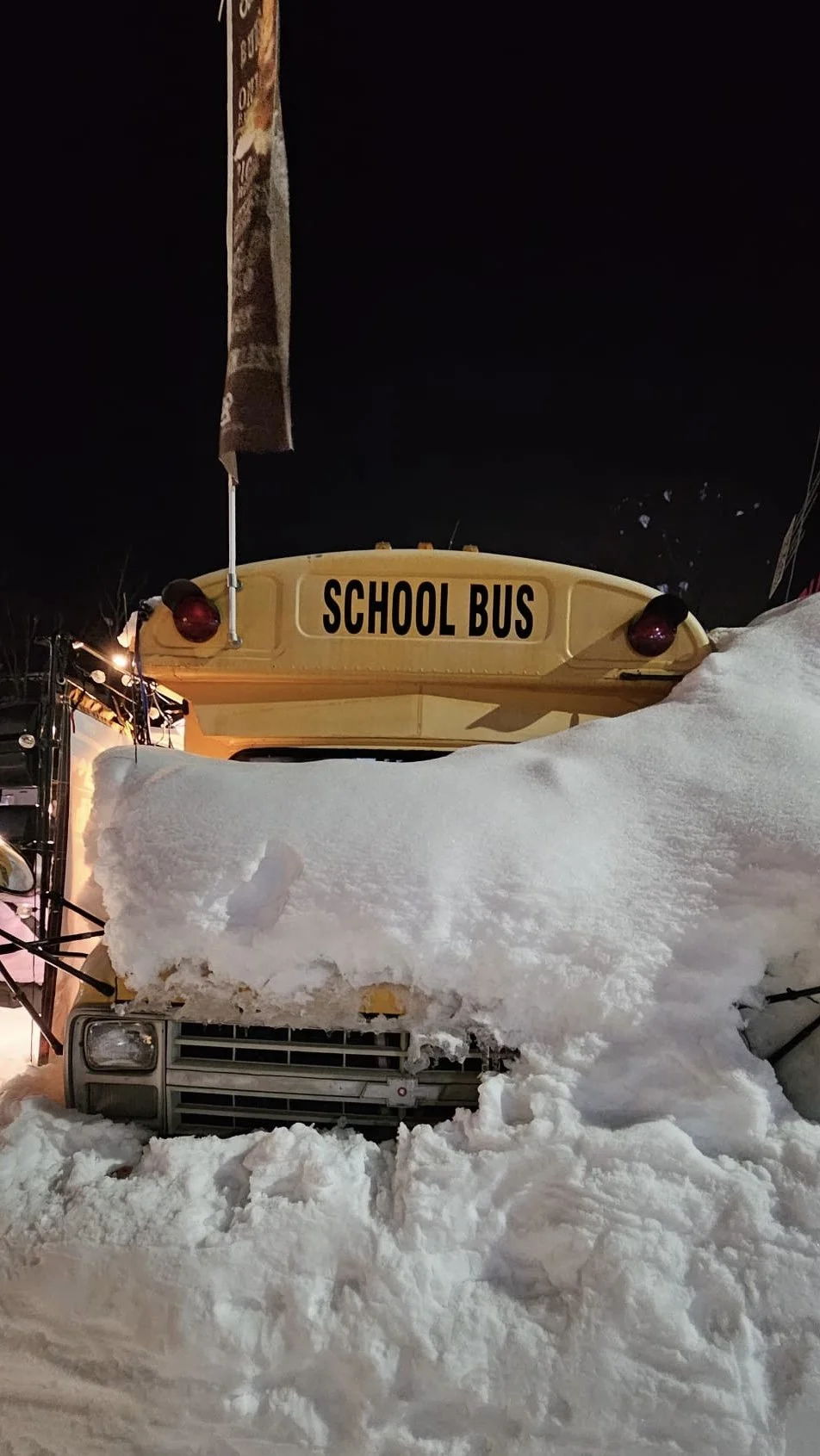
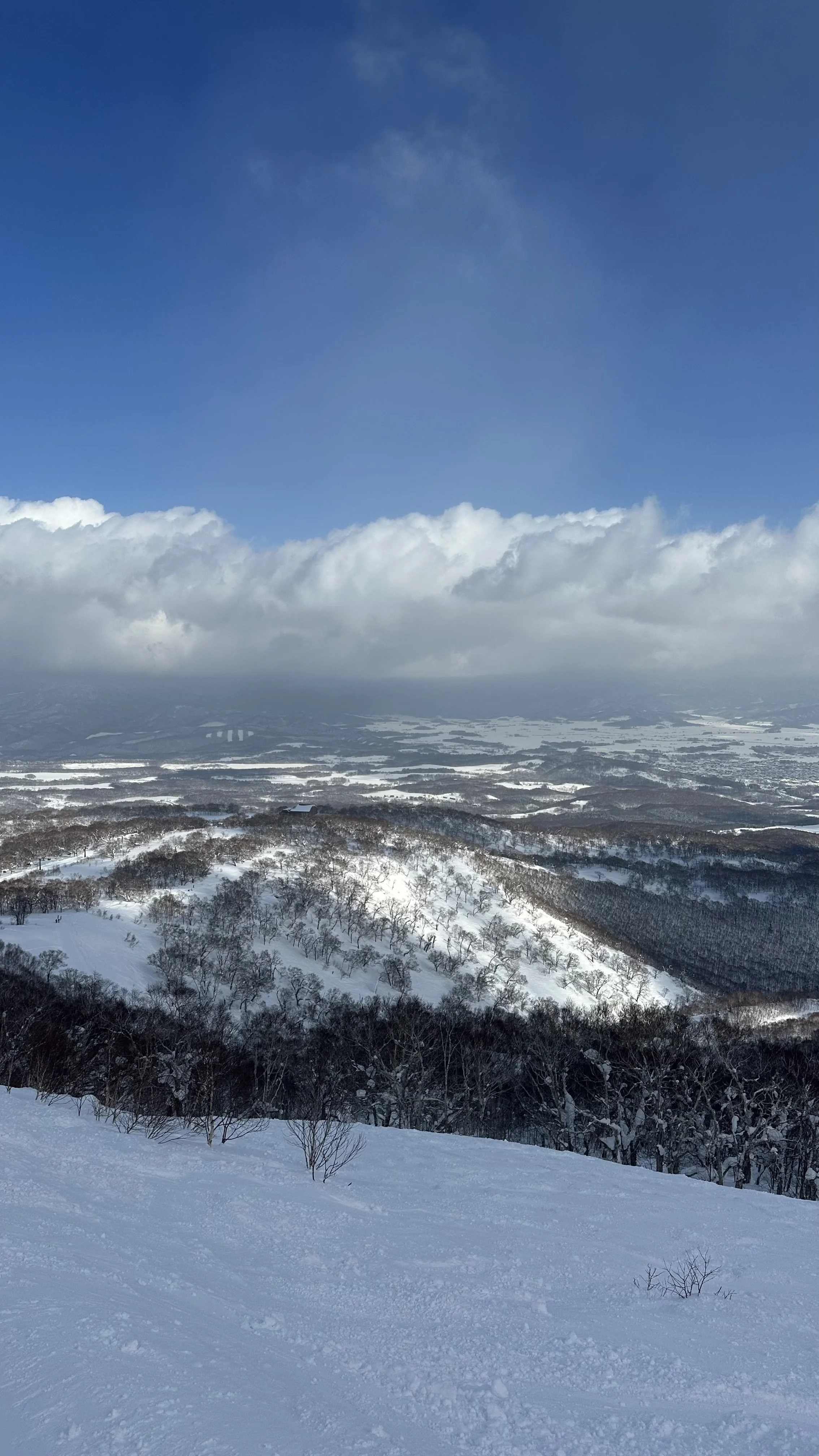
Its highest point reaches only around 1,300 metres, and it sits astonishingly close to the sea. And yet Niseko receives an average of 12 to 15 metres of snowfall every winter. Standing here, surrounded by snowbanks taller than people and slopes carrying over four metres of settled snow, I found myself genuinely puzzled.
This simply should not be possible.
And yet, it is.
Why Niseko gets buried in snow
The explanation lies in geography rather than height.
Cold air from Siberia sweeps across the Sea of Japan, collecting moisture before meeting the mountains of Hokkaido. As this cold, moisture-laden air is forced upward, it releases snow not in dramatic bursts, but steadily, quietly, and repeatedly.
By contrast, Jahorina’s snow systems travel across land, losing moisture long before they arrive. Jahorina may be higher and colder, but it is far drier.
Altitude helps.
Moisture decides.
The snow itself: pršić, perfected
We have a word for this kind of snow: pršić.
Dry, feather-light, soft enough to whisper under your skis. Niseko sits in a near-perfect temperature range, cold enough to preserve snow, but not so cold that the air loses its ability to hold moisture. The result is snow that stays light, playful, and forgiving.
I have skied across major European resorts, Canada, and the United States. I know good snow. But the consistency of the snow here, day after day of the same quality was new to me.
Not just deep.
Not just fresh.
But reliably joyful to ski.
Fun facts that still surprise me
Niseko receives more annual snowfall than most Alpine resorts, many Canadian mountains, and large parts of the USA.
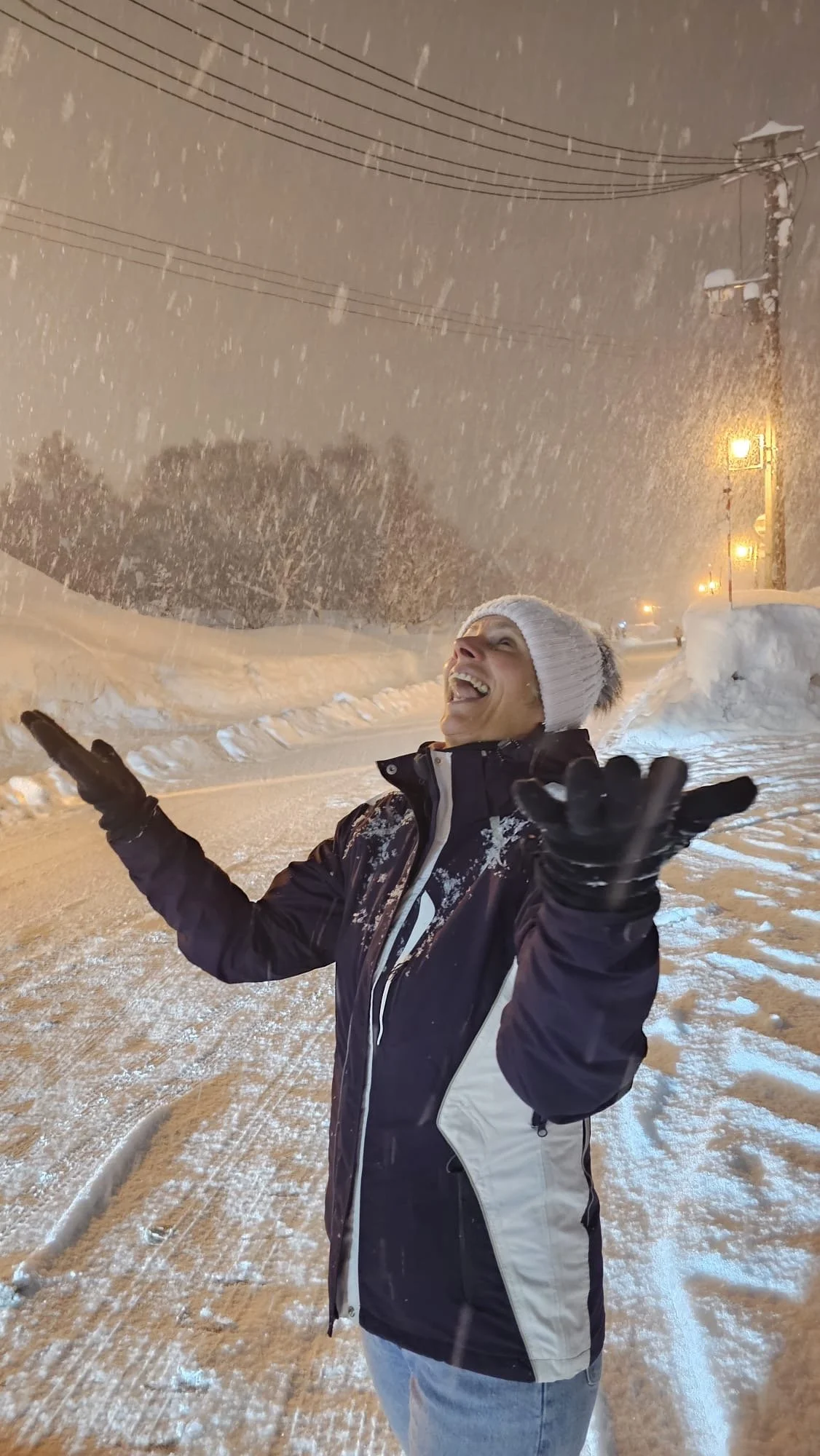
Fresh snow often falls daily, sometimes without what Europeans would even call a storm.
Extremely cold air actually produces less snow - Niseko sits perfectly in the snow sweet spot.
Four metres of snow on the slopes here is not exceptional, it’s normal.
Niseko’s legendary powder exists despite the mountain being lower than Jahorina by nearly 700 metres.
A winter that draws the world in
What surprised me almost as much as the snow was who I was sharing it with.
Niseko has quietly become one of the most international ski destinations I’ve ever visited. On chairlifts and gondolas, I heard accents from Australia and New Zealand, North America, Europe, and across Asia, alongside Japanese skiers who have known and loved these mountains for generations.
Australians, in particular, arrive in large numbers chasing winter while it’s summer at home, and finding some of the best snow on the planet.
That mix gives Niseko a special rhythm. It feels unmistakably Japanese, yet effortlessly global, united by a shared appreciation for snow, mountains, and good turns.
More than skiing - part of the experience
Of course, people come to Niseko for the snow. But they stay for everything around it.
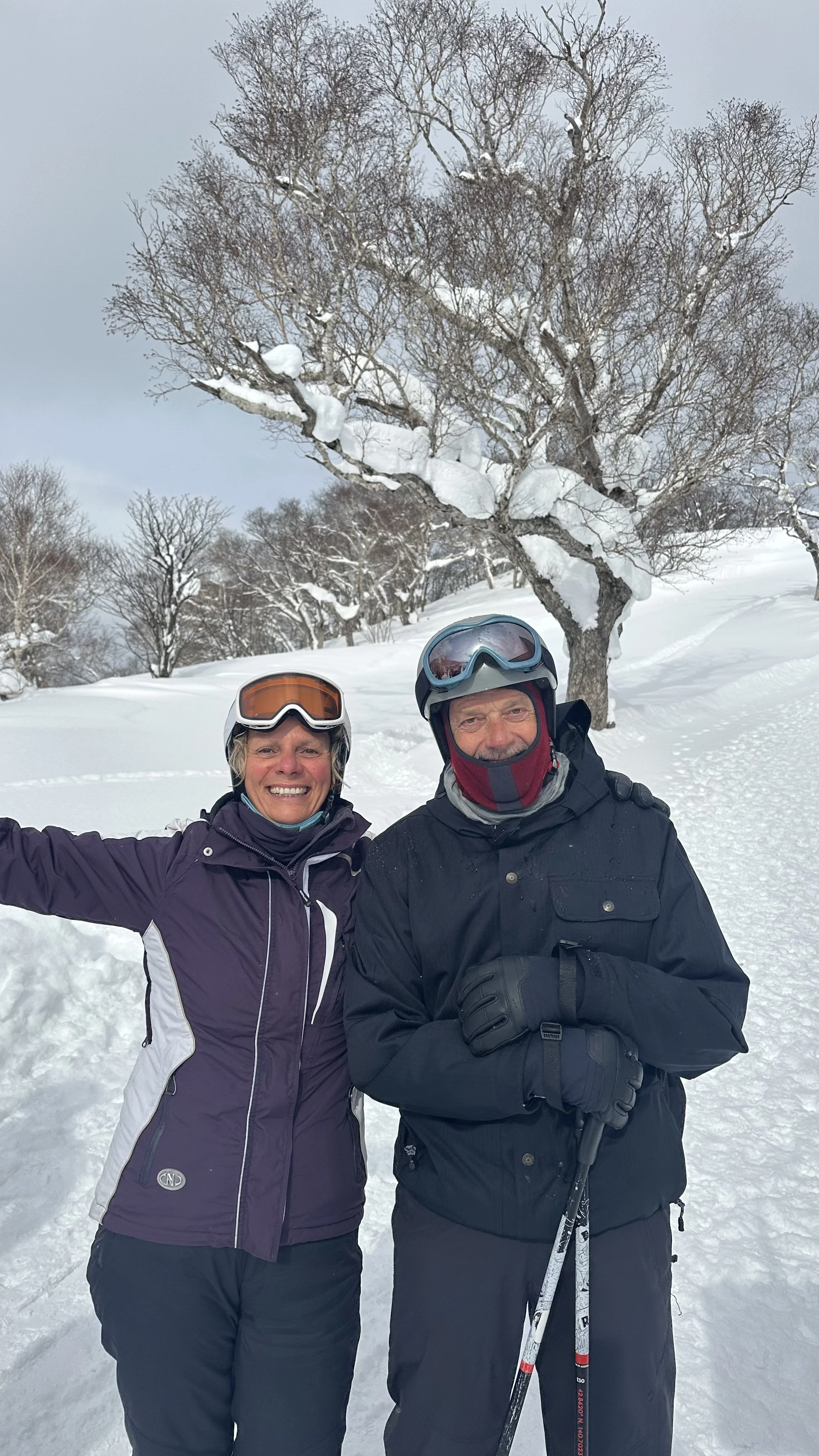
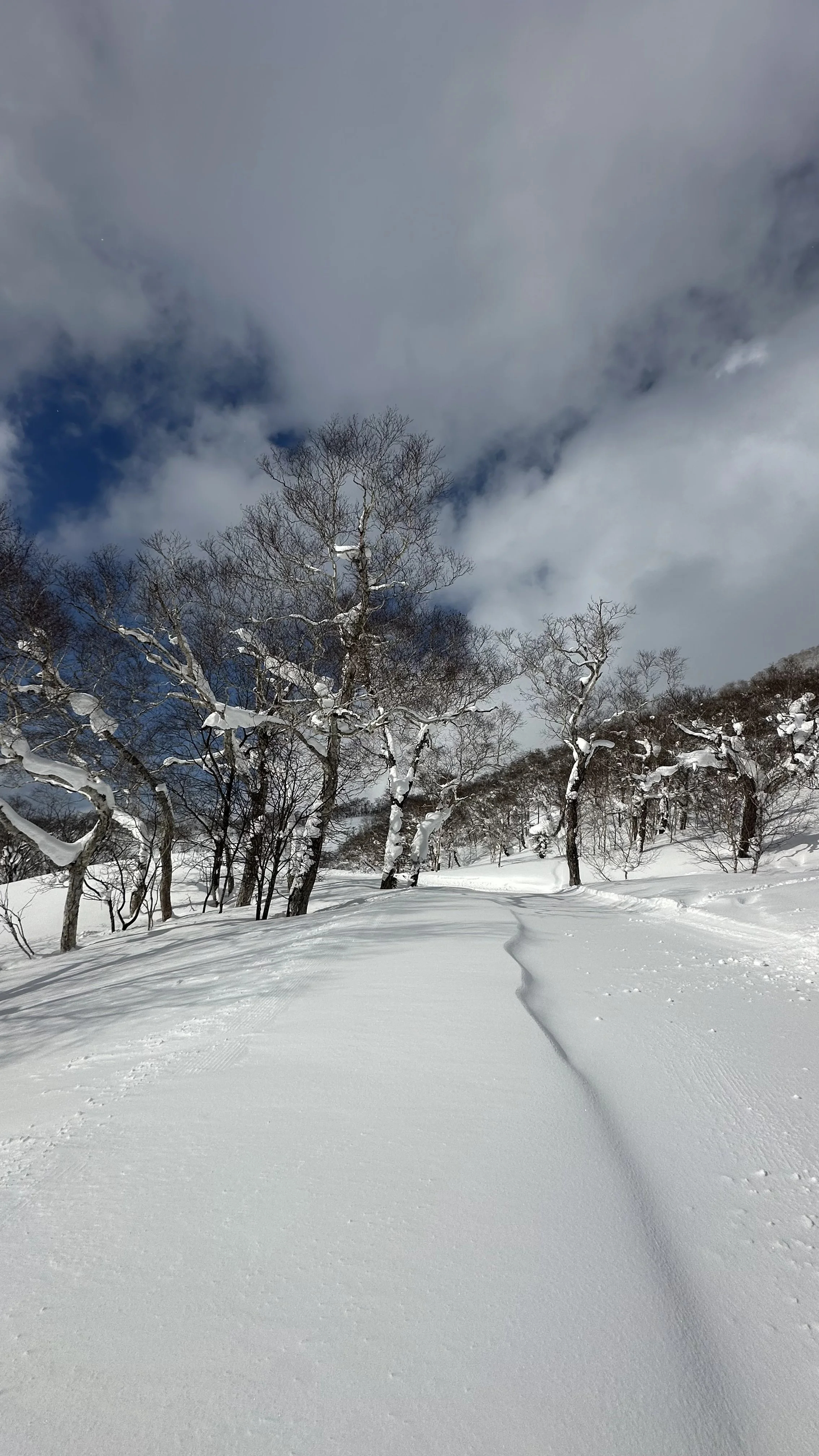
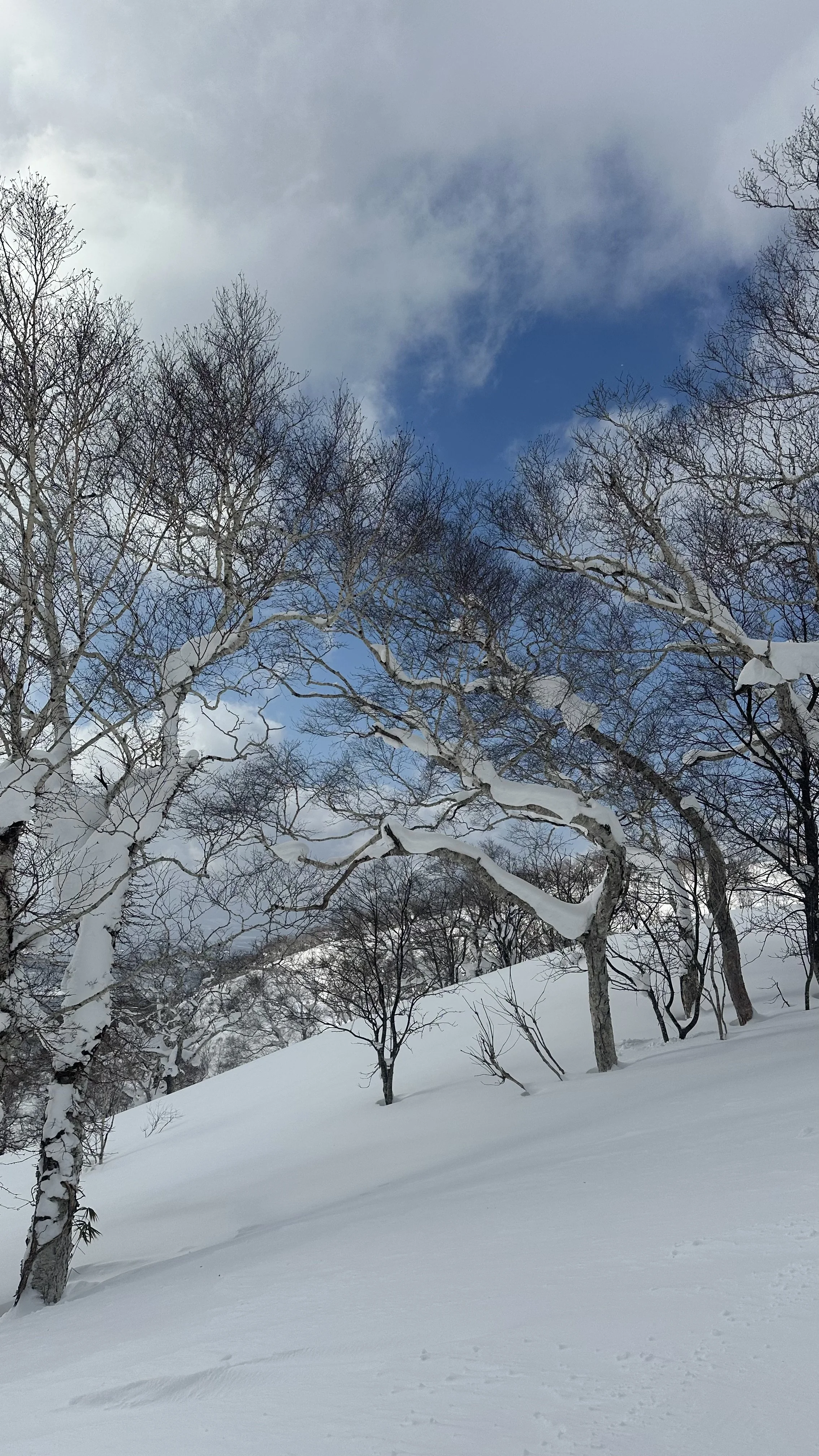
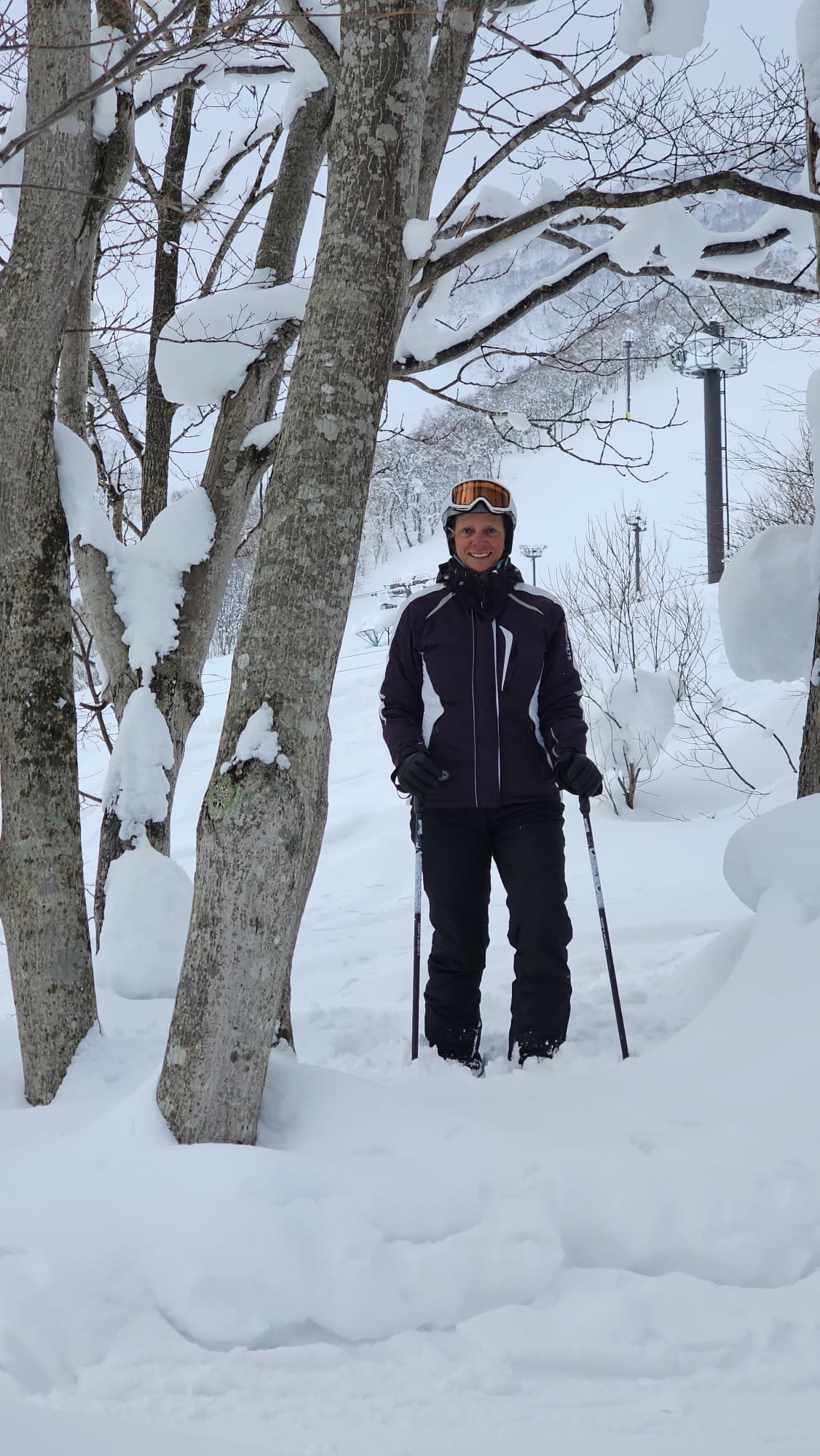
Tree skiing through beautifully spaced birch forests buried in powder. I had to be a bit naughty and give it a go. It’s a cool experience that requires brave heart and strong legs for sure!
Soaking in onsens, steam rising as snow falls quietly around you. I was in two minds. I prefer cold to hot so I was worried it was going to be too hot for my liking. I am somewhat shy and prefer to wear my togs rather than being naked in front of other women. Yet, I pulled the courage & curiosity card and went for it. I enjoyed the outside pool with hot water surrounded by snow and I loved the cold plunge after the hot pool. Never thought it would be my thing!
Food that comforts and surprises, from simple bowls of ramen, food trucks selling every delicacy you can think of to thoughtful Japanese dining.
And a sense of calm and order that makes winter feel unhurried.
It’s a place where winter isn’t conquered, it’s enjoyed in every sense.
What this winter has given me
Jahorina will always be where my winter story began. That will never change.
But Niseko reminded me that even after a lifetime of skiing, winter can still surprise you. Writing this, reliving these days on the mountain, I feel an enormous sense of joy and gratitude for the places I’ve come from, the places I’m still discovering, and the simple privilege of being able to move through the world with skis on my feet and curiosity intact.
I can already see us coming back, chasing cherry blossoms in Kyoto, then stealing a week or two of skiing in Niseko next year. Crossing the globe is who we are, and living between continents is how we see our future. From New Zealand to Croatia, and everywhere in between, travel is not something we do, it’s how we choose to live. And this winter paradise is one we know we’ll return to, again and again.
For now, bye bye Niseko and hello Sapporo, we are super excited to be visiting the best and the largest winter festival in the world!