
A glimpse of my childhood
After the amazing time in beautiful Belgrade with hearts full of joy and happiness we embarked on the next adventure!
We decided to visit my old stomping grounds to relive my childhood life for a few weeks.

After the amazing time in beautiful Belgrade with hearts full of joy and happiness we embarked on the next adventure!
We decided to visit my old stomping grounds to relive my childhood life for a few weeks.
Am I going to like it? How am I going to feel about it? No idea, but I wanted to try it out, and now you need to read to see what happened…
Having lived in Split, having a family bach on Jahorina and close family in Serbia, meant I lived among these three places pretty much all my childhood life. Dad, of course, established certain routines to enable a smooth transition from one place to another keeping in mind changing seasons and everything you are meant to think about. Mum and I had to follow Dad’s instructions, he knew the best, or so he thought 😉❤️!
Firstly, we drove from Belgrade to Jahorina in our own little car, for the very first time since we immigrated to NZ! That’s been so special and kind of frightening. The roads are narrow, full of bends, mostly single line for overtaking slow trucks, with traditional cafes along the way. And remember we drive on a “wrong or right “ side, depends who you ask!
We followed Google Maps until we ended up in the wrong place! Yep, the road sign to Sarajevo said go straight, but our Google friend said turn right. Oh oh oh, you know you should not listen to it, but you do, you trust AI more than you trust your gut instincts and the road signs! So silly, right?! 10 mins later we arrived in front of the hydroelectric power plant gate with no further road ahead, on a narrow patch you could barely turn the car around. Luckily, a worker saw us, opened the gate to help us turn around, told us each day he gets people like us from all over the Europe making the same silly mistake, wished us safe travels and within 10 mins we were back on the main road!
We could see motorways being built, though we are still a few years away from having a motorway connection from Belgrade to Sarajevo / Jahorina.
Despite a silly hick-up, I have to say, we actually did ok, driving wasn’t as bad as we thought it might be.
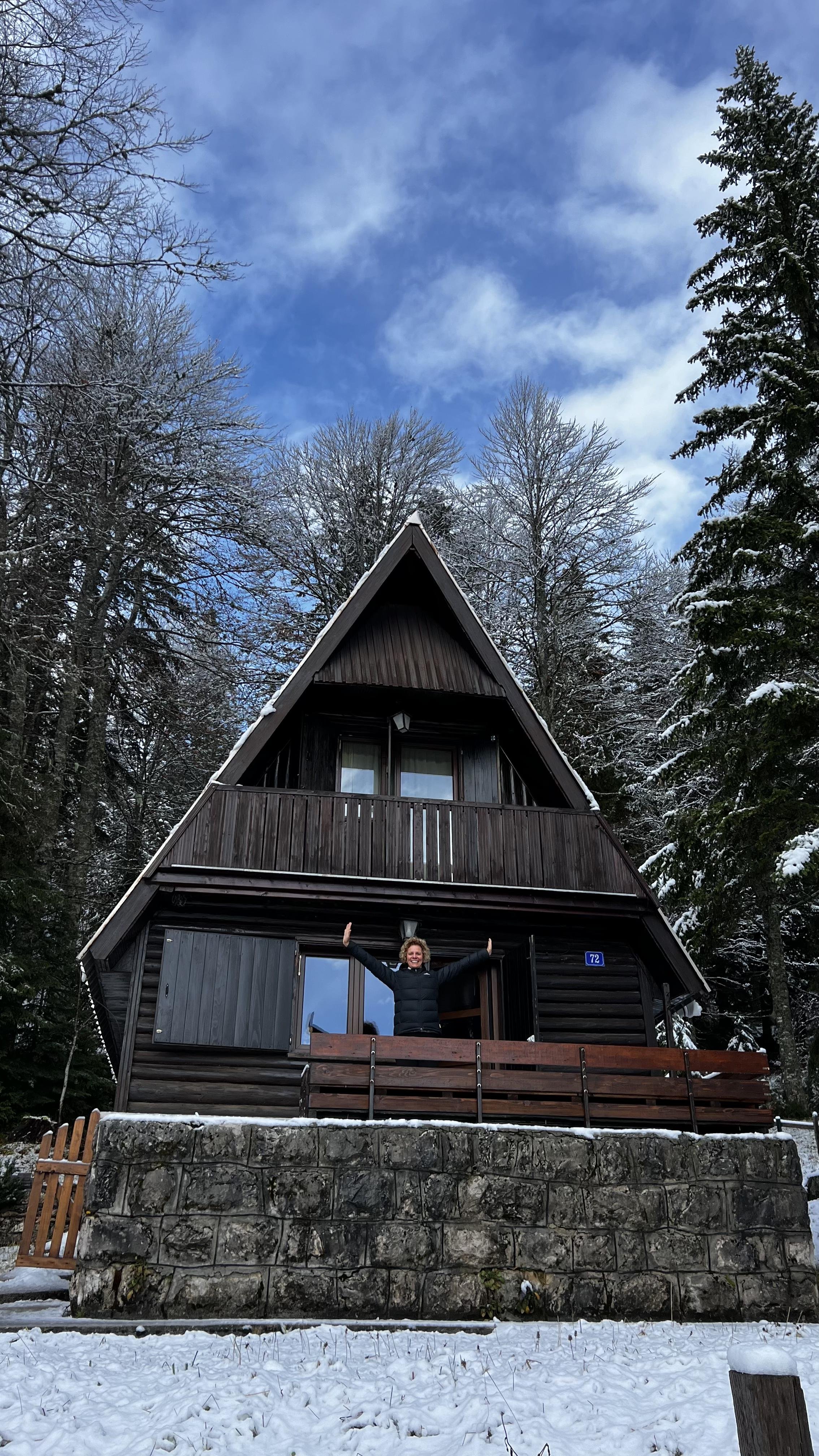
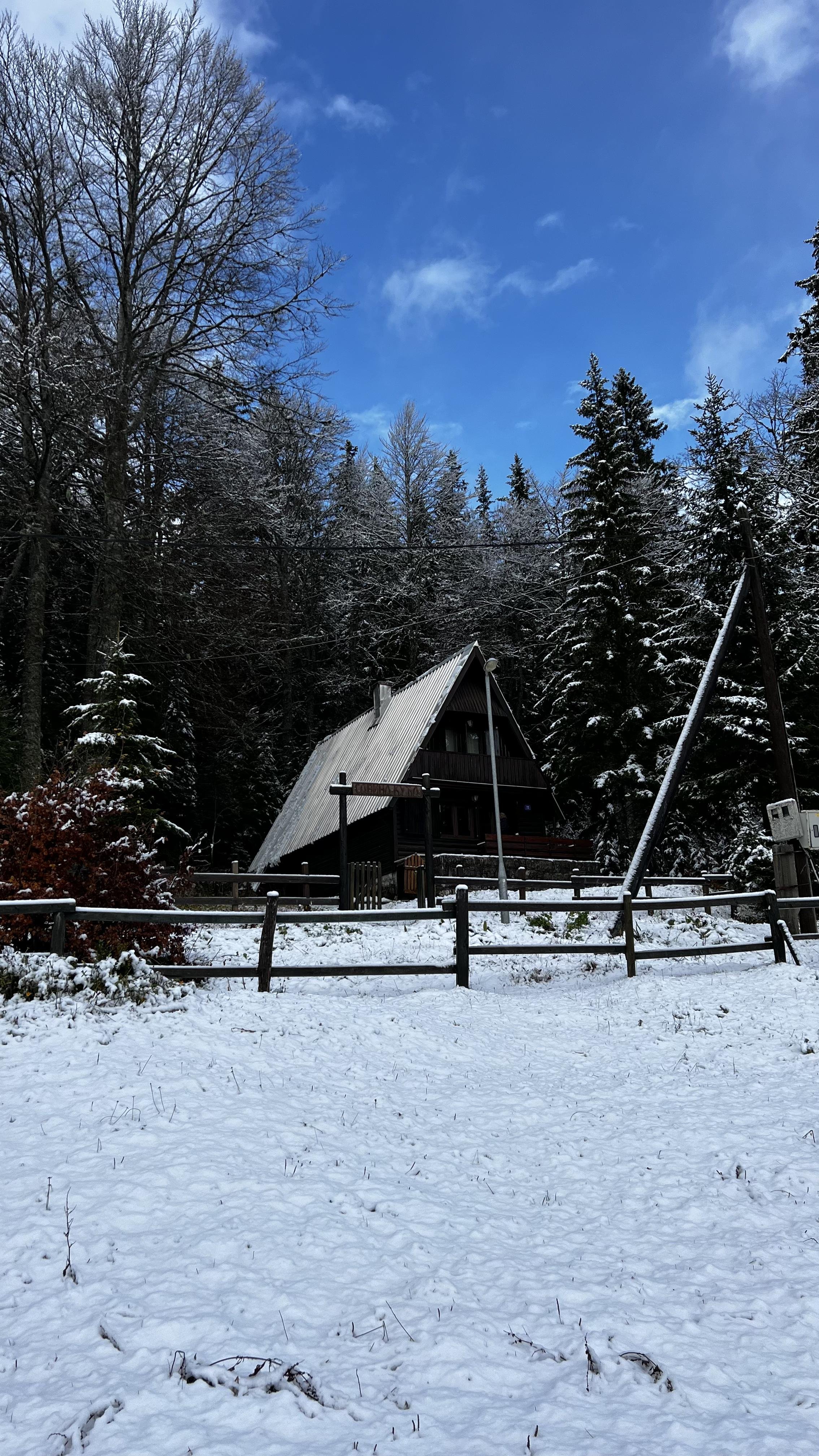
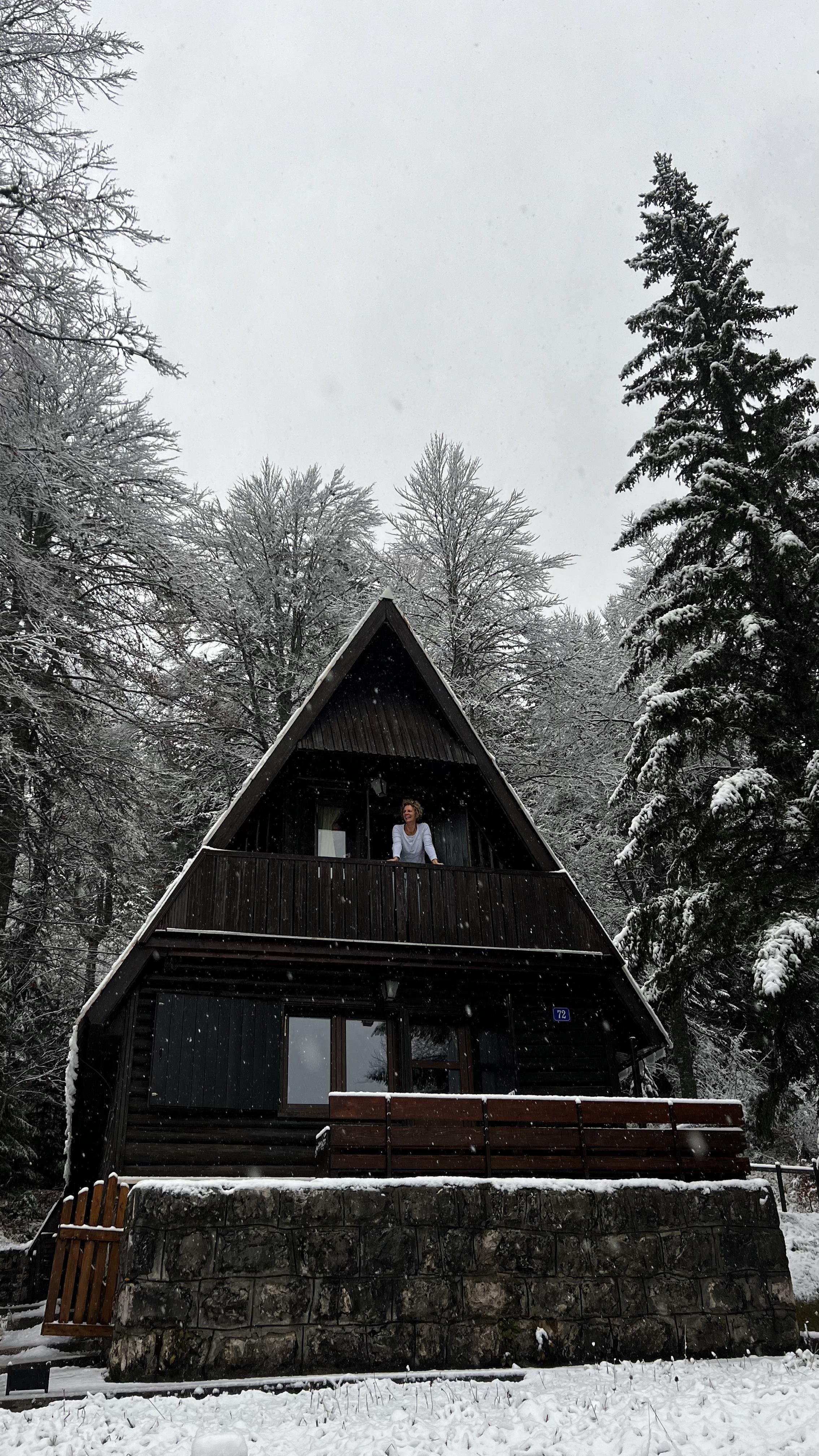
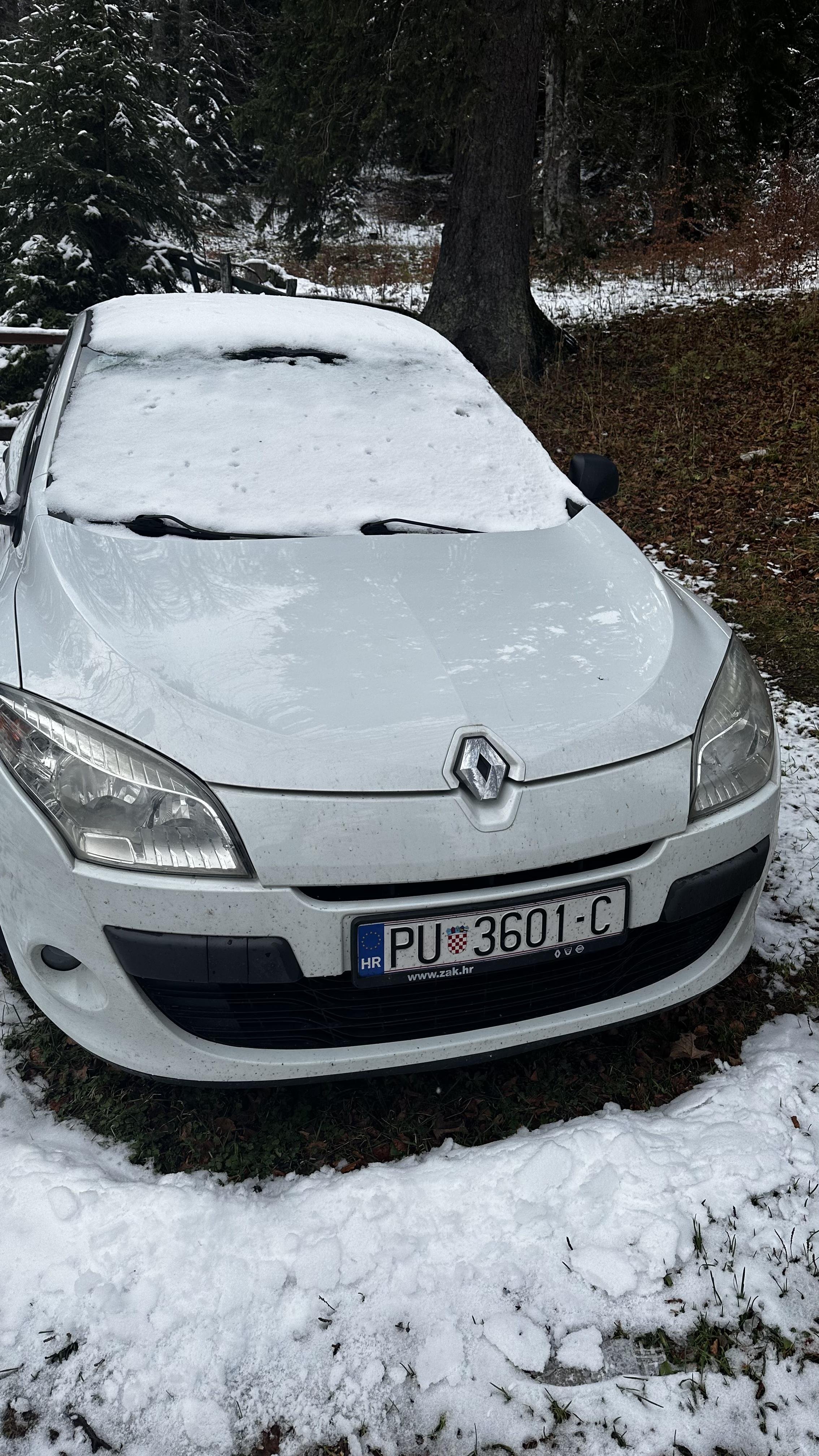
We arrived to Jahorina, and parked in front of the bach. Yes, this is important, you’ll see why soon. Petra and Chase were already there waiting for us with an out of bag chicken soup, our favourite fast food soup. Thanks guys!
My curiosity kicked in! Since we have just completed the final stage of the bach renovation we had to inspect the place! My friends from childhood have again done a great job managing the renovation and we can say the upstairs now looks fantastic! New carpets, new insulation, new floors, it’s so nice and warm!
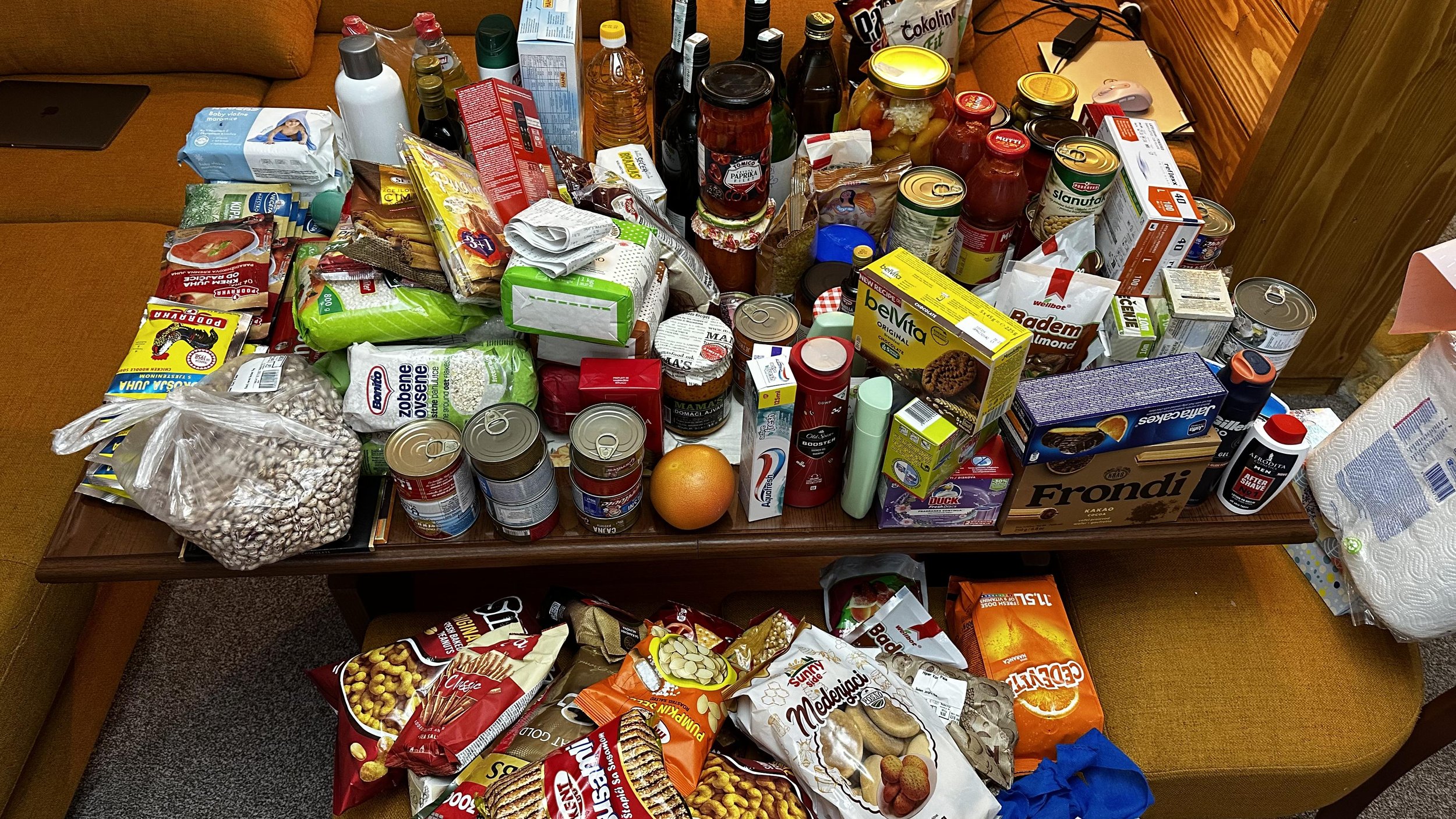
The next morning we kicked off with my Dad’s famous routine, which meant we got up early and went down to Pale ( a small township between Jahorina and Sarajevo) to stock up for winter.
We bought all the goodies that can last. When the winter and snow settles in there is no more parking on a door step, we will have to carry bags in hands. So, there are now big jars full of beans, winter pickled vegetables salads, sauerkraut, fresh cabbage, carrots and potatoes, all sorts of “healthy” cans, pasta, tomato passata, jams, rice, Nutella, toilet paper and bathroom supplies, milk, and even the first week’s supply of meat and bread in the freezer! Phew!
Dad would be super proud to see us following his routine to this date. ❤️❄️
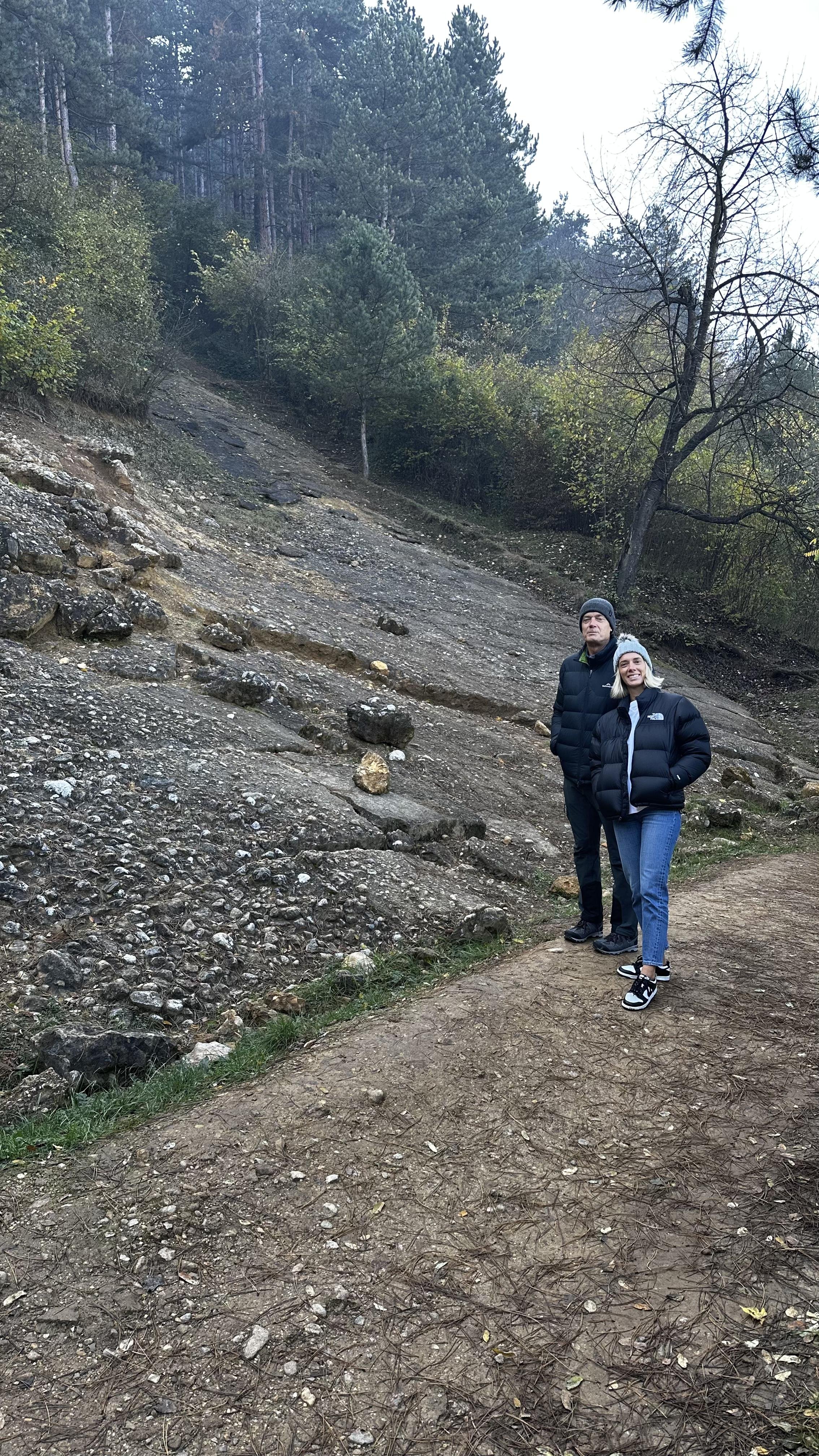
The next morning we decided to drive down and have a stroll again through my birth place Sarajevo, catch up with a friend and to visit the new tourist attraction in Bosnia and Herzegovina, Visoko, called Bosnian Pyramid of Sun!☀️
Well, this “thing” never existed when I lived there, I have to tell you a little bit about it!
The Bosnian Pyramid of the Sun, with a height of over 270 meters, is known to be the tallest pyramid in the world and dates from at least 30,000 years ago, which is far older than the commonly accepted beginning of the human civilisation, approximately 10,000 years ago. It exhibits the regular pyramid geometry with three preserved sides: northern, eastern, and western. It is covered with rectangular blocks. According to the Institutes for Materials in Bosnia and Herzegovina (2006-2008) and Politecnico di Torino in Italy (2009), the blocks are made of the highest-quality concrete material, superior to modern concretes.
On one hand, it seems so implausible that an ancient civilisation, alive during the middle of an ice age, could build these pyramids using the toughest concrete ever known to man. Yet on another hand it is equally unbelievable that pyramids so accurately aligned to the compass points and to each other, could ever occur naturally.
It is a very controversial place, condemned by many geologists and archeologists, but equally embraced by others.
Prehistoric tunnels Ravne
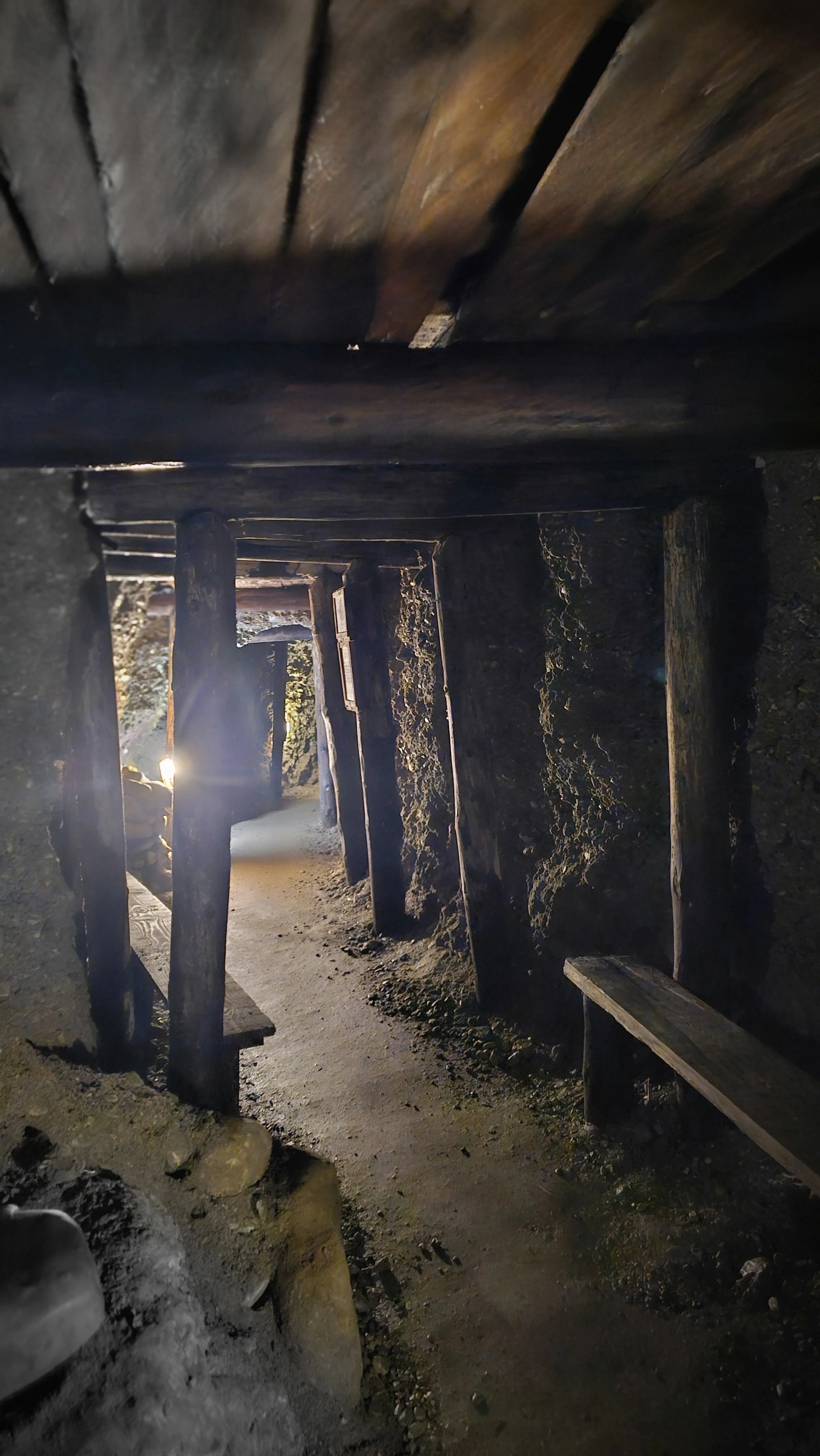
This huge network of underground tunnels, intersections, chambers and water accumulations was constructed under the Bosnian Valley of the Pyramids. Discovery of the labyrinth was predicted by discoverer of the Bosnian pyramids dr.sci. Semir Osmanagic in his book in October 2005.
We visited both locations, and yes, I was suspicious to say the least! I didn’t believe this was true finding and even now after visiting the site I am a bit undecided what to think, but one thing is certain - there is something here of the world importance that continues to attract tourists and archeologists from all over the world.
The tunnels Ravne impressed me, while I am unsure what to think about the actual pyramids. My advice is go and visit them and make up your own mind or visit the website to get a bit more information.
Overall, I am glad we found our way there, and spent a few hours exploring and learning about something very different and interesting indeed.
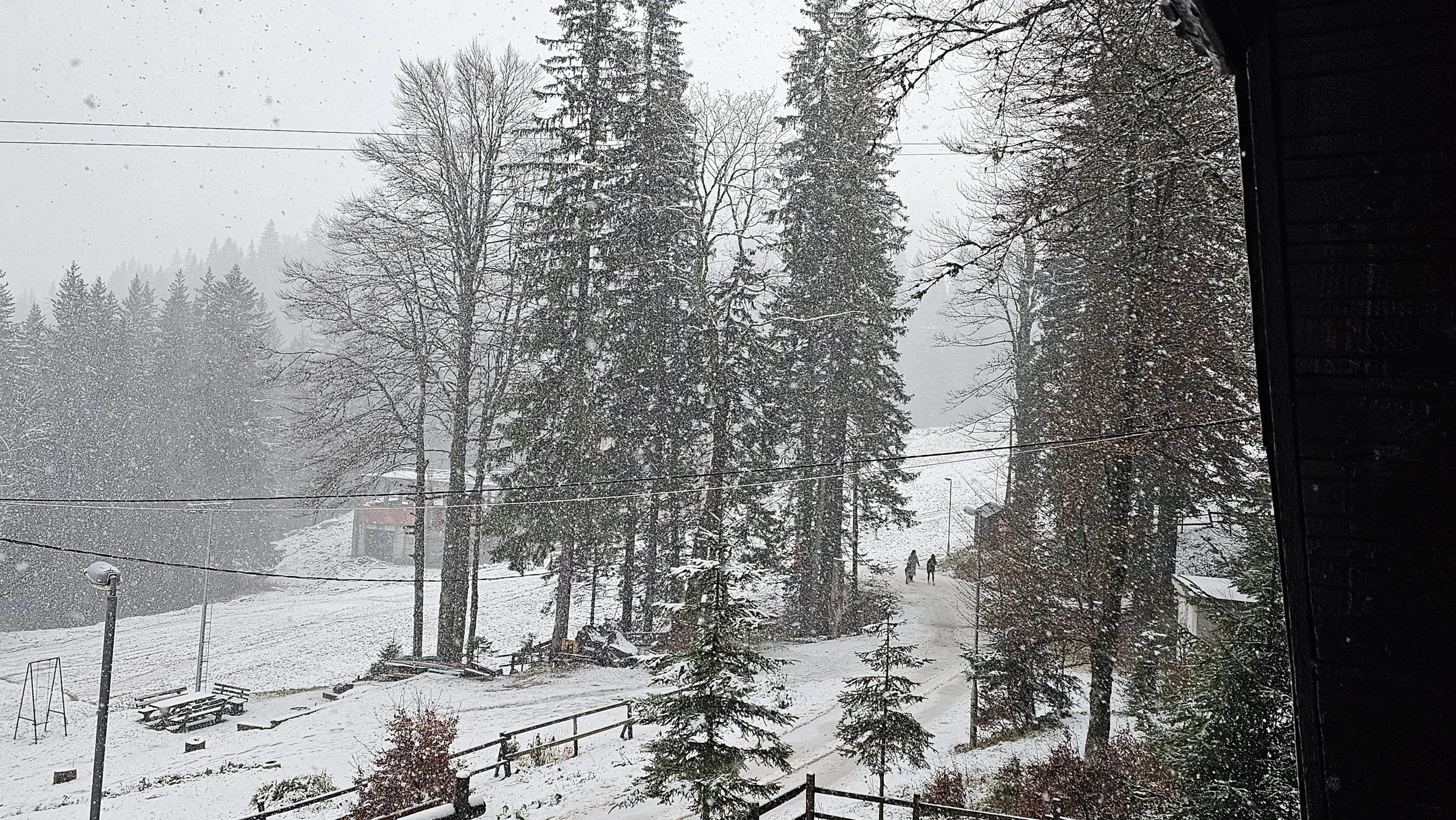
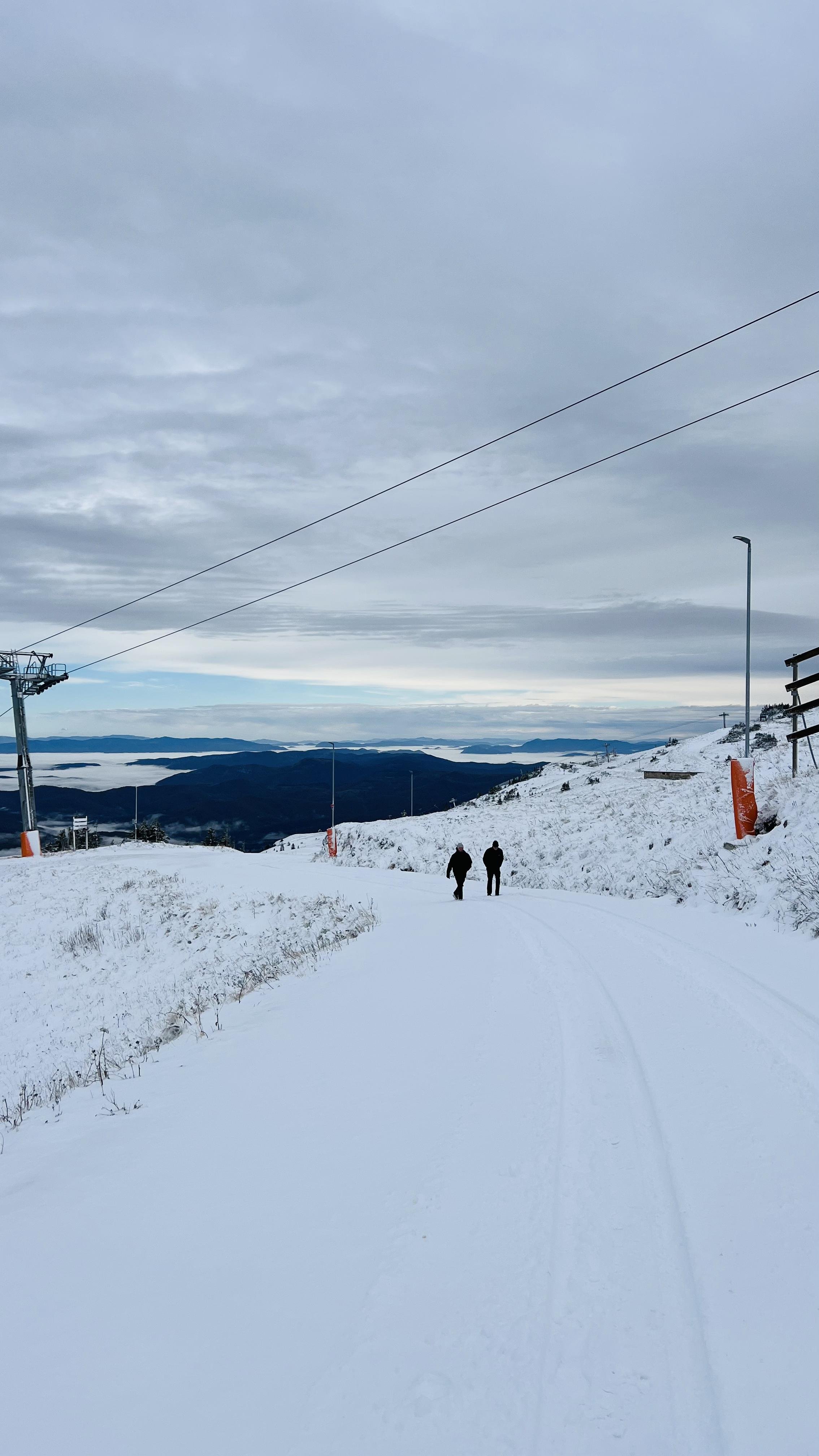
After a couple of days up in the mountain we woke up to the first snow! Yes, not expected that early, it was a bit wet, but everyone was excited.
We went for a walk up the ski slopes to the top of the mountain and came across a few guys who apparently saw a bear, 🐻, yes a real one! That was enough to chase us down the mountain and to realise how unprepared we were! 👀. Dad would be unimpressed 😡
We left the house nice and tidy, stocked up, dropped the kids off at Pale and continued our drive to Split, the city where we both grew up and once upon a time called home.
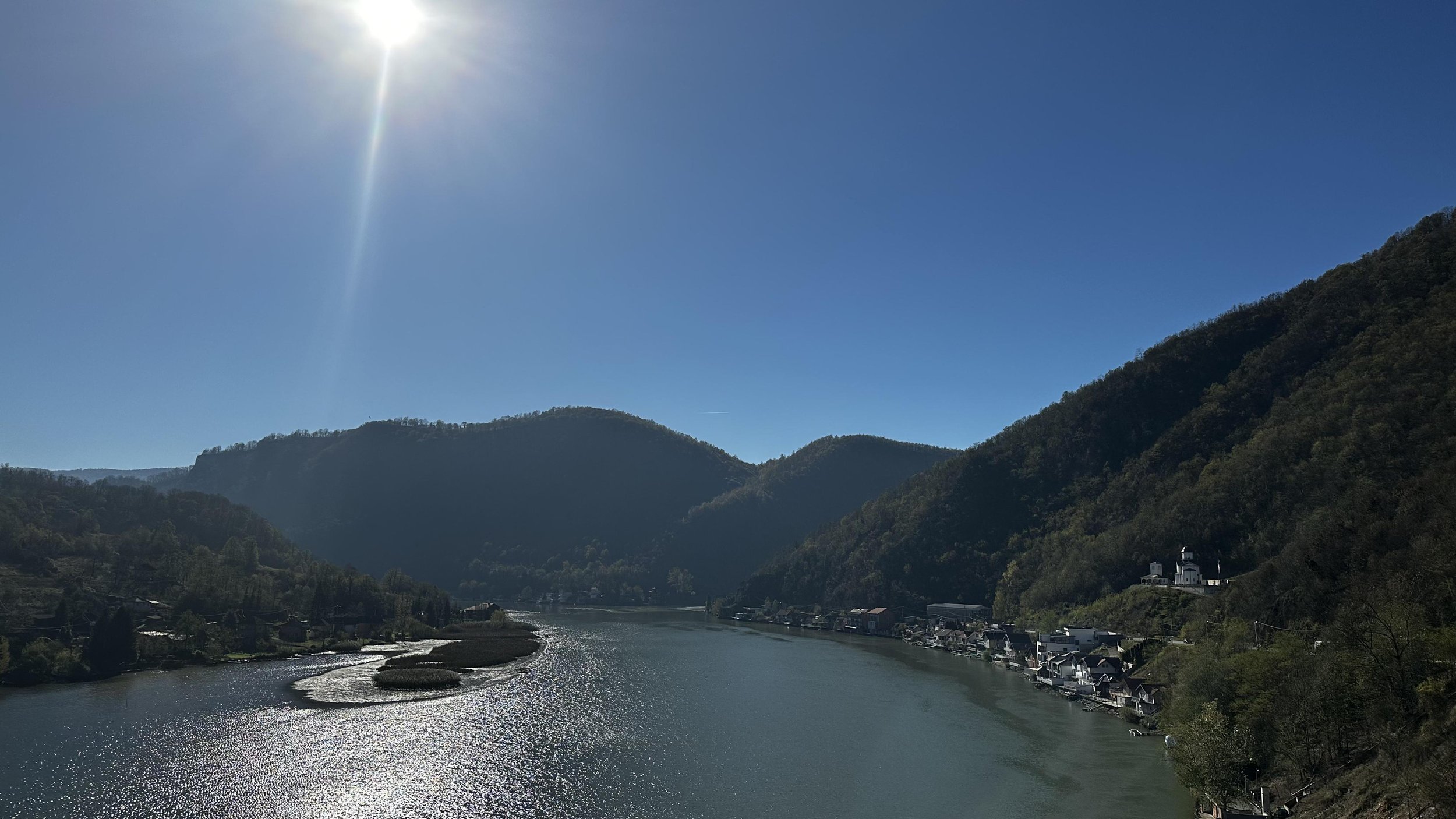
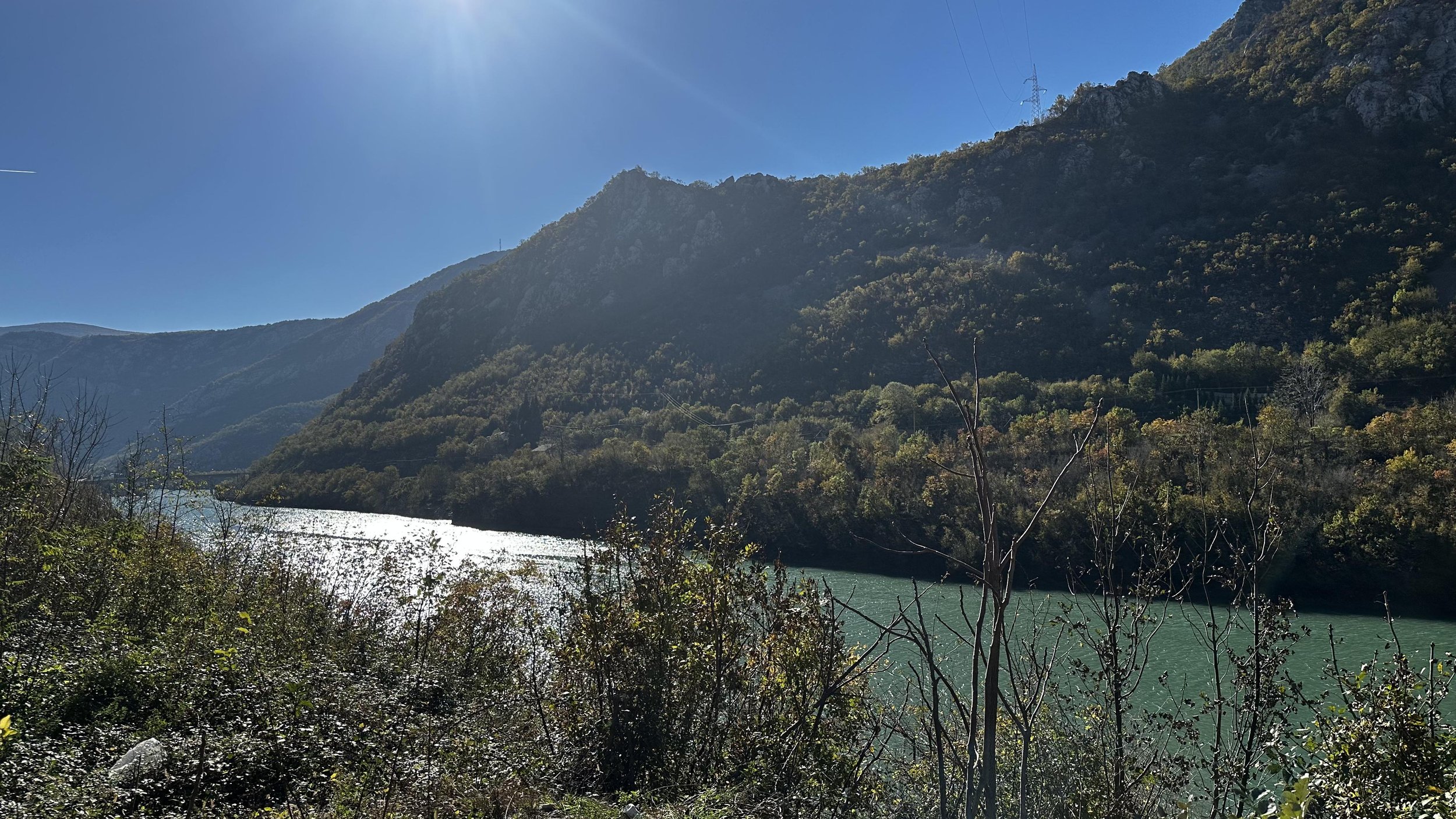
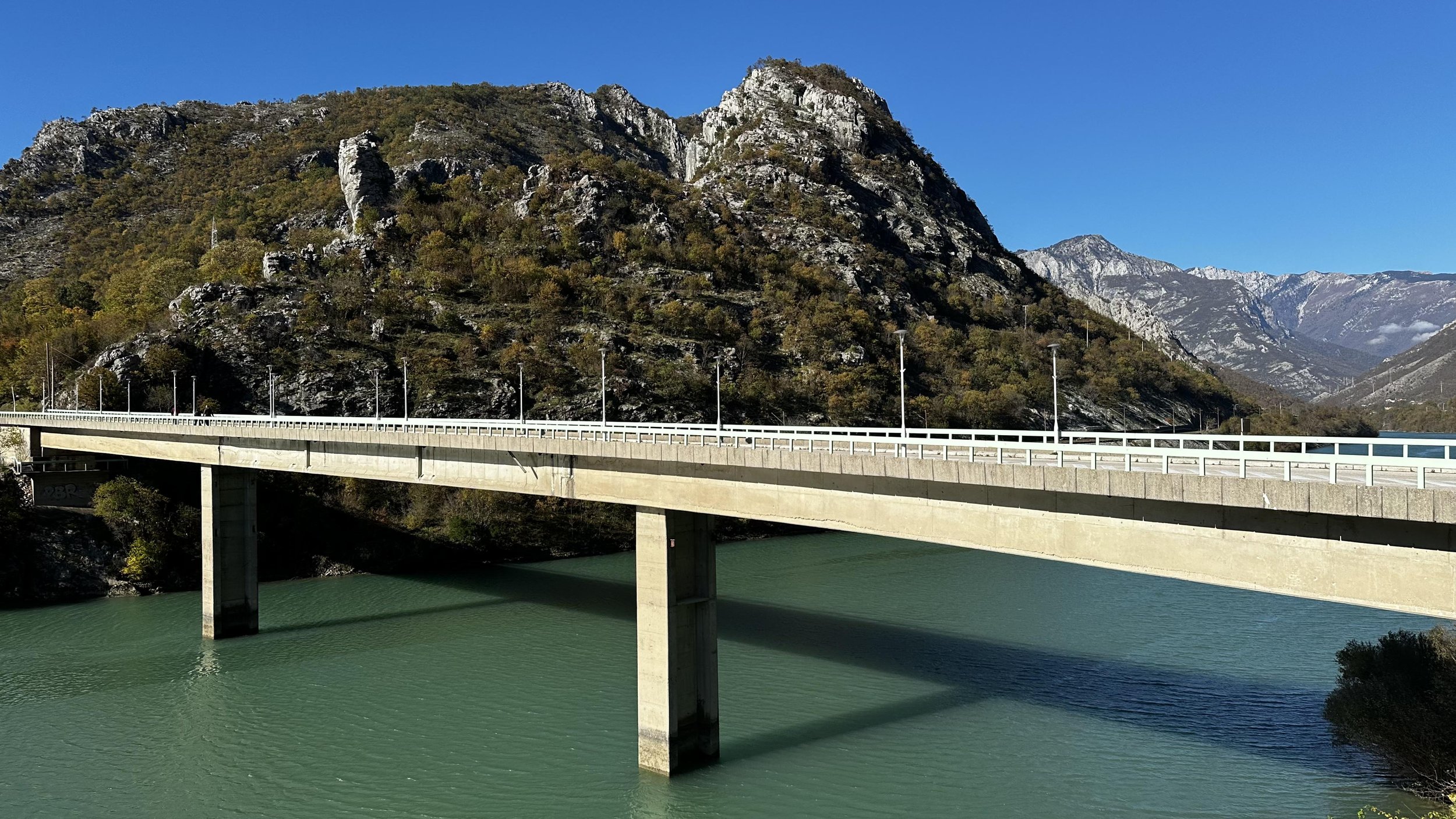
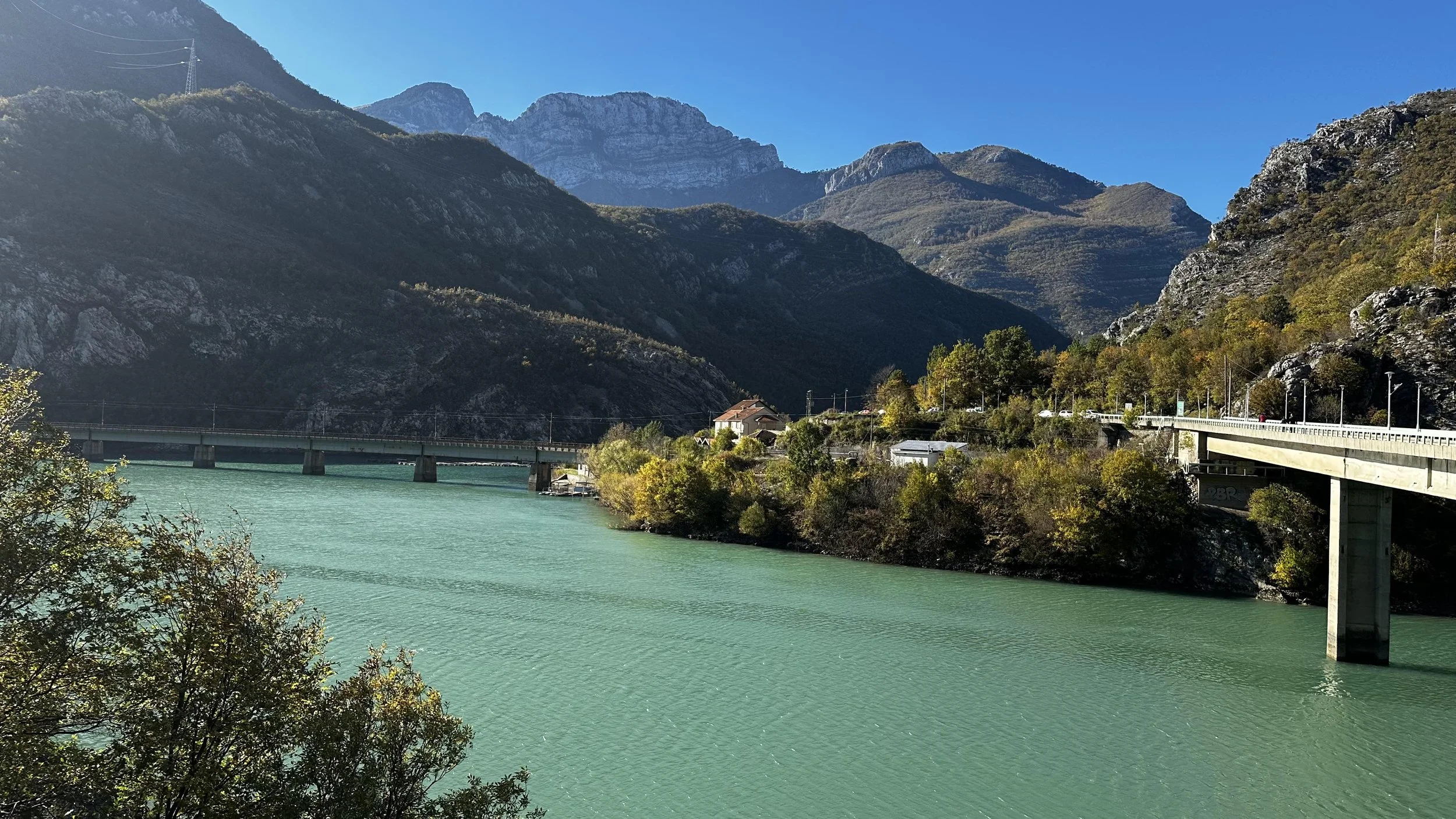
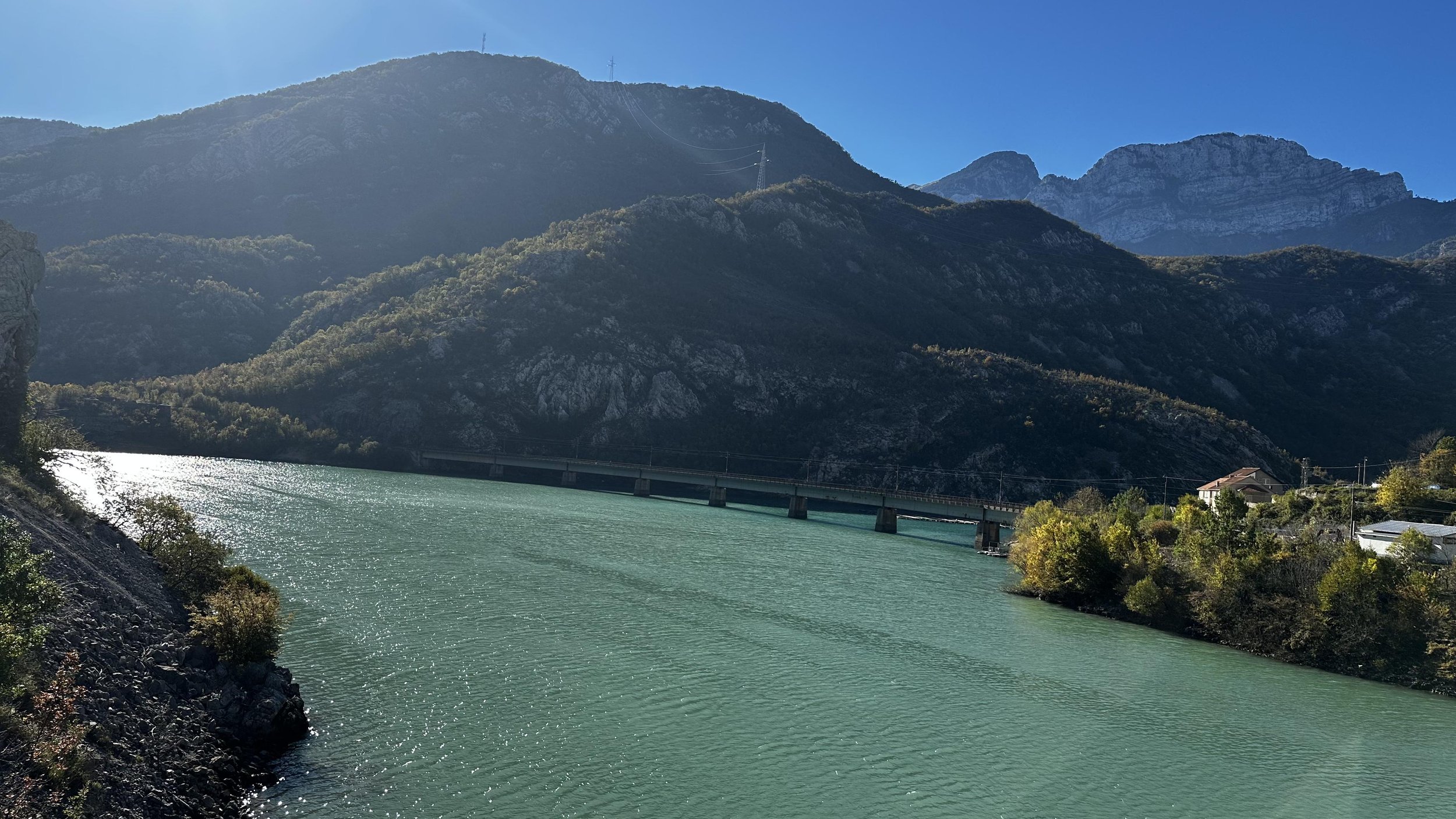
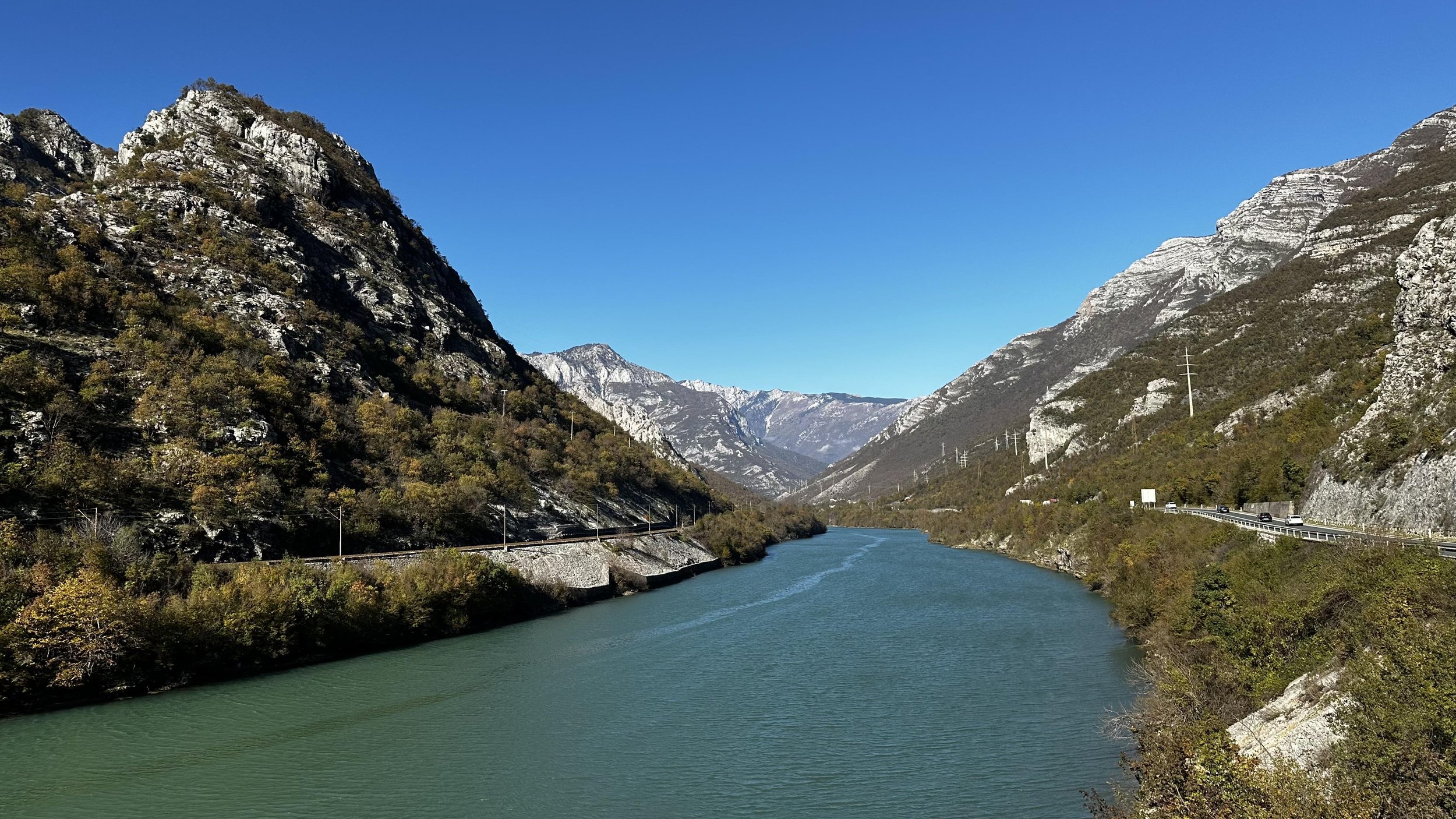
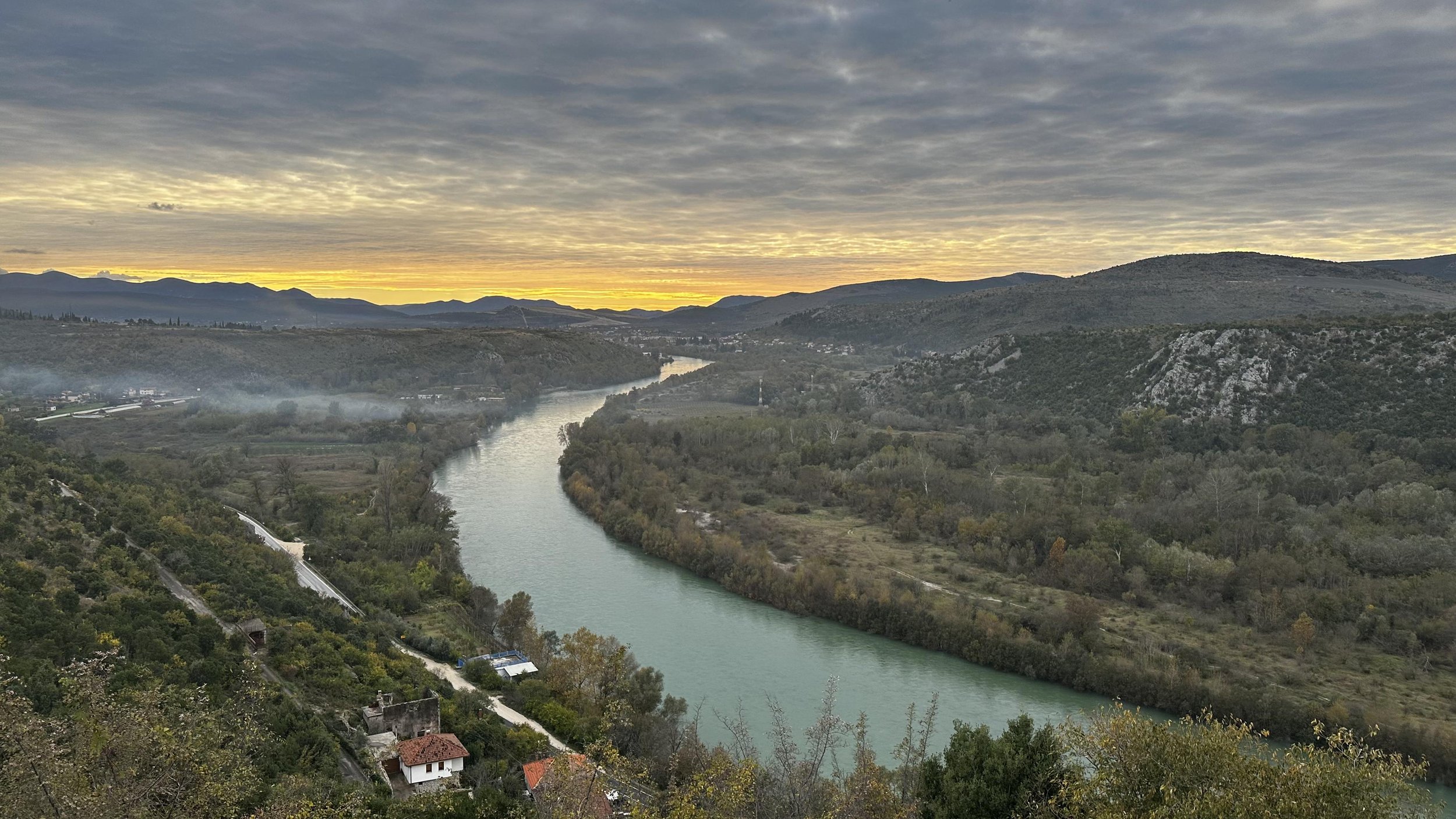
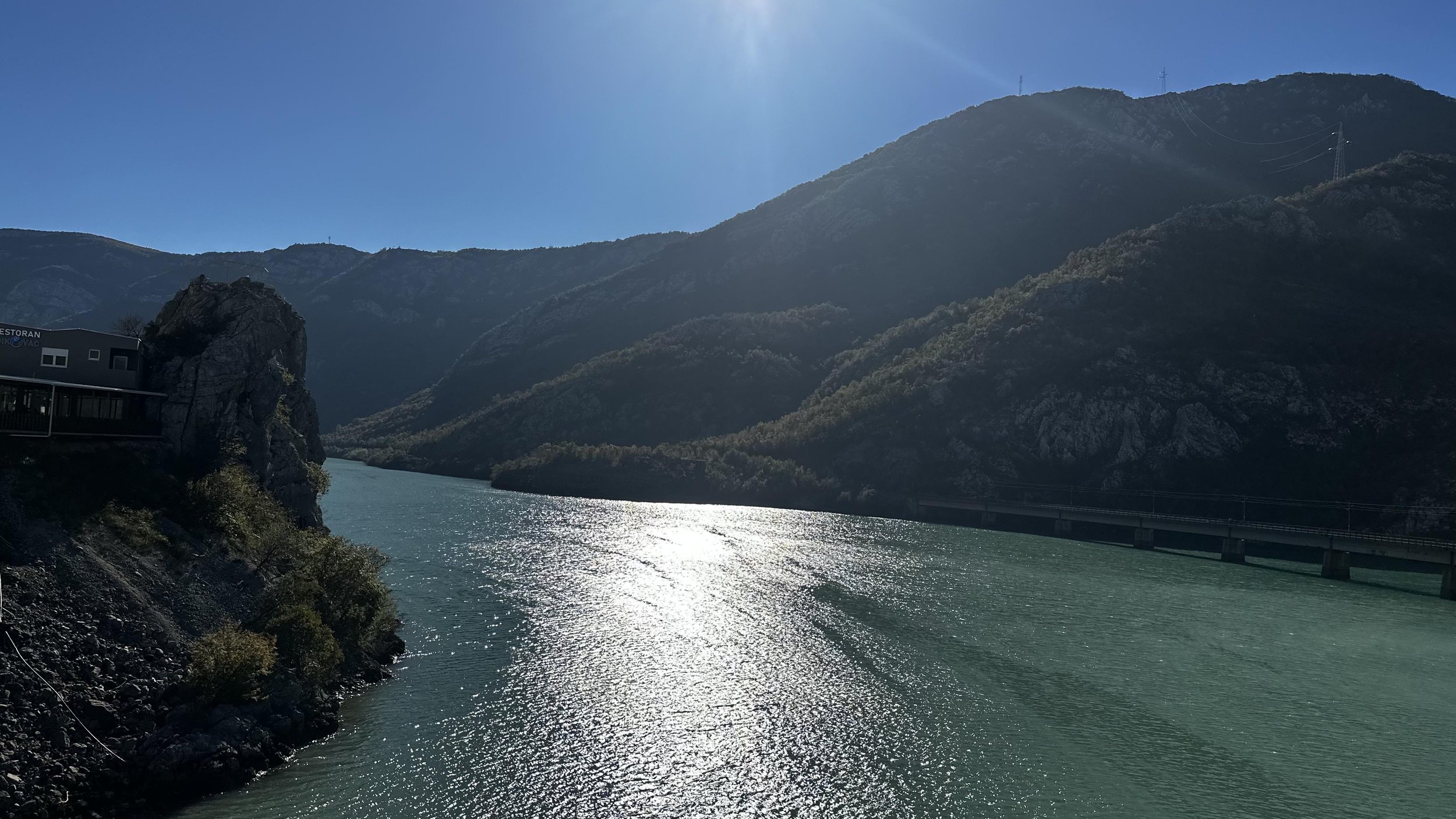
Driving from Jahorina to Split took us along the roads of my childhood. The beautiful canyon of the river Neretva on a sunny day meant I stopped many times to take photos of the places I haven’t been to for 30 years!
Uf, uf, uf, from grief to sadness remembering the old days, gratefulness I was here again, to joy and happiness seeing the beautiful things around me. If I am honest, I have to say I didn’t expect this emotional response 30 years later…is it hormones, is it trauma, is it hardships, is it just pure joy manifesting differently, I don’t know…
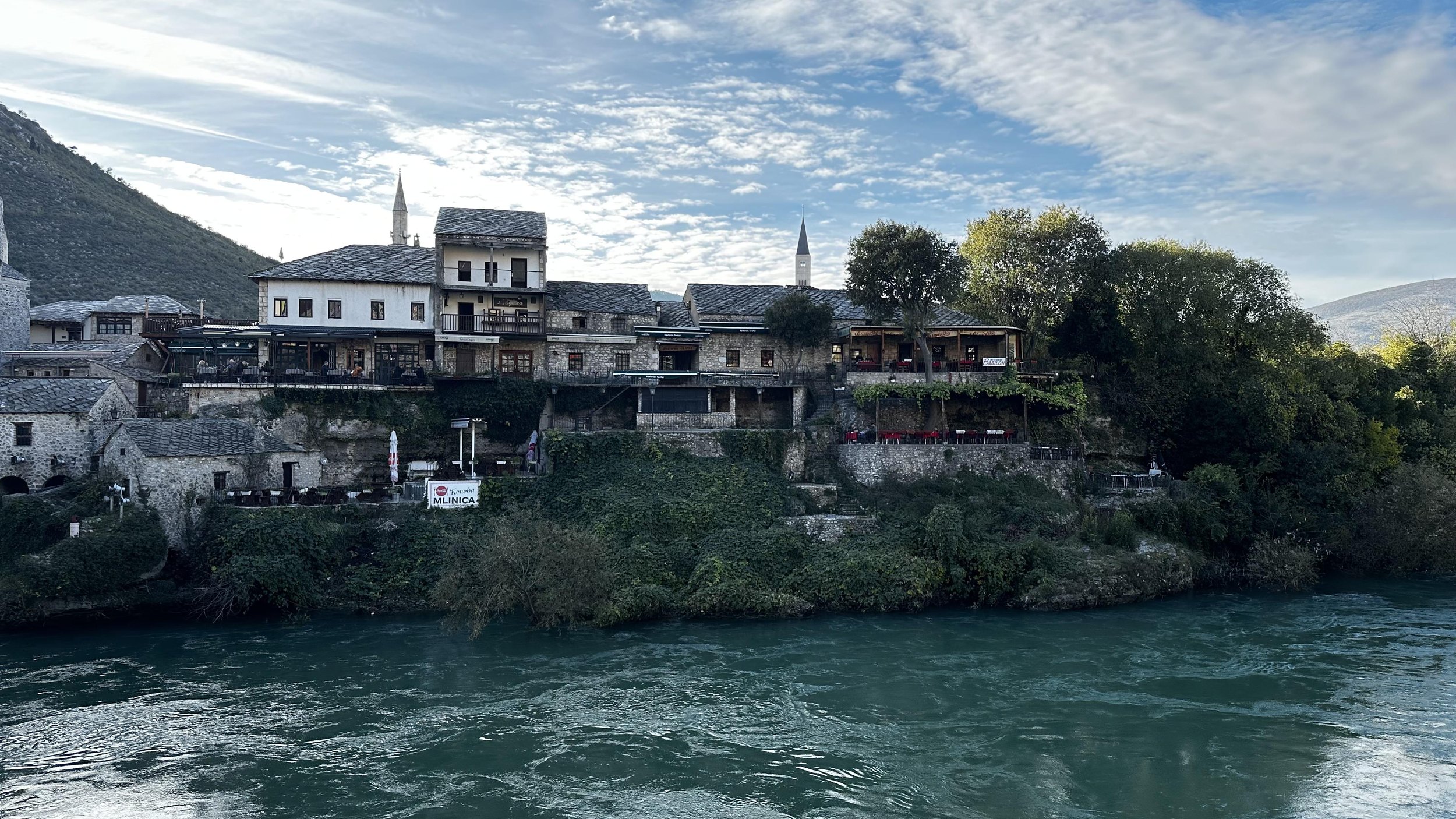
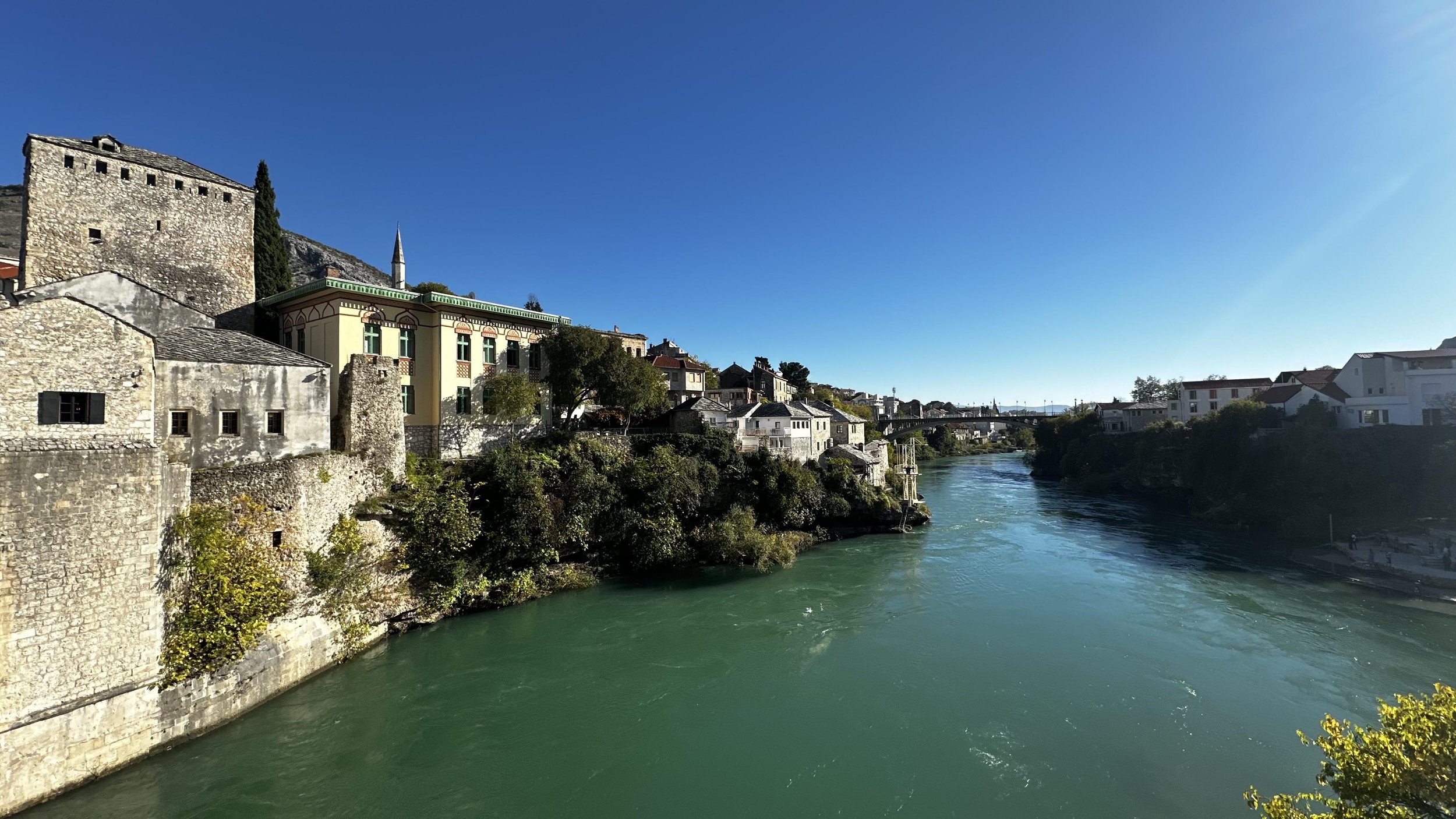
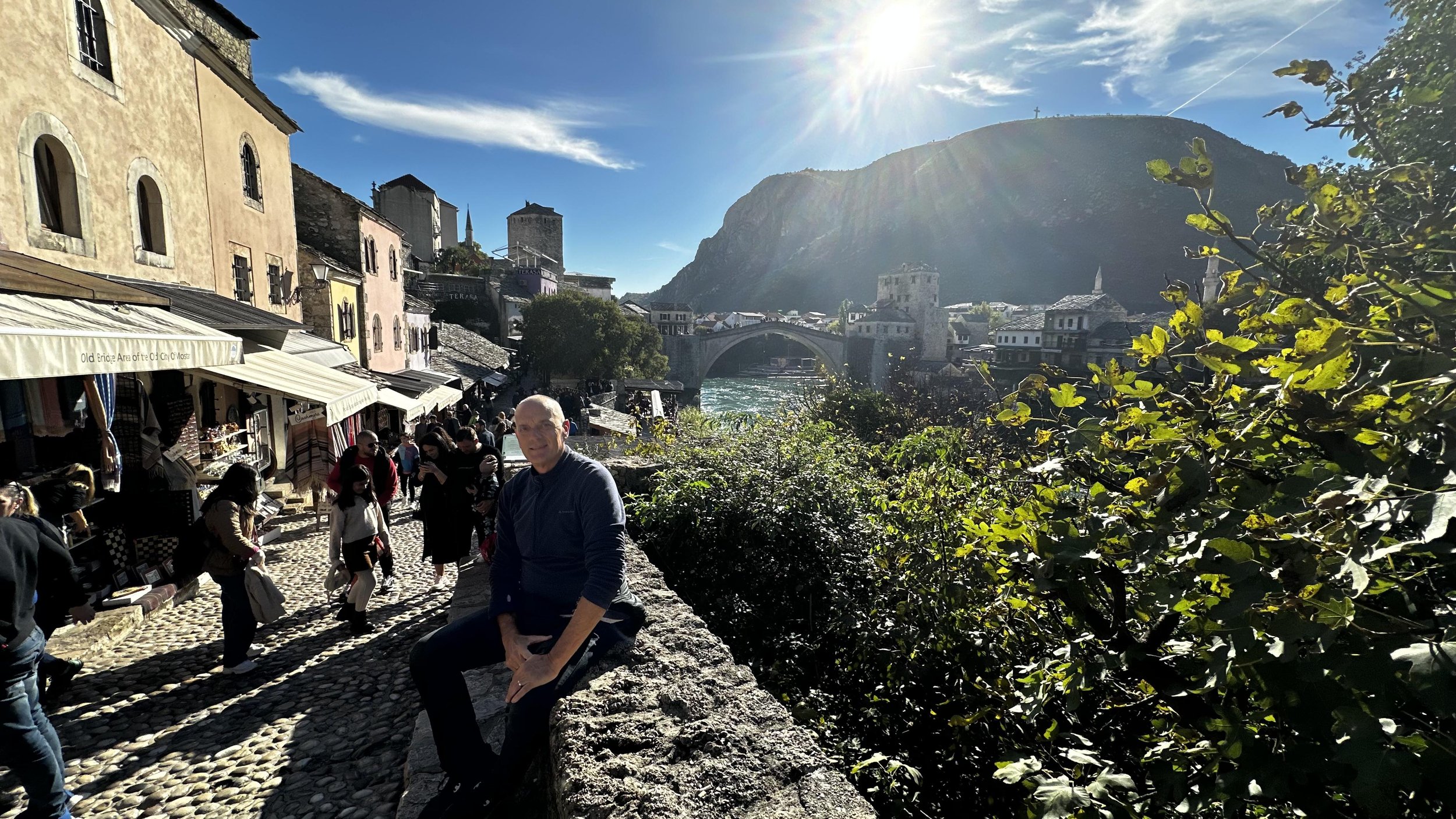
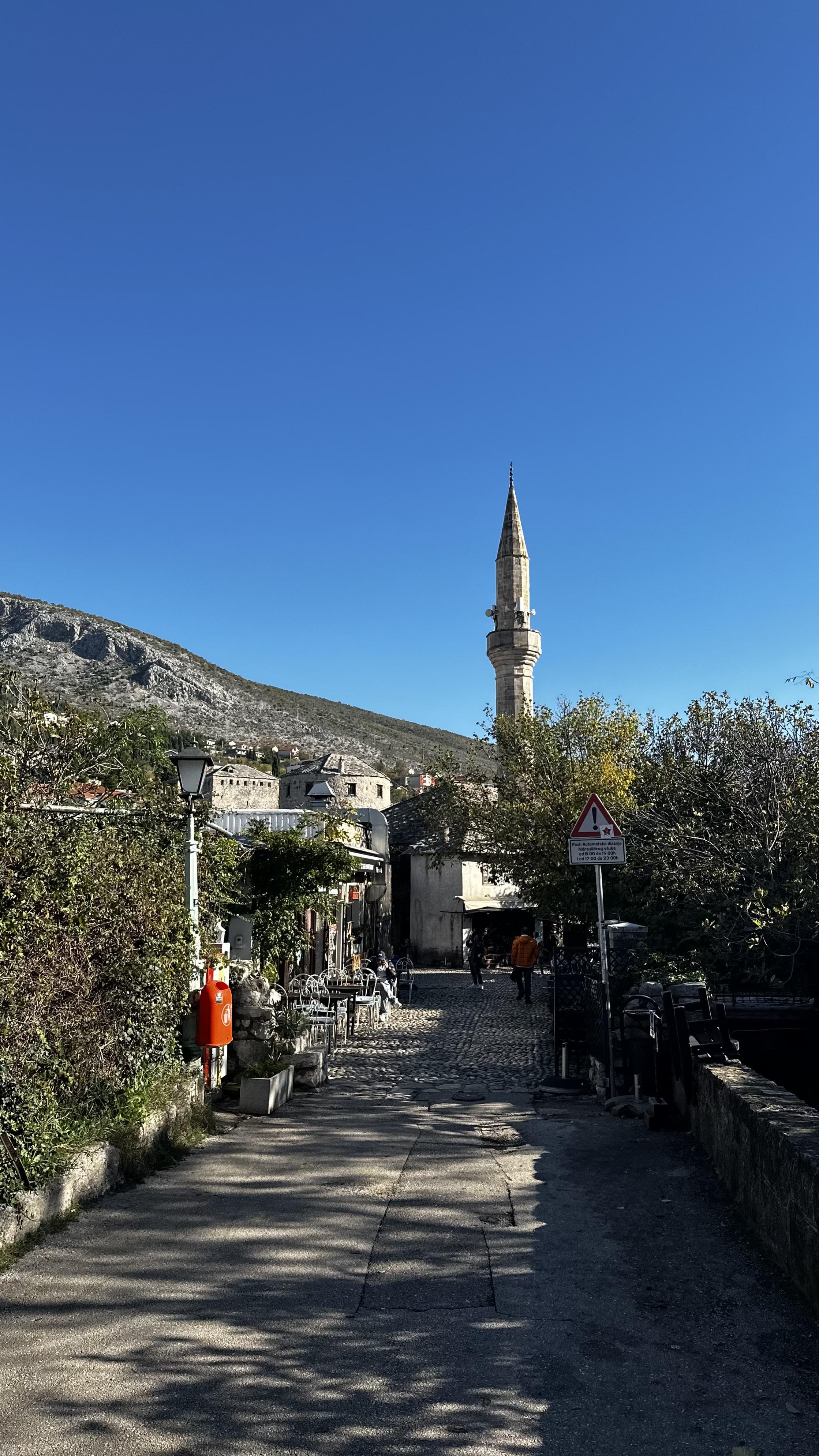
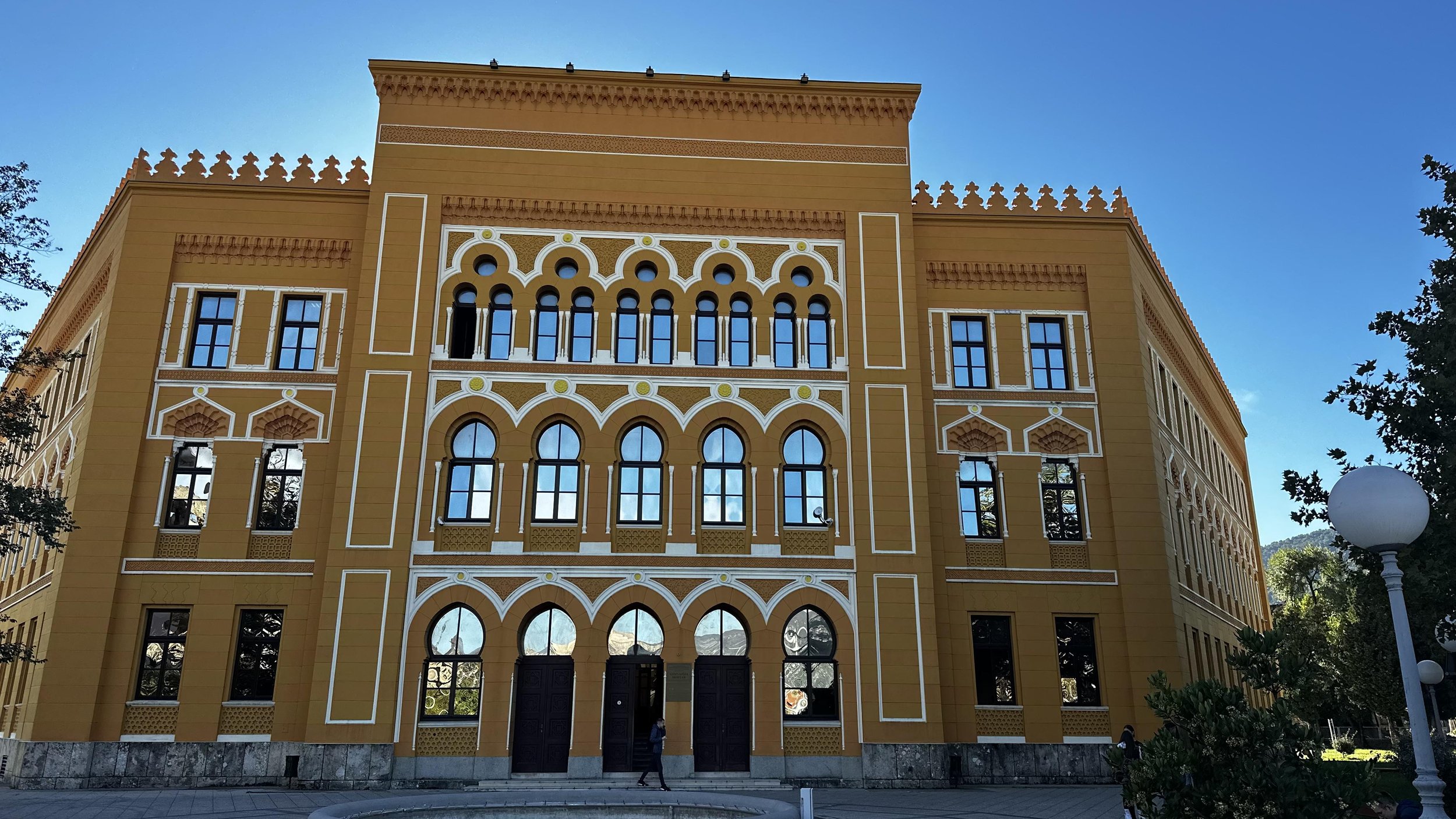
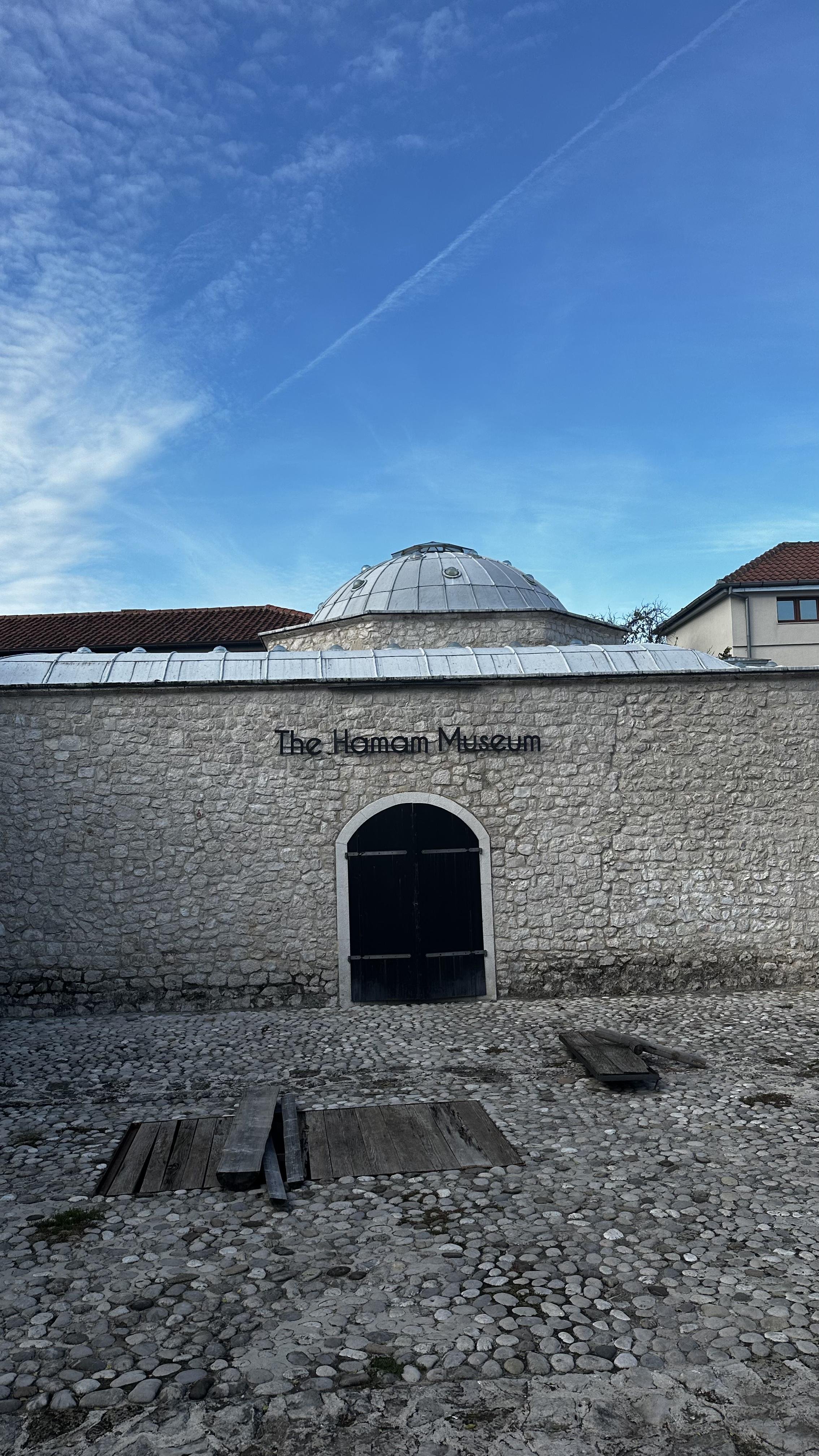
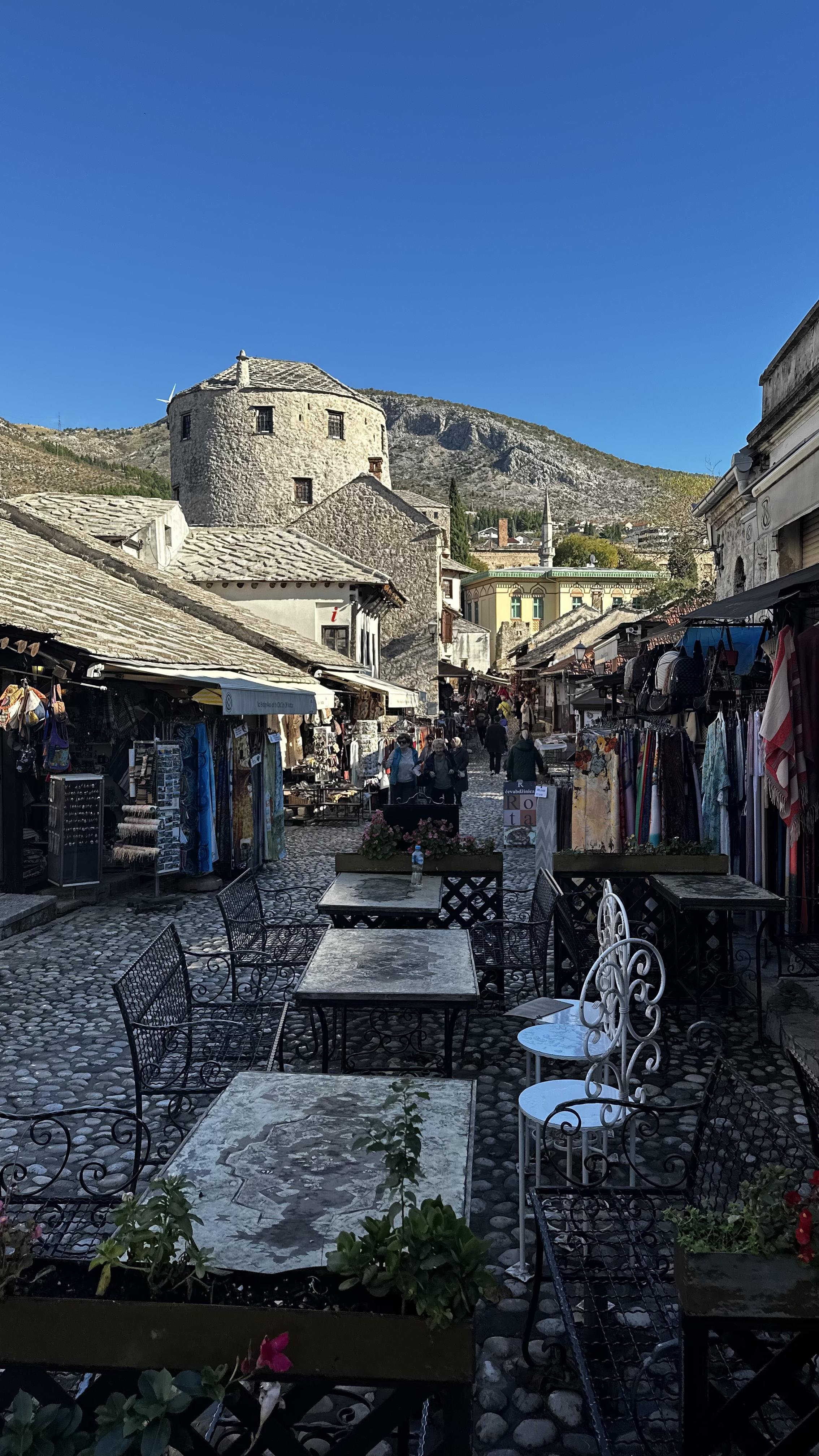
We stopped in Mostar, my Dad’s birthplace and it happened to be on the anniversary of his passing, such a coincidence that made the stop even more memorable. We walked the streets of Mostar Old Town, went to the Old Bridge and were surprised to see many tourists walking around.
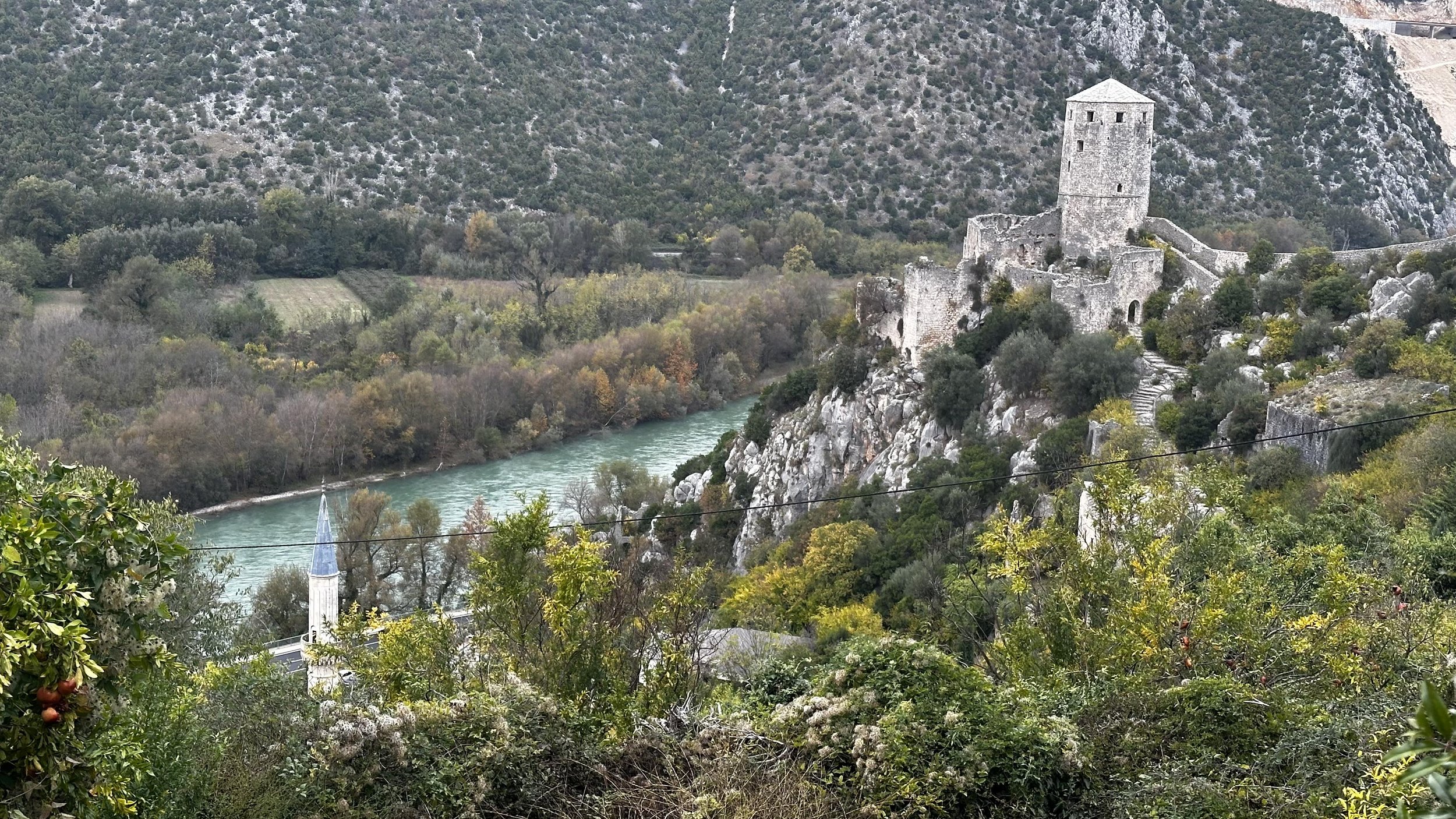
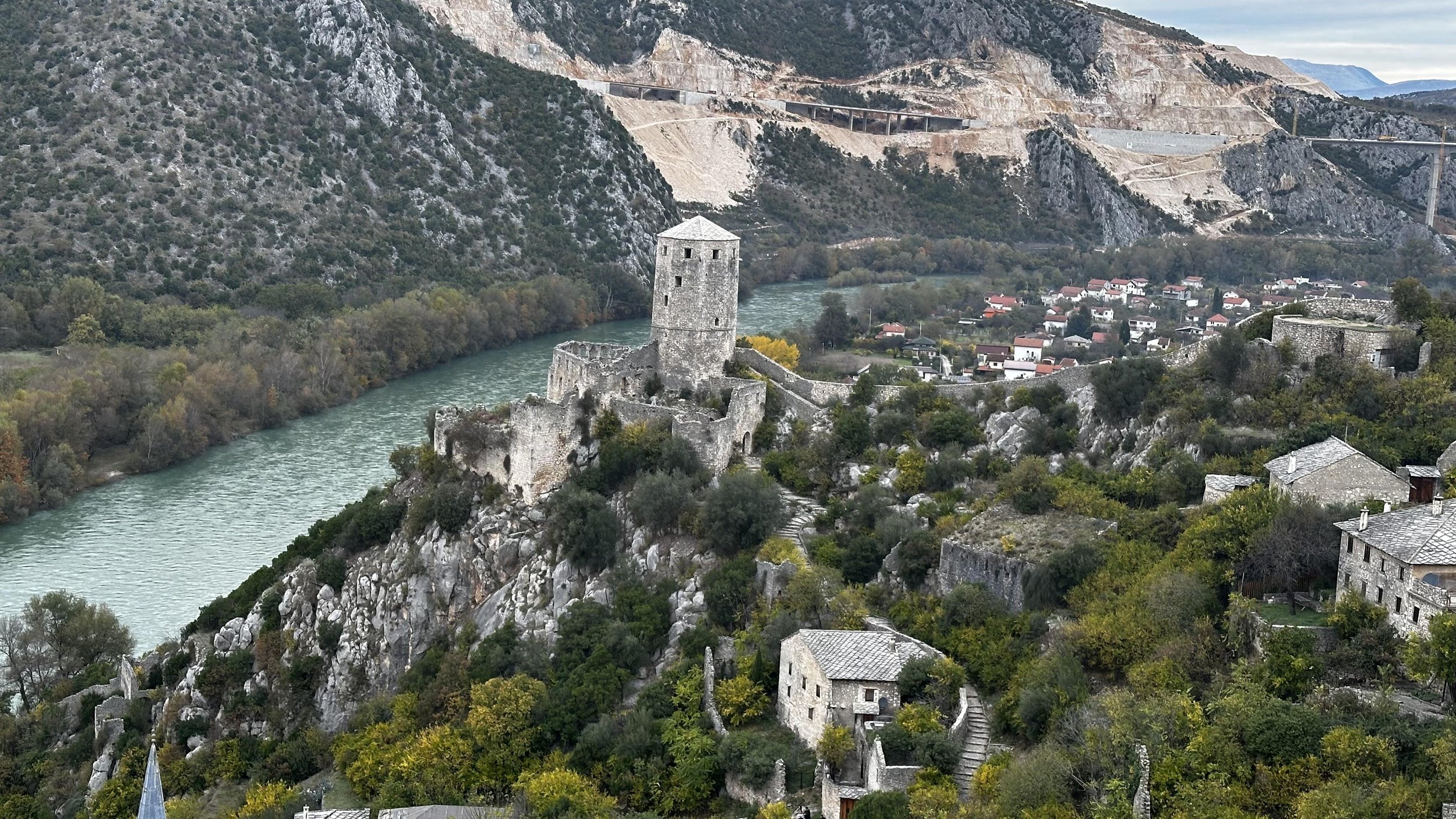
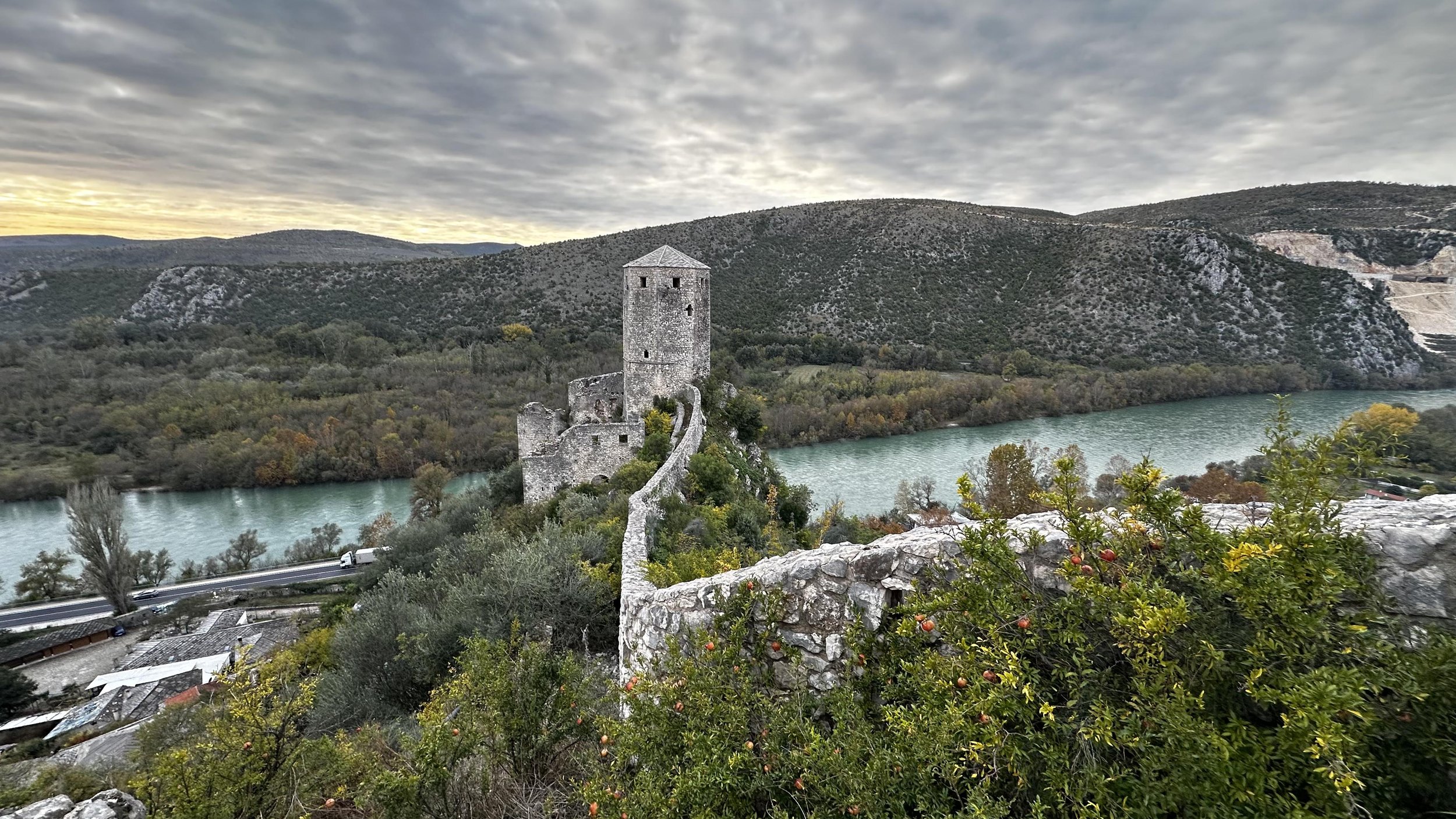
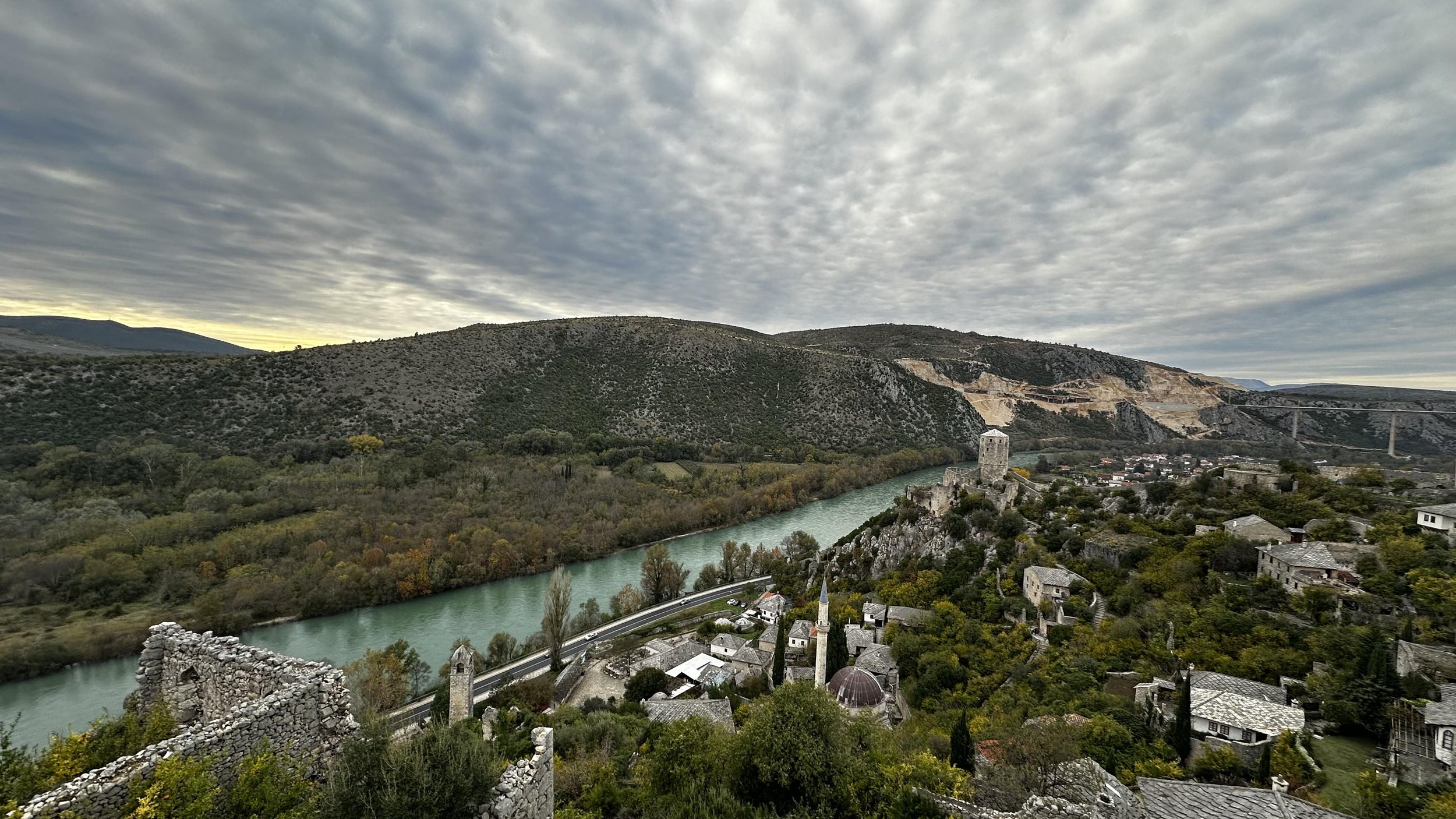
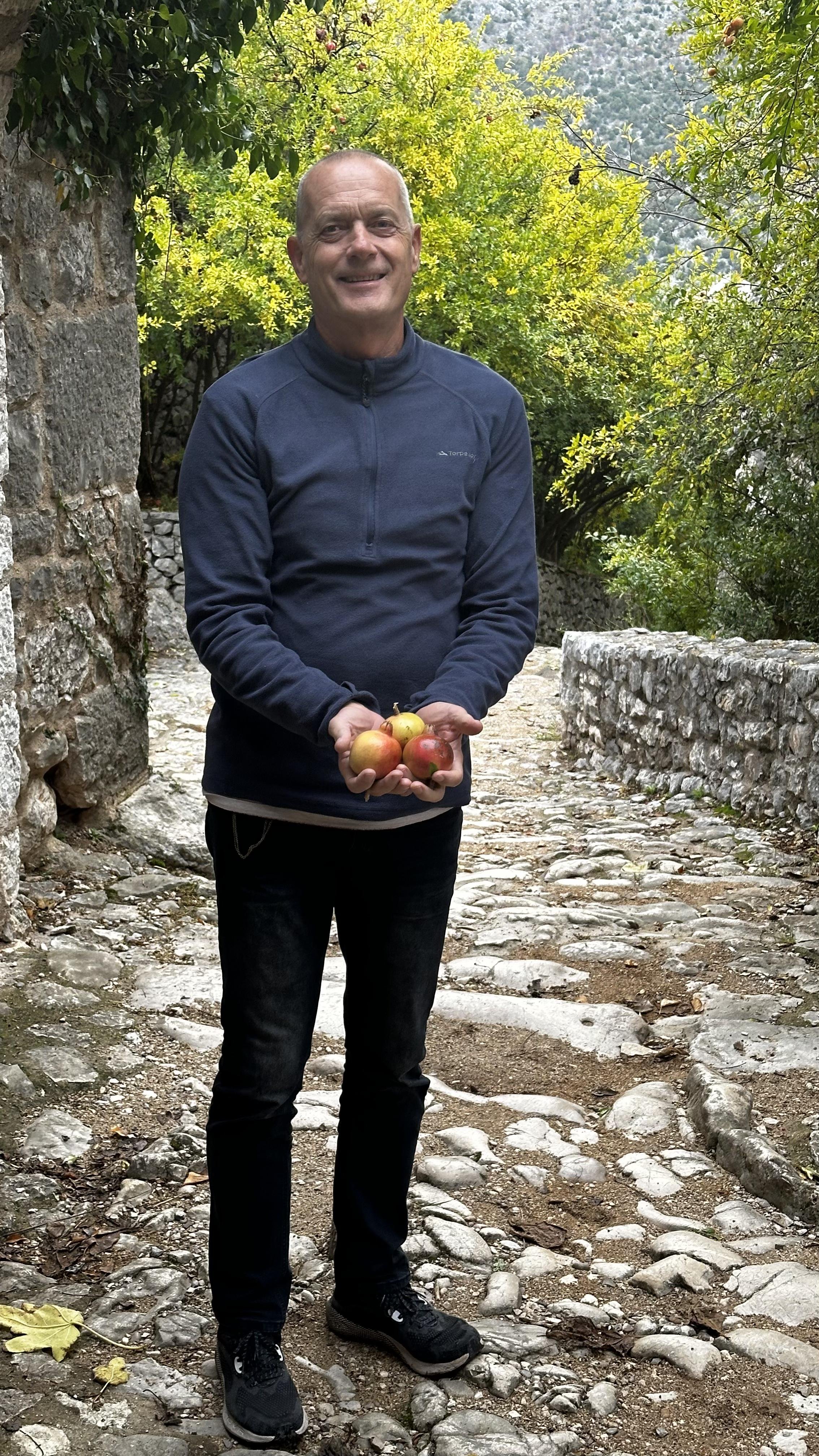
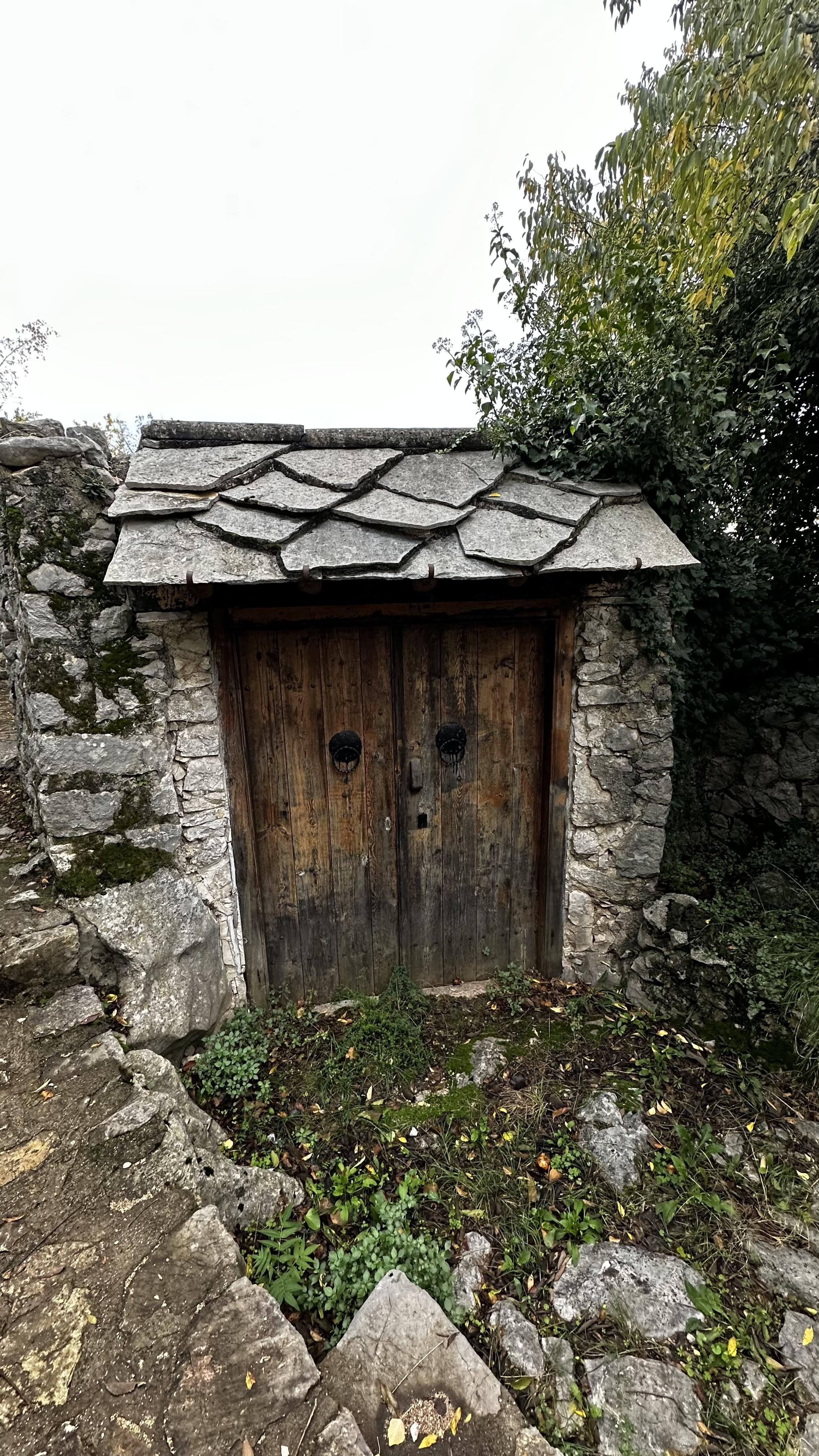
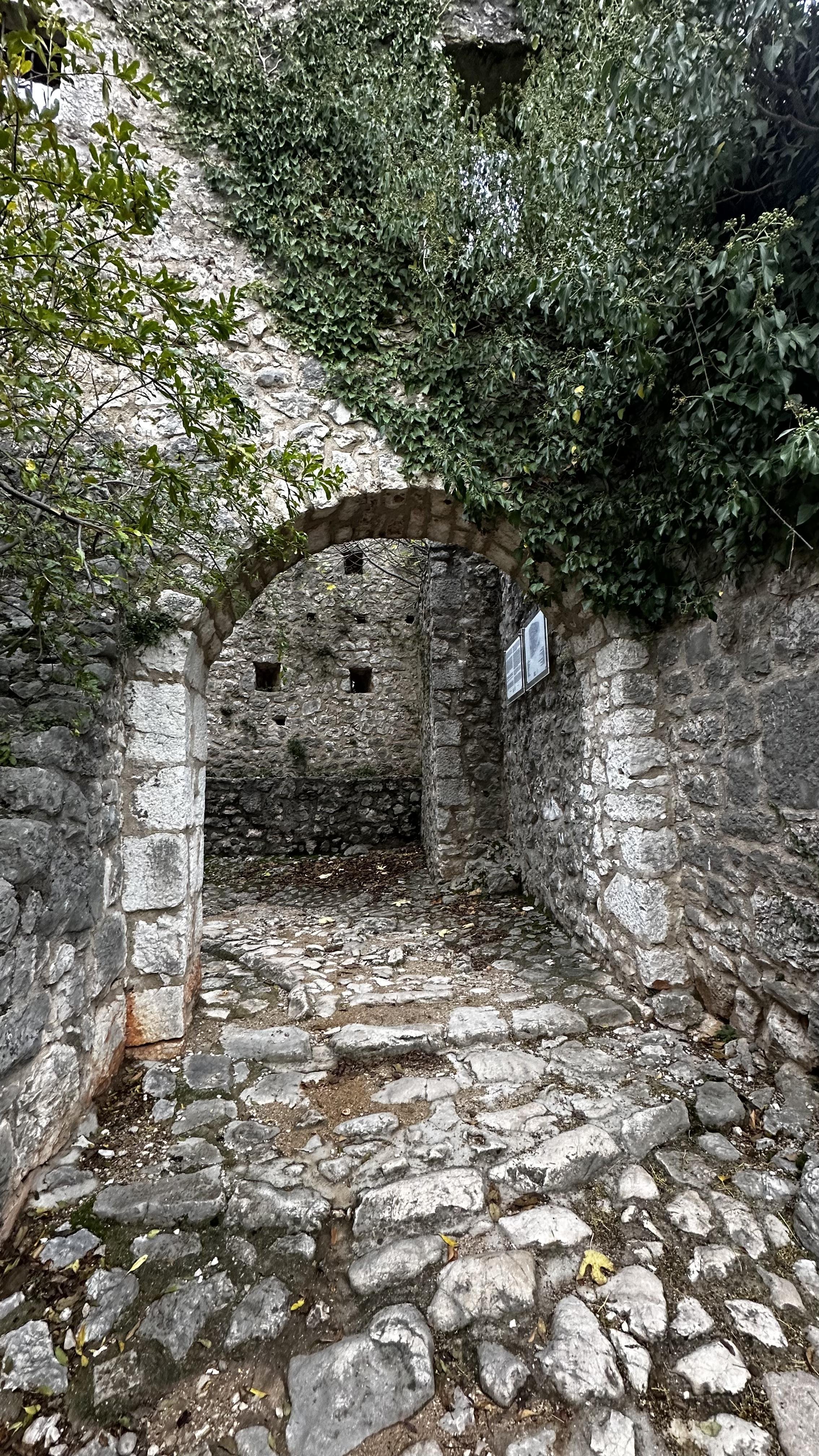
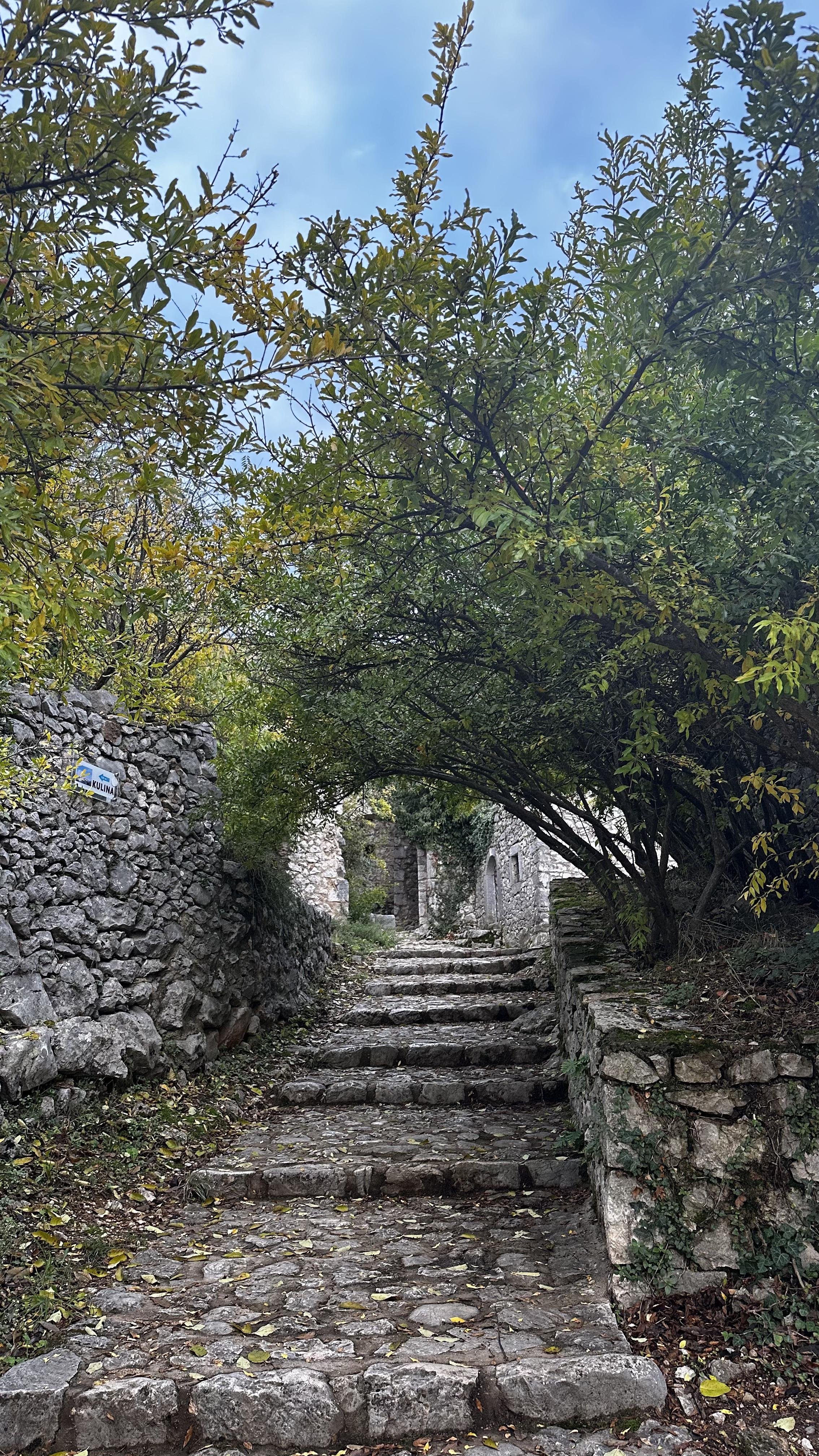
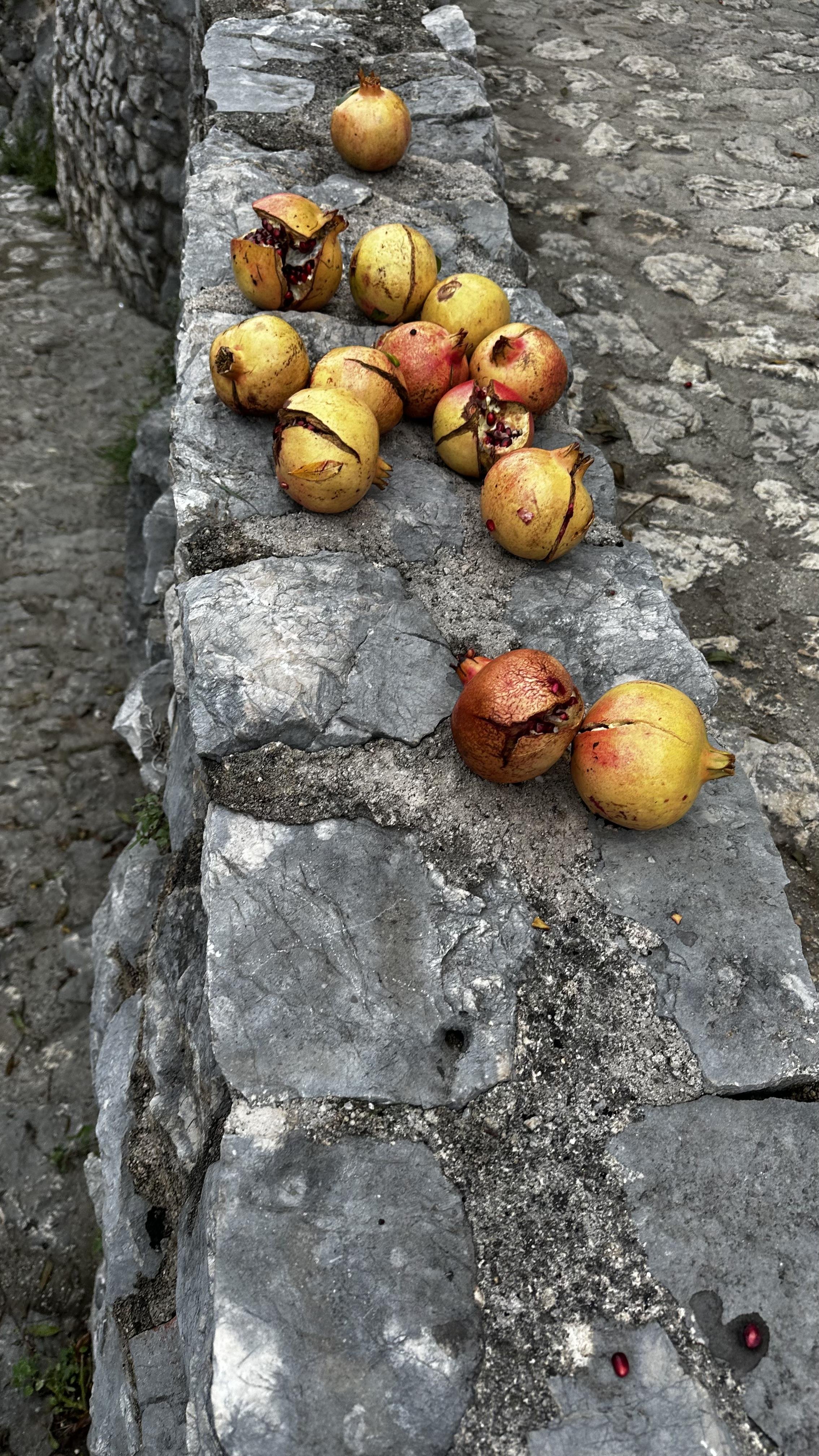
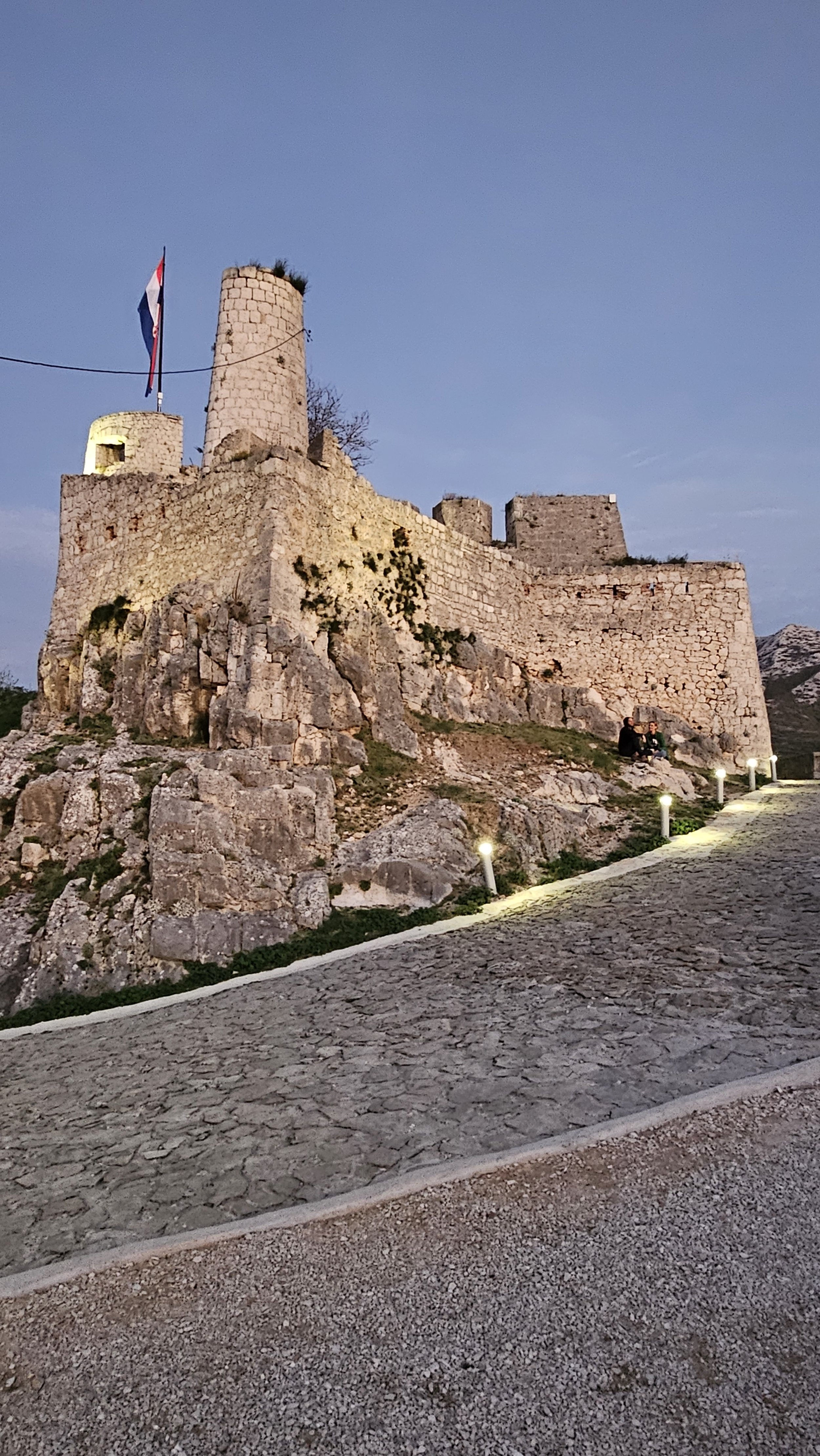
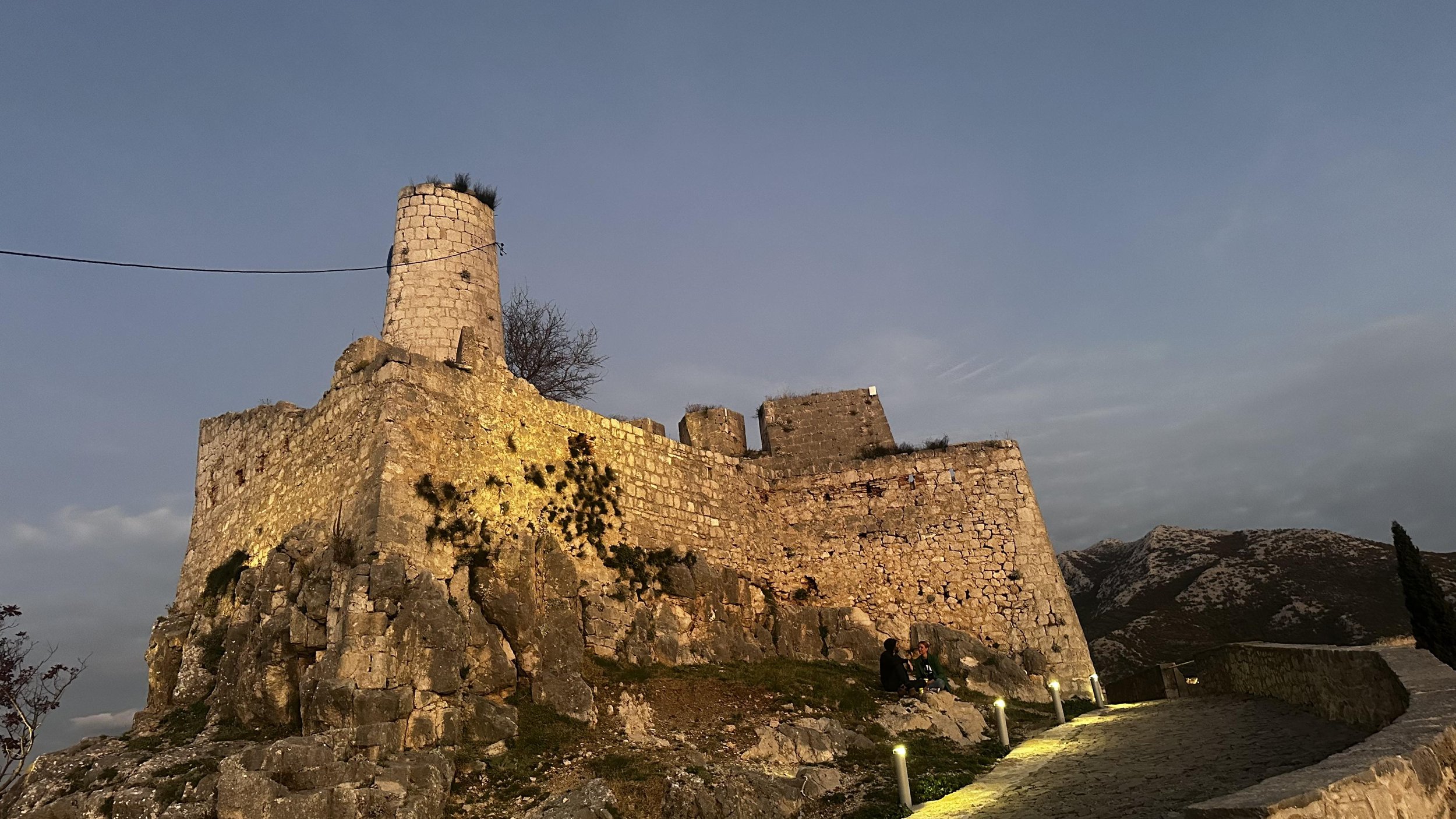
We continued the drive and stopped by in Počitelj. A little town close to the Croatian border with a stunning 15th century fortress. If I tell you that we never stopped there before you won’t believe me, but it’s true. Dad would normally drive Split - Sarajevo route always in a hurry to reach the destination before dark, there would be one stop and usually to eat lamb on spit. Well this time, we had a lovely lunch in Mostar and had enough time to explore Počitelj stunning fortress and to pick up pomegranates along the way.
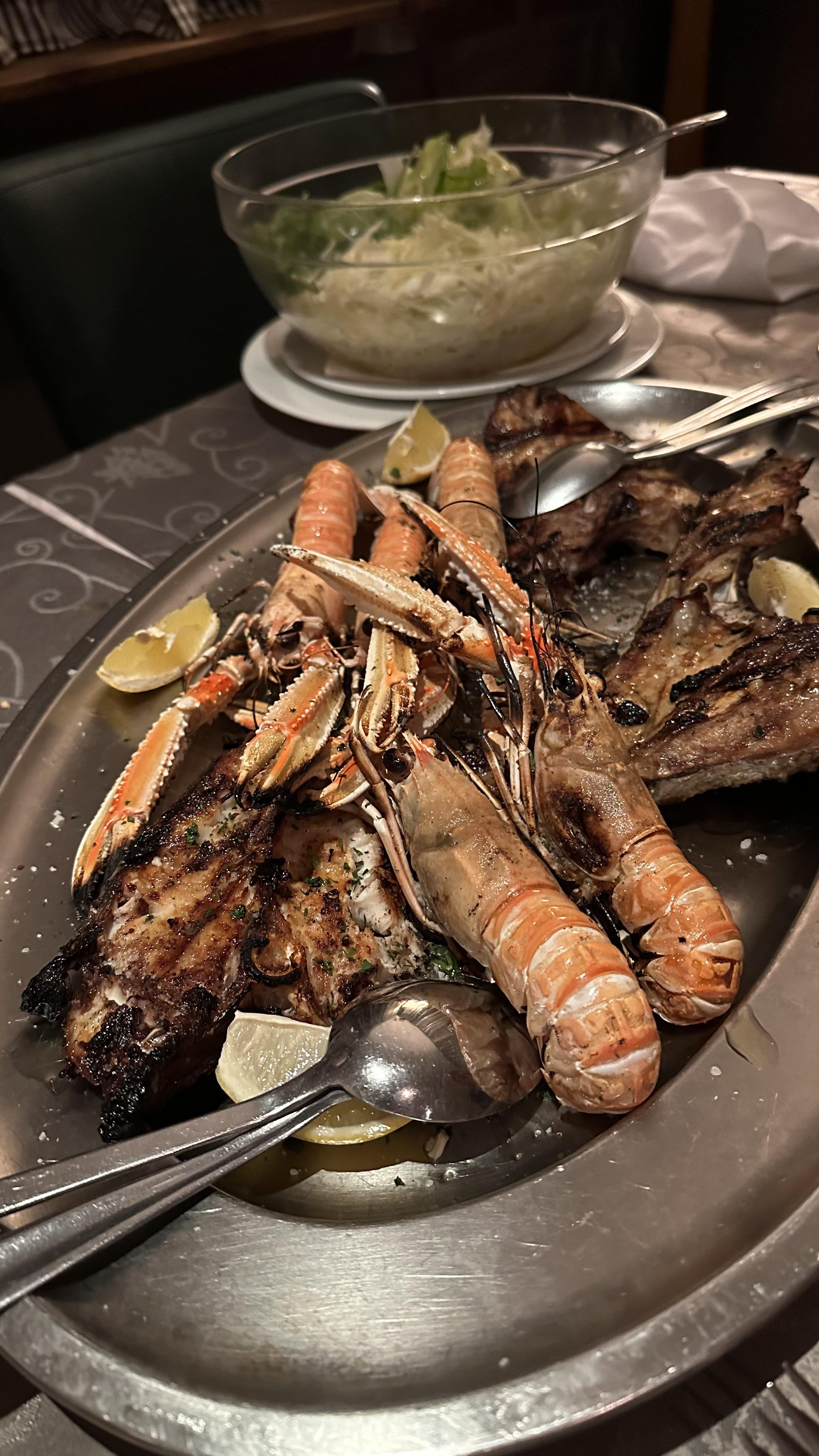
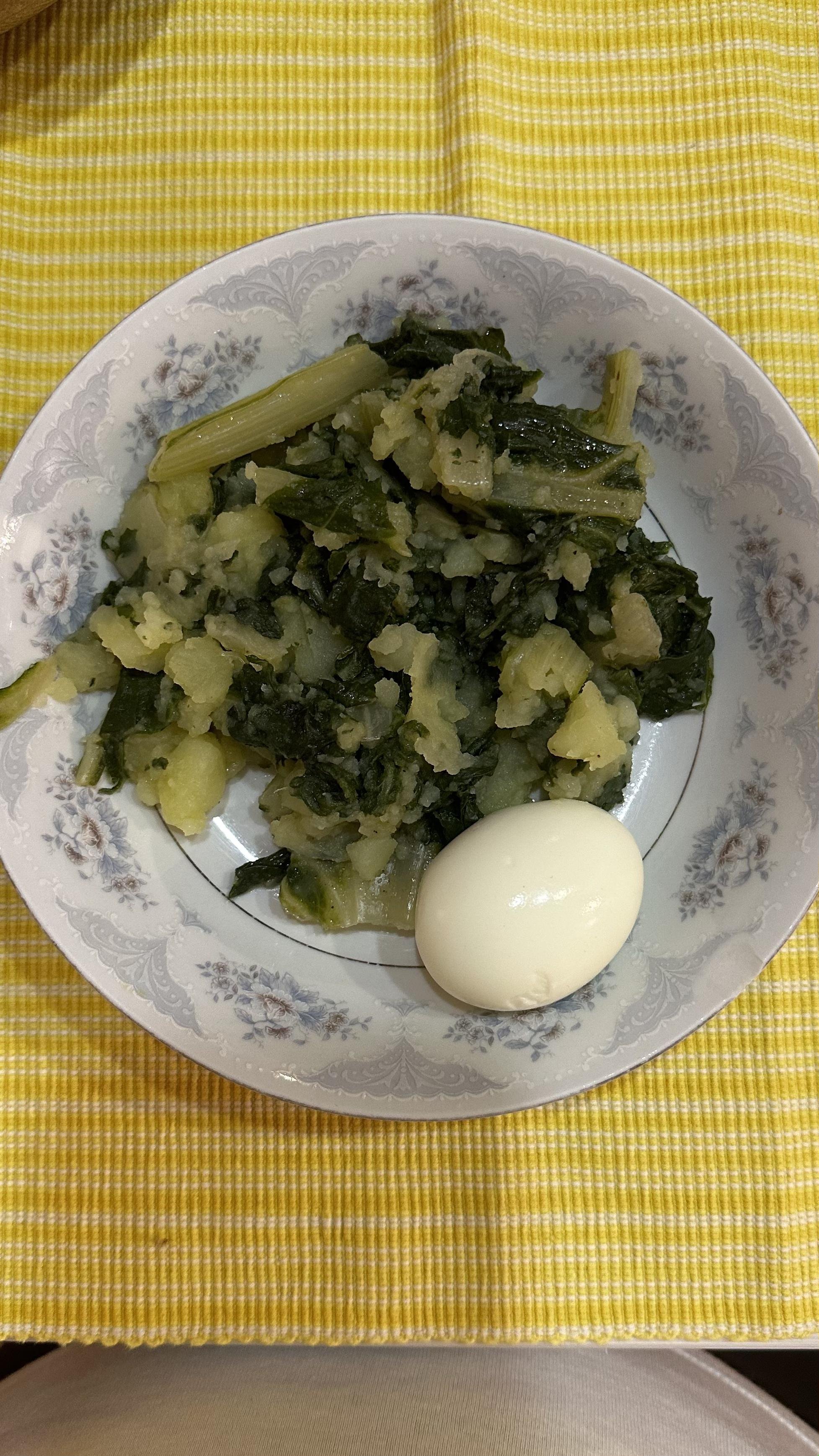
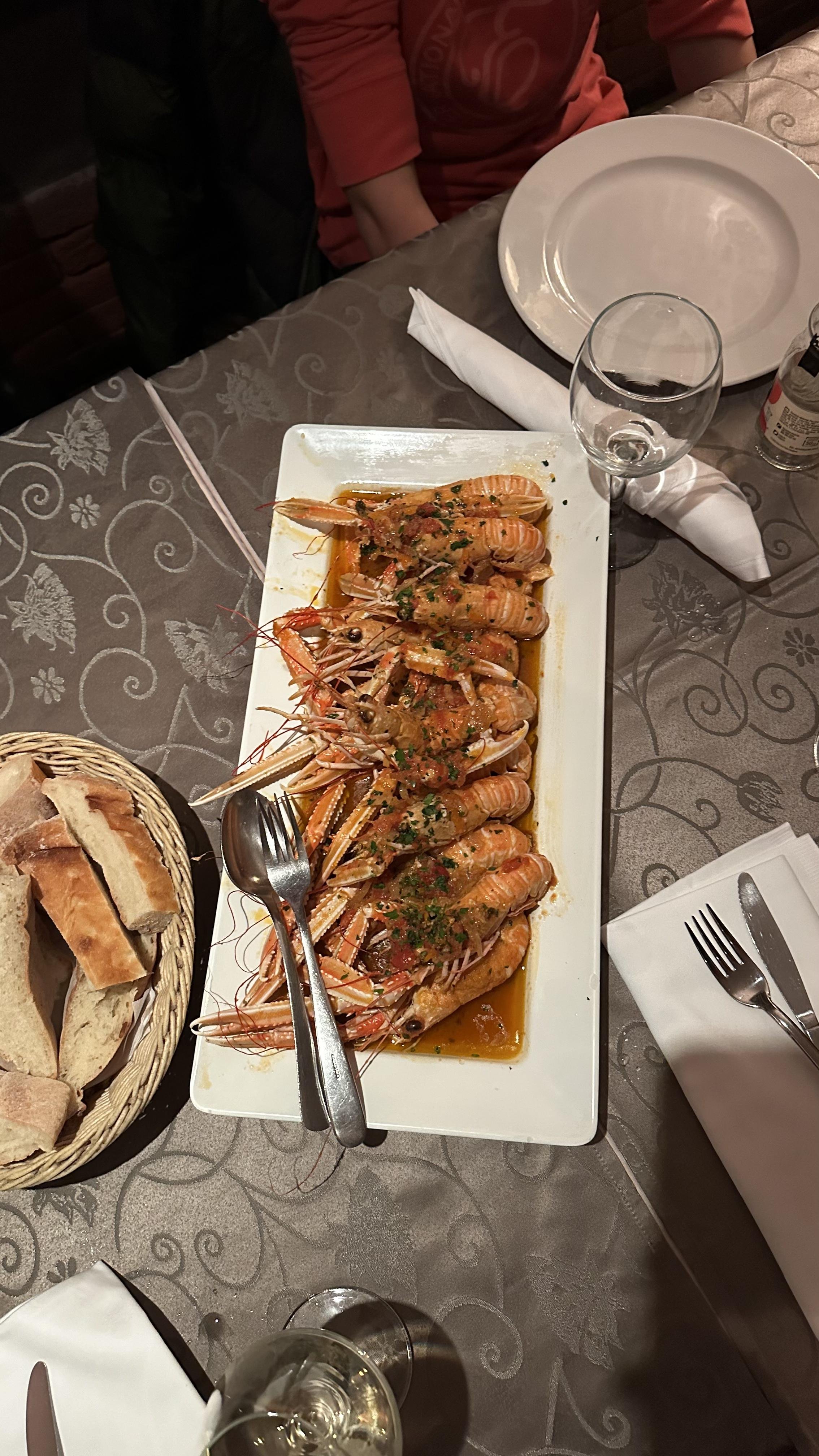
Arriving at friends place in Split at a dinner time meant we went straight to a local restaurant ( konoba) to enjoy the local seafood. Yummy! Fish on a BBQ, silverbeets with potatoes, garlic and olive oil meant I was truly stoked!!! That’s my favourite food by far! But Konoba wouldn’t be an authentic experience without crabs and shrimps cooked in tomatoes and white wine sauce (buzara) plus another lot cooked on a BBQ! What a delight! Thank you Anja for your welcoming hospitality, this was so special, and the food was first class!
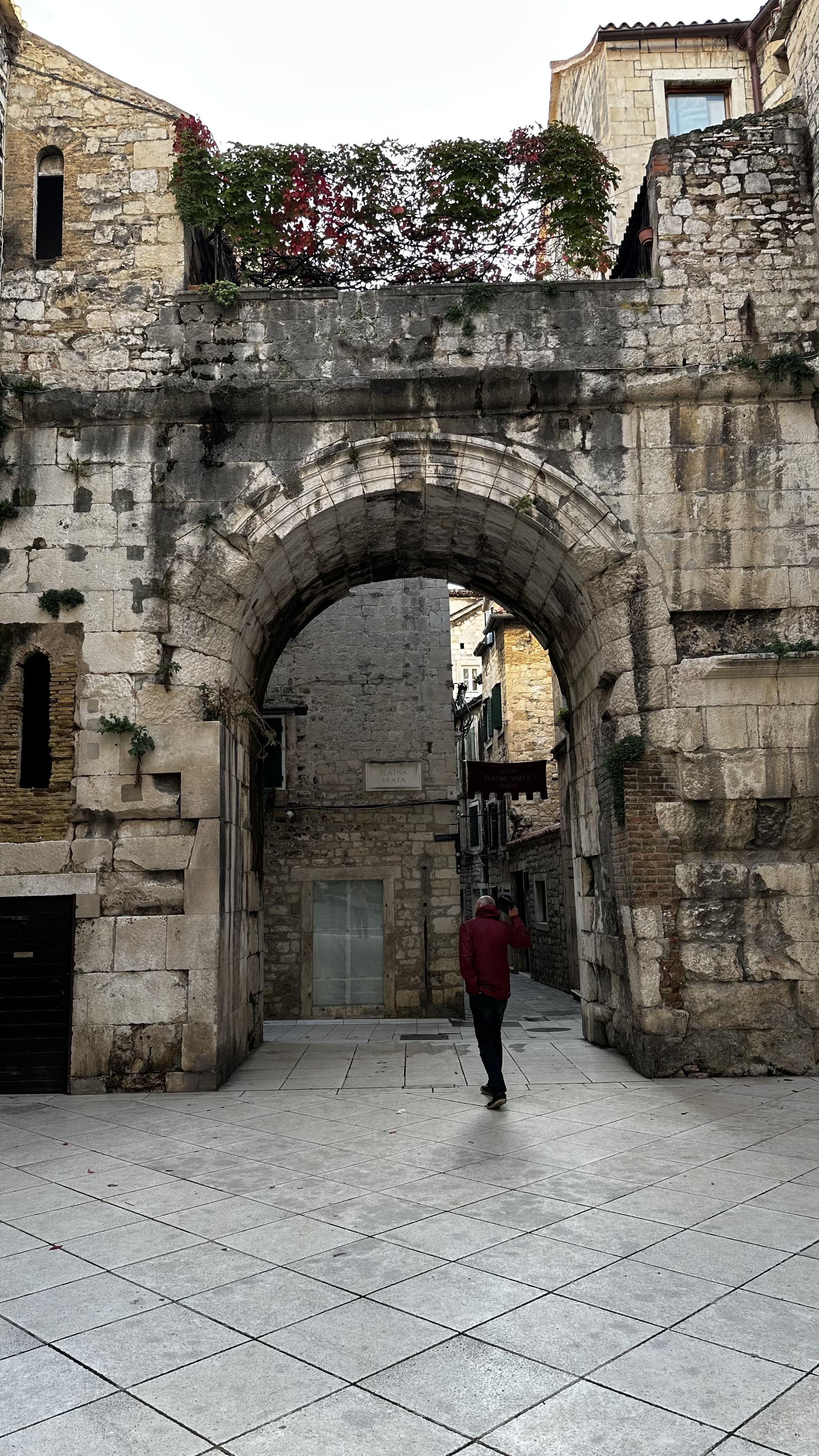
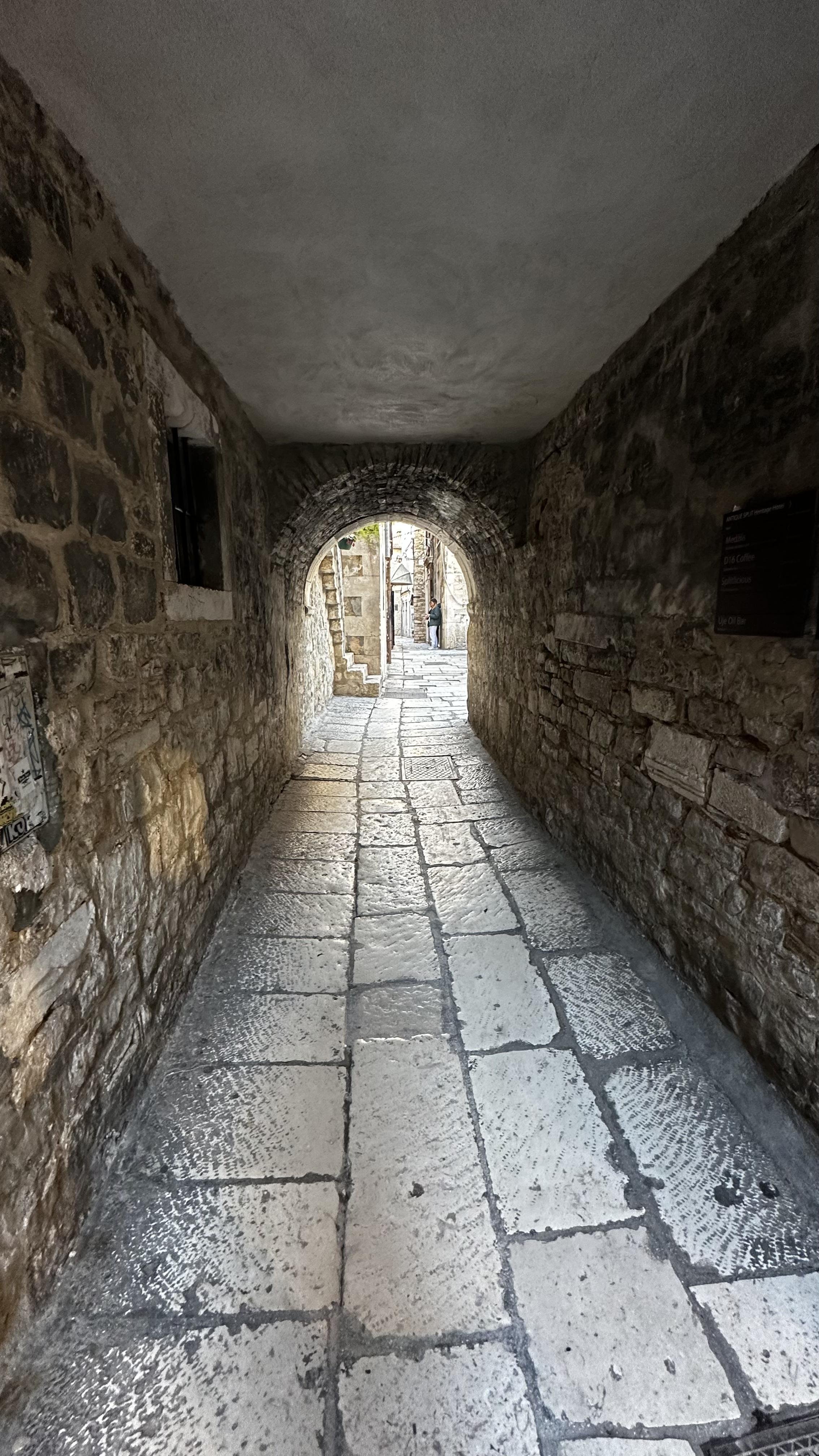
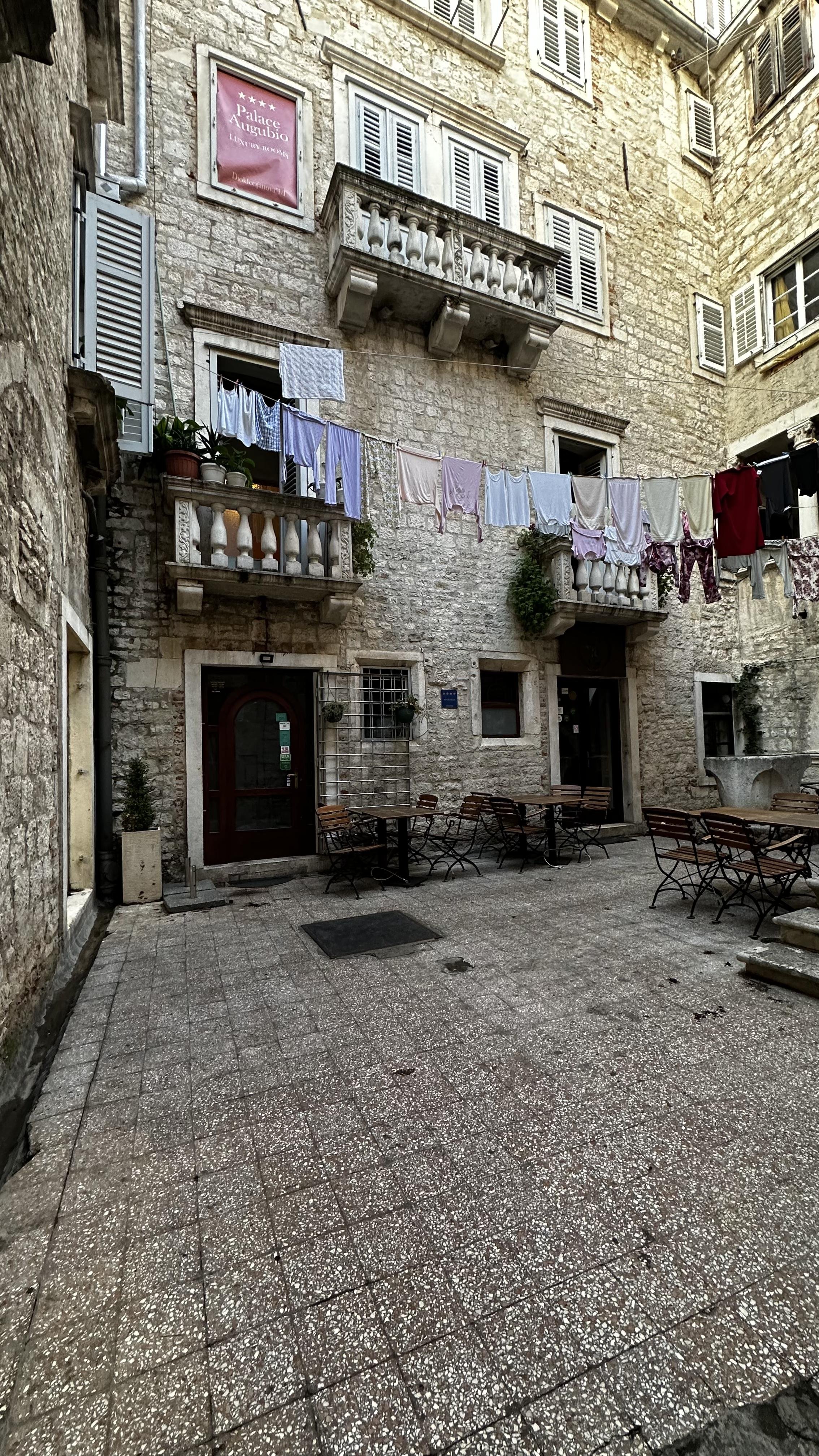
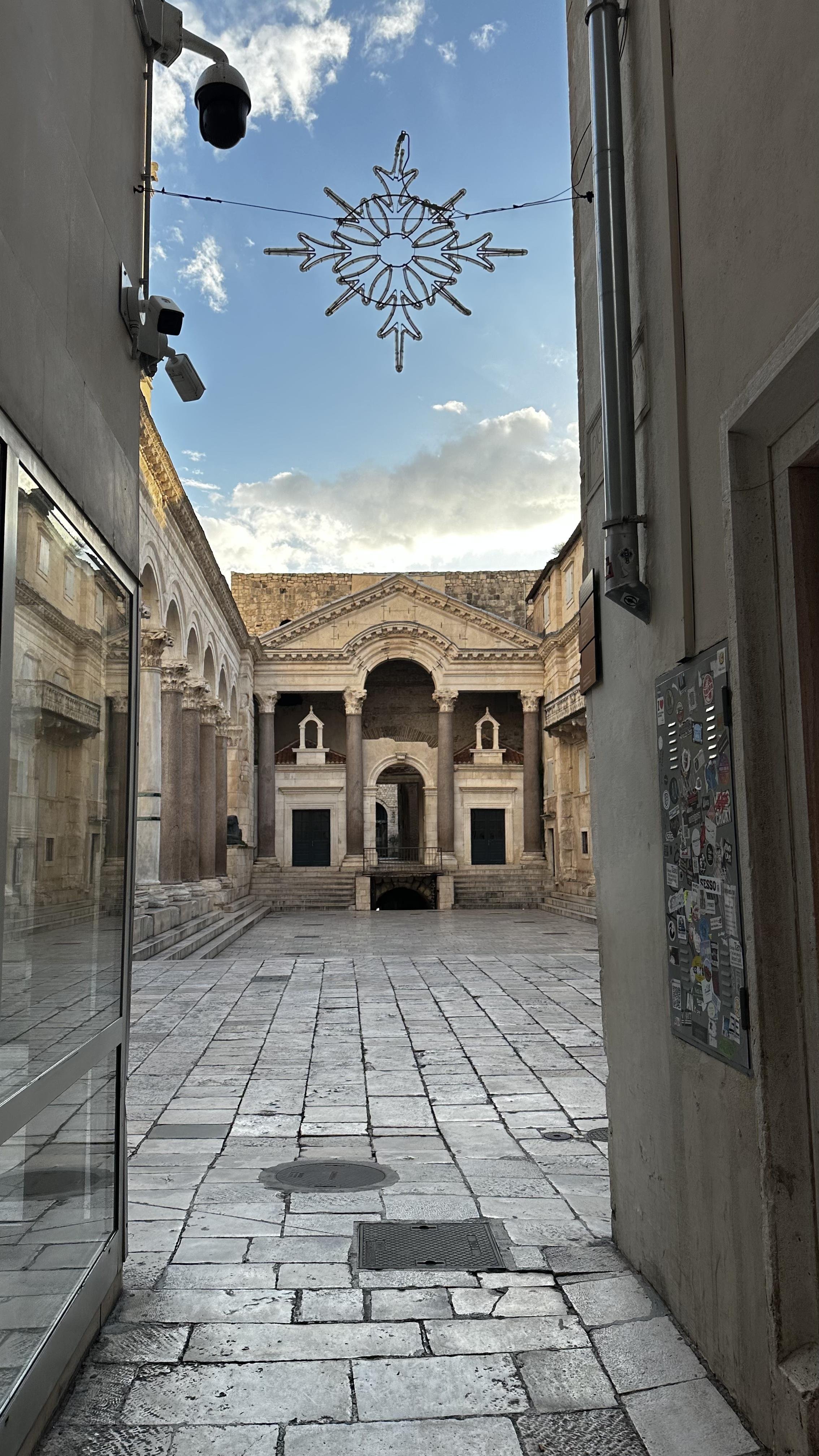
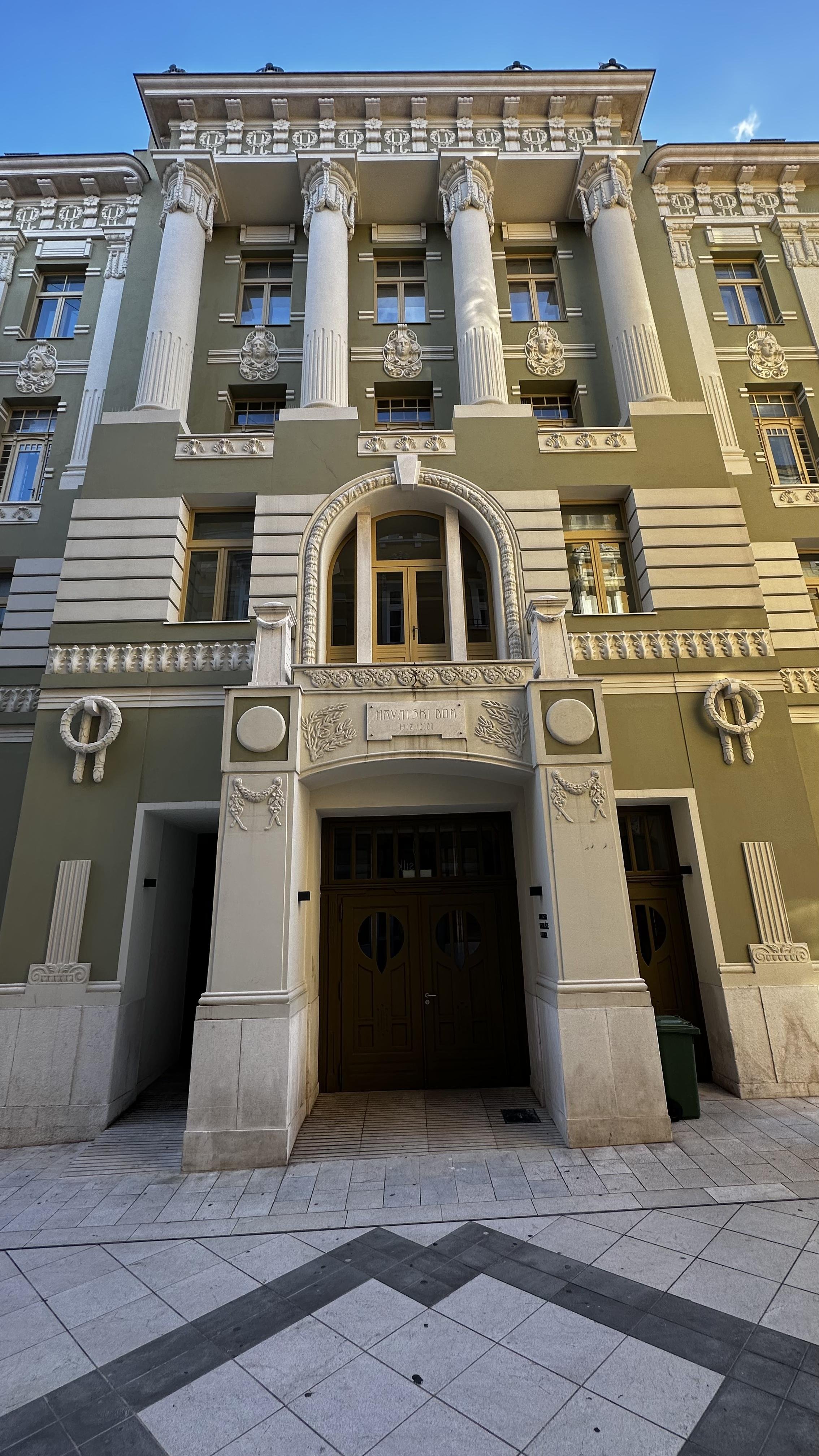
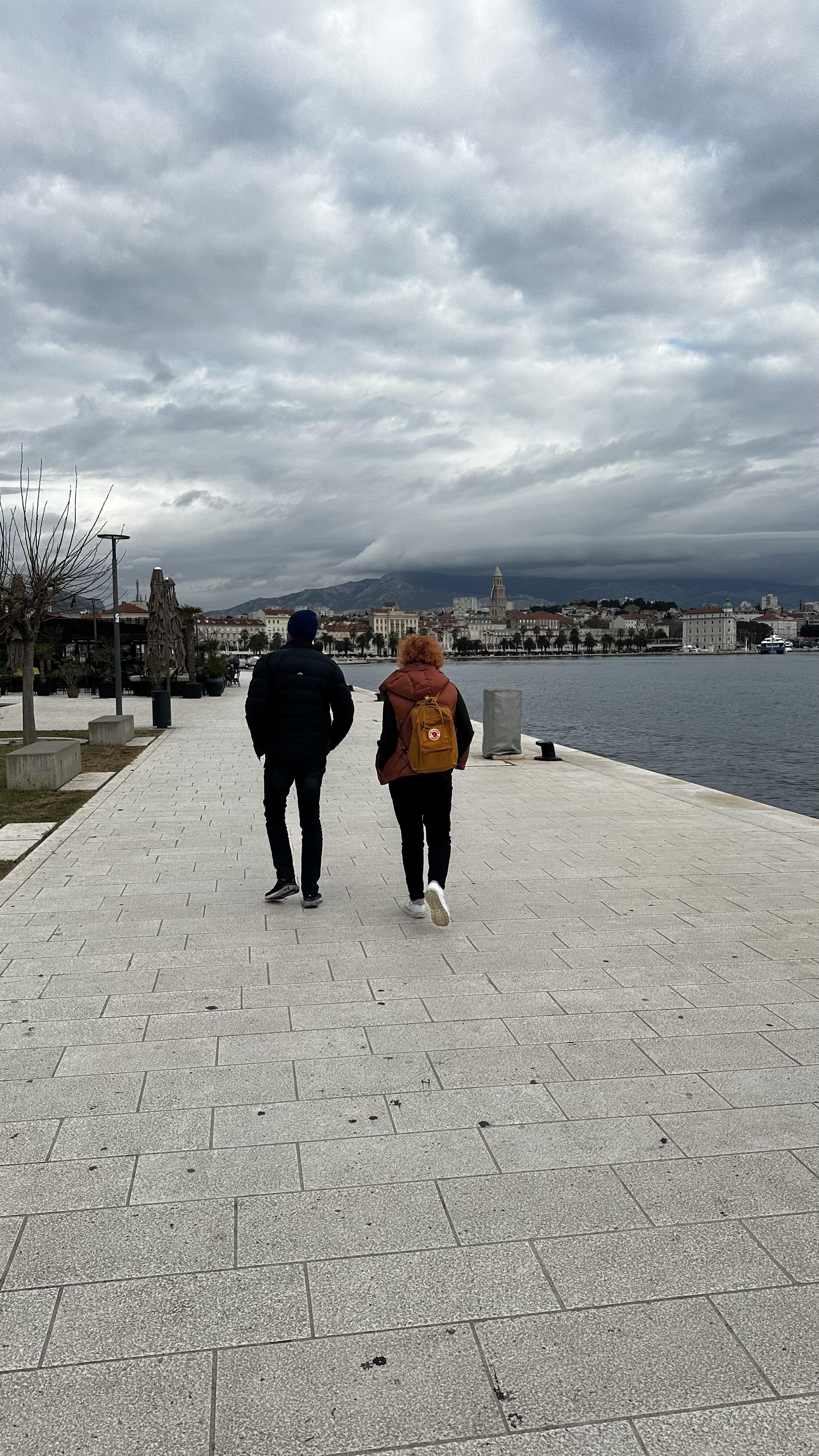
The next day we went for a walk around the city, we visited all the special places that have a deep meaning for us 🥰.
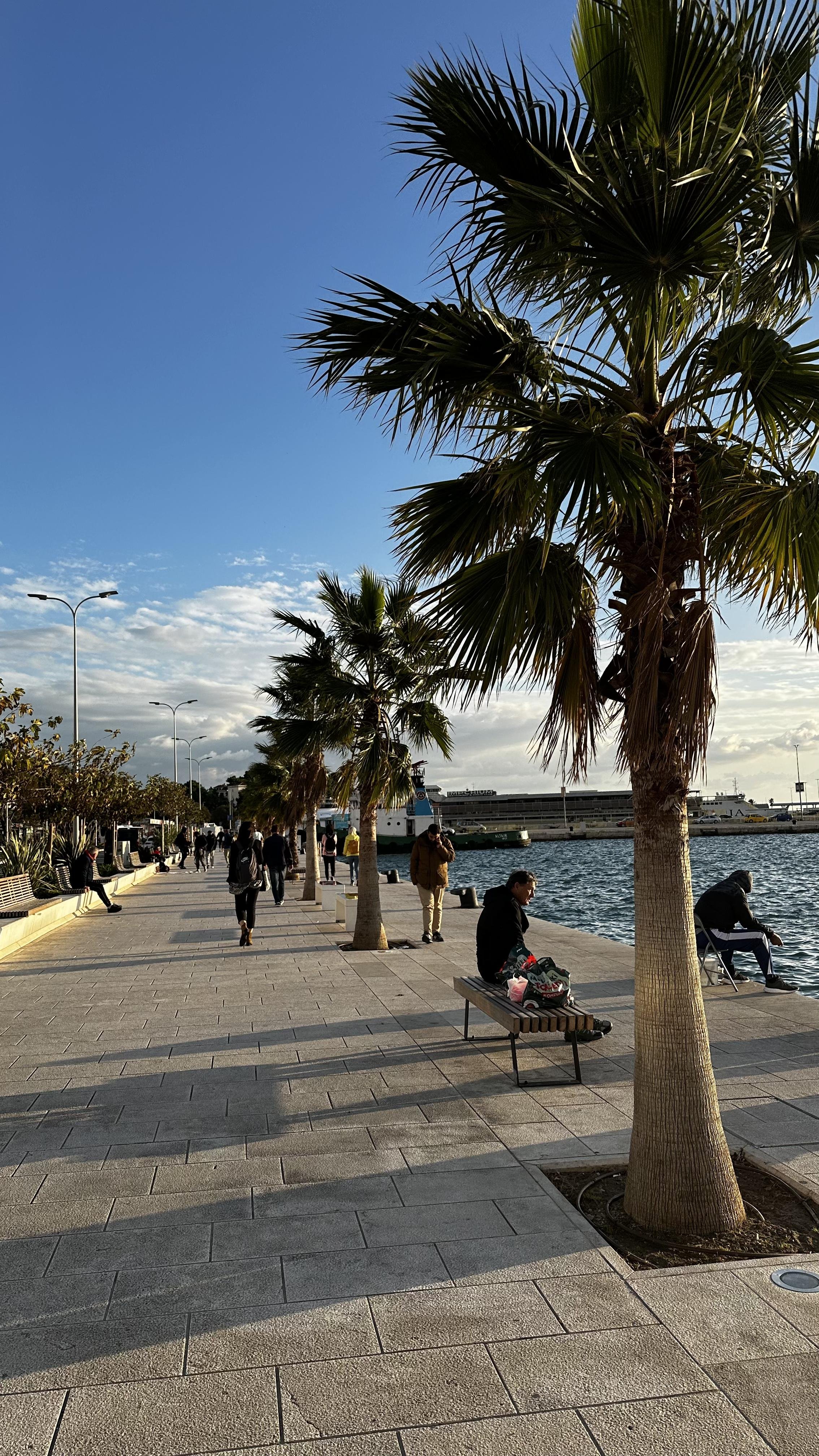
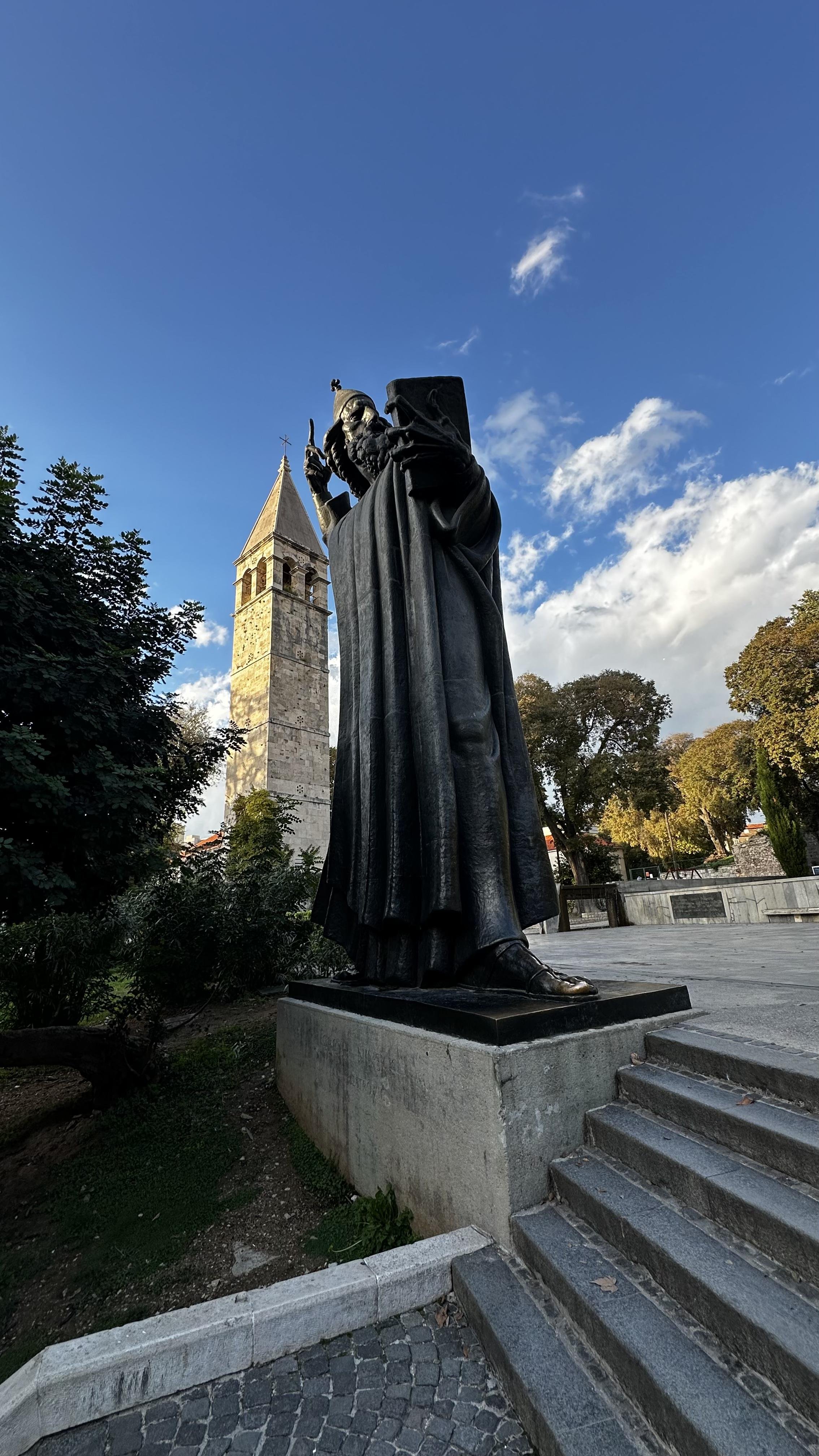
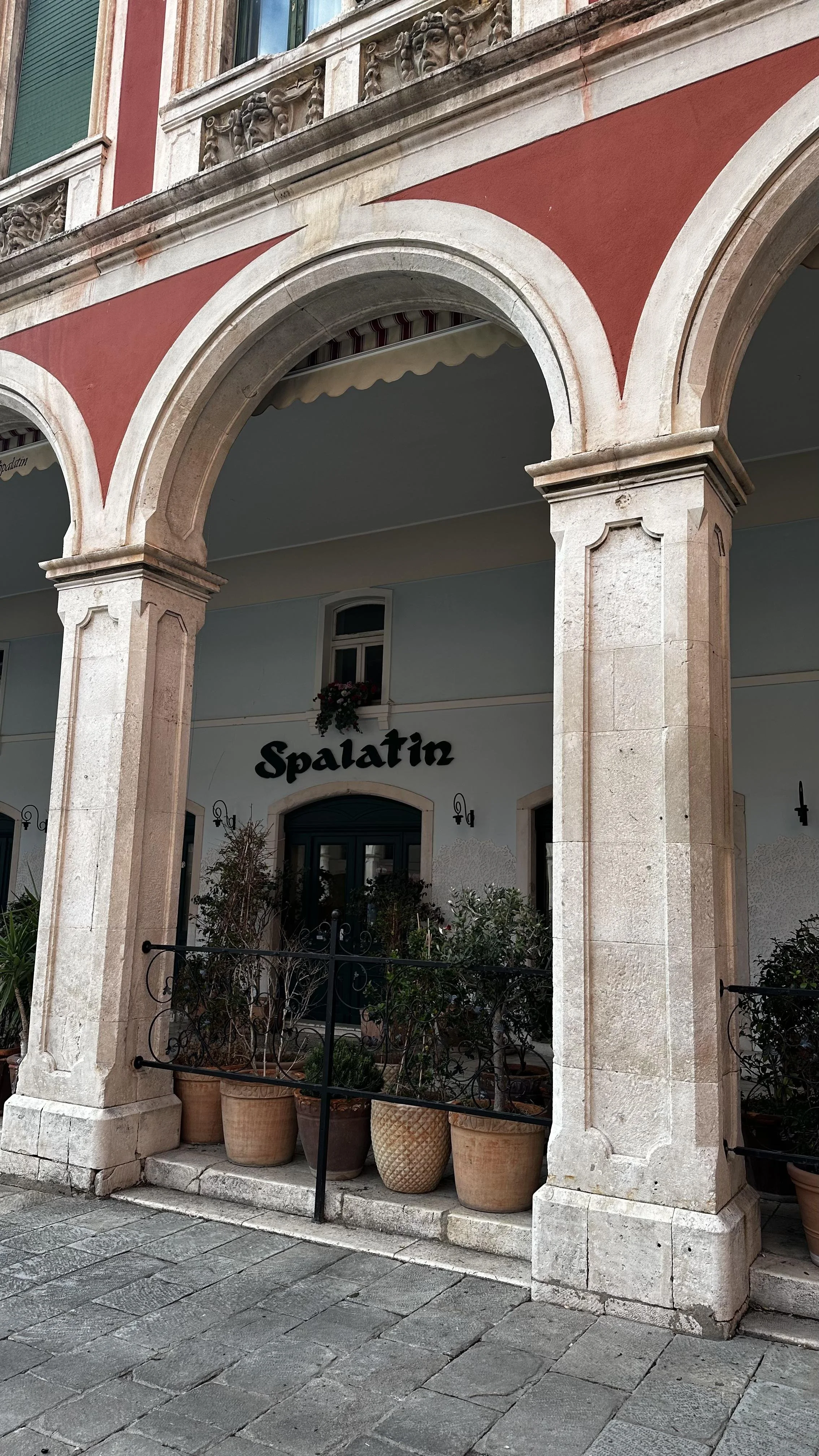
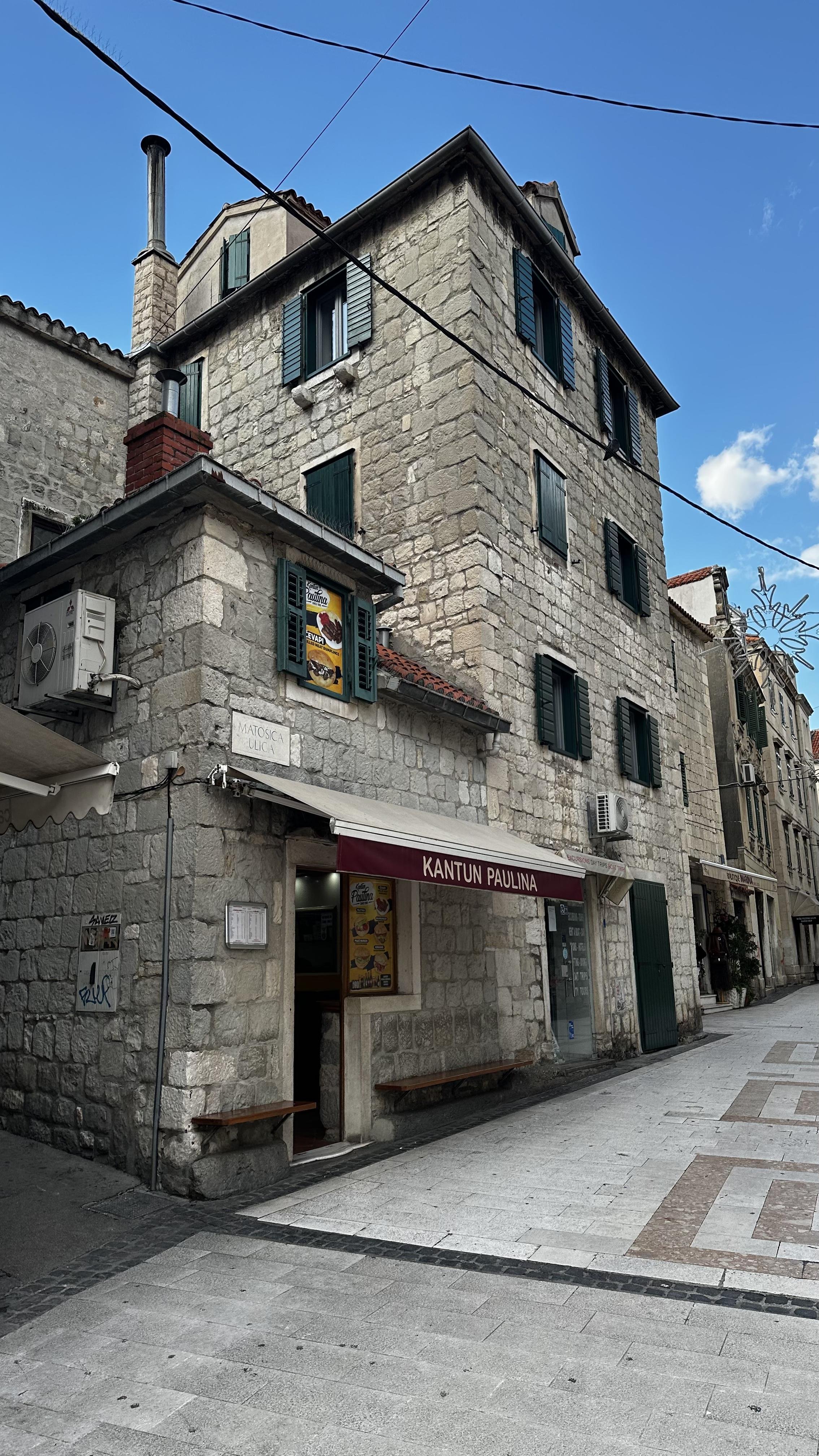
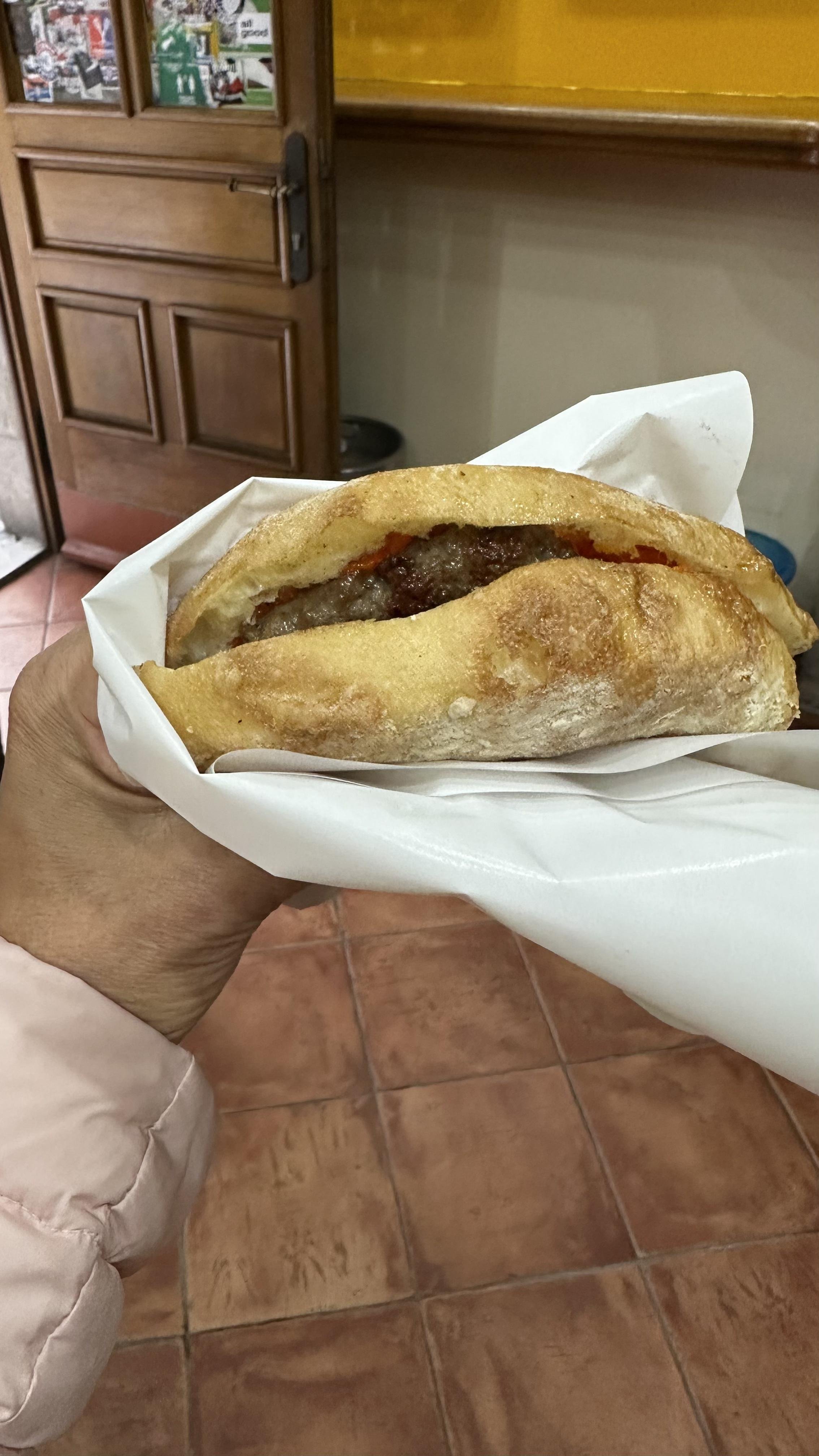
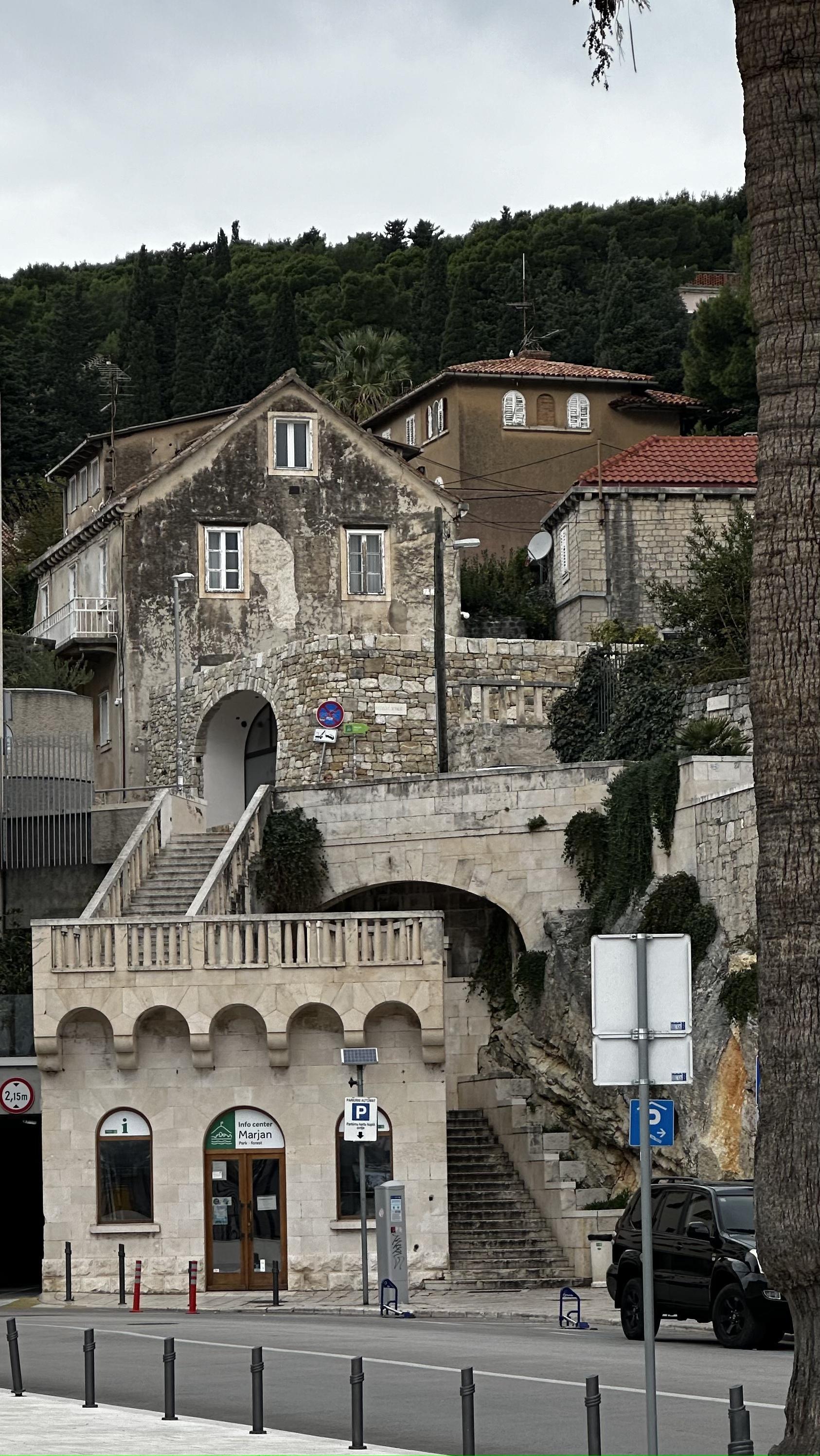
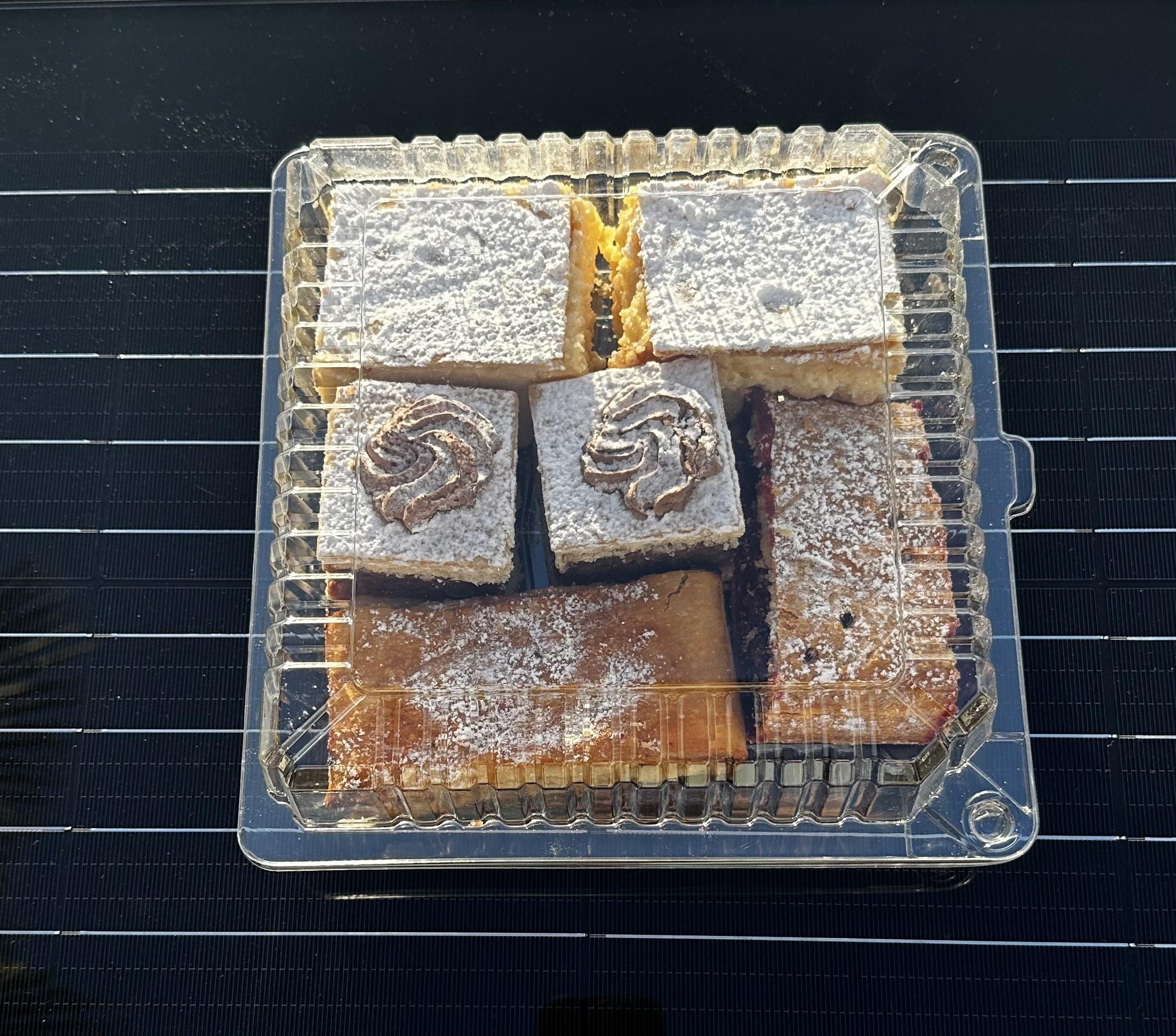
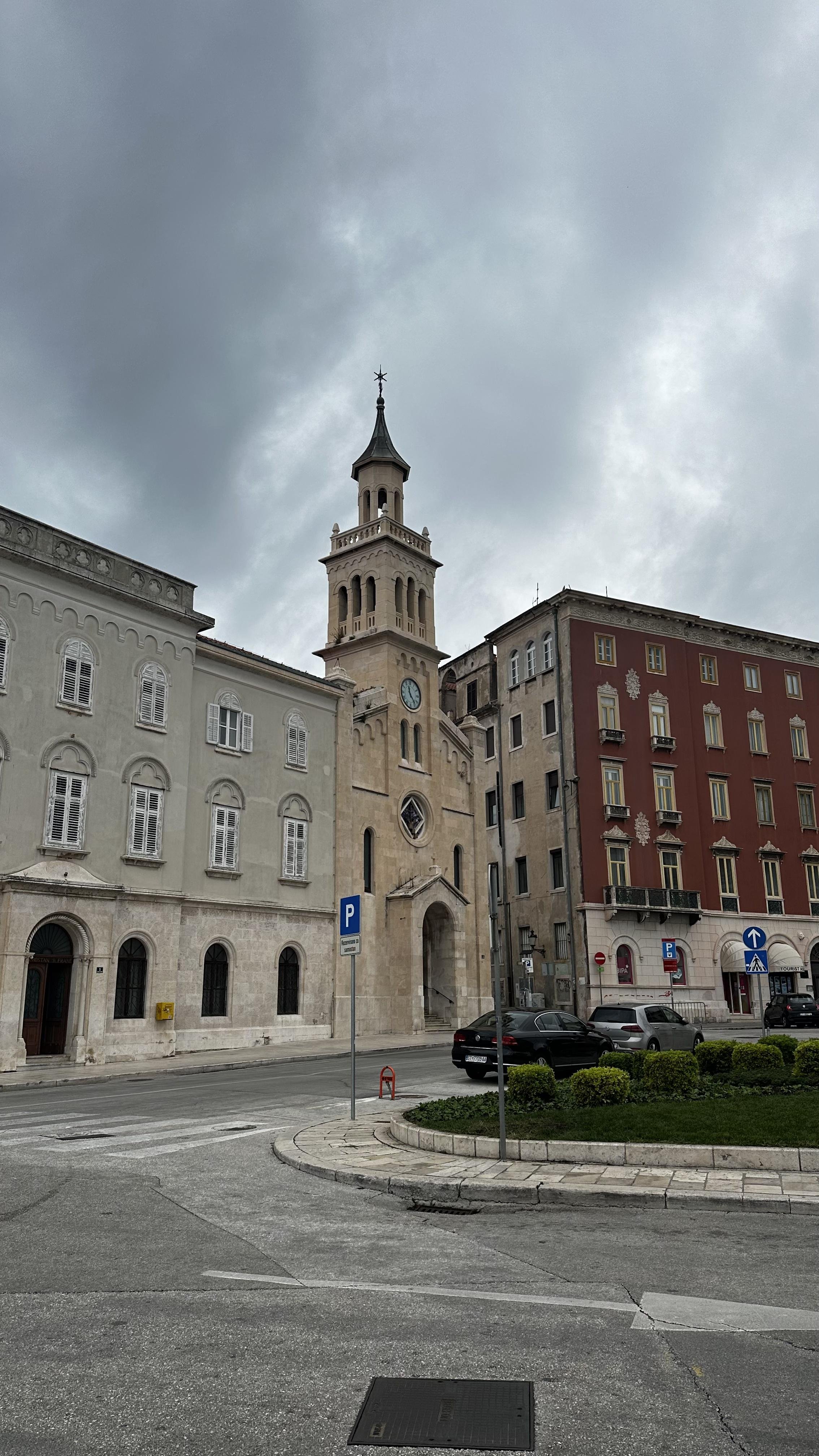
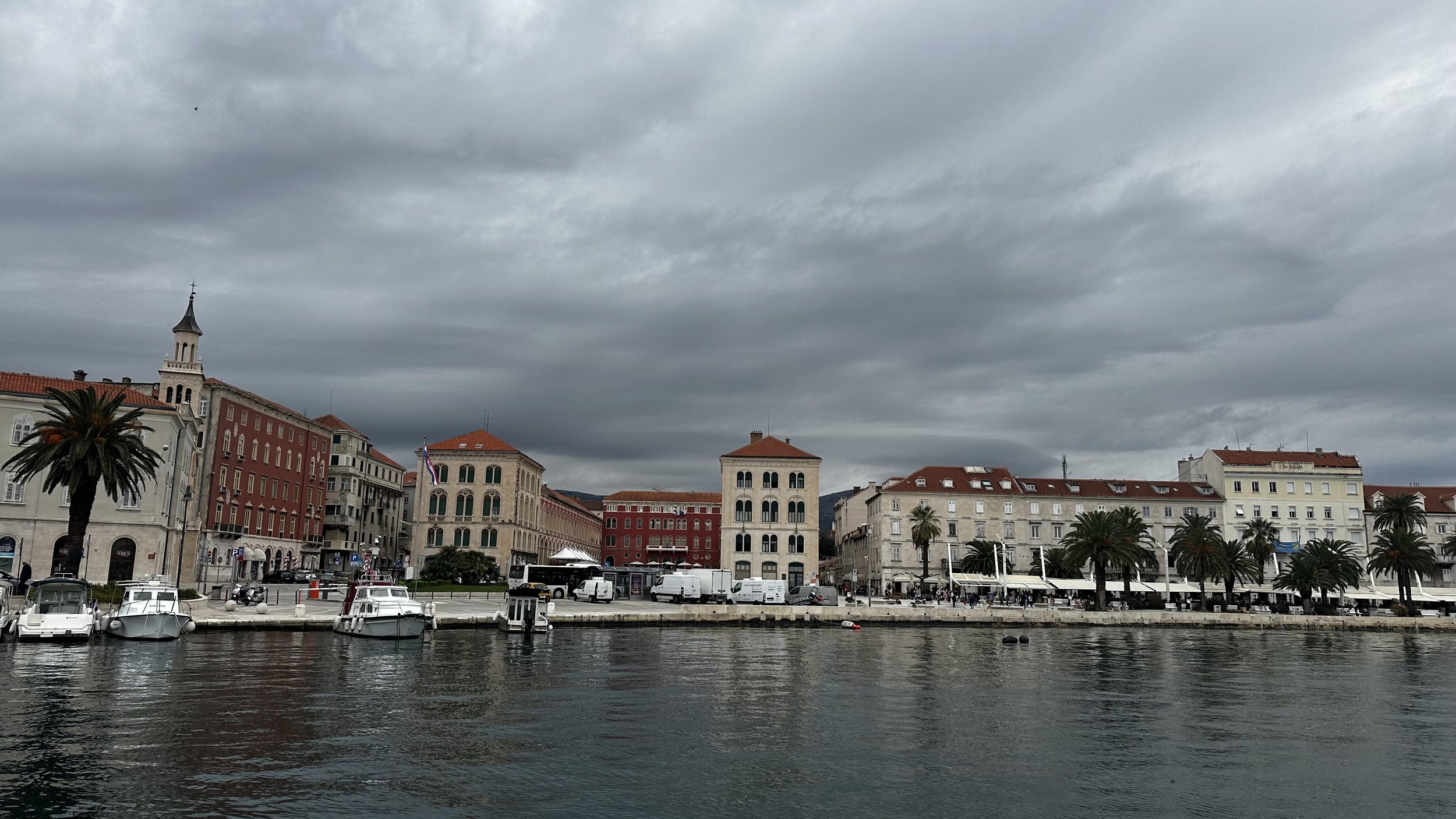
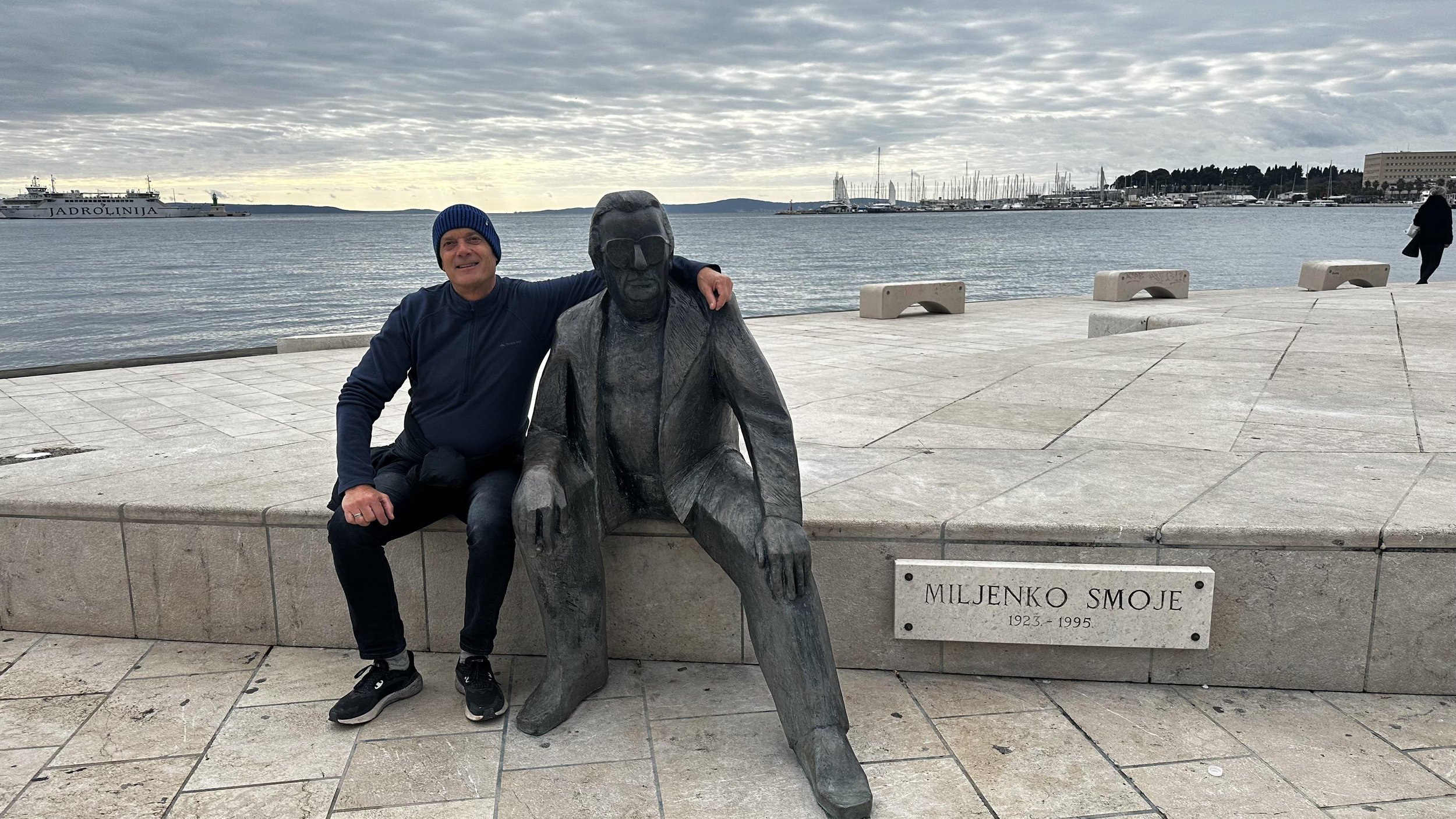
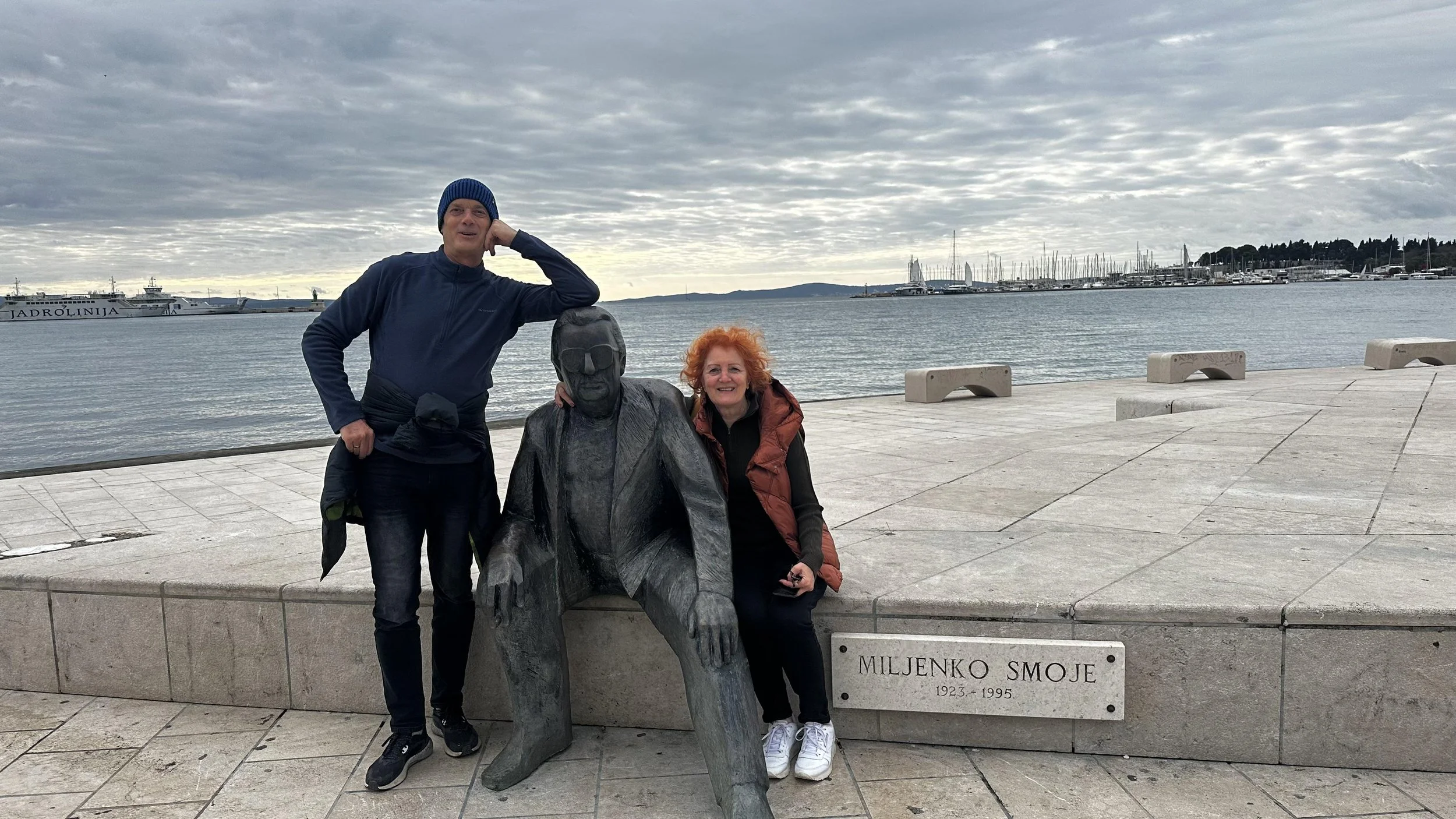
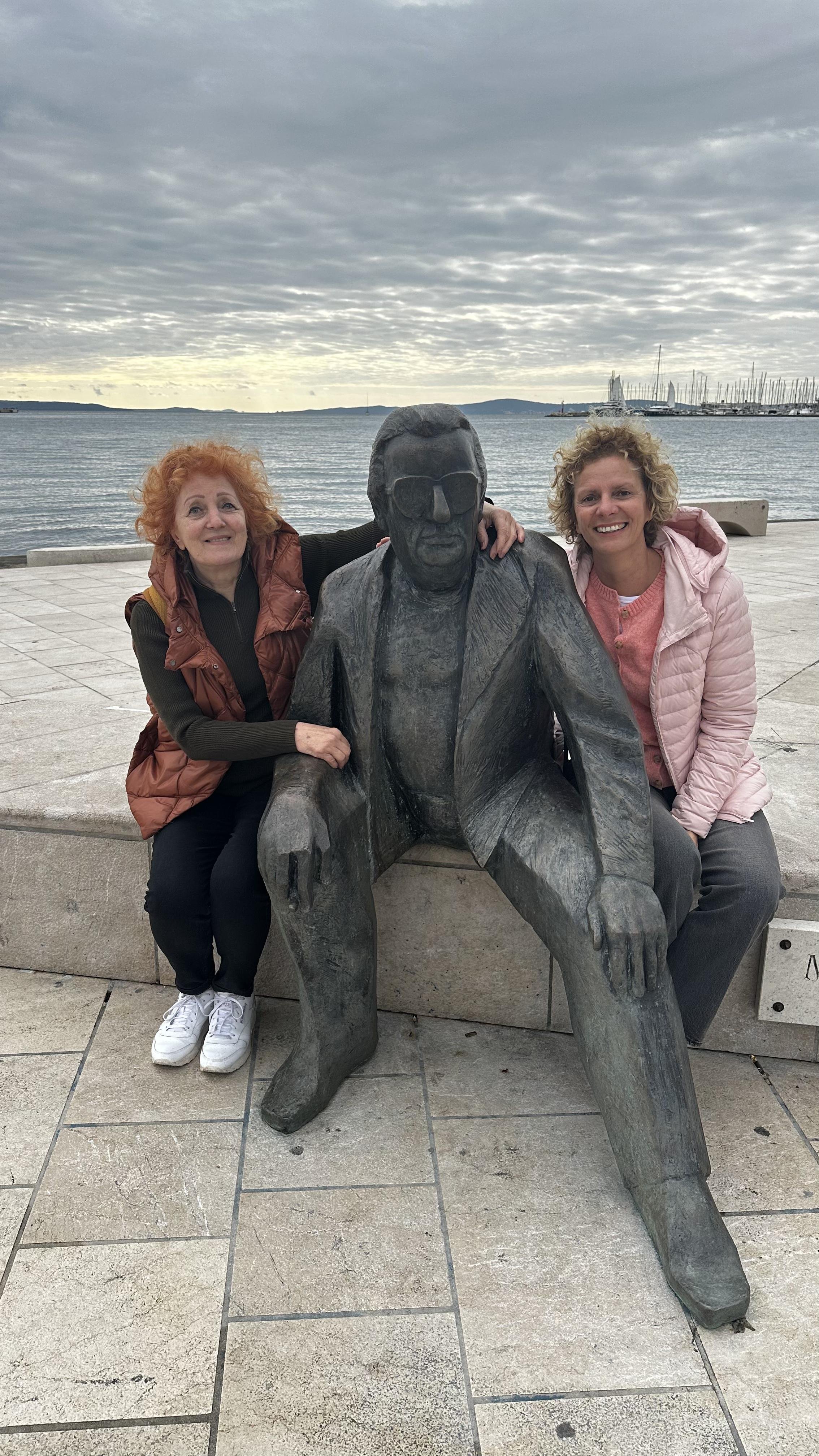
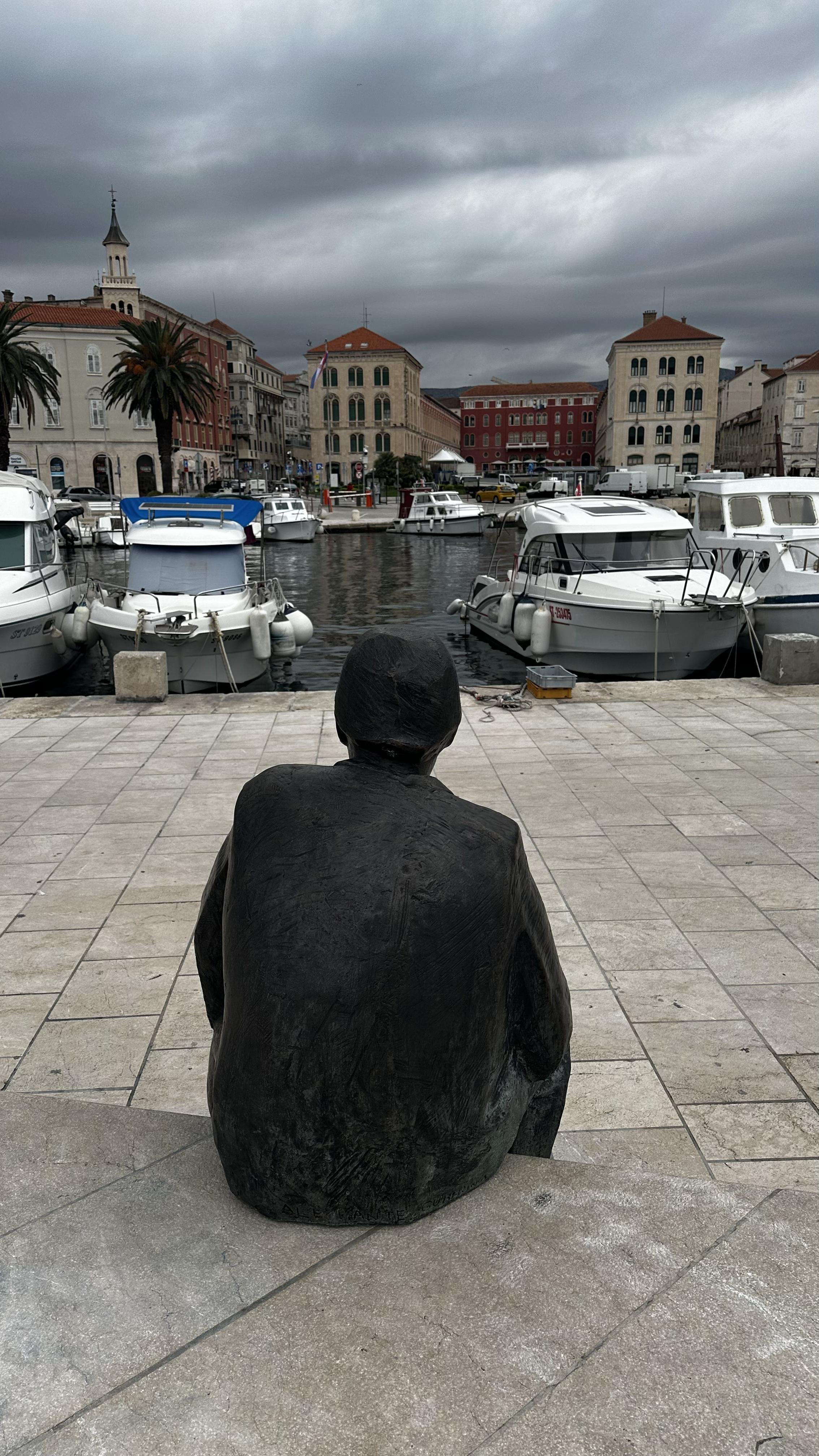
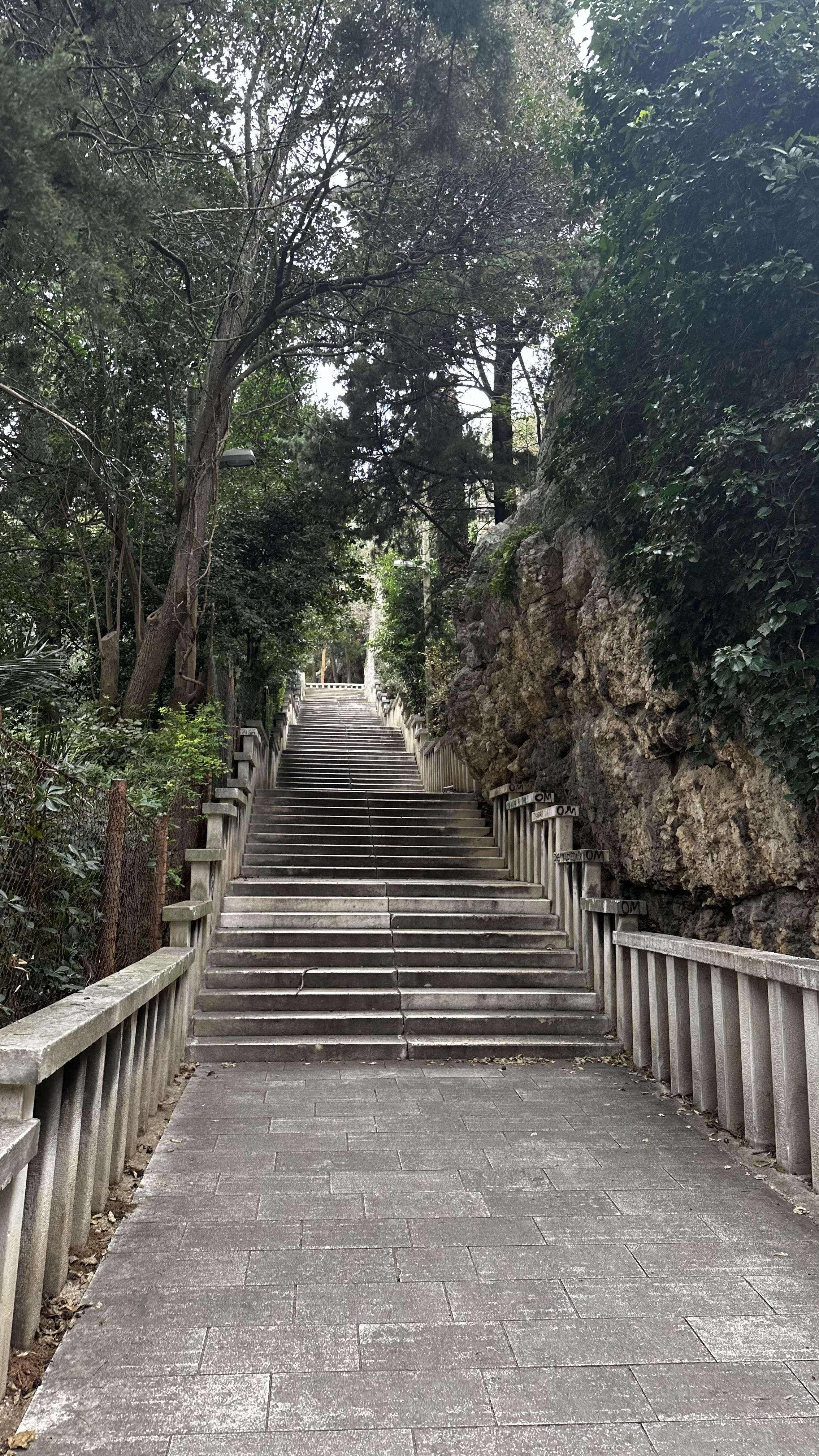
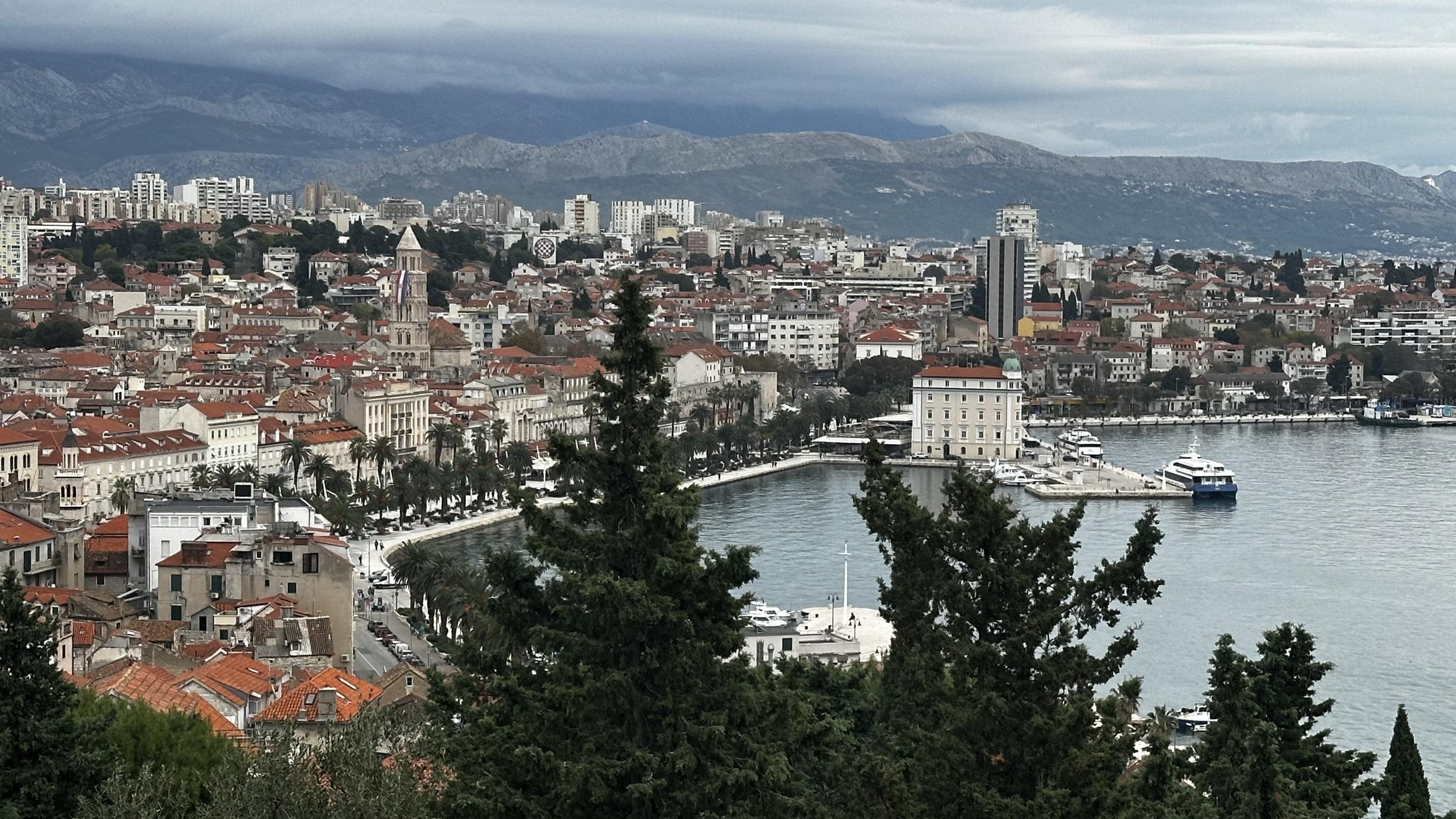
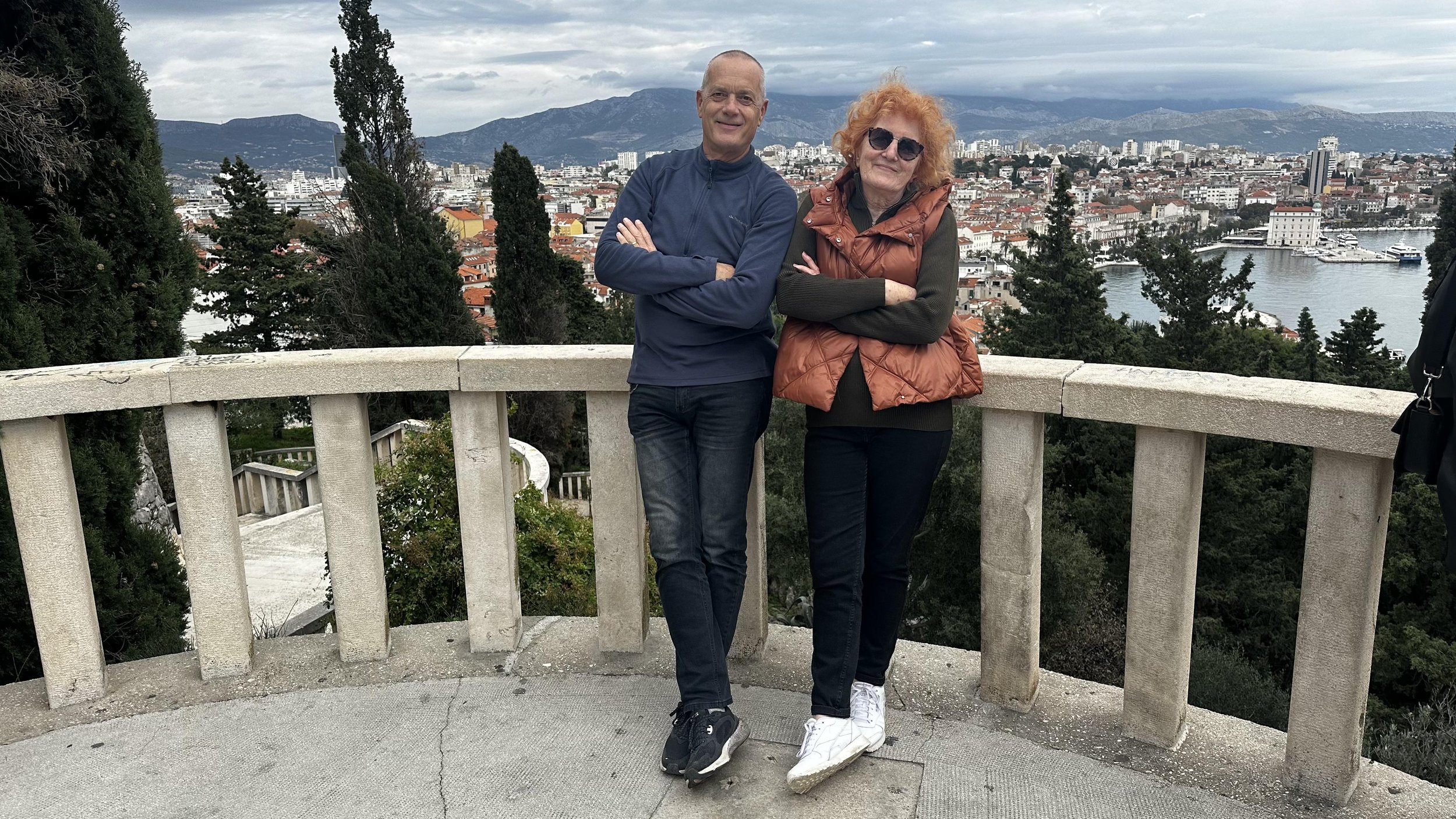
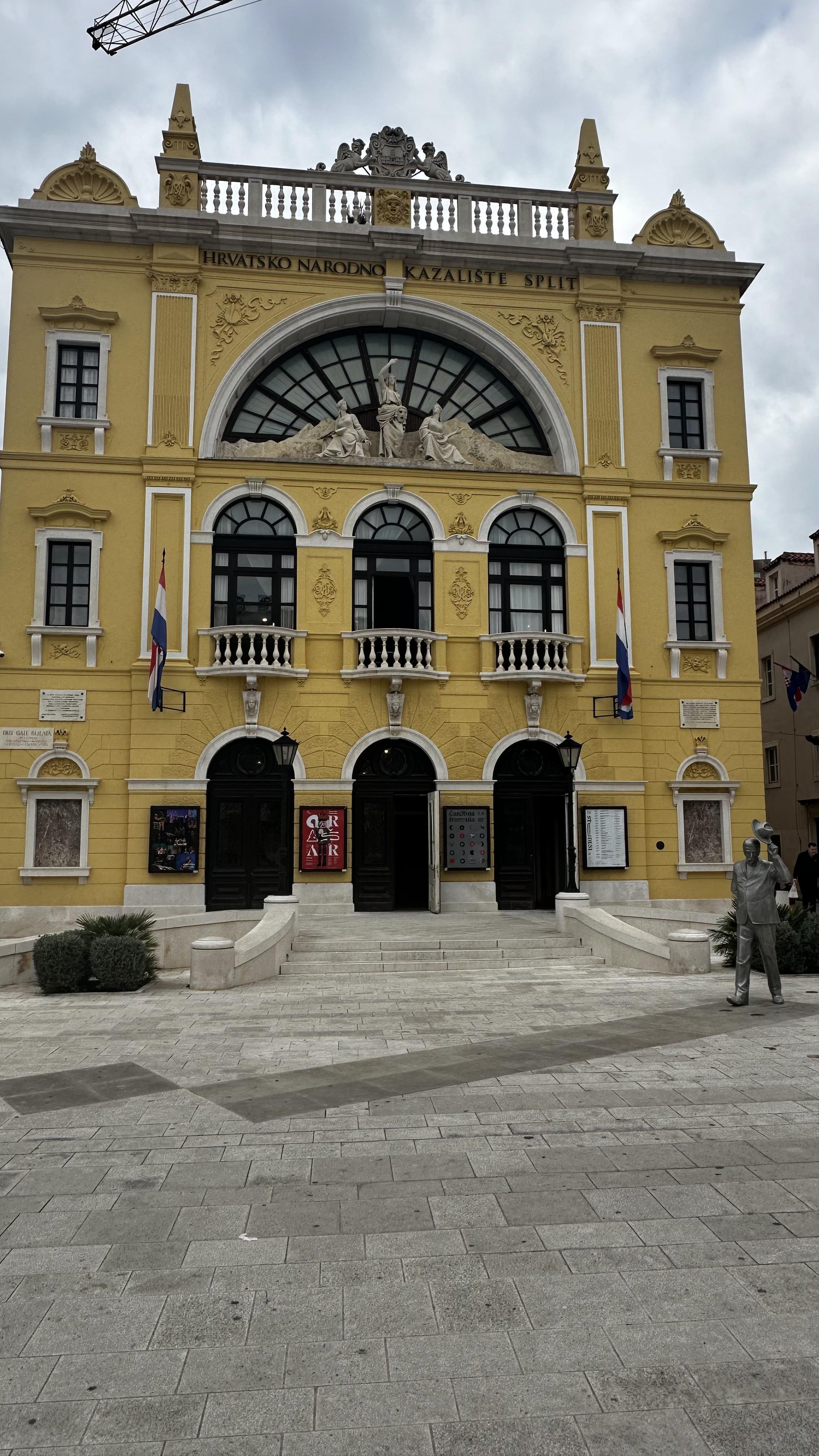
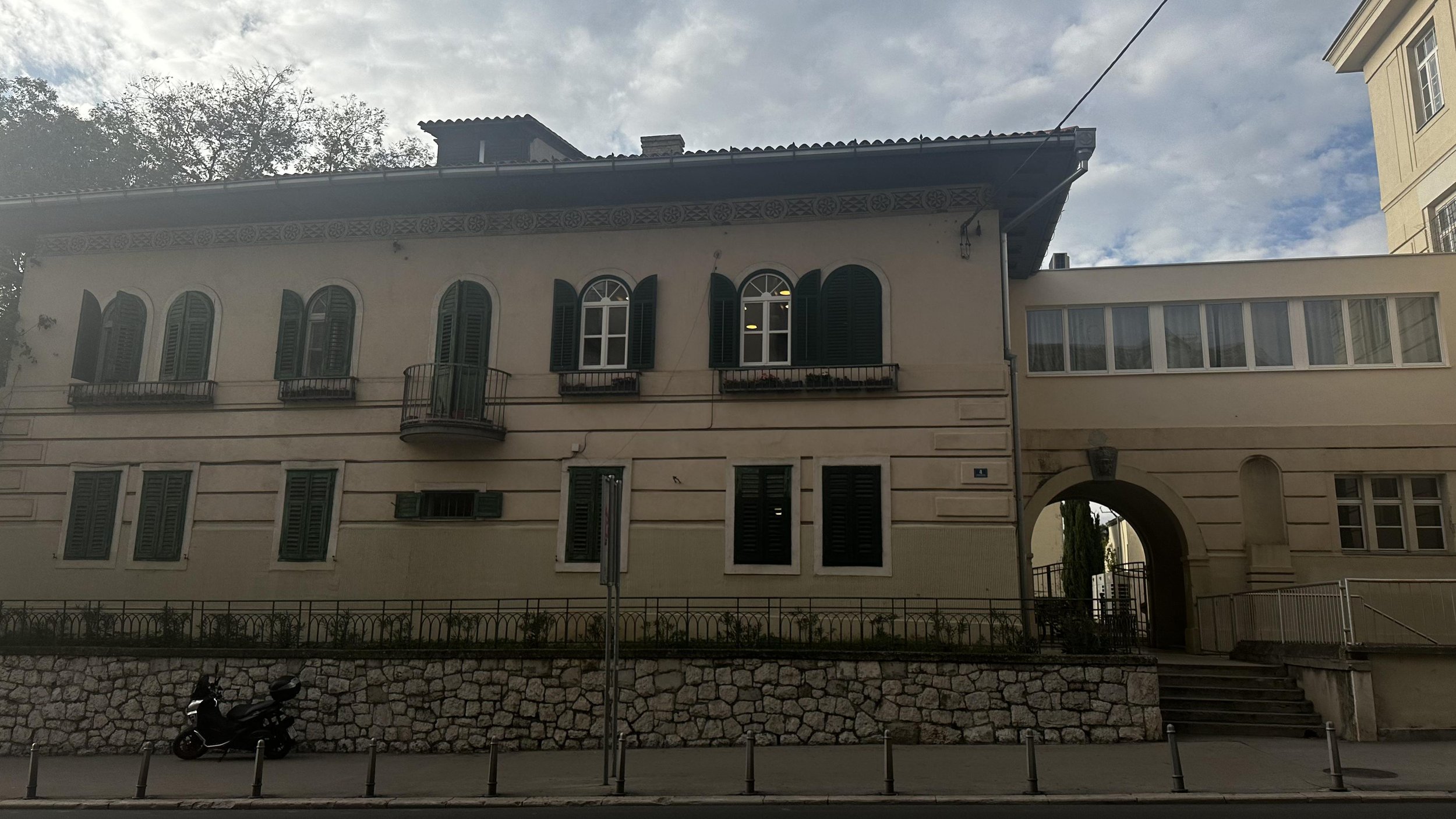
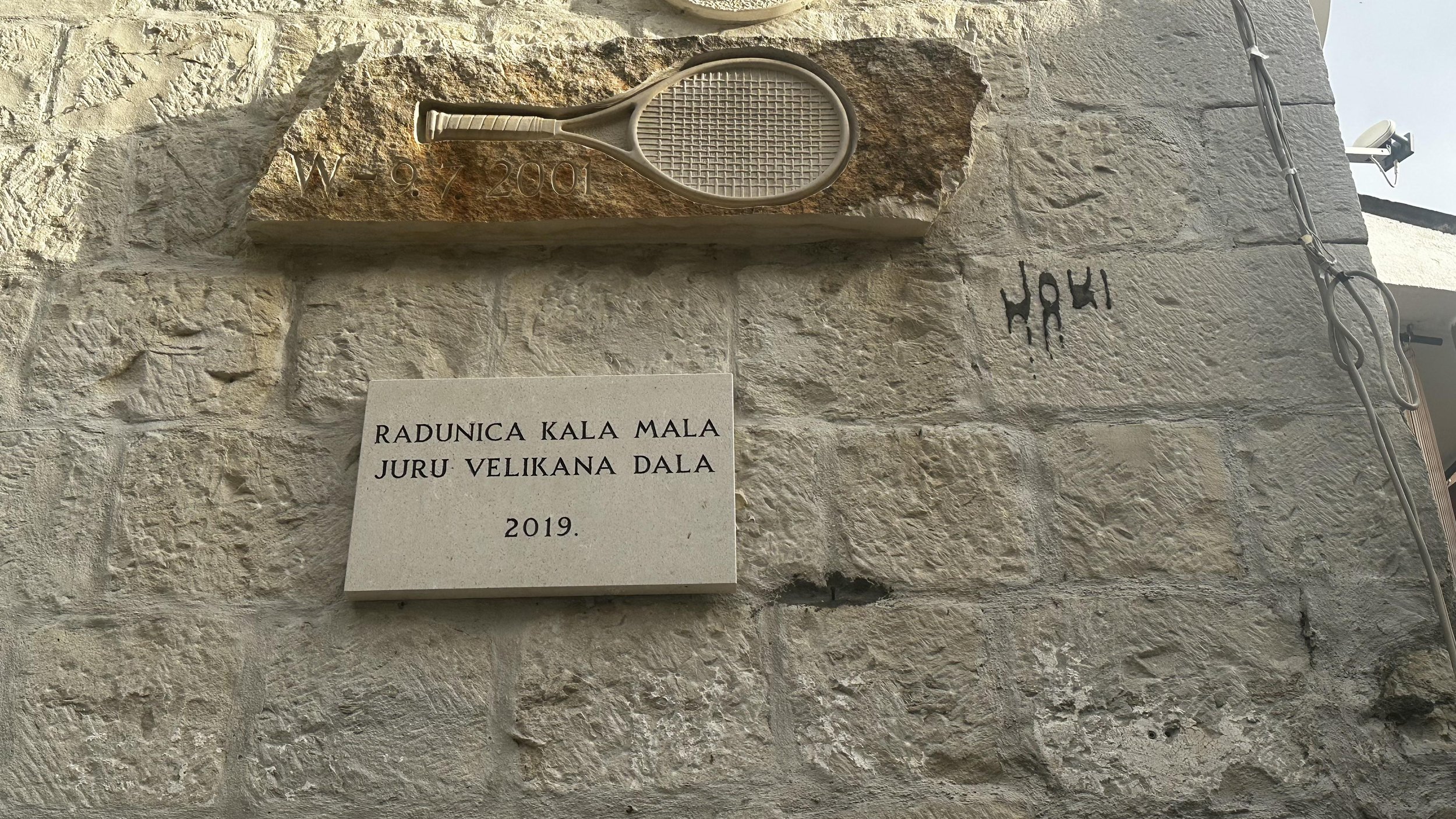
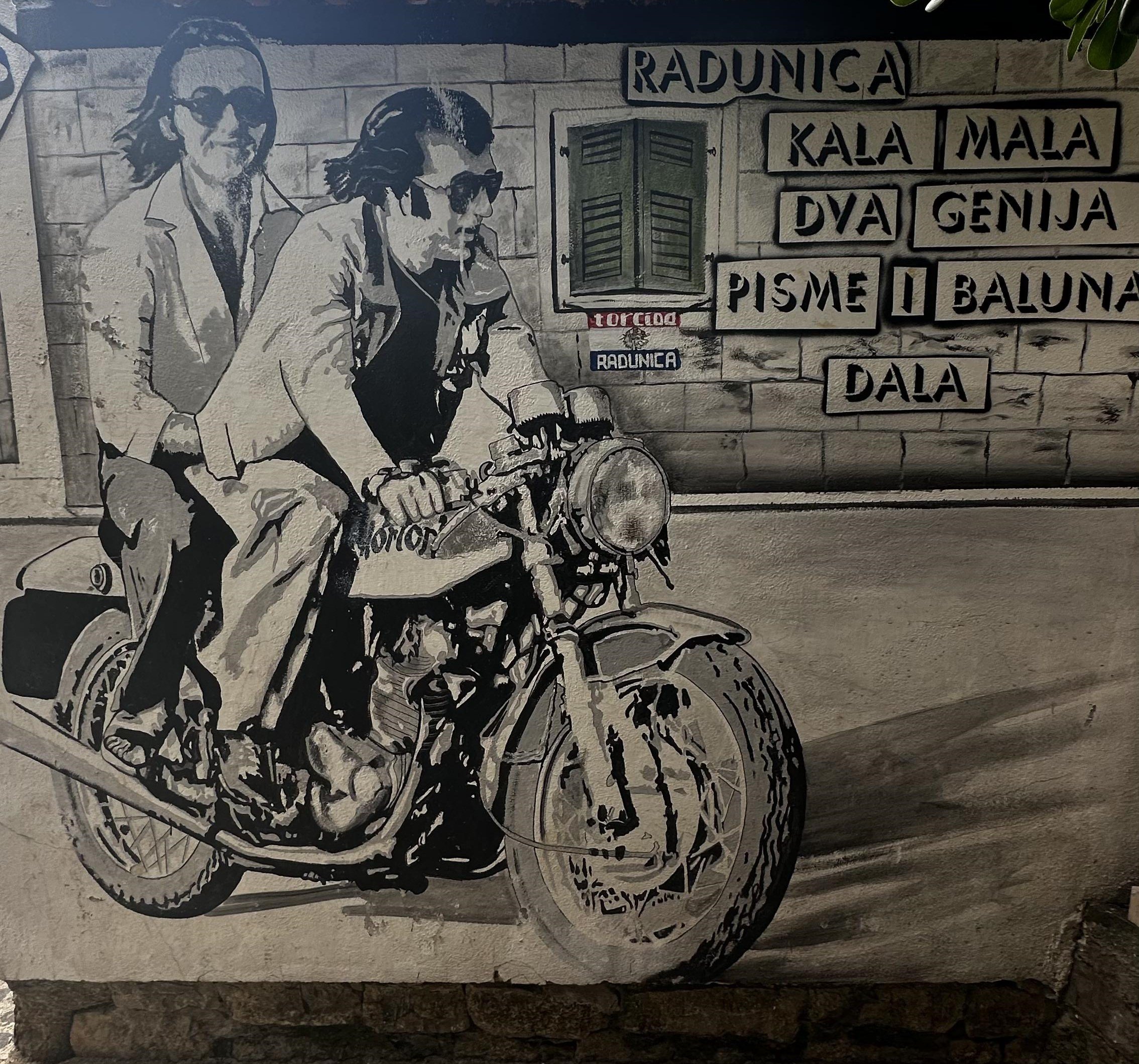
We stopped by “our” big palm tree on the promenade Riva where we met for the very first time, we went to the church Saint Duje where we would normally meet to go for a walk, we went to Marjan first viewing point and took many photos like we’ve never been there before, we went to a new monument dedicated to the famous local author Miljenko Smoje, we stopped by Bobis and Kirigin to eat our favourite desserts, we stopped by Kantun Paulina shop, the “must visit “ stop for a local portion of the best ćevapi in town ( mince meat delicacy), went to my secondary school and my university building and of course had a coffee and chit chats with a few dear friends we always connect with. Thank you ladies for making the time to see us, it’s always great seeing you, and yes none of us has changed one tiny bit since the last visit!
A special thank you to Julka for her company, for allowing us to stay in her cute apartment, all the interesting chit chats and debates, and above all for being such a special person and friend. We can’t wait to reciprocate the hospitality, but let’s not spoil the surprise!
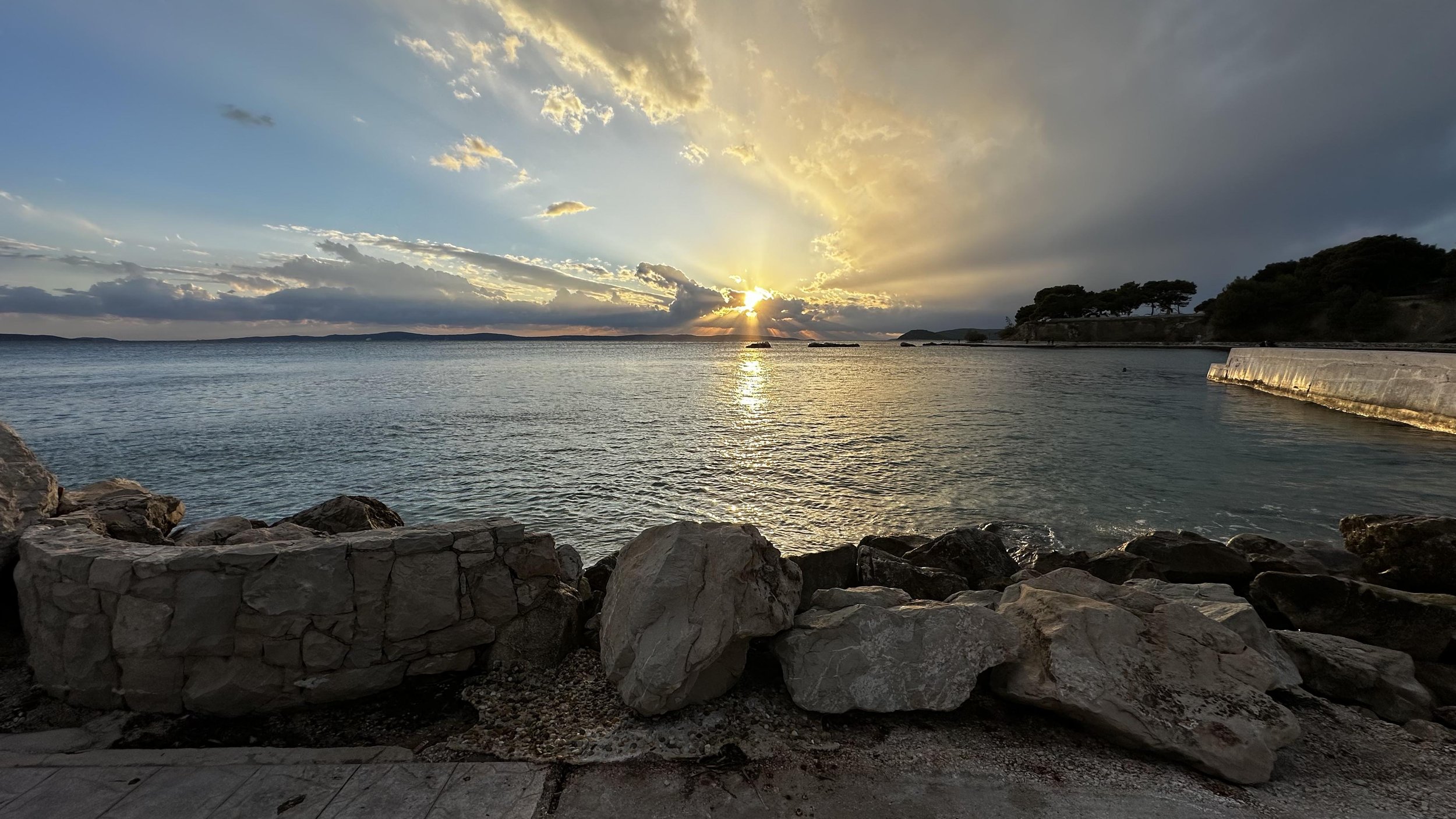
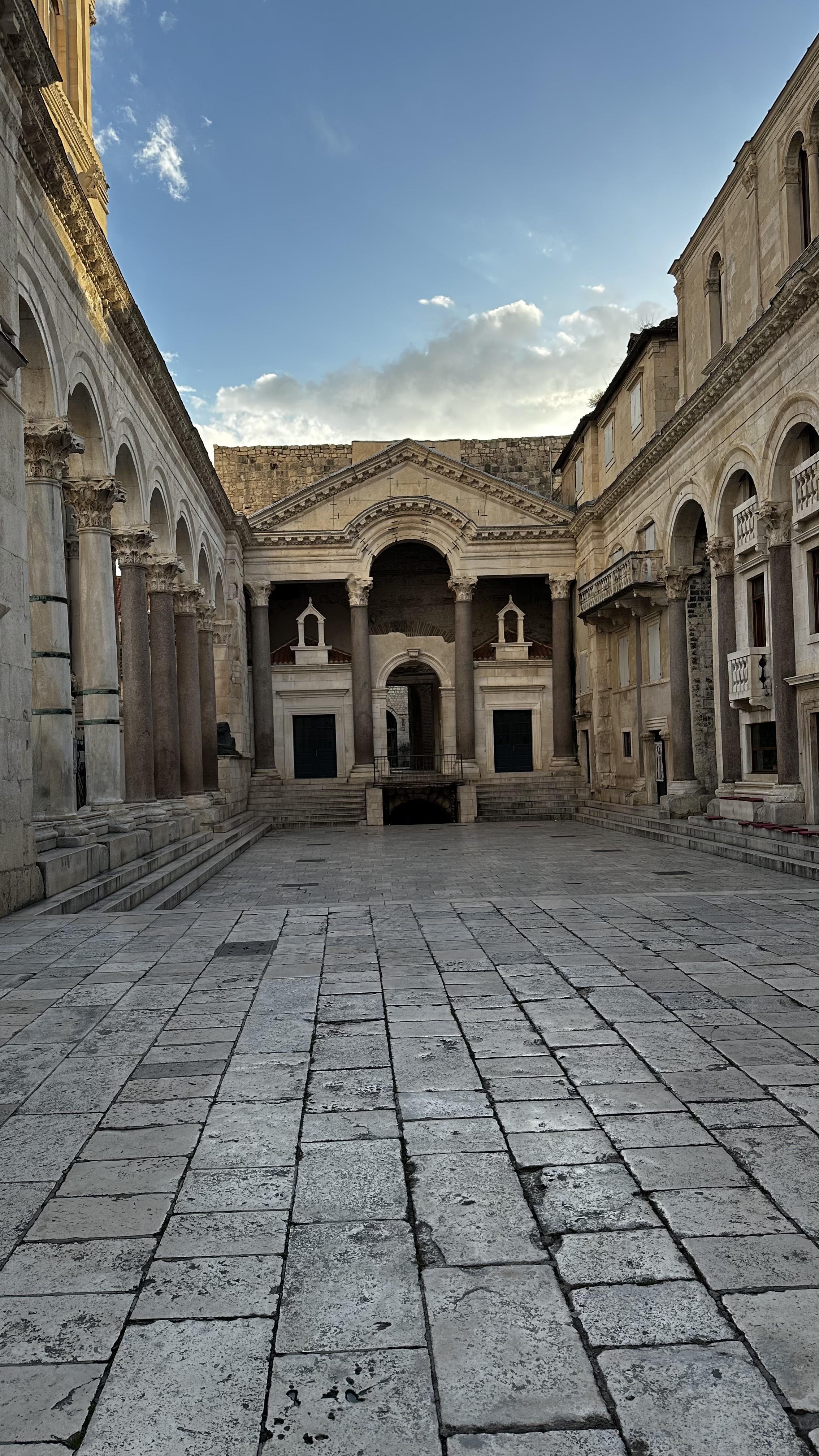
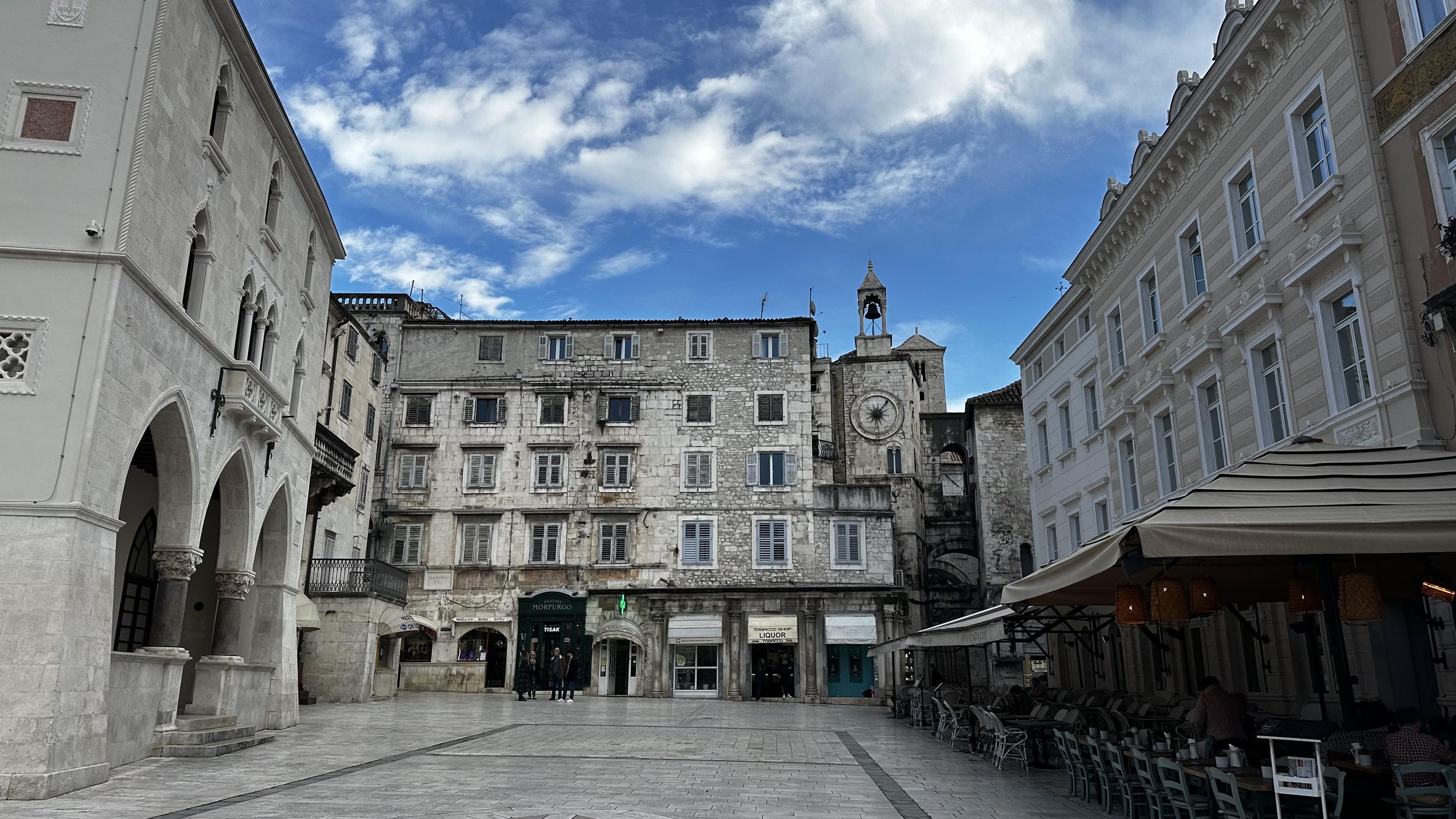
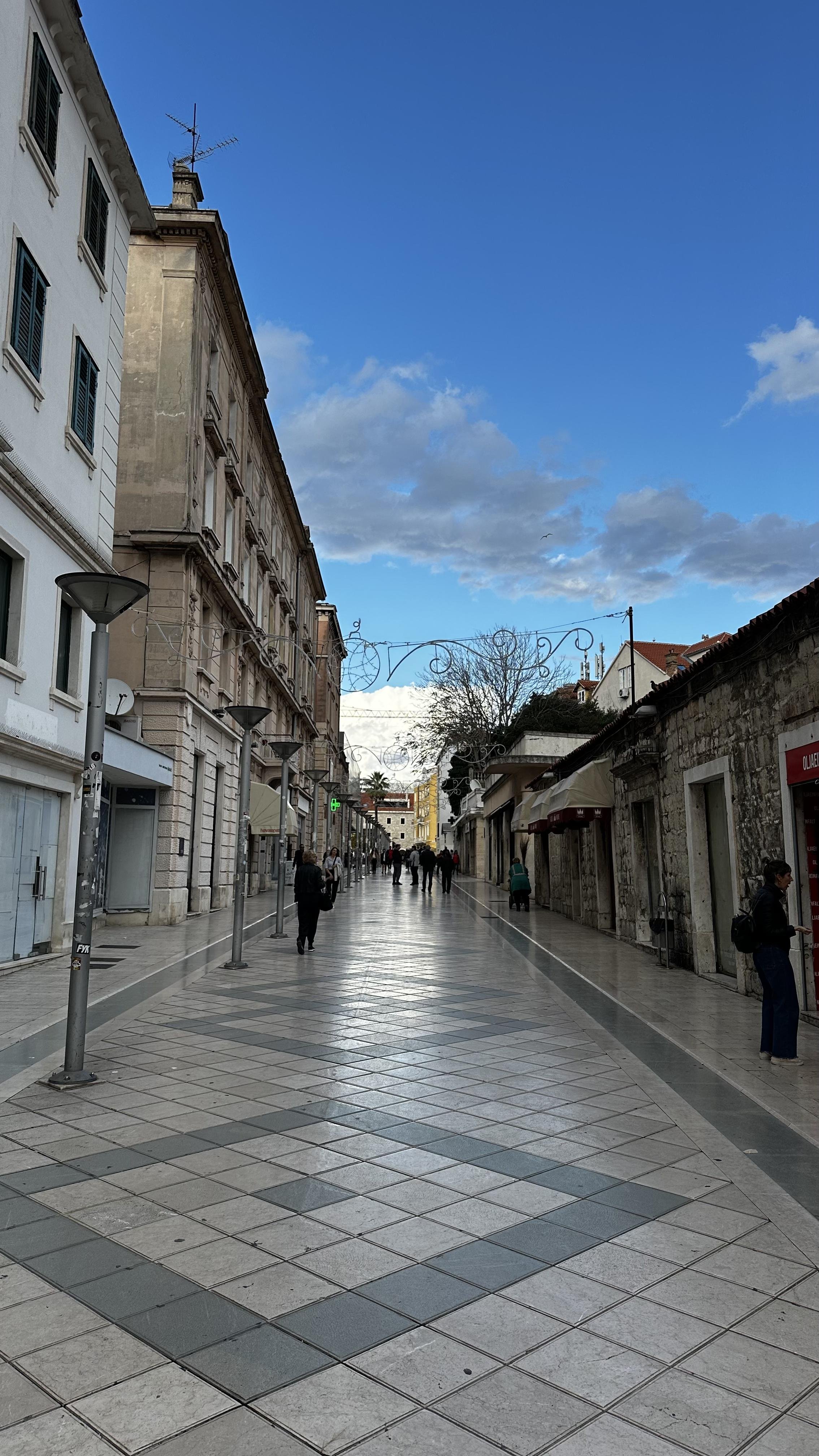
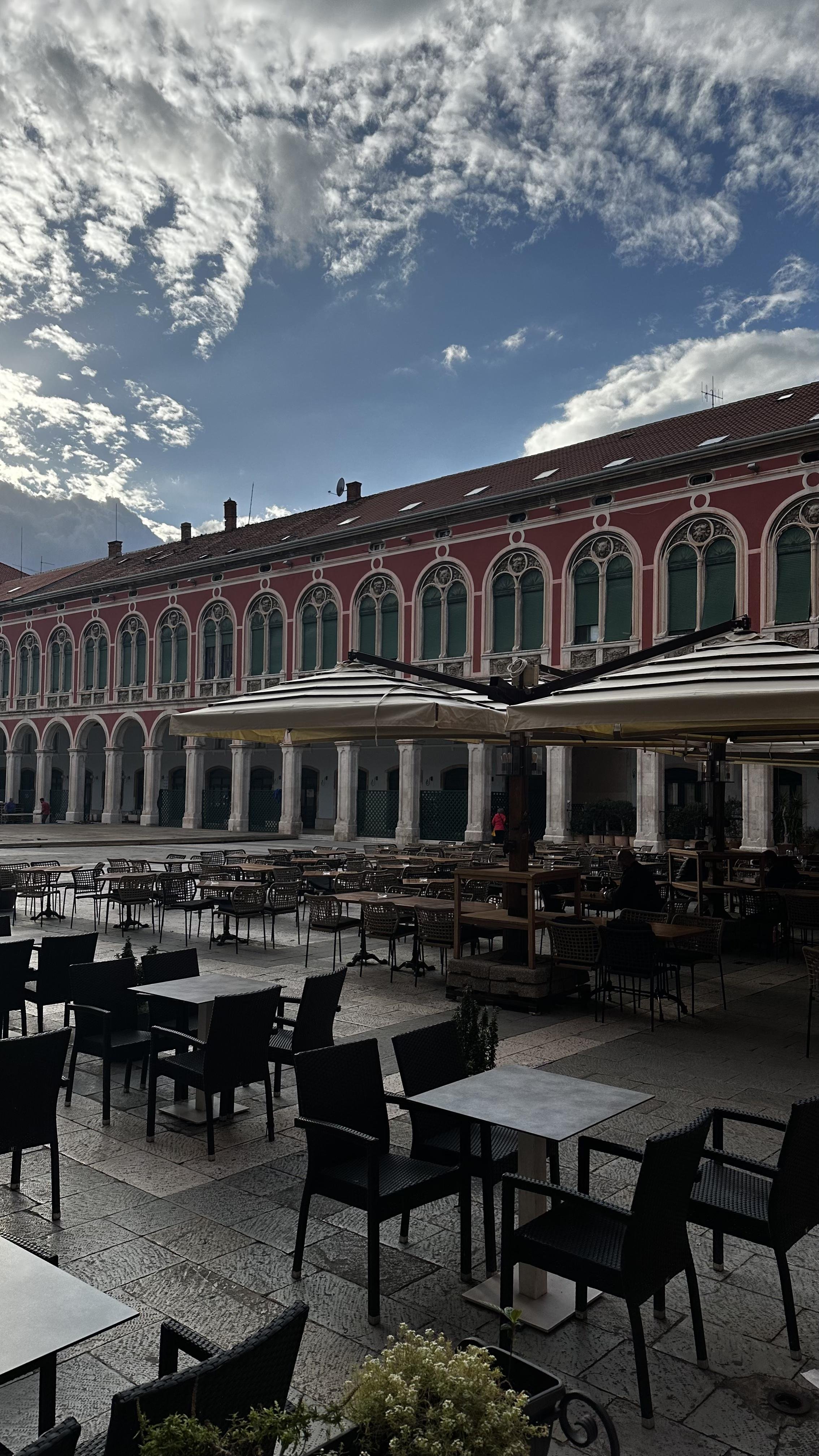
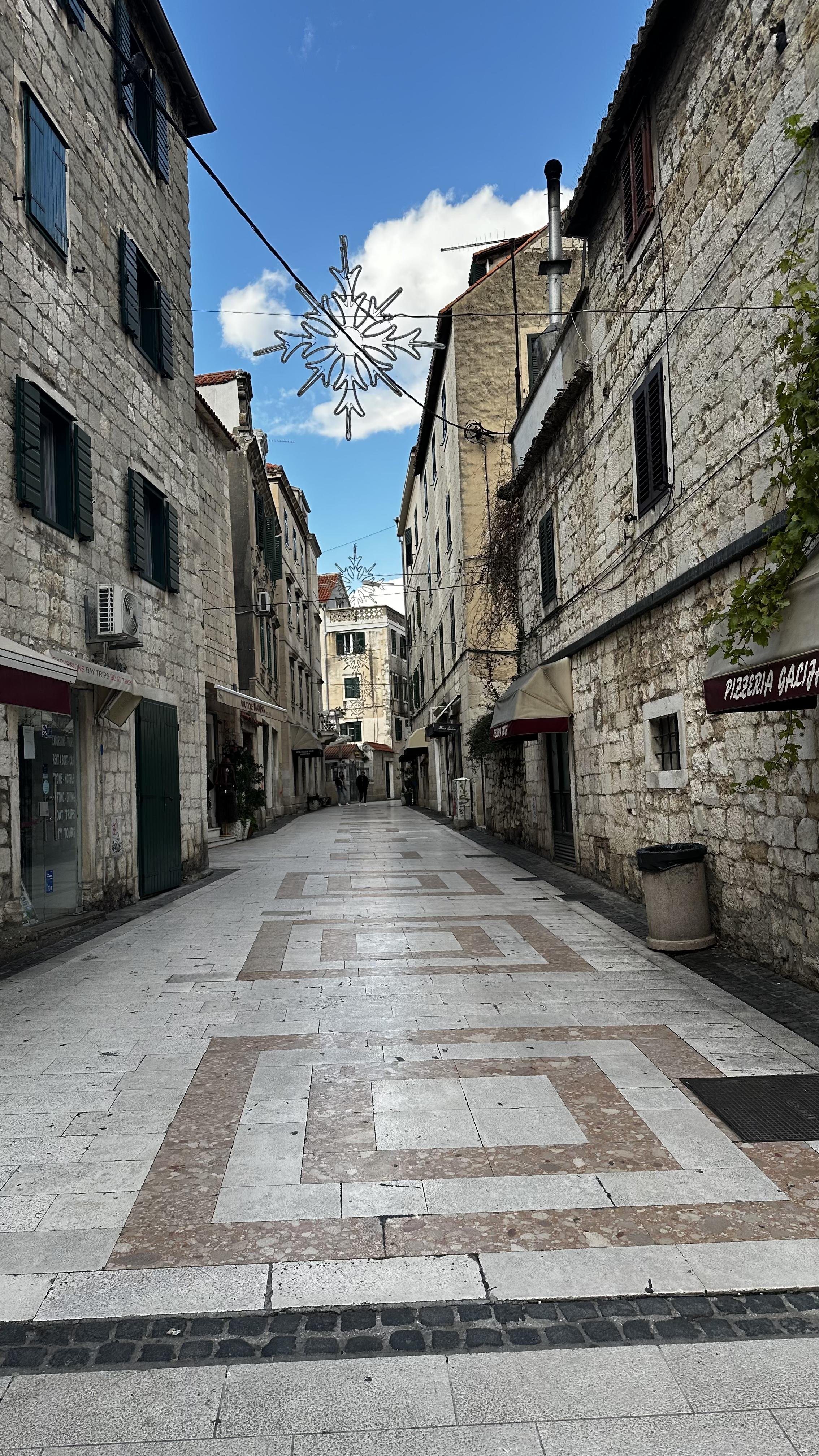
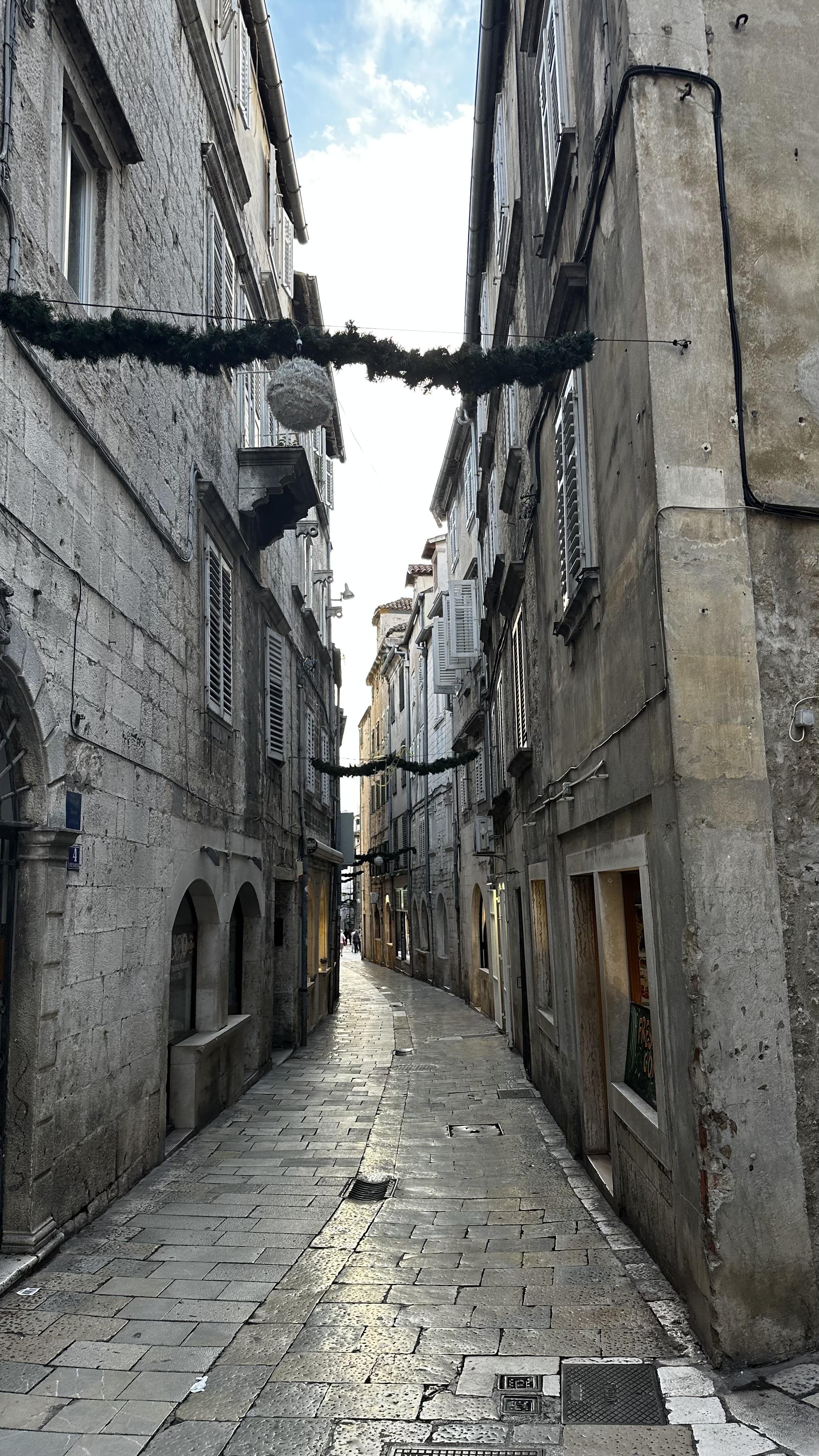
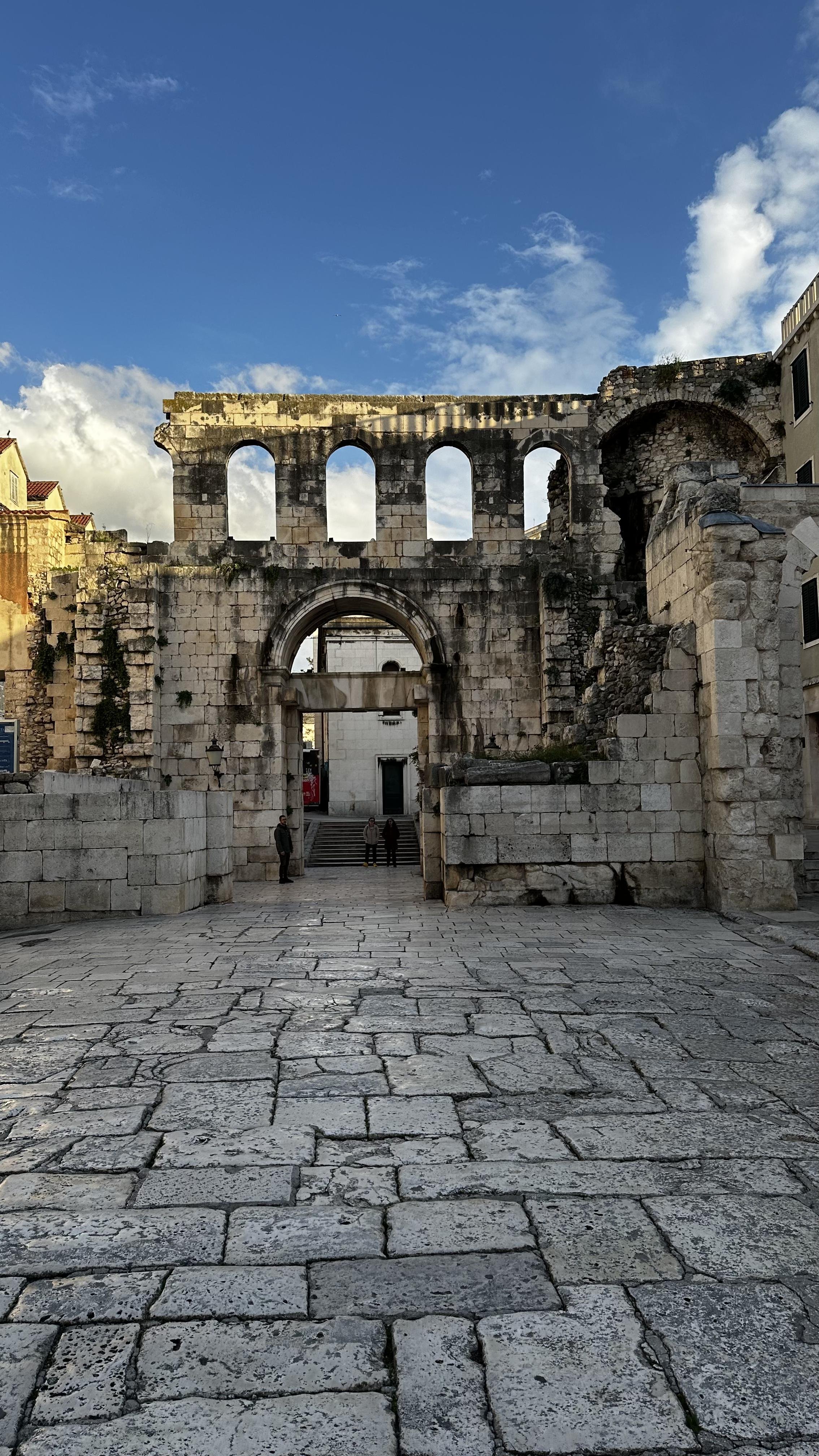
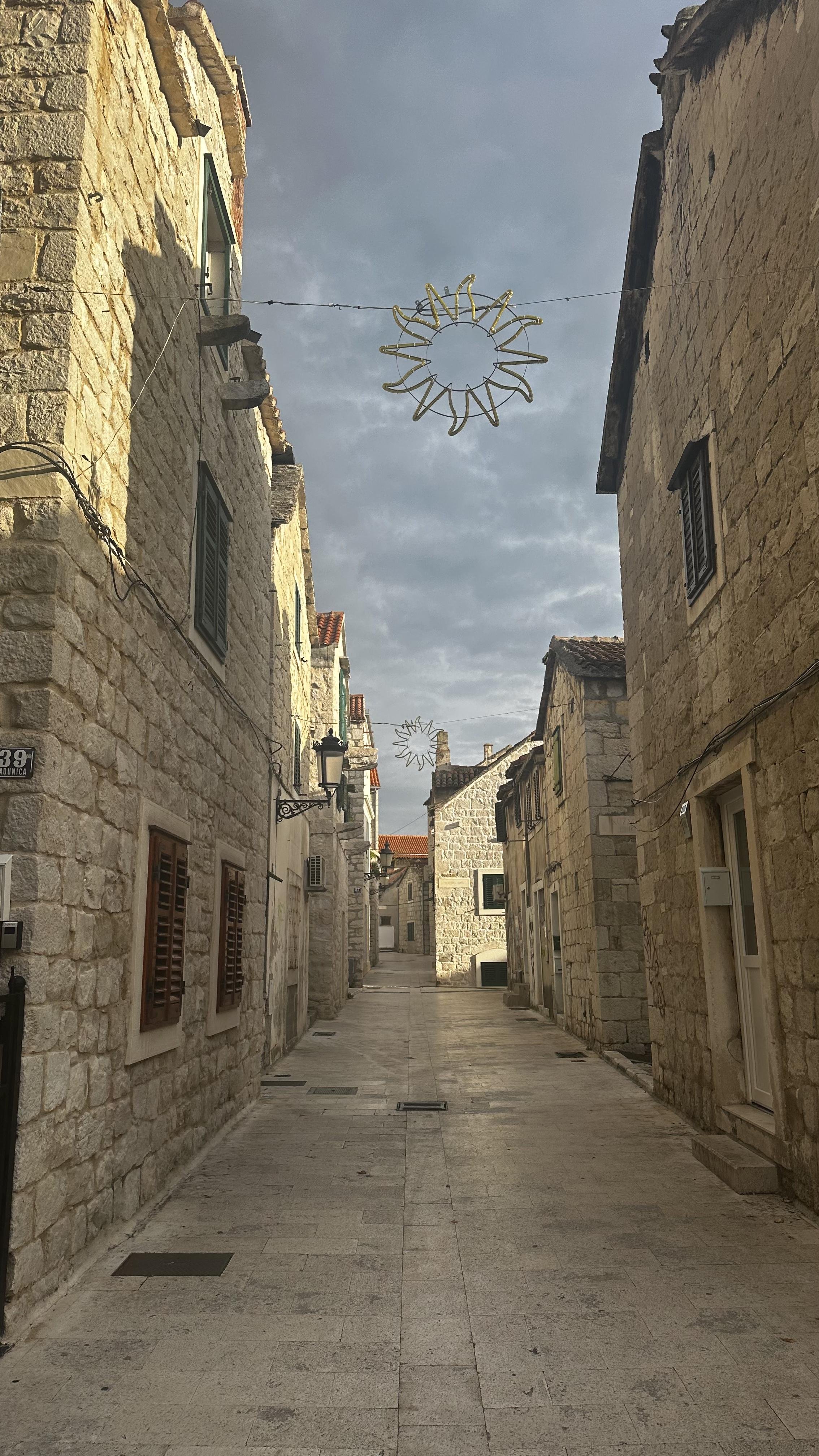
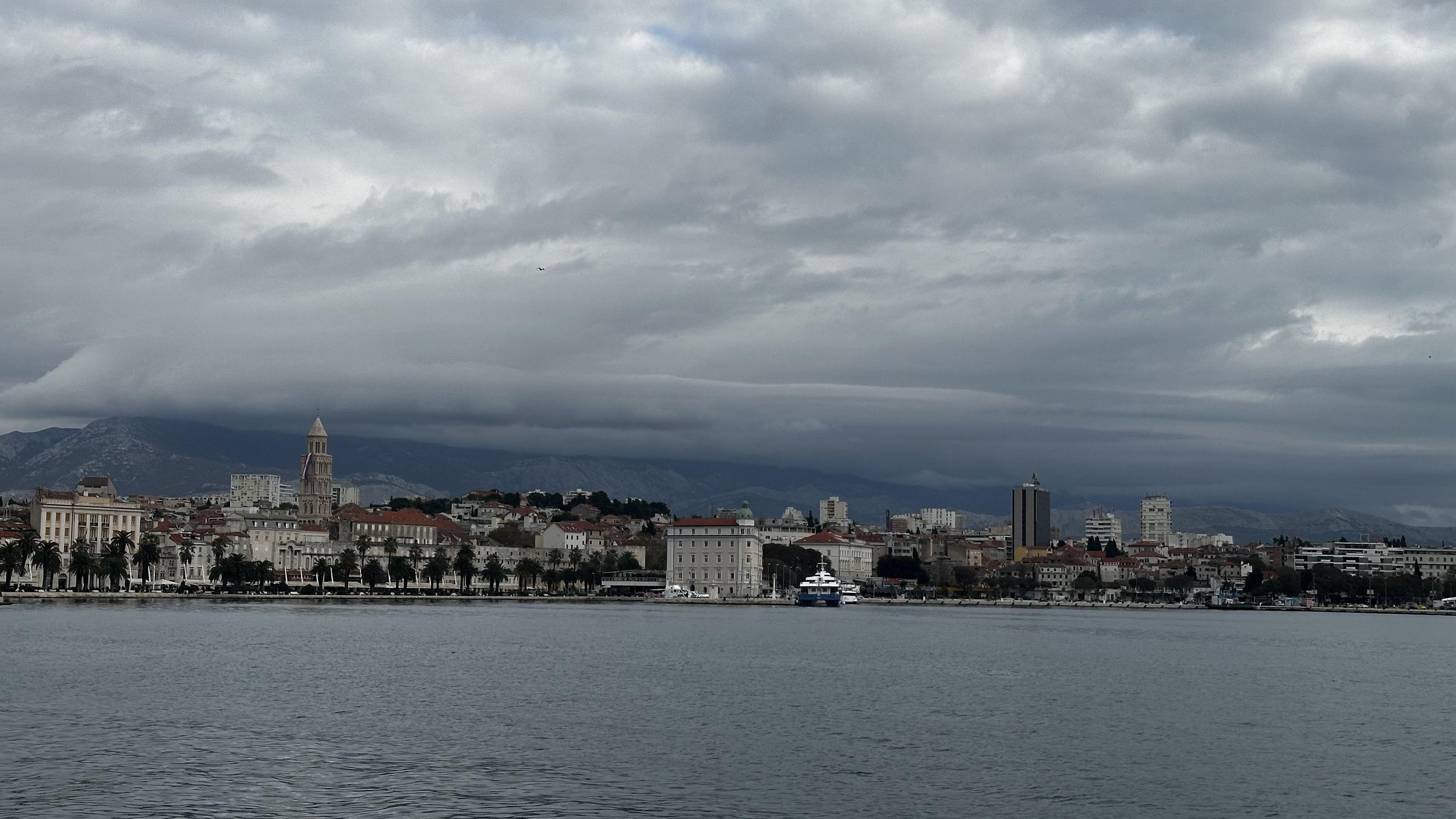
I have to say I was surprised to see the old town so empty, not seeing many tourists in November was expected, but there are no people living there any more. It looks the old town apartments are converted into AirB&B, and they are open during the summer months. The streets felt like a goast town, but it didn’t bother me. I actually enjoyed the piece and quiet, serene feeling and got the best photo shots with no one in them, something that would be absolutely impossible during the busy touristy months. I don’t know if this is good or bad for Split, I leave that to others to judge…
The next day we visited my Mum’s grave and now have another beautiful memory to take with us till the next time.
We went to a big Mall of Split for a wonder, and in the evening we drove to Kaštela to see our friends from NZ/Australia who have semi permanently returned to Split to enjoy the retirement life. After a beautiful dinner and a home made black cuttlefish risotto we heard a lot about the local politics and the non touristy life in Croatia. Good luck guys for all your efforts in influencing the future for better.
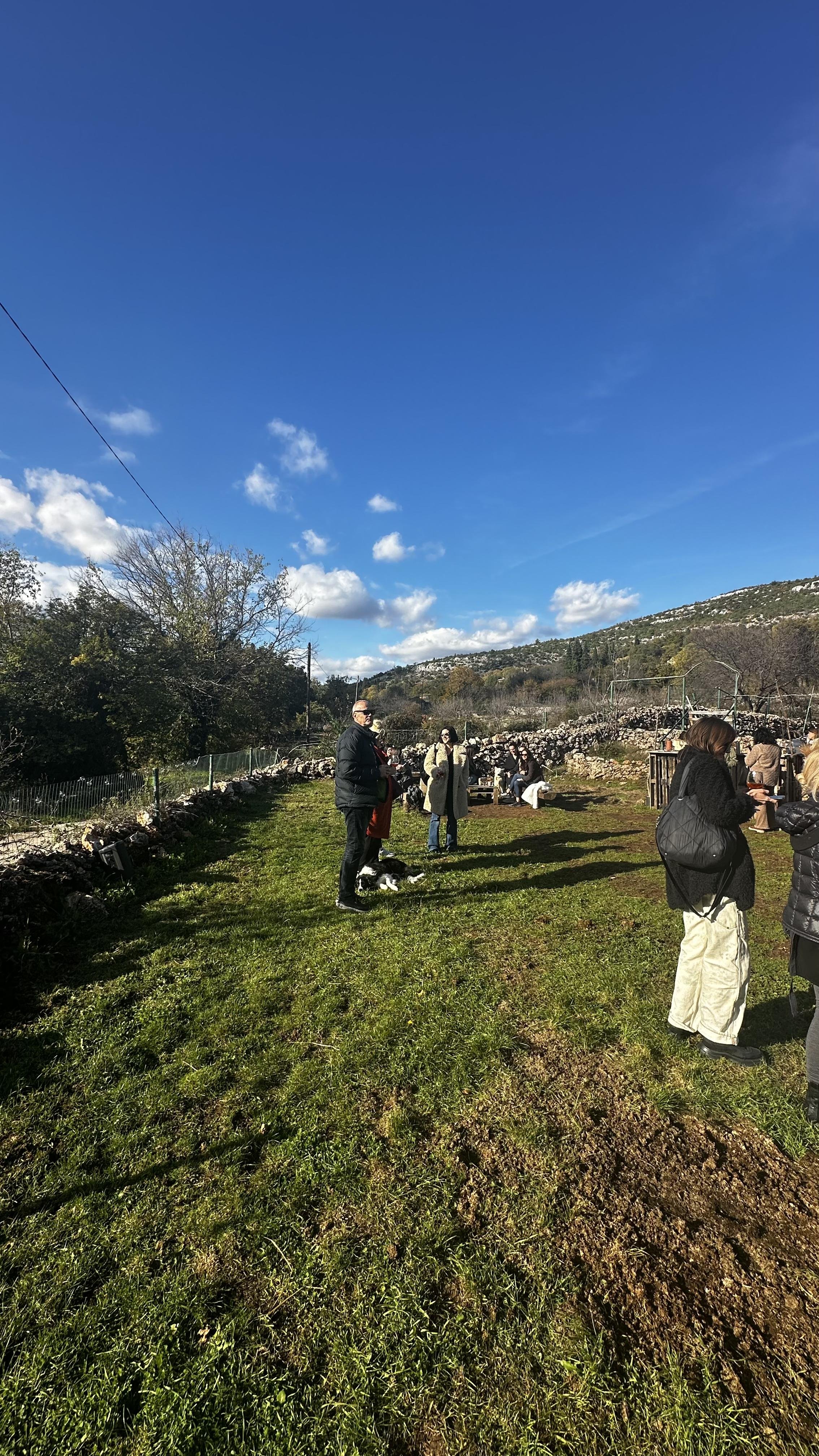
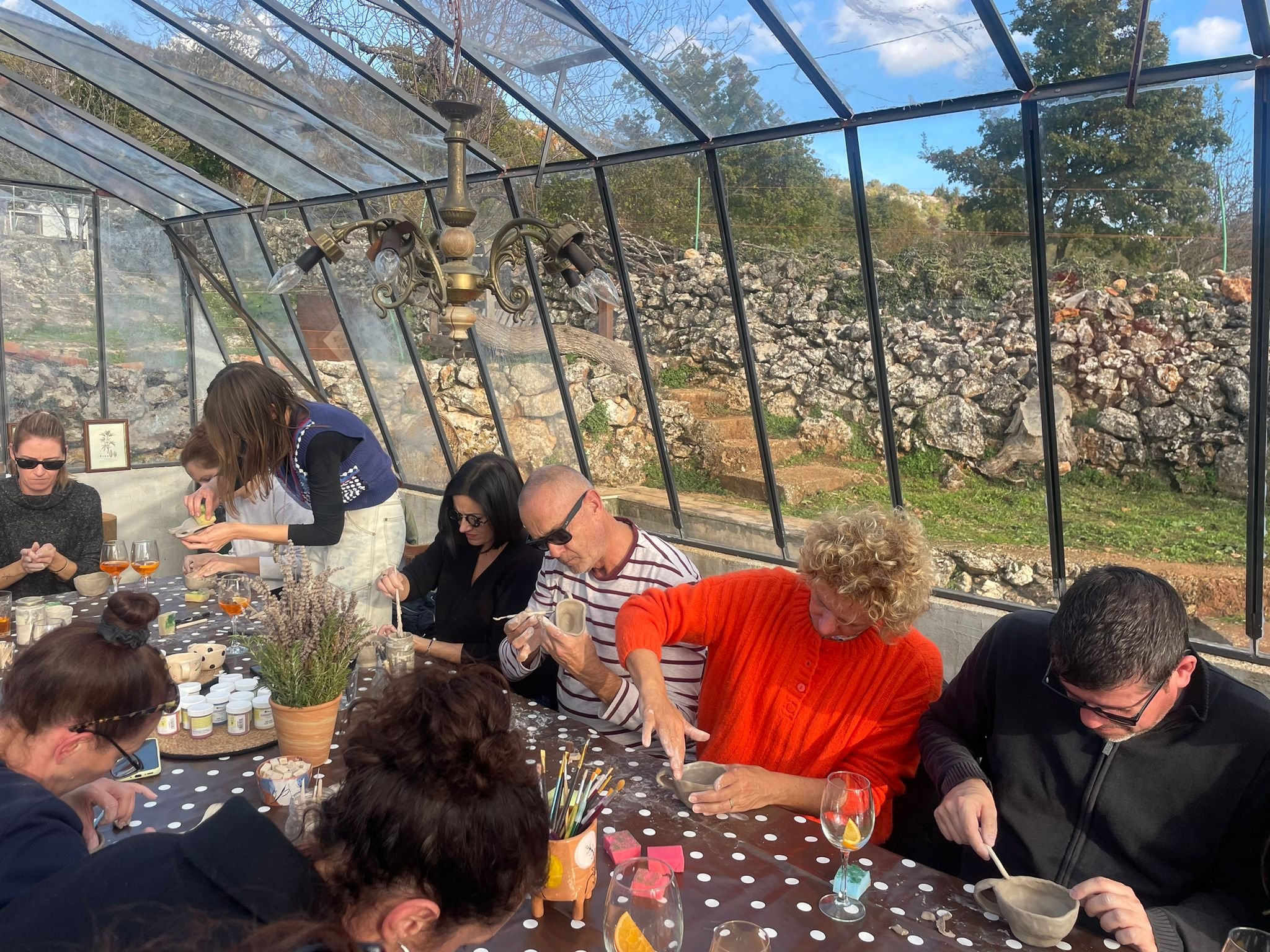
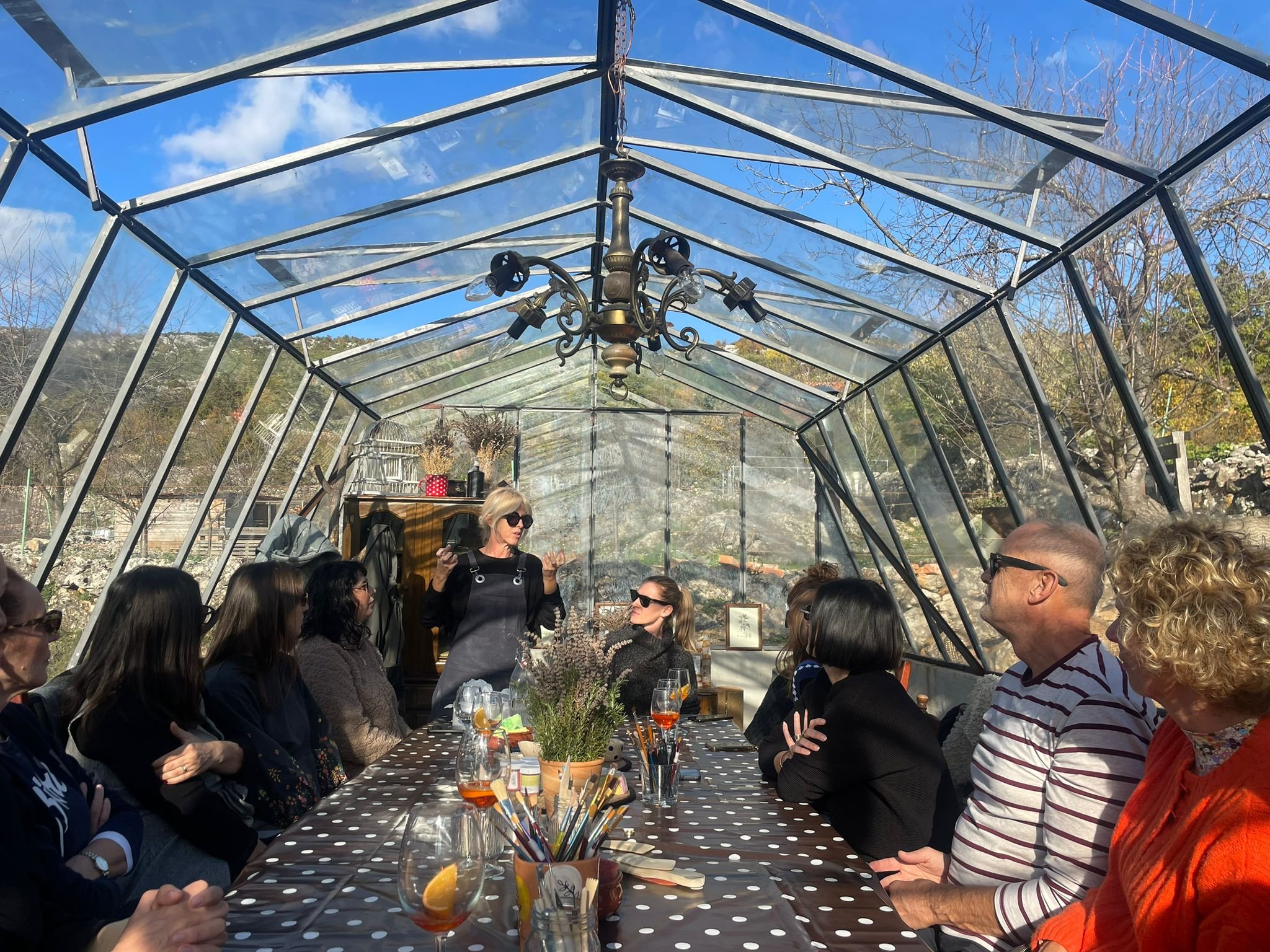
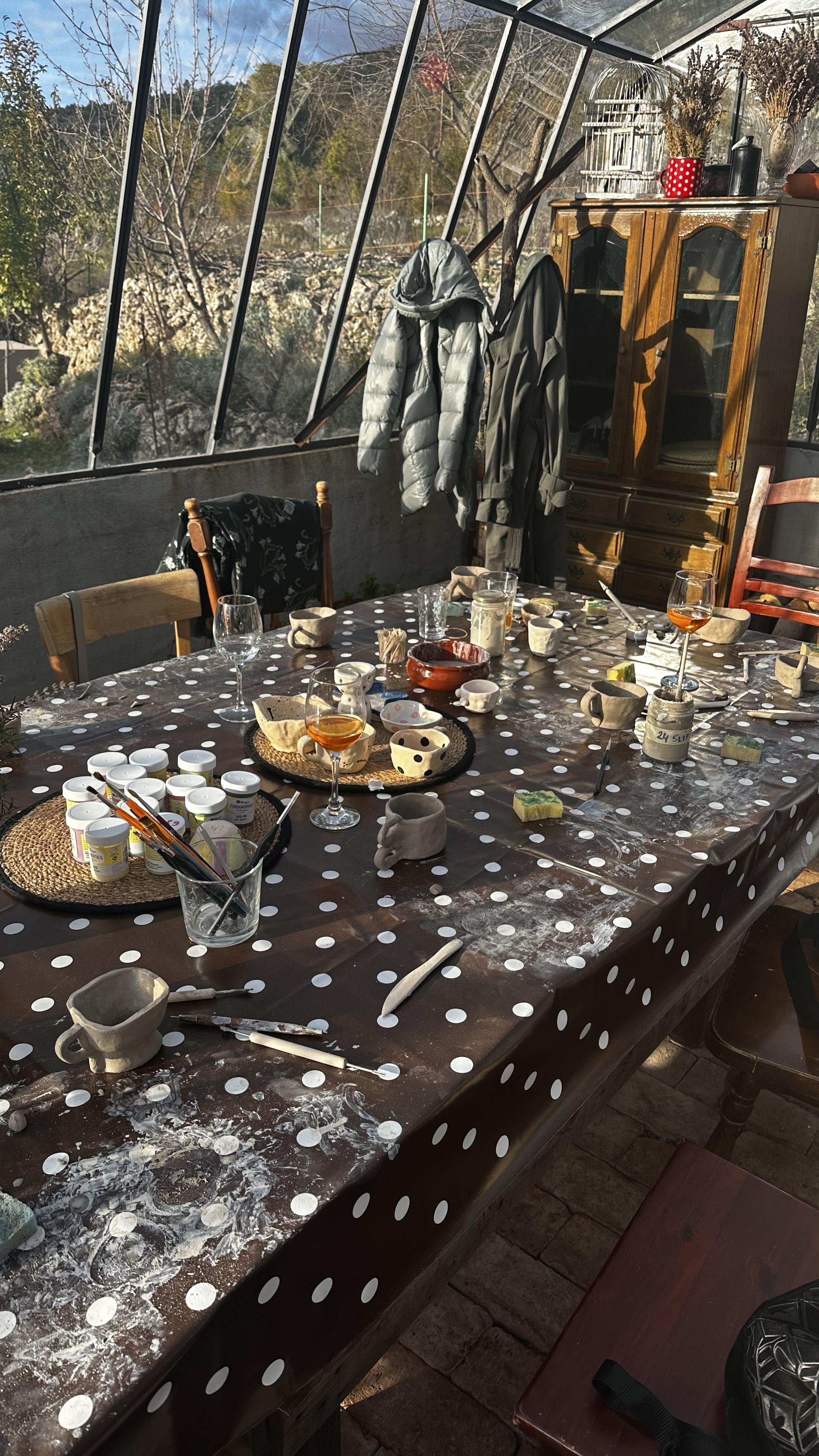
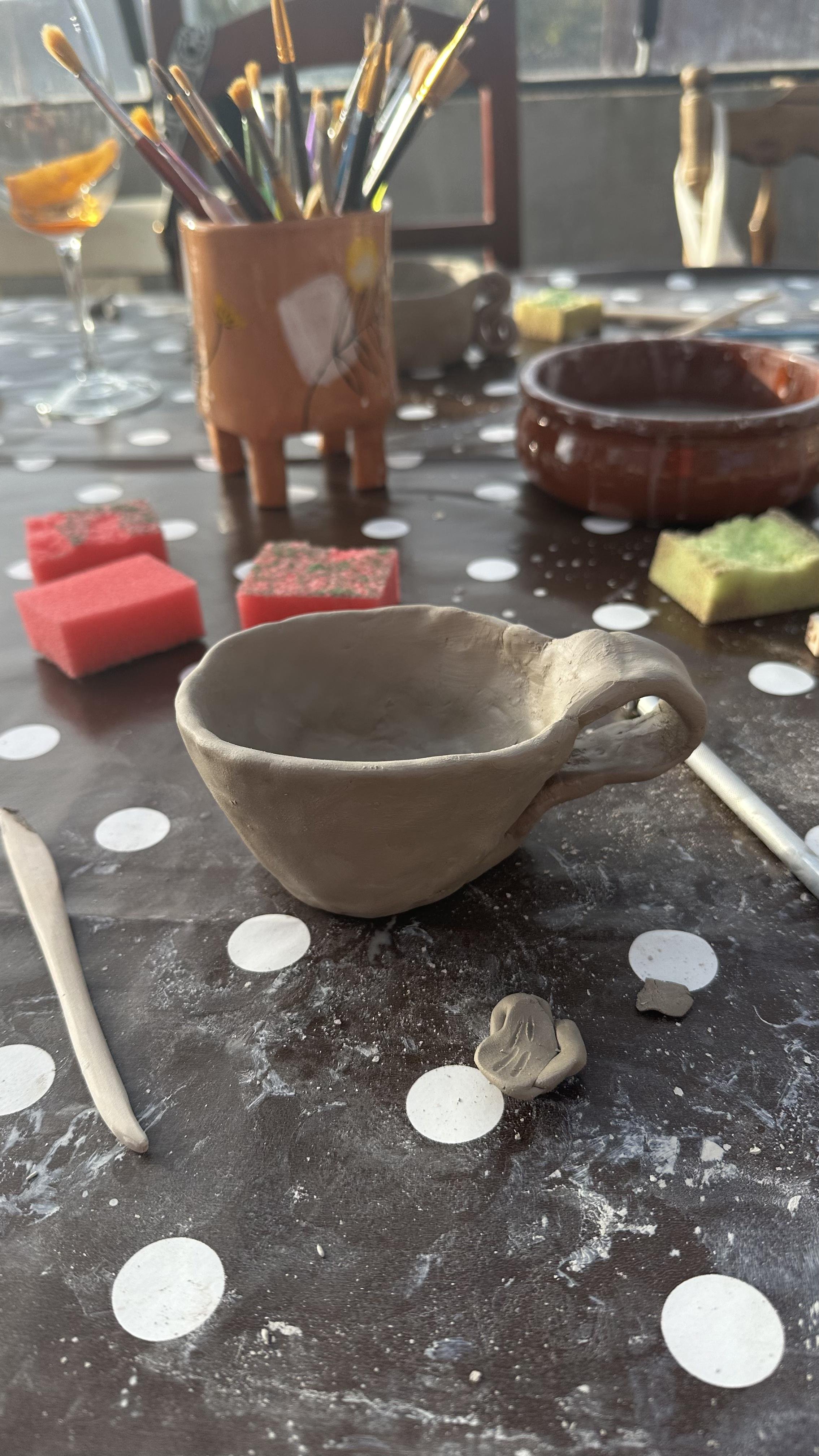
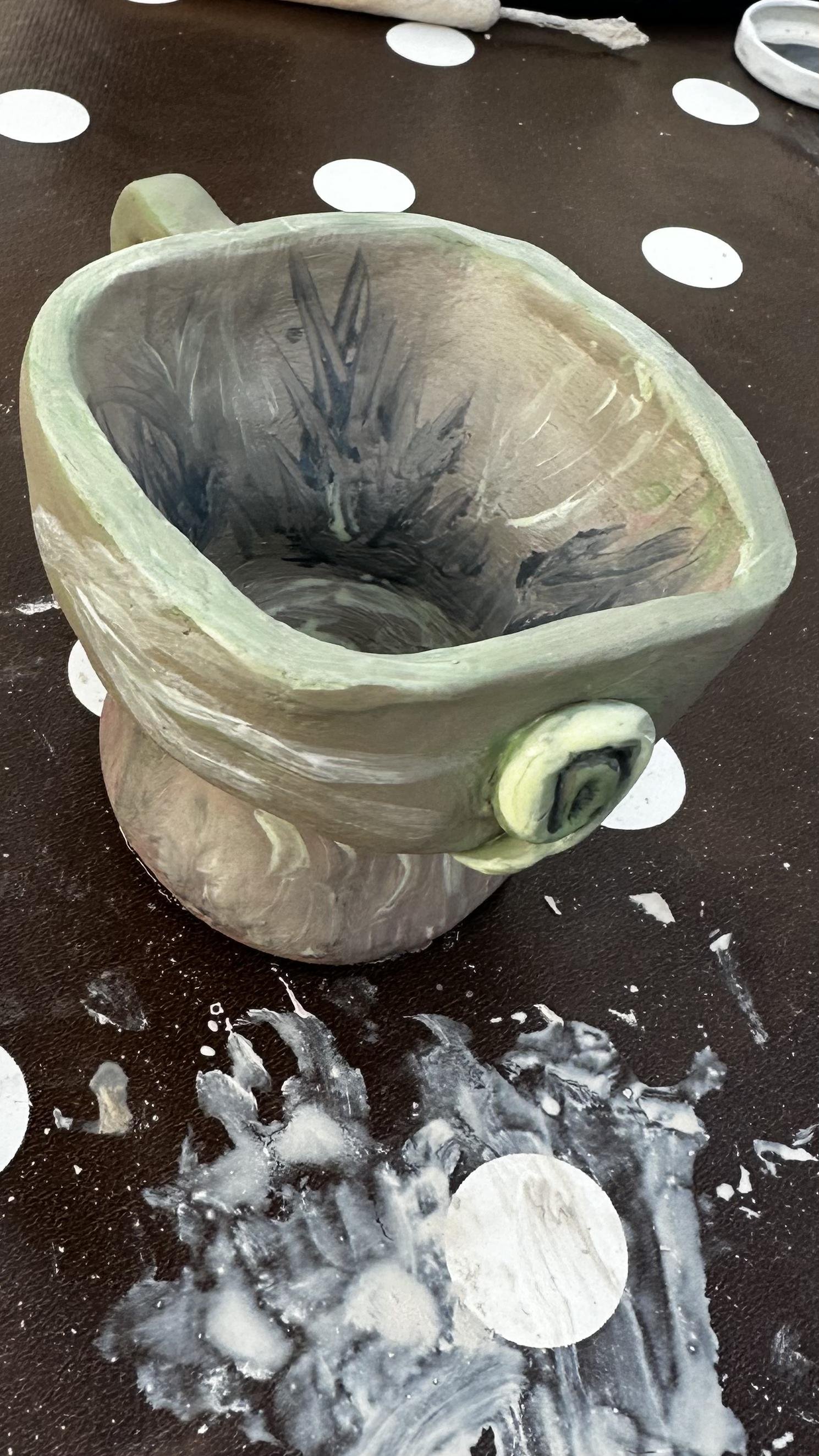
We visited another cool place in the outskirts of Split, The Farm House. This was so cool! We attended a pottery class with a group of likeminded individuals who chose to spend a Sunday afternoon outdoors doing something new.
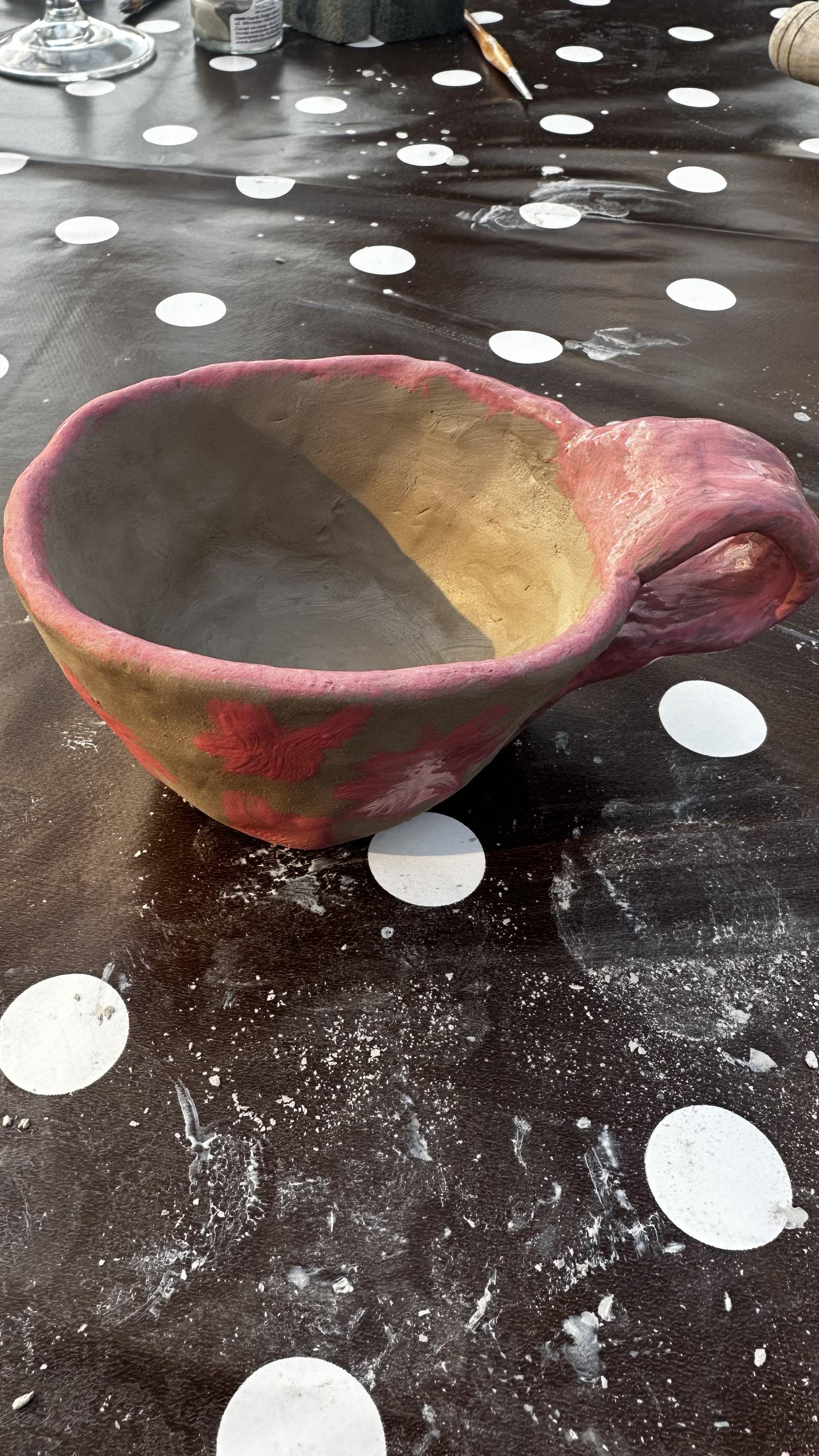
Well, we discovered quickly that Neb has artistic talent and I don’t! It doesn’t matter really, as we both felt so relaxed working on our very first pottery cup, we can’t wait to see the finished ( baked) product soon. So so cool, and we now feature on IG - check it out….
https://instagram.com/farm_house_opg?igshid=NzZlODBkYWE4Ng==
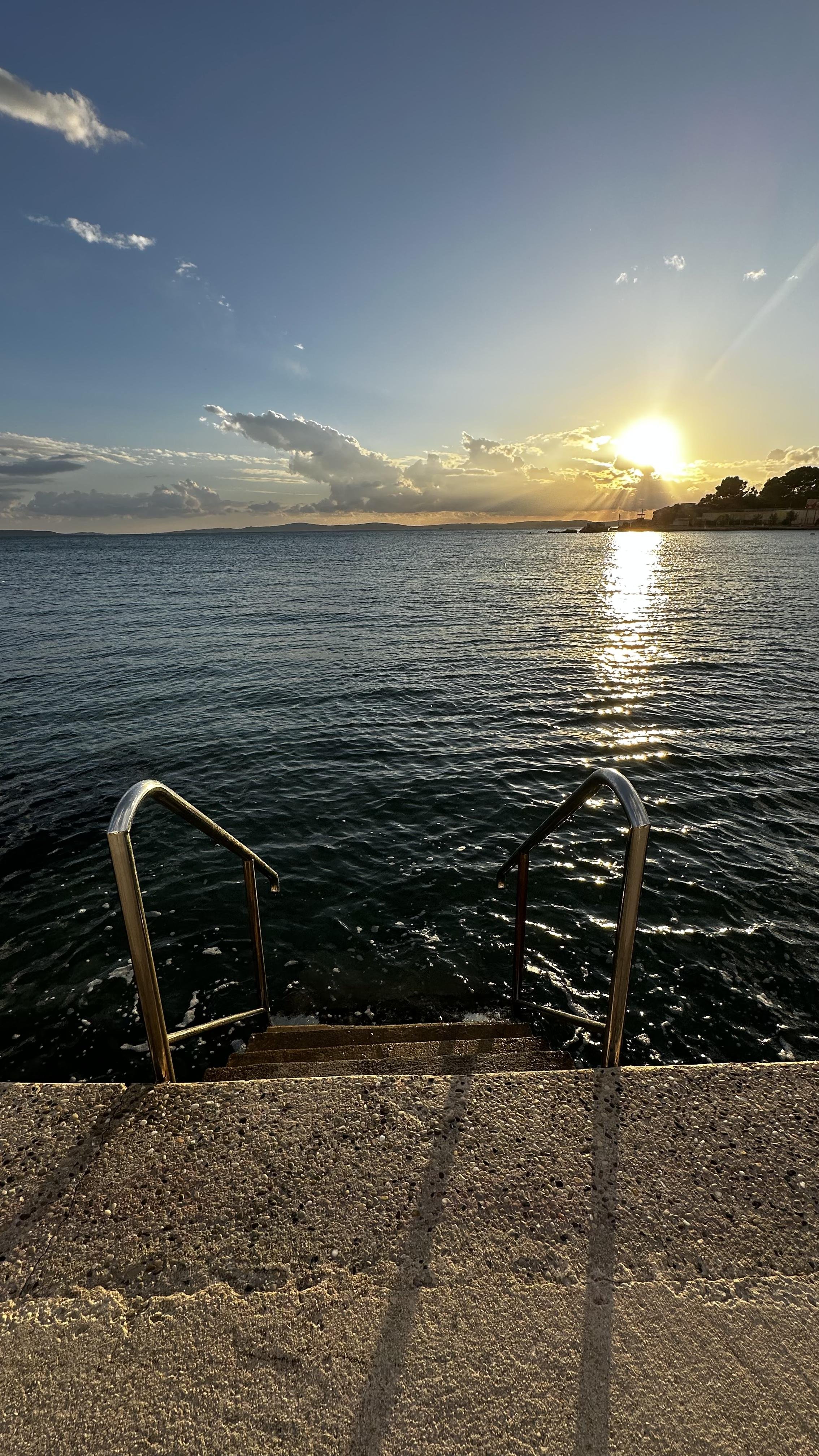
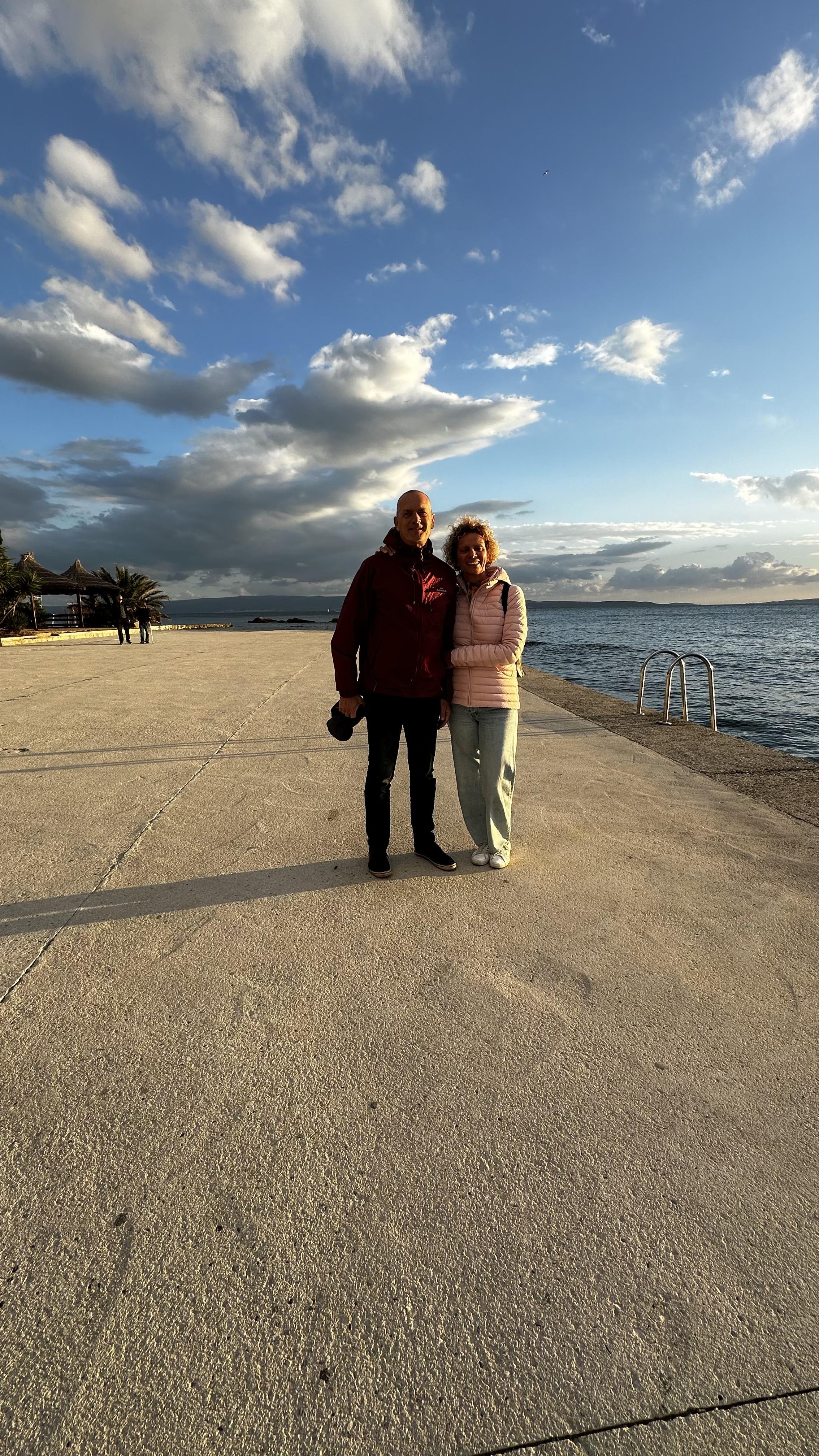
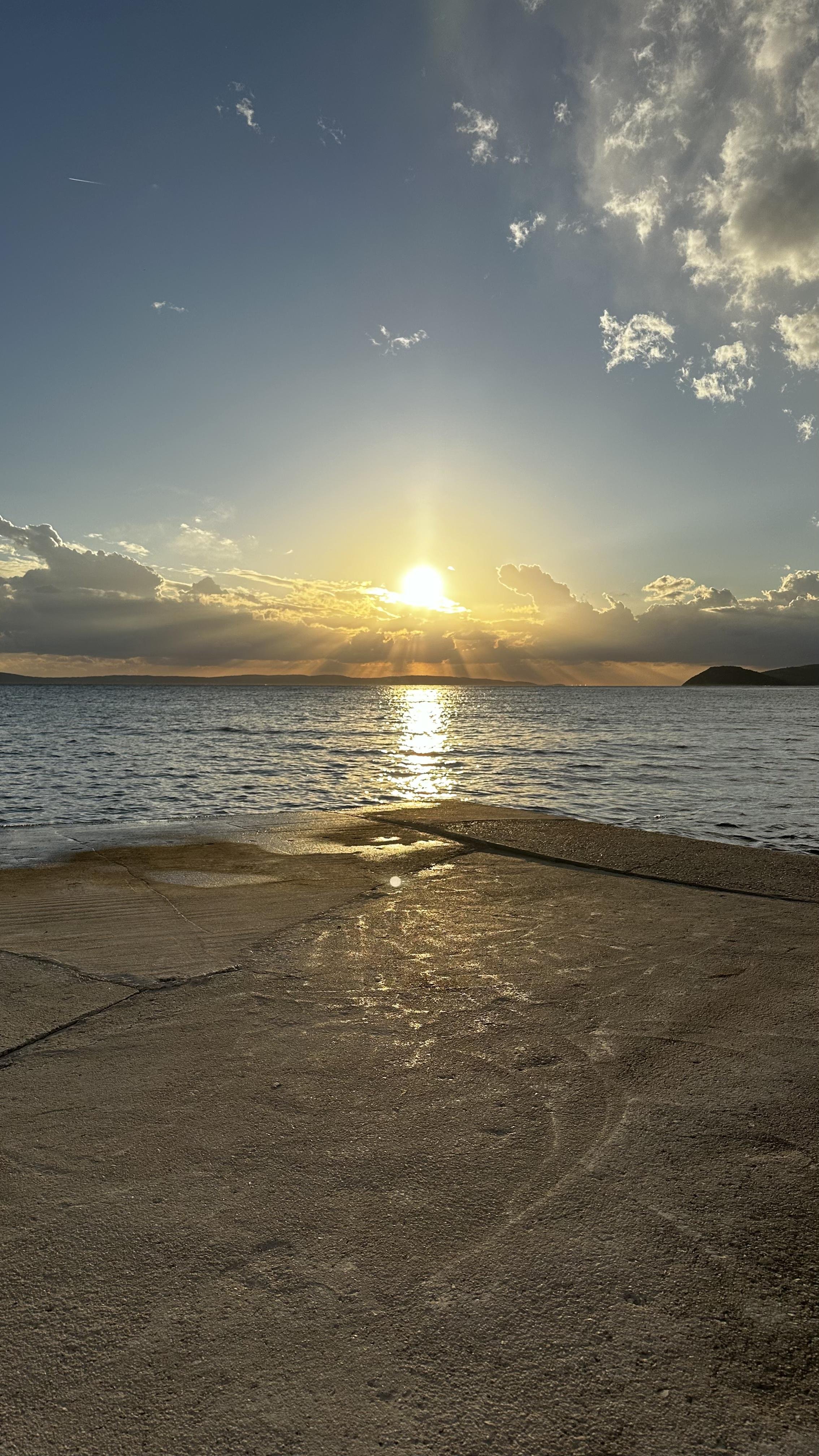
After a few sunny days in Split reminiscing what the life could have been if it wasn’t for the war, we left and drove up the coast to our new home away from home, and arrived to Rovinj.
After seven weeks on the road and non stop travelling the time has come to chill, relax, reflect, and enjoy the quiet time for a while.
We have sooo many memories, thousands of photos, thoughts and ideas as to what the life could look like if we were to really pull a plug and live in between the two continents one day, etc. Both heads are spinning 😵💫, one is converting thoughts into spreadsheets, the other is baking sweets and just letting everything to settle down.
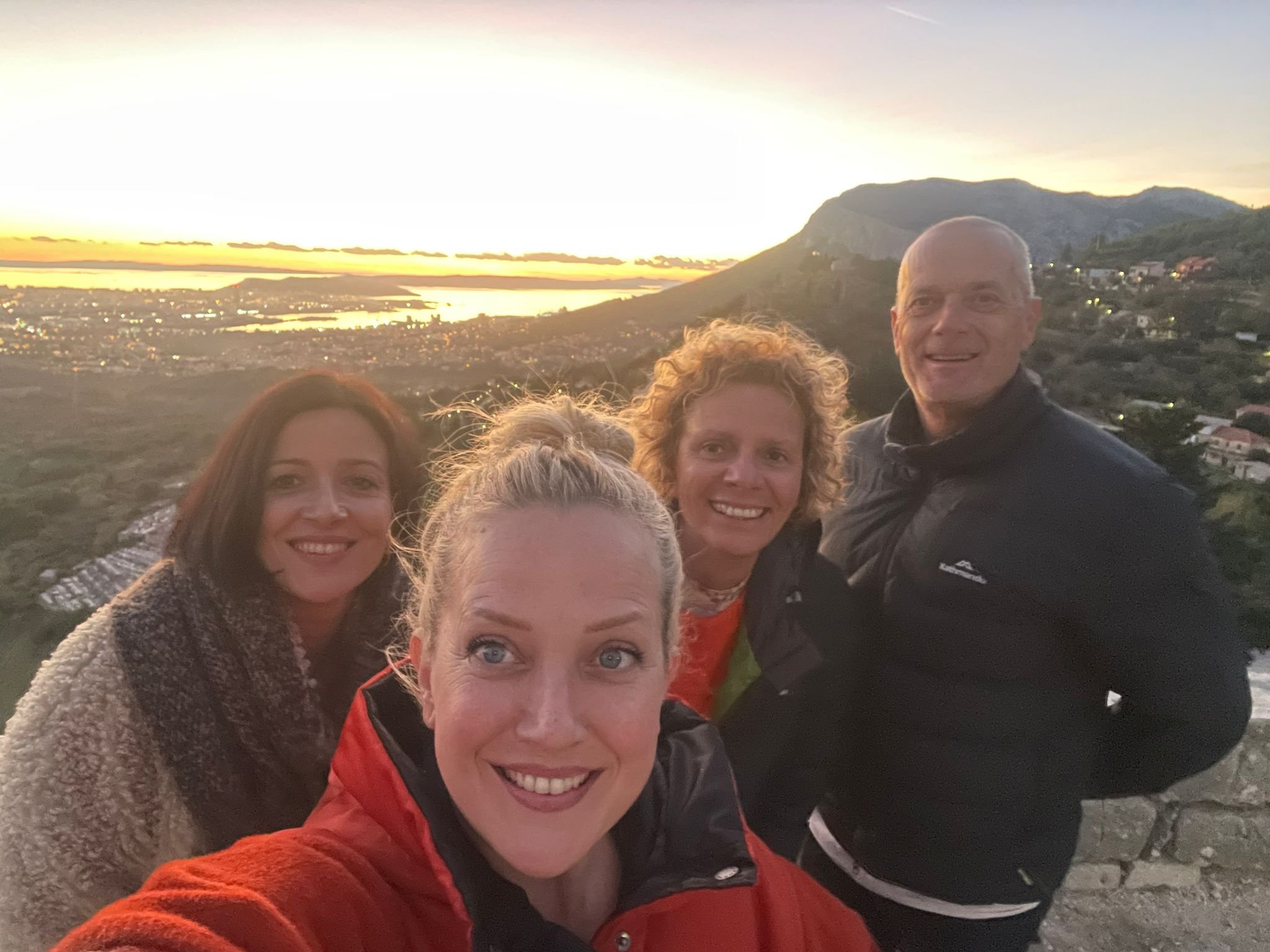
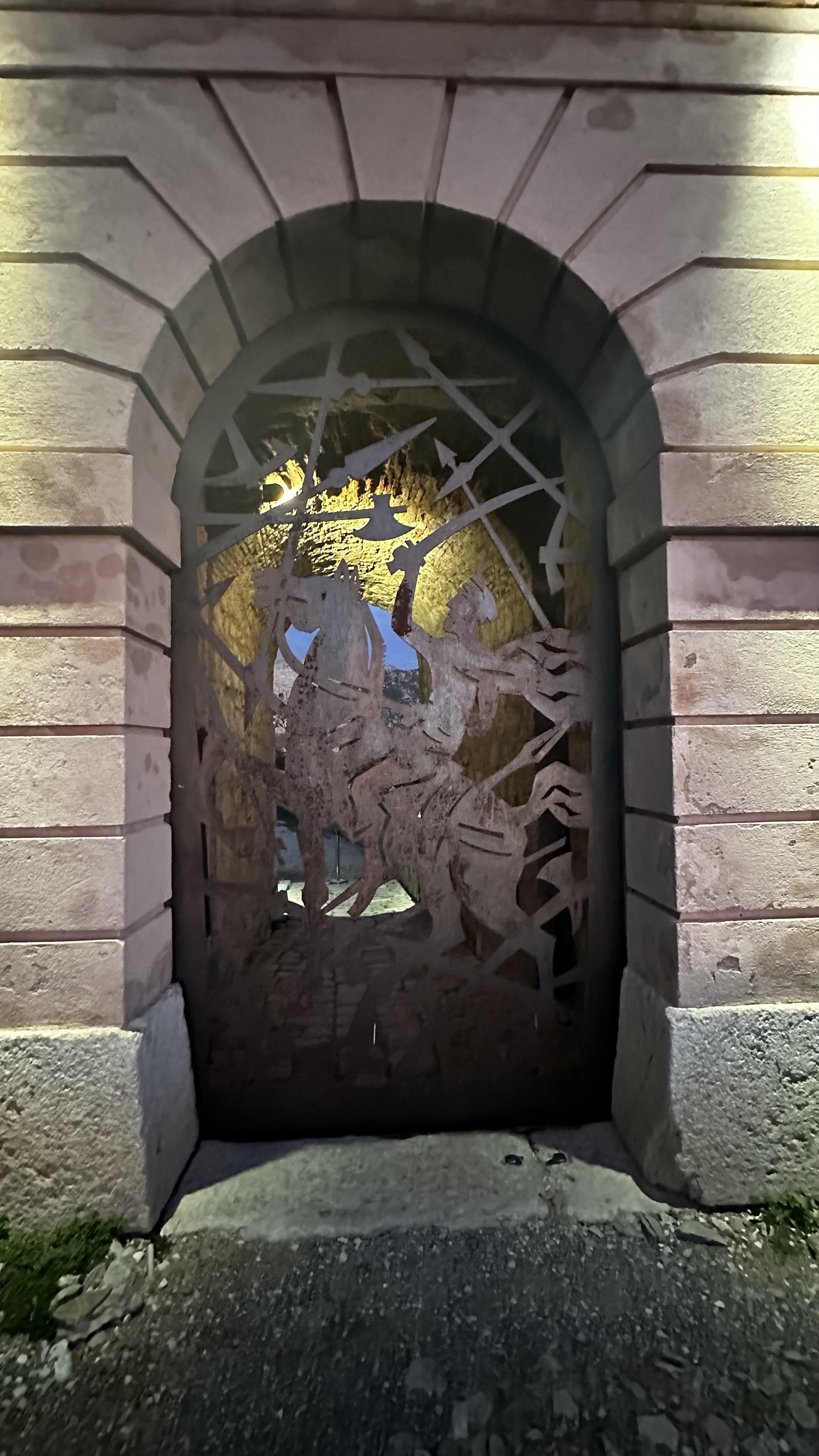
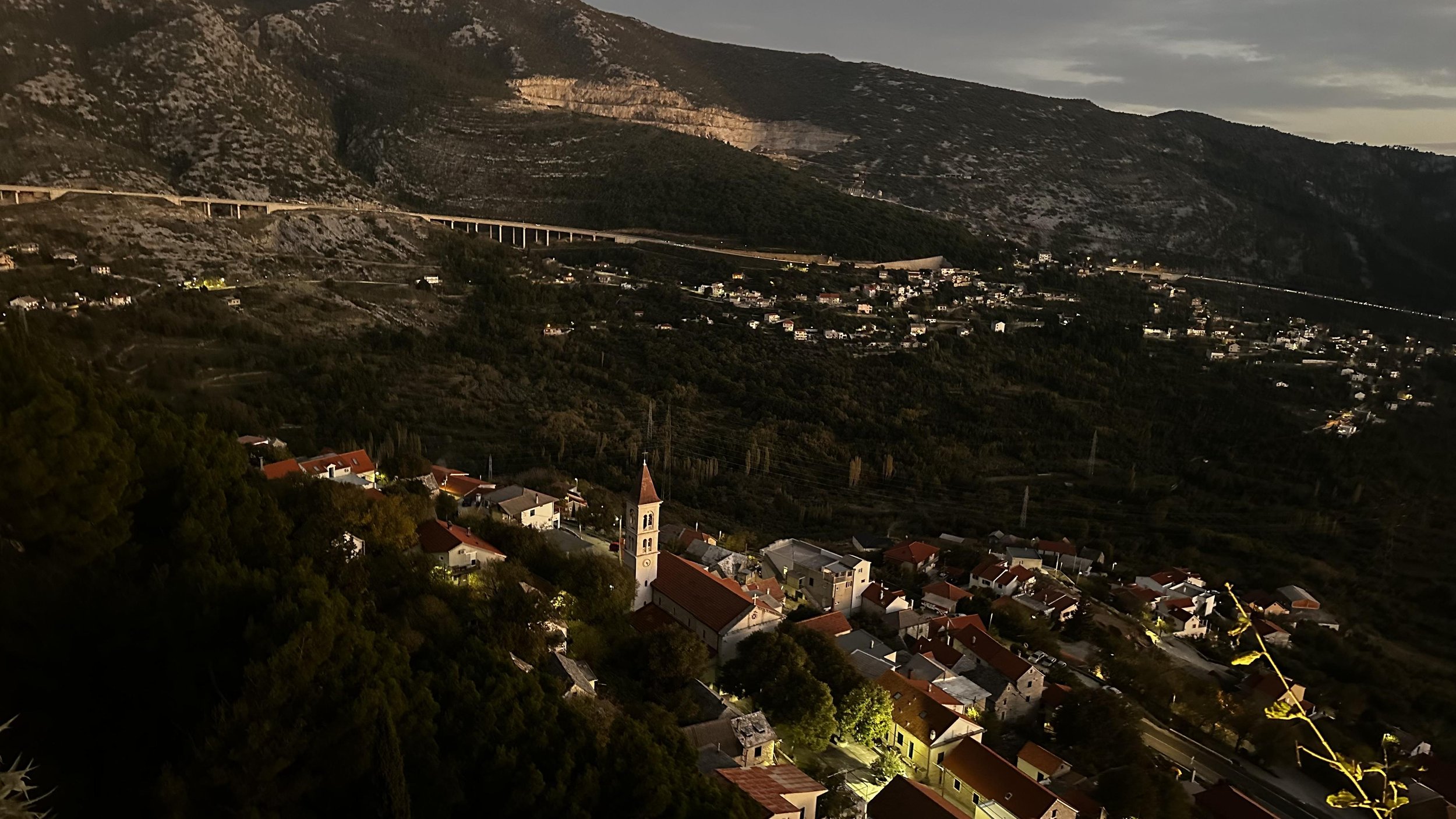
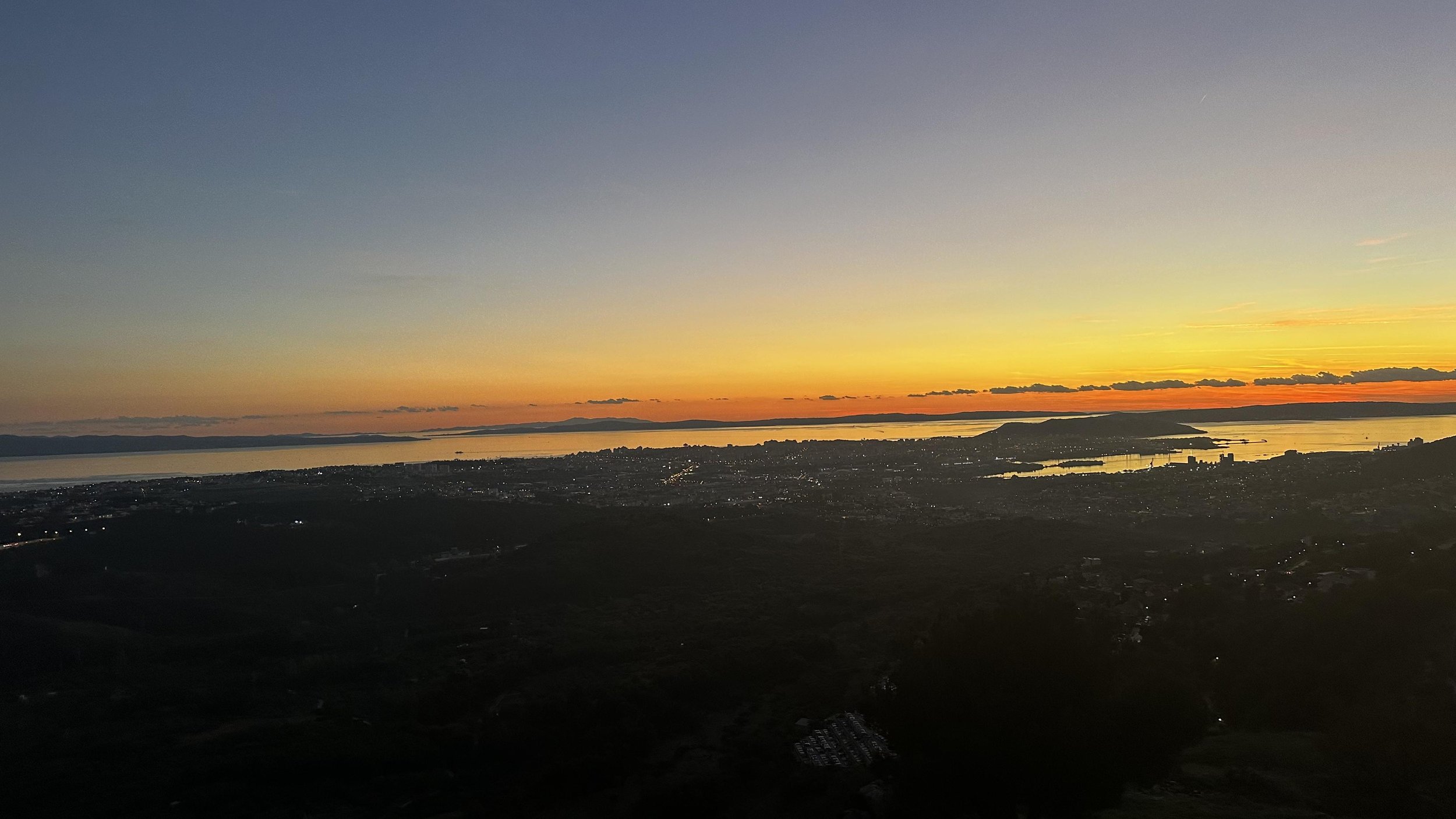
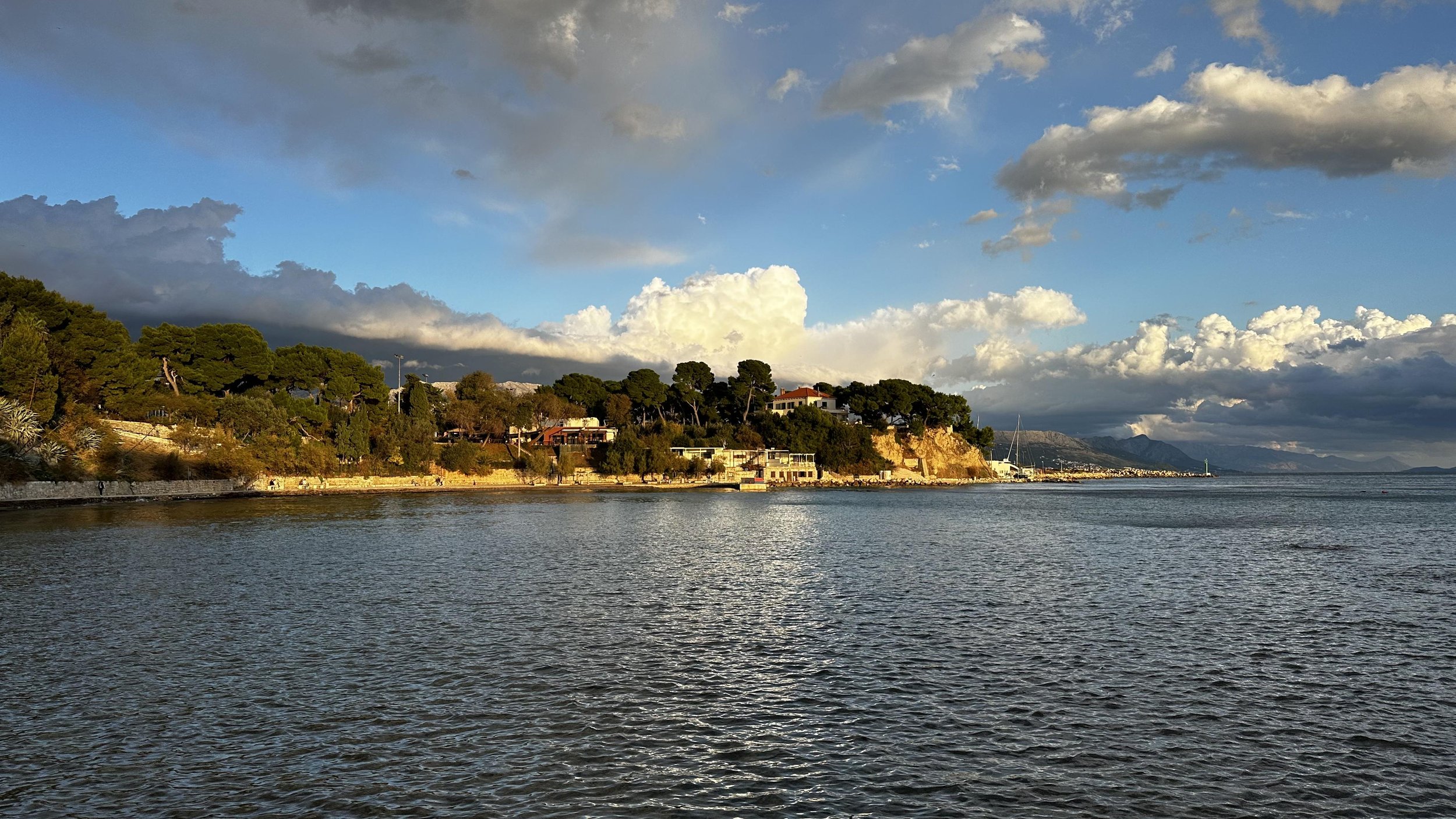
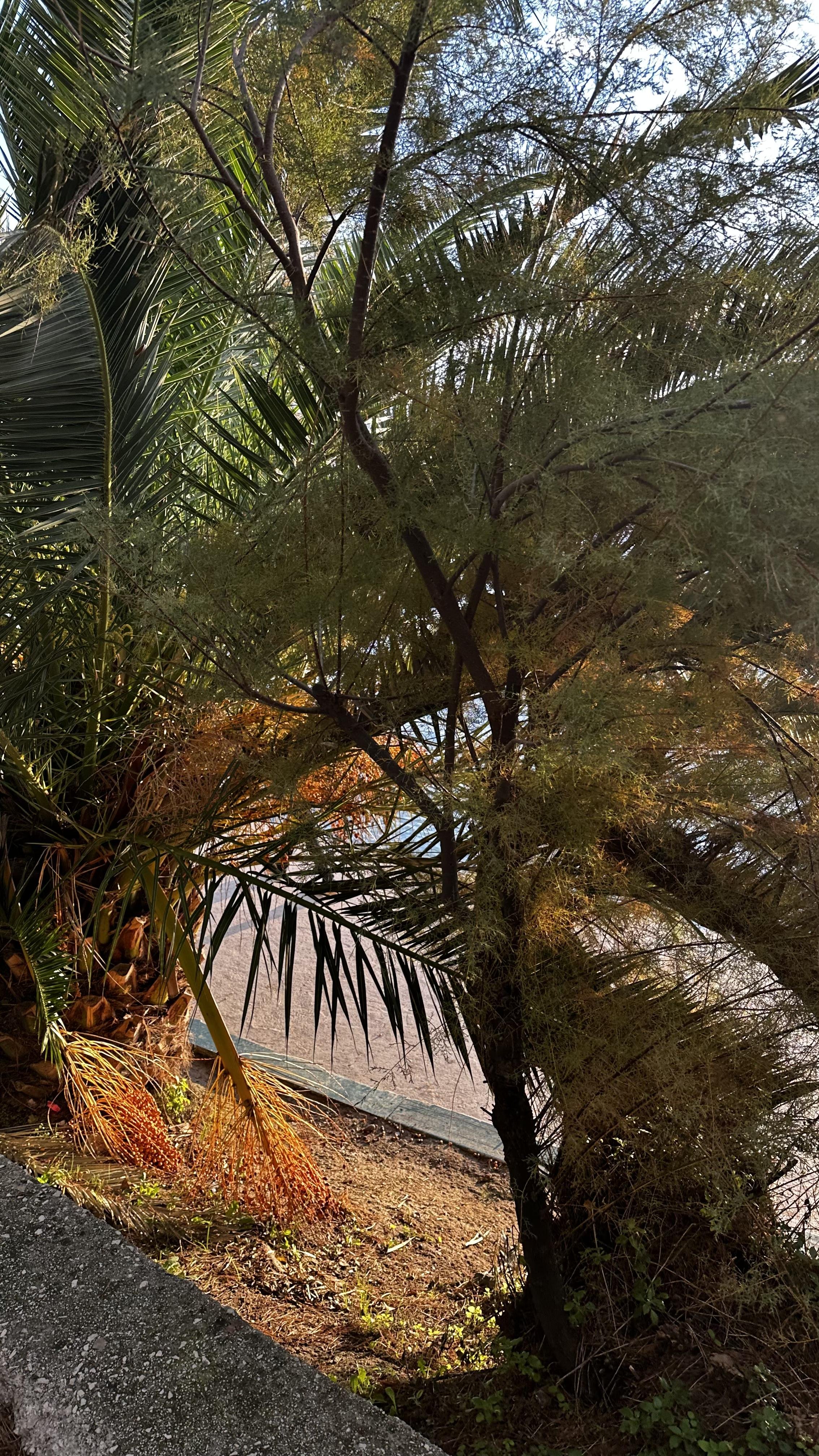
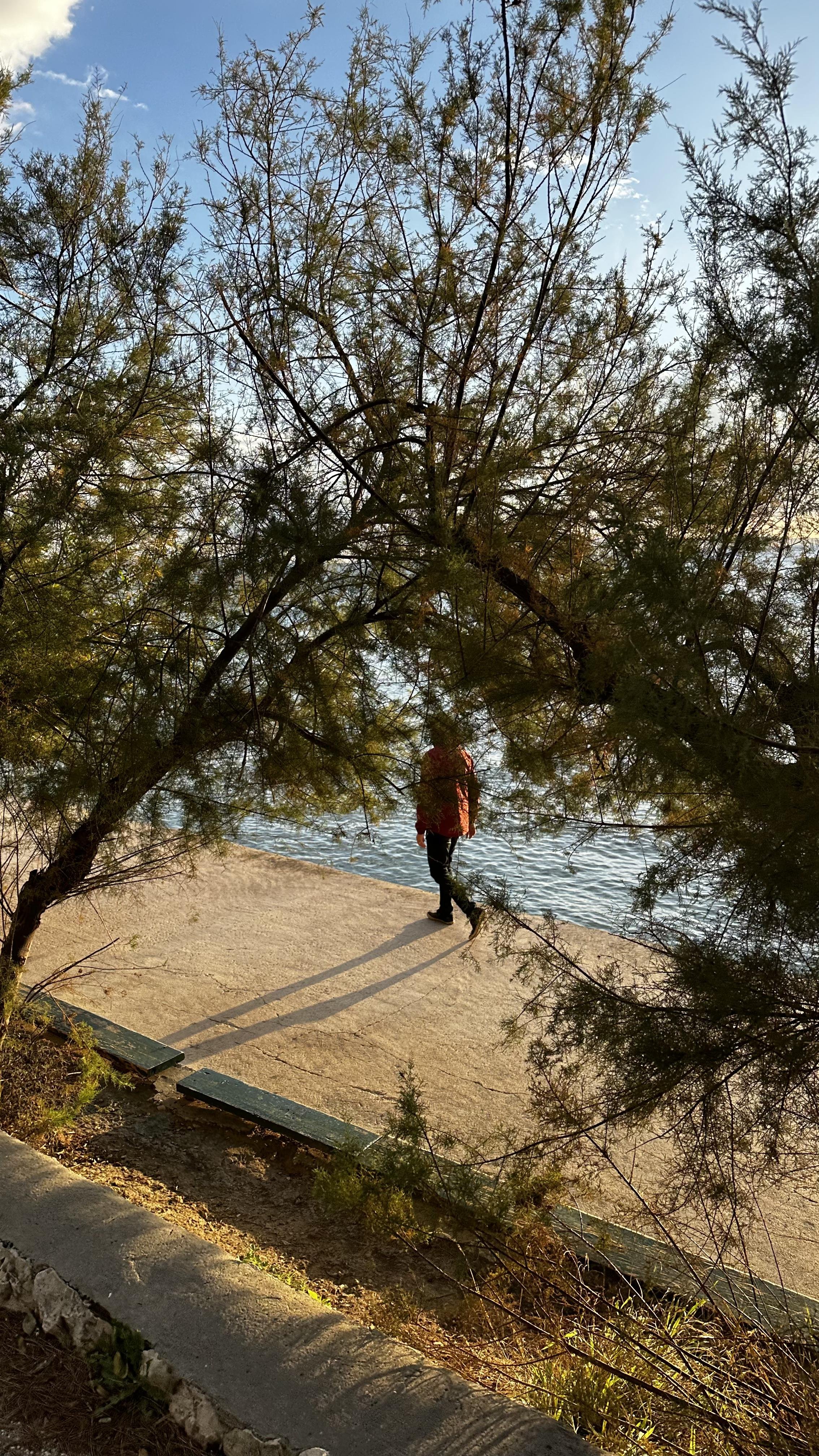
Enjoy the photos of my old stumping grounds, I hope you’ll like them. 🤗
Jahorina Photo Album





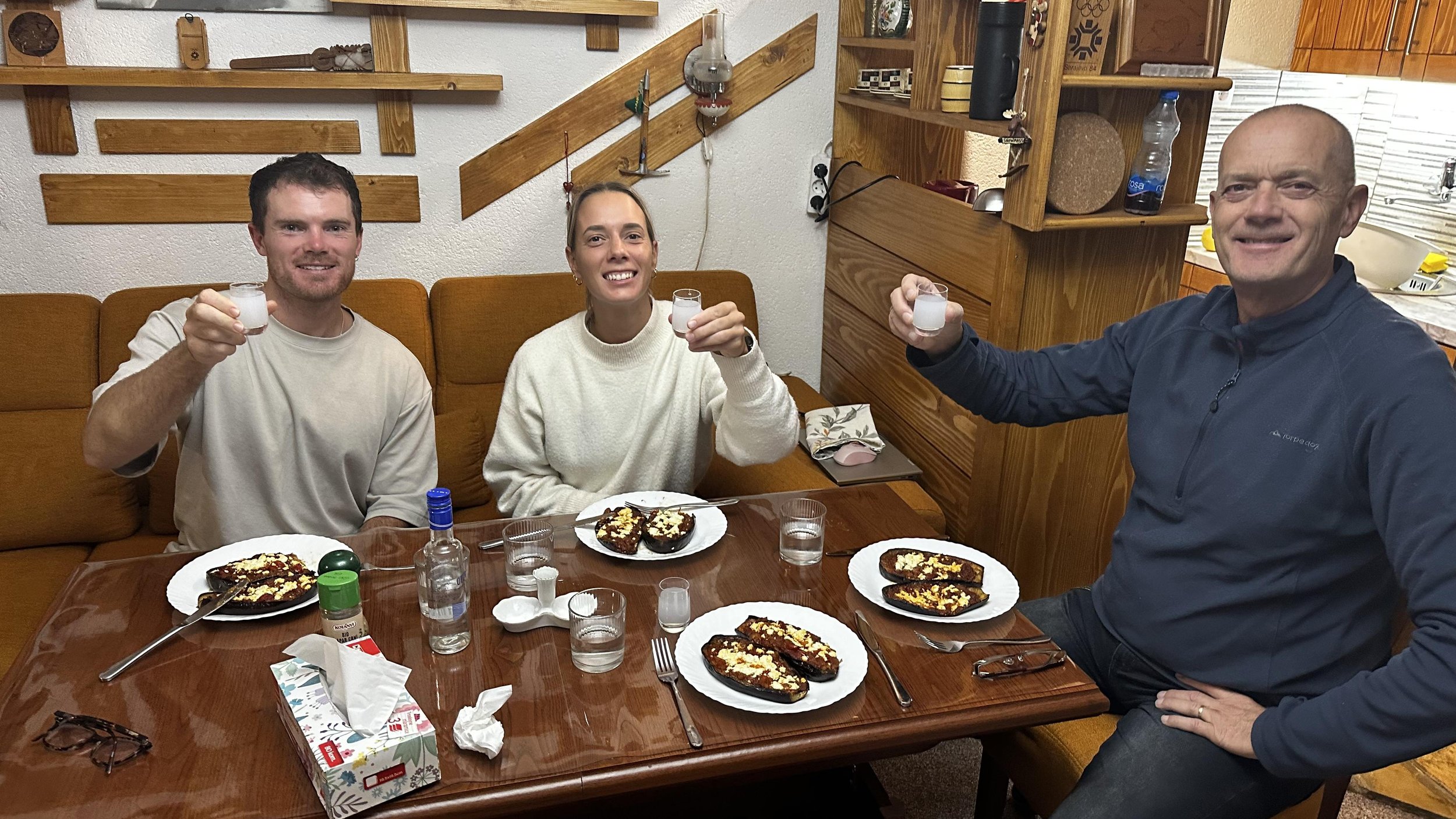
A travel through Bosnia & Herzegovina Photo Album
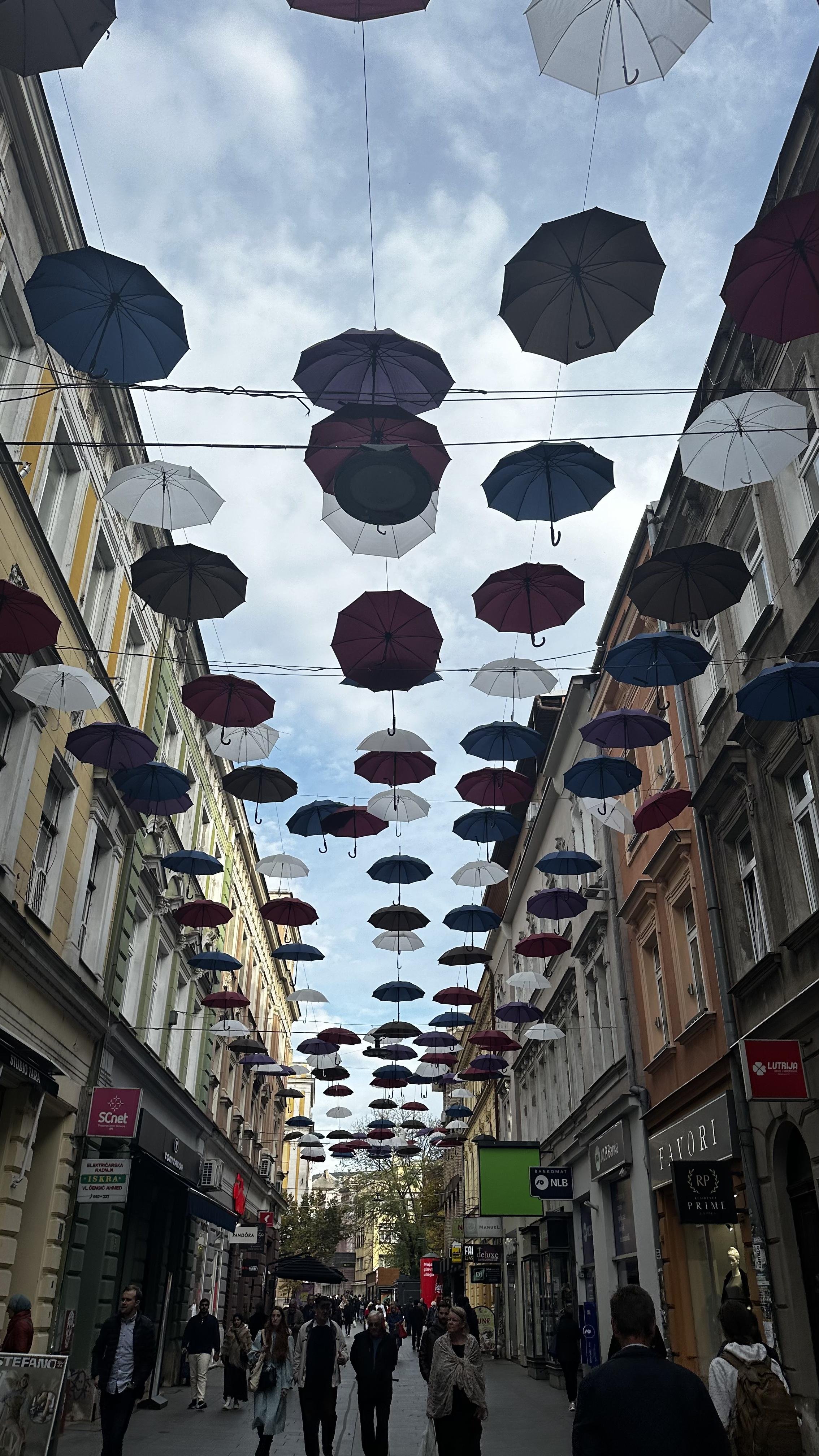
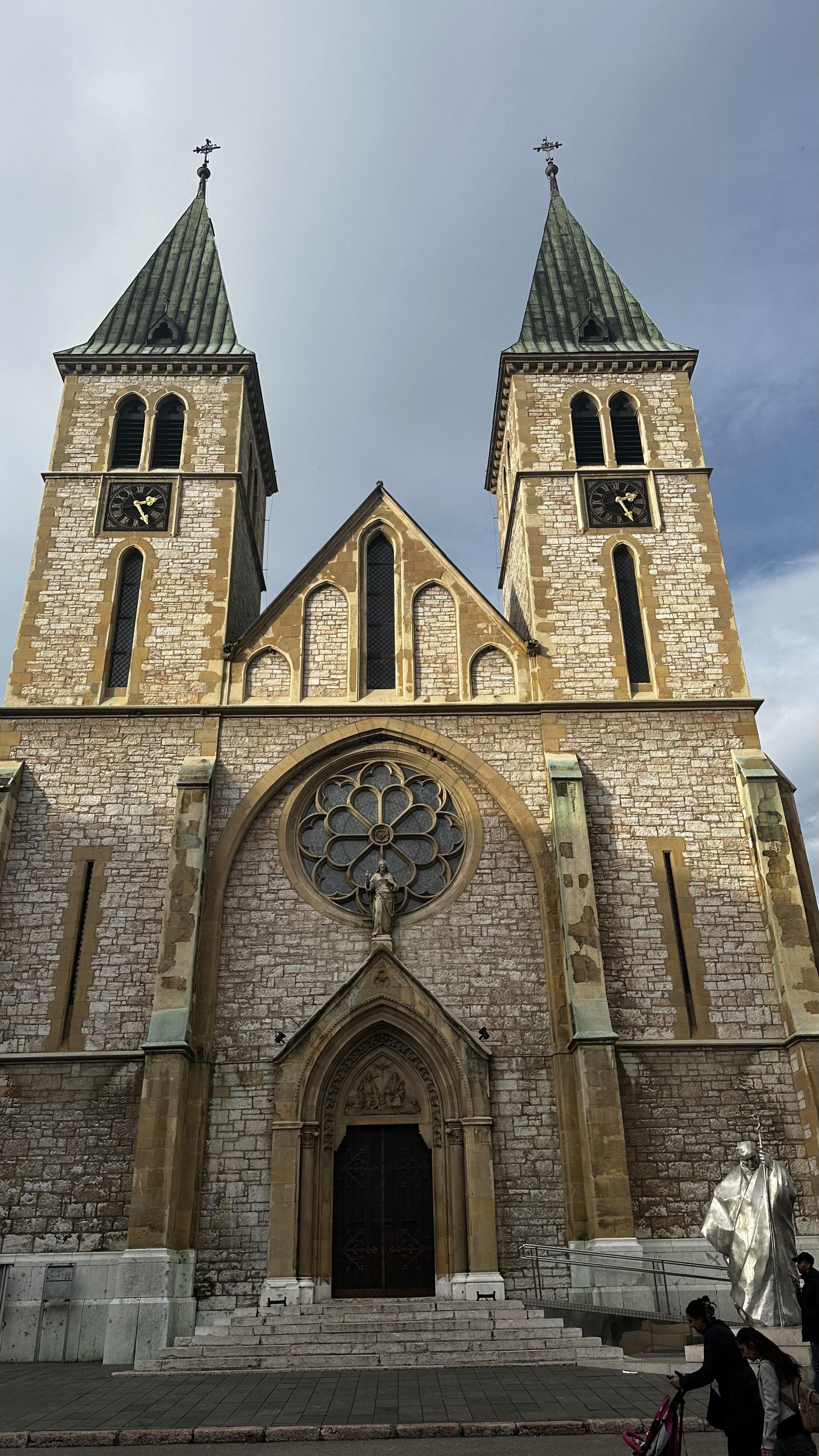










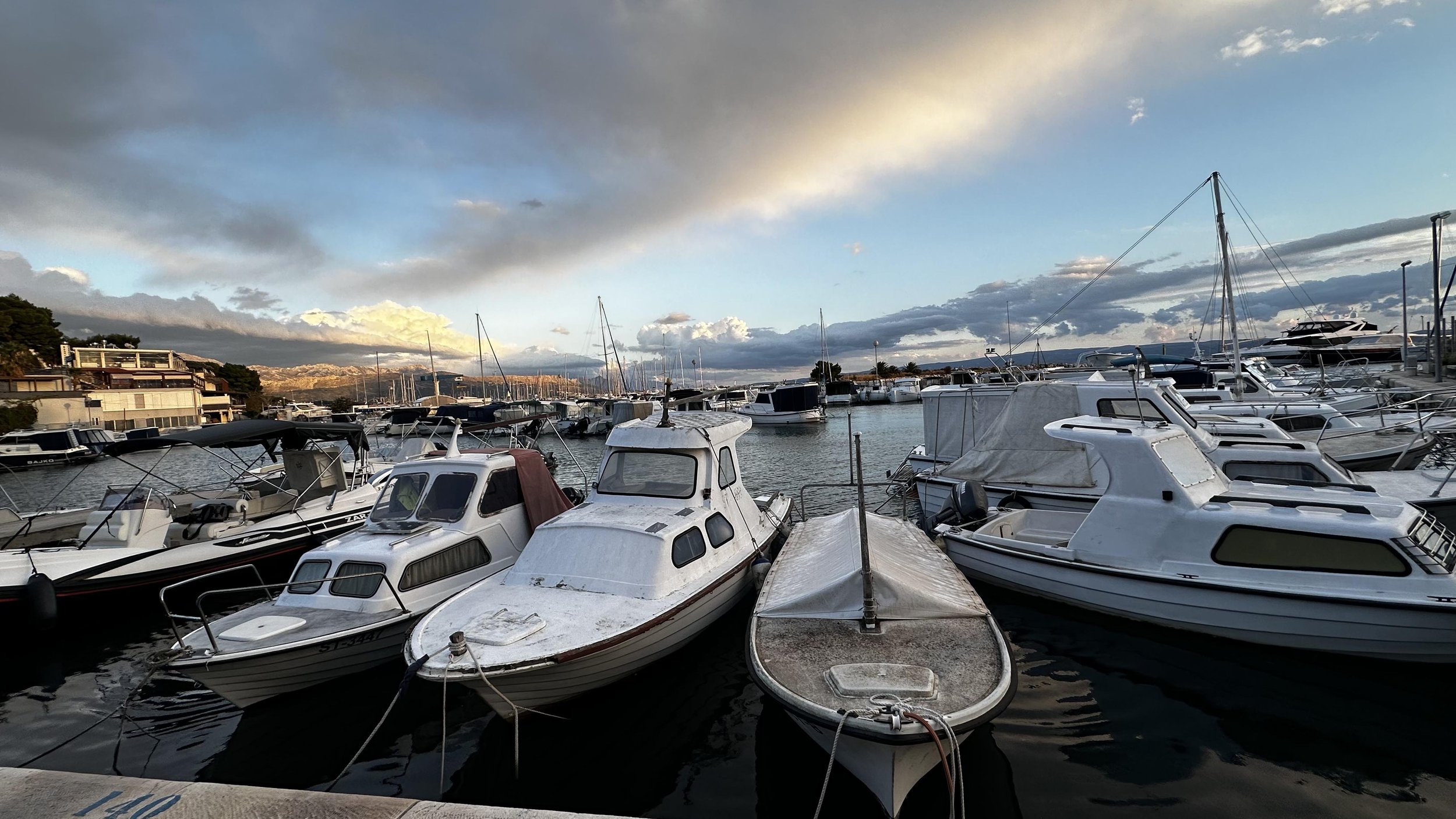
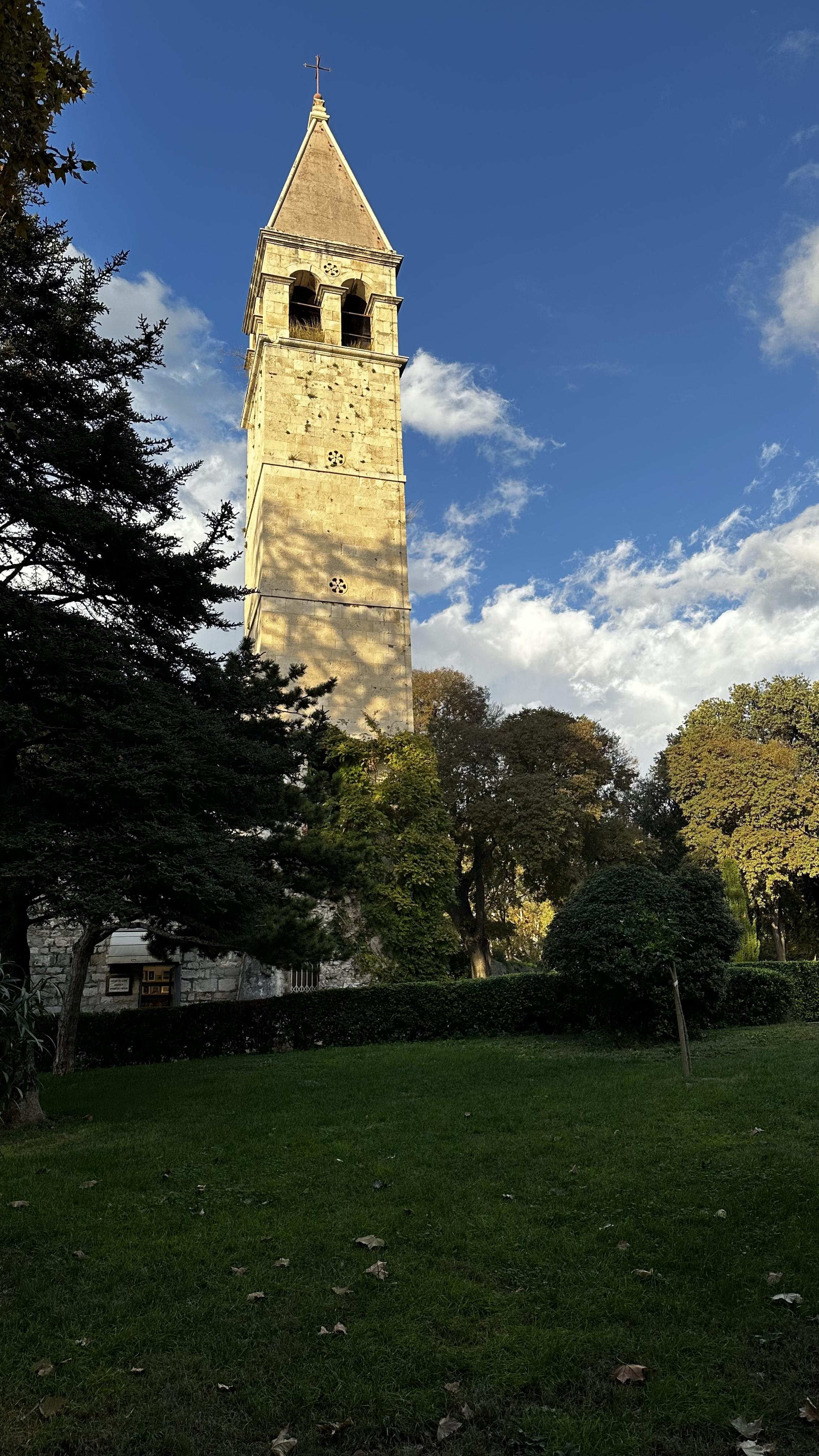
Split Photo Album





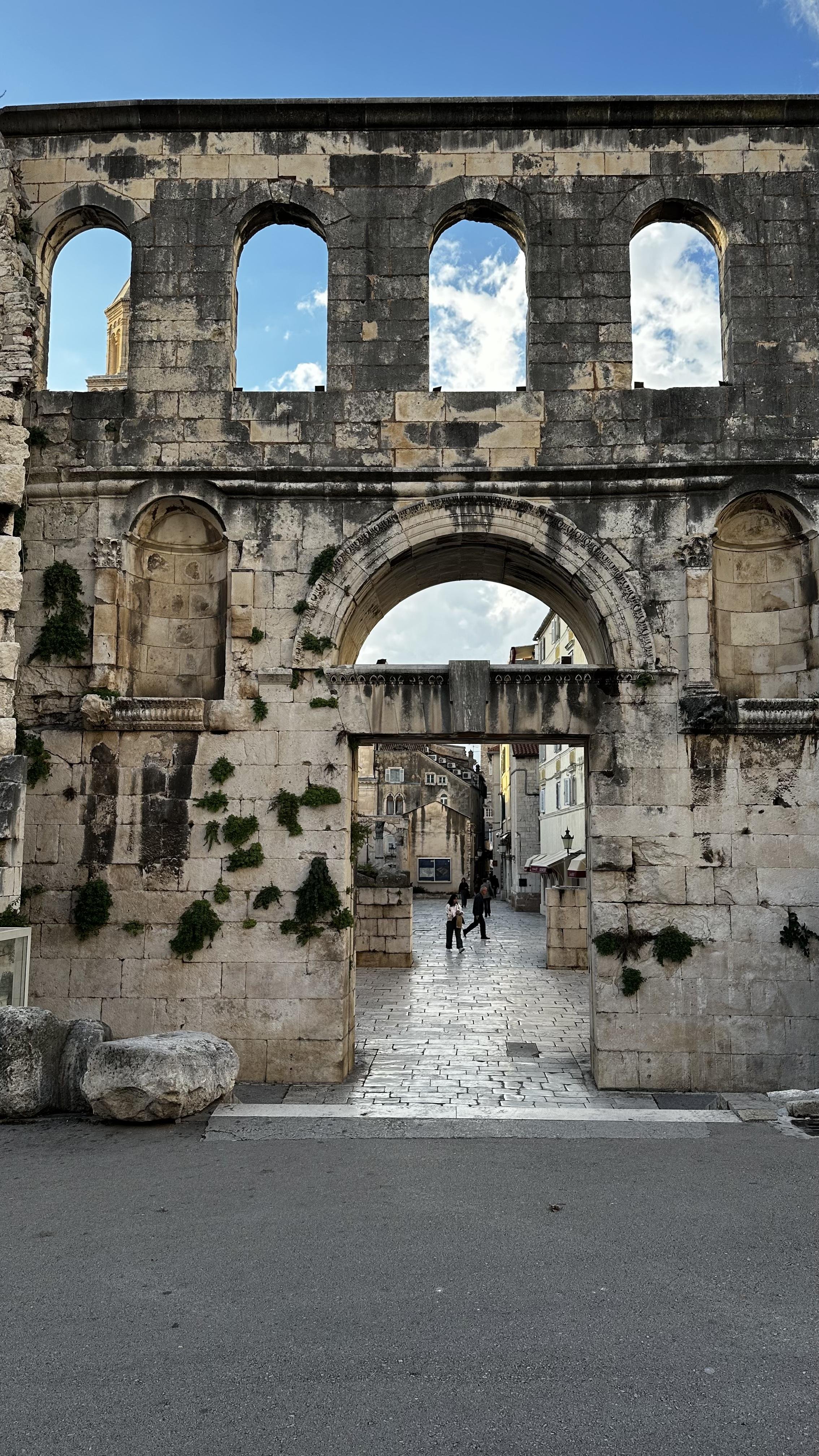

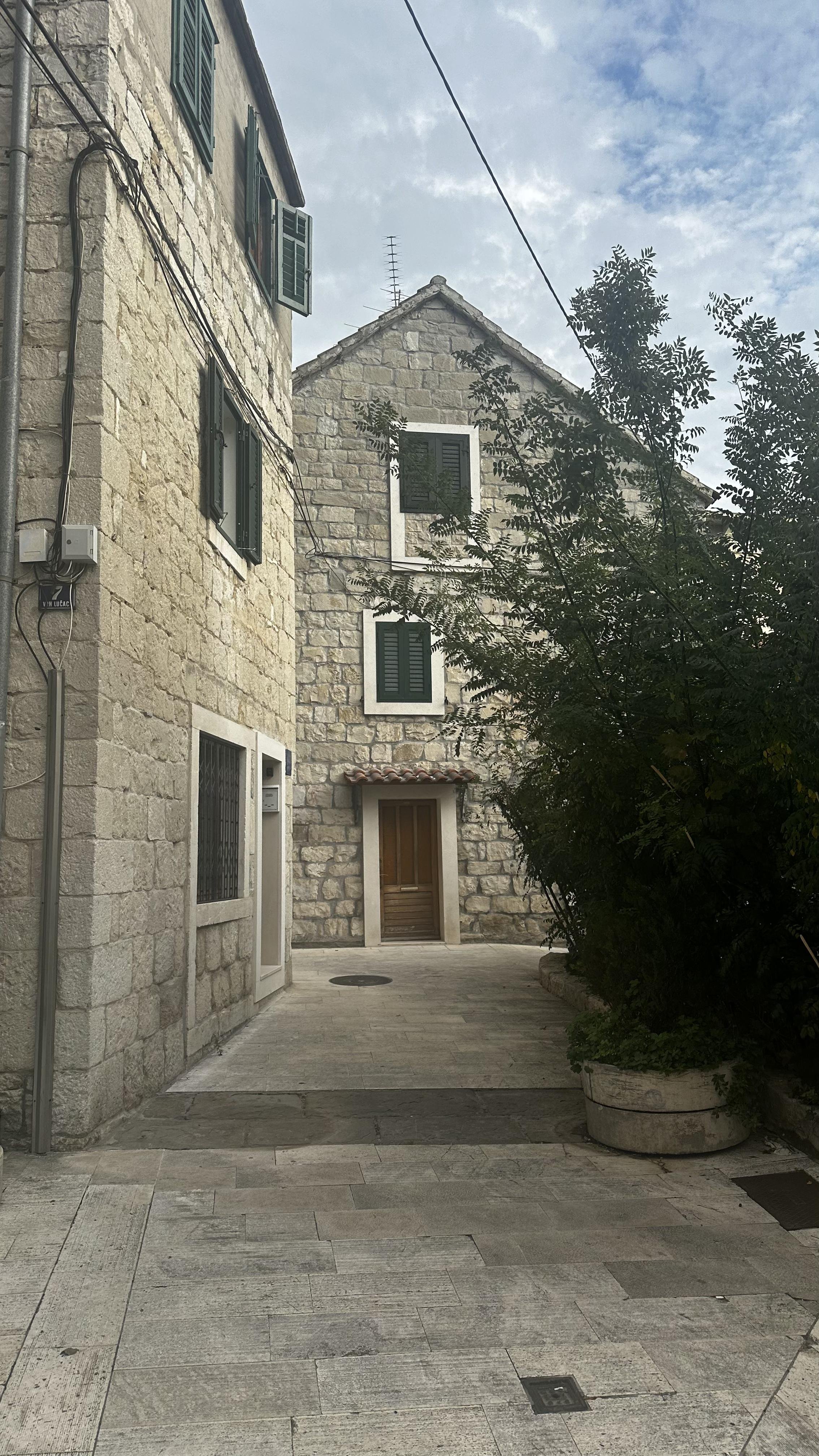
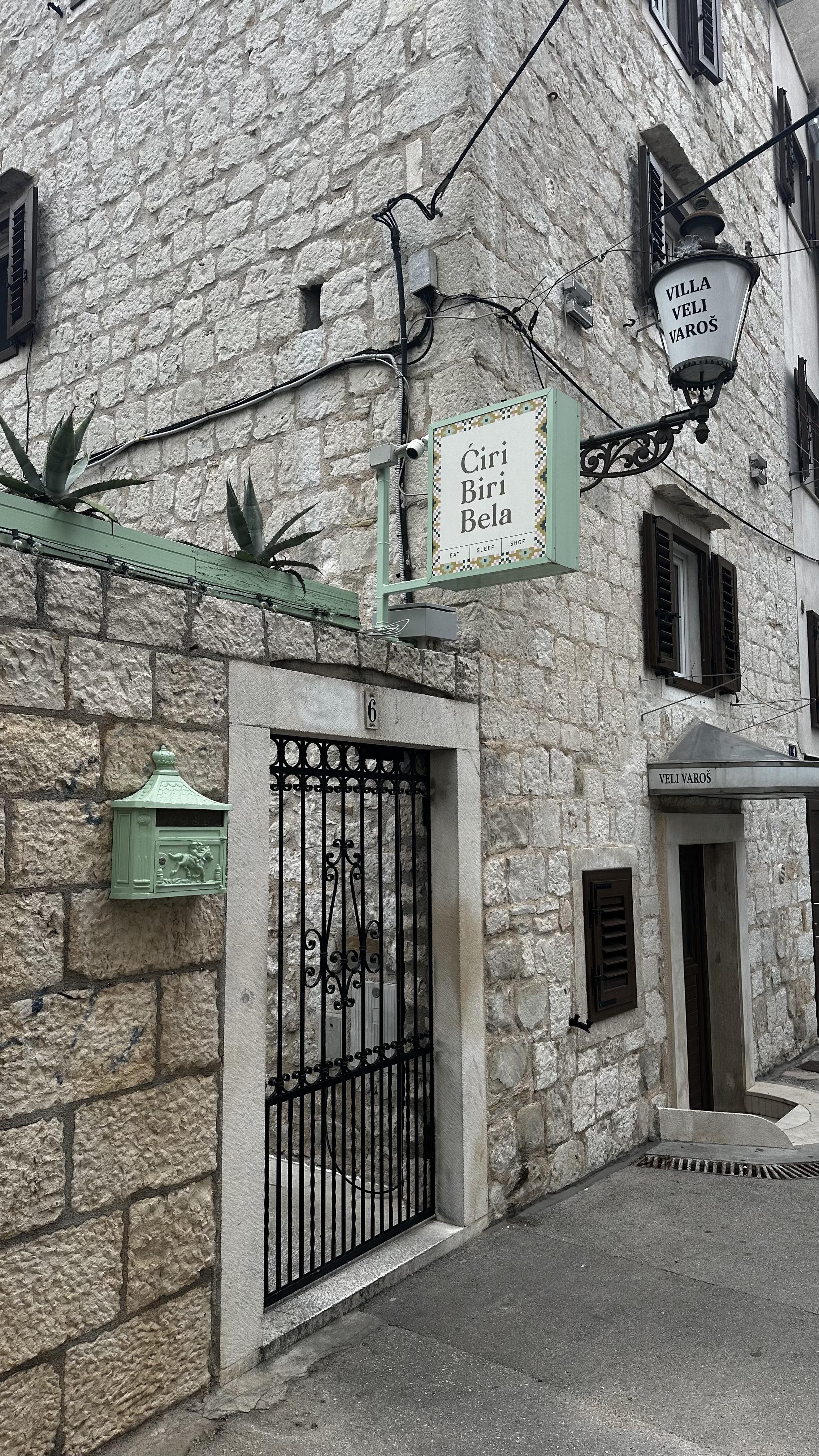






Budapest - The city of two
I have written about the proximity of Europe being the one thing I miss the most having lived in NZ. We have maximised the opportunity to have a few spontaneous trips, and this time we drove to Budapest!

Oh oh oh welcome to Budapest 🤩
I have written about the proximity of Europe being the one thing I miss the most since we have been living in NZ. We have maximised the opportunity to have a few spontaneous trips, and this time we drove from Belgrade to Budapest!
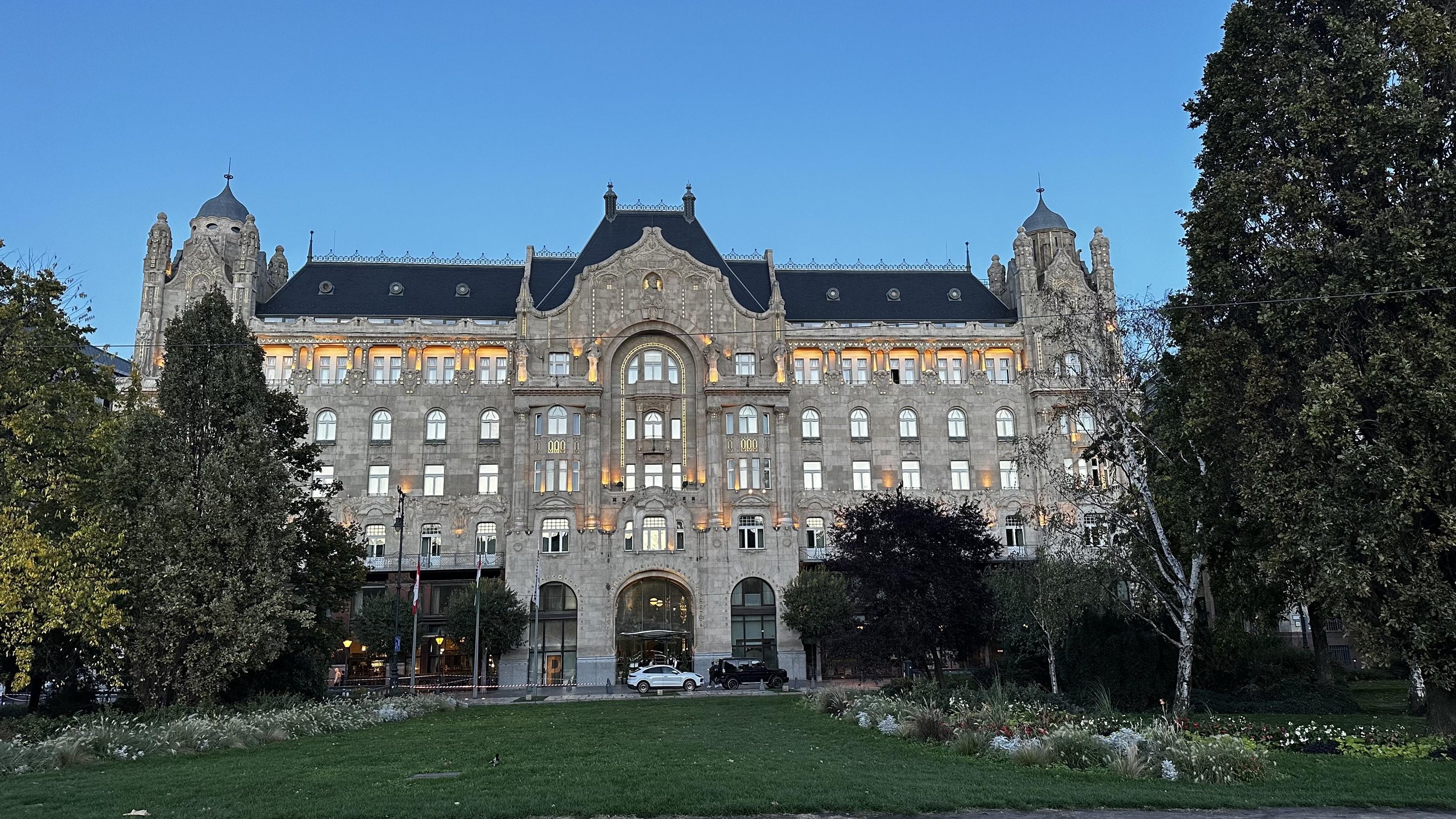
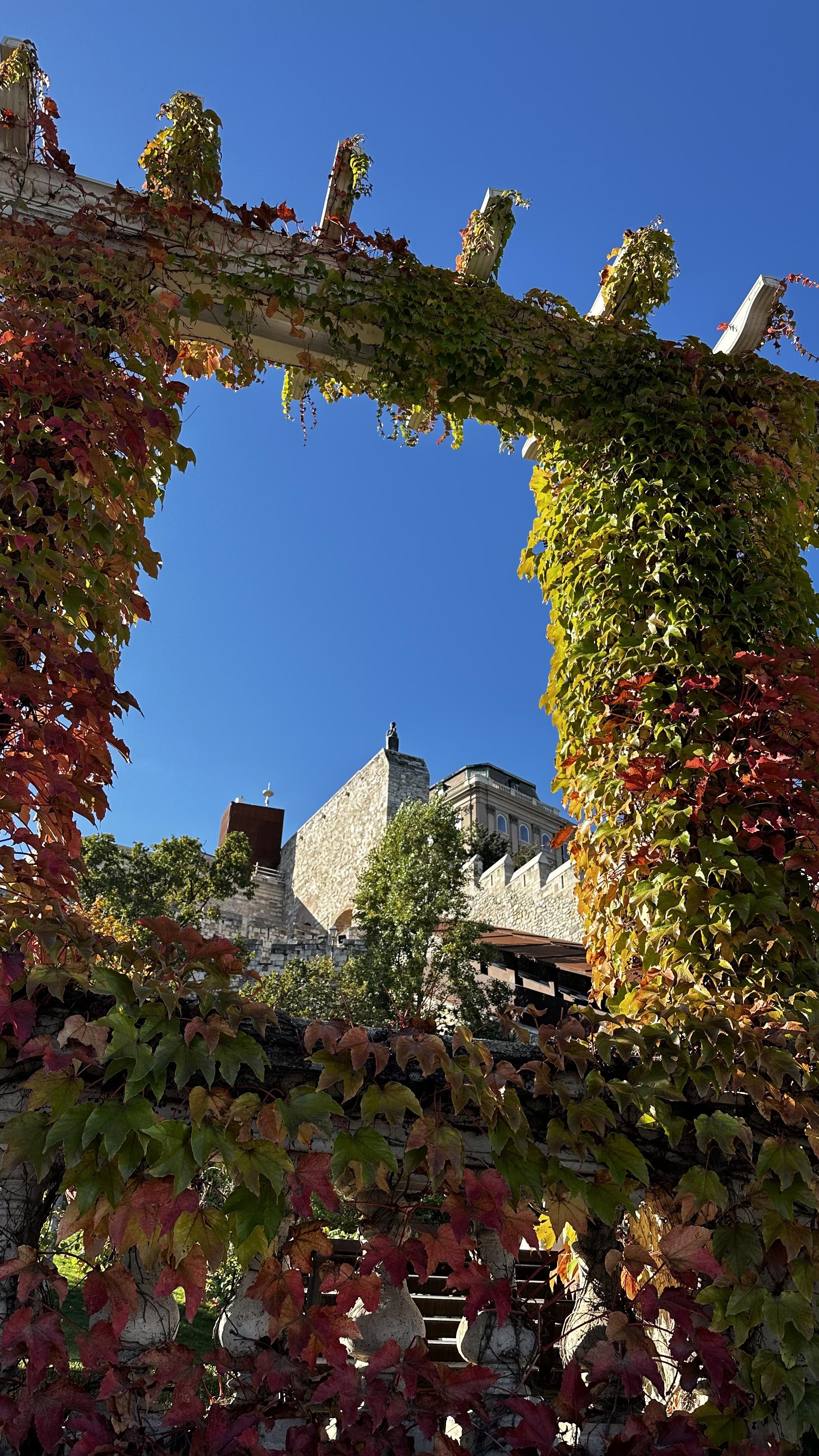
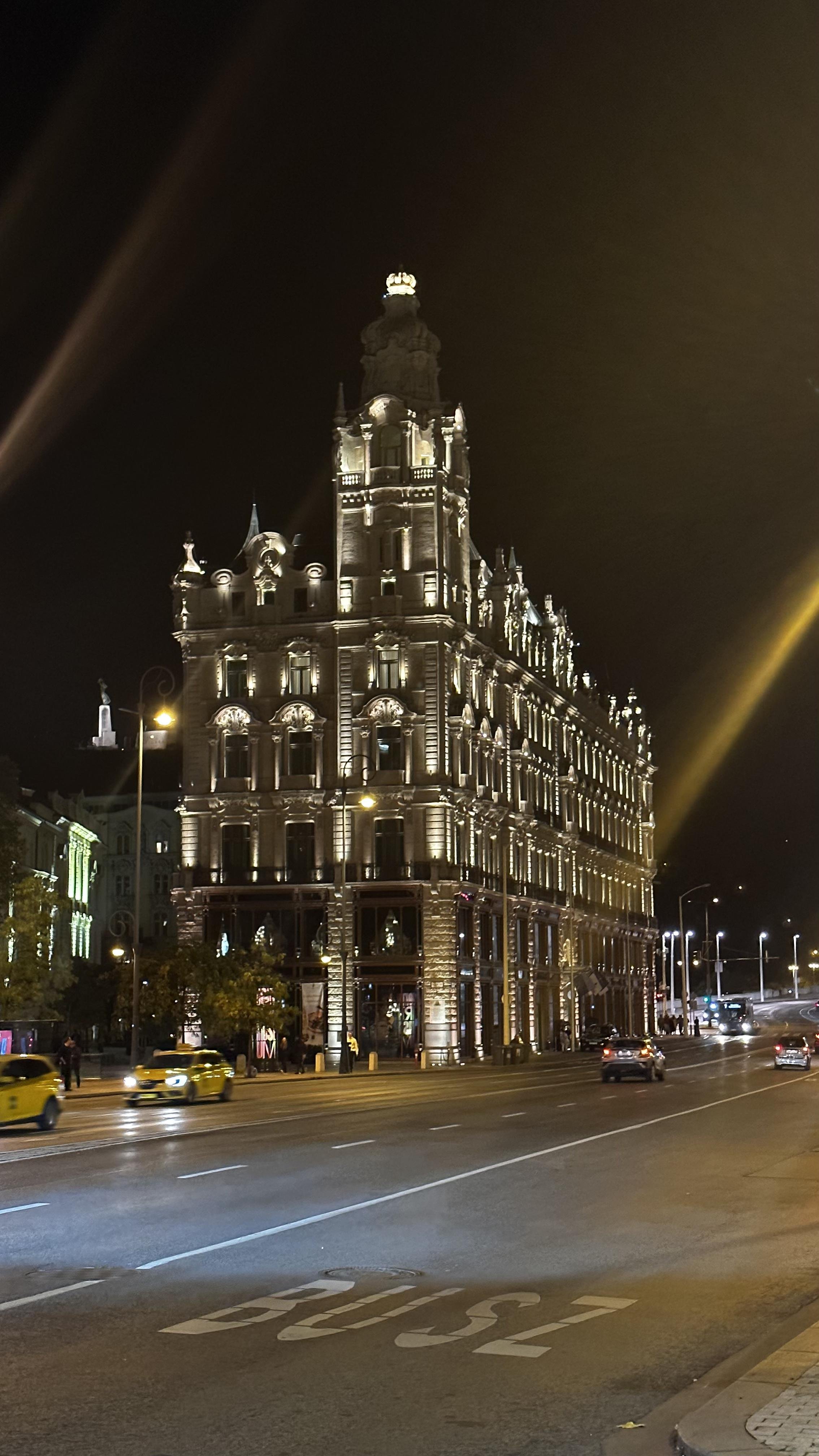
Oh oh oh Budapest is so beautiful. It is a magical place. I can hear you saying - come on Drazenka everywhere you went you told us it was beautiful. Well that’s true, but Budapest is the next level. It’s about the architecture this time.
We stayed a few days to explore every corner of Buda and Pest, I never knew they were two cities connected by a bridge! This is why I love to travel, you learn so much.
I know our history is complex, conflicting and often hard to understand. Well, Hungarian history is no better. Here comes a short snapshot:
Hungary is a Central European nation, that boasts a rich history dating back to the Magyar tribes' arrival in the 9th century. Crowned with its first king, Stephen I, in 1000 AD, Hungary became a kingdom. Over centuries, it faced Mongol invasions, Ottoman rule, and Habsburg dominance. The 1848 Revolution sought independence, but it was crushed. Post-WWI, the Treaty of Trianon (1920) reduced Hungary's size. WWII brought German occupation, followed by Soviet influence during the Cold War. The 1956 Hungarian Uprising against Soviet control and the eventual fall of communism in 1989 marked significant moments in its modern history.
Budapest beauty is magical, and its based on the best blend of what Vienna, Paris and Berlin have to offer, combined!
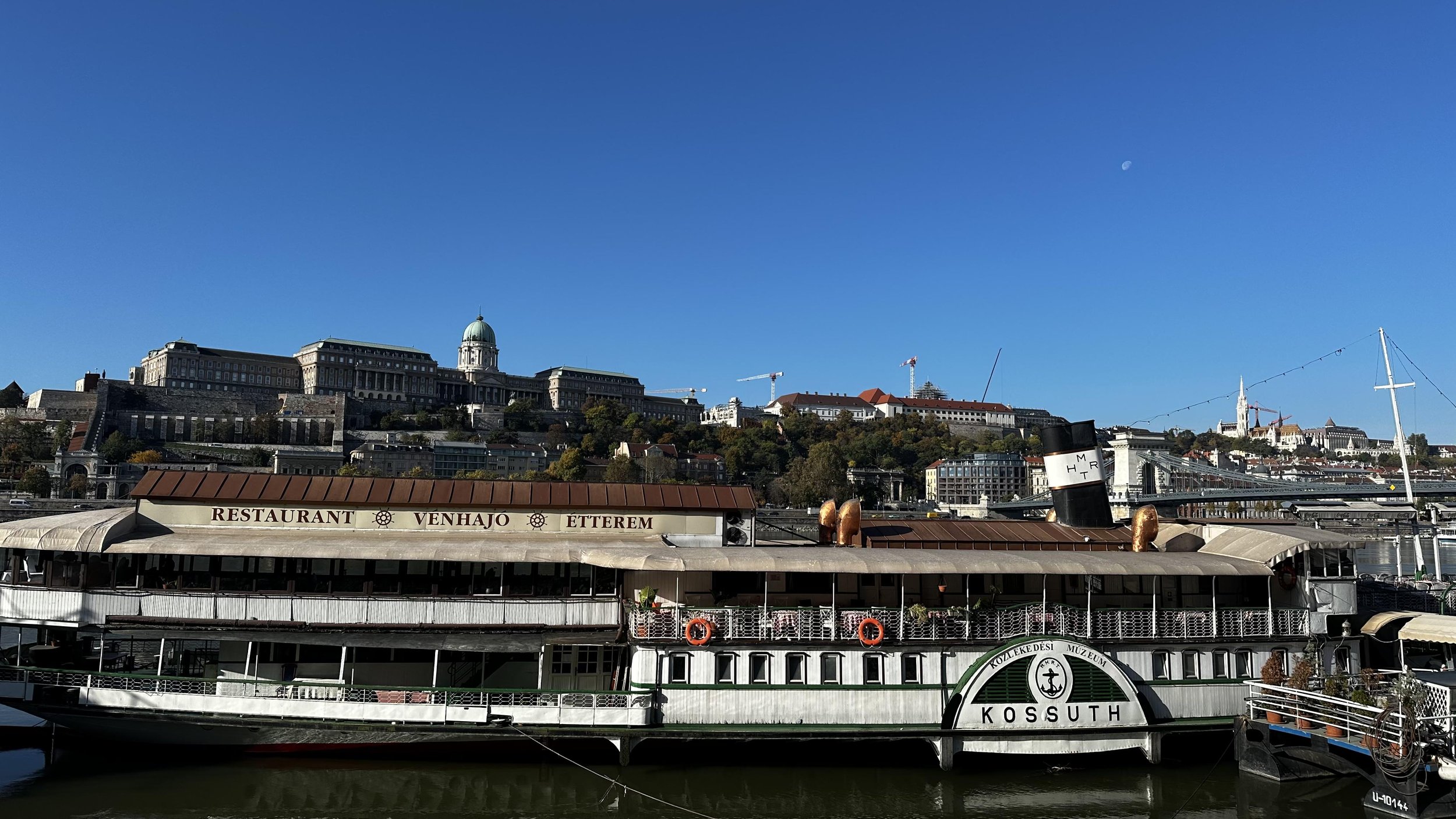
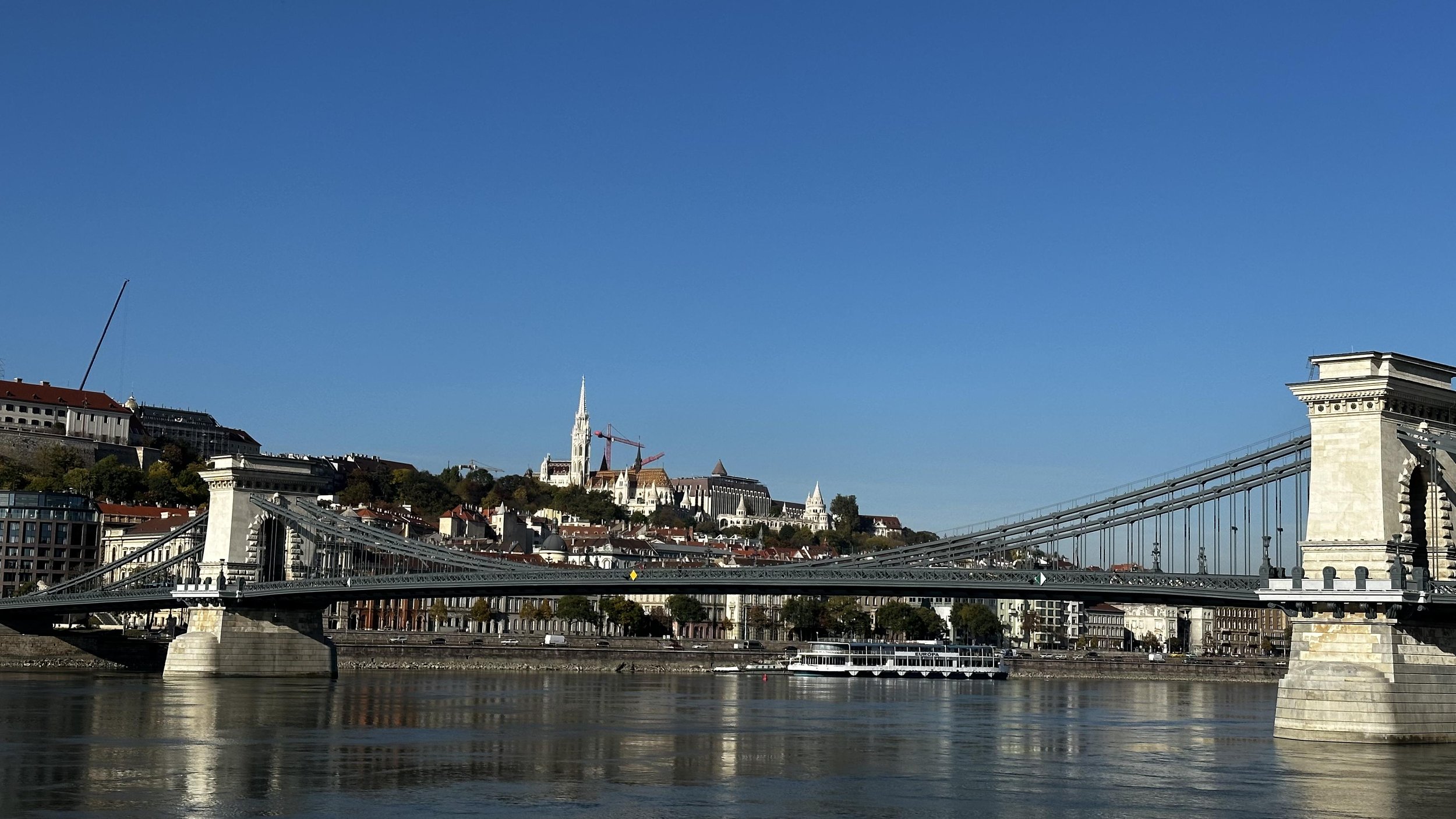
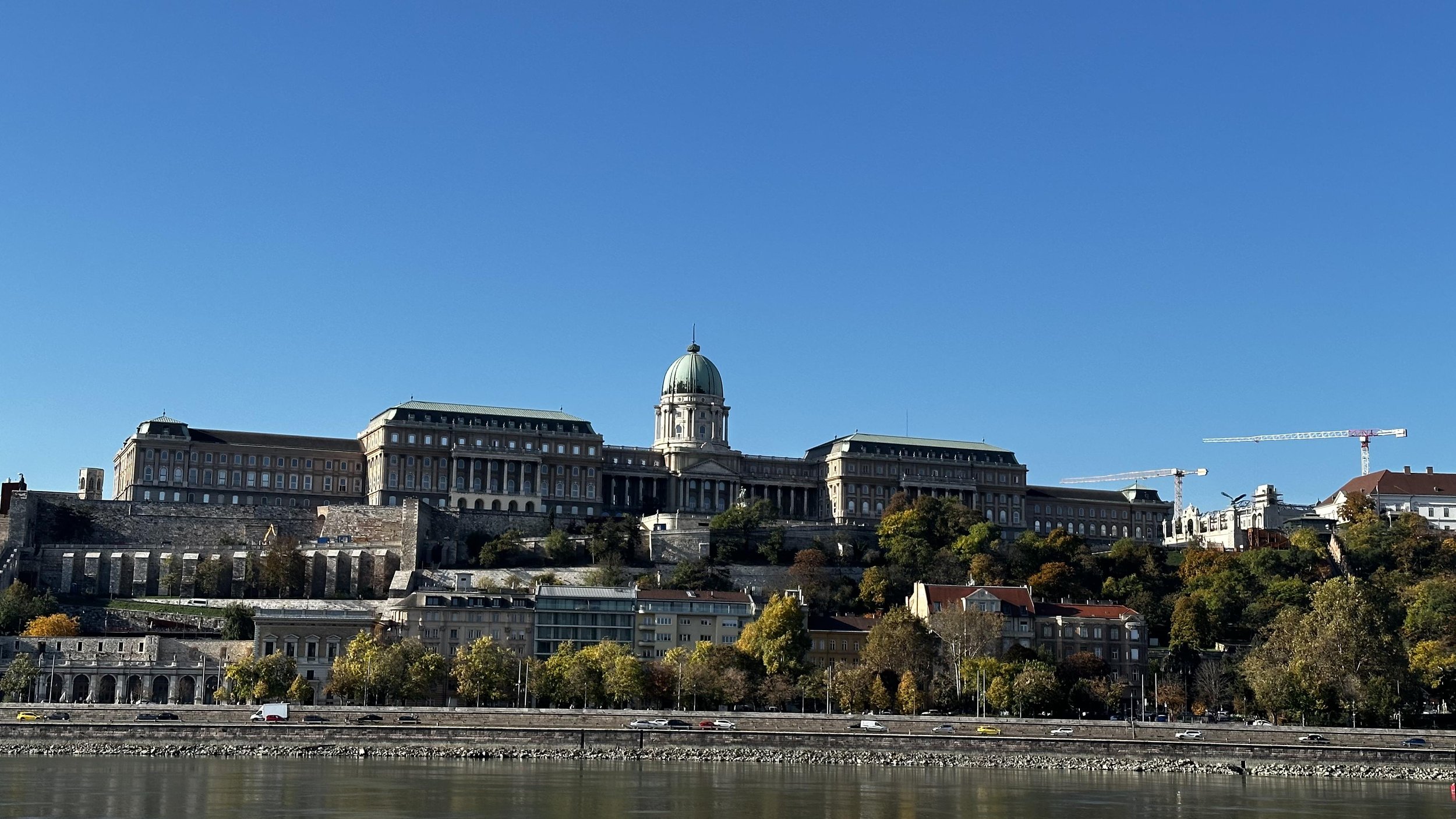
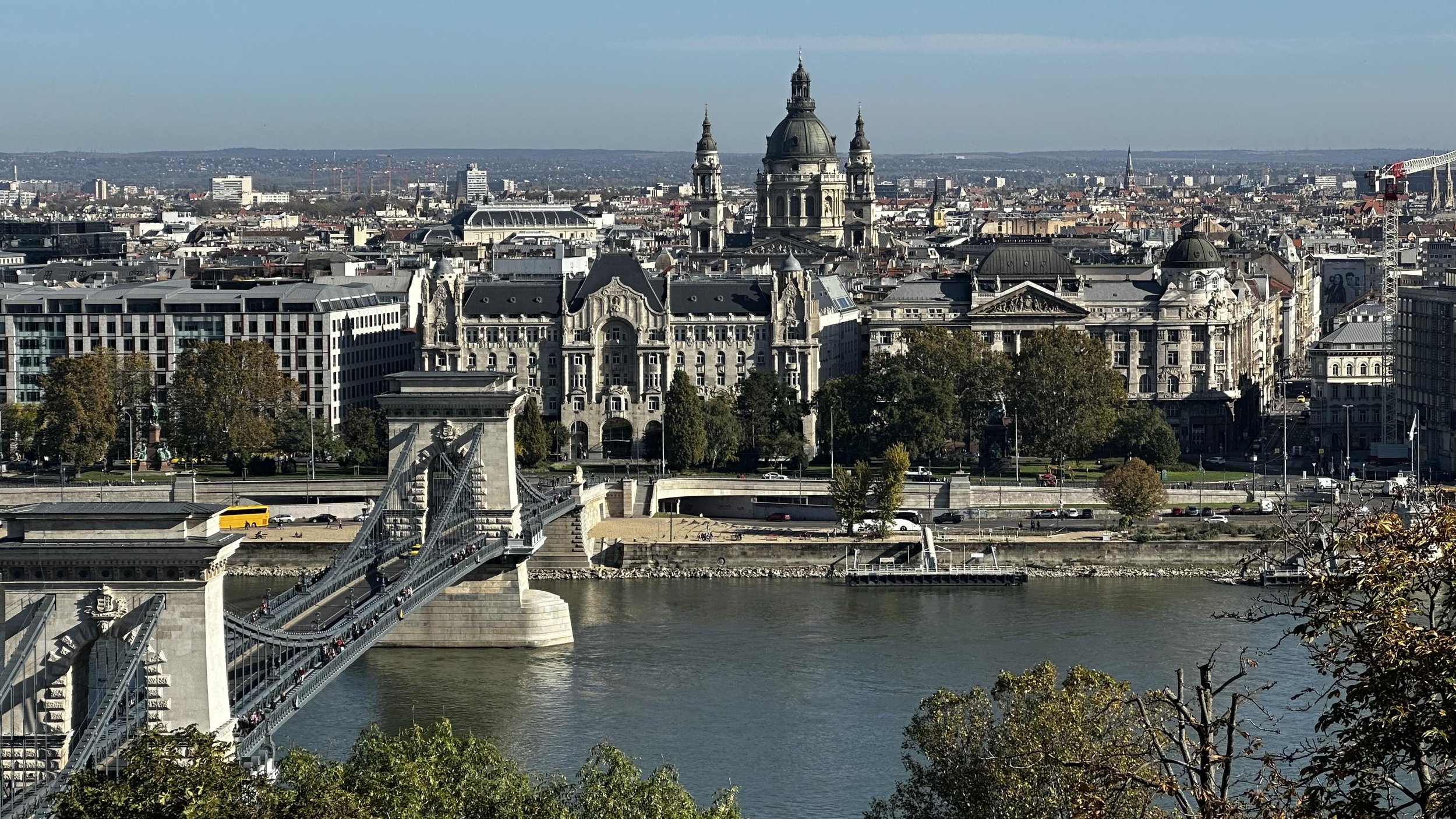
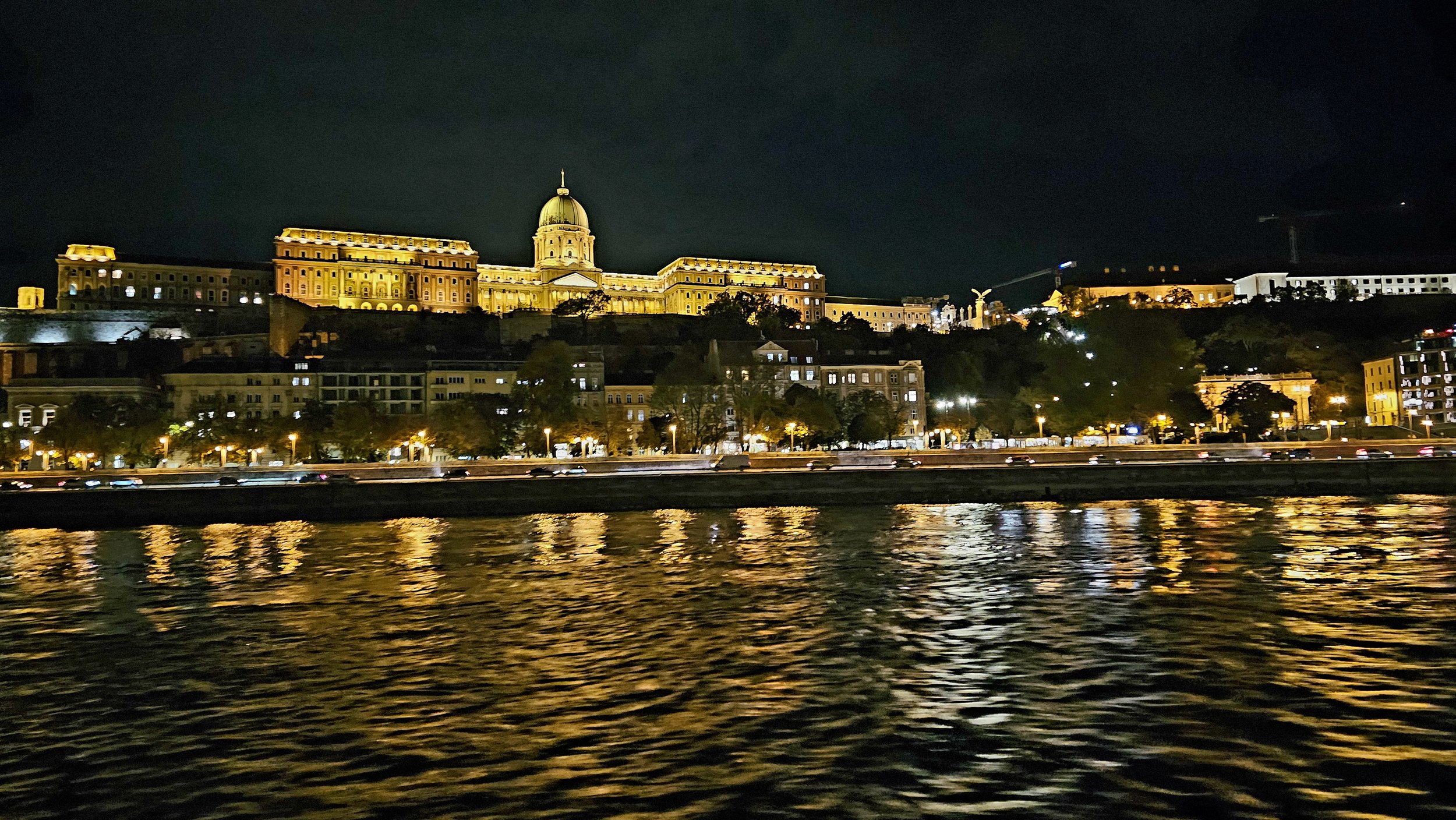
Straddling the Danube River, the city was officially united in 1873, combining Buda and Pest. Buda's historic Castle Hill offers panoramic views, while Pest is a bustling urban center. The iconic Chain Bridge links the two sides, it was so cool to walk over the bridge in day time and then see it lit up from the Danube river cruise at sunset. Oh, oh I have no words to describe the feeling…I caught myself crying…
Architectural marvels like the Parliament Building and Buda Castle showcase its grandeur. Buda Castle is under renovations, they are going to rebuilt it to resemble the original castle! I don’t know where they get the cash for such a massive undertaking, but I can tell you it’s a massive construction site today.
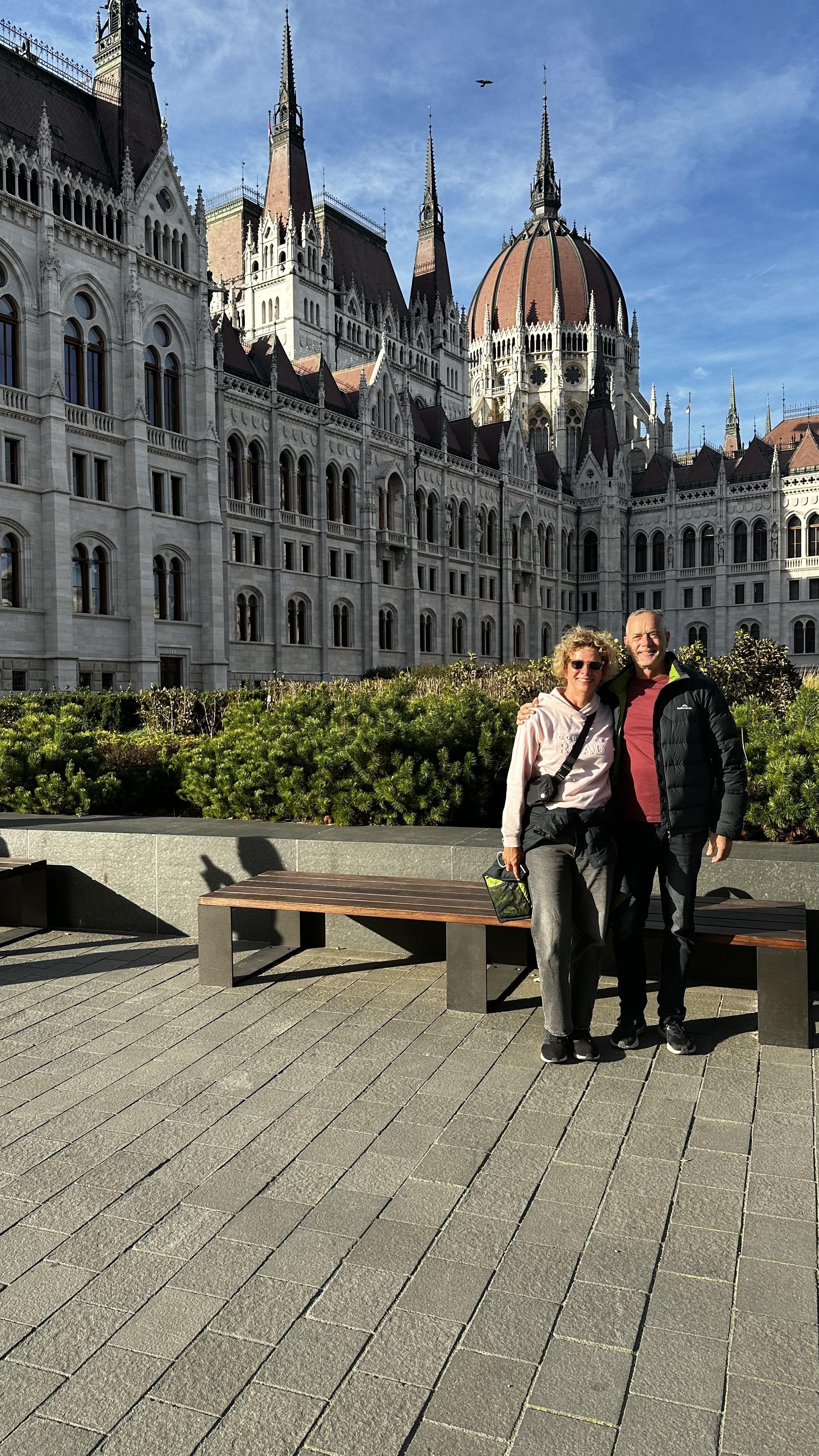
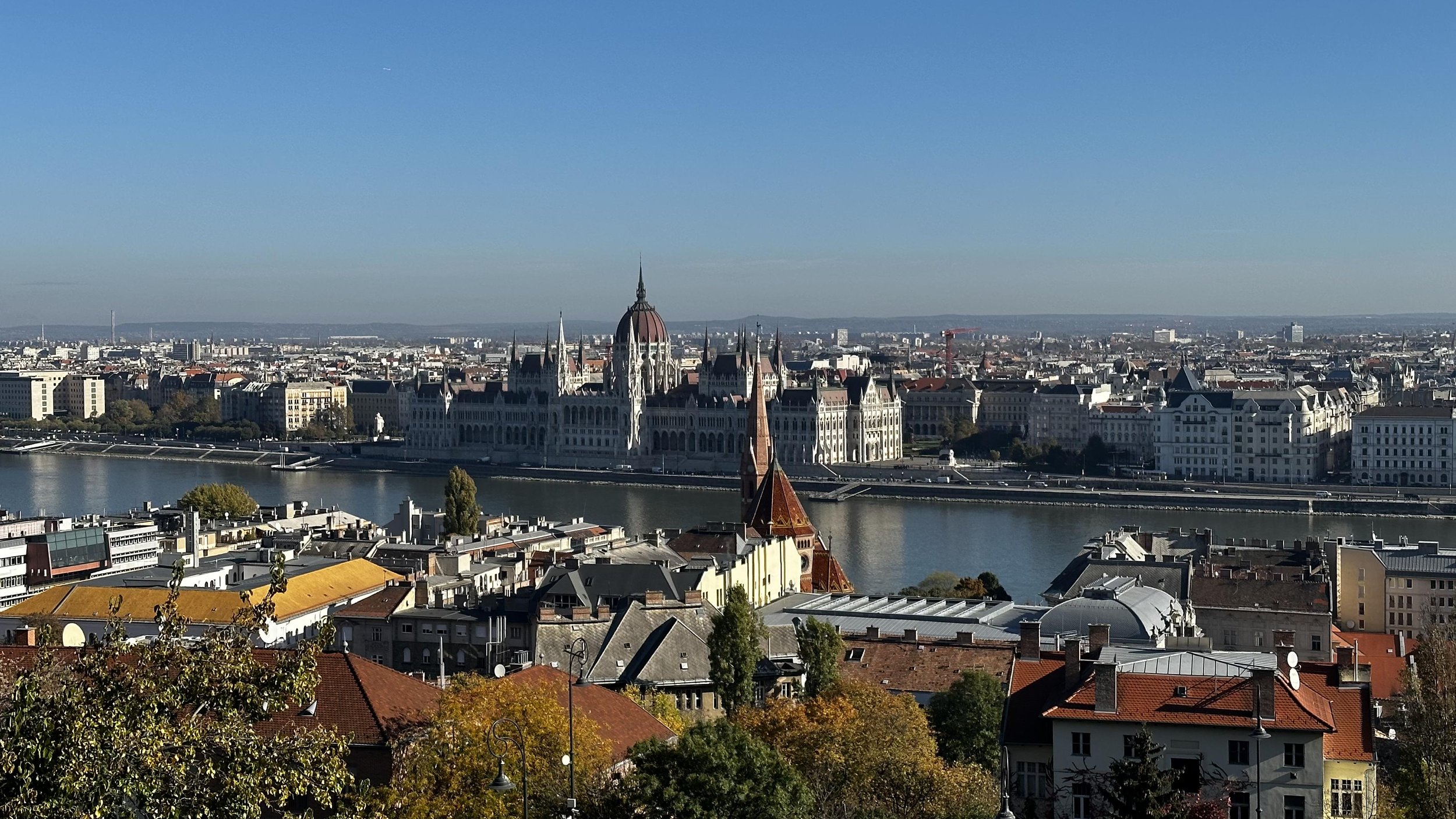
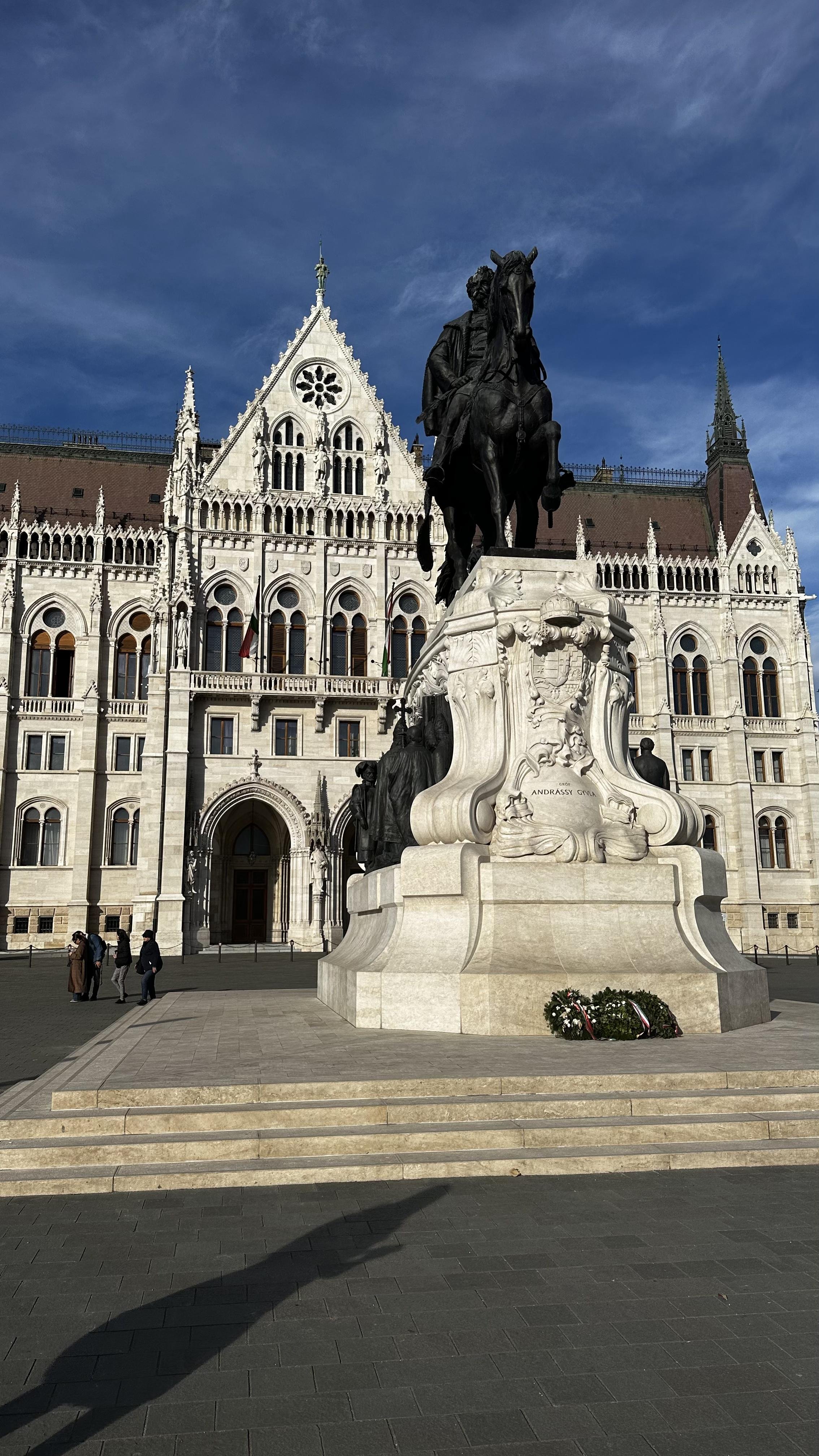
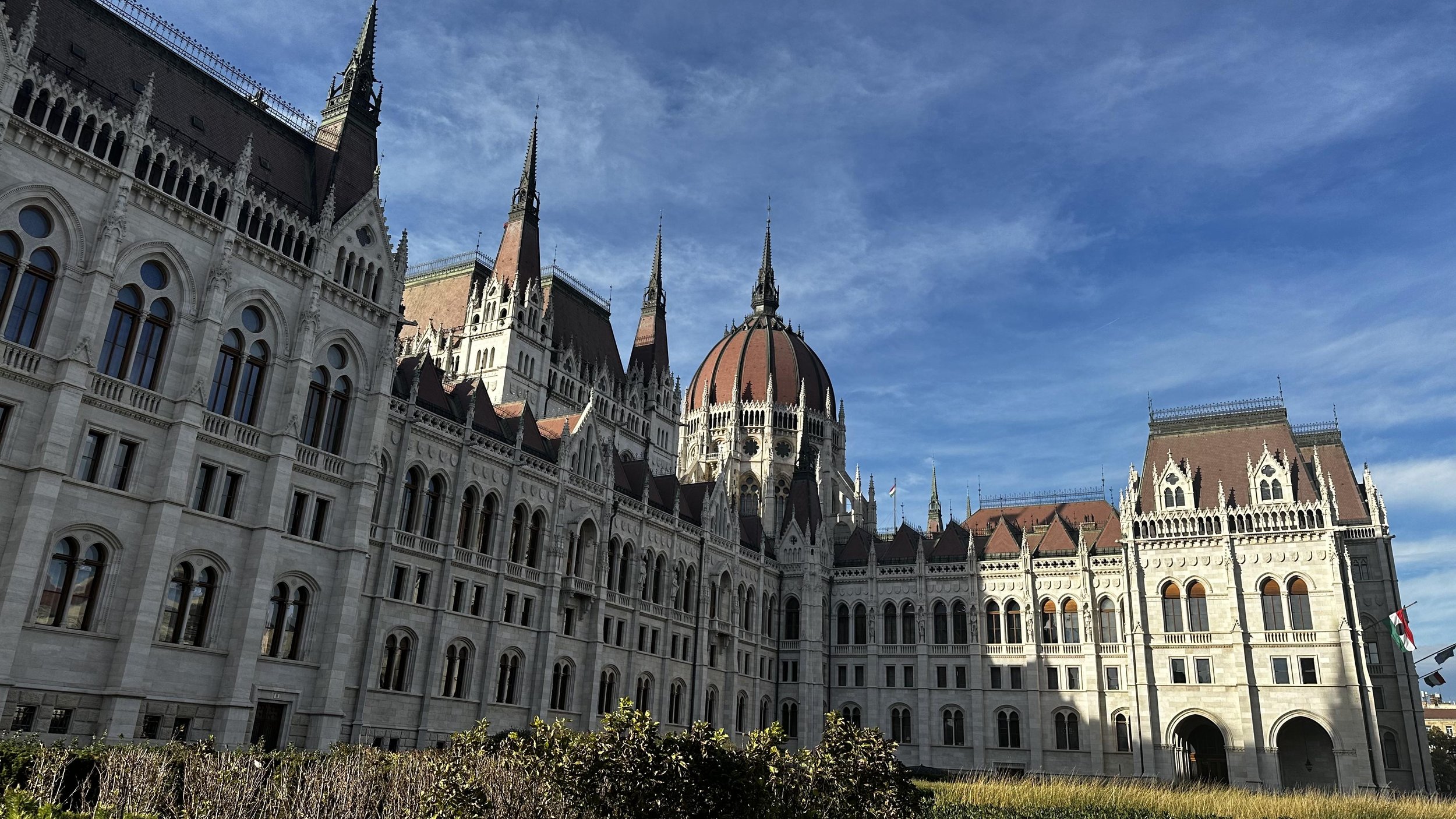
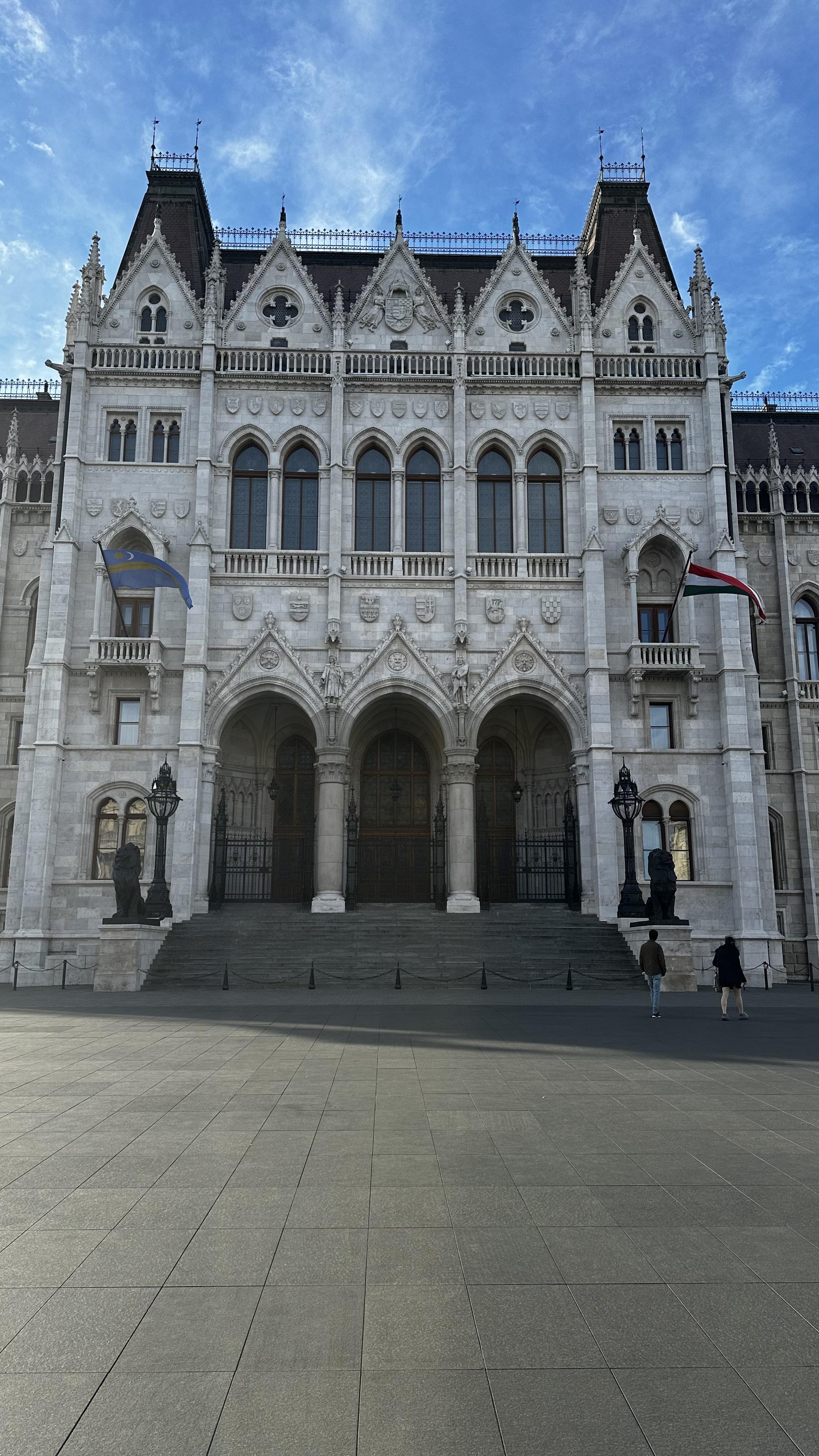
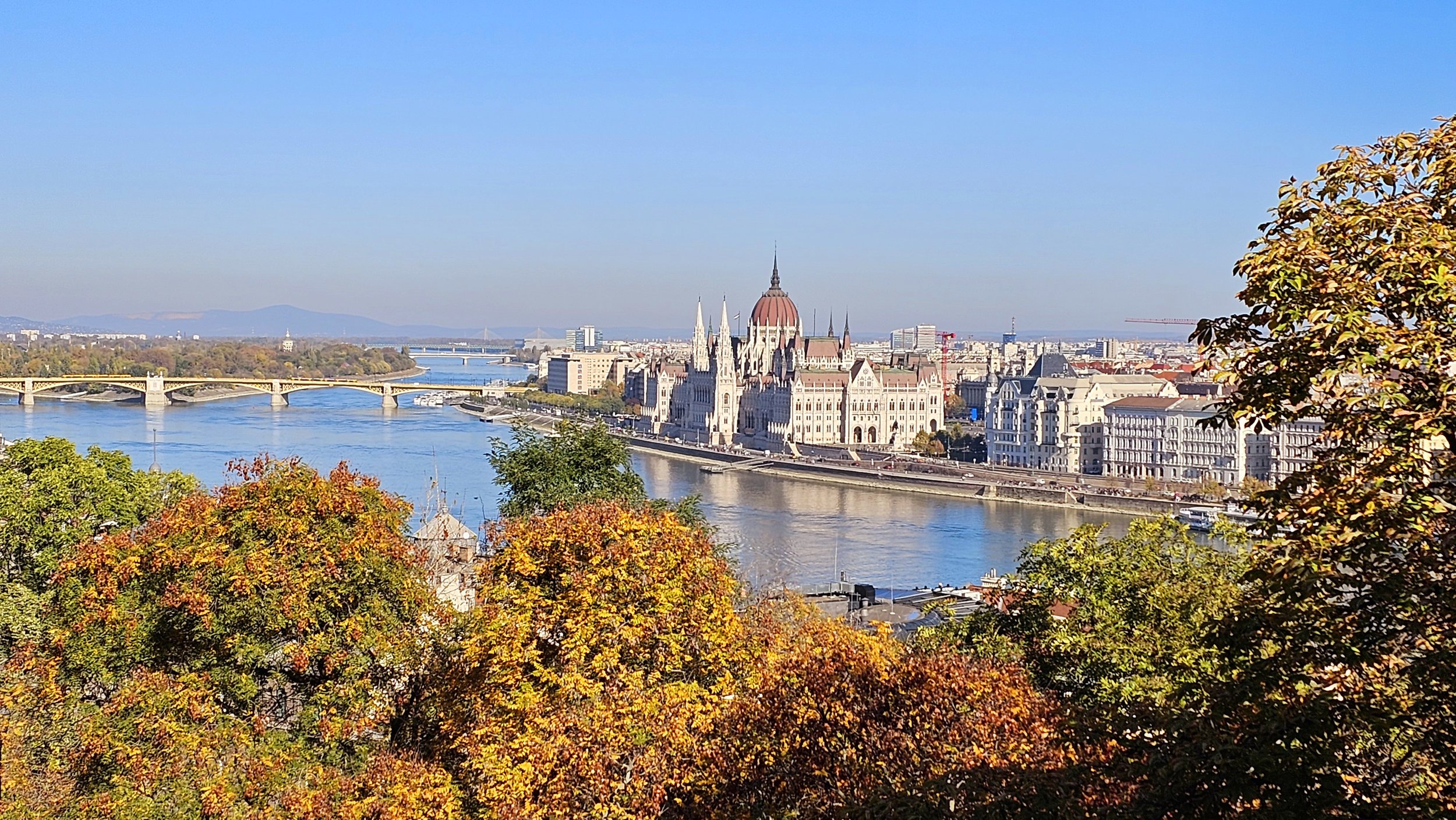
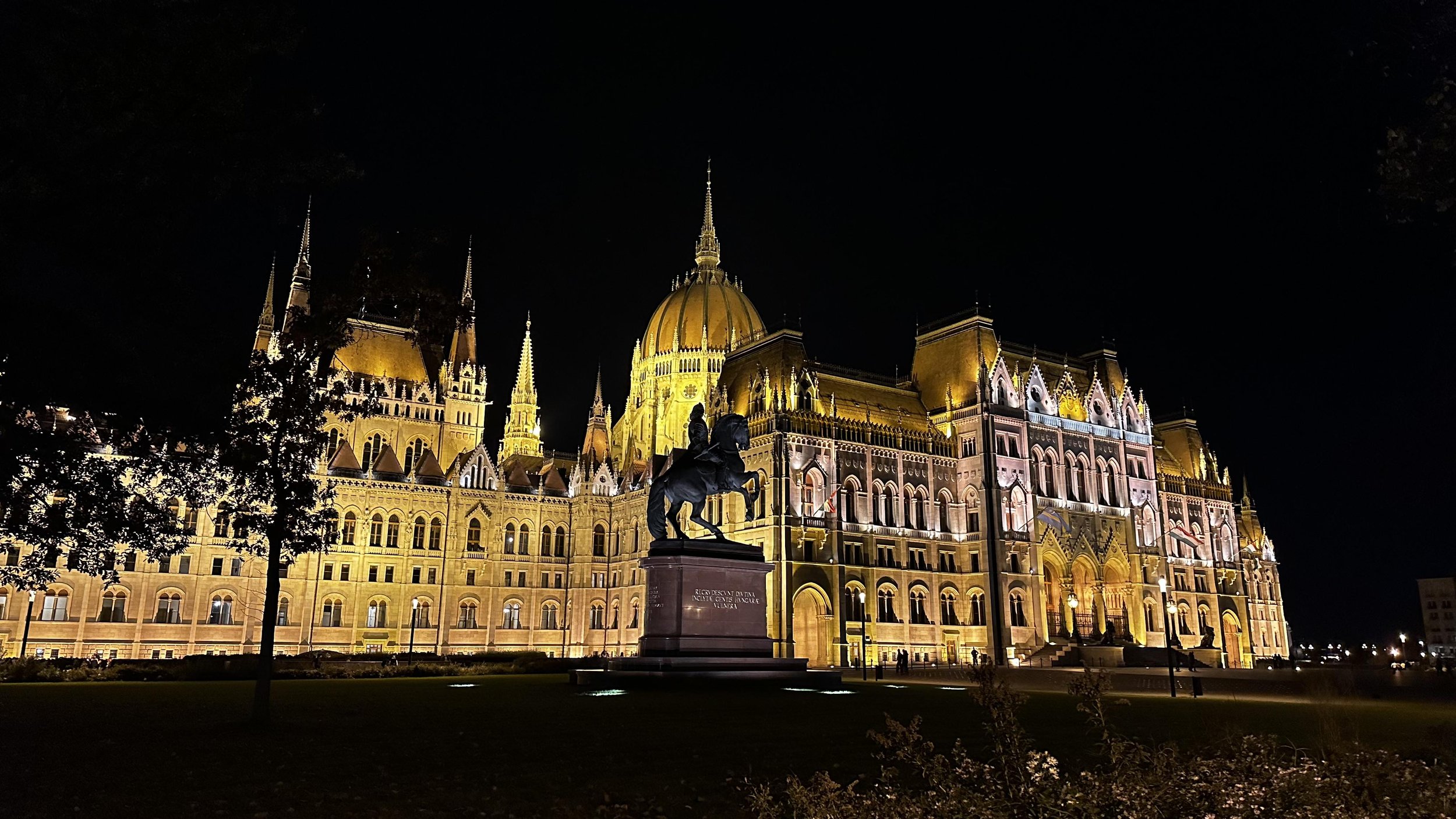
Parliament building, oh I have never ever seen a parliament building of this grandeur! I couldn’t stop taking photos, and it looks so different in daylight compared to nighttime. I like it better in nighttime, it’s magical, as if it was from another world. The story says that after a competition for the best parliamentary building design, decision was made to choose the design that would make the building better, bigger and more beautiful than anything Vienna ever had! The second and the third best designs were also accepted, one is the Agriculture Ministry and the other one is the Justice Ministry today, all three standing proud next to one another, looking so beautiful.
This rivalry between Vienna and Budapest obviously has its origin from the Austrian Hungarian times when Hungarian side was treated as a poor cousin.
Heroes' Square and the Fisherman's Bastion add to the city’s allure.
One more interesting fact about Budapest which is kind of spooky 👻.
You may remember my blog from Mali Lošinj where I told you a short story about the Villa Karolina where the Austrian Emperor Franz Joseph I spent time with his actress mistress while his wife Sissi accepted his infidelity as a fact of life.
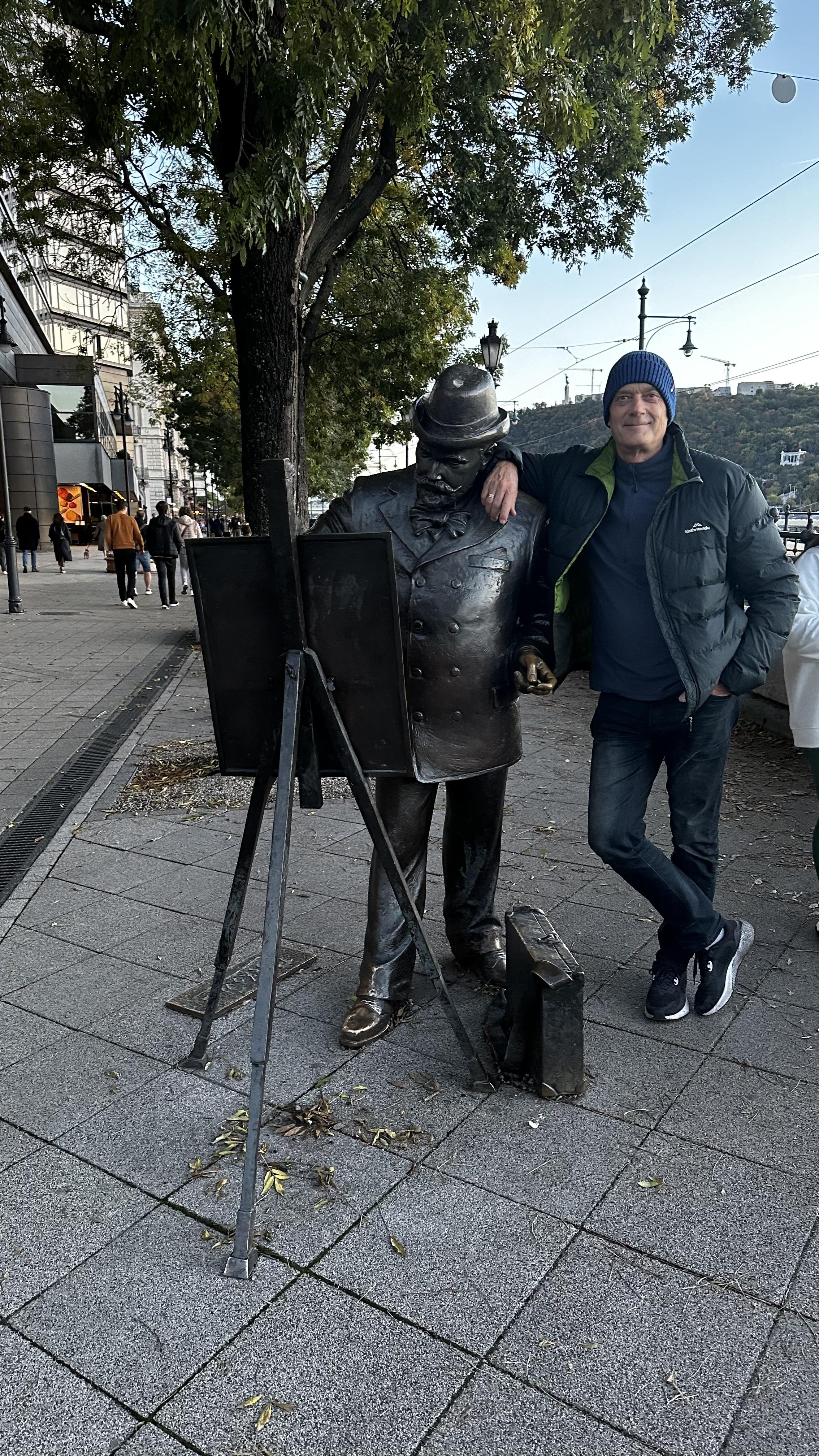
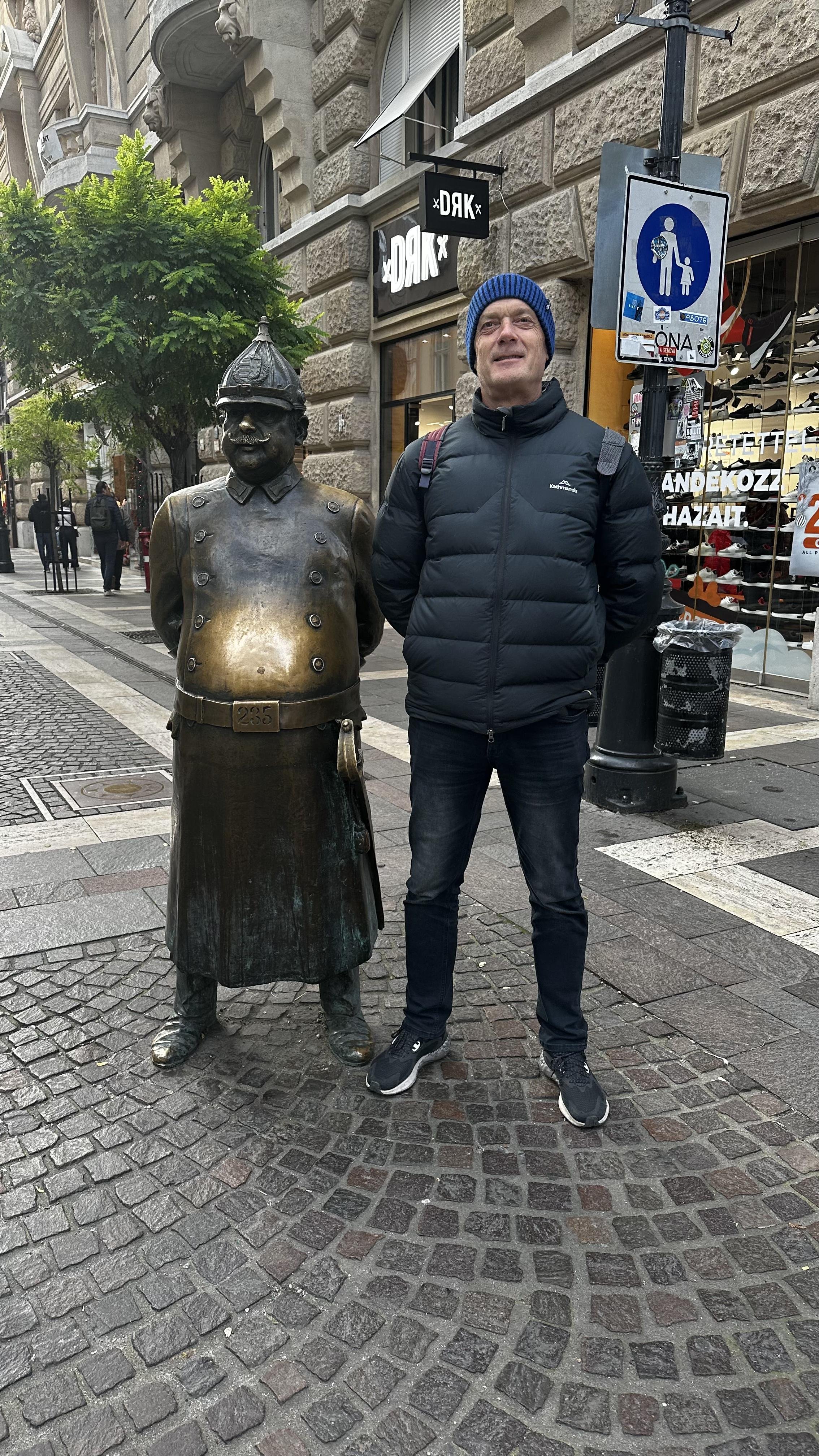
Well, we stumbled across Sissi’s monument in the Elisabeth Square in Budapest, it was the starting point of our walking tour! And we learnt a lot more about Sissi.
It’s so fascinating how our trip had stories that connect without us planning it that way!
Elizabeth known as Sissi, was Empress of Austria and Queen of Hungary from her marriage to Emperor Franz Joseph I on 24 April 1854 at the age of 16, until her assassination in 1898.
She was loved by Hungarian people while Mr Joseph was not so popular. It was Sissi who developed a deep kinship with Hungary and helped to bring about the dual monarchy of Austria-Hungary in 1867.
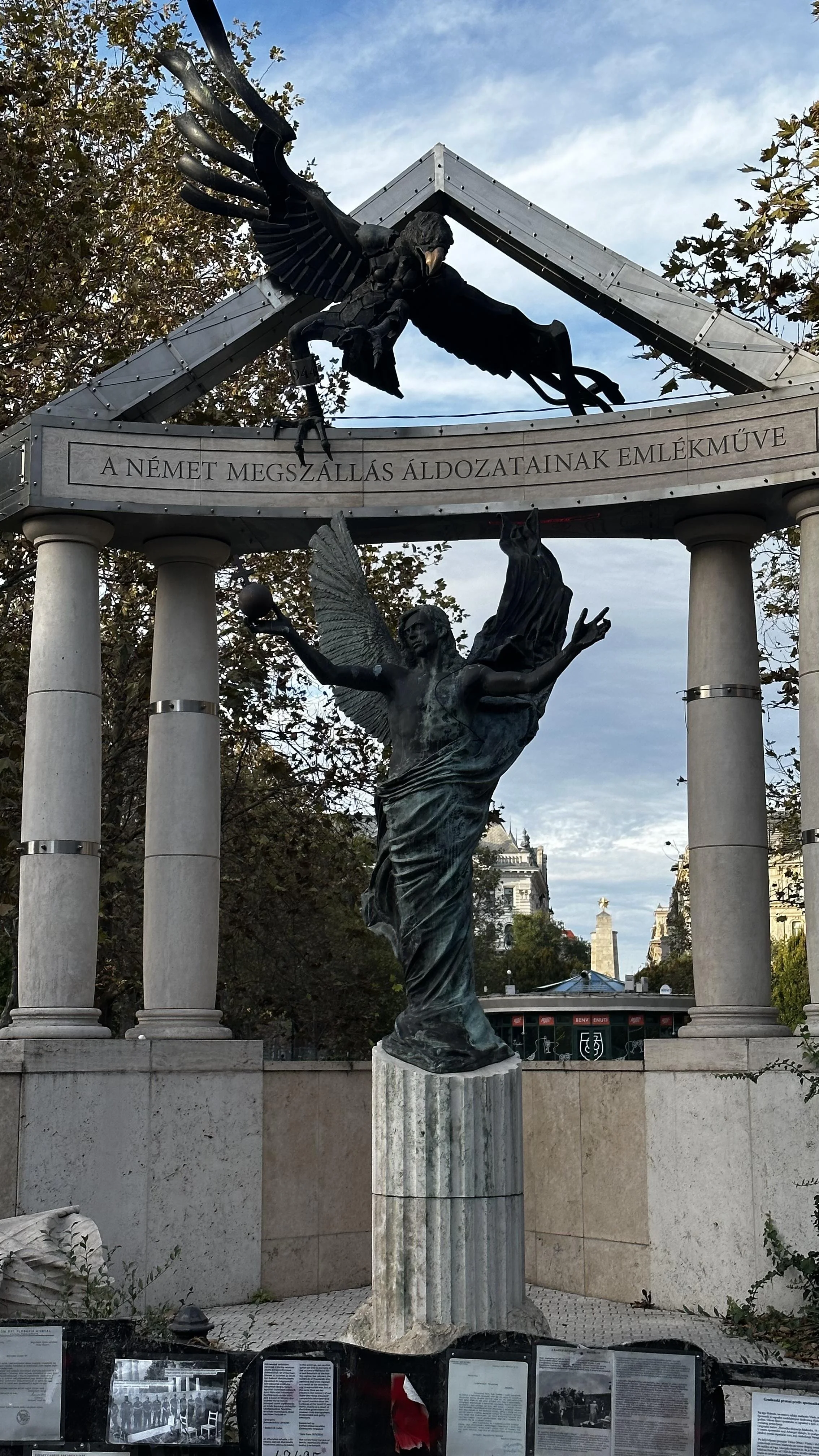
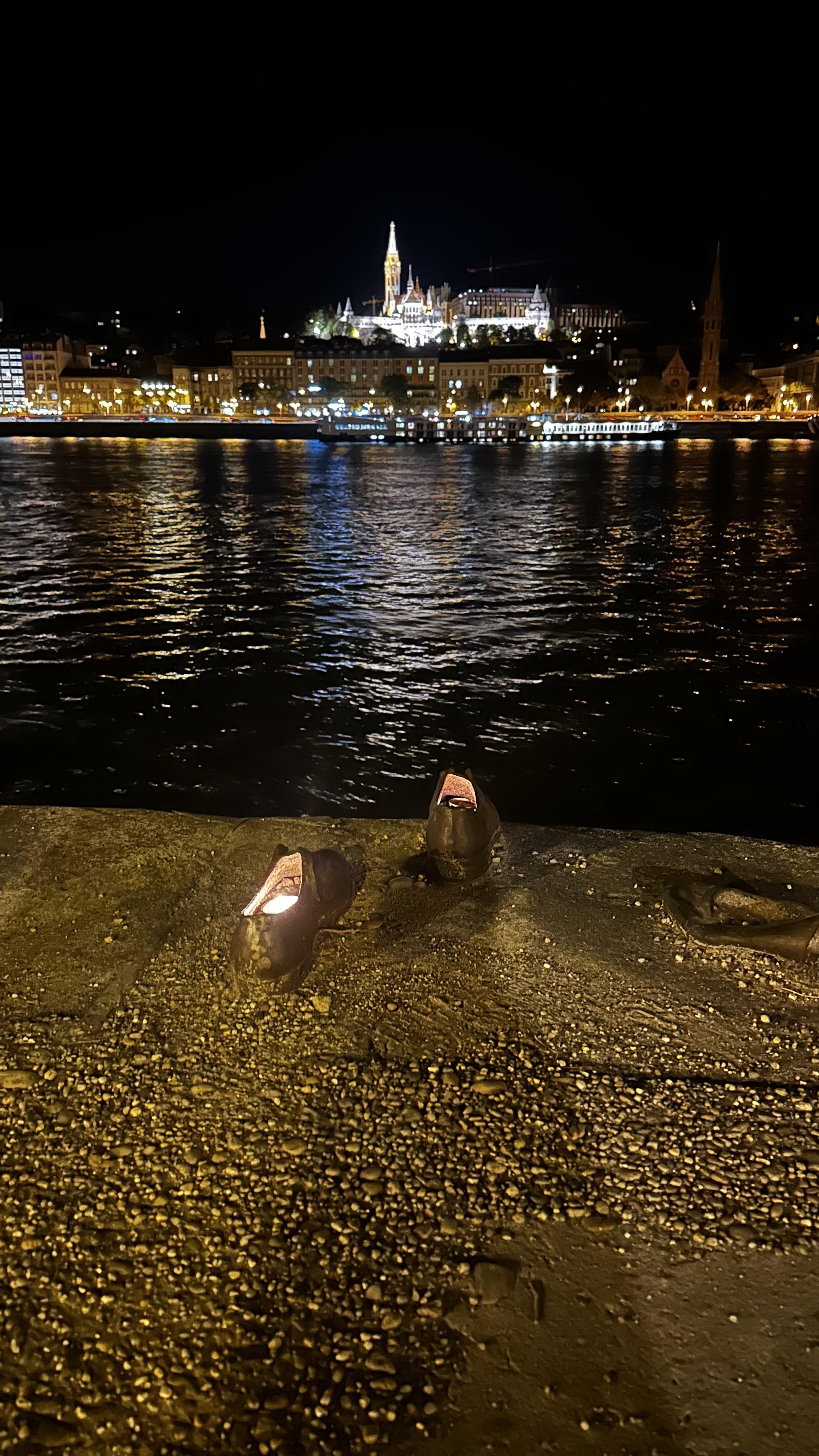
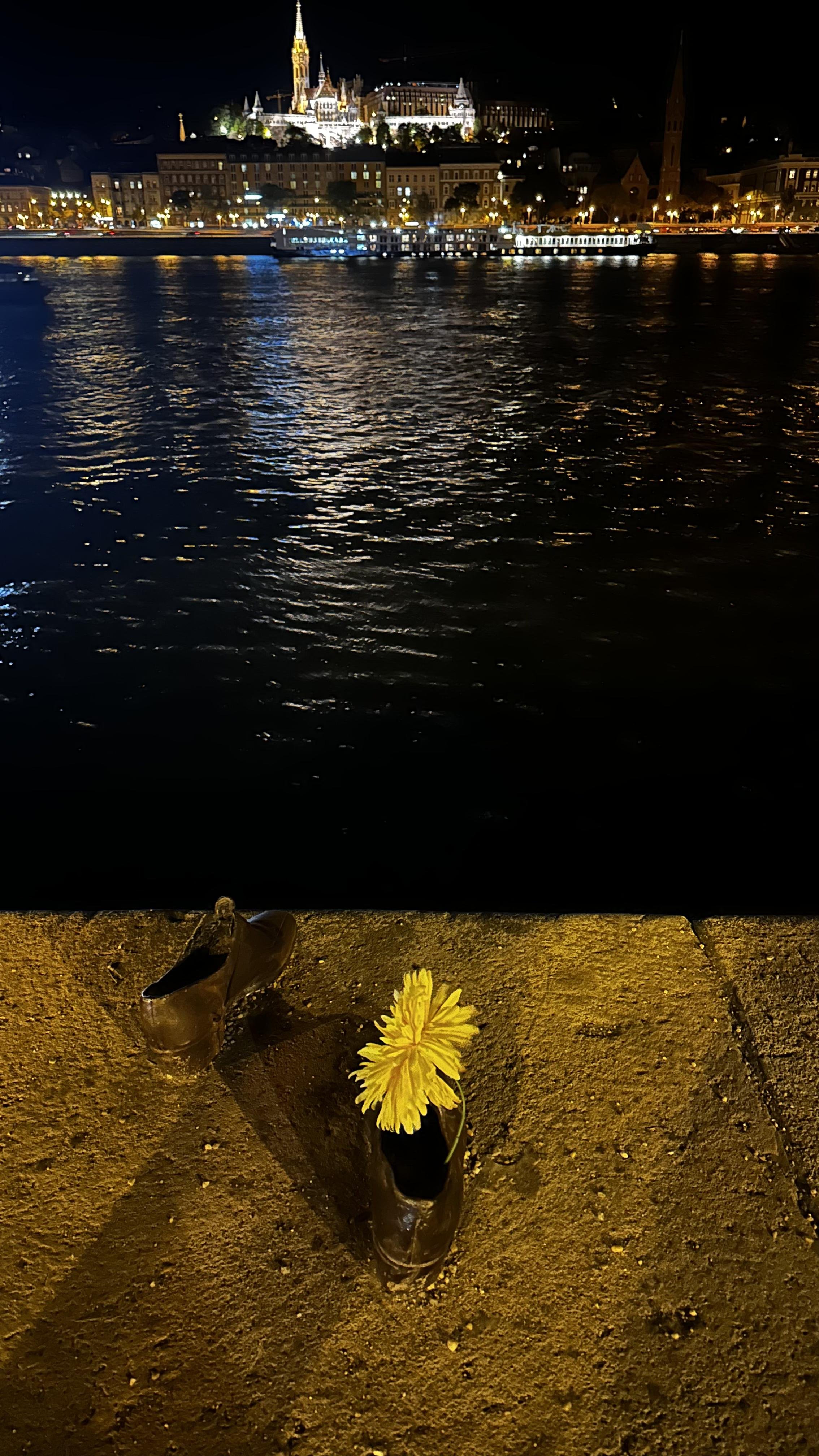
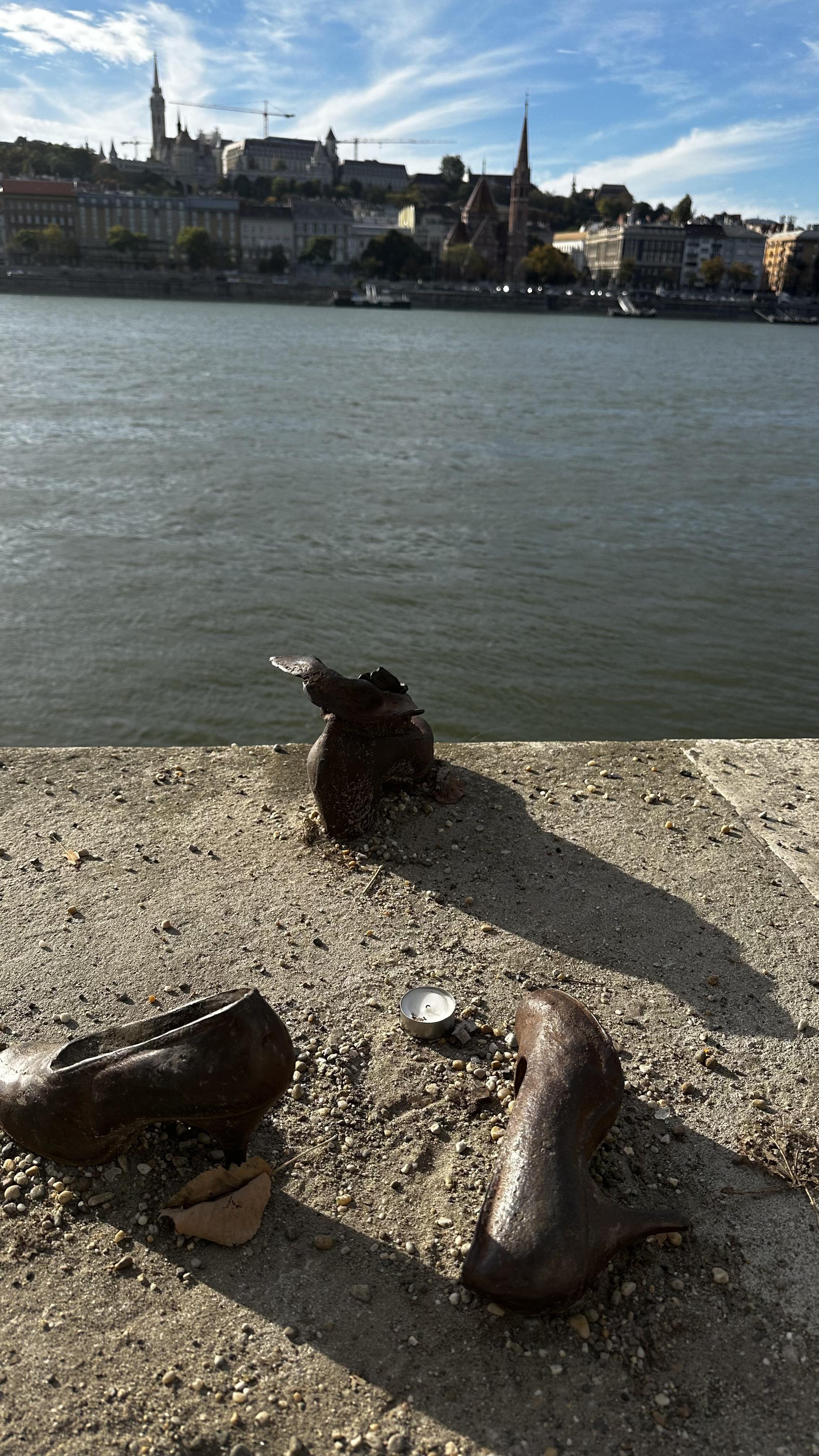
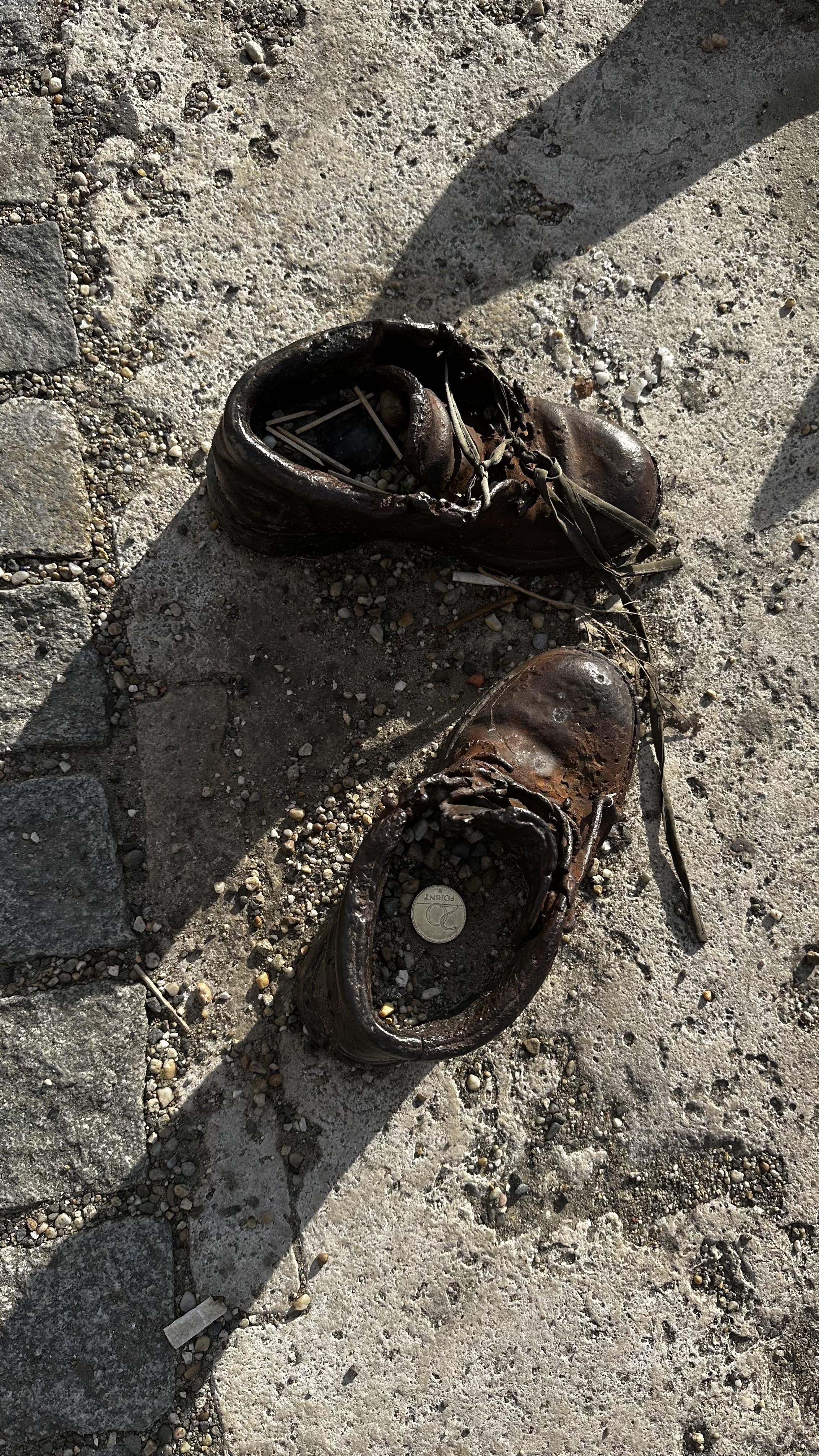
We visited a monument that made my blood shiver, The Shoes on the Danube Bank. It is a memorial erected on 16 April 2005 to honour the Jews who were massacred by fascist Hungarian militia belonging to the Arrow Cross Party in Budapest during the Second World War. They were ordered to take off their shoes (shoes were valuable and could be stolen and resold by the militia after the massacre), and were shot at the edge of the water so that their bodies fell into the river and were carried away. The memorial represents their shoes left behind on the bank. I felt unwell, and couldn’t help myself but to reflect on the current situation in Gaza. Will we ever stop with this madness? It just keeps getting worse by each day, it is horrible what’s happening around us. One tragedy after the other 😢.
And finally a few interesting facts:
Hungarian language comes from Asia, it has no connection to Slavic or European languages. 10,000 artificial Hungarian words were made up in the 1800 to modernise the language.
Hungarian religion is 30% Roman Catholic, followed by Protestants, however less people declare themselves religious today than in the past.
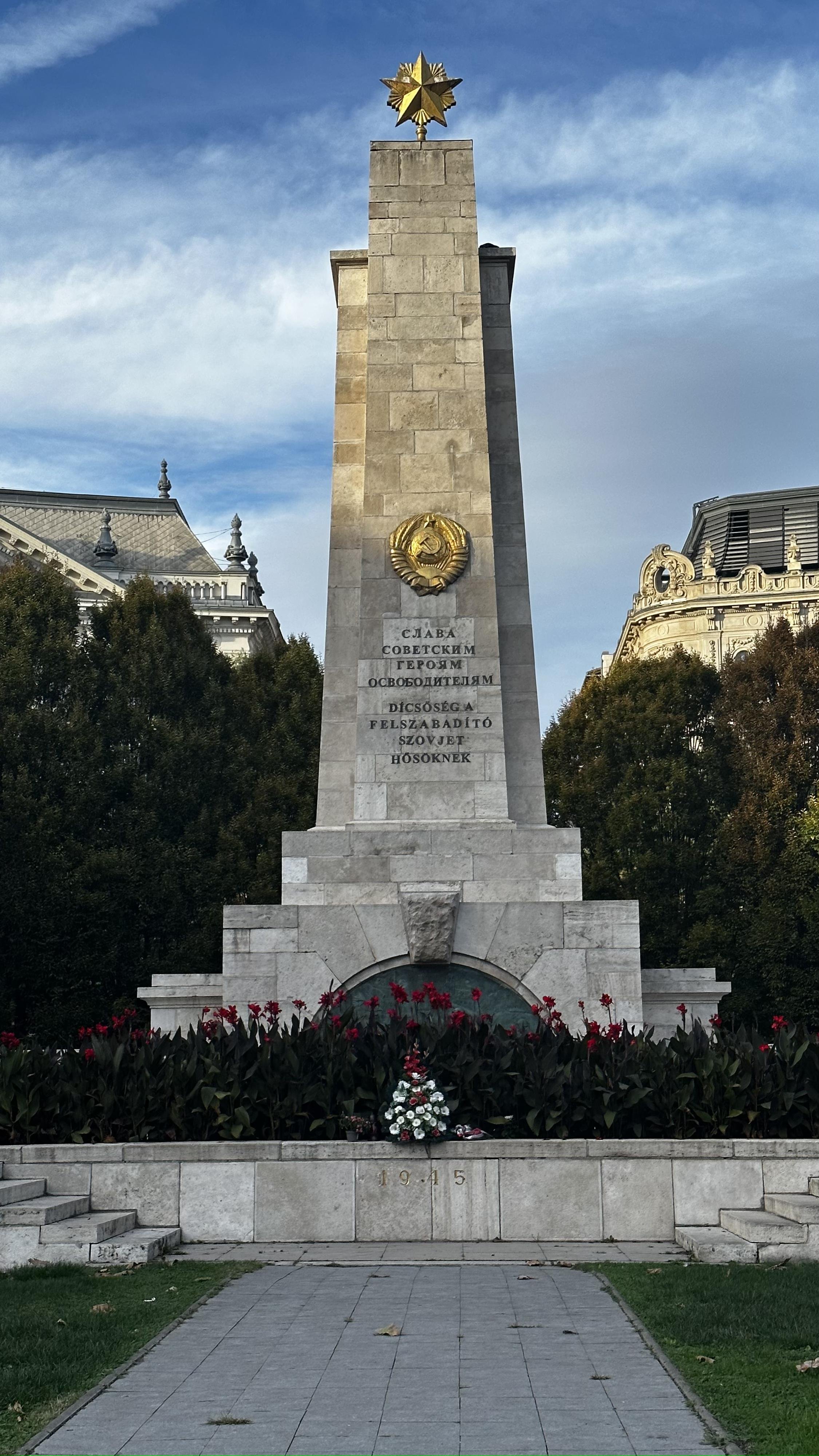
Soviet Monument- we often hear about the clash of political regimes. The manifestation of that clash is represented with a Soviet monument and its location. One of the very few remaining Soviet monuments in Budapest occupies a prominent place in the middle of Freedom Square. The monument honours the soldiers of the Red Army, who died in 1944-1945 during the liberation of Budapest.
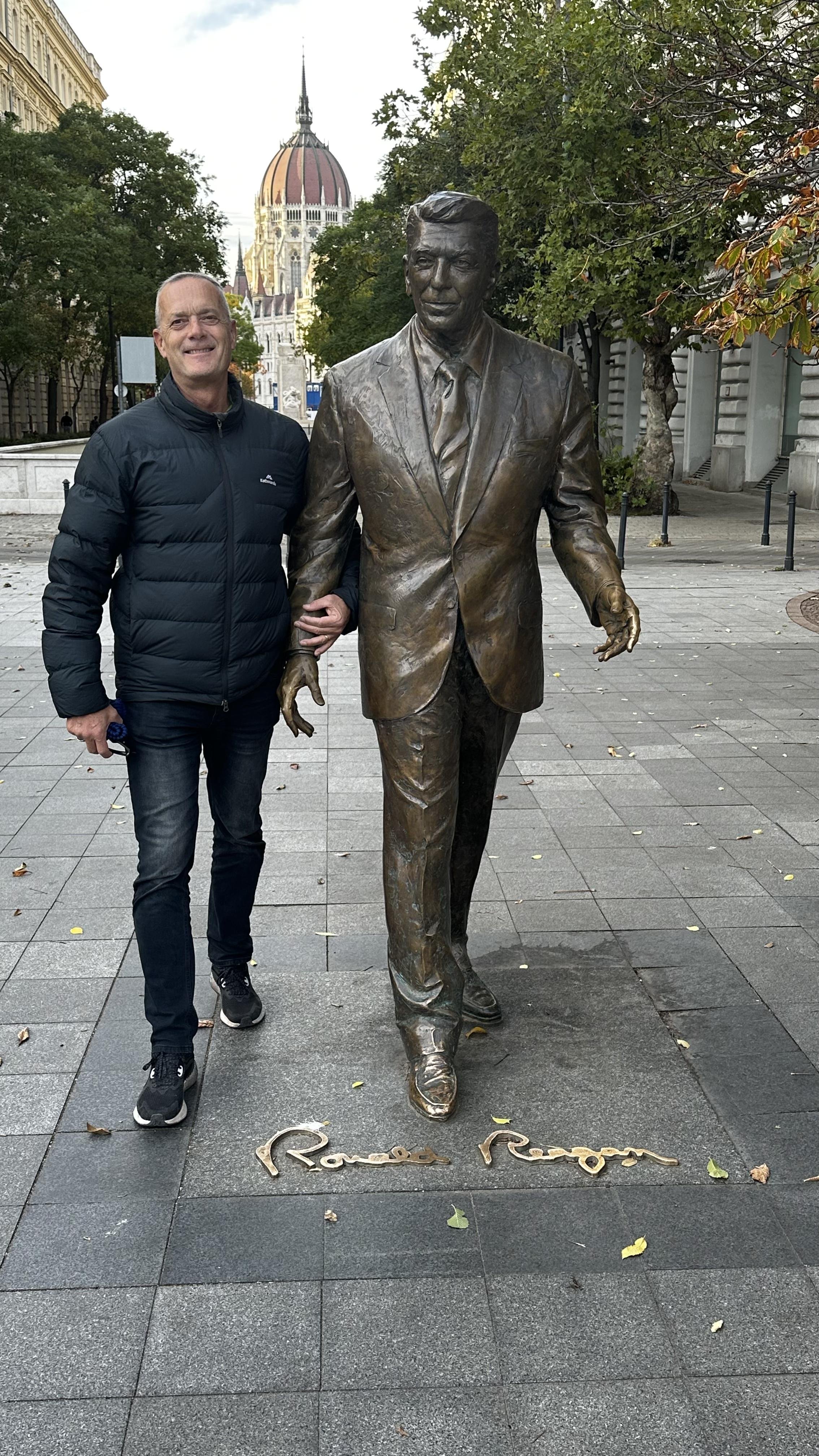
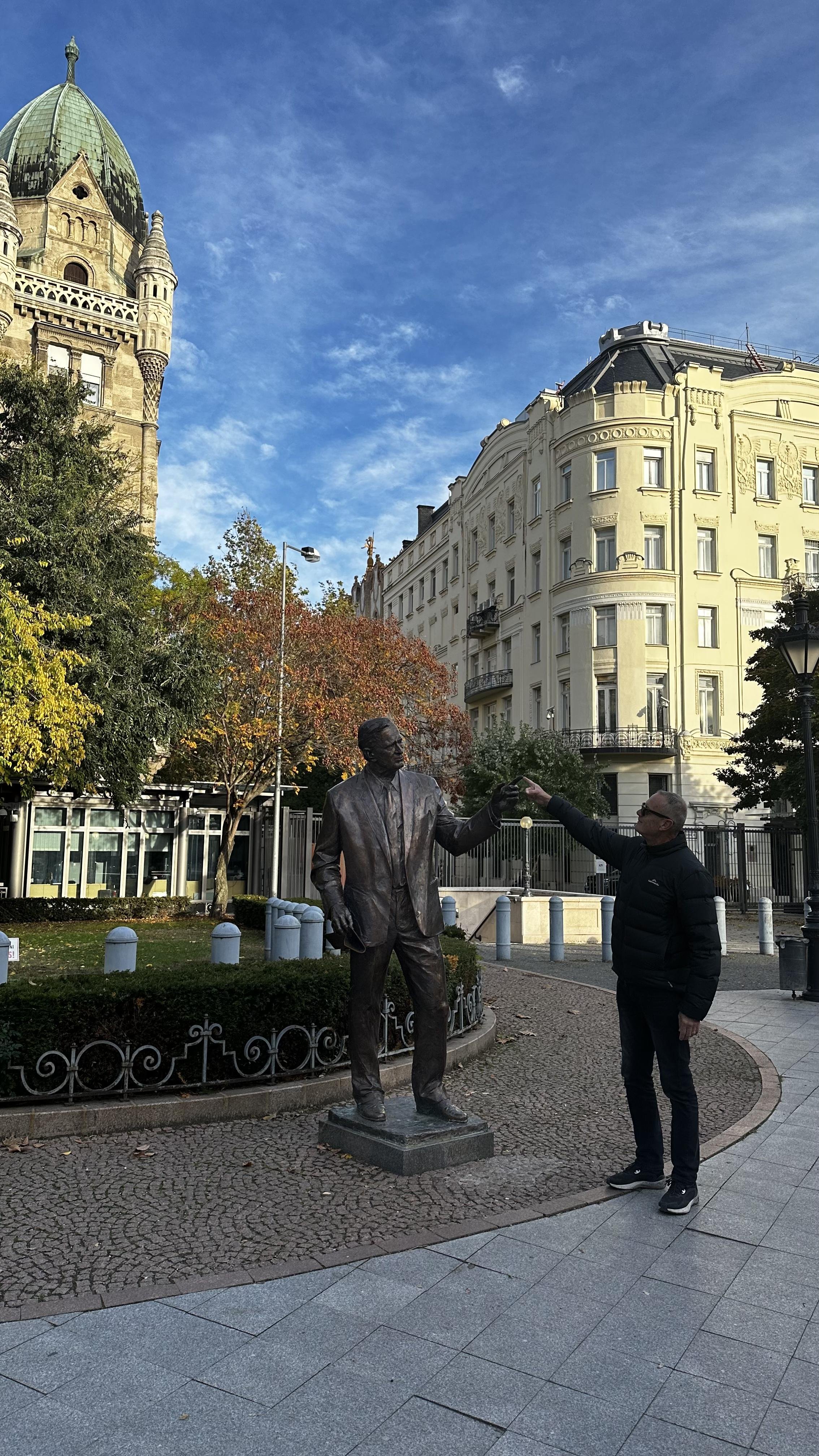
The monument is both an essential representation of the horrors of war, and a controversial subject for many Hungarians. On the one hand, it commemorates the fallen soldiers of the Soviet army, and on the other, it is a symbol of a regime, which sometimes disregarded human rights. Ironically, it is situated in the Freedom square in Budapest, right next to the American embassy. Particularly interesting was the reaction of American officials in the country to this situation. Instead of confronting the issue directly, they undertook other measures. In 2011 they built a statue of American president Ronald Reagan, famous for his hard line against communism, right nearby the monument. And a few years later the statue of the president George Bush. These works of art represent the clash of two political systems and their cultural differences, right in the center of Budapest.
The flag of Hungary has seen several changes over the centuries. The most significant change occurred in 1956, during the Hungarian Revolution, when protesters removed the communist coat of arms from the middle of the flag, leaving a hole which became a symbol of the revolution itself. The flag with a hole is always displayed on the Parliament building between 23/10 to 4/11 to keep the memory of the revolution against Soviets alive.
The Danube, Europe's second-longest river, flows through ten countries, originating in the Black Forest and emptying into the Black Sea. It spans 2,850 km, touching landscapes diverse in culture and history. The river has played a crucial role in trade, transportation, and folklore, contributing to the region's rich heritage. So far we’ve seen its beauty and its abundance by visiting Ðerdap, Belgrade and Budapest two capital cities starting with a letter B. There are two more, guess what they are? Or wait for future blogs as we continue to travel alongside Danube into the winter months.
So, here you go, after a great time in Belgrade, a spontaneous trip to Budapest we are ready to go to the next destination.
Where to?
Hm hm hm, something is planned, the rest will be about the beauty of Europe proximity.
Stay tuned 🎵
BUDAPEST Photo Album











Belgrade - The city of an open heart
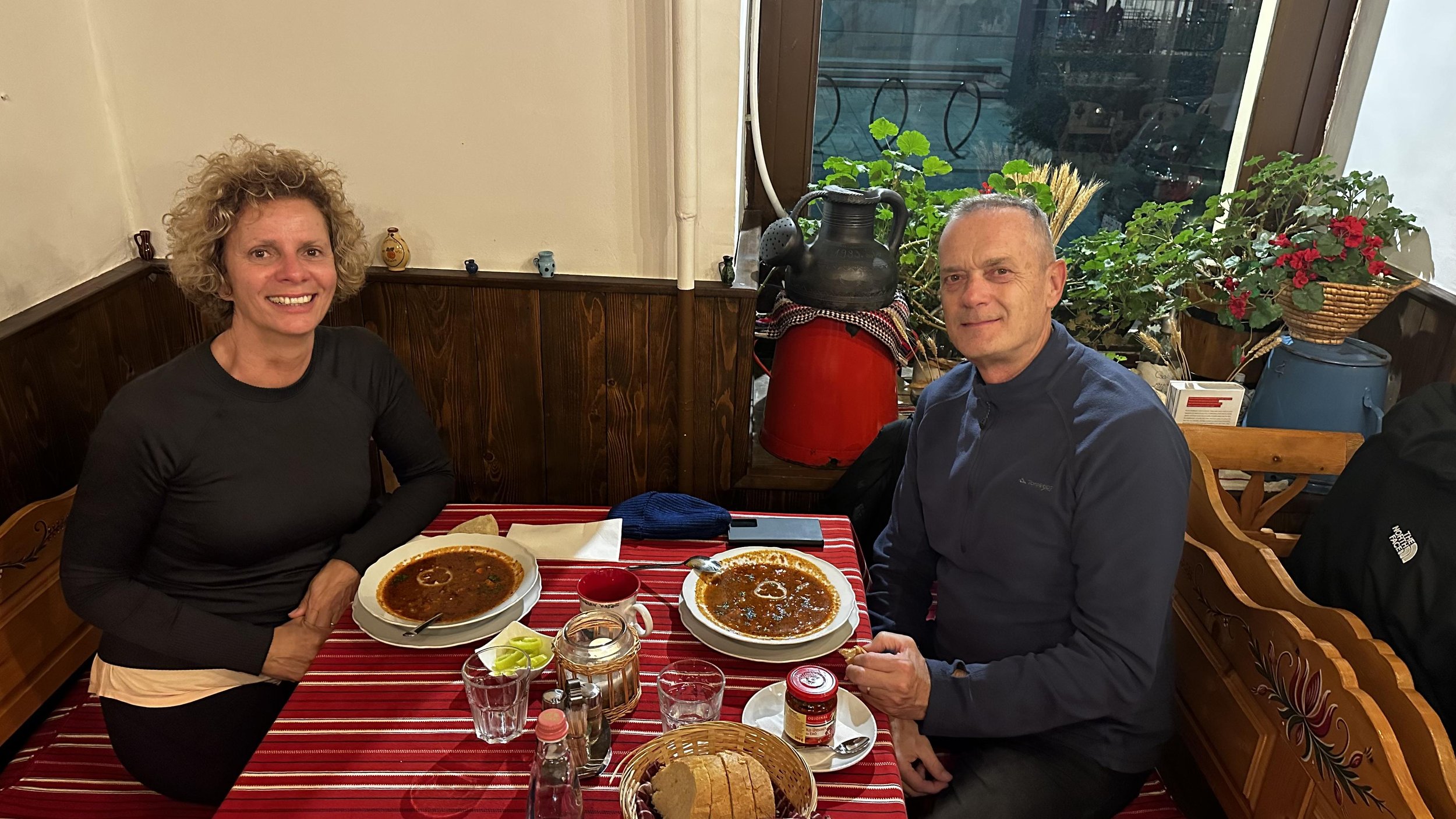
We stayed a few extra weeks in Belgrade, we simply love spending the time in this city. We have close relatives who live here and a number of friends we like to connect with each time we come to this side of the world.
Part 2 of 2
Pinching myself again!
As I type the next blog about Belgrade city, I am watching the news about Iceland’s volcanic activity and the imminent threat of eruption.
It’s been so surreal and upsetting to hear that the town of Grindavik has been evacuated and is awaiting its destiny in suspense. Only a few weeks ago we walked the streets of this coastal township and enjoyed the hospitality of its residents.
We left Morocco and they had a terrible earthquake, and now as we left Iceland the country declared the state of emergency. You have to wonder what’s going on?!
During our stay we have learnt that Icelandic Meteorological Office has the best equipment, data and expertise on hand. The people of Iceland are in safe hands, as best as they can be, when the Mother Nature takes charge. We hope the residents of Grindavik will be able to return to their homes soon.🤞.
As I reflect on both events, I’d like to mention that we feel immensely proud to have been able to donate a good amount of funds for the people of Morocco. A few of us from the group joined forces and our tour guide has now received the money, and has been using it to directly help families impacted by the quakes. This week, 6 families were helped with goods, food, and even were able to be given some sheep to replace livestock that had been lost. Here is a photo of one of the residents in the Atlas Mountains who received our help, and who has passed his thanks to us 🙏.


Belgrade - The city of an open heart
We stayed a few extra weeks in Belgrade, we simply love spending the time in this city. We have close relatives who live here and a number of friends we like to connect with each time we come to this side of the world.
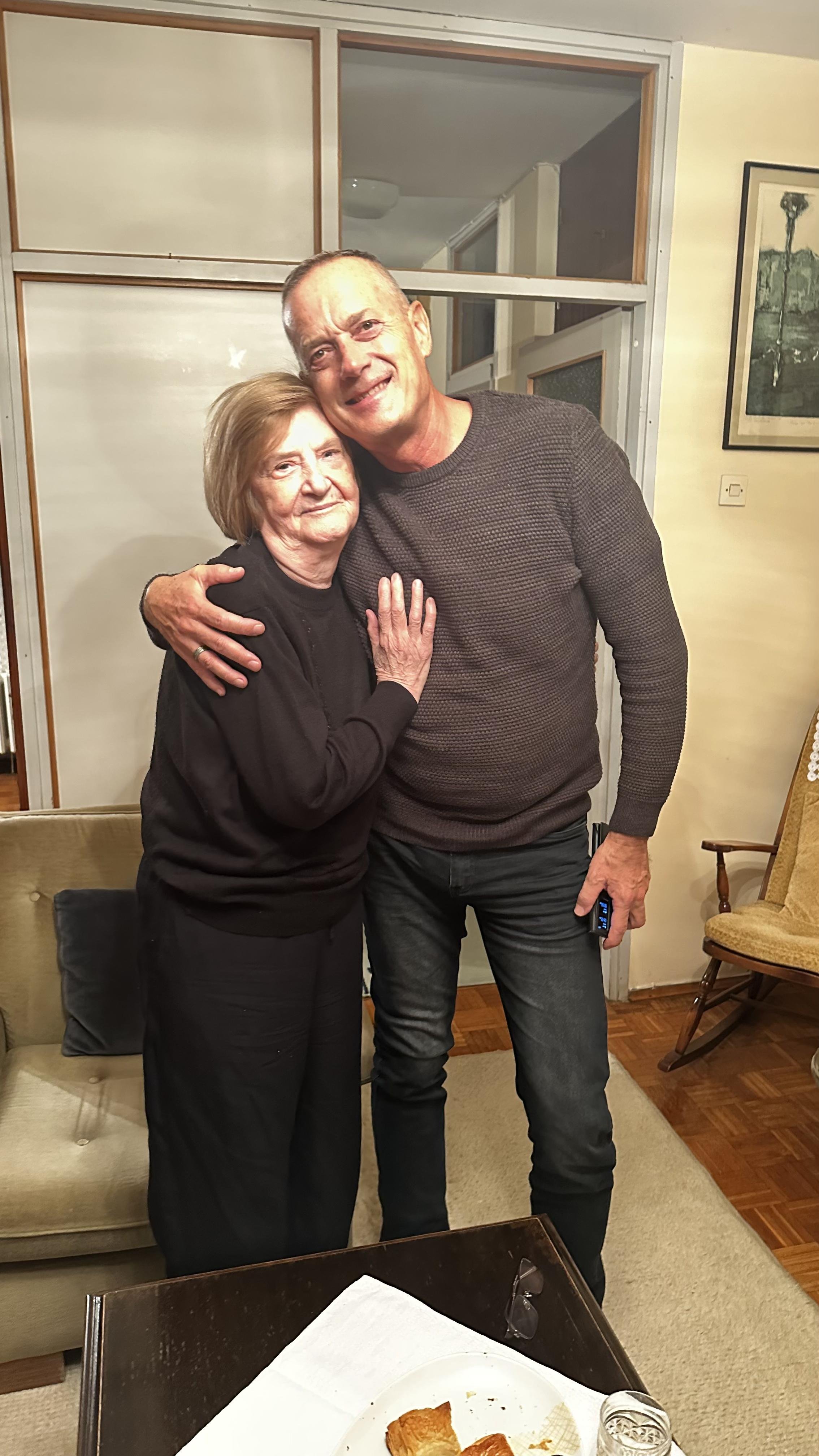
And we love being spoiled by all of them, and in particular our amazing family.
As a young girl I loved coming to Serbia to visit our family. My cousin Miloš always looked after me, and although Miloš is a couple of years older than me, I am actually his aunty! That crazy family relationship can only exist in our family! The love and respect we hold for one another and our families is as strong as it’s ever been. Our children are now great friends and they enjoy spending the time together. Seeing them chatting along fills my heart with utmost joy, it’s so so cool to watch the next generation building strong friendships. Having the family around us is the one thing we miss the most since we’ve been living in NZ.
It is fair to say Miloš and his wife Zorica went over and above anything you can think off to ensure we together create many amazing memories during our stay in Belgrade.
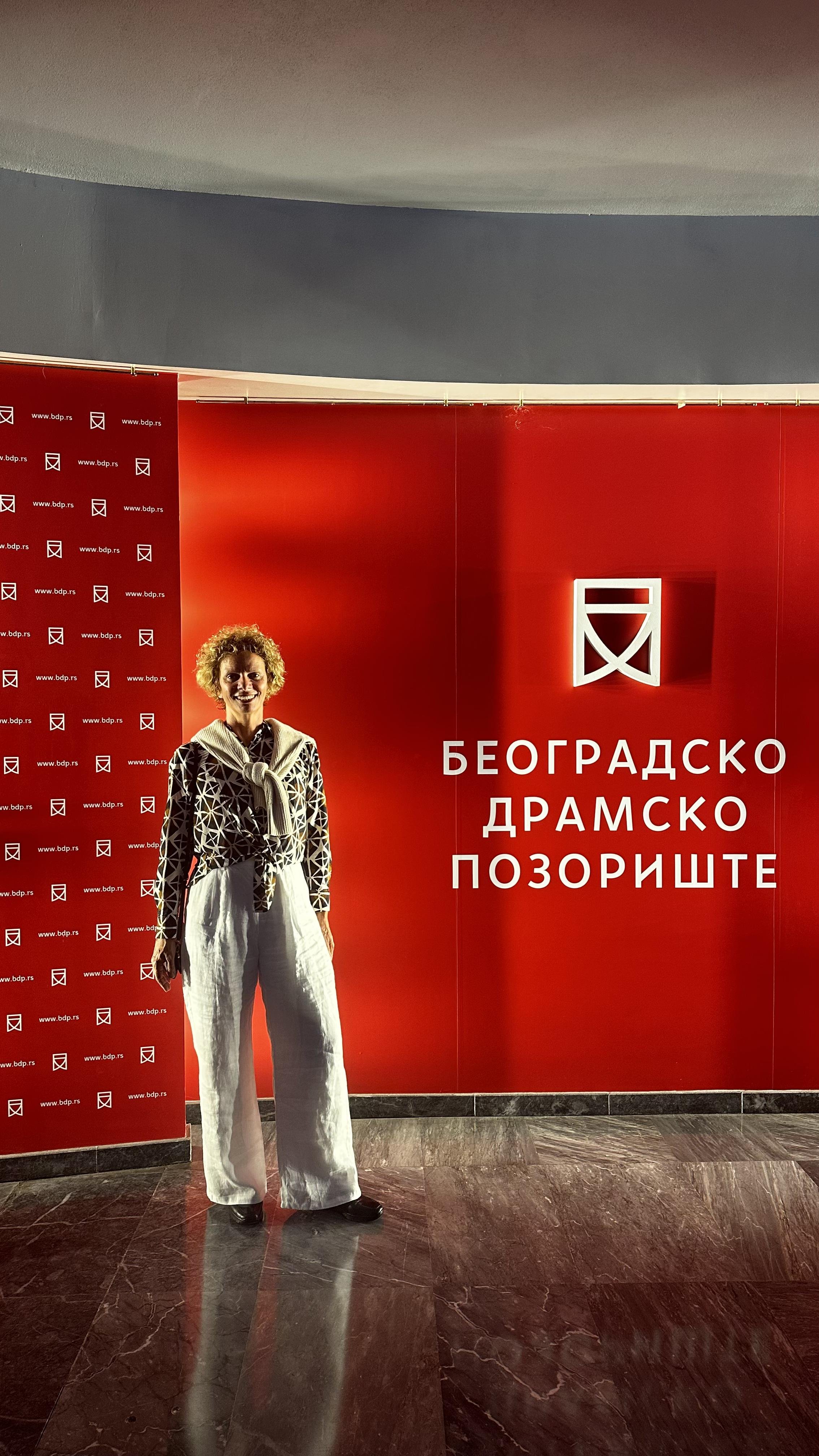
They organised “Pozorištijada” - a self coned term that means we have been to so many theatre performances we could squeeze in. Each and every one was so unique, and the acting second to none! We have many talented actors and producers, so much to be proud of, but I have to say Miloš Bikoviċ and Branka Katiċ stand out big time! Yes, I admit, Mr Bikoviċ is very handsome too! 😉
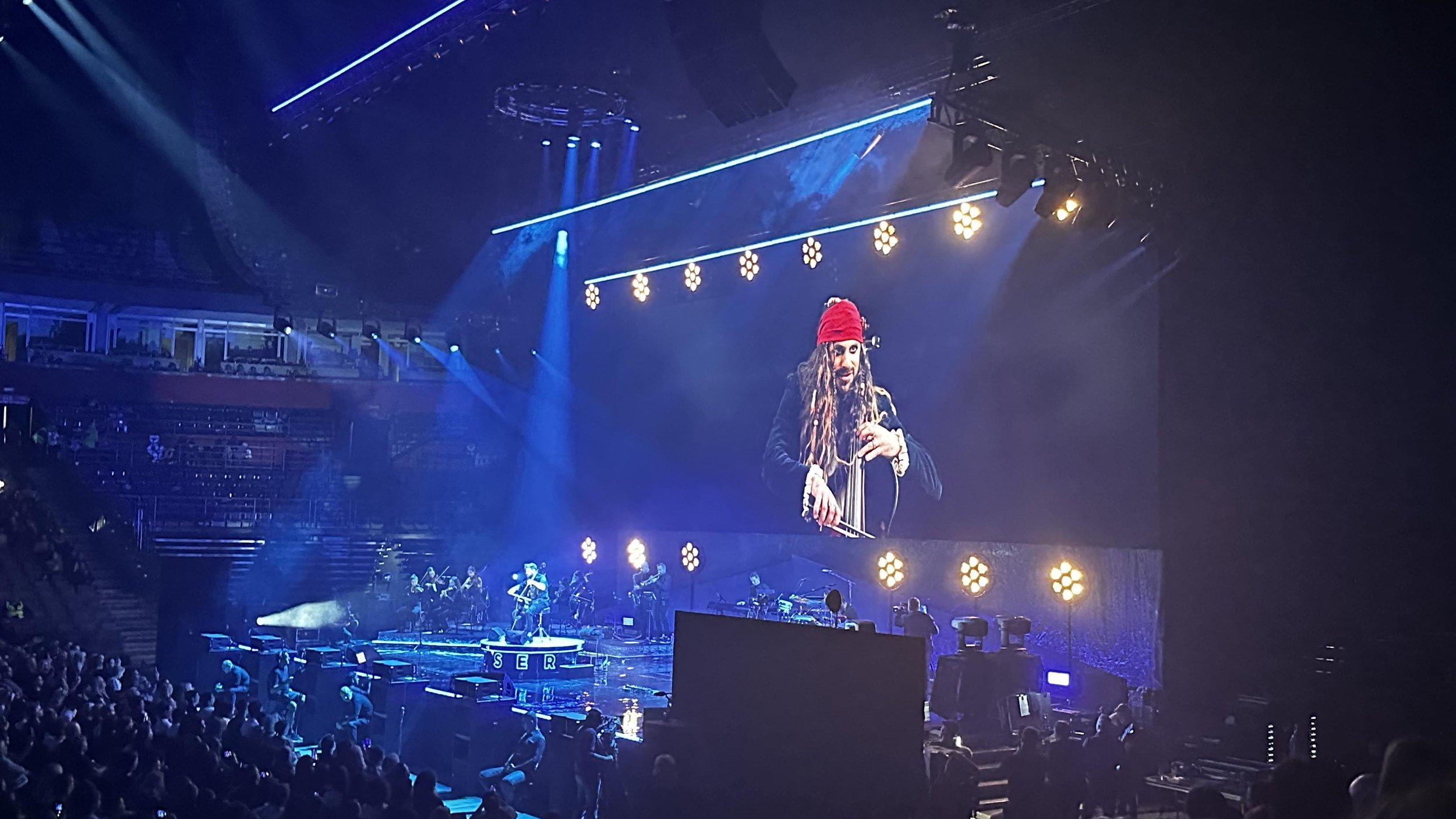
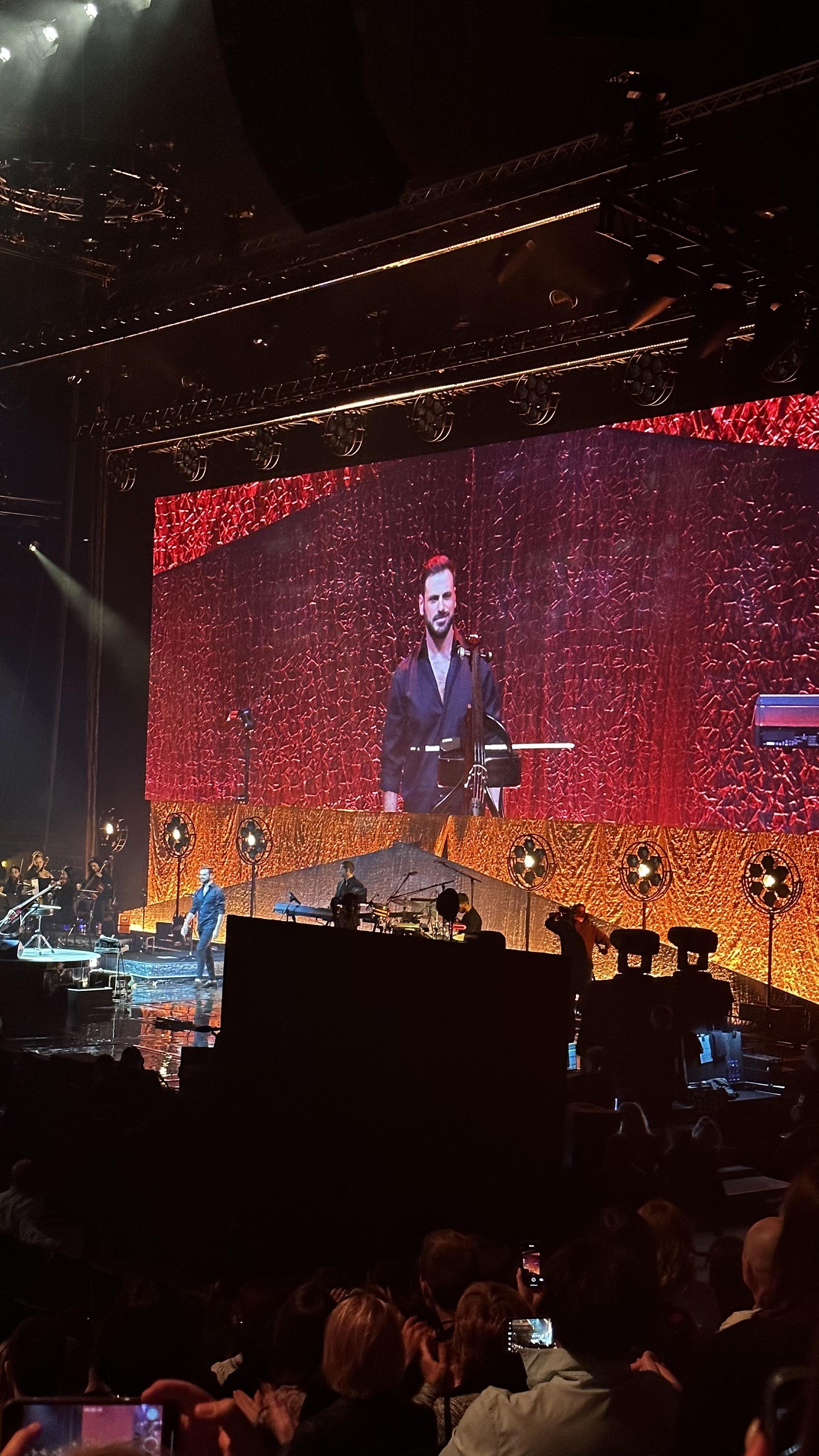
Croatian, “Rebel with a cello“ ( Hauser ) concert at the Stark Arena was AMAZING! His passion to show the world the versatility of the cello was incredible to watch. And then he invited the famous tennis player Ðokoviċ (who happened to be a spectator) to jump on the stage and play a saxophone with him, what a treat!
For all our Kiwi friends Hauser is coming to NZ in April 2024, get the tickets now, you won’t regret it!
Apart from the incredible cultural life we were also indulging ourselves in the best cuisine ever!
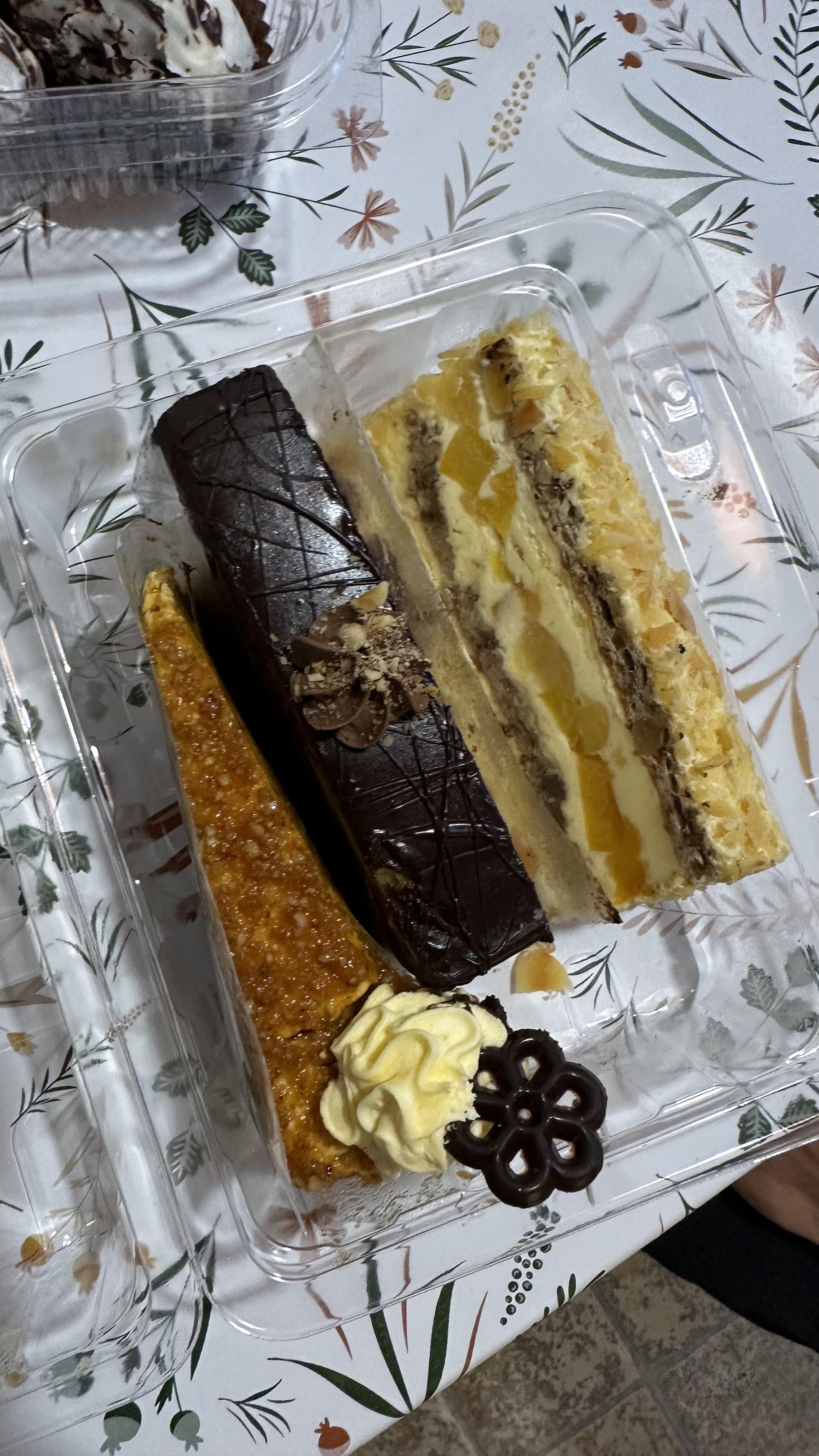
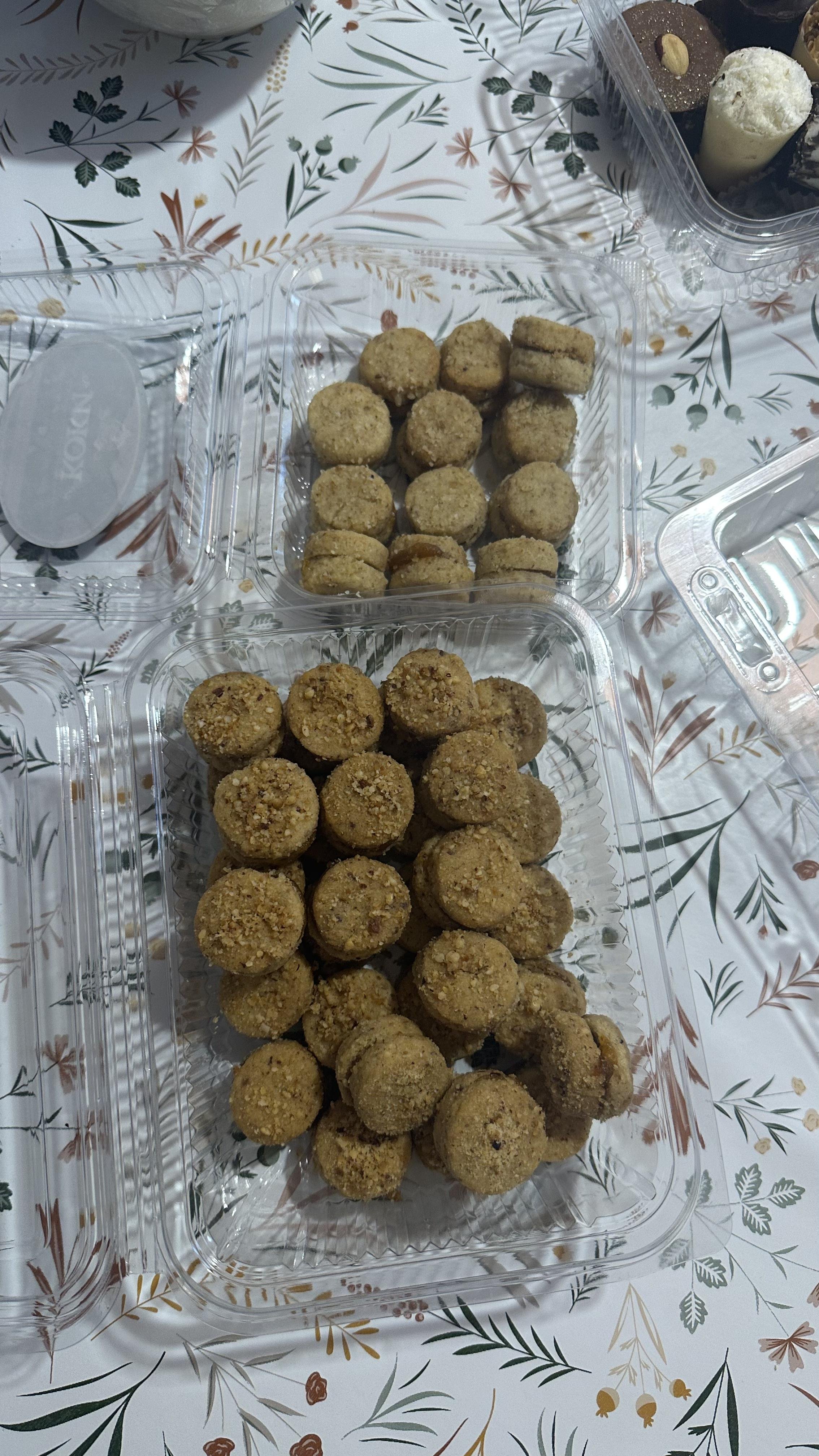
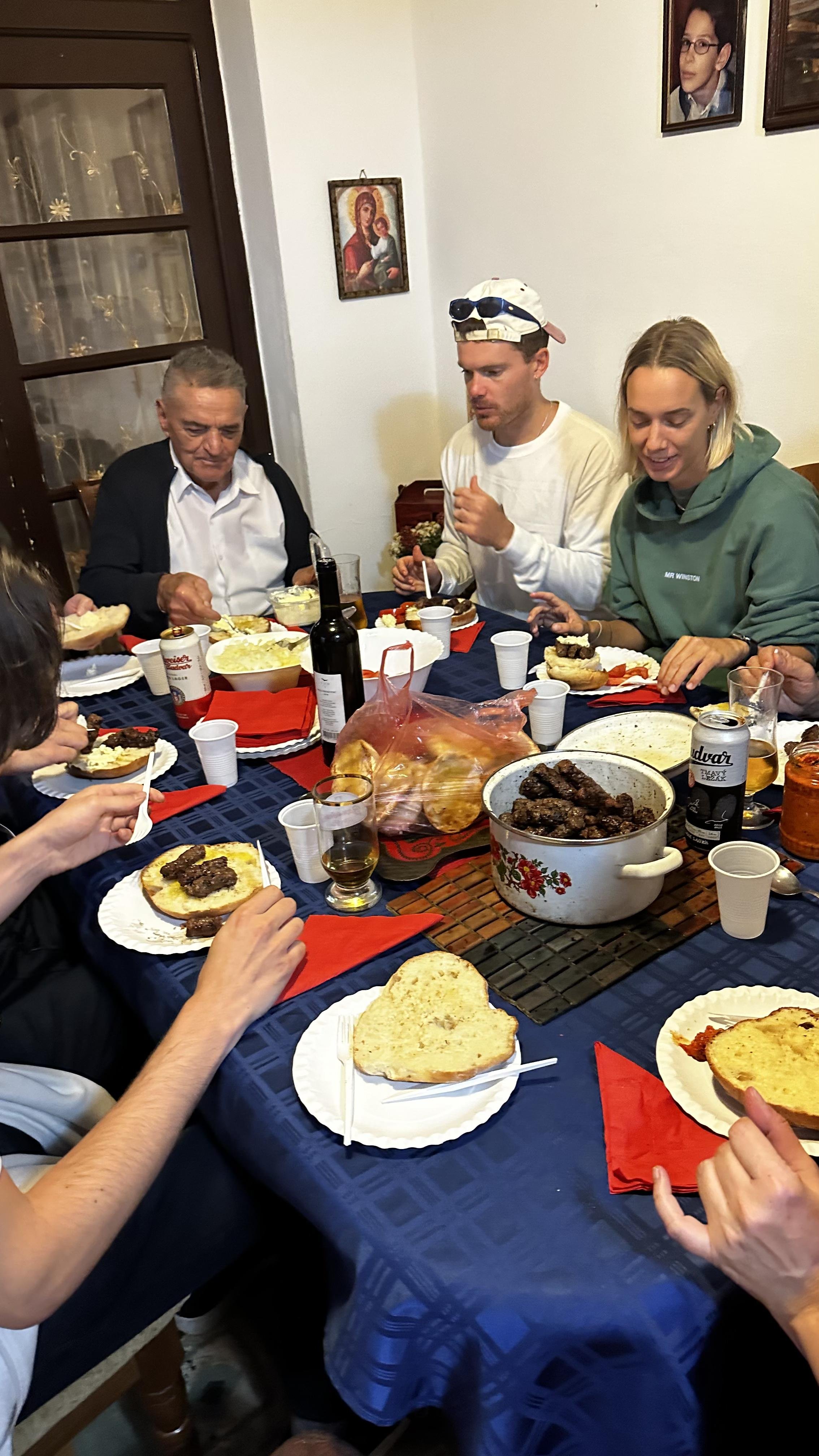
Yes, you must be a meat lover to enjoy the food in Serbia and you must allow them to keep offering you more and more food despite you being full! That’s the tradition here, and then you’ll leave a place with hands full of more food! You will never feel hungry in this country!
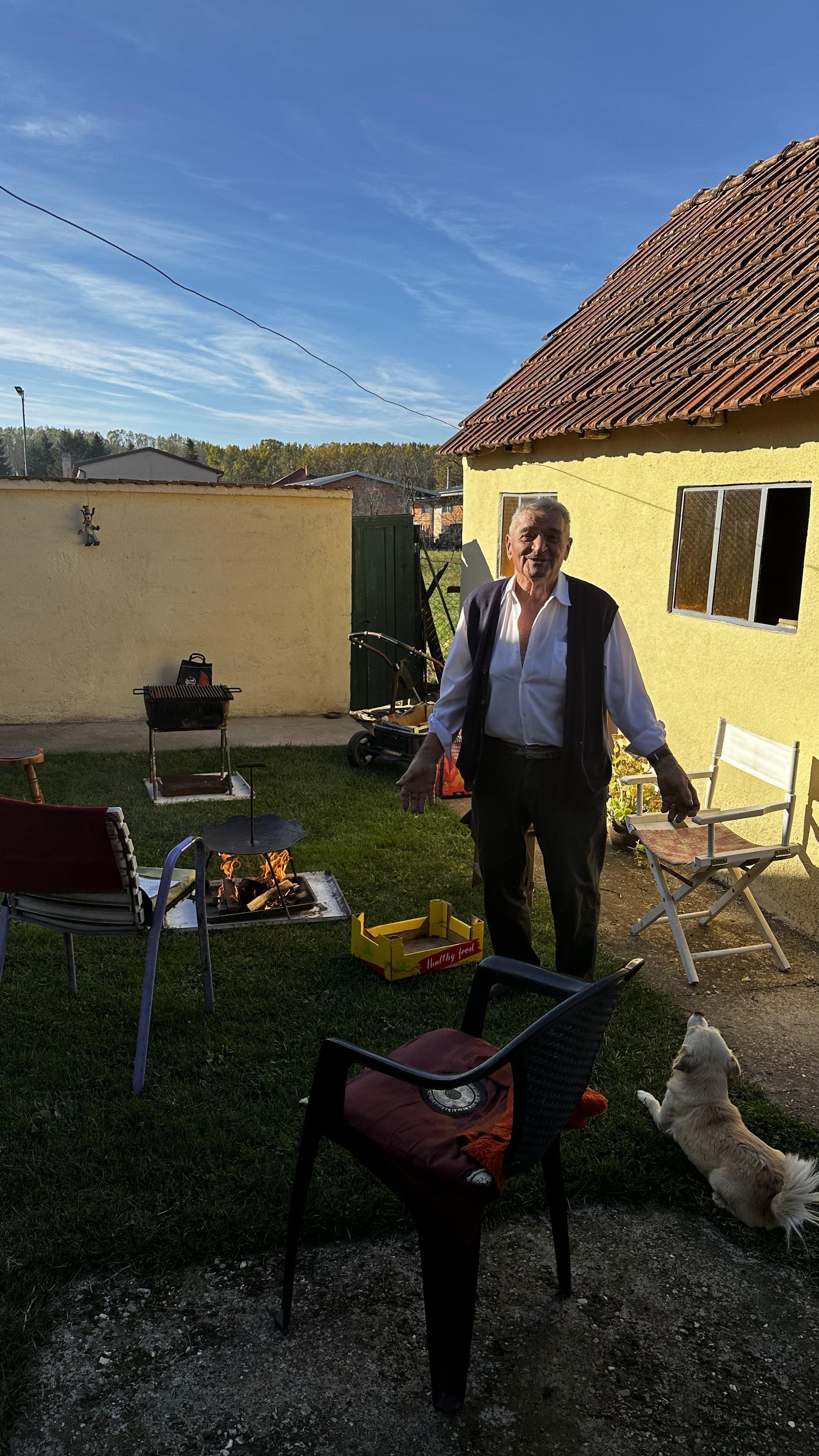
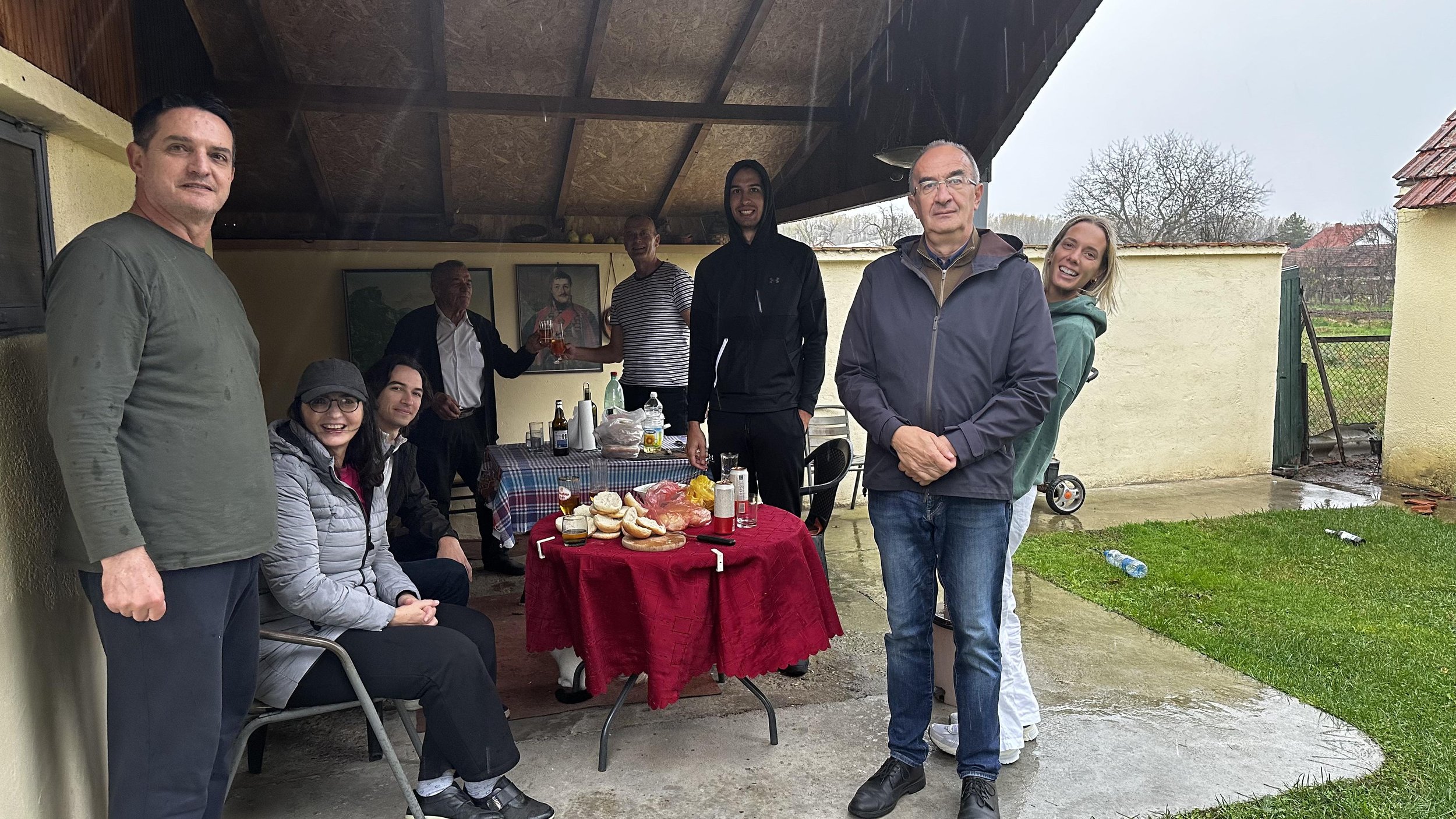
Our family have a family home in a small village called Klenak, an hour drive from Belgrade towards Šabac. Getting to Šabac meant I could visit my father’s grave, something I always do when I get to Europe. And I do the same for my mother each time I visit Split. It’s a special moment and one I treasure till I come back again the next time.
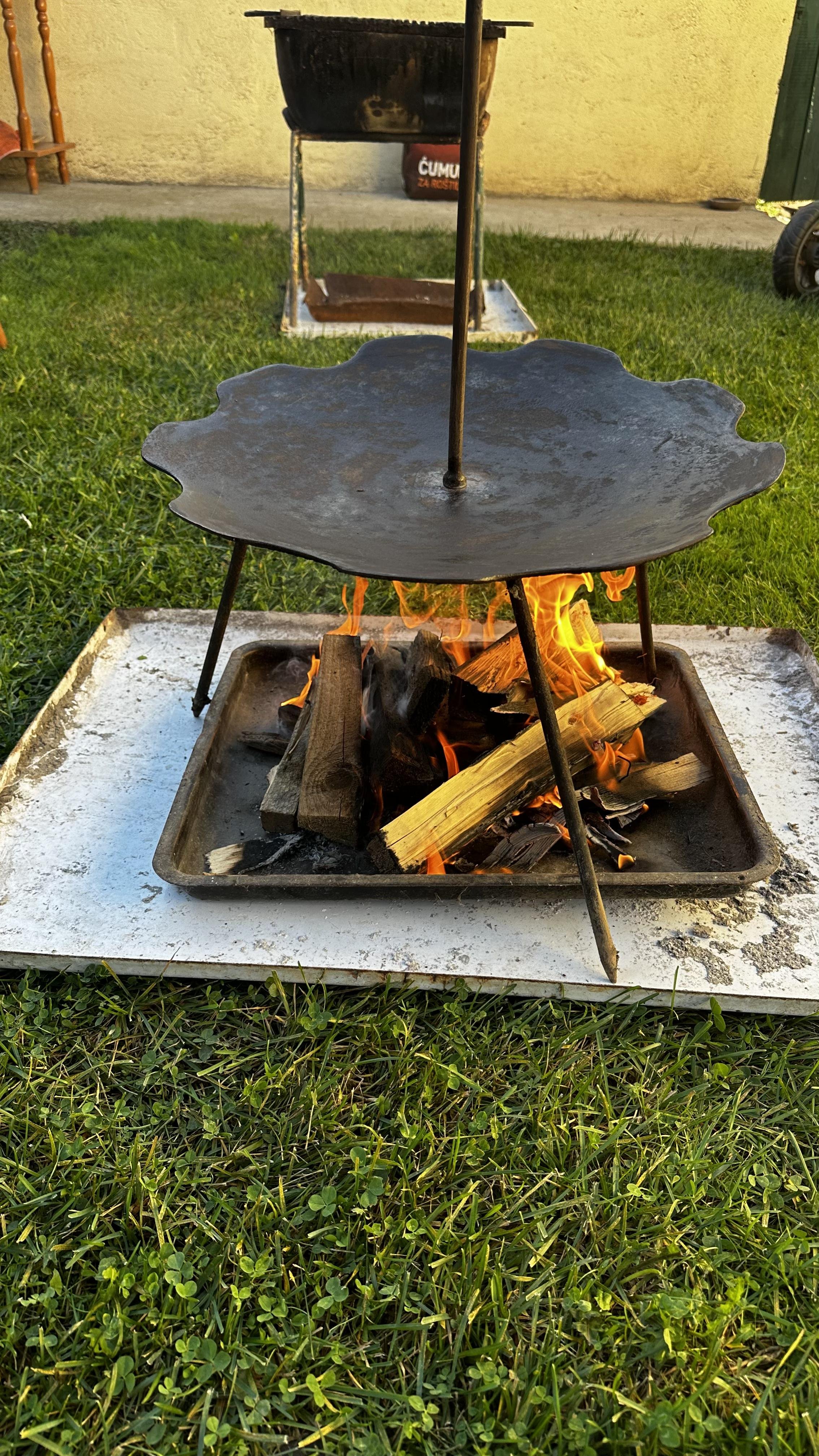
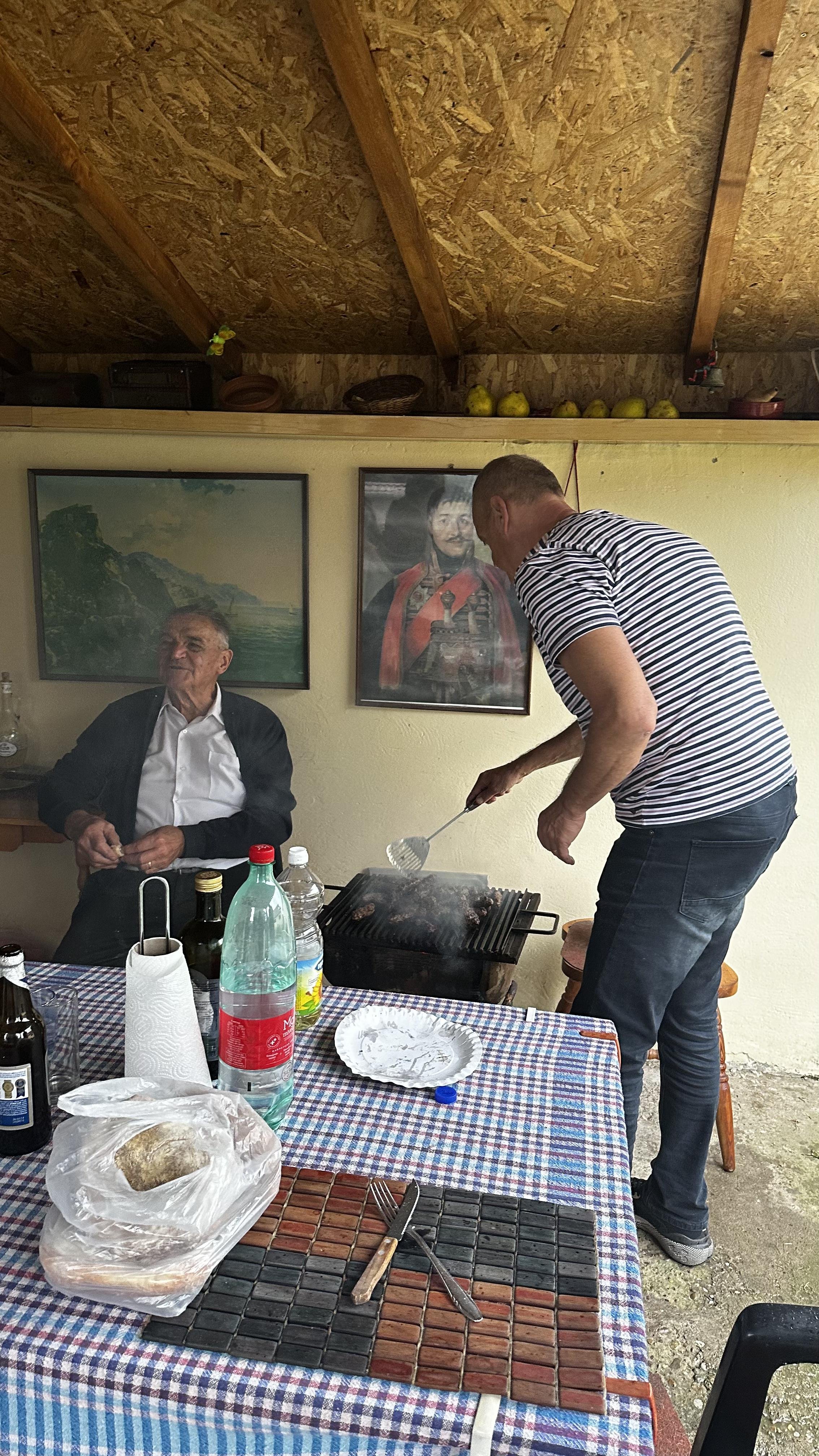
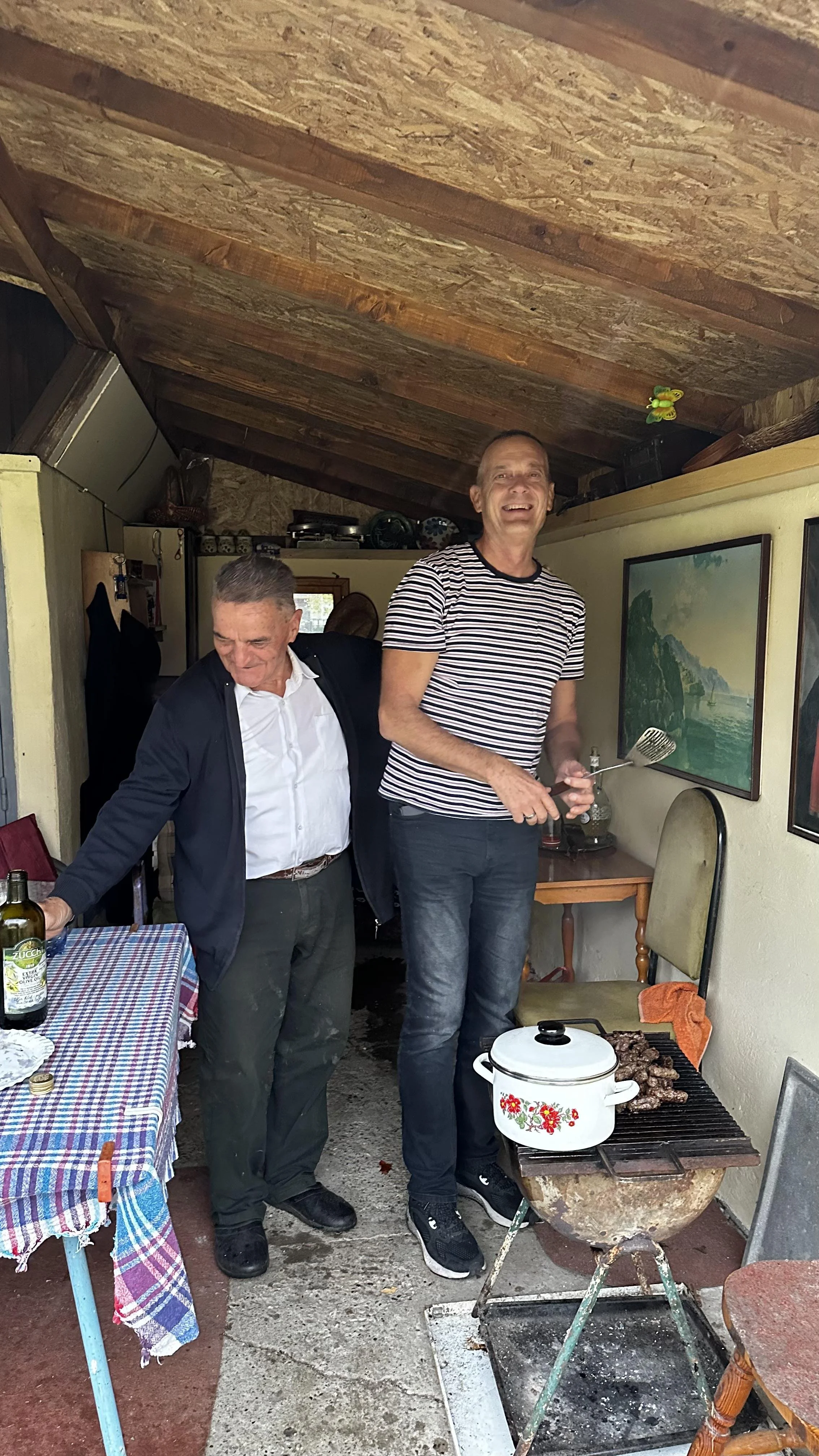
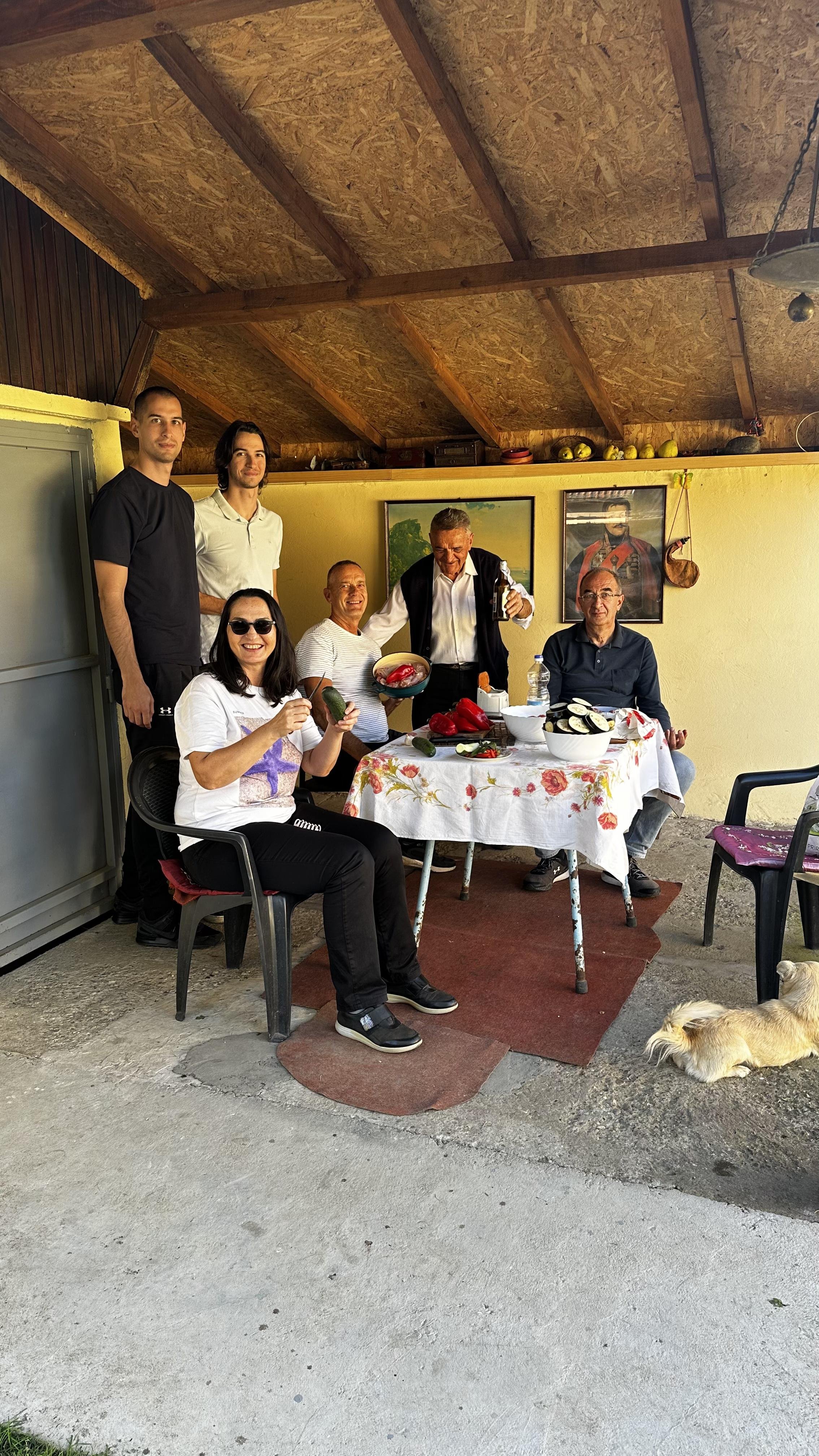
Going to Klenak was so much fun, and cooking BBQ on the old fashioned wood fire BBQ meant the food was ten fold more yummy! And then the home made produce, veggies, and deserts that you can’t resist!
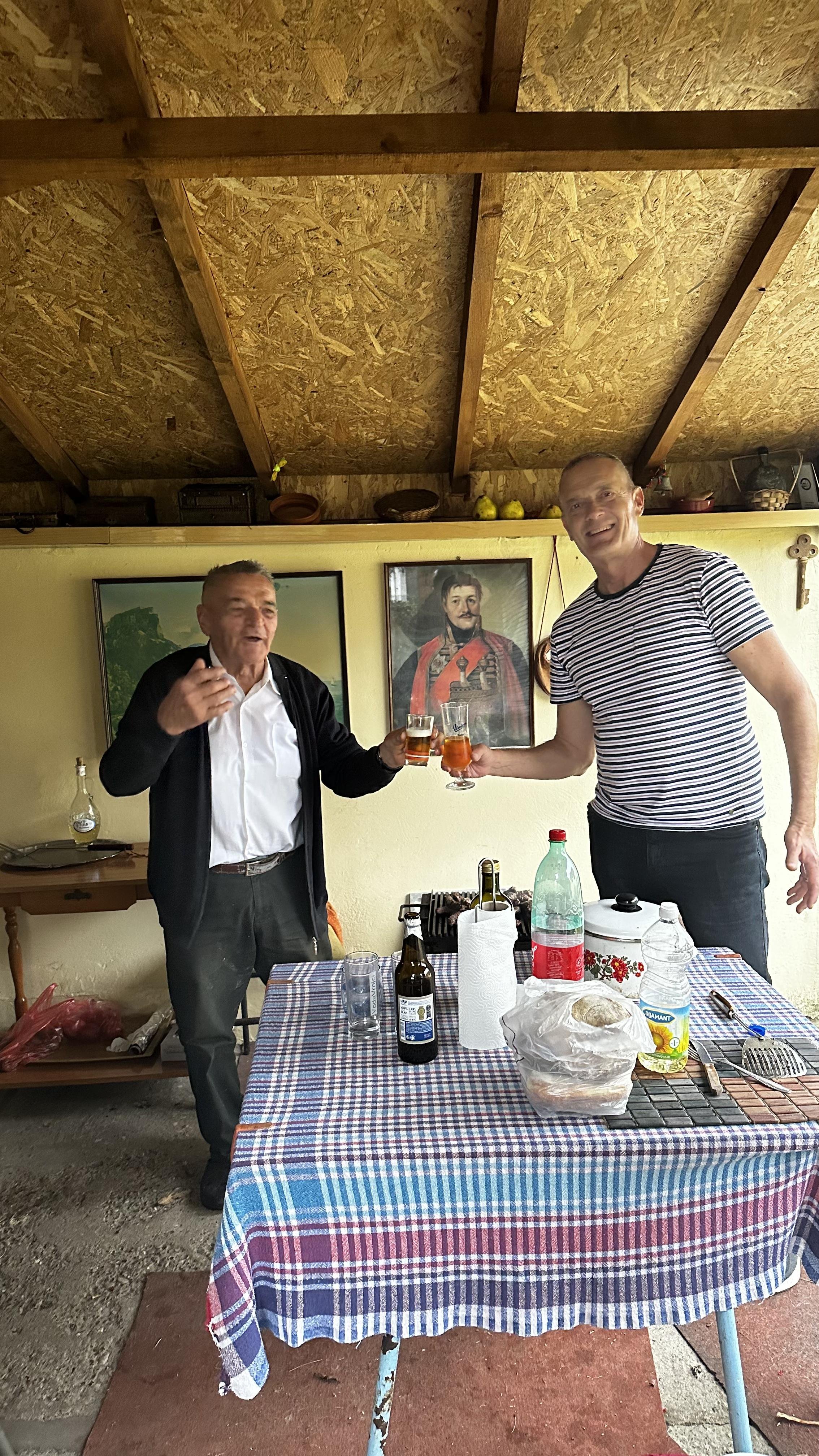
Thank you grandpa Pajo for all your love, hospitality, culinary excellence, rakija ( grappa) and laughter!
It would not be right to tell you about the culinarily wonders and cultural shows without telling you a little bit about the city of Belgrade!
Belgrade is the capital of Serbia. The history of Belgrade dates back to at least 5700 BC. One of the largest prehistoric cultures of Europe, the Vinča culture, evolved from the Belgrade area in the 6th millennium BC.
Belgrade is one of the oldest continuously inhabited cities in Europe and the World.
As a strategic location, the city was battled over in 115 wars and razed to the ground 44 times, including after the recent NATO bombing in 1999. Yes, that unnecessary tragedy happened too!
Belgrade was the capital of Yugoslavia (in various forms of governments) from its creation in 1918, to its final dissolution in 2006.
If Belgrade is famous for just one thing among the travel community, I’d say the Serbian capital city is probably best known for its partying and club scene, on riverboats known as splavovi.
But, I’m glad to say there are plenty of reasons why Belgrade is worth visiting.
Remarkable architecture
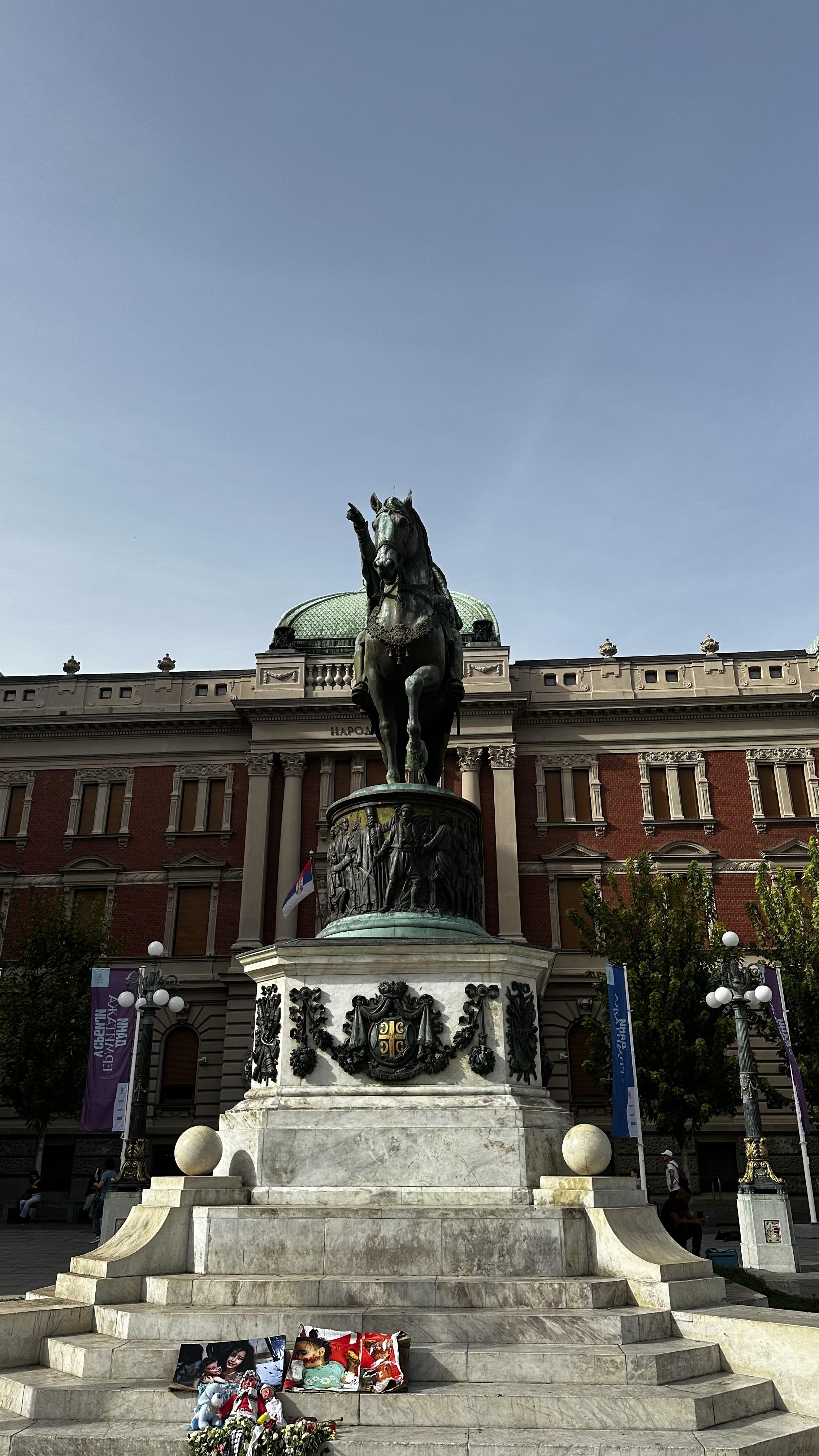
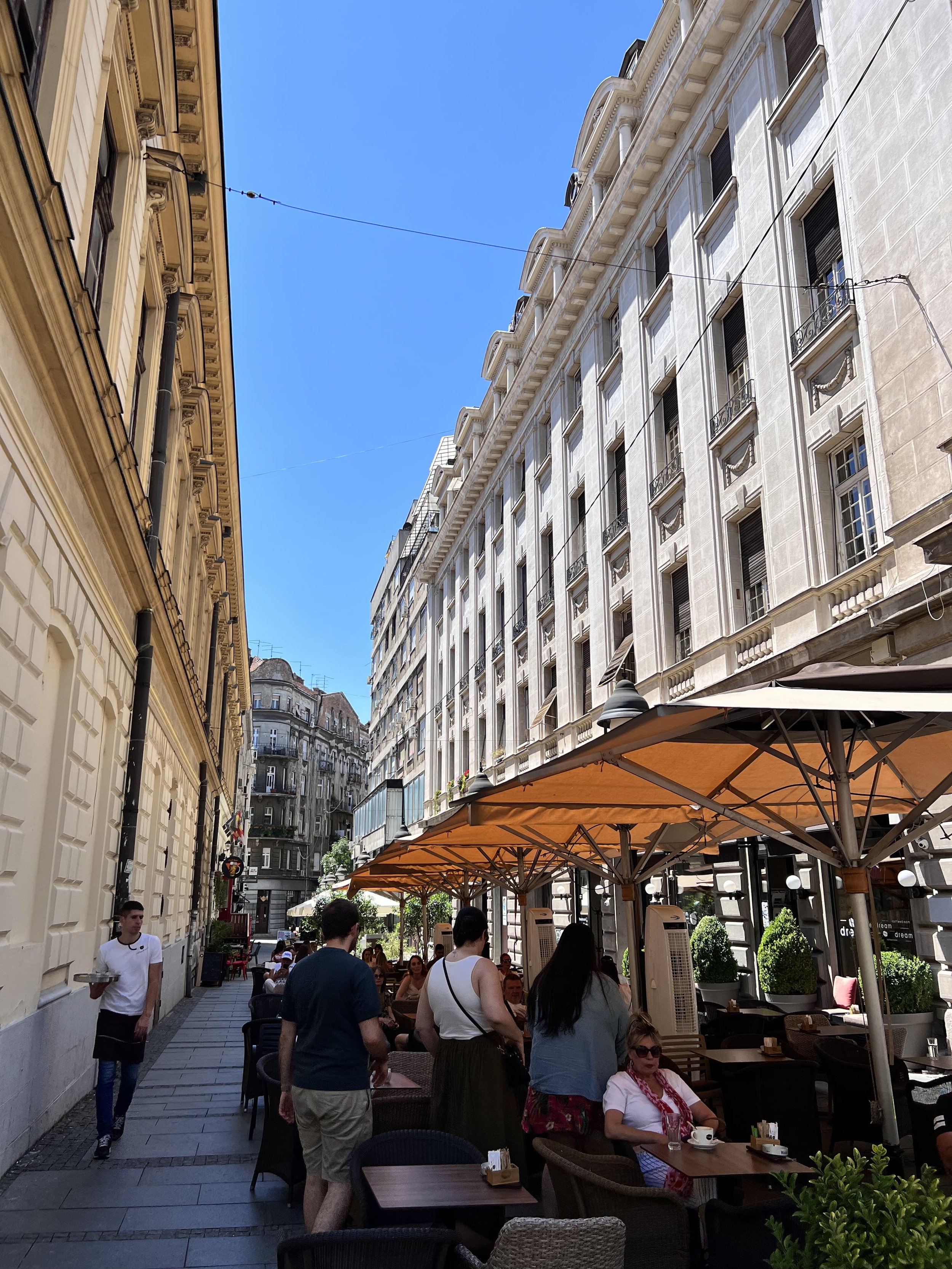
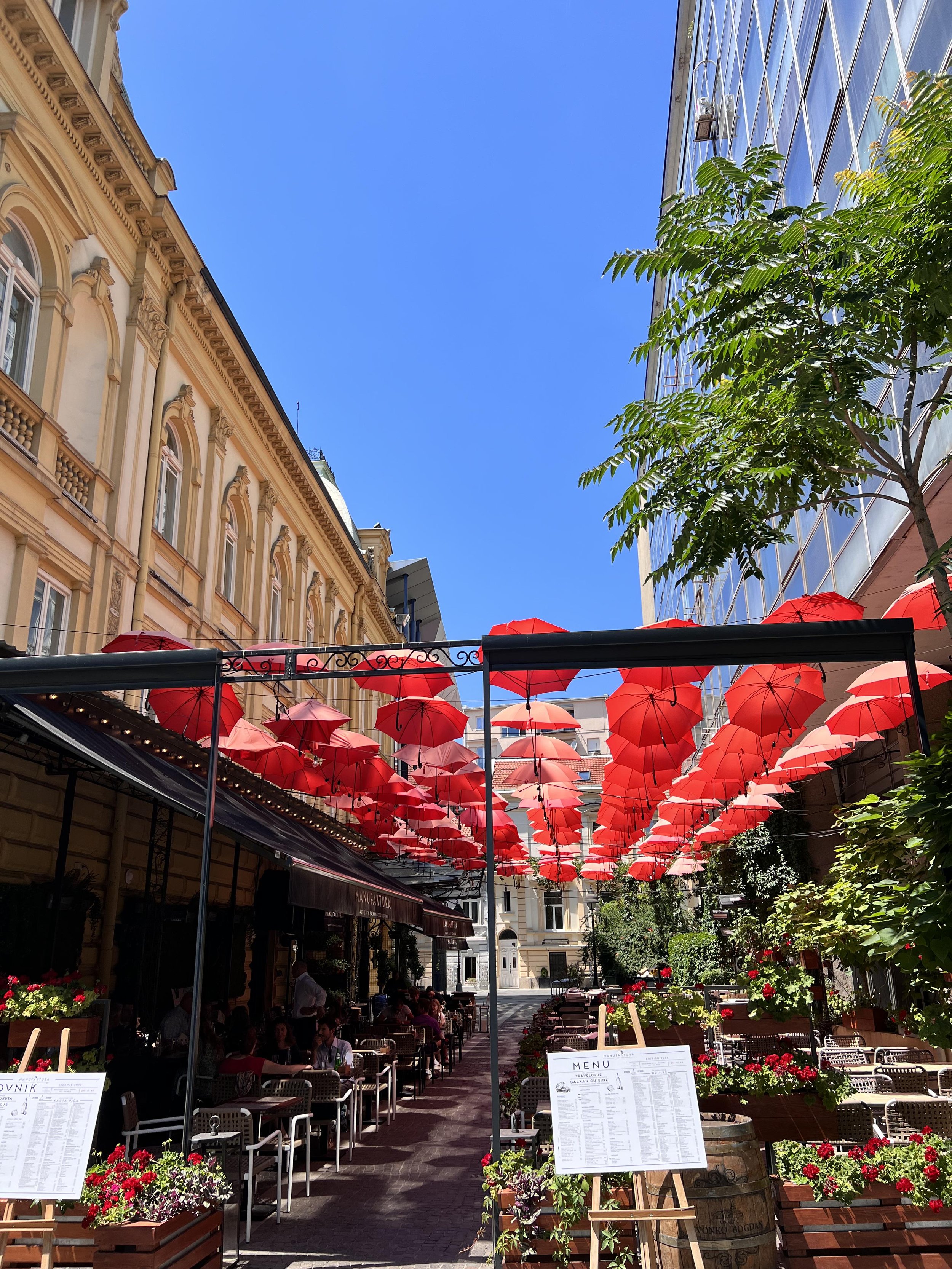
Perhaps the greatest example of this variety is the Kneza Mihaila pedestrian street through the heart of the city. Along it and neighbouring Republic Square you’ll find art deco, baroque and art nouveau architecture.
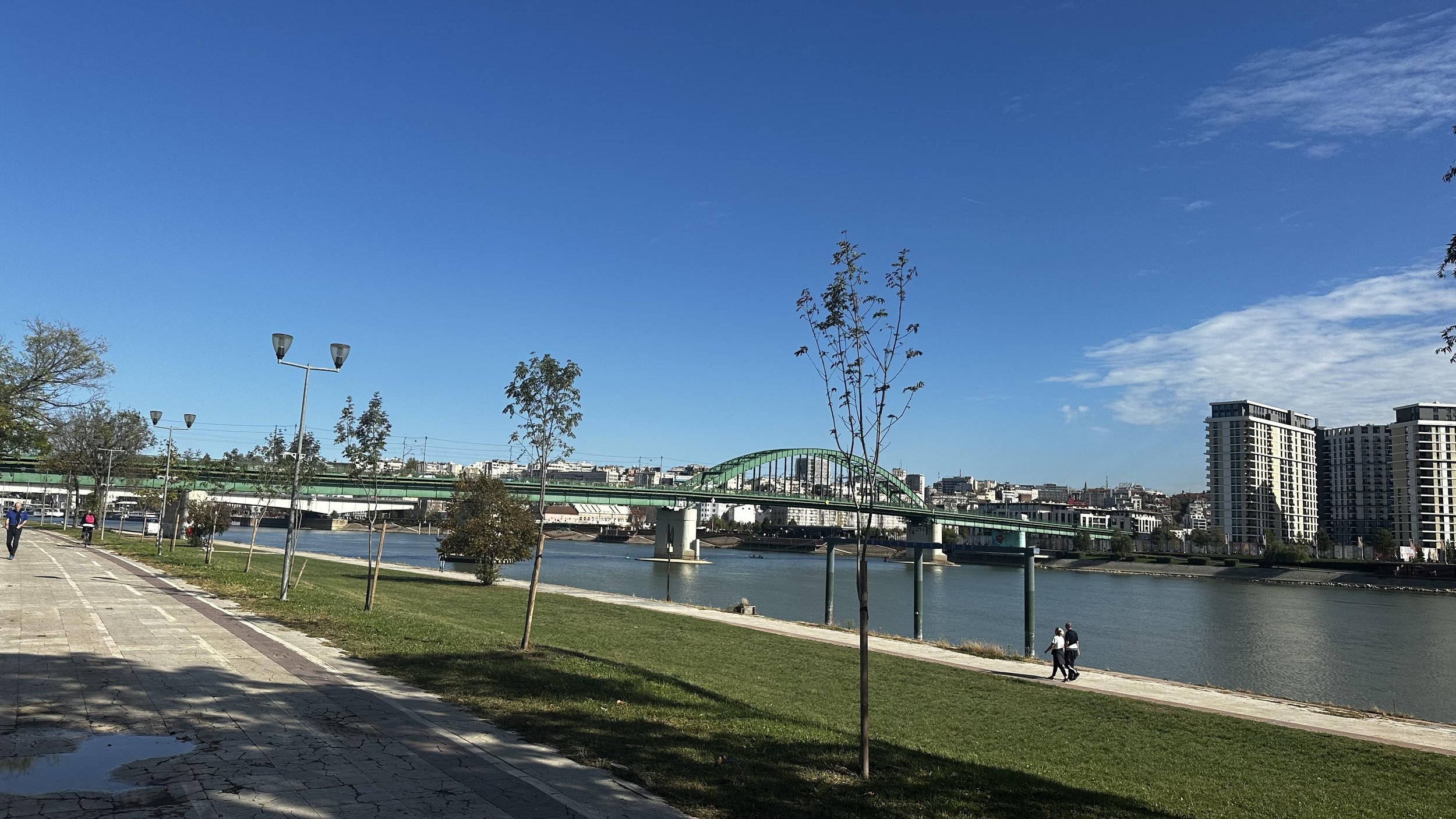
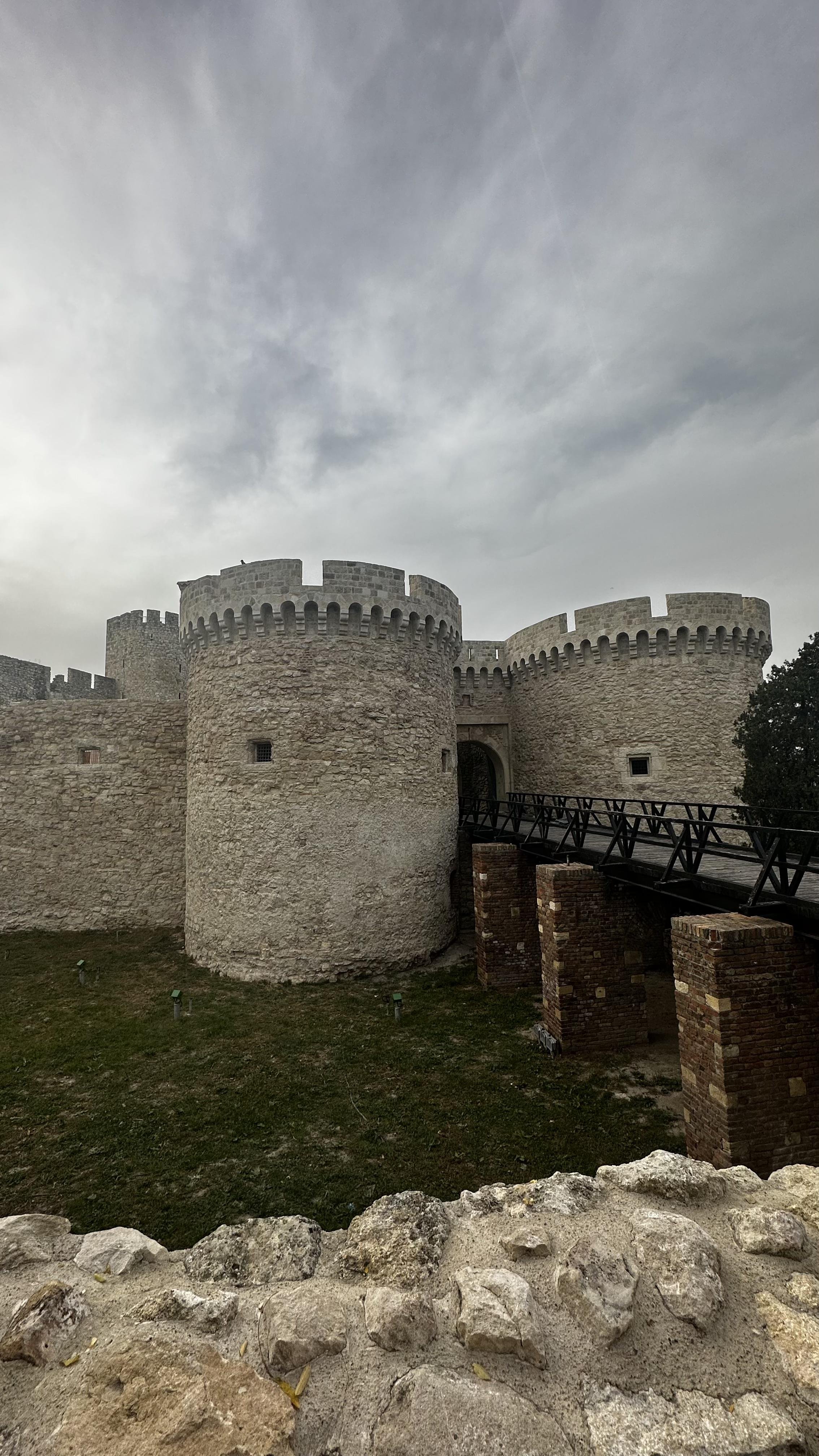
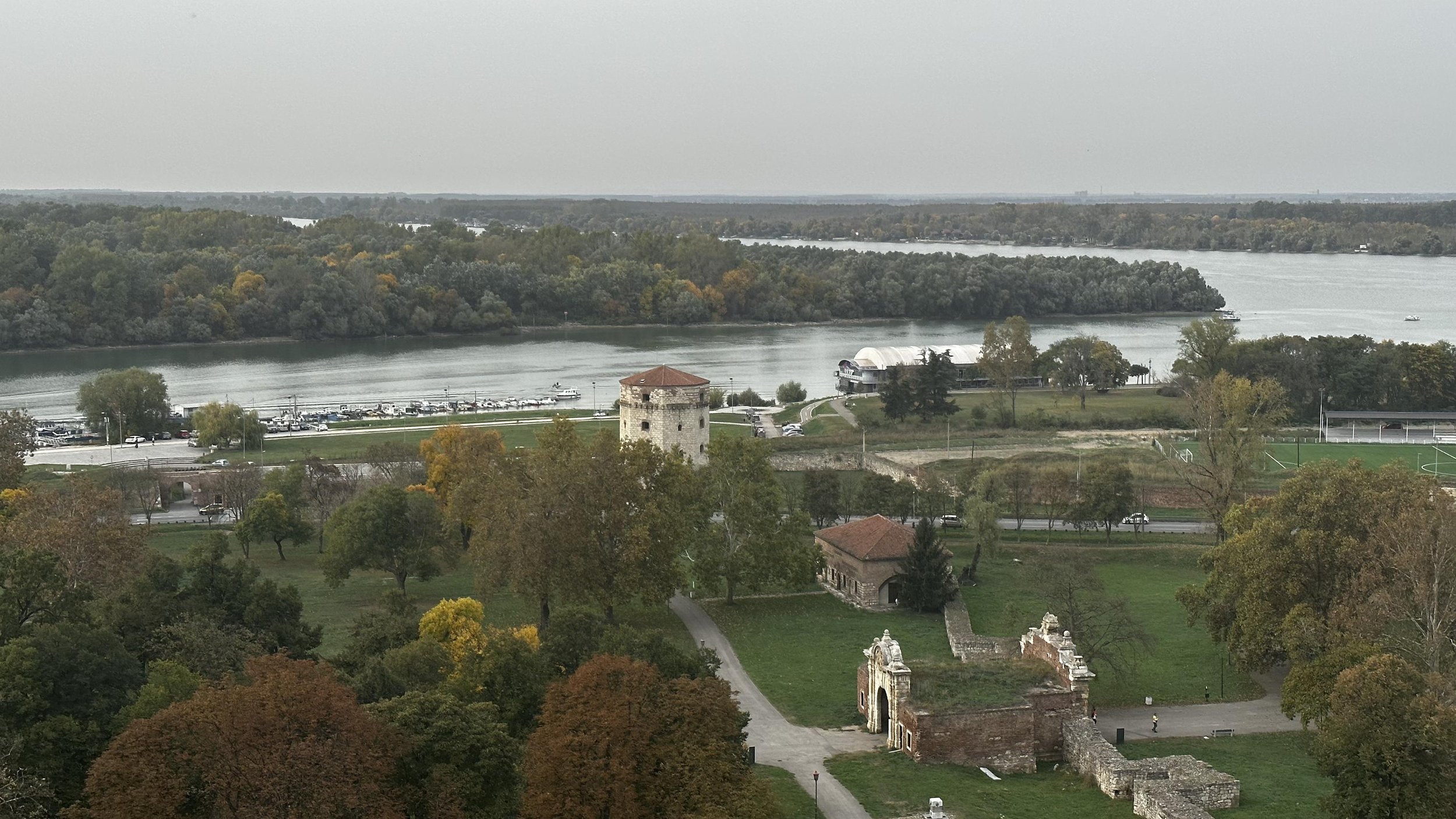
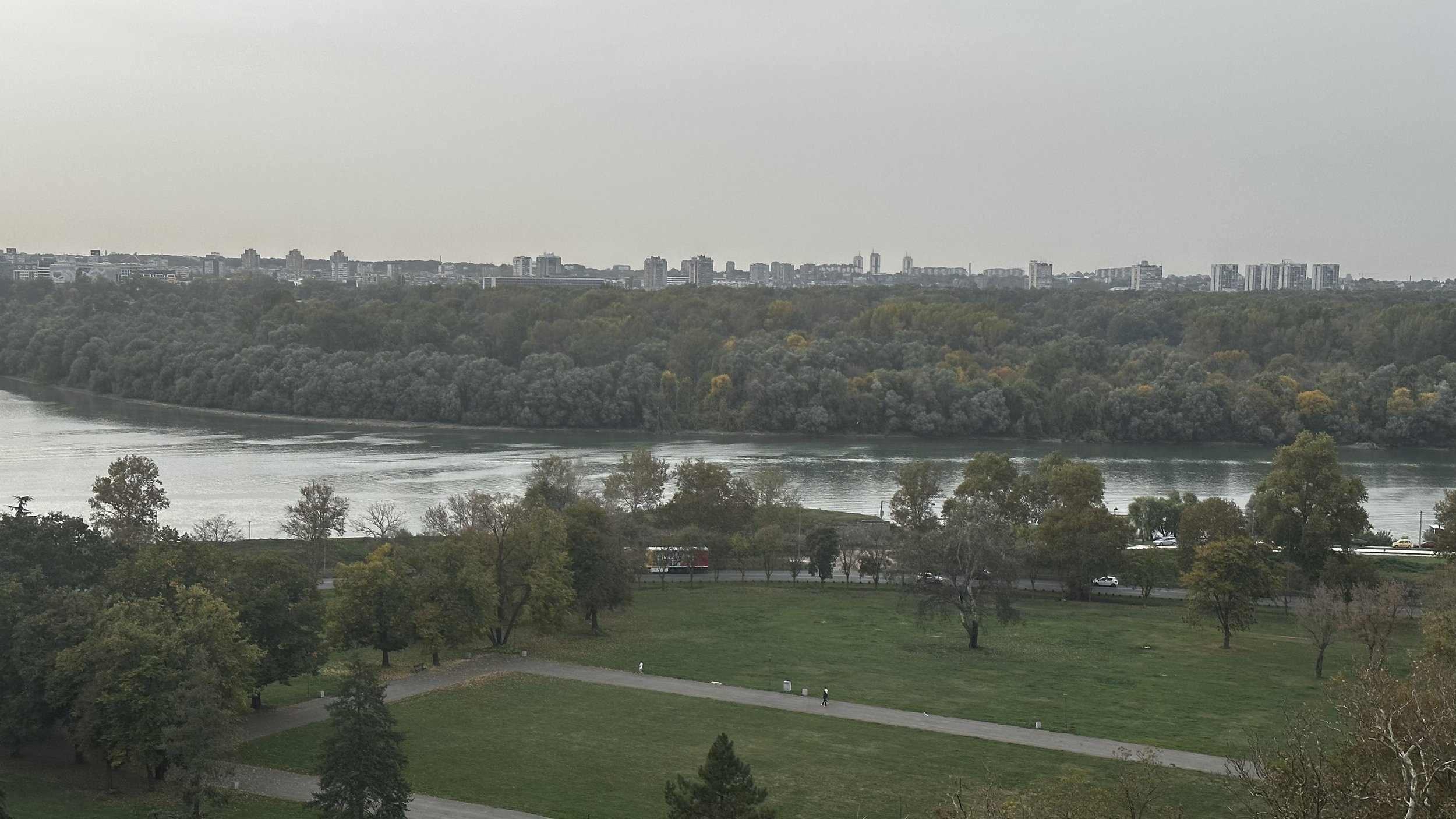
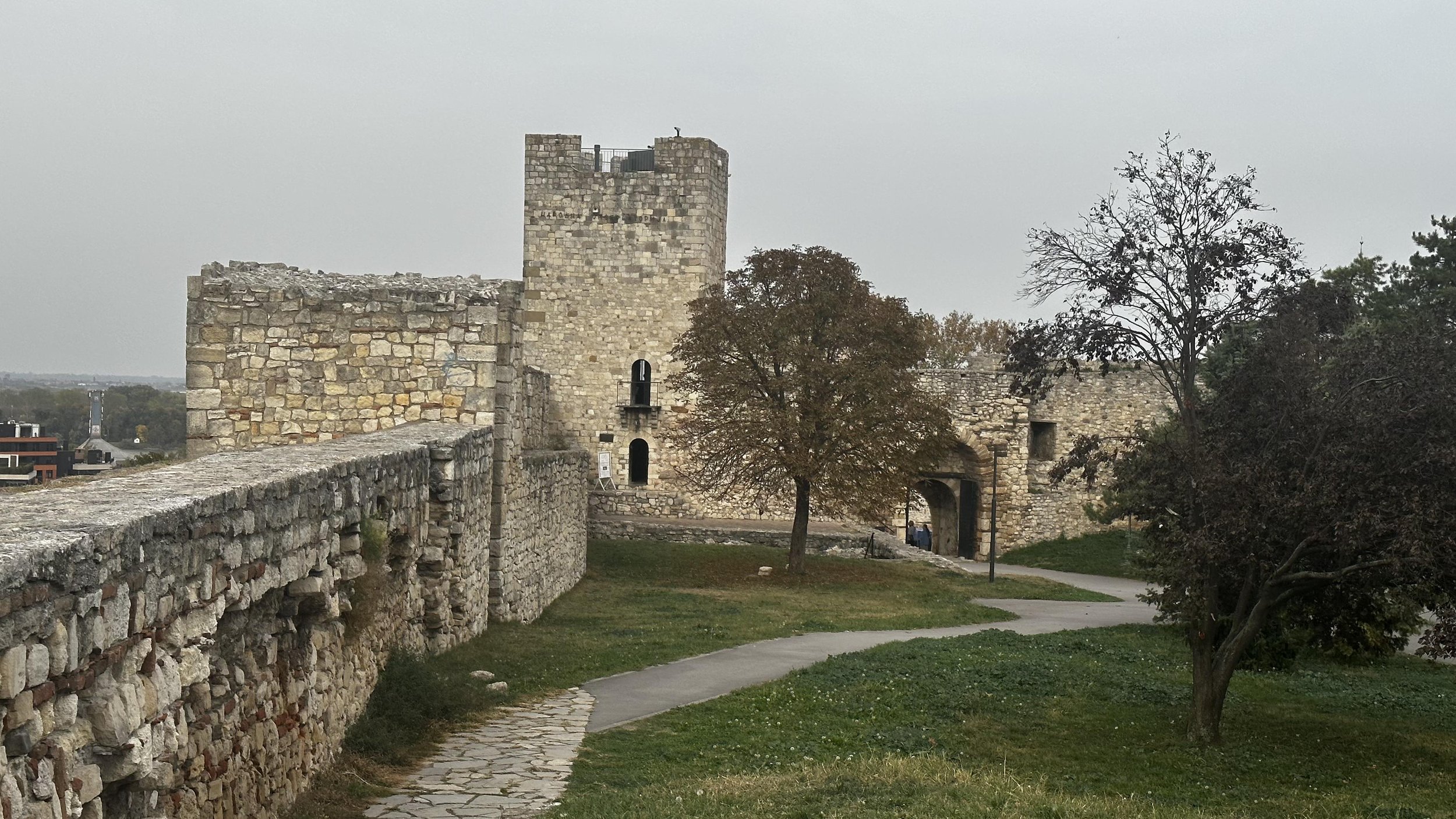
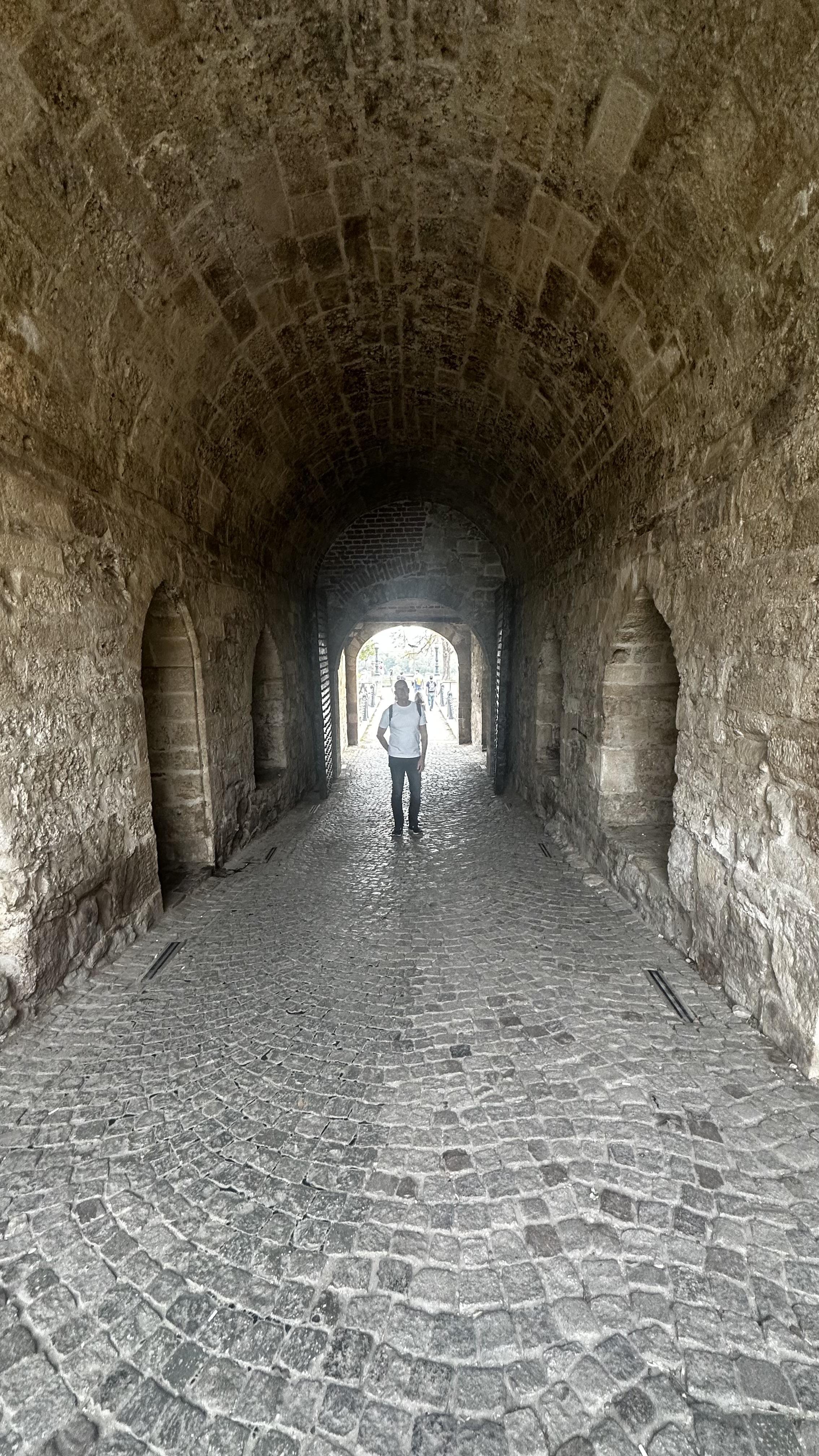
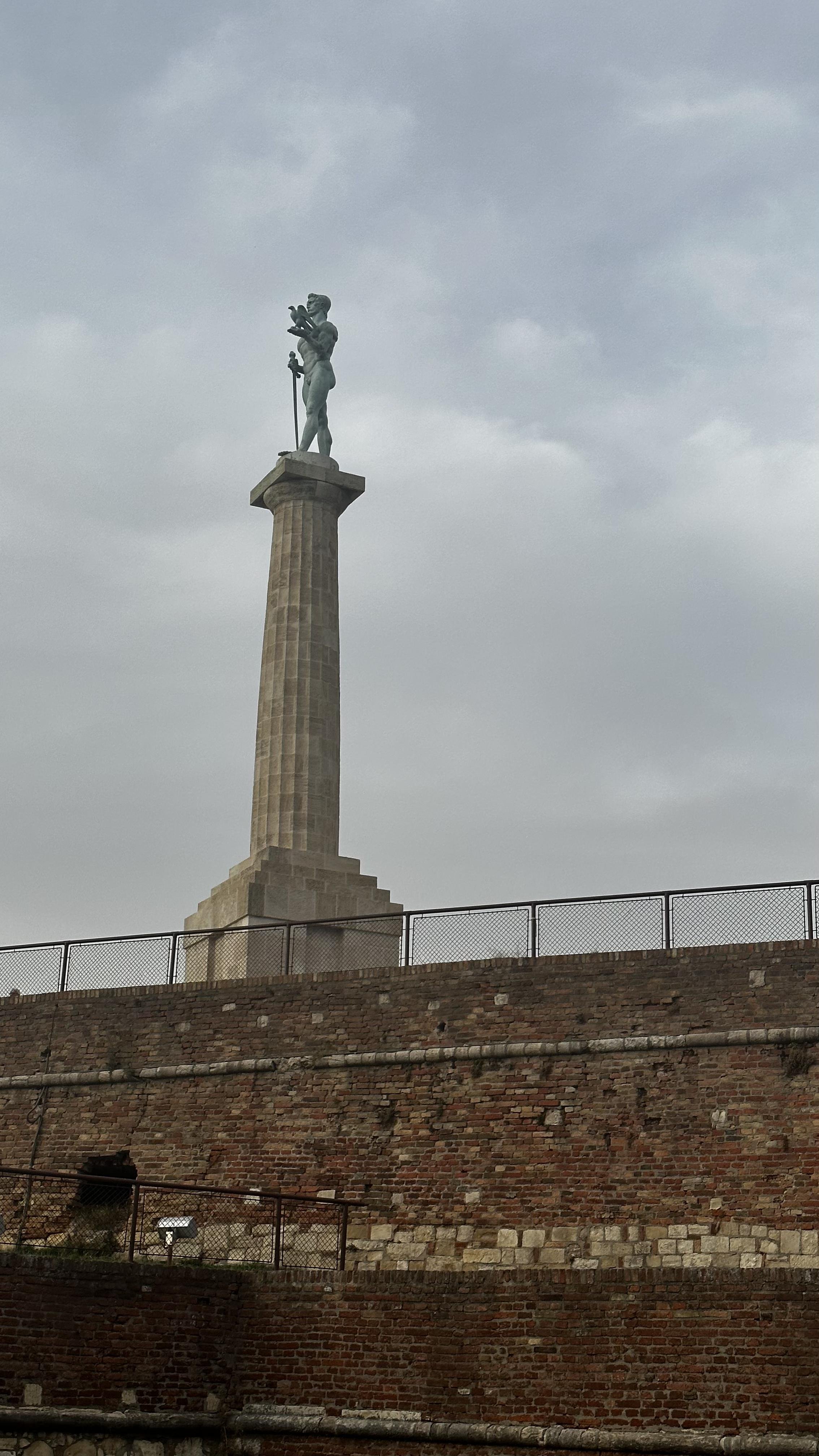
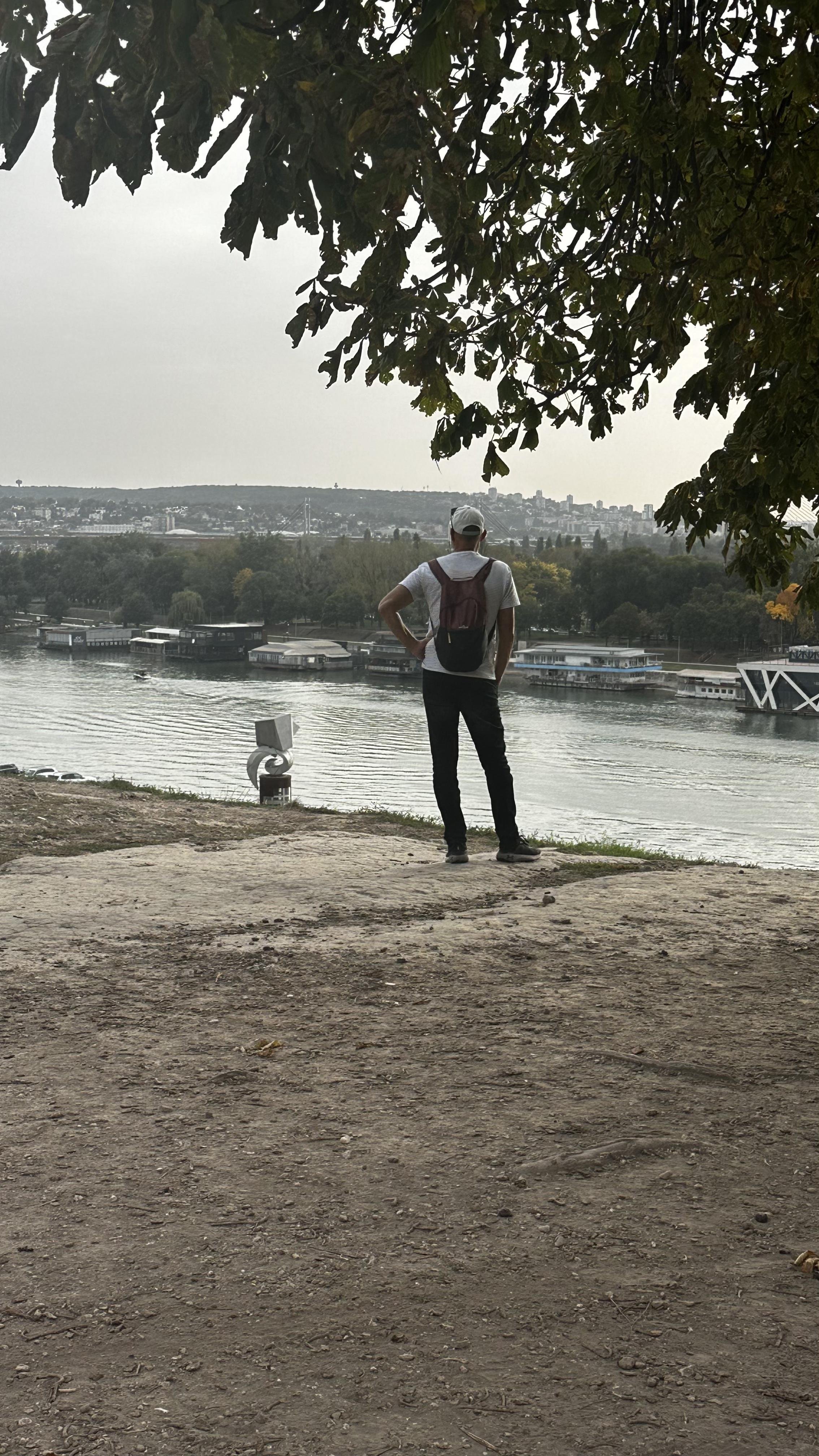
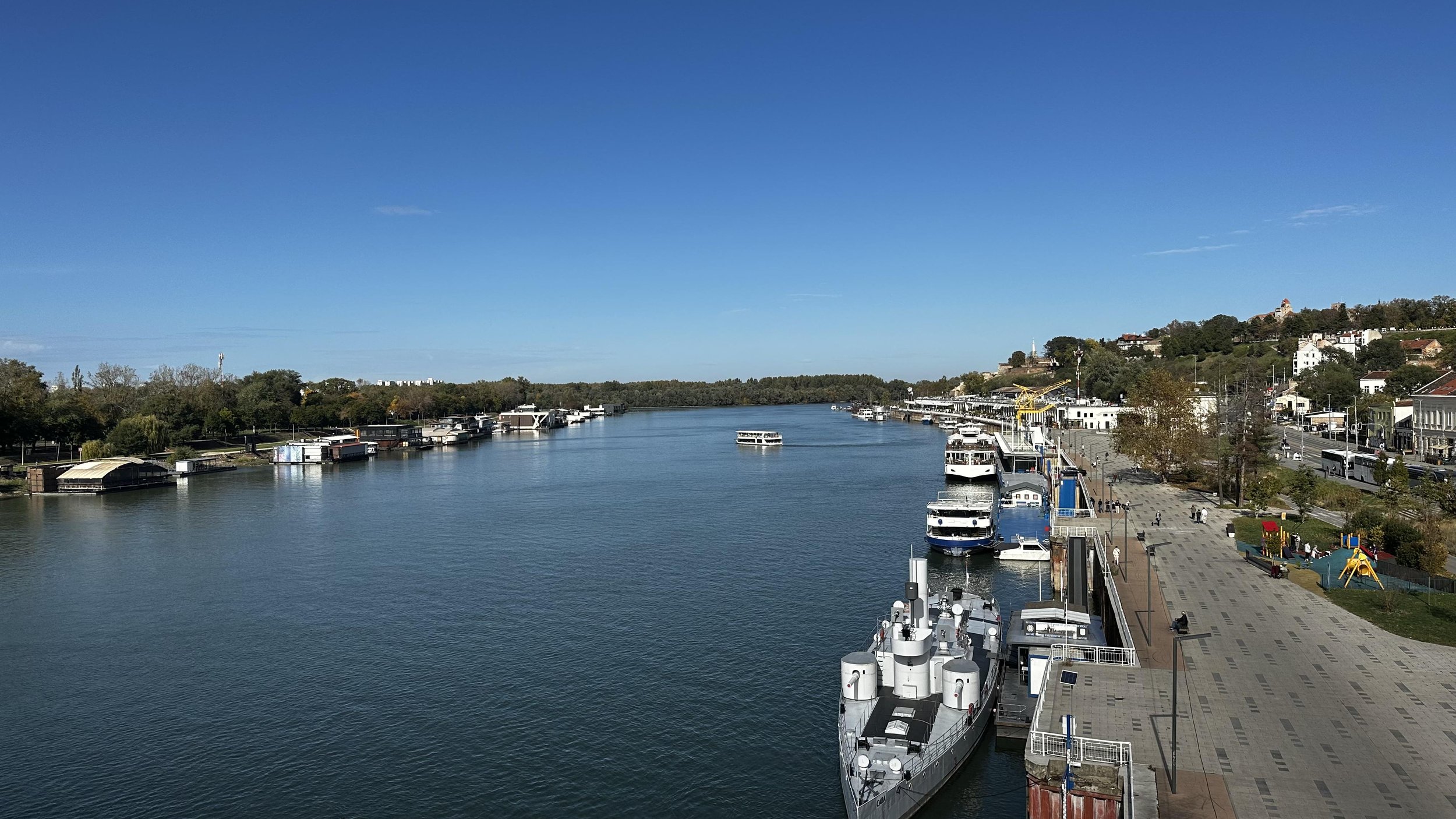
If there’s a must-visit attraction in Belgrade then it has to be Belgrade Fortress. Its the most significant landmark, at the confluence of the Danube and the Sava rivers. The fort is a testament to the city’s strategic importance to the Roman, Byzantine, Ottoman, Serbian and Austrian empires, and it's now the site of several museums as well as Kalemegdan, a vast park. As well as the neighbouring Kalemegdan Park, the fortress is a popular place for locals to stroll, sit and chat. It’s particularly good spot to go in the late afternoon as the sun starts to lower.
Cafe culture is so prominent, there are hundreds of places offering a really good coffee and deserts everywhere!
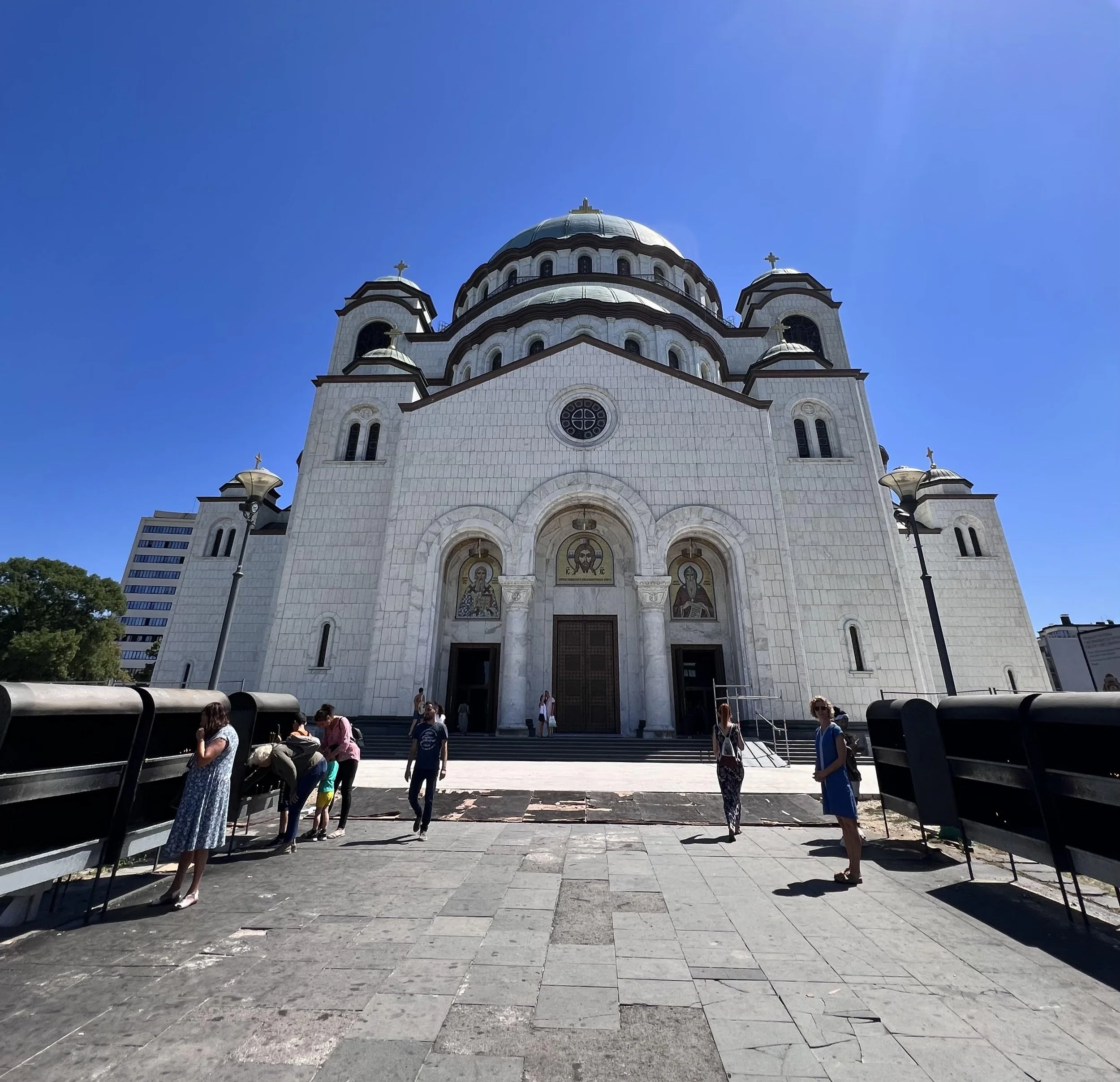
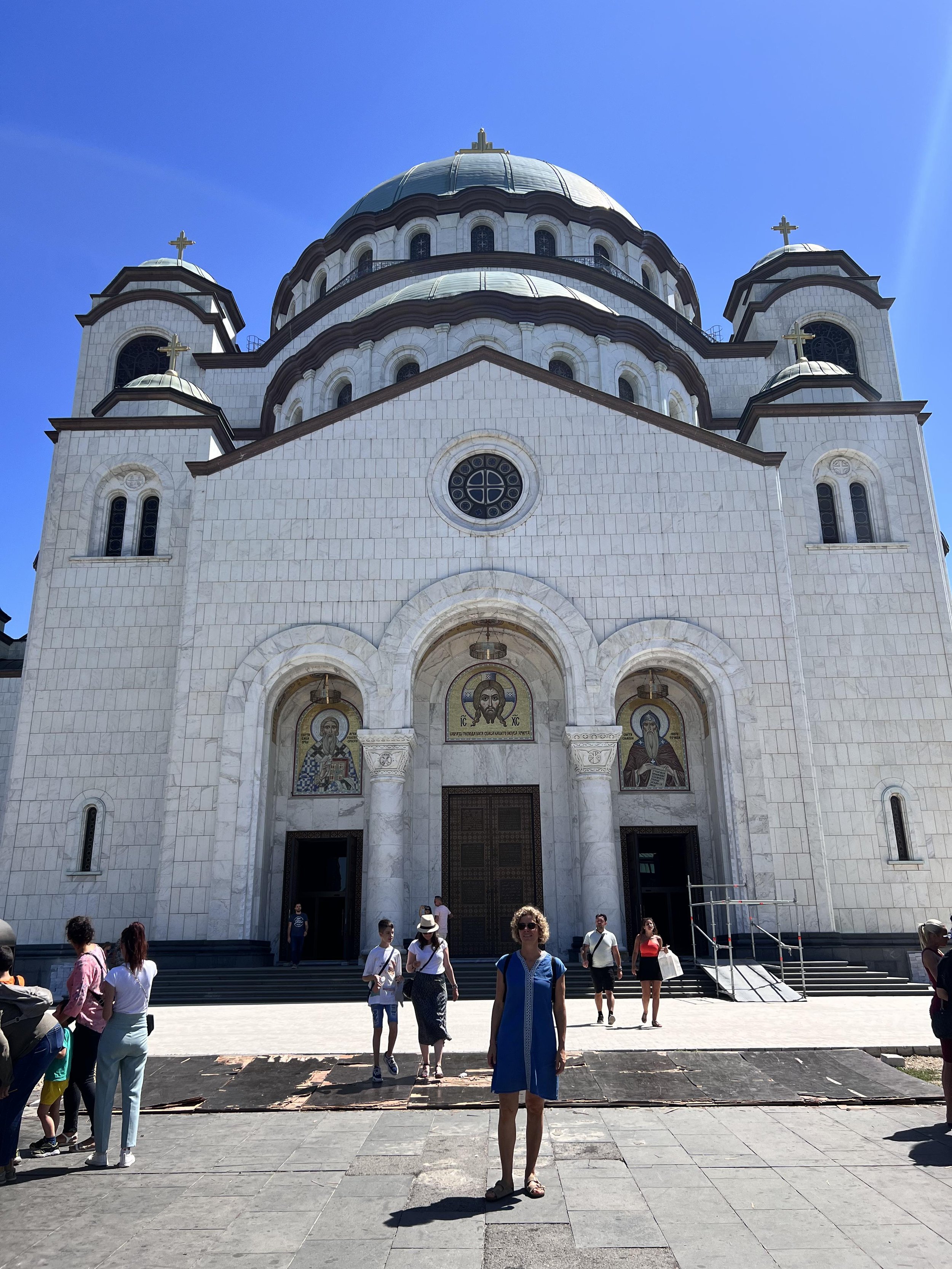
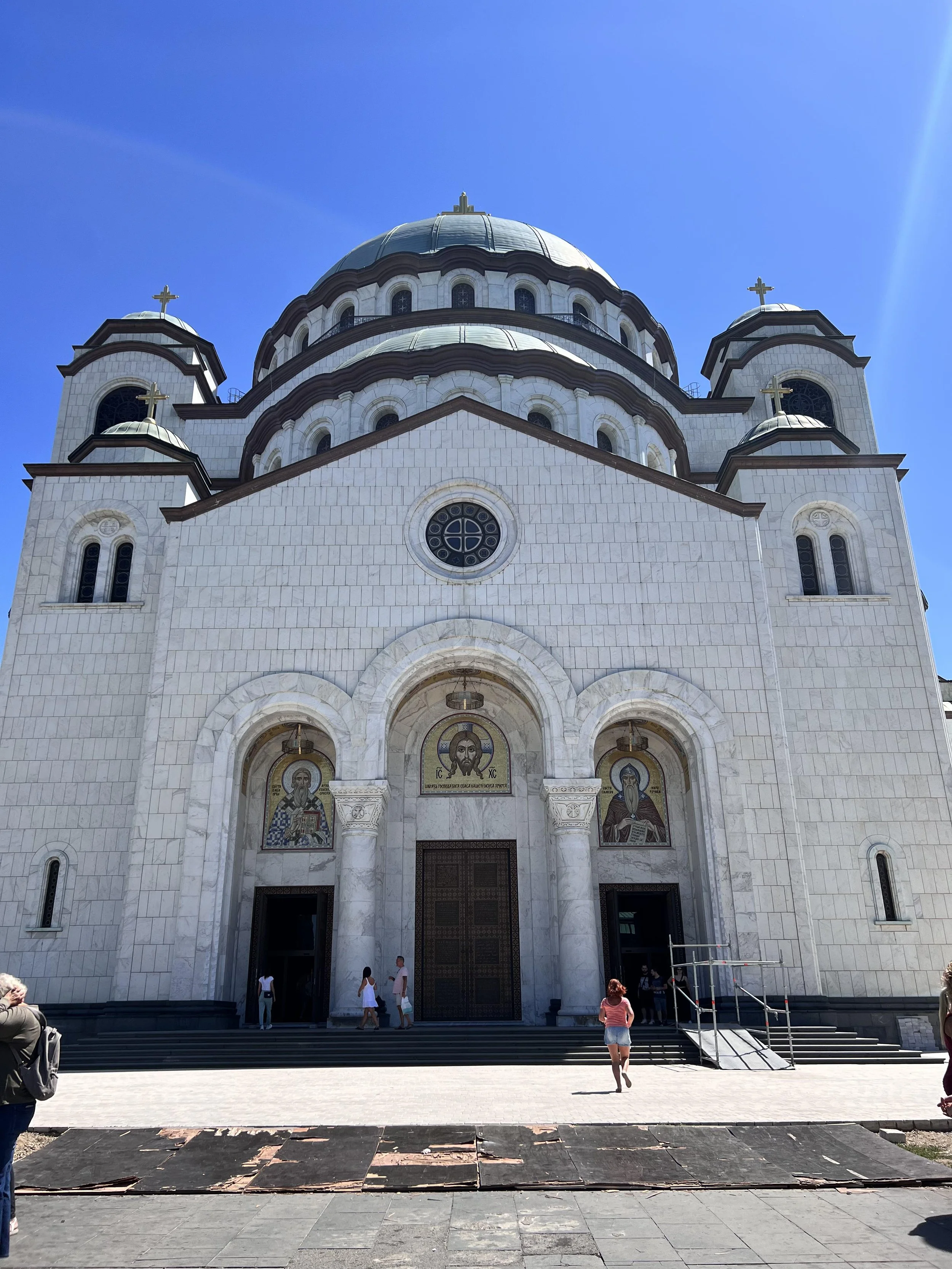
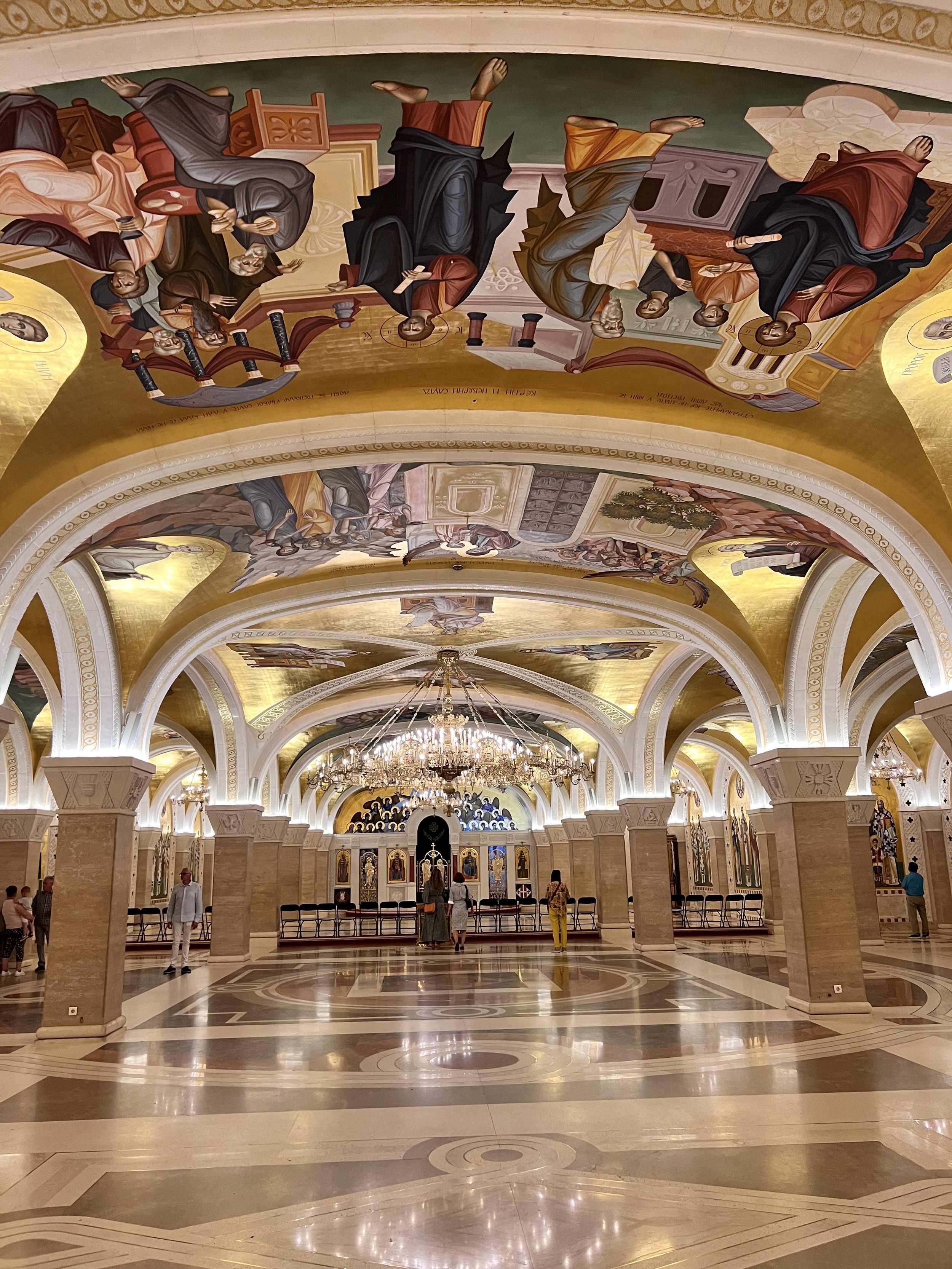
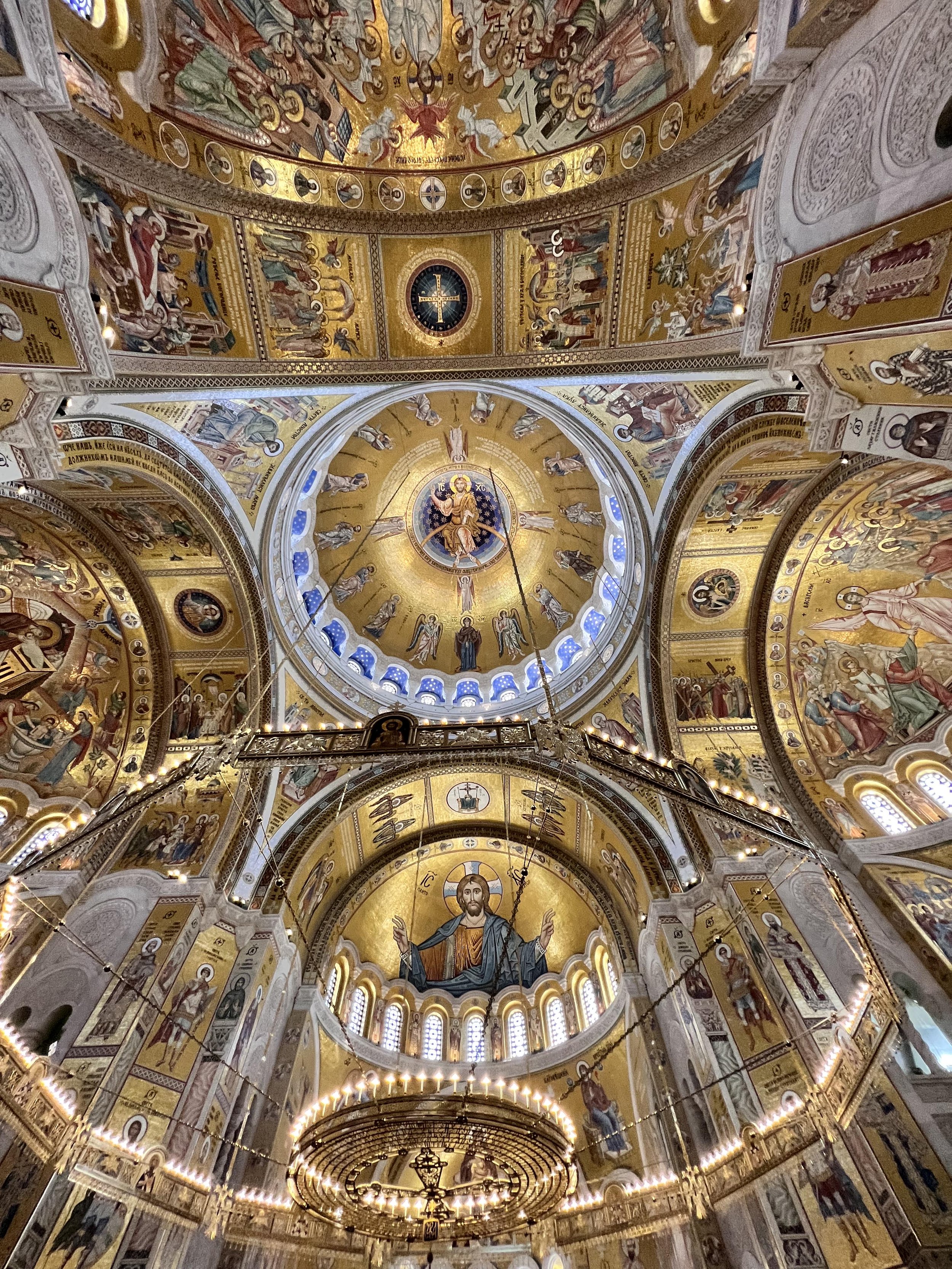
Temple of St Sava
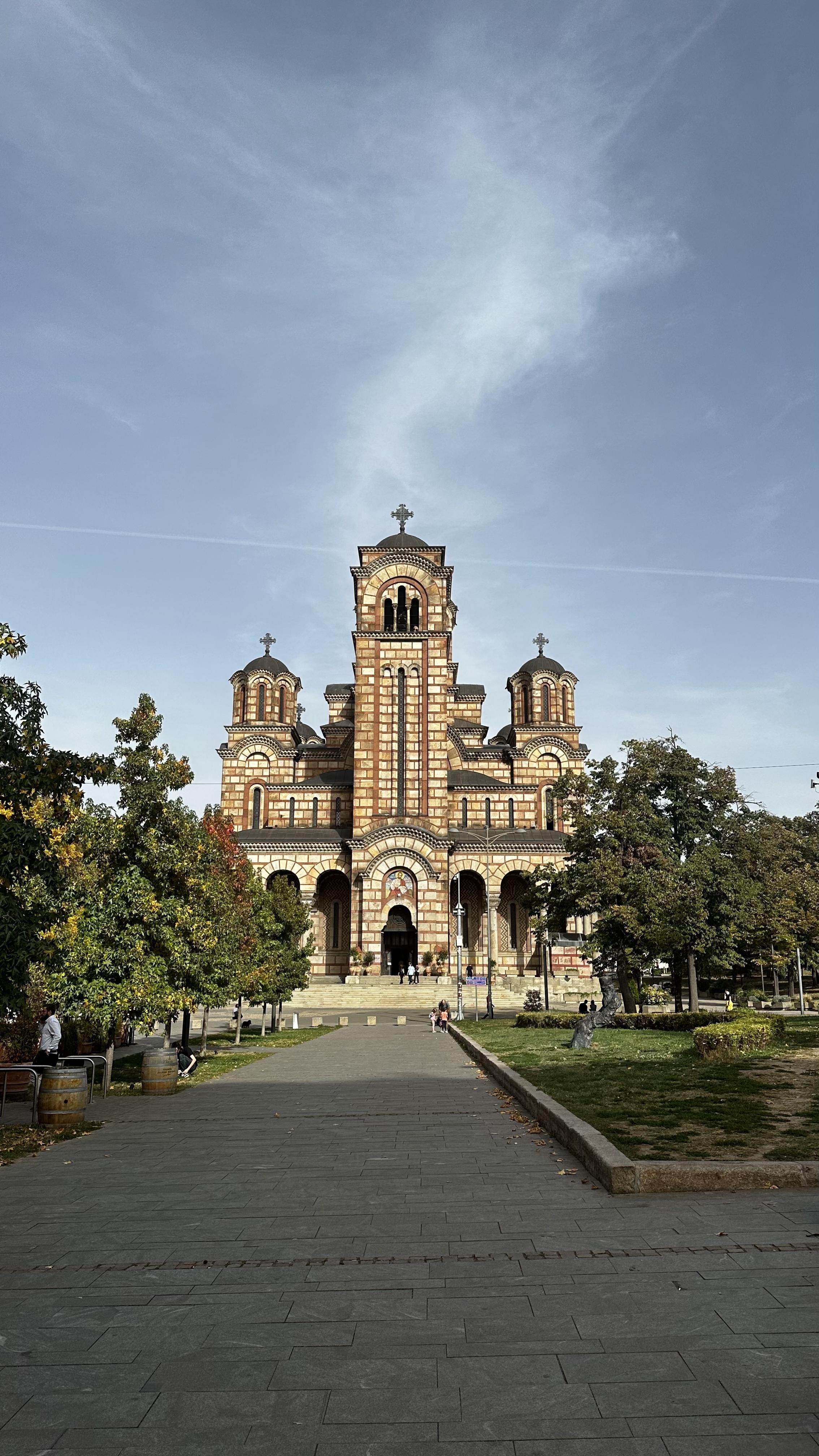
Not only is it one of the largest orthodox churches in the world, but it’s quite the stunningly beautiful place and a landmark not to miss.
The church is dedicated to the founder of the Serbian Orthodox faith, Saint Sava, and is said to be built on the site of the saint’s remains. My Dad got the name after this saint.
Skadarlija
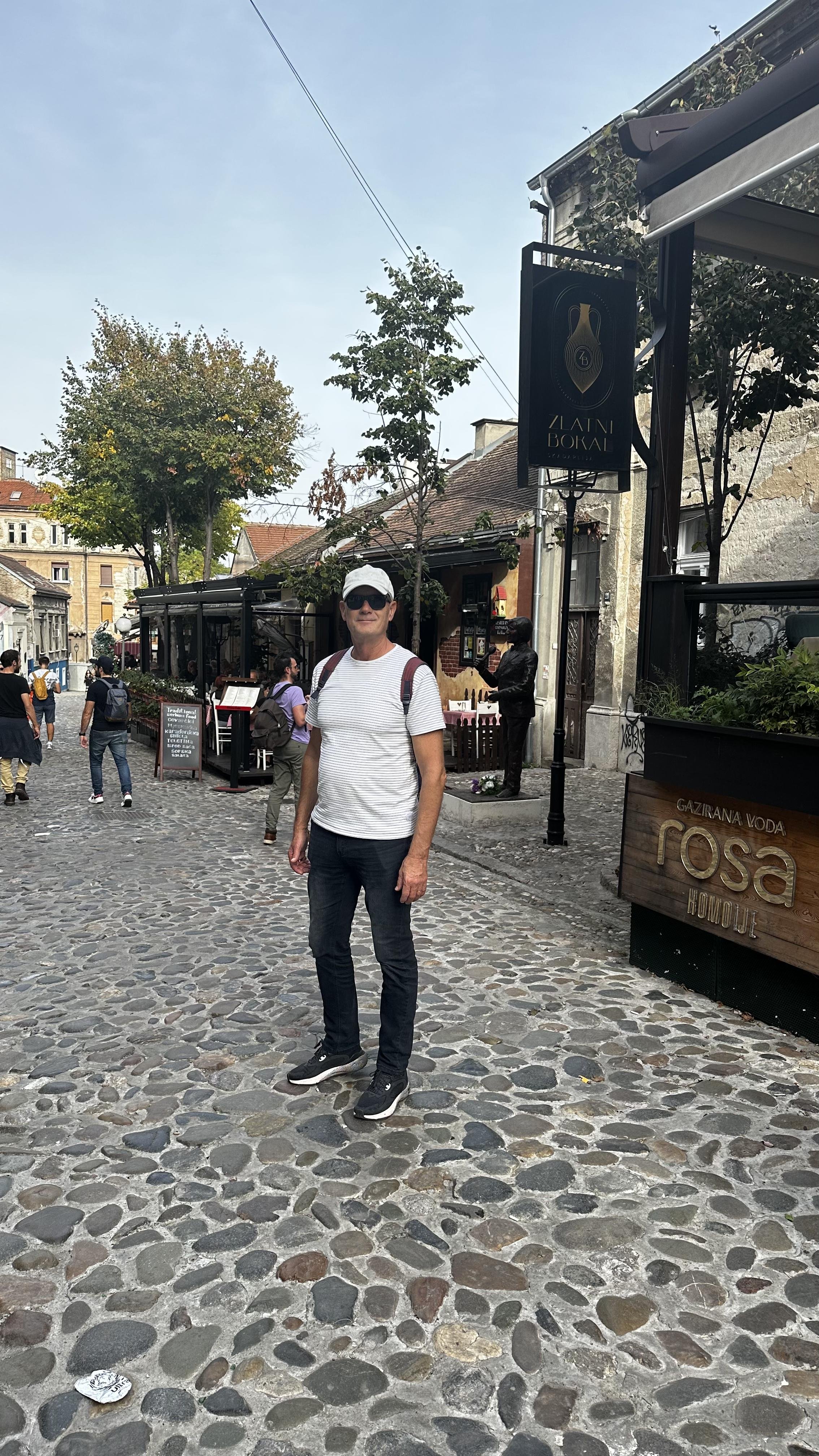
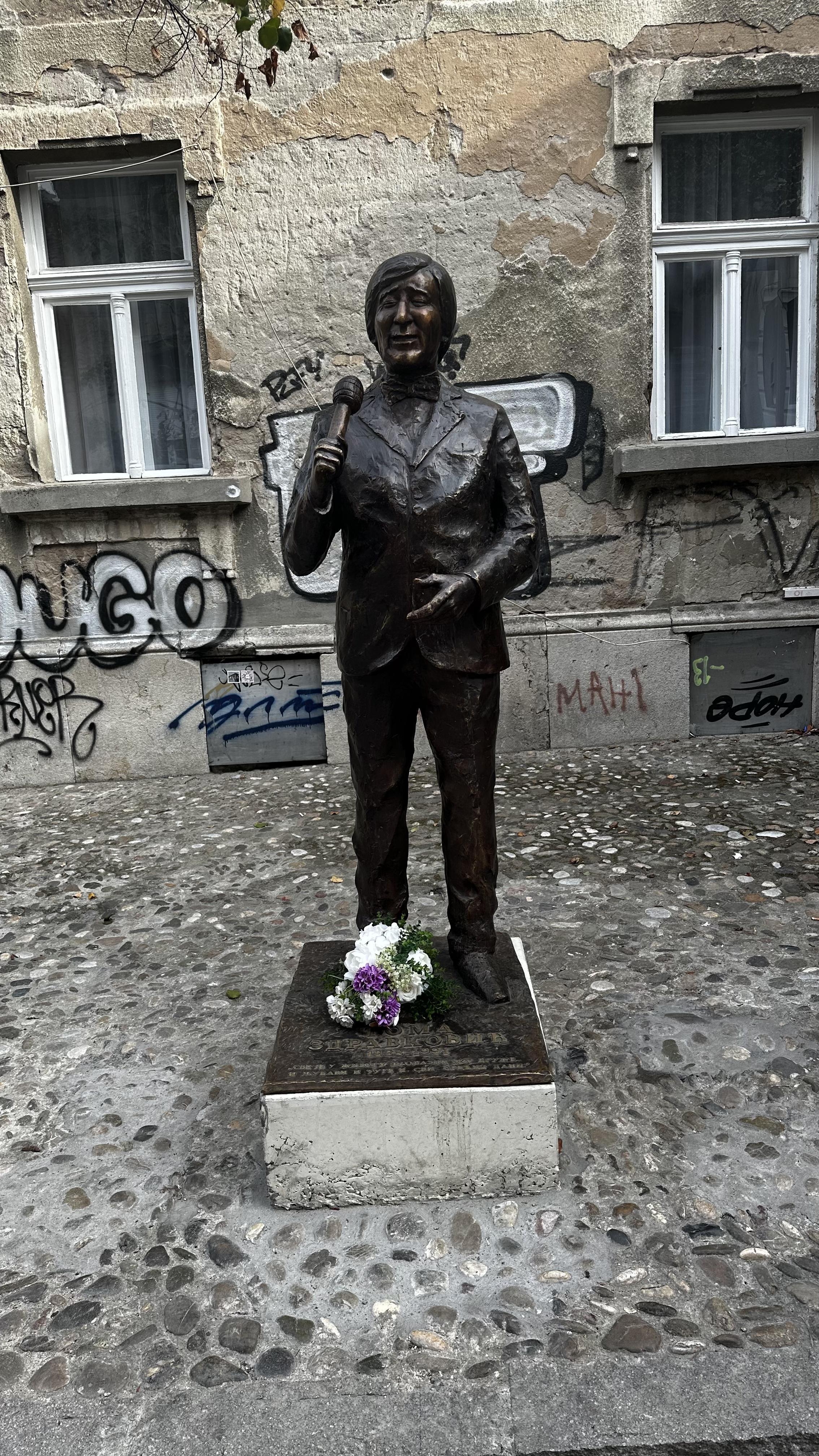
Of the various areas in the centre of Belgrade you’re bound to come across, you’ll probably find the most tourists in the vibrant district of Skadarlija. This is meant to be Belgrade’s bohemian quarter, although it seems to be full of restaurants that cater to tourists, with live music in the evening. This cobblestone pedestrian street sits between the bright and cheerful restaurants, and you can also find some subtle street art.
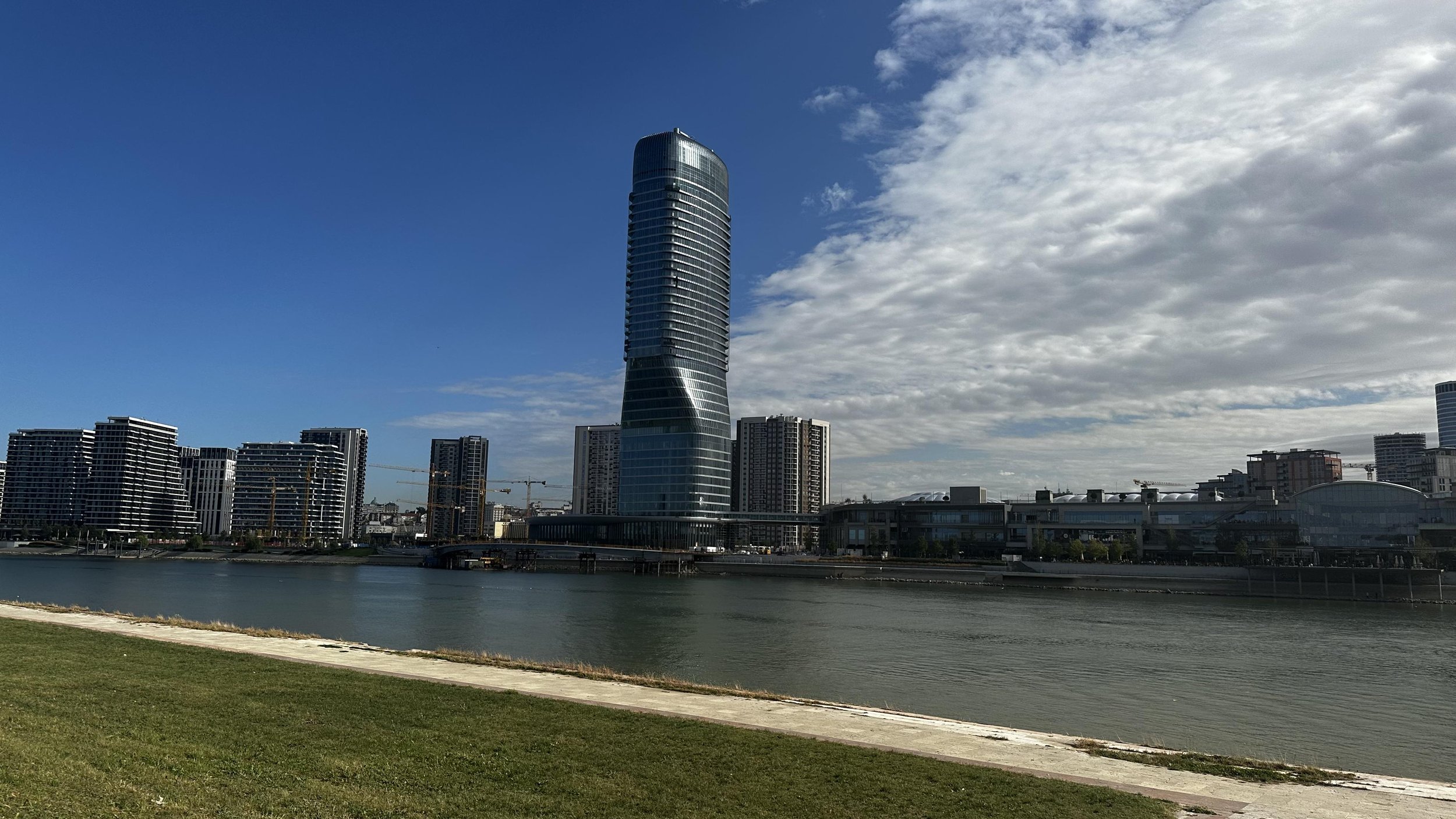
Belgrade Waterfront
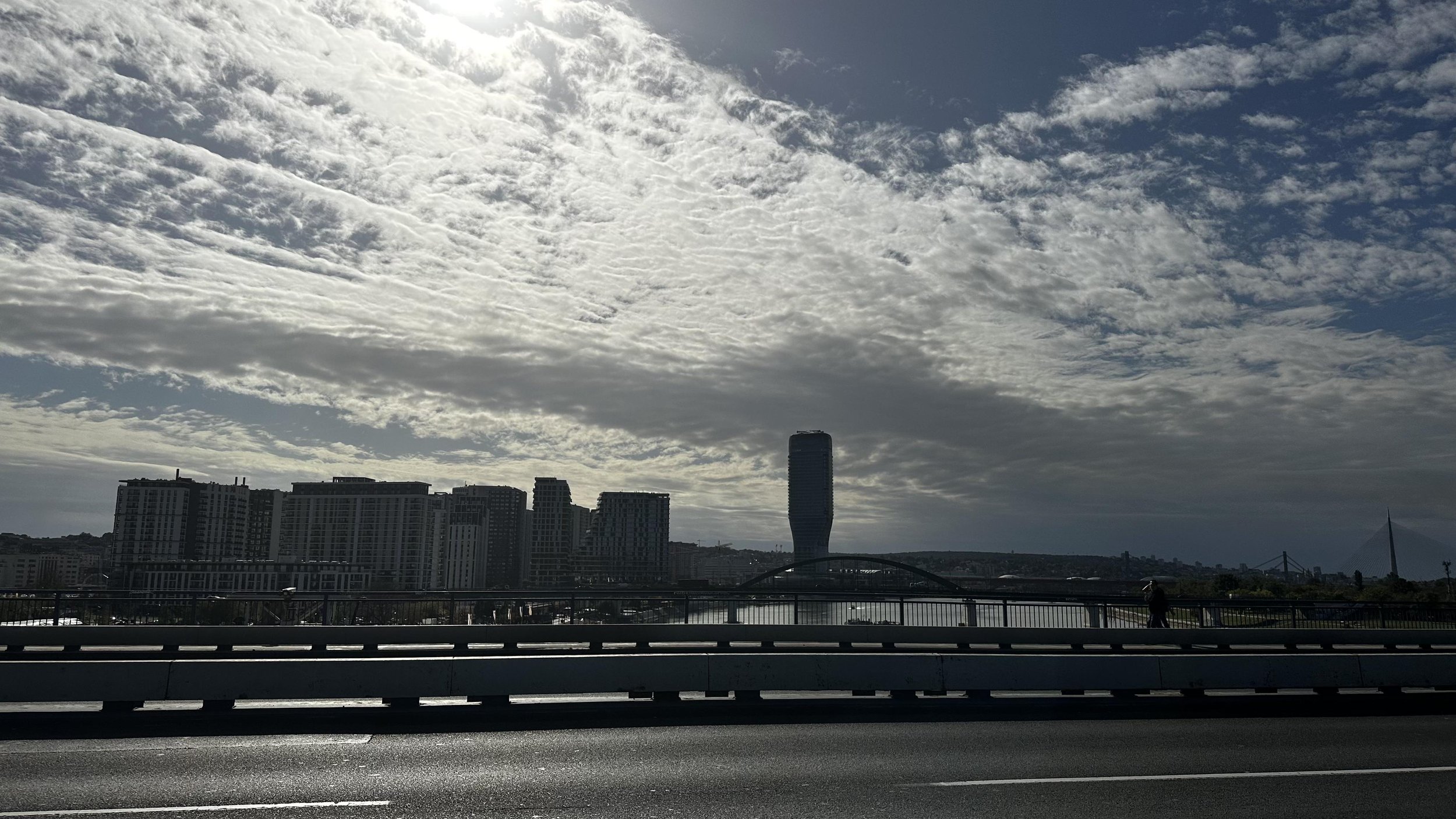
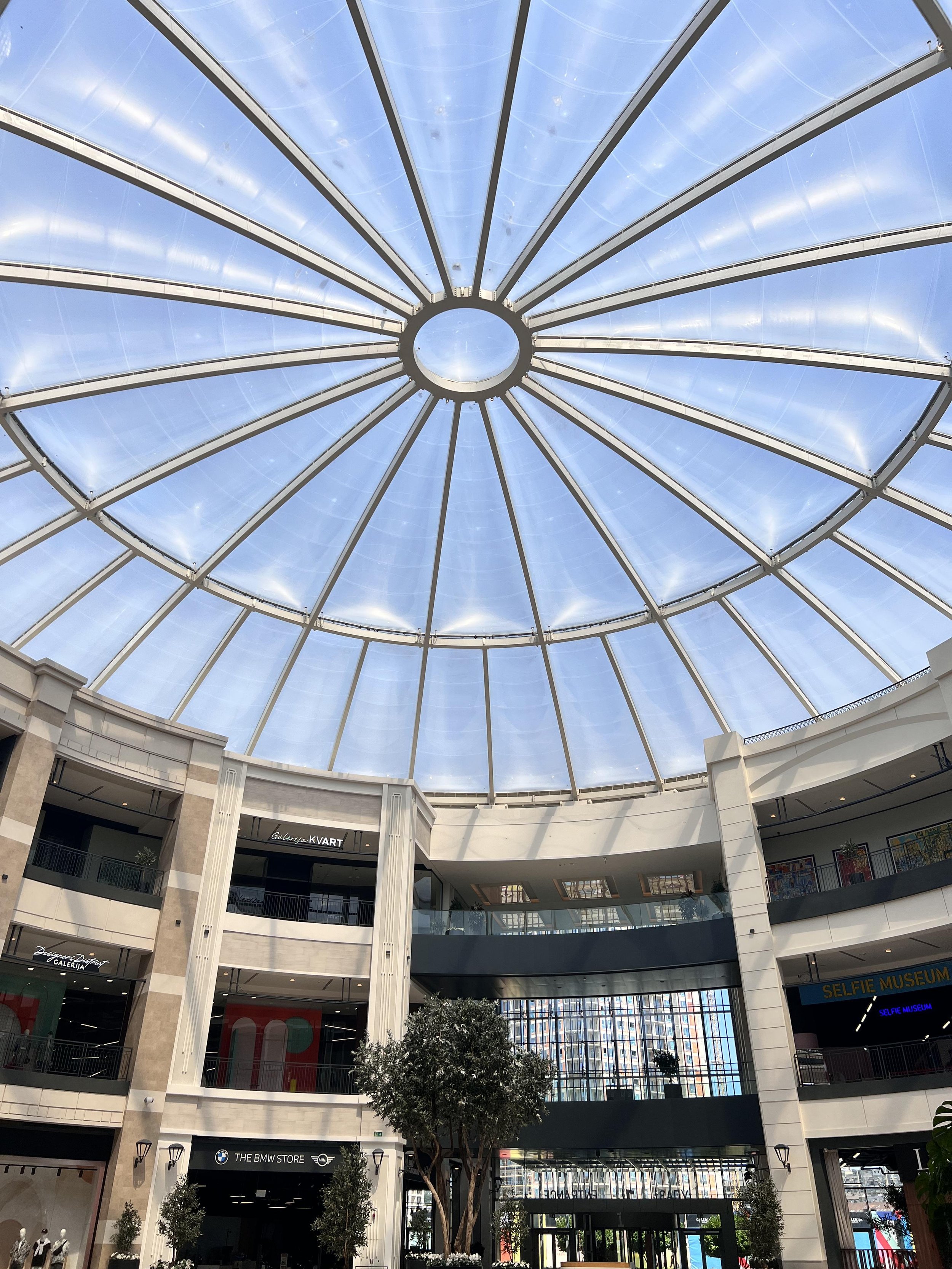
Tucked away by the Sava River, Belgrade Waterfront is a monumental urban revitalization project worth US$ 3 billion, creating a new city centre and a new international destination.
Belgrade Waterfront project will transform this neighborhood by implementing the principles of sustainable development, creating new public spaces, introducing benefits for moving pedestrians and bringing cultural content to the heart of Belgrade. Watch this space, this complex is only 1/3 done, 6 more years of investments between Saudi Arabian businessmen and Serbian Goverment will see this place to be something else!
Museums
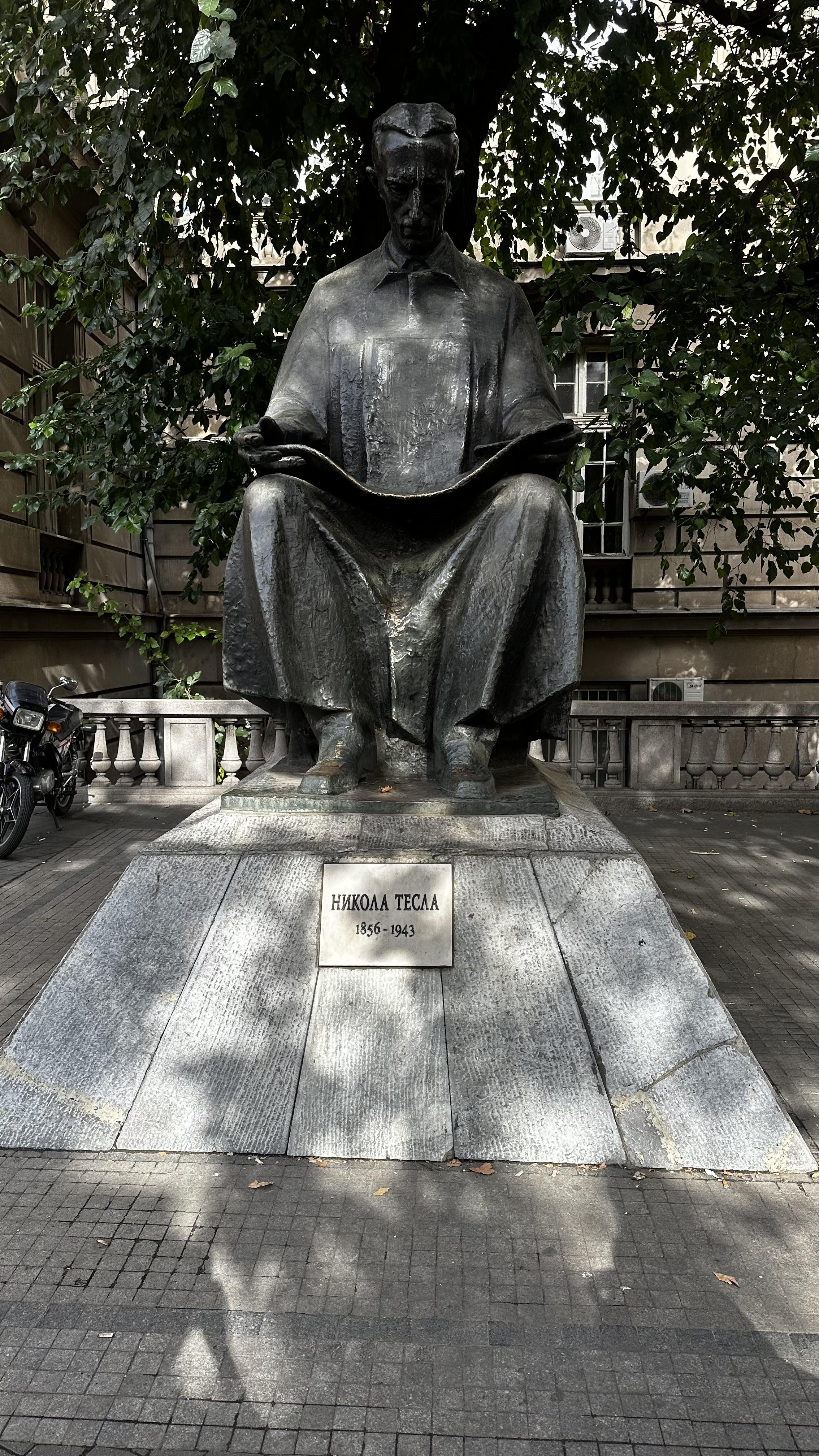
There are way too many to mention! We’ve had a great weather which meant we were outdoor more than usual, and we only visited Nikola Tesla museum.
Nikola Tesla, a pioneering inventor and engineer, was born into a Serbian family of Orthodox priest in the village Smiljan in 1856. At that time the village of Smiljan ( near Gospić - today in Croatia) was in a military border zone, a special region of Habsburg Monarchy under the Emperor Franz Joseph I. Known for his contributions to the development of alternating current (AC) electrical systems, Tesla held numerous patents. Despite facing financial challenges, his visionary ideas laid the foundation for modern electrical power and wireless communication technologies. It is fair to say he was way way ahead of his time!
There is certainly a lot more to share, my advice is go and visit Belgrade, you’ll be nicely surprised and amazed, it is truly a city with an open heart😊 . We loved our time here and will definitely return!
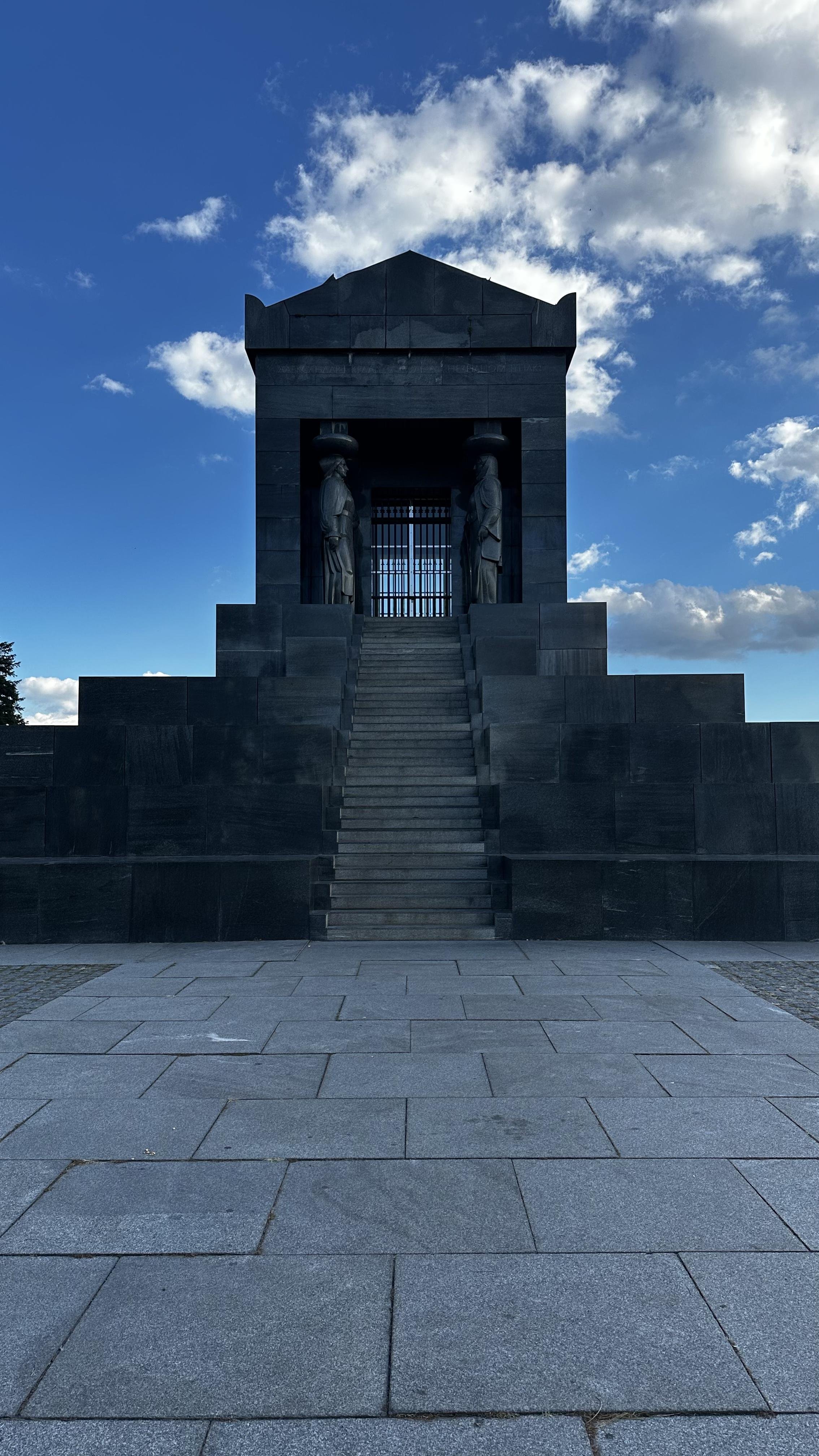
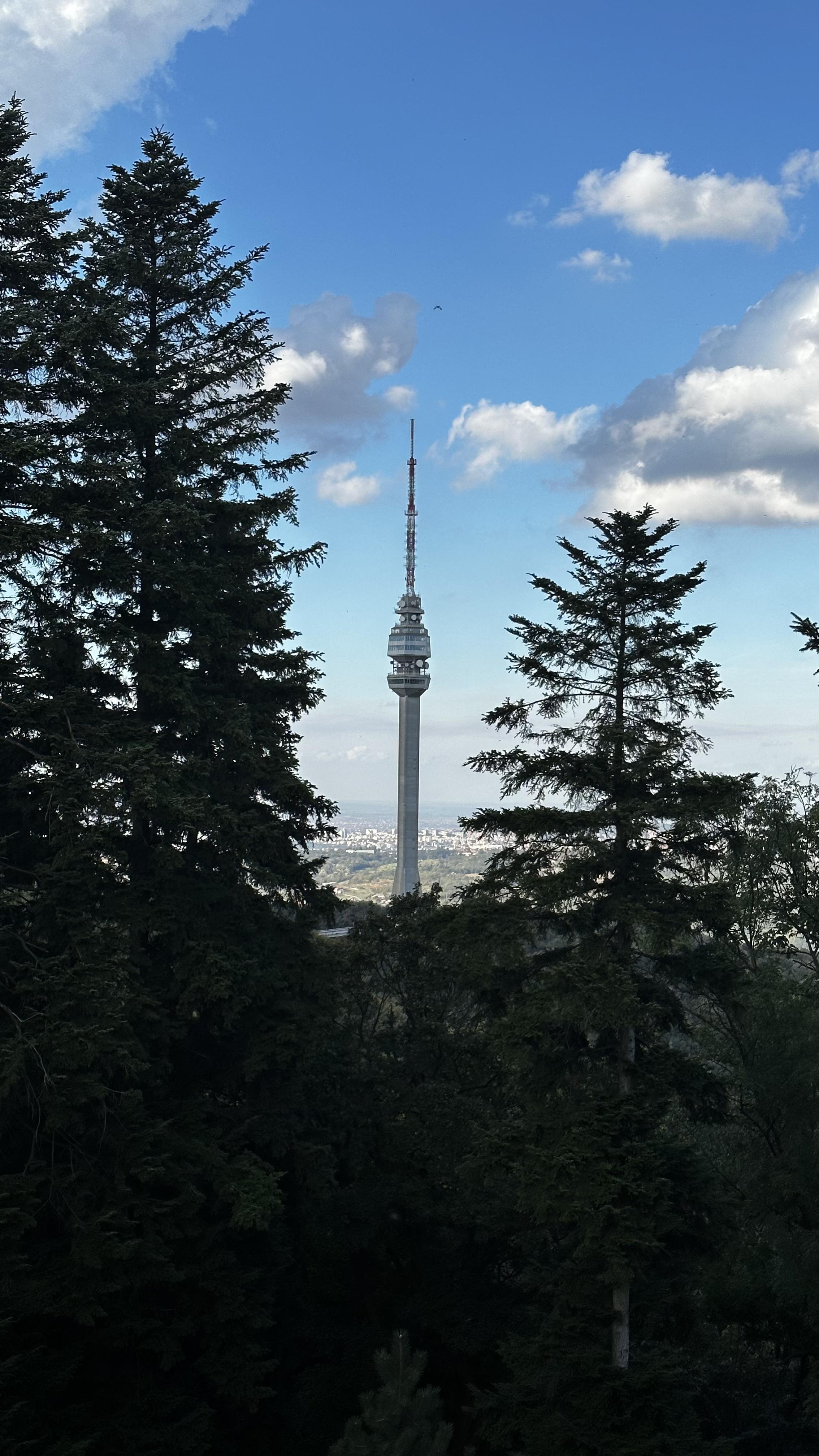
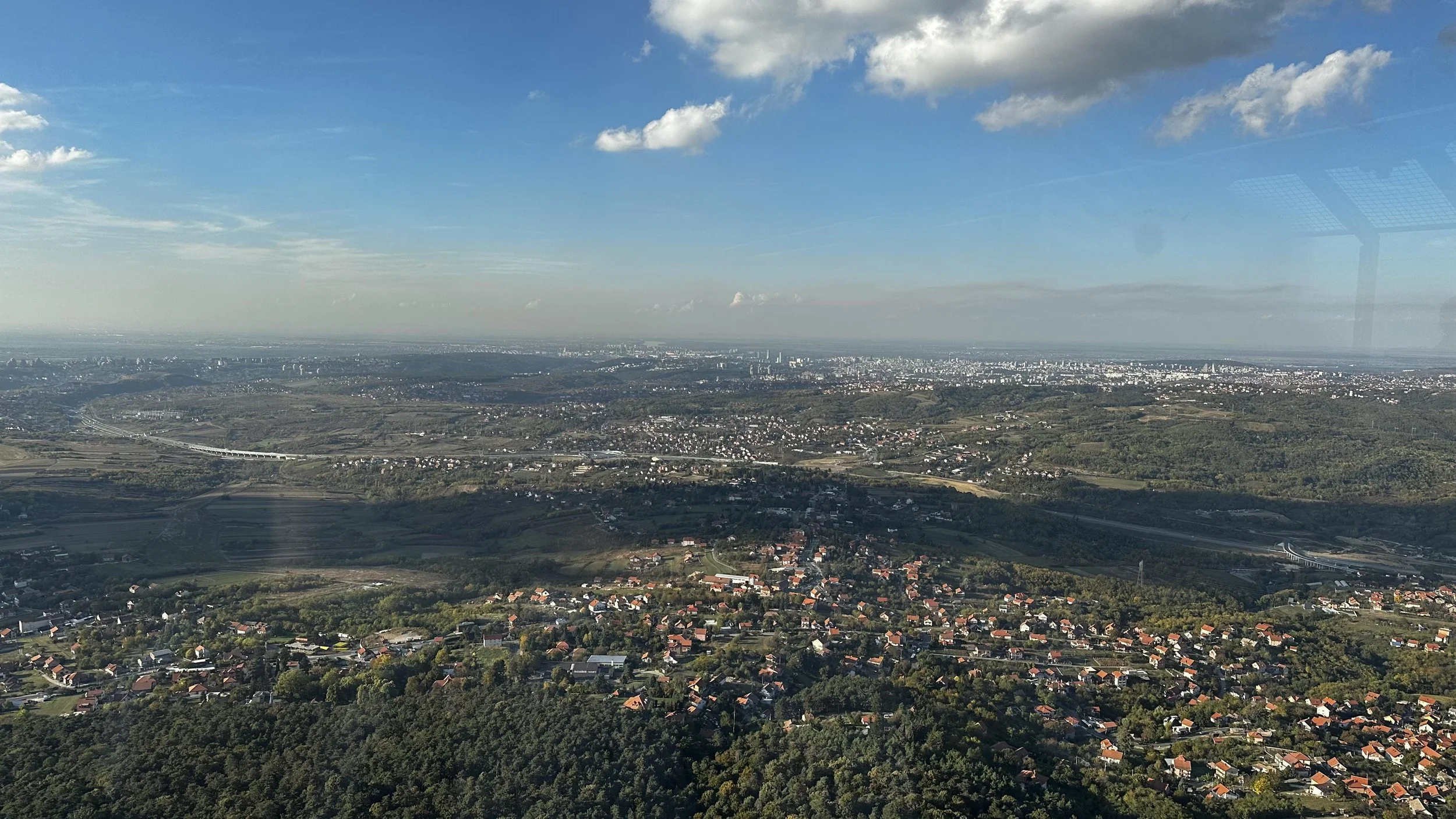
BELGRADE Photo Album
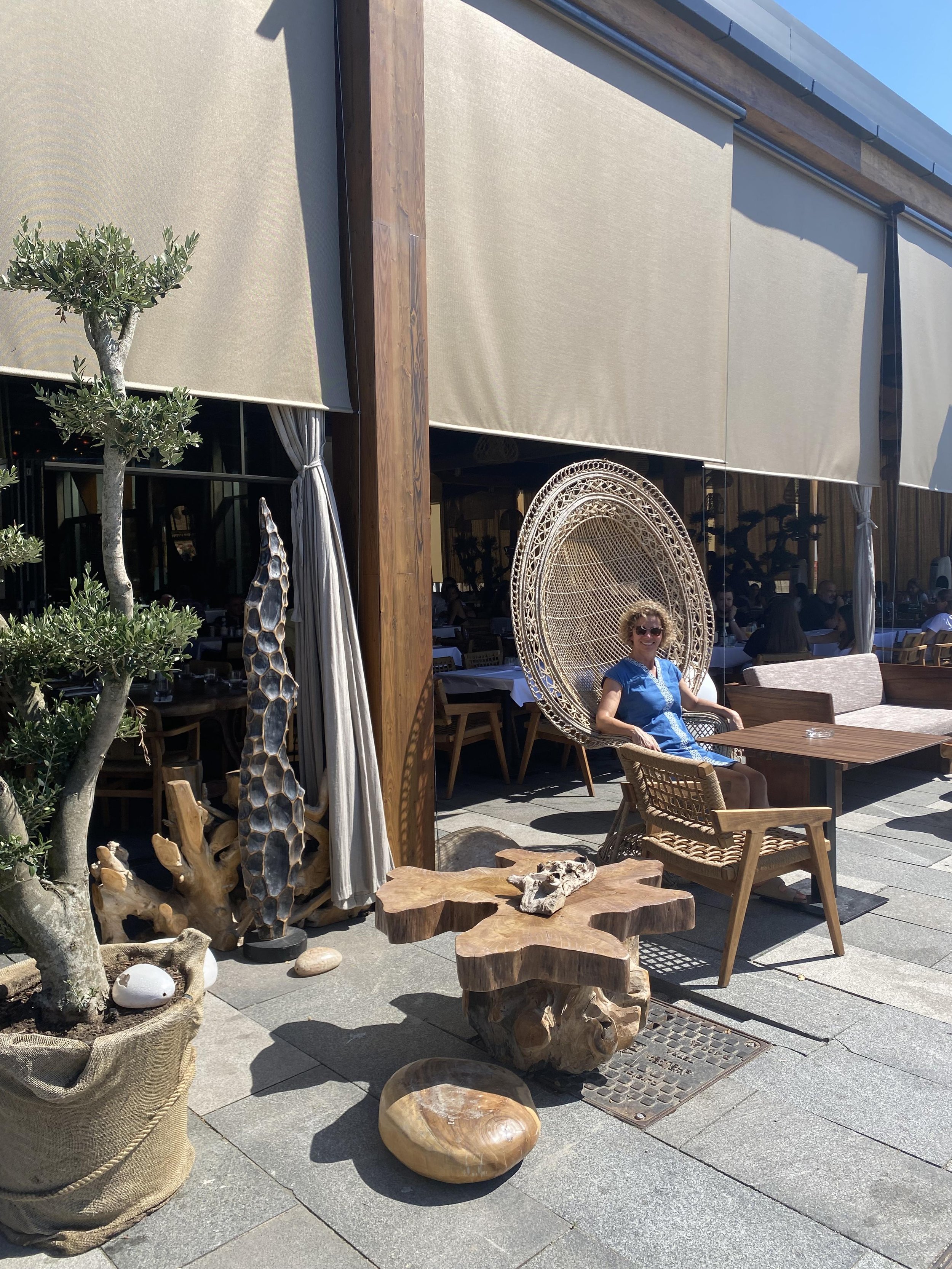
FAMILY & friends Photo Album
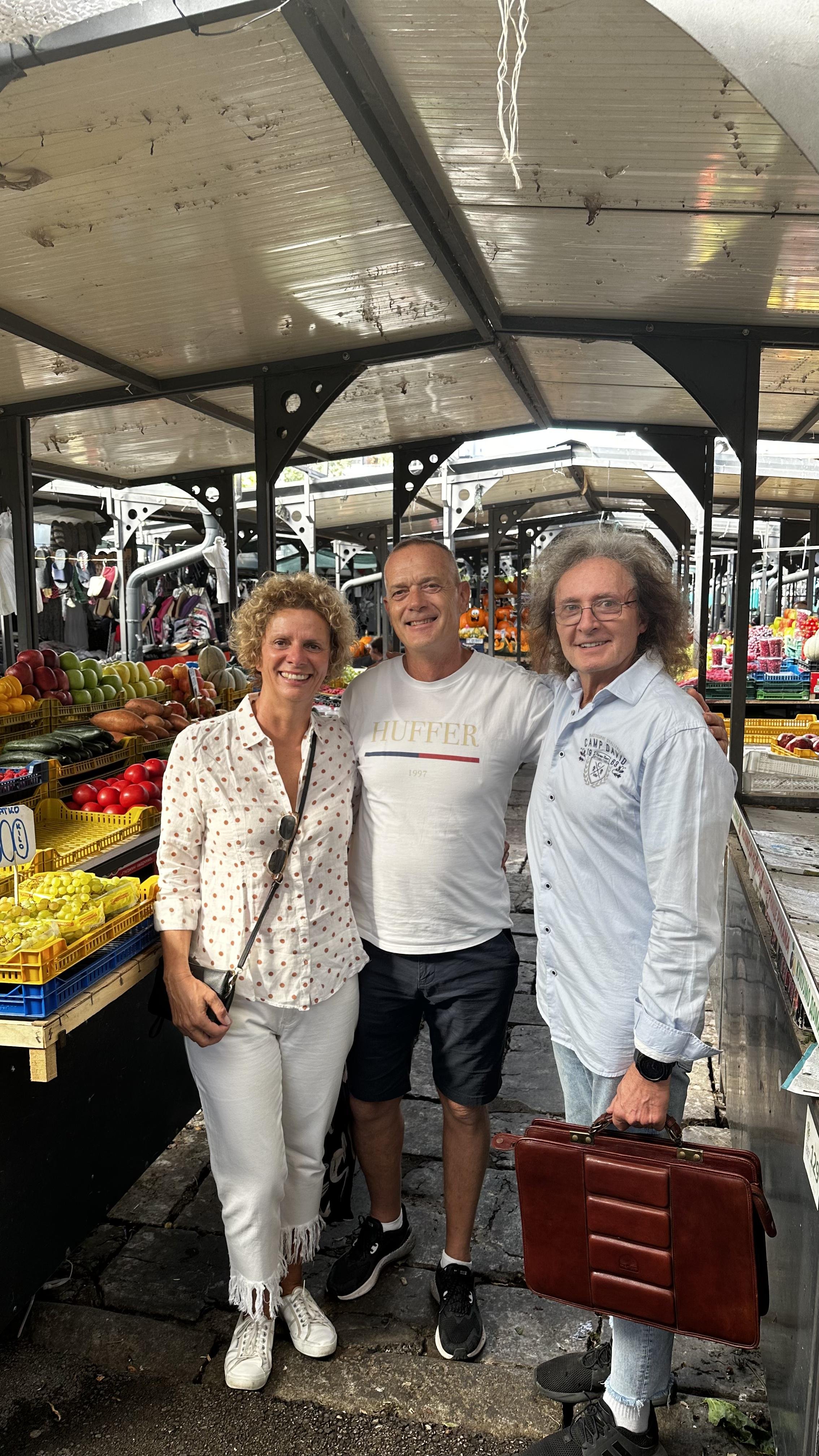
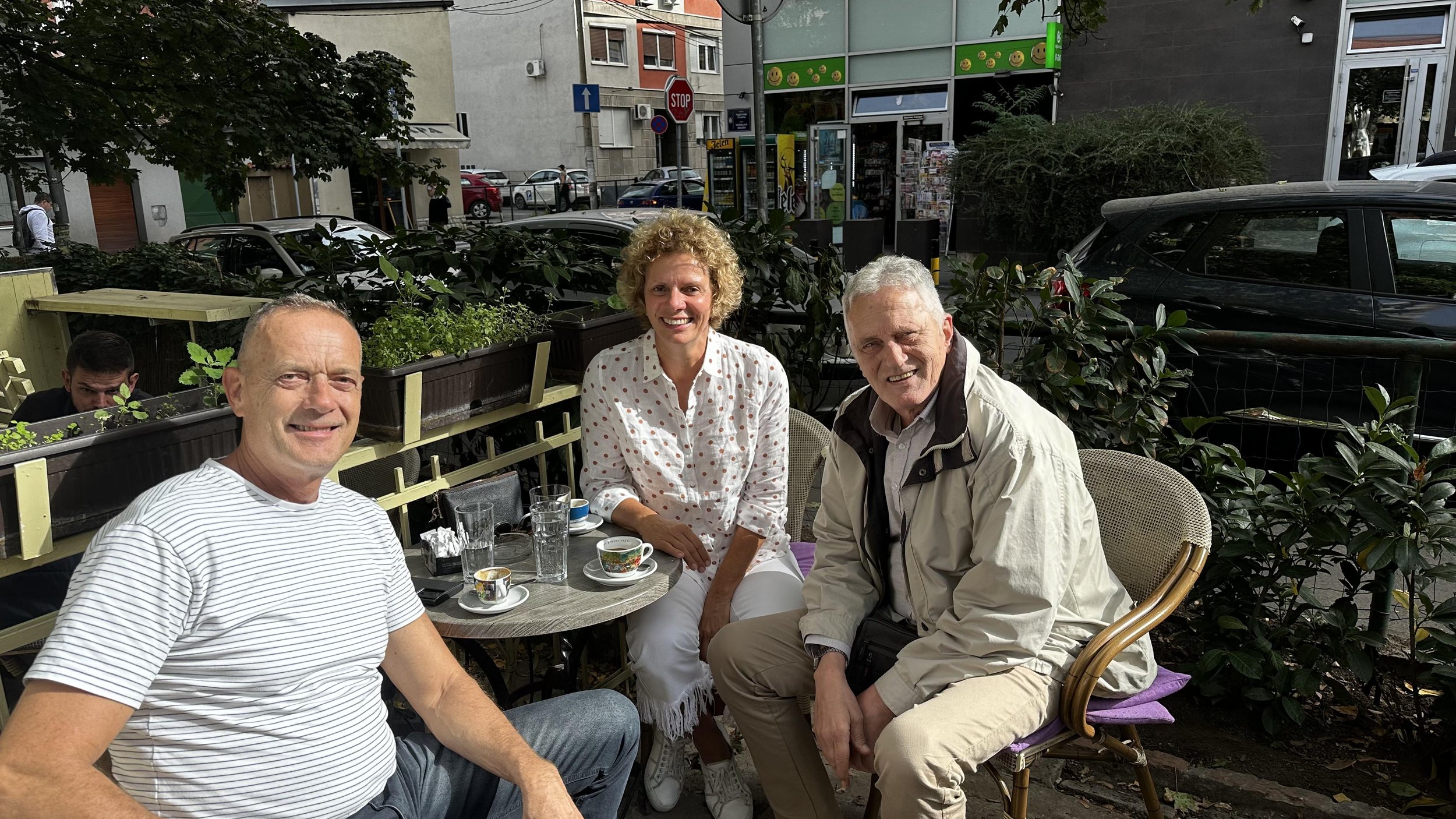
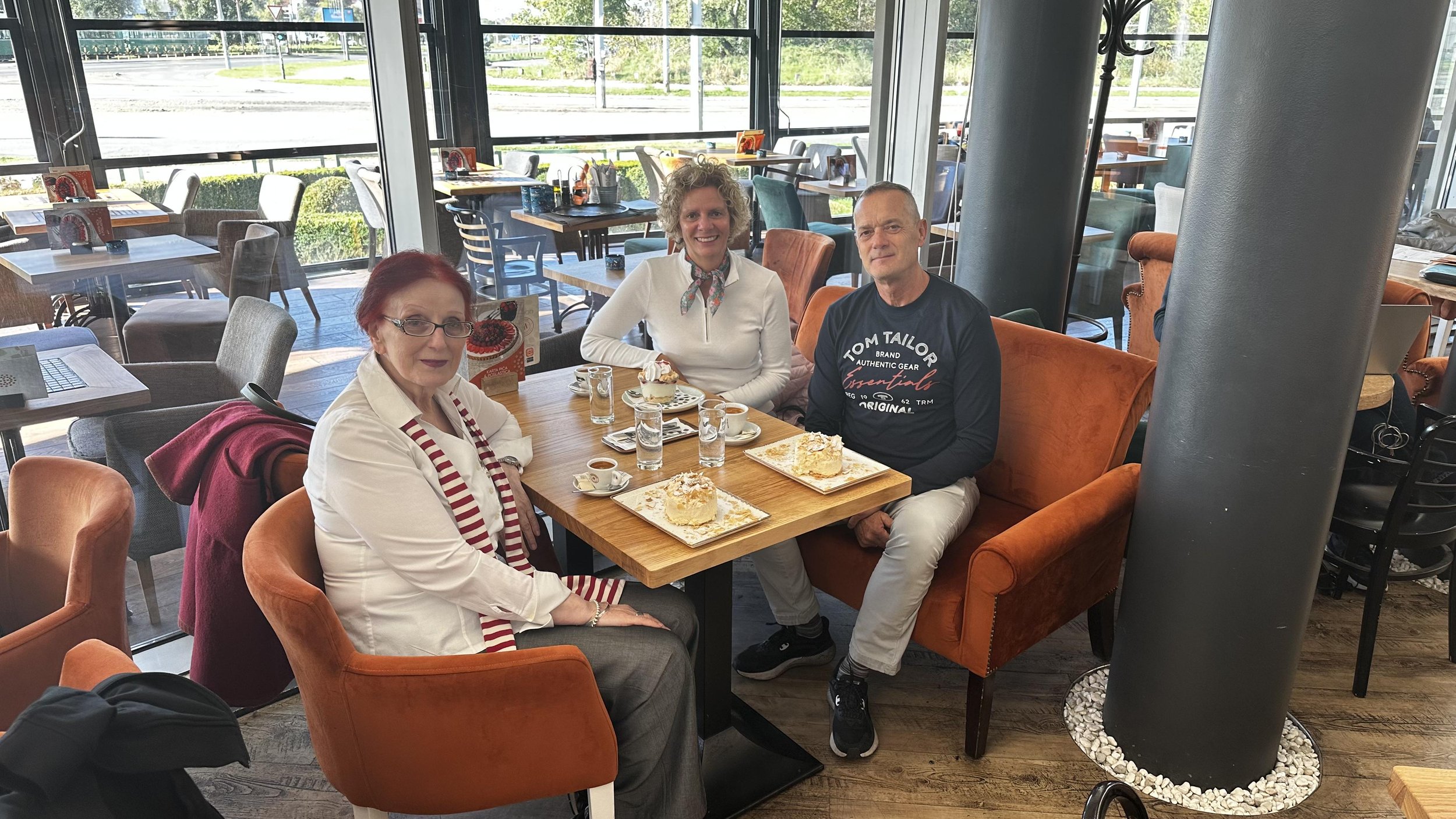
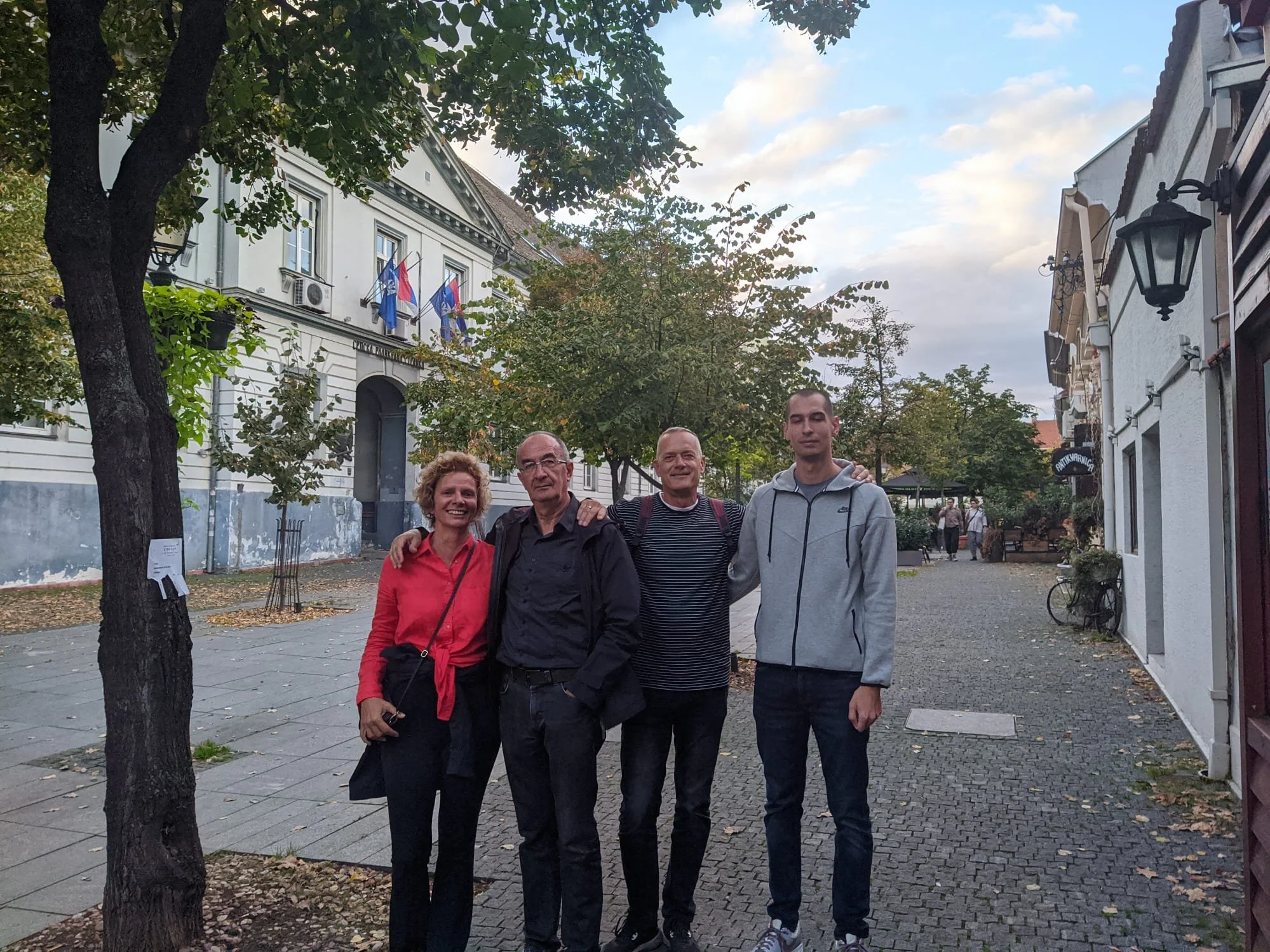
Hauser & Ðokoviċ
Добро дошли у Србију! Welcome to Serbia!
After our spontaneous trip to London we came back to Belgrade with a plan to spend a few weeks here with our family and friends and enjoy everything this metropolitan city has to offer and trust me there is a lot!
Part 1 of 2

After our spontaneous trip to London we came back to Belgrade with a plan to spend a few weeks here with our family and friends and enjoy everything this metropolitan city has to offer and trust me there is a lot!
Let me give you a brief run down on the history of Serbia:
Serbia, officially the Republic of Serbia is a landlocked country in Southeast and Central Europe situated at the crossroads of the Pannonian Basin and the Balkans. It shares land borders with Hungary in the north, Romania to the northeast, Bulgaria to the southeast, North Macedonia to the south, Croatia and Bosnia and Herzegovina to the west, and Montenegro to the southwest. Serbia claims a border with Albania through the disputed territory of Kosovo.
Serbia has about 6.6 million inhabitants. Its capital Belgrade is also the largest city.
Serbia has a rich cultural heritage, here's a brief overview of its history:
1. Medieval Serbia: The region now known as Serbia was inhabited by various Slavic tribes in the early Middle Ages. In the 9th century, the Serbs established the Principality of Serbia, which later expanded under leaders like Stefan Nemanja.
2. The Serbian Empire: The 14th century saw the rise of the Serbian Empire under Emperor Stefan Dušan, which briefly became one of the most powerful states in Europe. However, it eventually succumbed to internal strife and the Ottoman Empire.
3. Ottoman Rule: Serbia fell under the Ottoman rule in the late 14th century and endured nearly four centuries of occupation, during which many Serbs converted to Islam.
4. Struggle for Independence: The 19th century brought a resurgence of Serbian nationalism and a series of uprisings against the Ottoman Empire. The First Serbian Uprising in 1804 and the Second Serbian Uprising in 1815 ultimately led to autonomy in 1830.
5. Kingdom of Serbia: In 1882, Serbia became a kingdom. World War I saw Serbia heavily impacted, with a quarter of the population wiped. After the war, it joined the Kingdom of Serbs, Croats, and Slovenes, later known as the First Yugoslavia.
6. Yugoslavia and Tito: Under the leadership of Josip Broz Tito, Yugoslavia was formed as a communist federation after World War II. Serbia was a significant part of this union.
7. Yugoslav Dissolution: The 1990s witnessed the violent breakup of Yugoslavia.
8. The Kosovo Issue: The 1999 NATO bombing campaign led to the withdrawal of Yugoslav forces from Kosovo, which later declared independence in 2008. Serbia today still does not recognize Kosovo's sovereignty.
9. Modern Serbia: Since the 2000 overthrow of Slobodan Milošević, Serbia has undergone political and economic changes, striving for European integration. It formally applied for EU membership in 2009.
This is as short as it gets! I could elaborate each of the nine chapters but it will be too long and too much.
Serbian history is rich, conflicting, complex and often not well understood. I know there are many biases about Serbia formed under the powerful influence of the western media.
I am not a politician, I am not a historian and I certainly do not like politics, but I will say this - in order to understand more recent history of Serbia (90’s - 2000’s) it is most important to go back in time and understand all historical events that arose over the centuries prior. And then read more and from different sources to form an opinion, while being curious and non judgemental.
Apart from its rich history, Serbia has a diversified culture and beautiful landscapes. From famous medieval monasteries and fortresses, to exquisite traditional food and hospitality, iconic personalisties and bustling festivals, to a peculiar mix of architectural styles in the cities and ancient landmarks that dot the countryside there is something for everyone and is why we love visting Serbia.
Growing up, both Neb and I would go to Serbia and have continued visiting Belgrade and its surroundings over the years. This time, we wanted to visit areas where we haven’t been before and picked eastern Serbia to explore.
So, a little on what we’ve been up to:
We based ourselves in Belgrade, suburb Vračar where our Kiwi friends have a beautiful apartment. They left to go back to NZ and again thanks to generosity and kindness of our friends we have had a great accommodation in the old city center! Perfect 👍
Our close relatives who live in Belgrade have simply been amazing and looked after us each and every day! They have planned a weekend away and have shouted us with a number of theatre performances and concerts during our stay! So so cool, hvala (thank you).
We have also had “pozorištijada” ( self-coned word that means we attended a large number of theatre shows) and we’ve loved the busyness, active social and cultural life that Belgrade has on offer! A true metropolis, that has something for everyone 🤗!
Over the weekend we headed East with our family and visited the following:
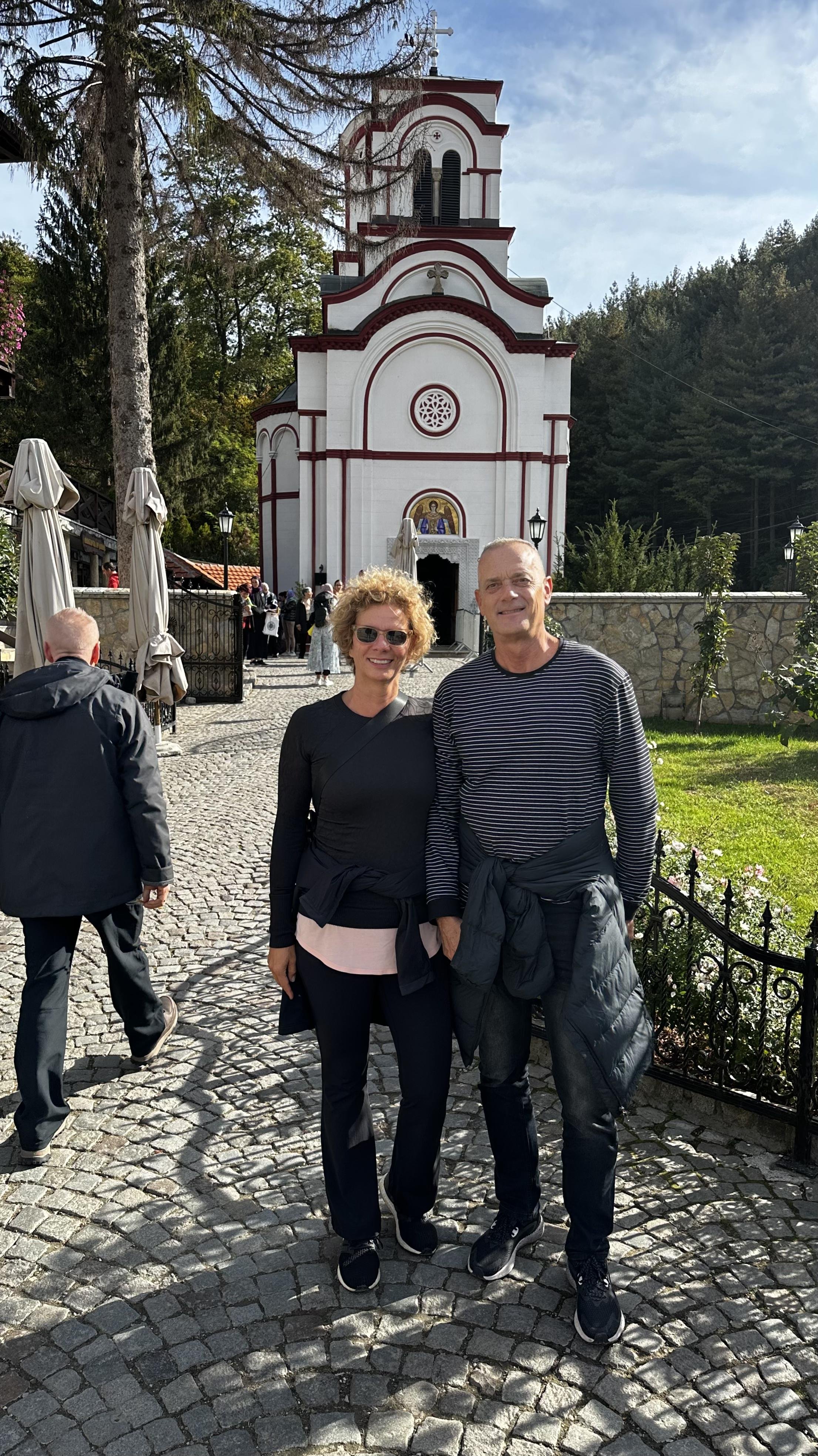
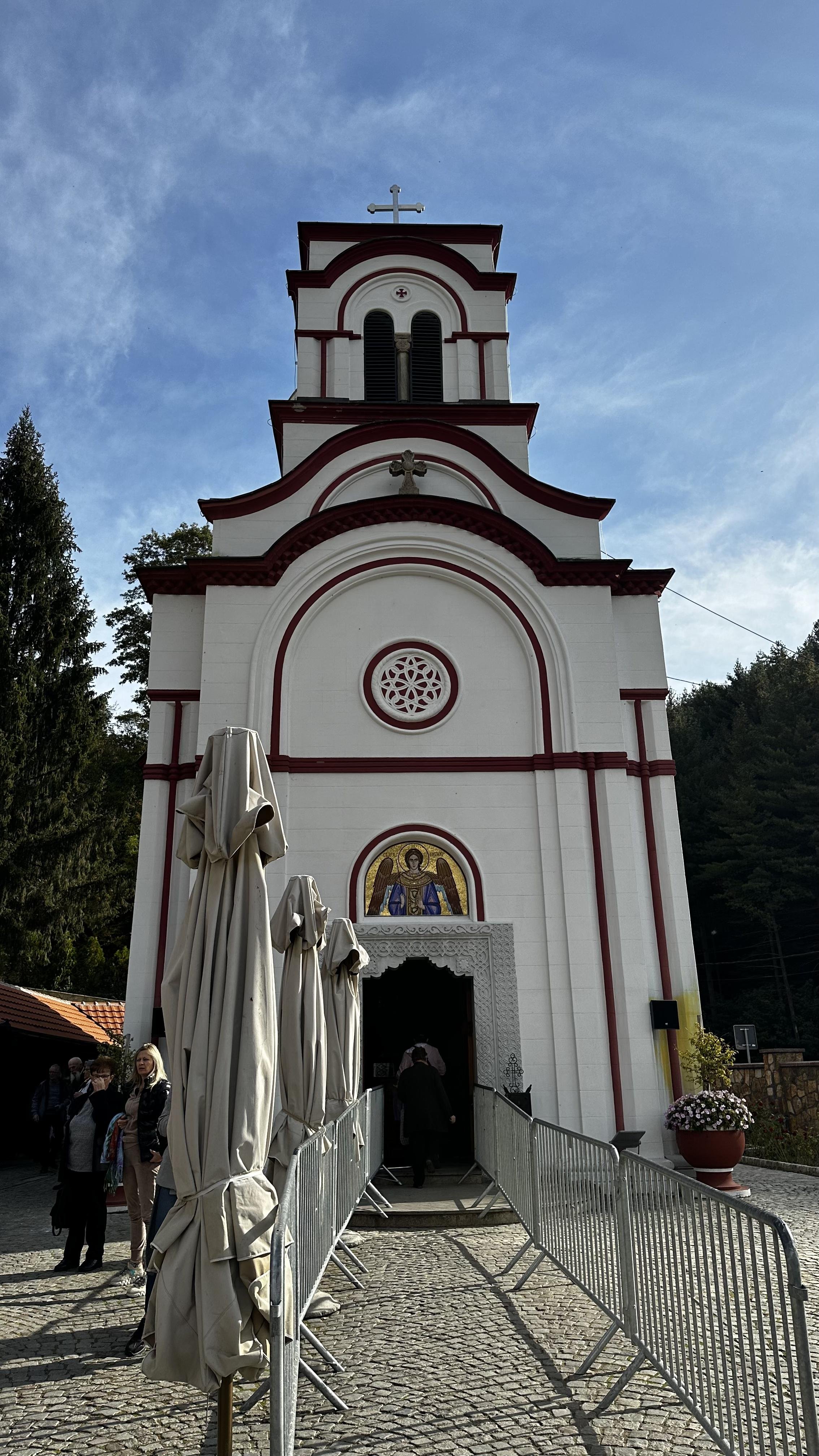
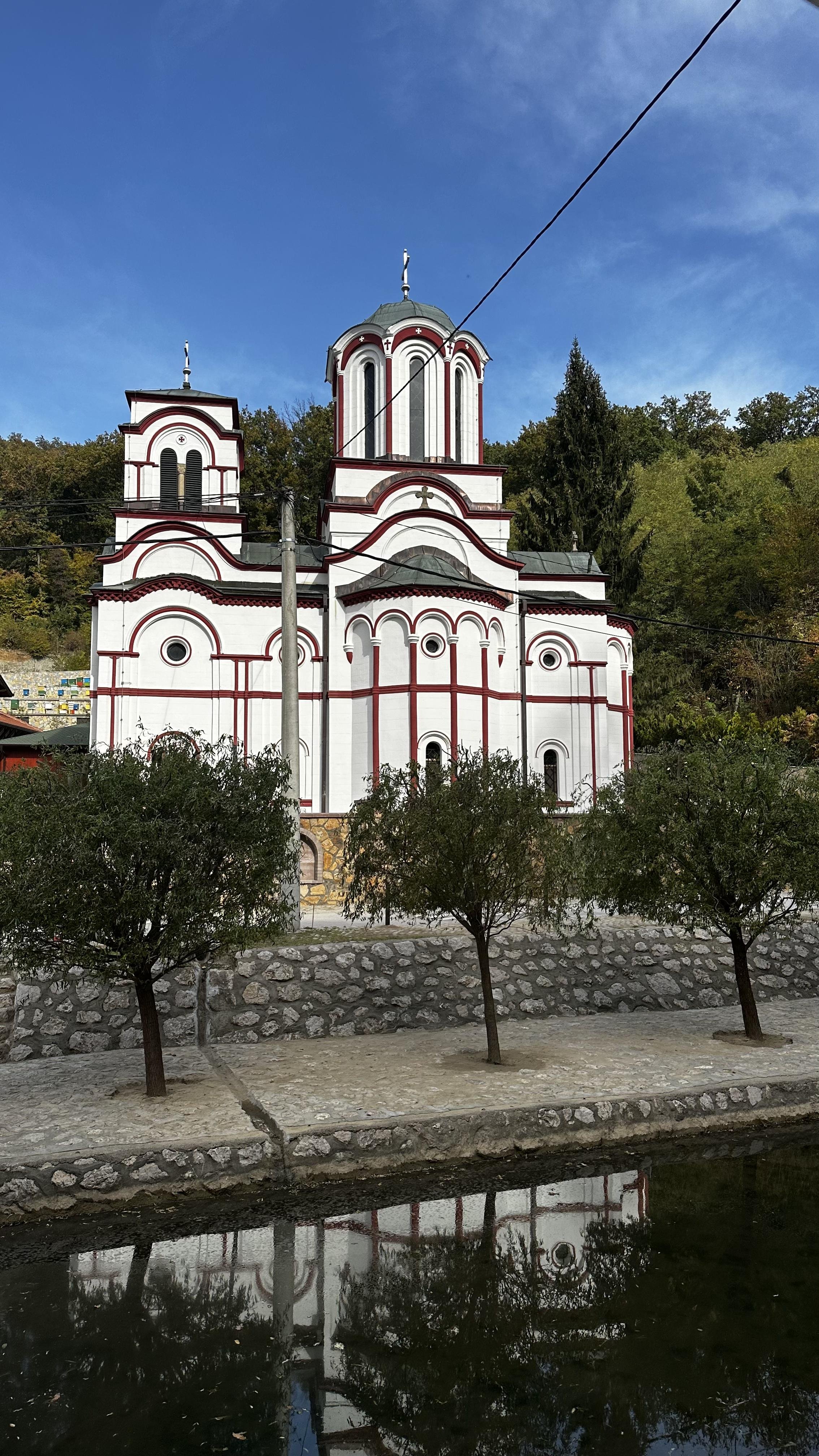
Tumane Monastery
This is a 14th-century Orthodox monastery in eastern Serbia in the municipality of Golubac. The church is dedicated to the Saint Archangel Gabriel.
As of 2018, the monastery has six monks and one nun. Because of the several historical healers who dwelled in the monastery, Tumane has been called "Ostrog of the Đerdap”. Both Ostrog Monastery in Montenegro and Tumane in Serbia are known for their healing powers, and are visited by people from all over the world.
I felt so calm, it’s a beautiful and peaceful place where spirituality is strongly felt.
Đerdap National Park
Đerdap also known as the Iron Gates is a gorge on the Danube River, located between Serbia and Romania. It's a natural wonder and a popular tourist destination known for its stunning cliffs and rock formations. The Đerdap National Park covers a significant part of this area and offers opportunities for outdoor activities, including hiking, boating, and exploring the rich history of the region.
Đerdap is also the name of the biggest hydroelectric power plant in Europe, the seventh largest in the world! The original plant was finished in 1972, with additional power plants built between 1977-84.
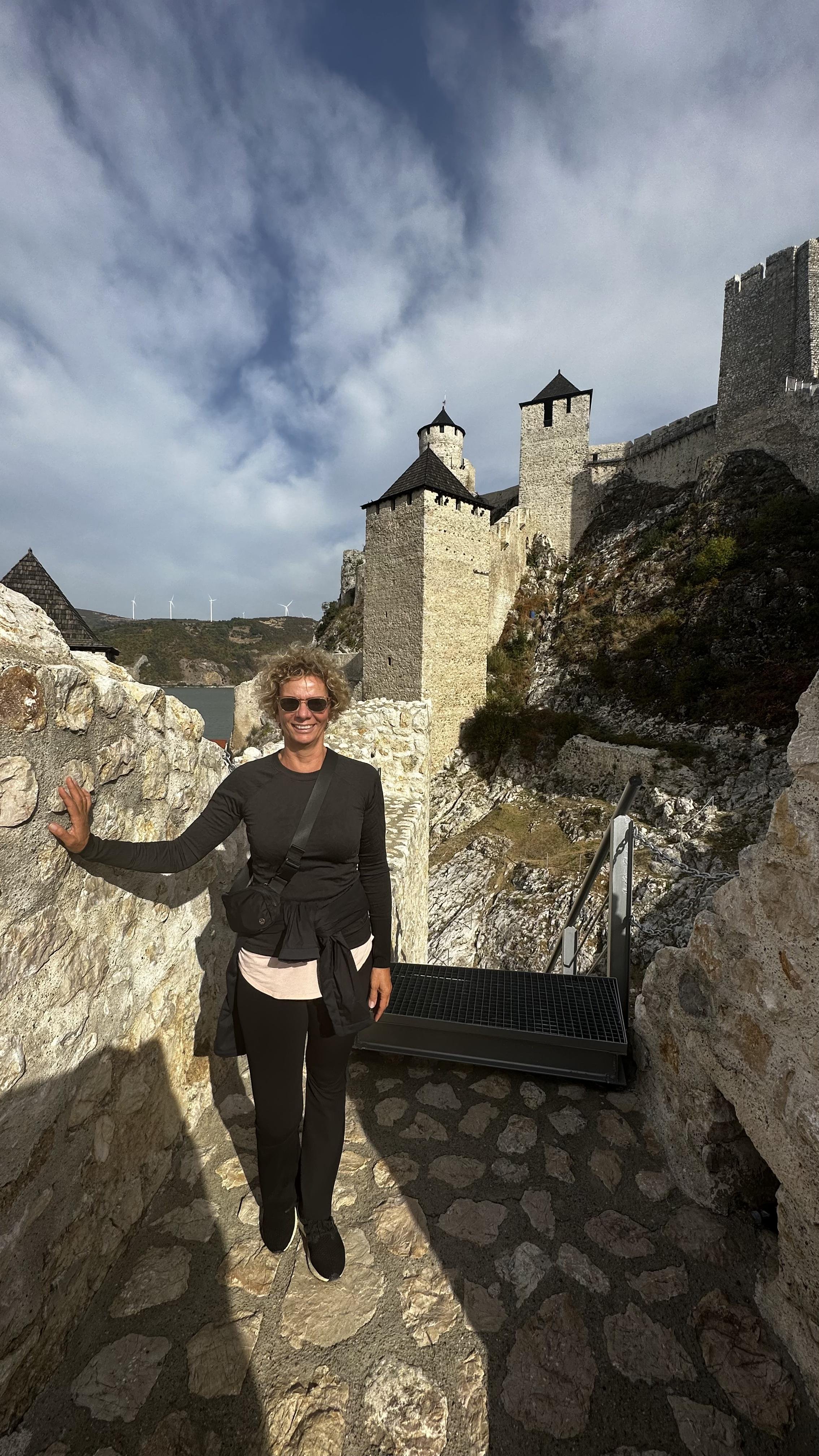
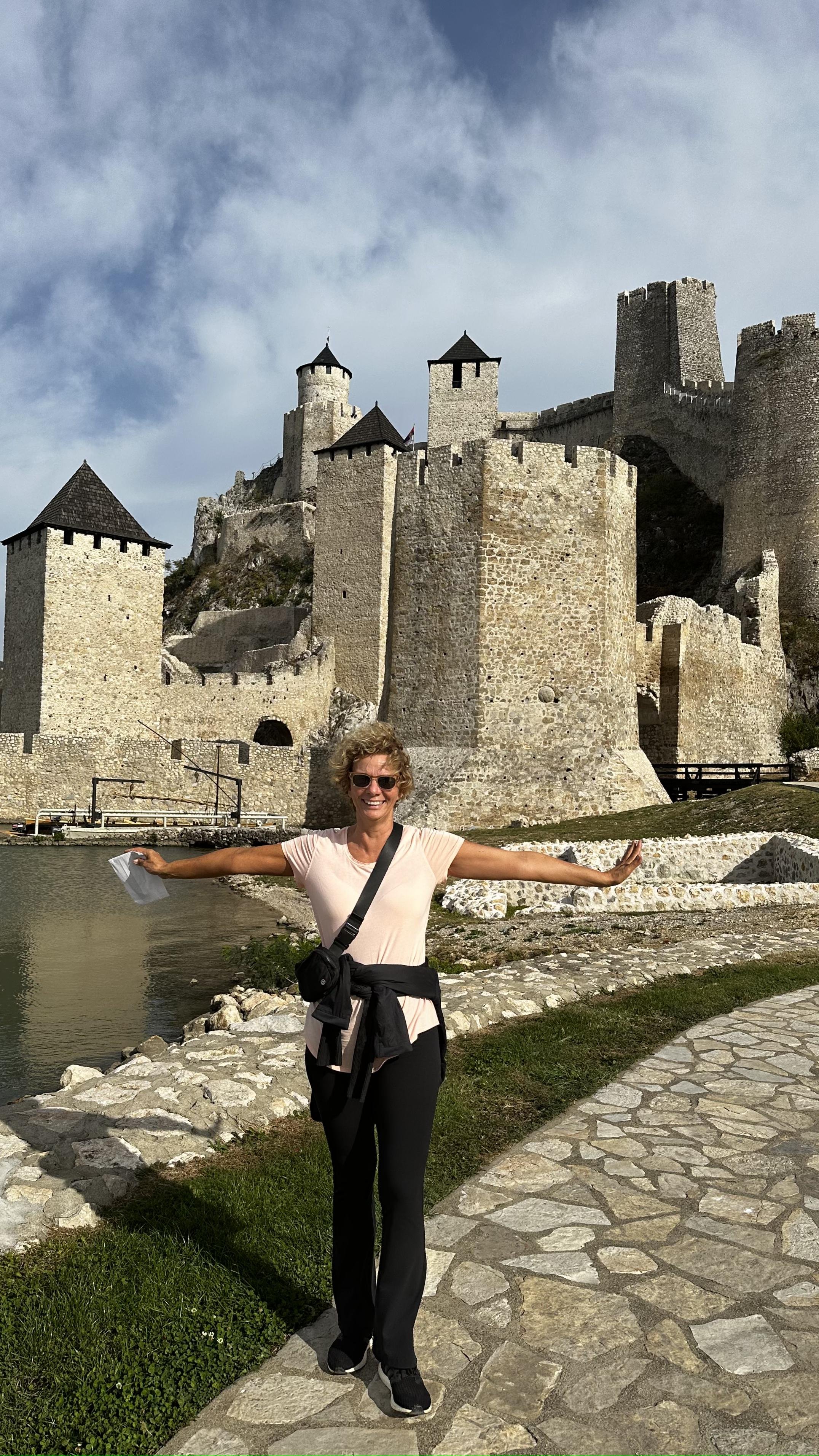
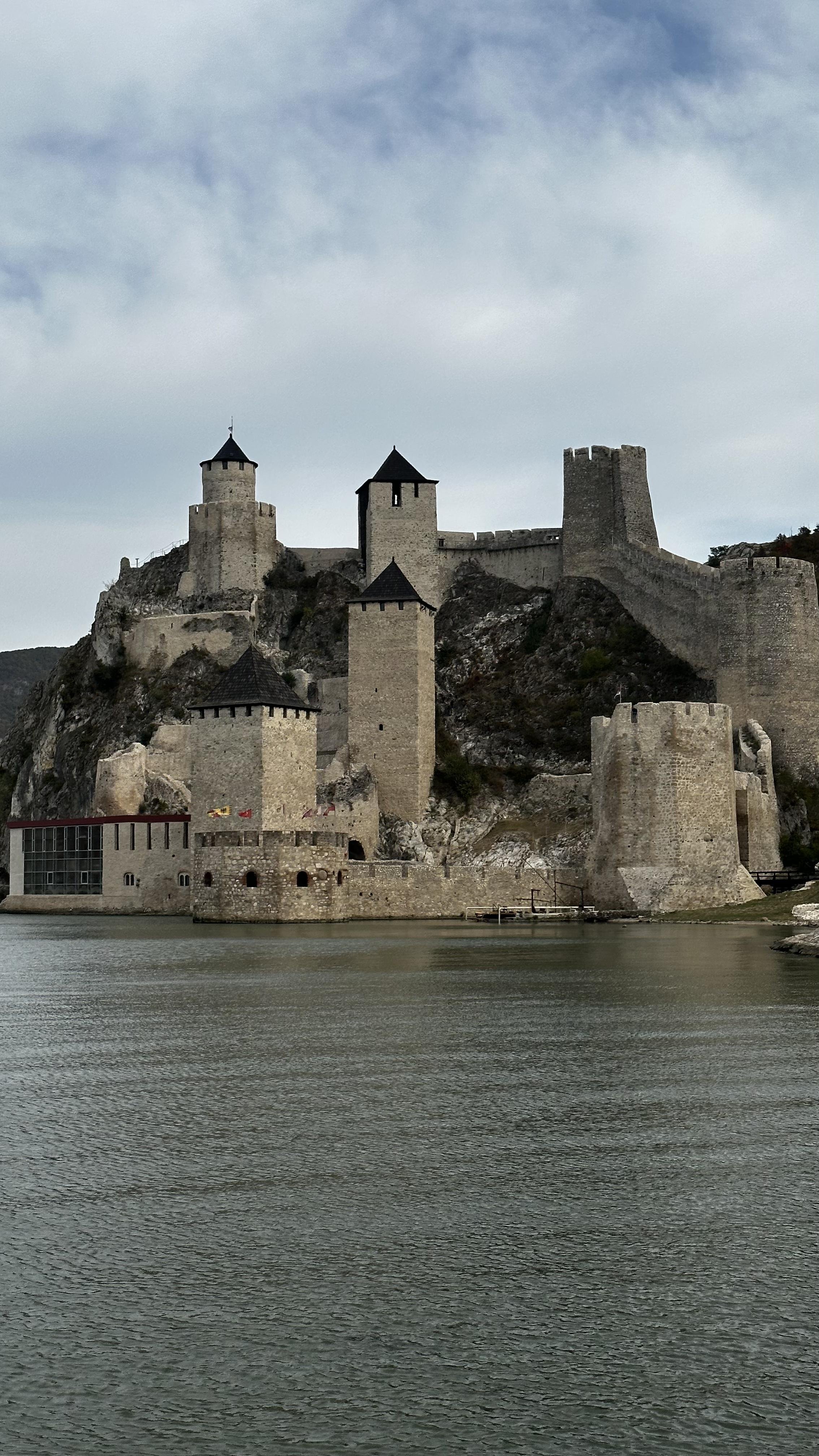
Golubac Fortress
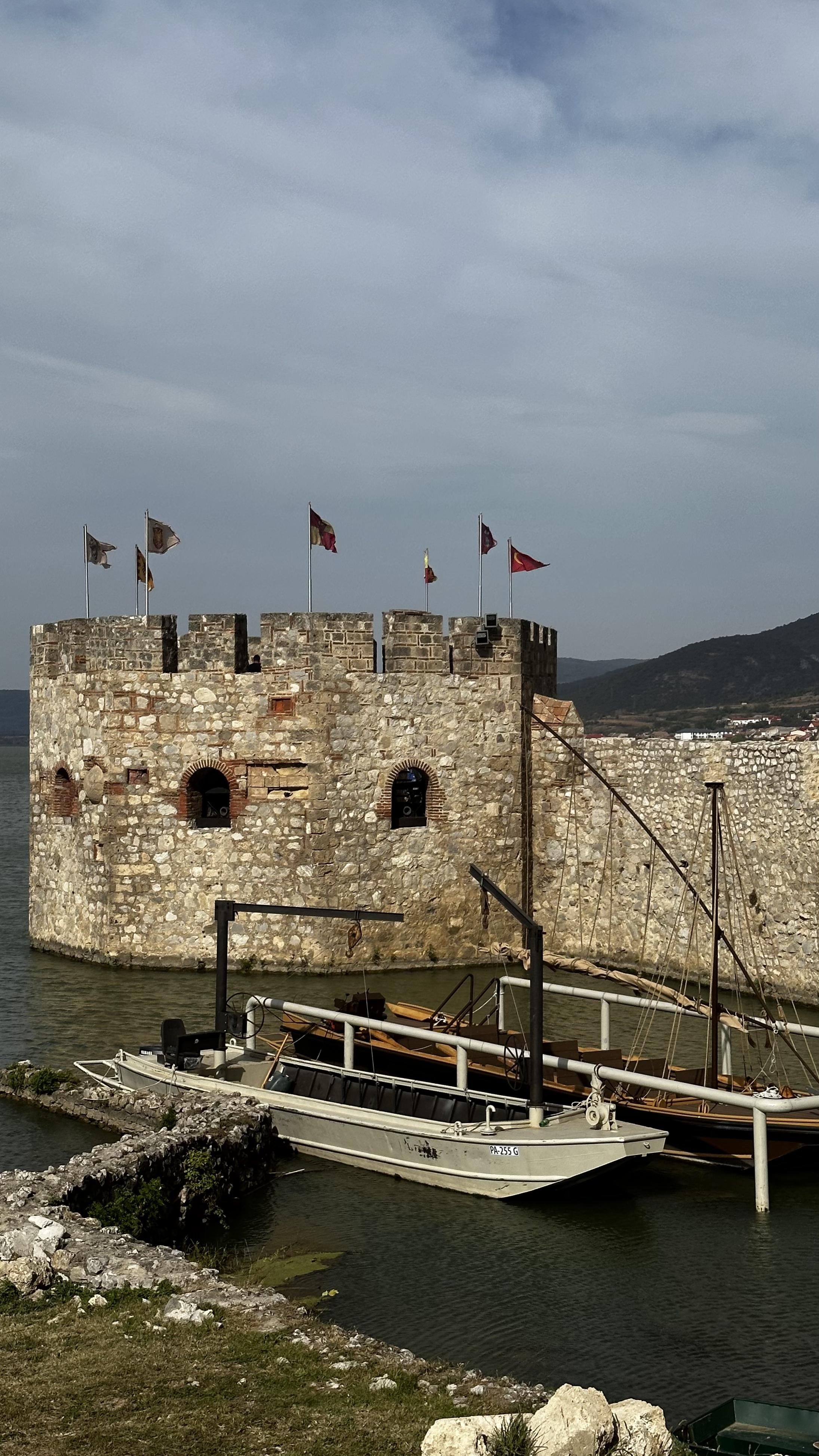
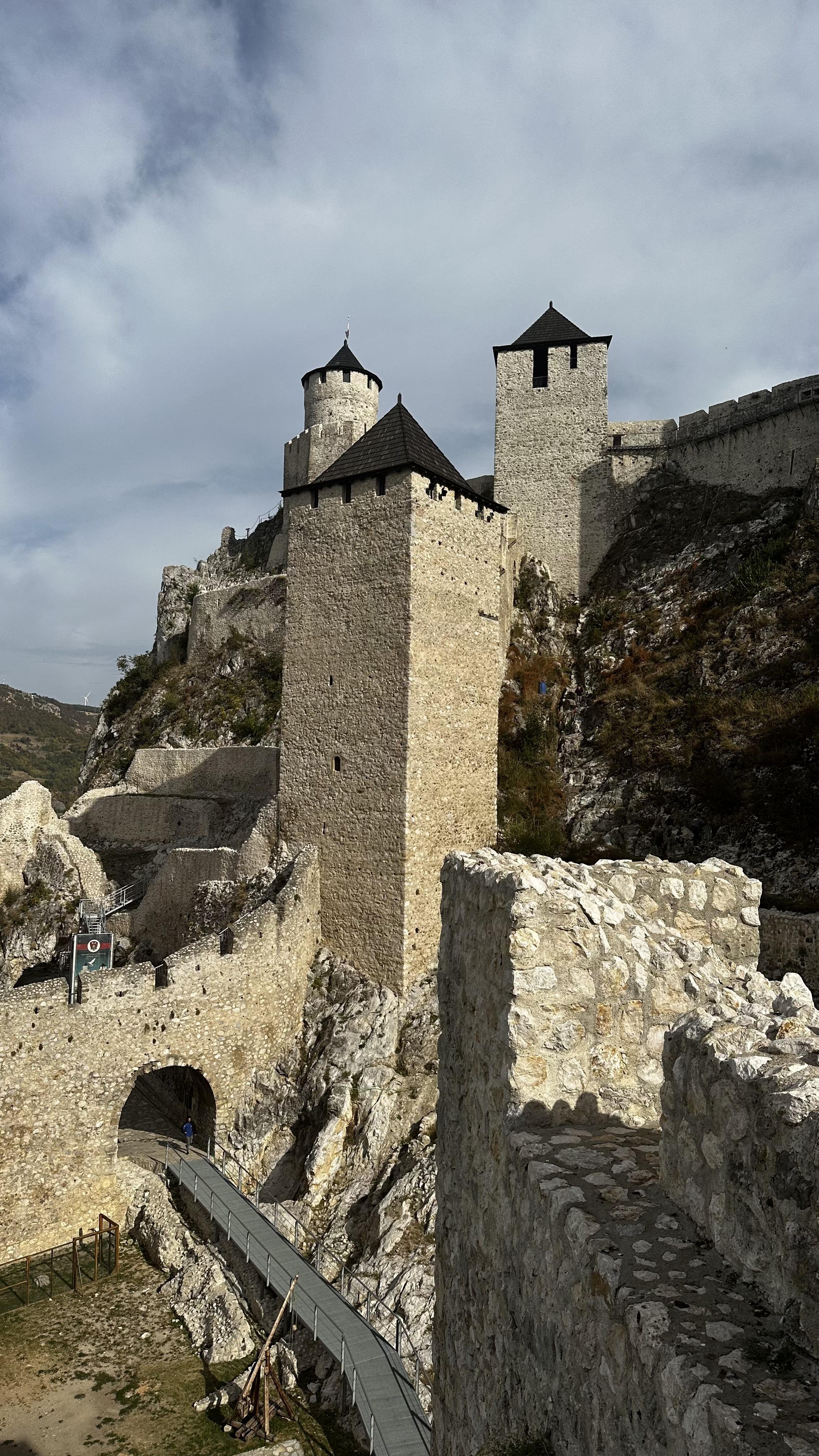
This fortress is amazing, photos look like postcards, and the history of this place is incredible!
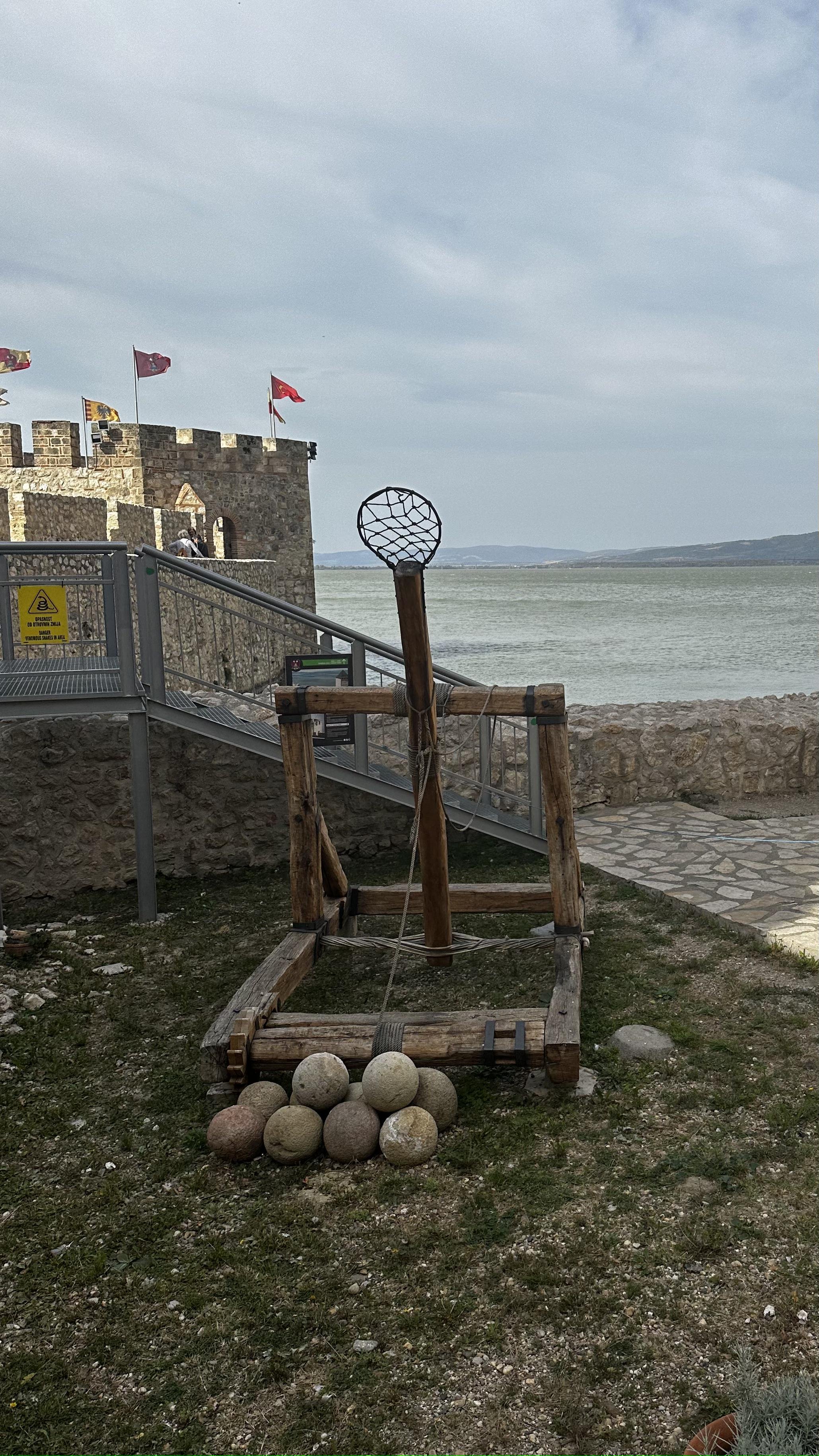
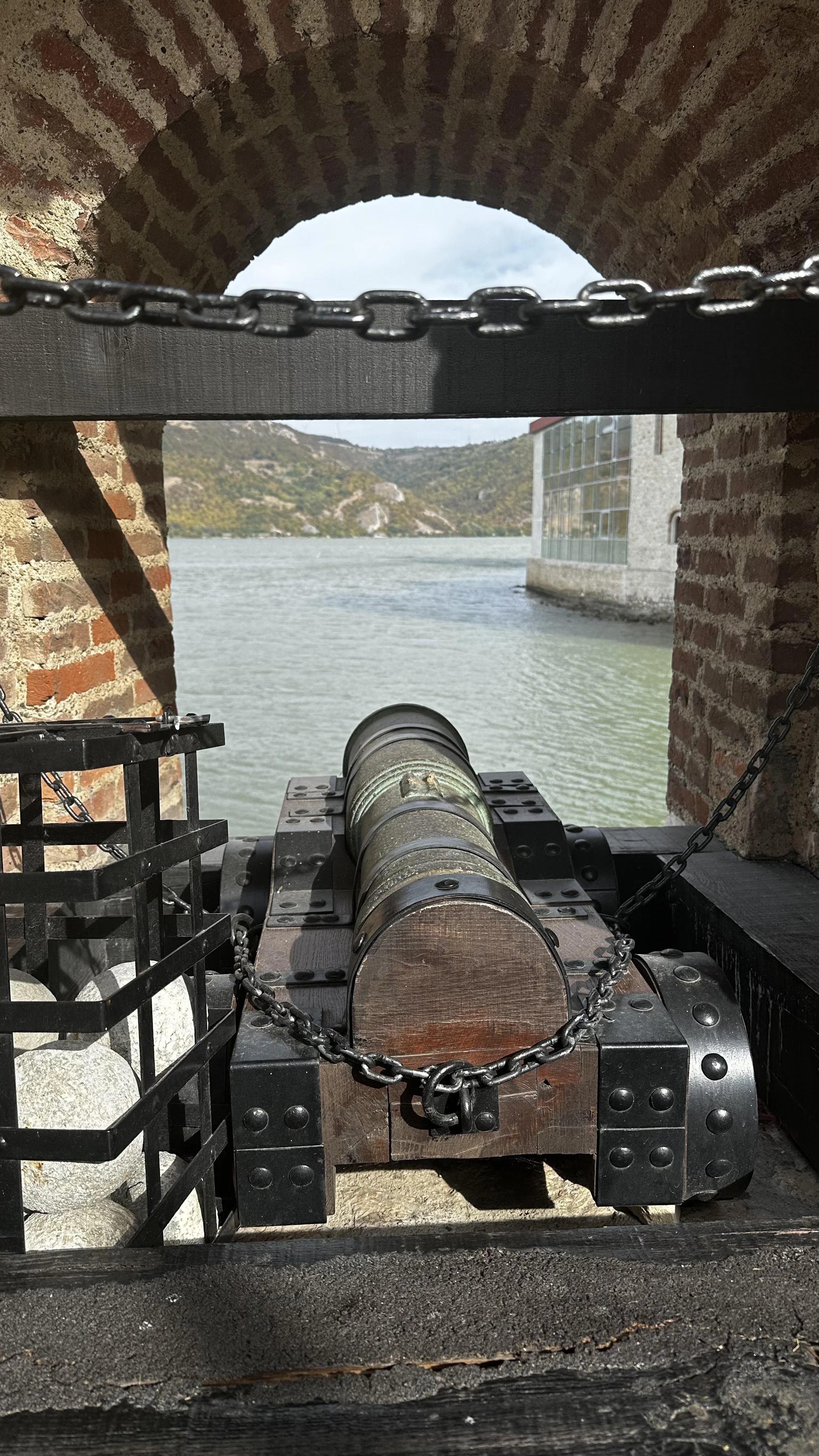
Golubac Fortress has had a tumultuous history. Prior to its construction it was the site of a Roman settlement, a medieval fortified town. According to recent discoveries, the fortress, which was built during the 14th century by Medieval Serbian state, is split into three compounds which were built in stages. It has 9 towers, most of which started square, and several of which received many-sided reinforcements with the advent of firearms. Towers were not connected for easier defense.
During the Middle Ages, it became the object of many battles, especially between the Ottoman Empire and the Kingdom of Hungary. It changed hands repeatedly, passing between Turks, Bulgarians, Hungarians, and Austrians, until 1867, when it was turned over to the Serbian Knez Mihailo Obrenović III. The fortress has a distinction of successfully repelling over 120 attacks, and no one ever being able to conquer it!
The Golubac Fortress was declared a Monument of Culture of Exceptional Importance in 1979, and it is protected by the Republic of Serbia.
It underwent a full reconstruction between 2014-2019, and has had over 700,000 visitors since then. It has become a popular tourist attraction in the region and a sightseeing point on Danube boat tours.
A few fun facts:
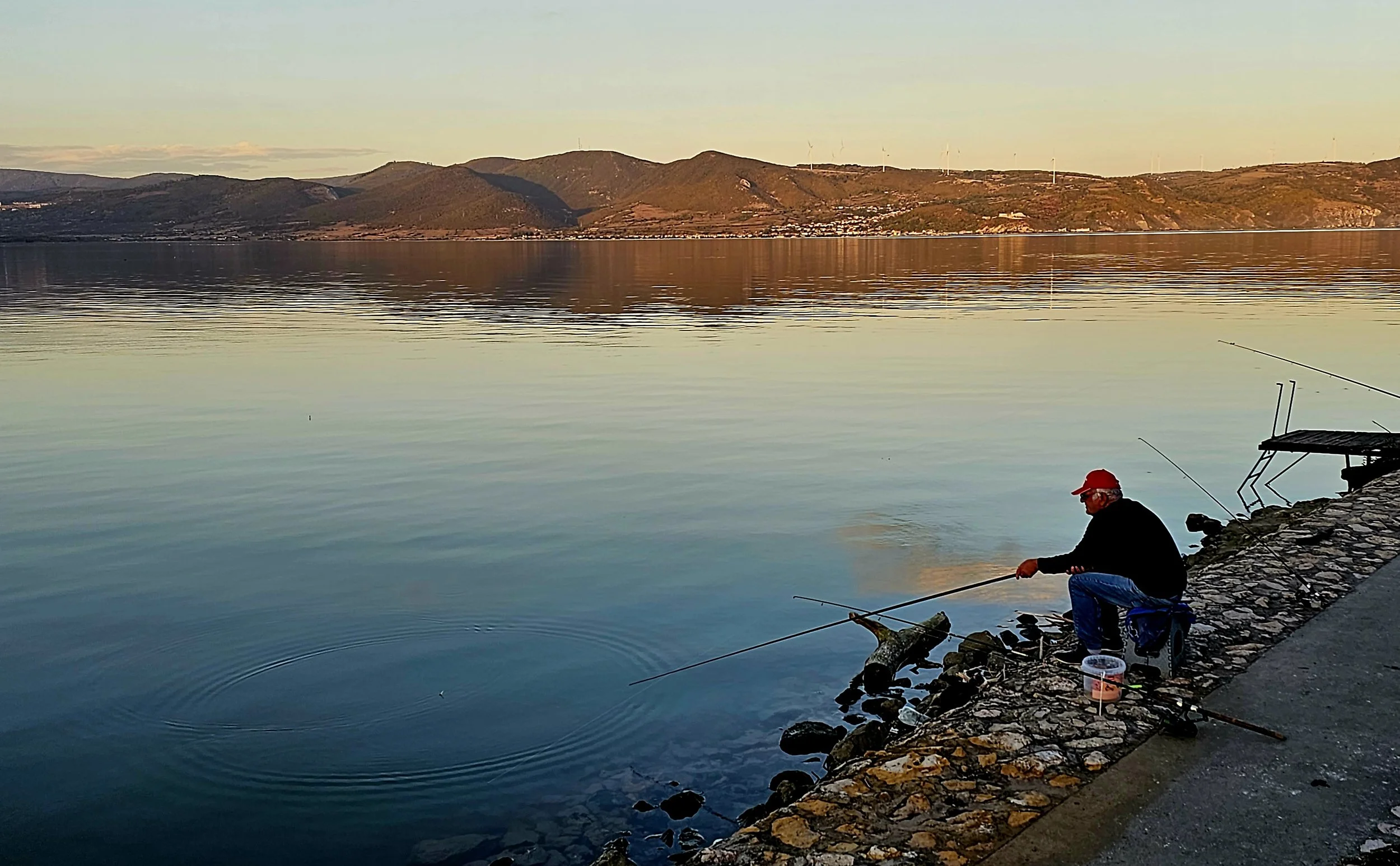
At Golubac Fortress area, Danube is 6km wide, it’s the river’s widest part, but 70km away is the river’s narrowest part of only 138m. Danube is deepest at the most narrow part, with a depth of 98m!
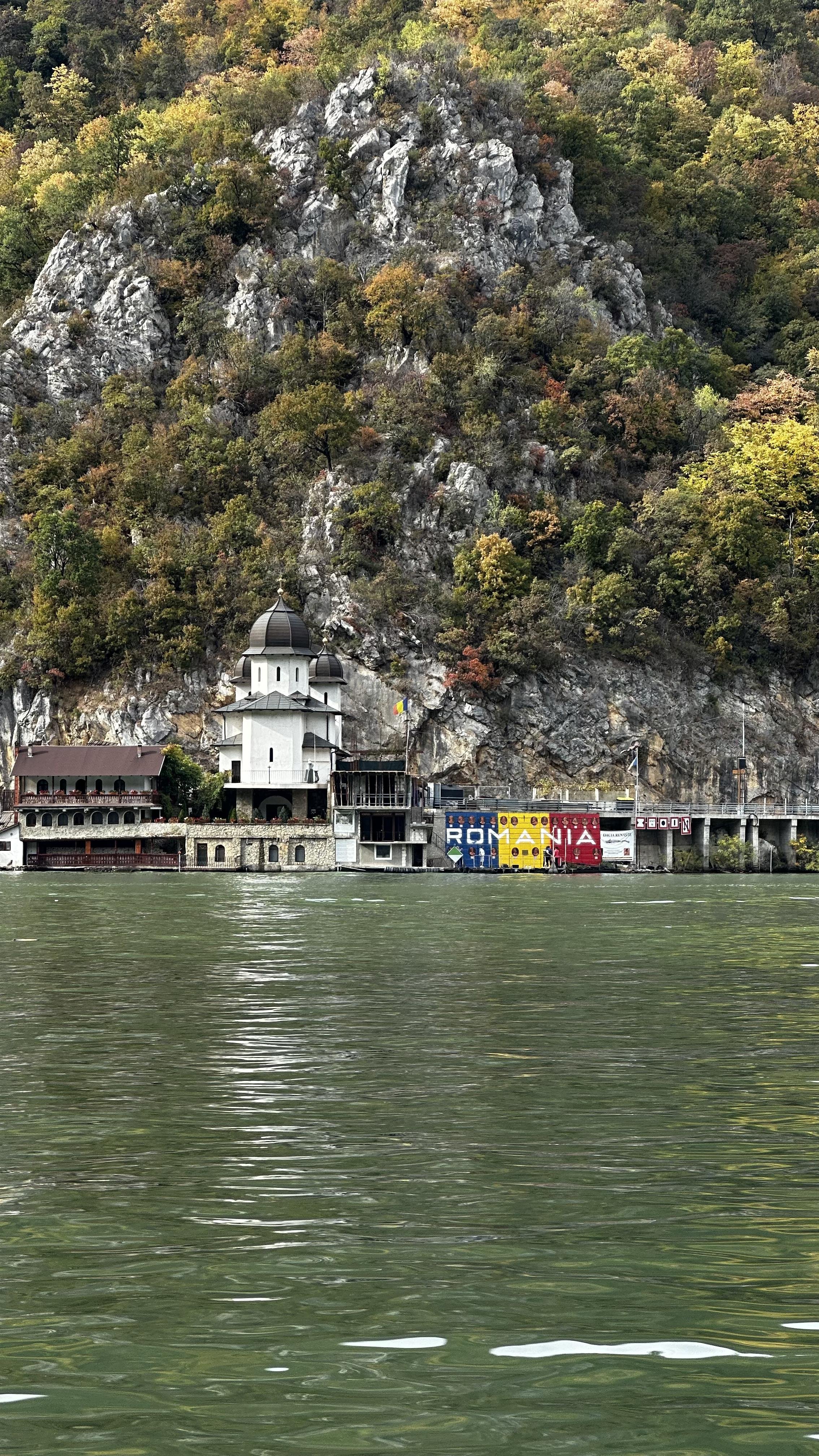
Across the water is Romania, with a border running in the middle of Danube river. My iPhone was so lost, and so was I! One minute Globatech Serbia welcomed me to Serbia, the next minute I received a welcome text from Romanian Telcos provider!
The time also changed multiple times during a day, with Romania being an hour ahead of Serbia. It was so funny, I was so confused about the actual time!
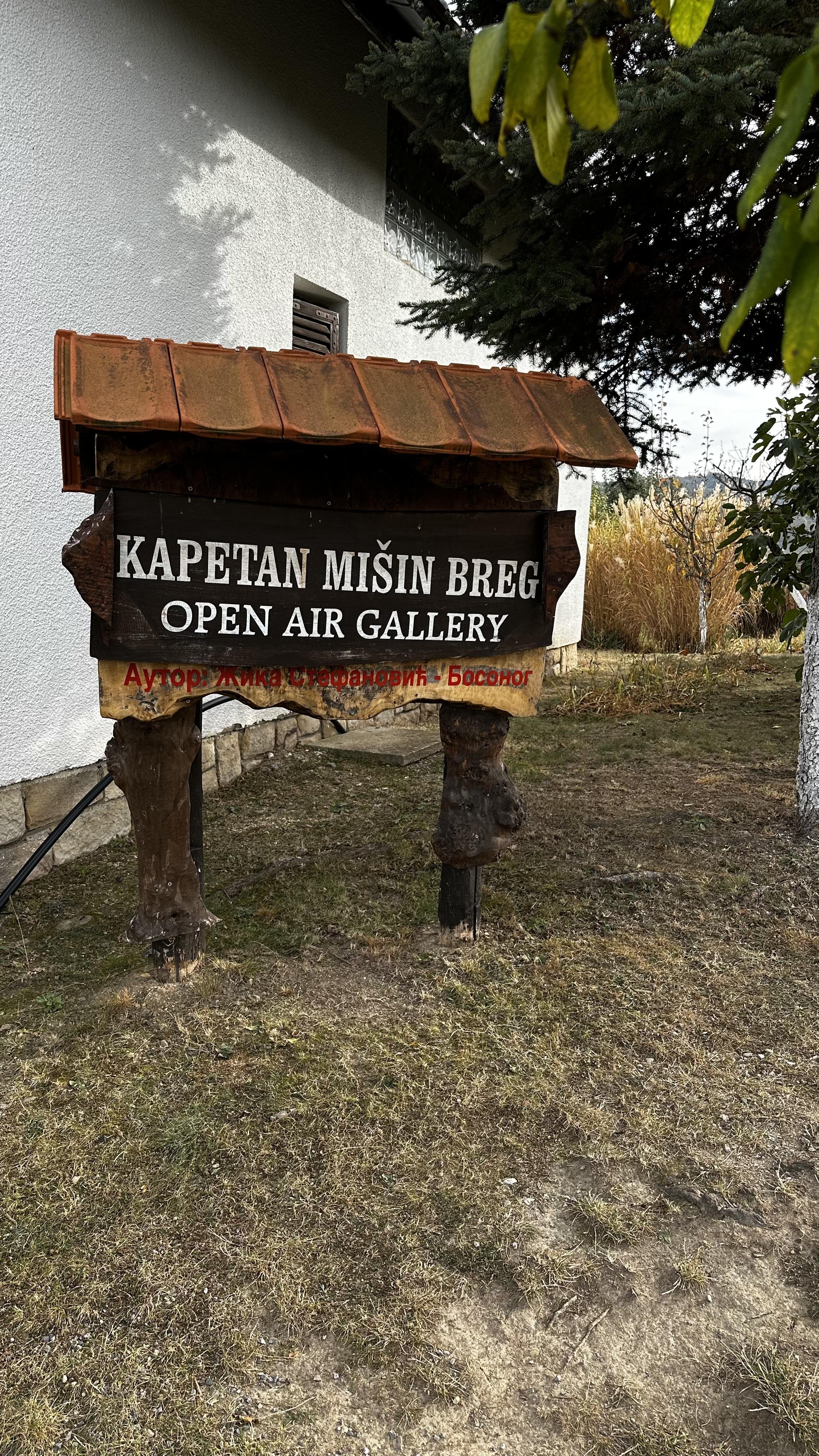
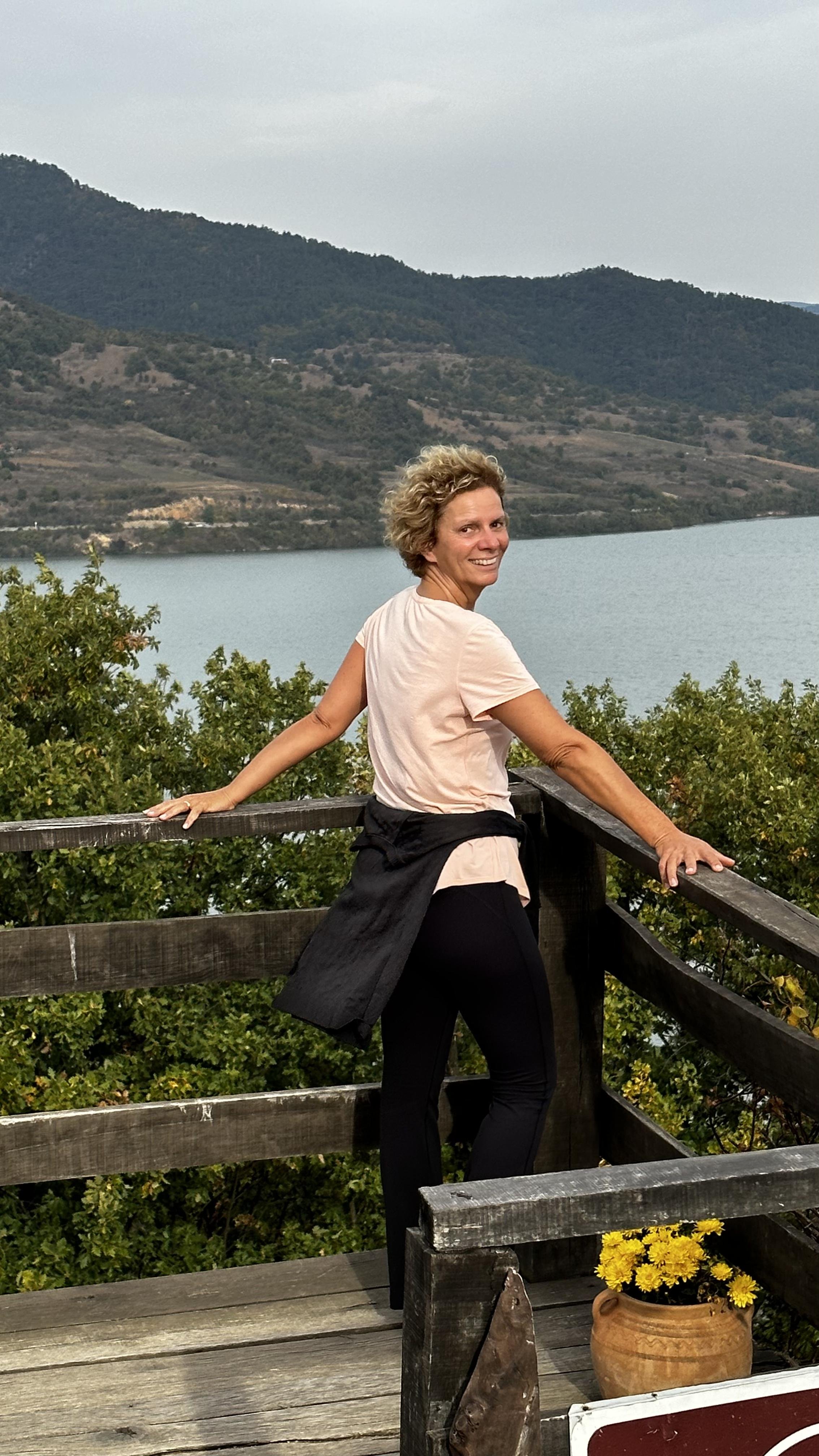
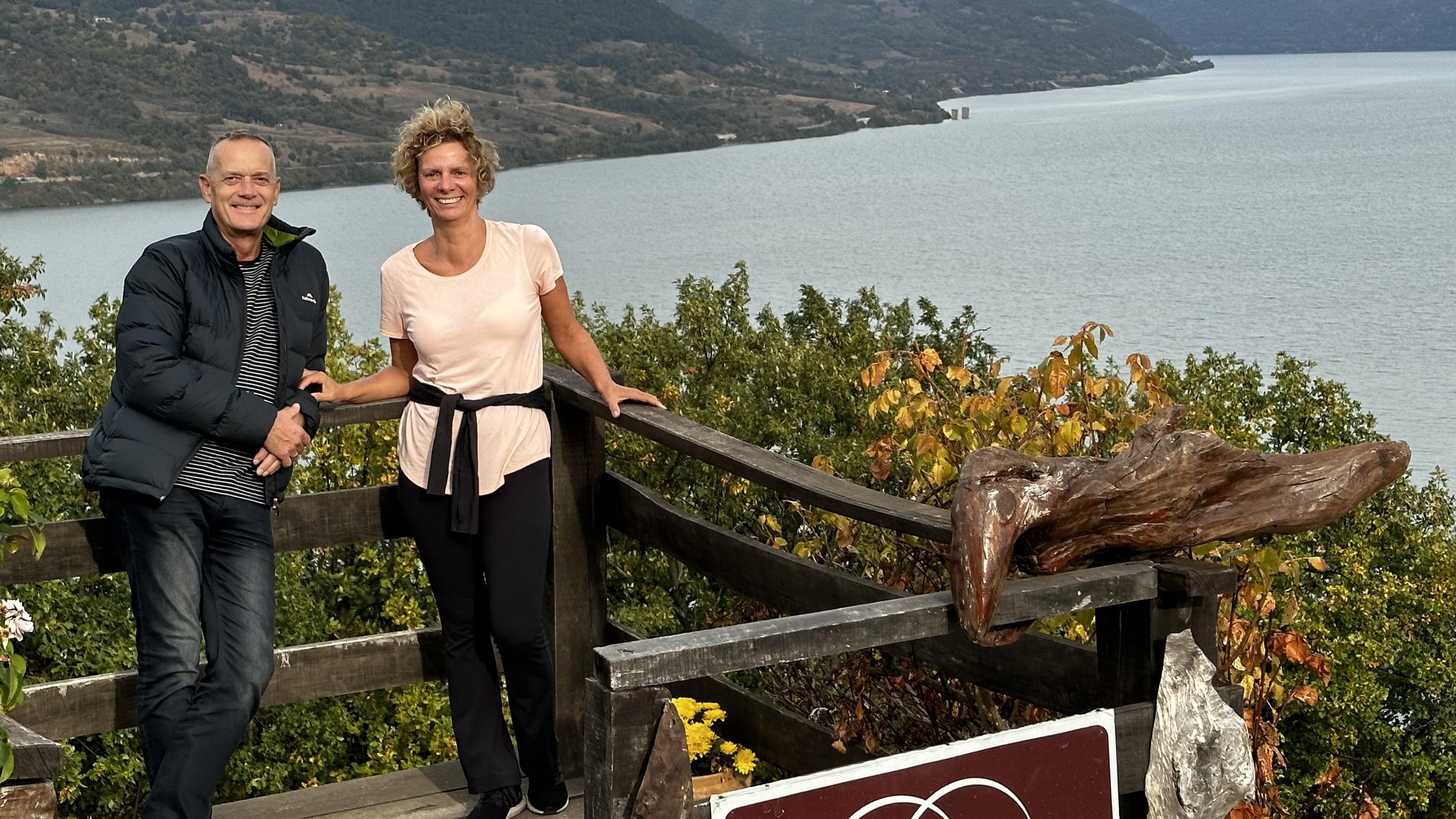
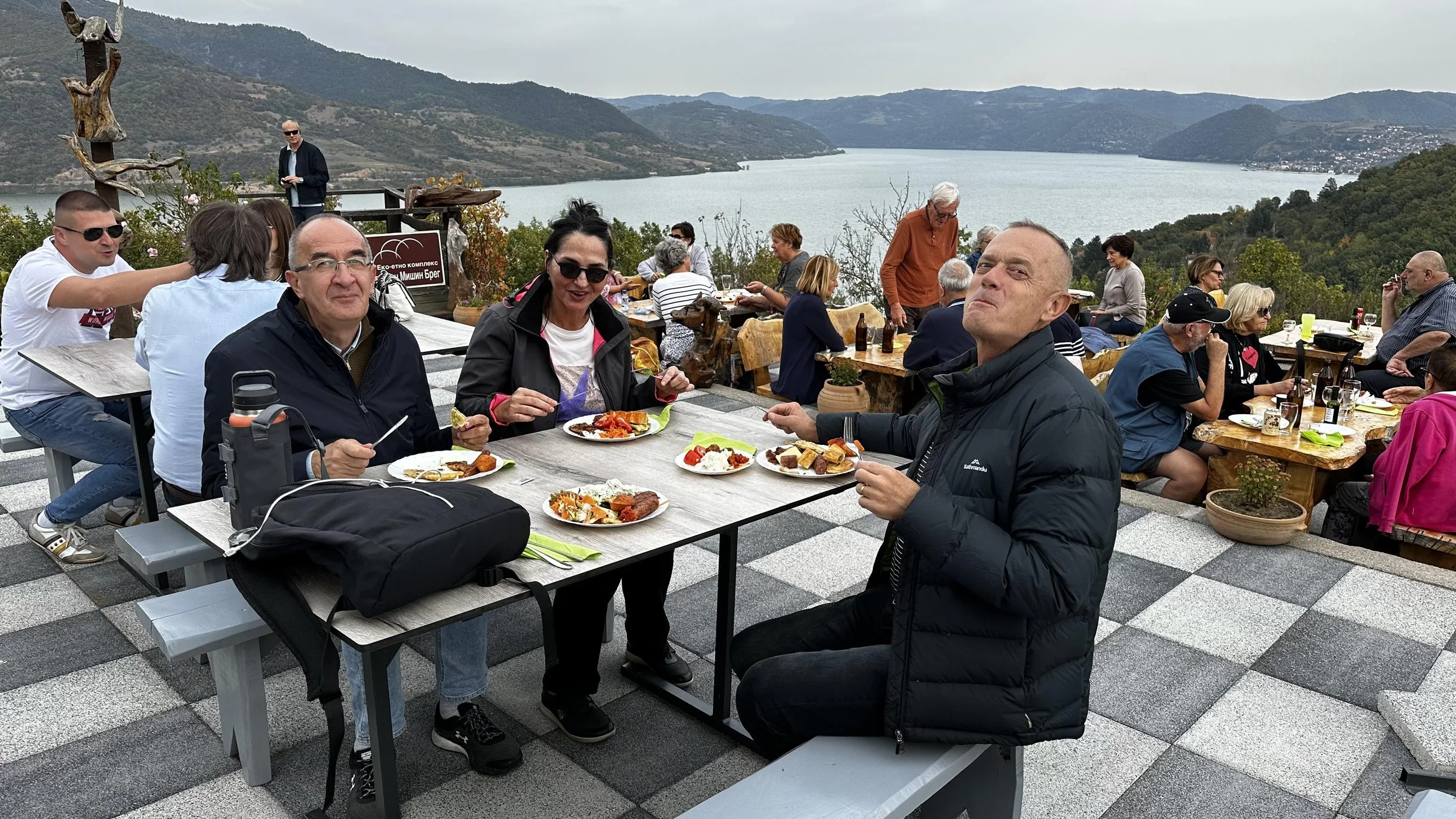
We finished the day with an amazing dinner at the Kapetan Mišin Breg (Captain Mišin Hill) restaurant.
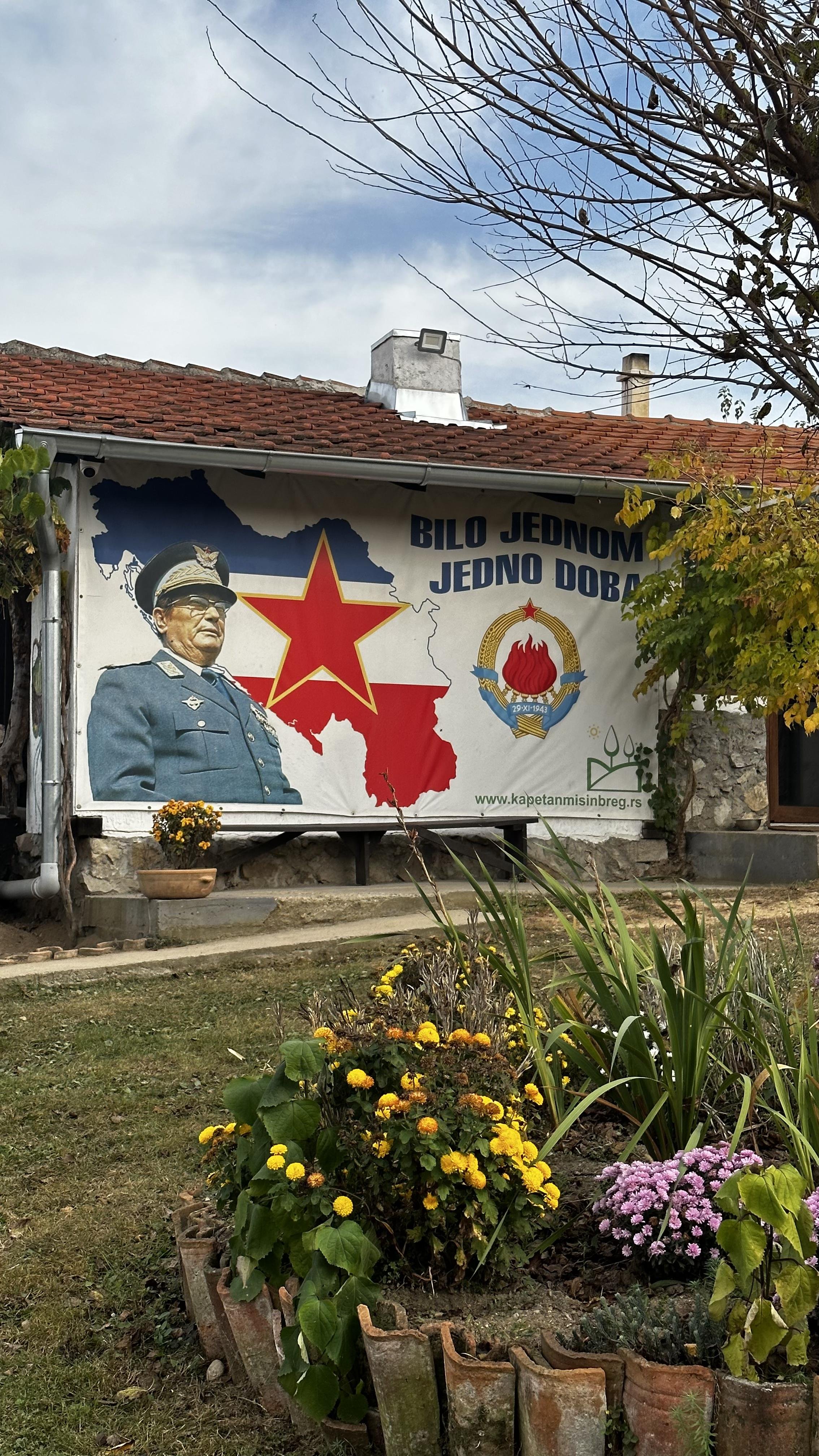
Captain Mišin Hill is a complex built in honor of the life and work of Captain Mihailo Miša Anastasijević. He was born in the 19th century near the complex. Captain Miša was one of the wealthiest individuals of his time and, most importantly, a great philanthropist. He is also known as the first elected president of the National Assembly.
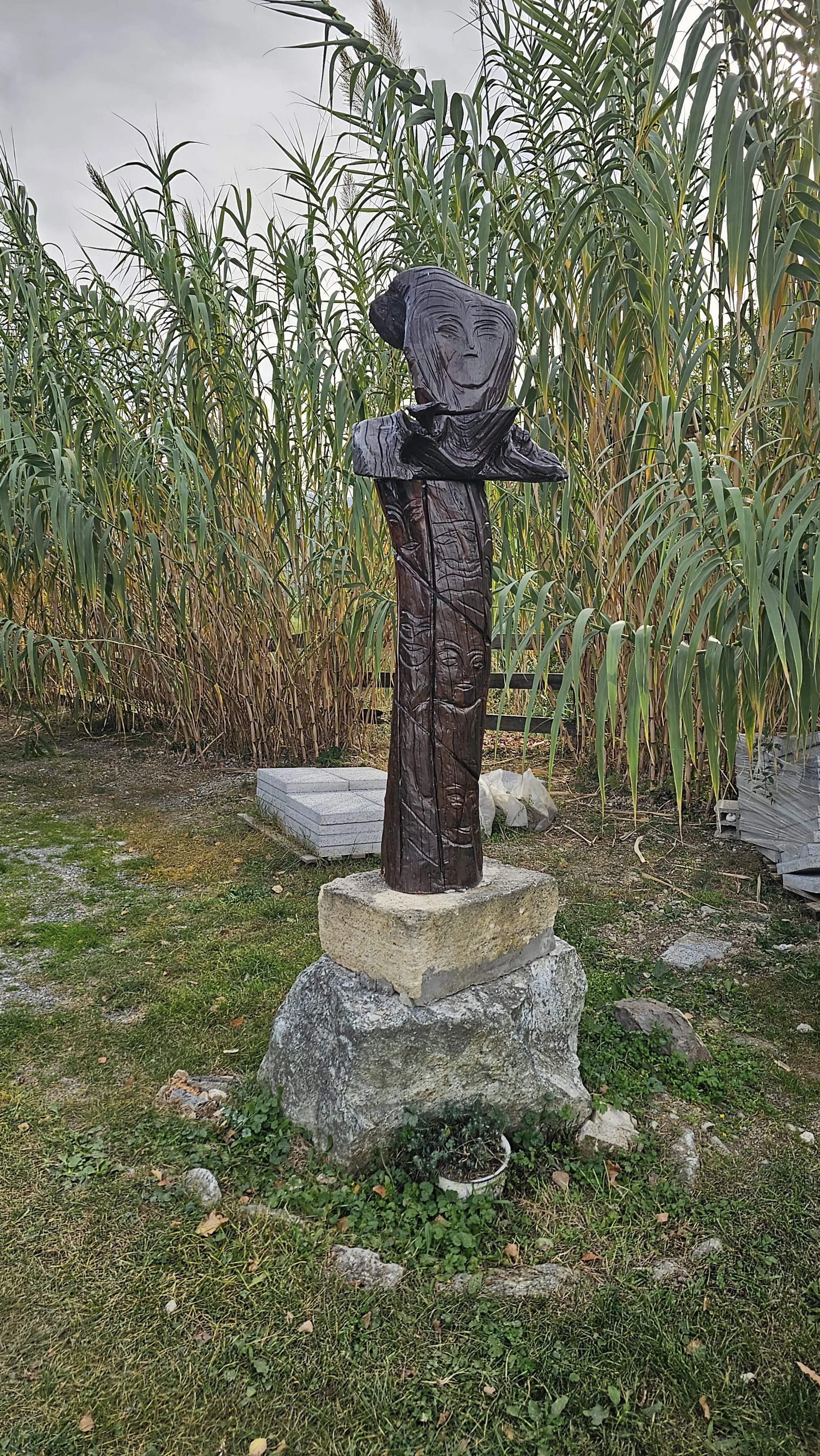
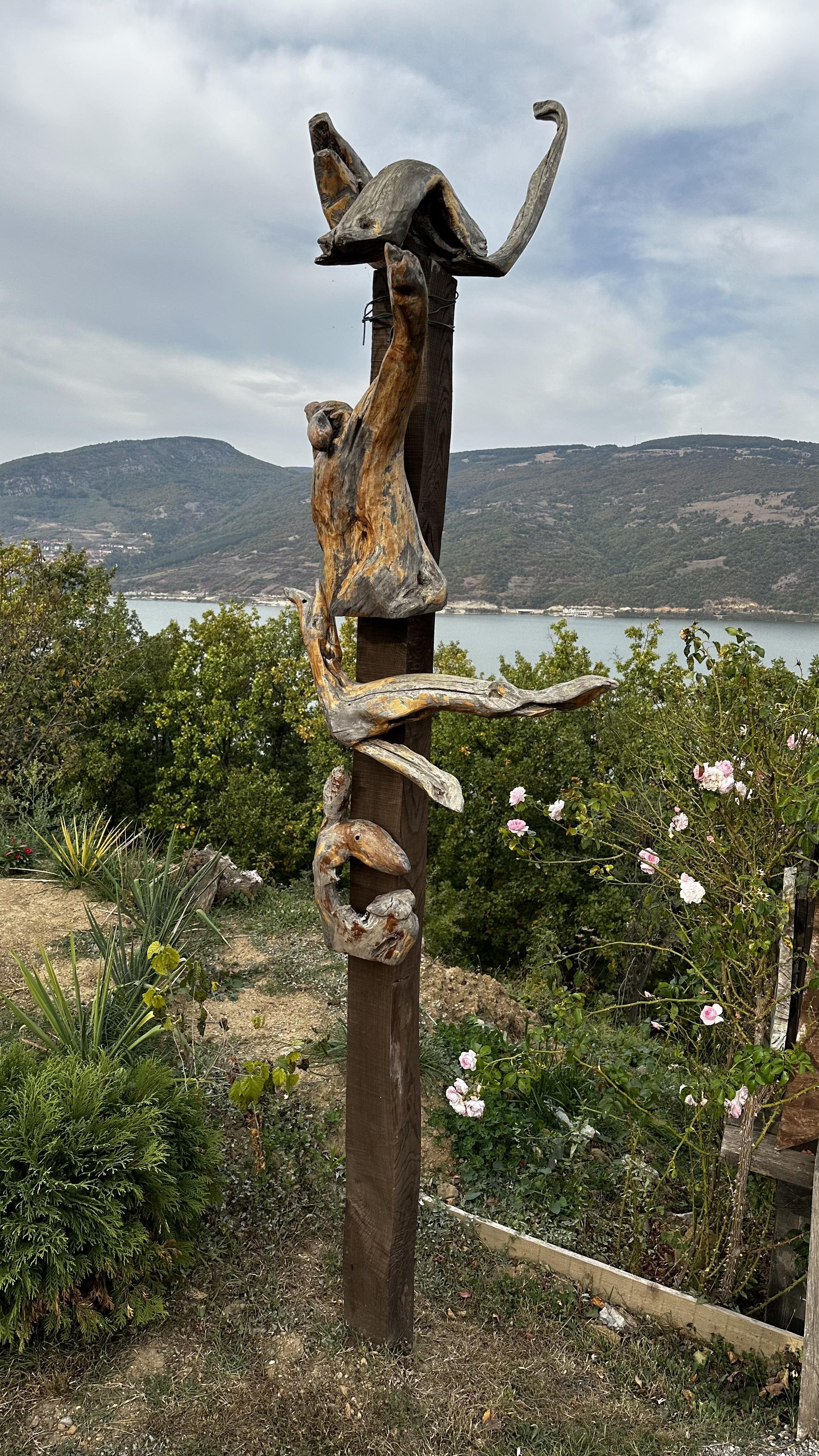
As we arrived, we were enchanted by the incredible view that "bursts" from the complex's viewpoint. We felt like we’re holding the entire Đerdap in the palm of our hand. Additionally, within the complex, there is an open-air gallery called "Man, Tree, and Water." On 700 square meters land, we saw an incredible collection of wooden and stone figures. The collection is the work of the hands of the author Živorad Stefanović, known as “Bosonogi” ( Barefoot man).
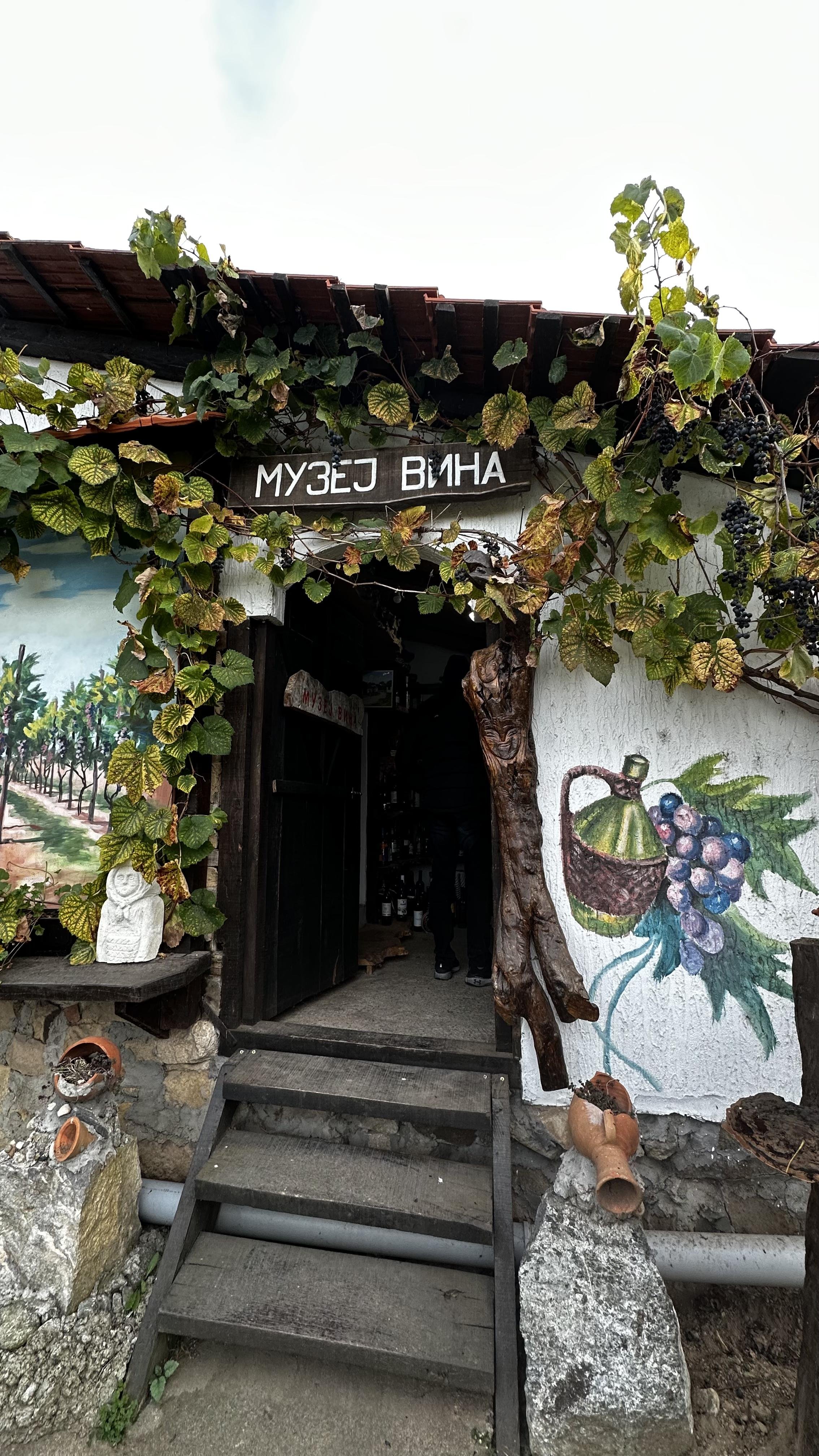
Since 2013, a wine museum has also been opened within the complex. In the museum, there is a large collection of the finest domestic and international wines.
The hosts have taken care of ensuring complete delight at Captain Mišin Hill with their gastronomic offerings. We enjoyed traditional home cooked specialties such as homemade bread, homemade cheese, fried nettle, lamb roast, and more. In combination with good homemade wine or a glass of medovača ( honey grappa), the culinary offer made this an absolutely unforgettable experience.
I can’t recommend enough this place, and the owners are incredibly friendly and chatty, we felt as we have known them for years. Bosonogi is such a cool guy who served in the army during Tito’s time and loves storytelling, so entertaining to listen to!
And funnily enough there was a bus full of retirees from Split visiting the site at the same time. To my total surprise one of the gents came along to ask where I lived in Split, because he recognised me as I haven’t changed a tiny bit in 30+ years!
Ha ha, if only this was true, nevertheless he was super excited to see me😂, while I had no clue who he was!
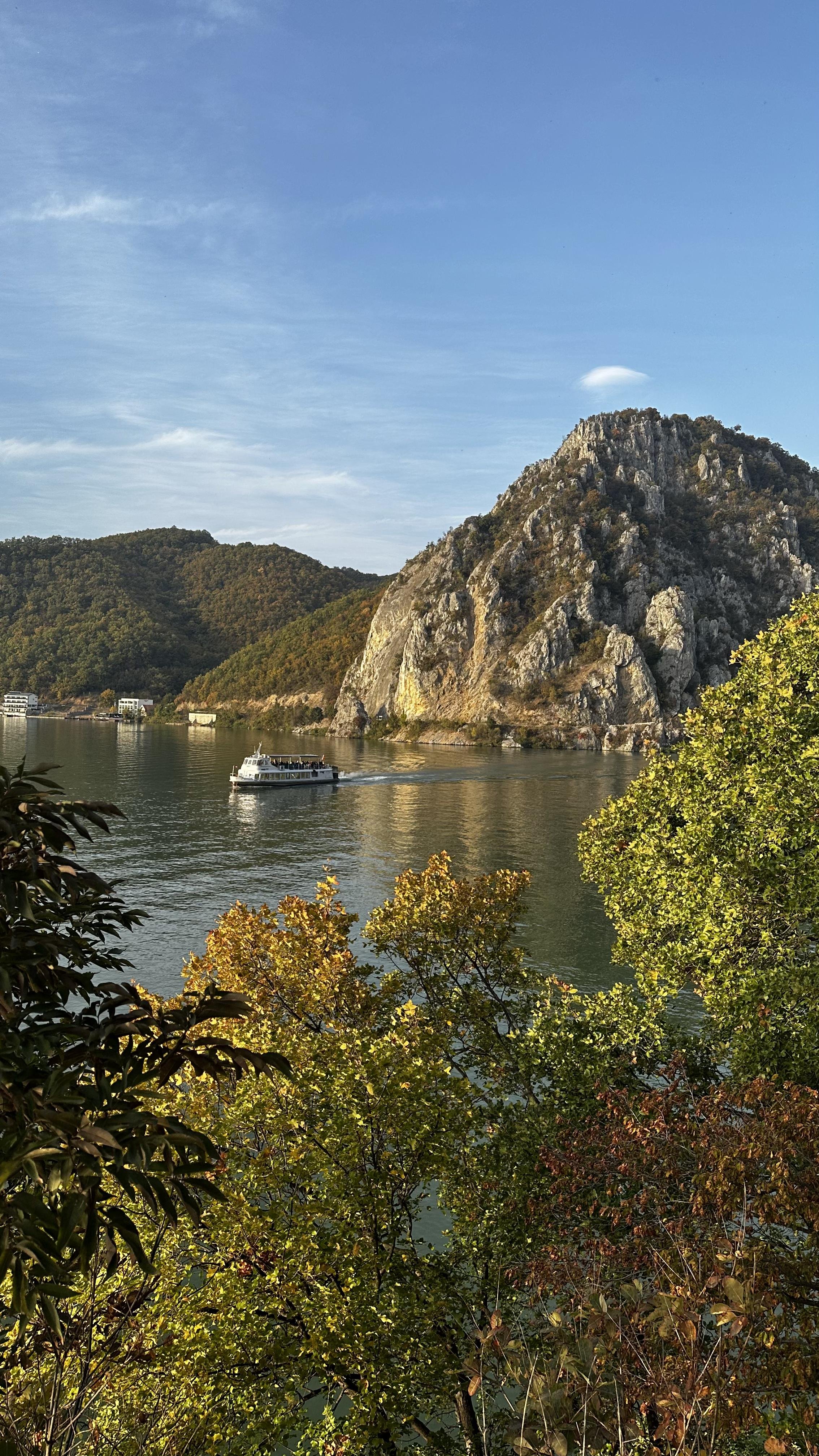
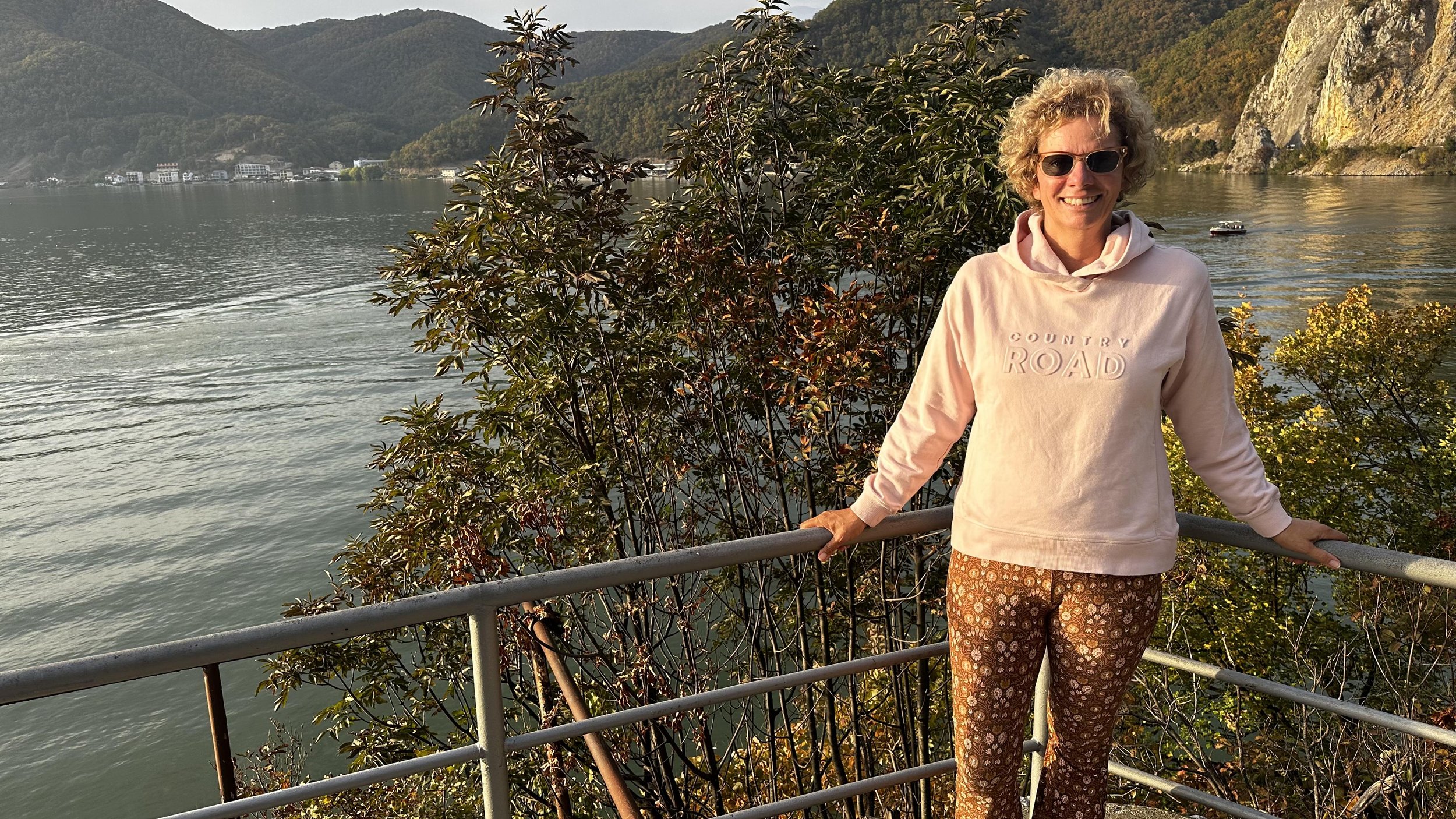
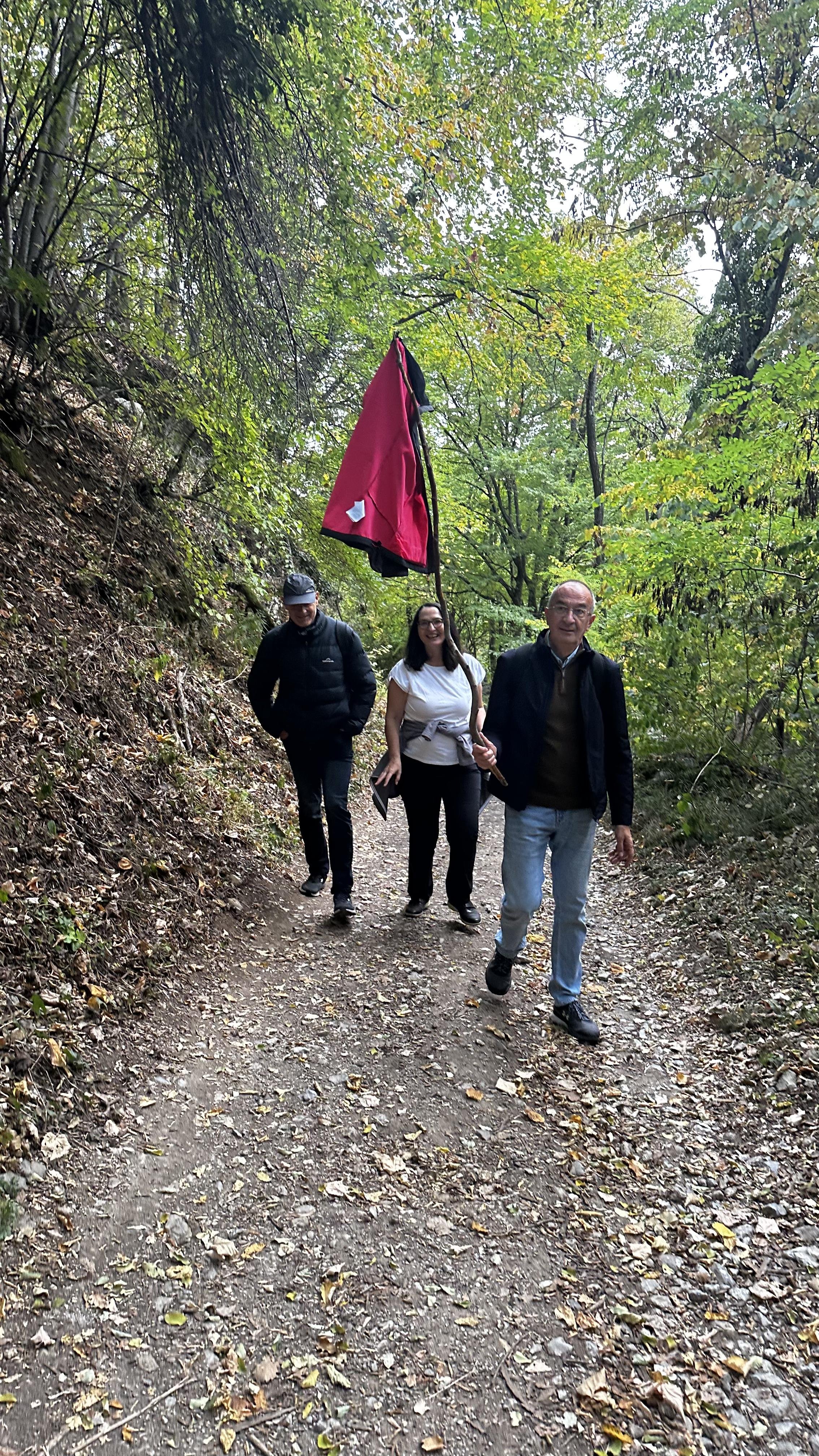
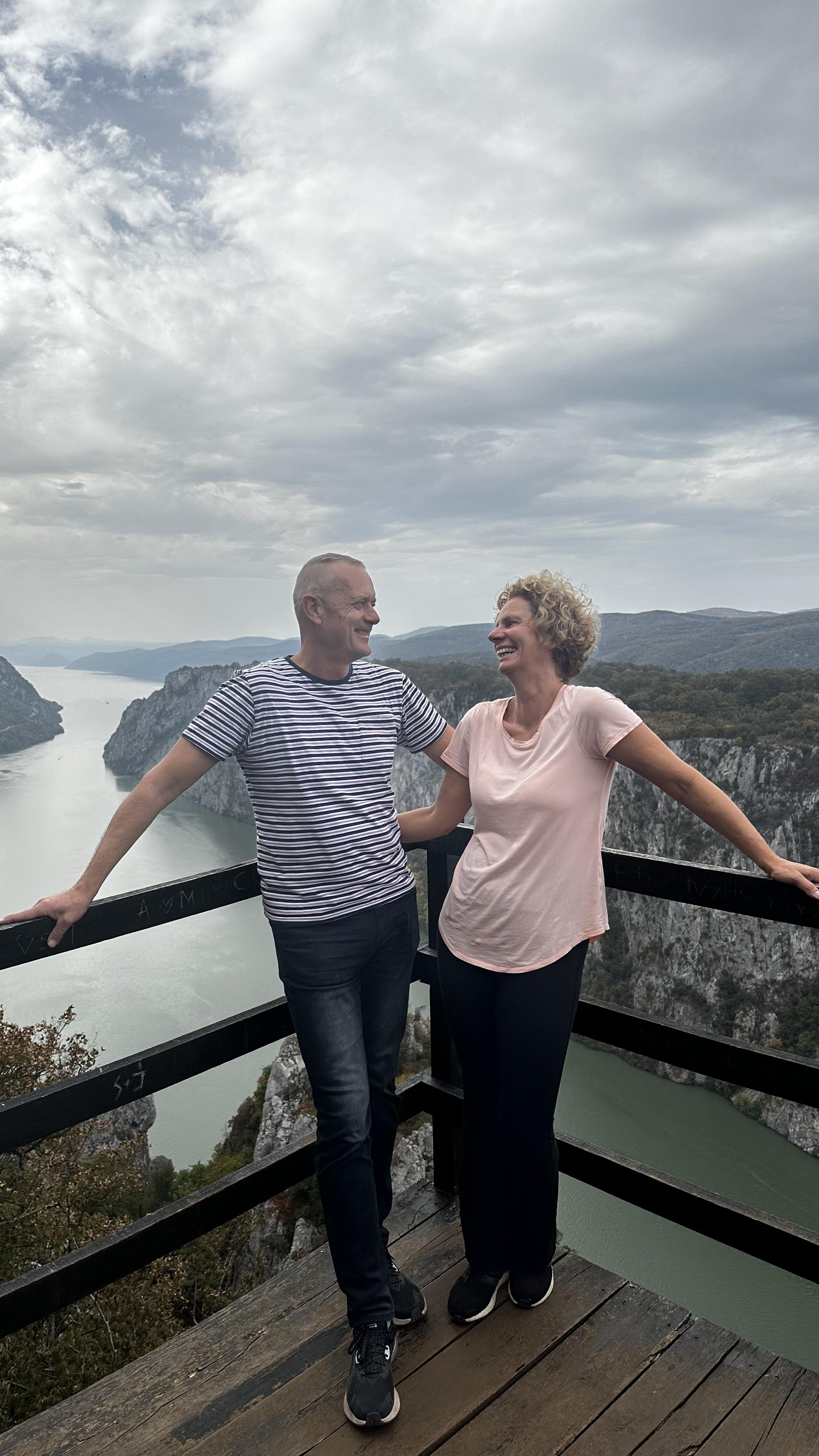
We stayed in Kladovo for two nights in a beautiful accommodation, and carried on the next day with a long hike to the viewpoint Ploče, and then an interesting cruise trip along the river Danube.
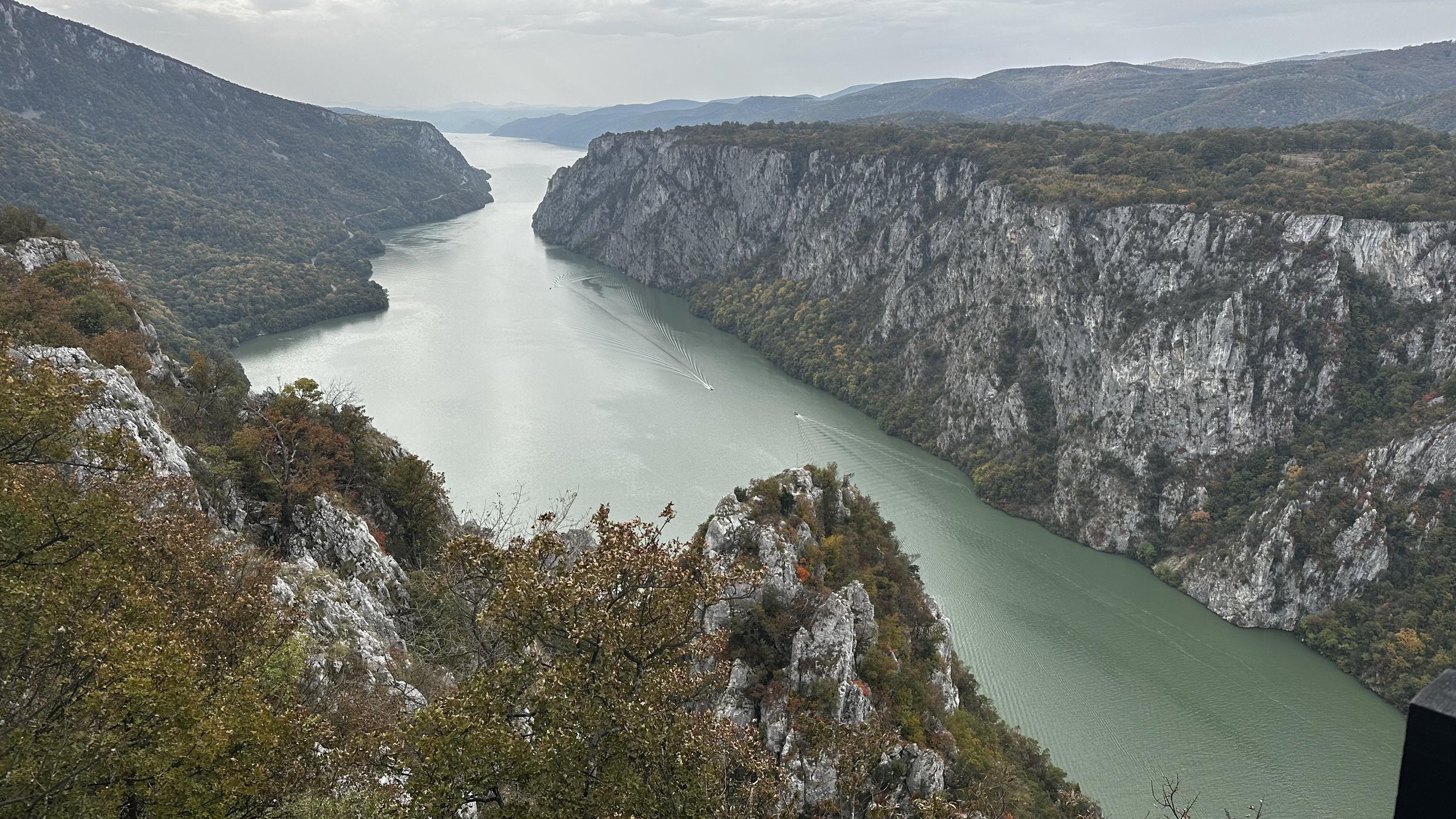
Viewpoint Ploče is one of the most beautiful gems of eastern Serbia. It is located beneath the highest peak of the Miroč mountain, at an altitude of 355 meters. This viewpoint is situated above the Mali Kazan gorge and belongs to the Đerdap National Park.
From the Ploče viewpoint, we enjoyed a unique and divine view of the Danube River and the Kazan gorges - Mali Kazan and Veliki Kazan.
• Mali Kazan - The bed of Mali Kazan is the part of the Đerdap Gorge, where the Danube's bed is the narrowest.
• Veliki Kazan - The bed of Veliki Kazan is the widest part, with steep, almost vertical sides reaching 300 meters in height. This gorge is known for numerous whirlpools, some as deep as 70 meters.
Danube boat cruise was fun! Our guide / driver was great! He asked us if we wanted to wear lifejackets, and as he asked the question he answered it by saying, surely not, and off we went!
He told us a number of facts as we cruised along, whilst smoking cigarettes one after the other, feeling so chilled and relaxed, but commanding attention! There was no mucking around with this fellow!
A few fun facts we learnt from our guide Dule:
Miroč mountain is 750m above sea level.
Original roads are now under the water due to the Đerdap hydro plant.
The length of a river is measured from its end to its beginning.
The boat that goes down the river always has the right of the way. They used signal points to determine the right of way. If the red ball was up it meant the boat was coming down, so up the water boat had to wait.
Ponikova cave has the biggest number of bats varieties in Europe, we went in to the cave with a boat and literally entered Romania for a few minutes!
8000 years ago, the oldest organised civilisation was found here, more on this later!
41 villages were covered in water when the hydro power plant was built, people were relocated to new houses at different sites.
The origin of the word kazan ( kettle ) comes from the fact that there are many underwater rocks, some 50m high that create a turbulence and it looks like water boiling in a kettle.
The origin of the word Đerdap comes from the Persian language which means Kazan, and Turks maintained it during their rule, and it’s still the official name.
The local priest owns 8 boats and a few restaurants, all on the Romanian side and loves his jet ski. We even saw him racing next to us! Such an unusual thing to see!
The last Dacian king Decebal fought against Romans. Roman’s won and wanted to take him to Rome for execution, but he committed suicide and his 30 soldiers drank poison just so they don’t surrender to the Romans. In memory of his work and good deeds done for his nation many years later his statute was carved in the stone by 12 people who worked on it for 10 years. Dimensions are 55mx30m, his nose is 7m long, it is the largest statute carved in natural stone in Europe! Check out the photos, looks amazing!
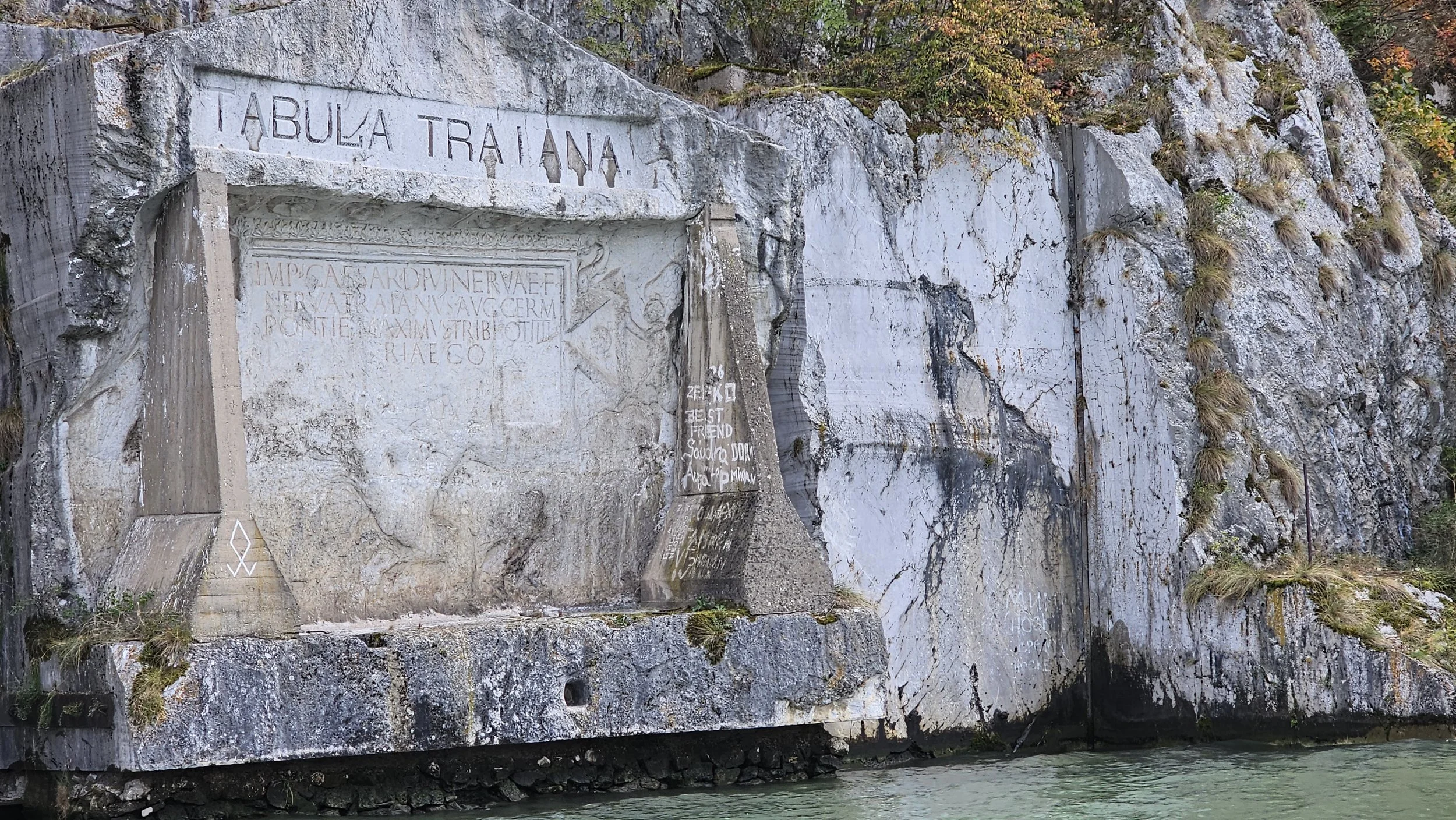
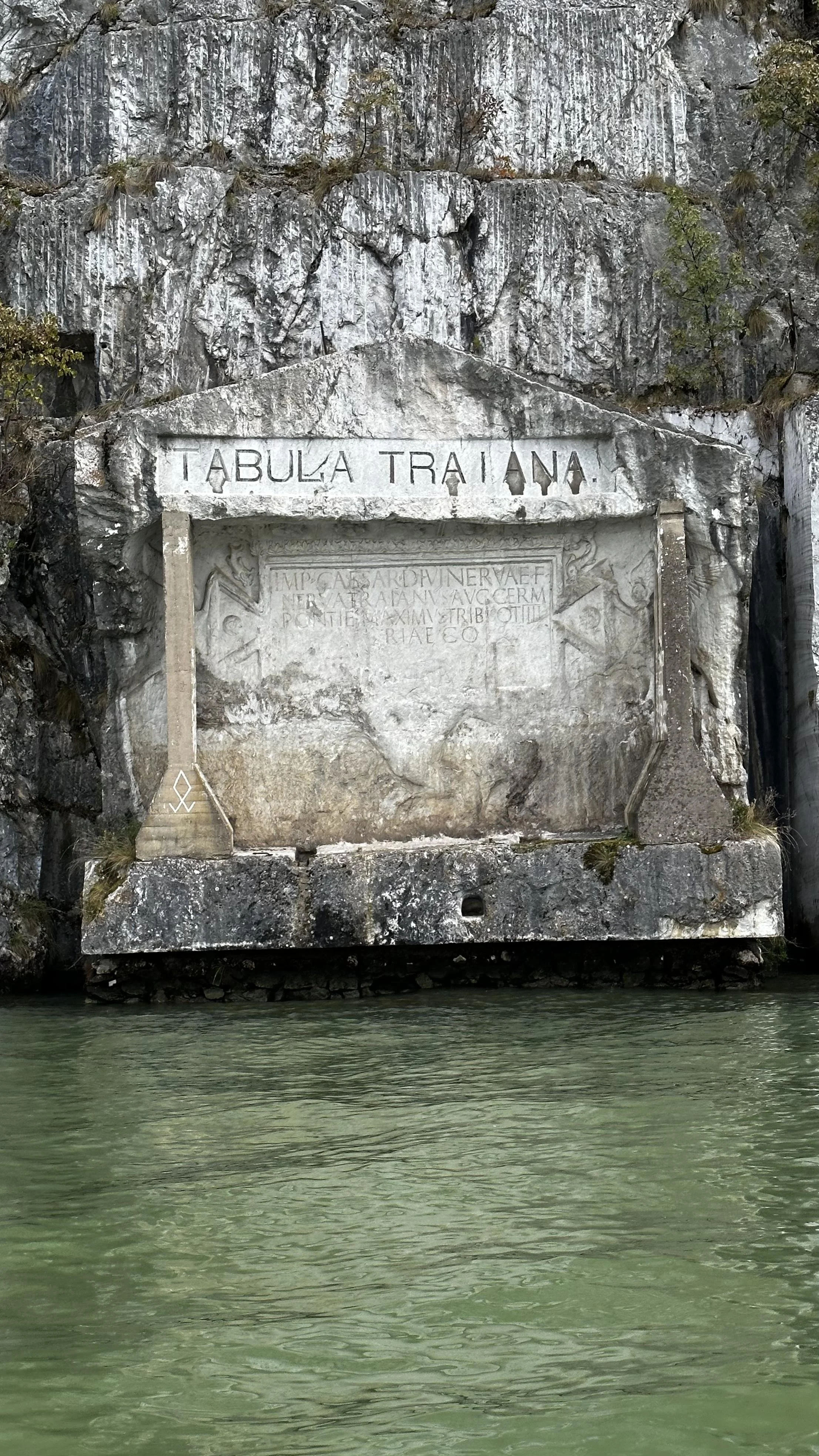
Trajan's Plaque is a Latin inscription on a rock above the Đerdap Gorge, dedicated to the Roman Emperor Trajan, and it’s 1900 years old.
In 105 when Romans finished the road from Golubac they built the plaque to mark the end of the road. They built the road to get access to Romania to steal and take all the wealth. It took them 4 years from 101-105 to build the road and the bridge. For 1000 years Trojan bridge was the longest bridge in Europe. This is the only table left out of 11 in this area, a significant monument of history, wisdom, ability to build and create impossible.
Centuries later, when Đerdap Plant was built, it took the engineers three years, from 1965-1968 to take it up so that it doesn’t get covered by the water. They had to lift it by 27m, and this thing weighs 300 tons! They managed to cut it out and lift it up in one piece with two small cracks that had to be strengthen to preserve its authenticity! Incredible efforts.
And another amazing, eventful day finished with another culinary experience - butkica / roasted pork butt served with lepinja / type of bread, in one of the Kladovo Krčma / Pub with live music and dance till the early morning hours. What a day!!!
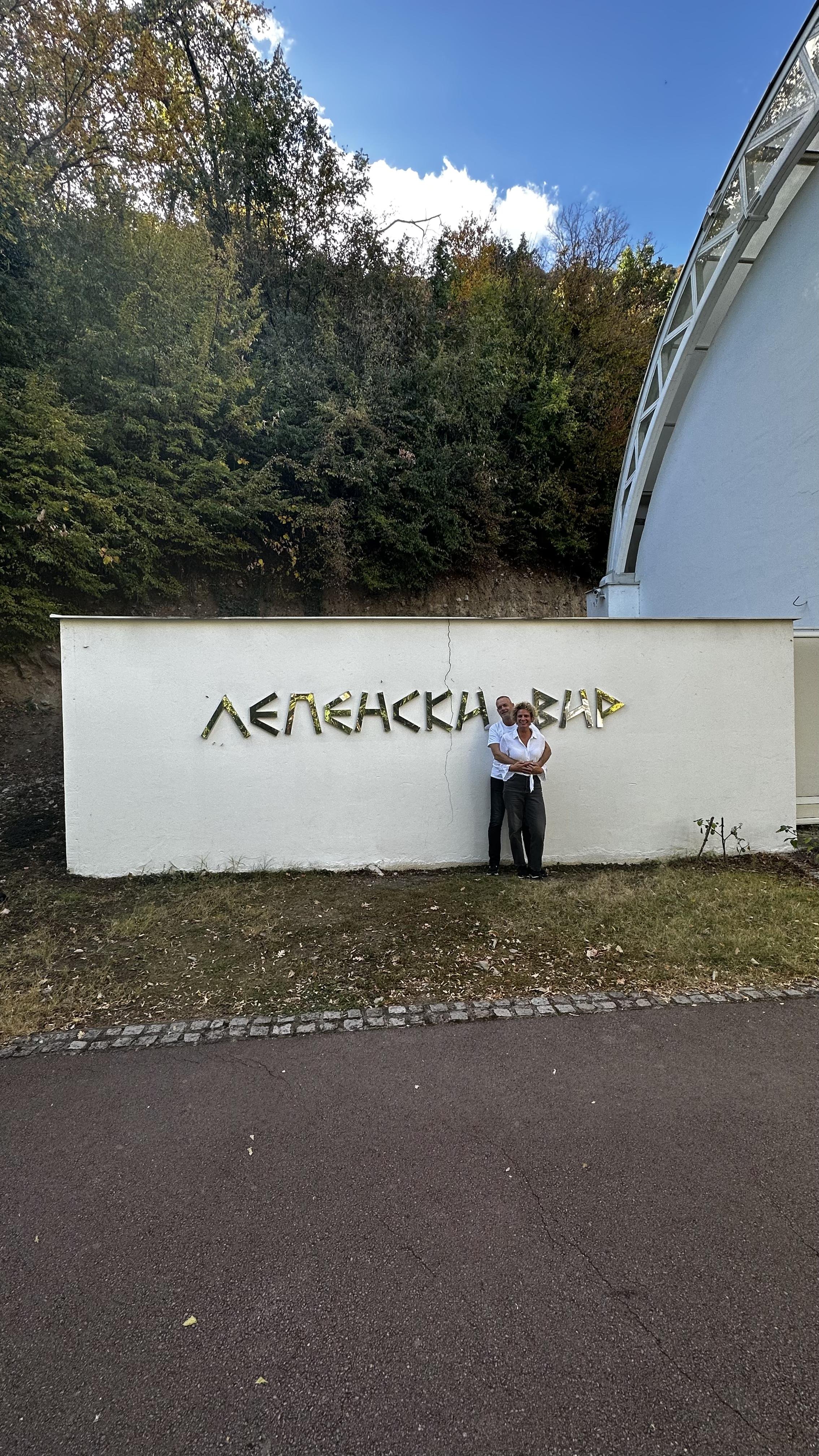
On our way back to Belgrade the next day we stopped by Lepenski Vir. Yet another location rich in history with archeological excavations and discoveries that have changed the world’s official understanding as to who were the first organised human settlements in Europe!
Let me tell you this amazing story!
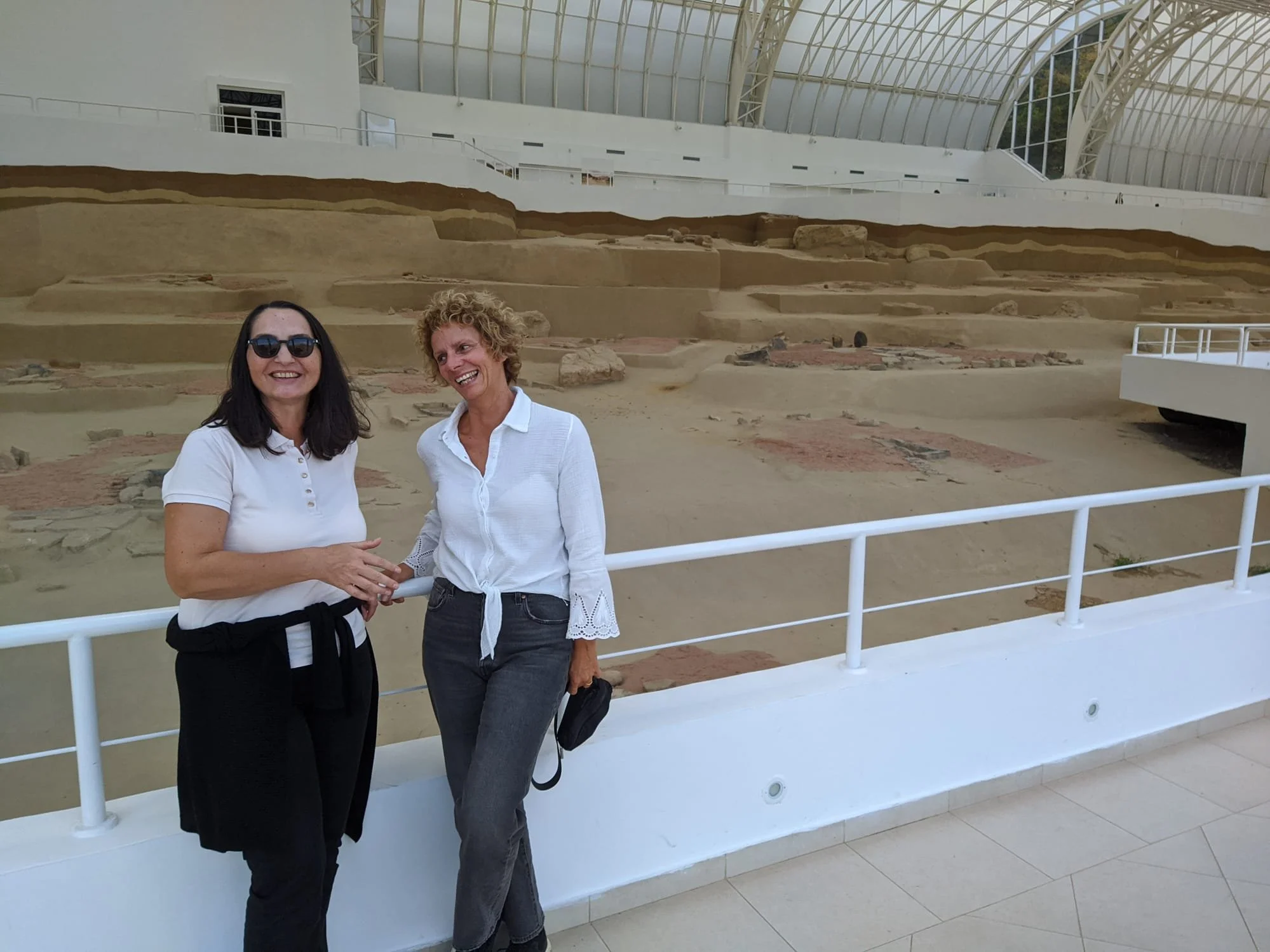
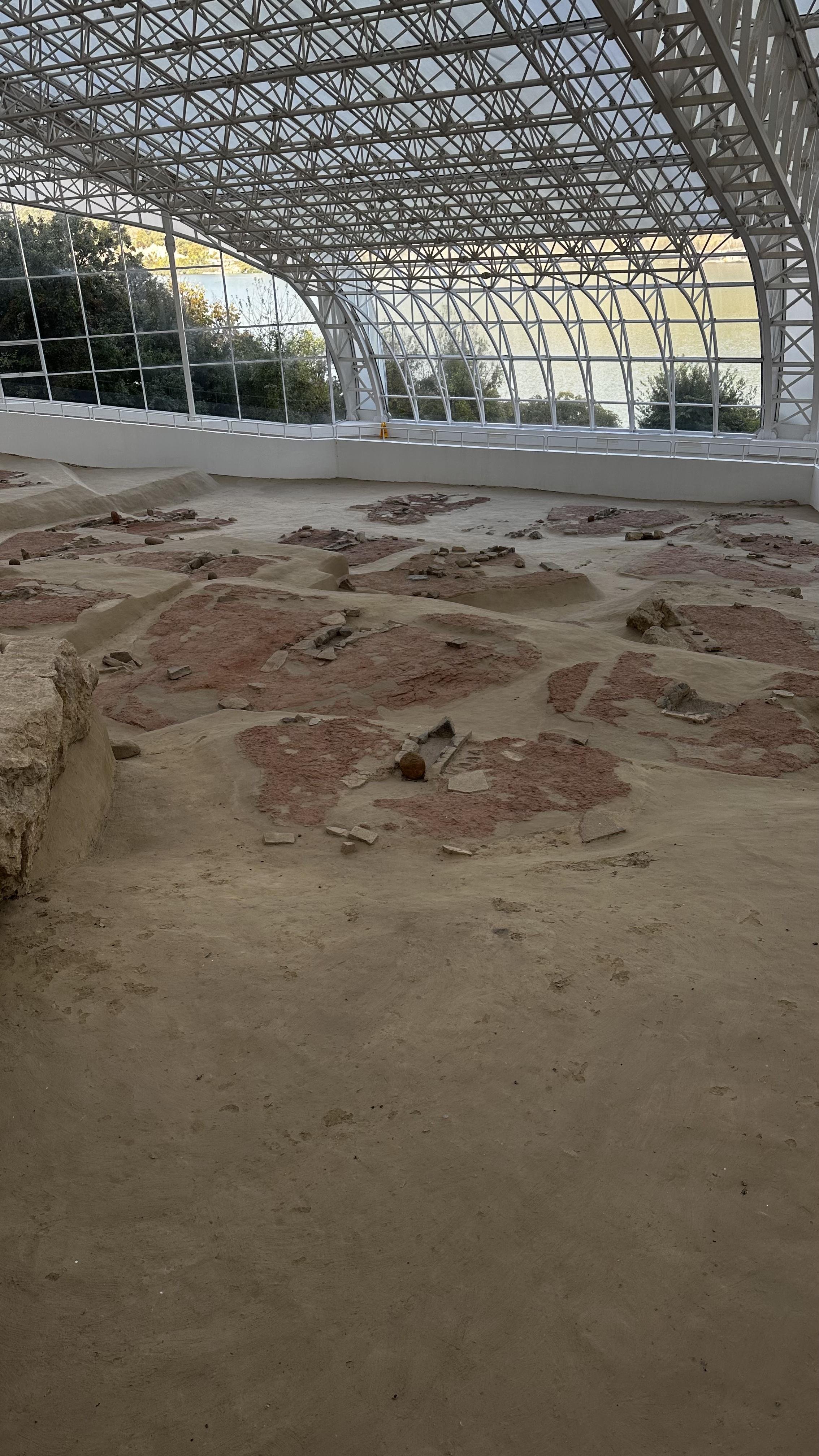
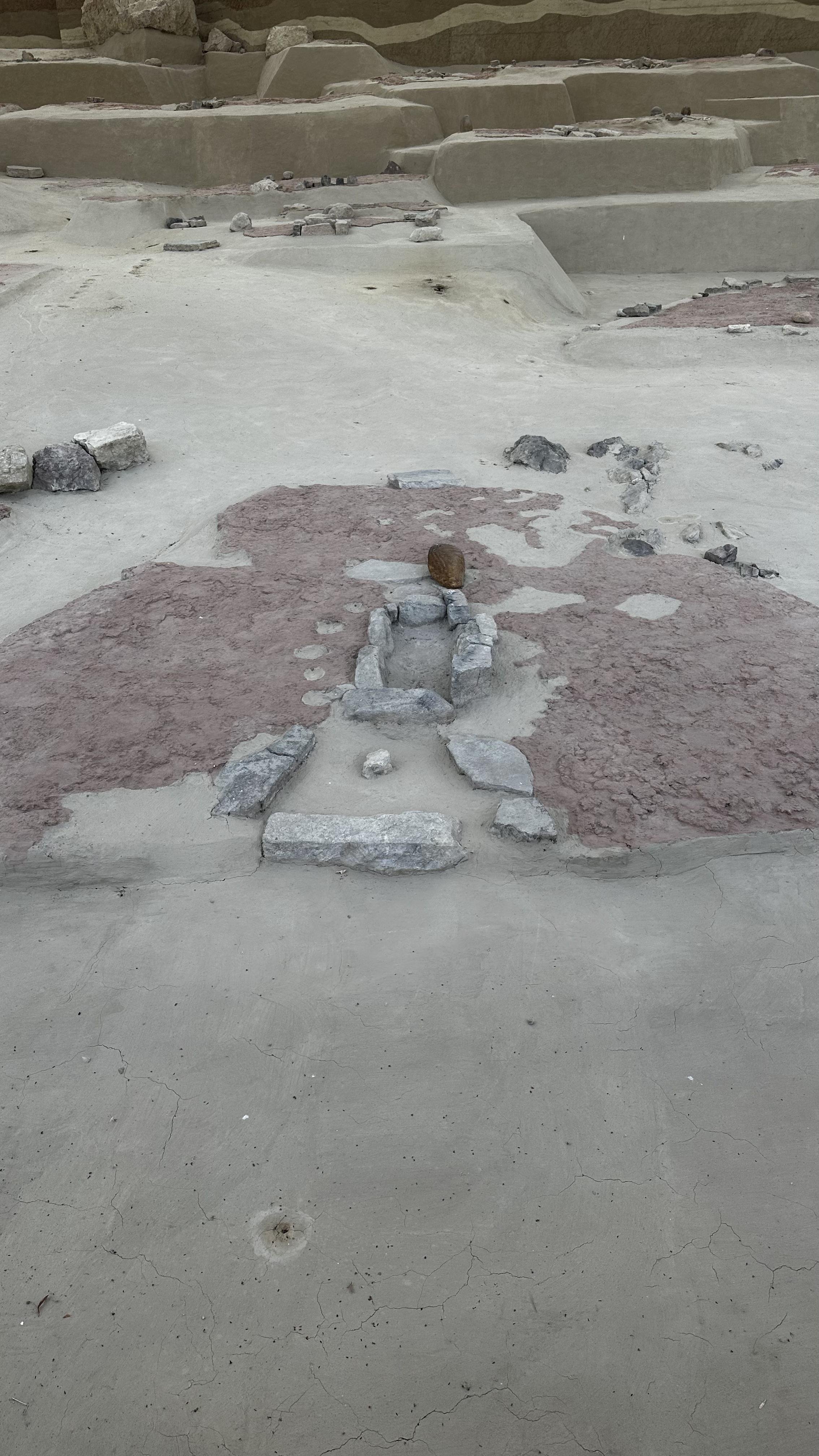
Lepenski Vir is a Mesolithic and Neolithic archaeological site on the right bank of the Danube River in the Đerdap Gorge. The first archaeological excavations were conducted in 1965. The most significant excavations took place in 1967 when Mesolithic sculptures were discovered.
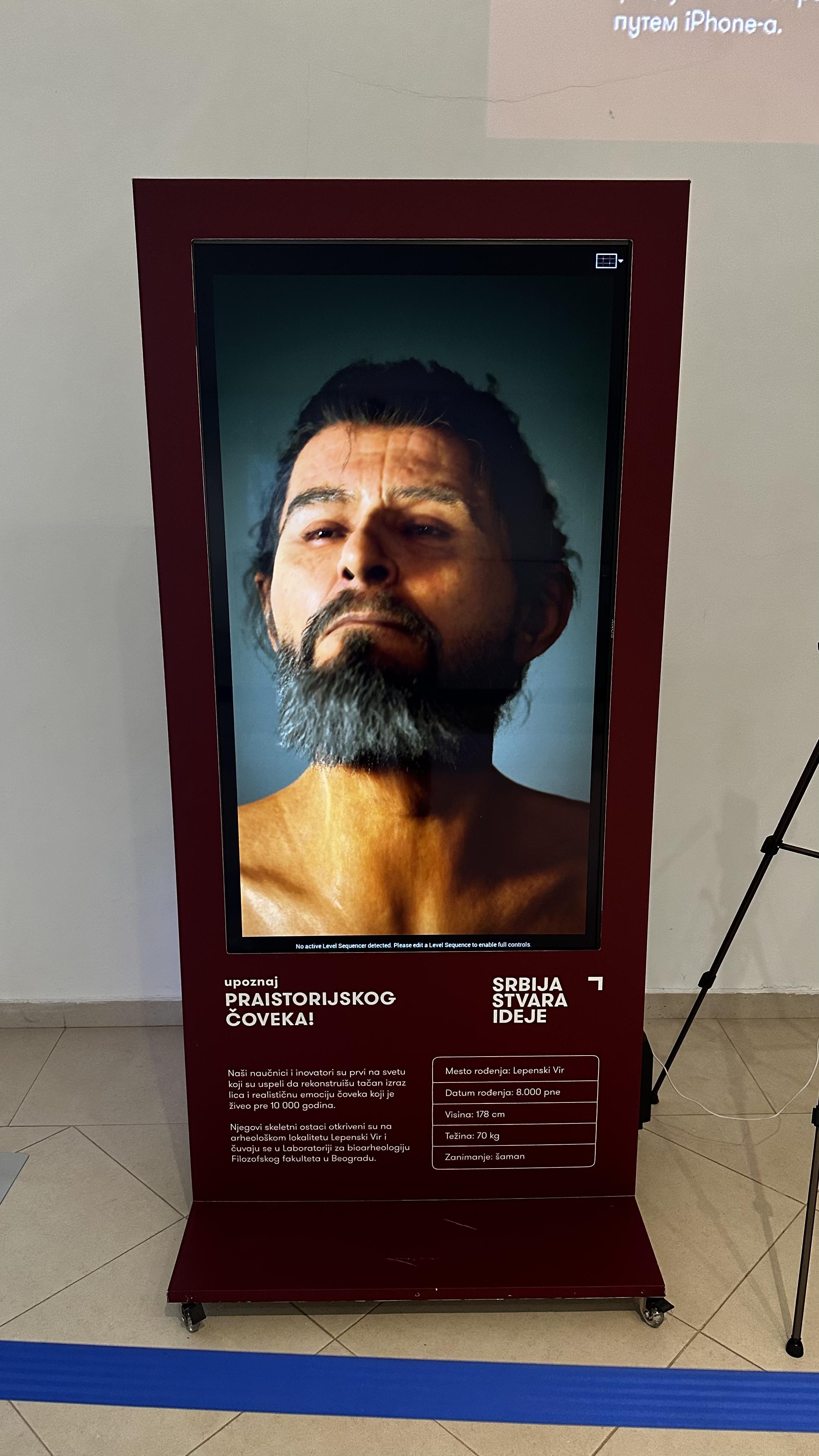
Lepenski Vir represents the remains of the oldest settled community in Europe. The first organized human settlement in the open was located in Đerdap, founded over 8000 years ago. Yes, 8000 years ago!!!
The peaceful "Lepen" fishermen carefully chose this location and developed a culture that lasted for a continuous two thousand years, from 6500 to 4500 BCE. During their time here there were no traces of any violence, other tribes were welcomed and all were buried in the same direction next to one another.
The discovery of the Lepenski Vir site occurred during extensive research in Đerdap carried out for the construction of the Đerdap hydroelectric power plant. After the excavation was completed, the site was relocated to its current location to protect it from submersion caused by the damming of the Danube. In 2011, a new visitor center was opened, preserving the remnants of the culture that astonished the world upon its discovery. People from all over the world come here to witness this amazing history, predominately from the States!
After an amazing weekend away, we arrived safely home full of great memories, cool stories, photos to die for, and heaps of joy.
Since our road trip to eastern Serbia, we’ve spent a couple more weeks in Belgrade, and went on another spontaneous trip, but more on this in my next blog👍
Tumane Monastery Photo Album


Đerdap Photo Album












Golubac Photo Album


Lepenski Vir Photo Album


Stumbled into London
Yep, London was never in our plans, the decision to go came about when our Kiwi friends visited us in Rovinj!

After the amazing adventures in Island we landed in Zagreb, the capital city of Croatia.
We picked up our car, went to a lovely dinner with Neb’s friend from the university days and drove next morning to Belgrade, the Capital city of Serbia.
We met our cousins who welcomed us with a home made goulash and Serbian delicious food we have been craving for; kajmak from the local markets and home made ajvar! Indulgence at its best! Thank you!
We left our bags at theirs, and flew to London the next day!
London was never in our plans, the decision to go came about when our Kiwi friends visited us in Rovinj! They have moved to London a few months ago, and invited us to come for a visit. Thanks to their generosity and kindness we decided to go and spend a week in a big city of London.
I guess many of you have been to London, but for us this was the first time ever!
For some reason London was never on our travel wish list. I don’t know why that is, perhaps it could be because I didn’t like my English teacher when I was a young girl!
My Mum paid for private lessons, but I was a very very naughty girl who skipped classes week after week. The lady teacher was old, strict, had a big stick and she was not pretty. I’d say I was afraid of her, but I don’t need to tell you what happened when Mum discovered my mischief!
Ever since, each time someone would mention Big Ben, Trafalgar Square and Hyde Park, a thought went through my mind - thanks but no thanks!
Well, when the opportunity presented itself, and with this beautiful proximity of European countries, we jumped on a plane in Belgrade and here we are.
Since we had little to no time to prepare or organise ourselves we landed at the Luton Airport and had no clue how/where to go next! Can you imagine me being so disorganised? It happened !!!
Free wifi and EU SIM card helped! Although I felt overwhelmed for a bit, we got onto the right bus and arrived at our friends place without much trouble.
The very first “aha” moment was - London transport is so simple to navigate through! Easy peasy!
If you ever need help navigating any large city while using the public transport check this app: Citymapper! It’s so good, we used it all the time and navigated our way through different parts of London like locals!
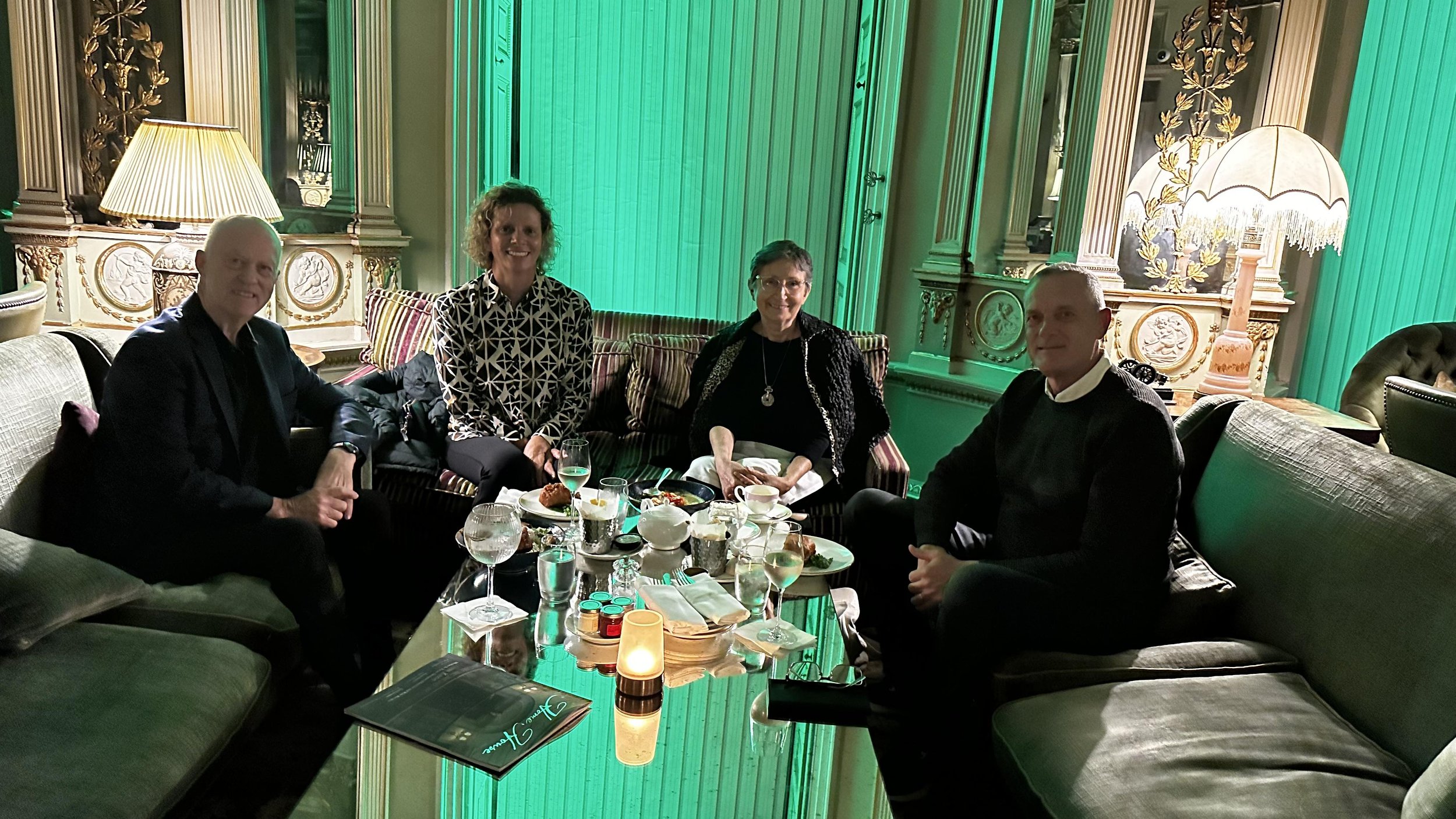
As soon as we arrived, our hosts were ready to take us to a special club for a dinner. Our host is the club member and omg 😱 this was something so special not many people get to see!
The club is called “The Home House” ! This place is GRAND, ECCENTRIC, and ICONIC! It is London’s most magnificent private members’ club, fusing 18th century splendour with 21st century style. Established in the 18th century, Home House was designed by George III’s architect, James Wyatt, who was commissioned to build a sophisticated palace purely for enjoyment and entertainment.
Today, Home House hosts a community of eccentric characters and individuals spread across three exquisite Georgian townhouses, offering an exceptional range of facilities including restaurants, bars, a boutique gym and health spa, elegant bedrooms, opulent private dining rooms, a beautiful courtyard garden and an unrivalled members events calendar. Home House is an inspiring space where people can connect, relax and be their best selves, building communities that inspire individuality.
We went on a tour around the club, omg, if these walls could talk…
After a lovely dinner, amazing service and intriguing walk around the place it was time to get some sleep before we hit the streets of London.
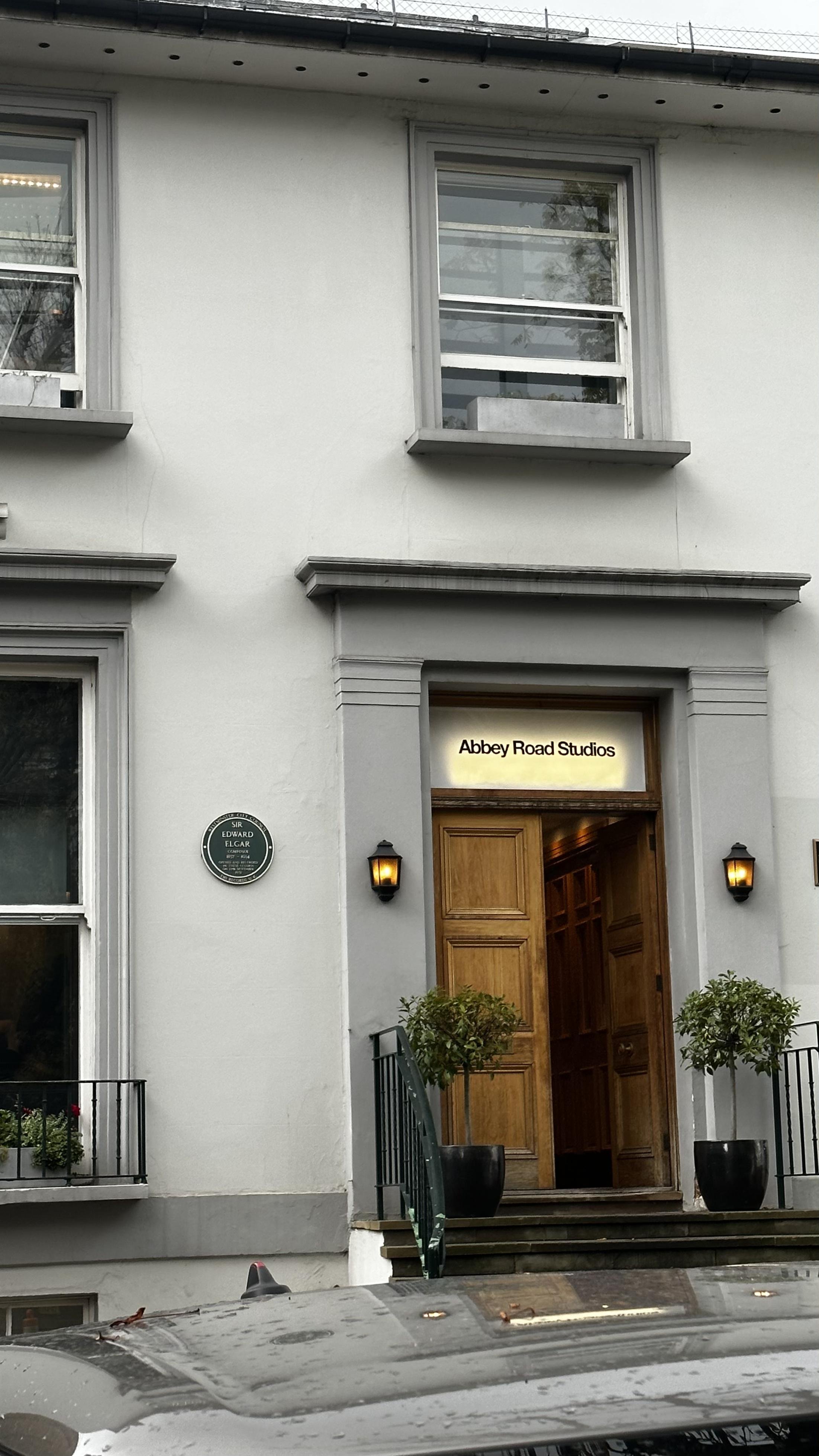
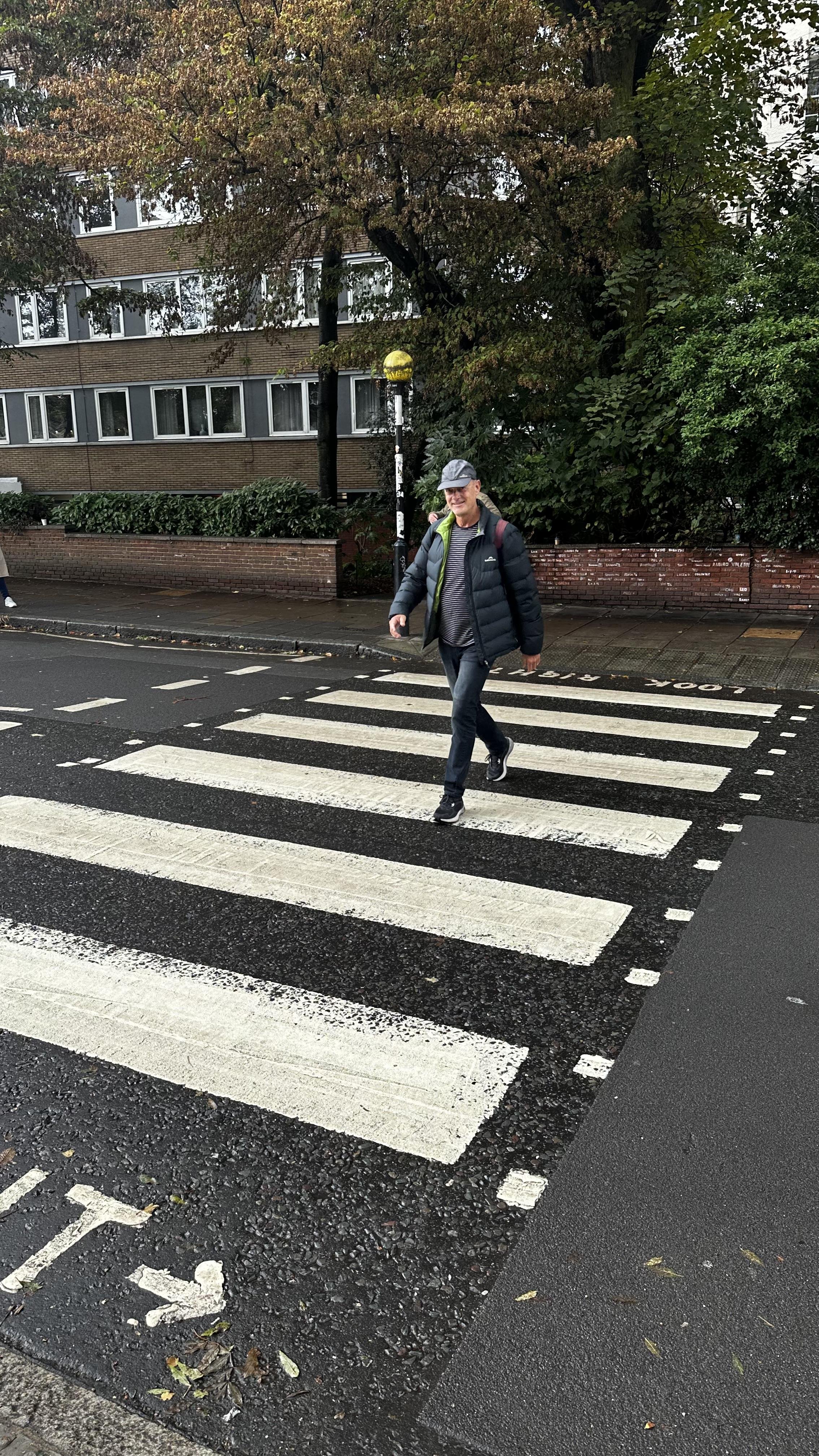
The next morning we went straight to the Abbey Street crossing, the iconic Beatles recording studio.
When John, Paul, George and Ringo walked across a zebra crossing in Abbey Road, St. John's Wood at 11.35am on August 8th 1969, they created one of the most iconic album covers in history.

And did we try to cross the road at the same place, stopping the traffic? Of course we did, we had to! Check the photo albums! 🤗
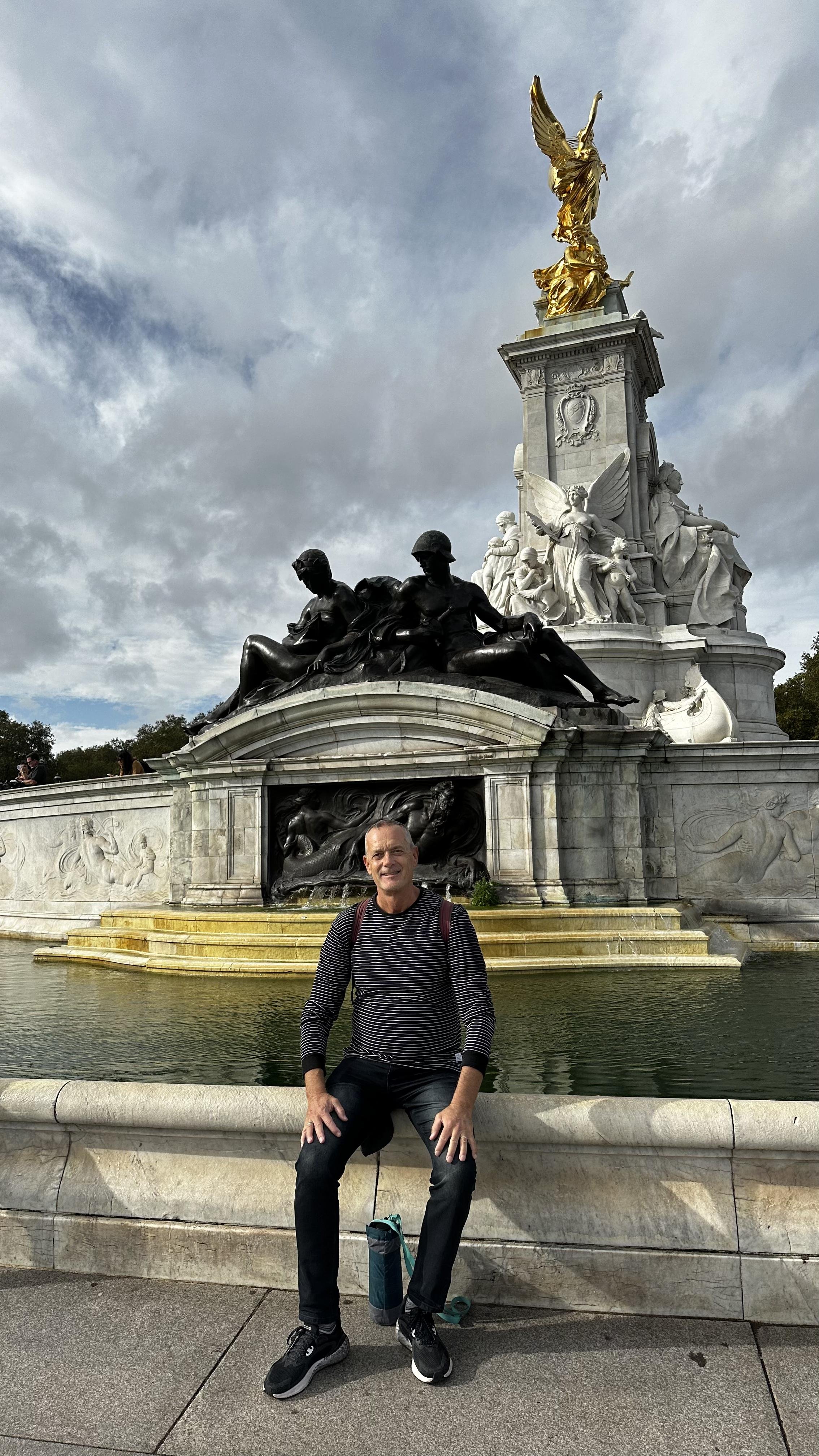
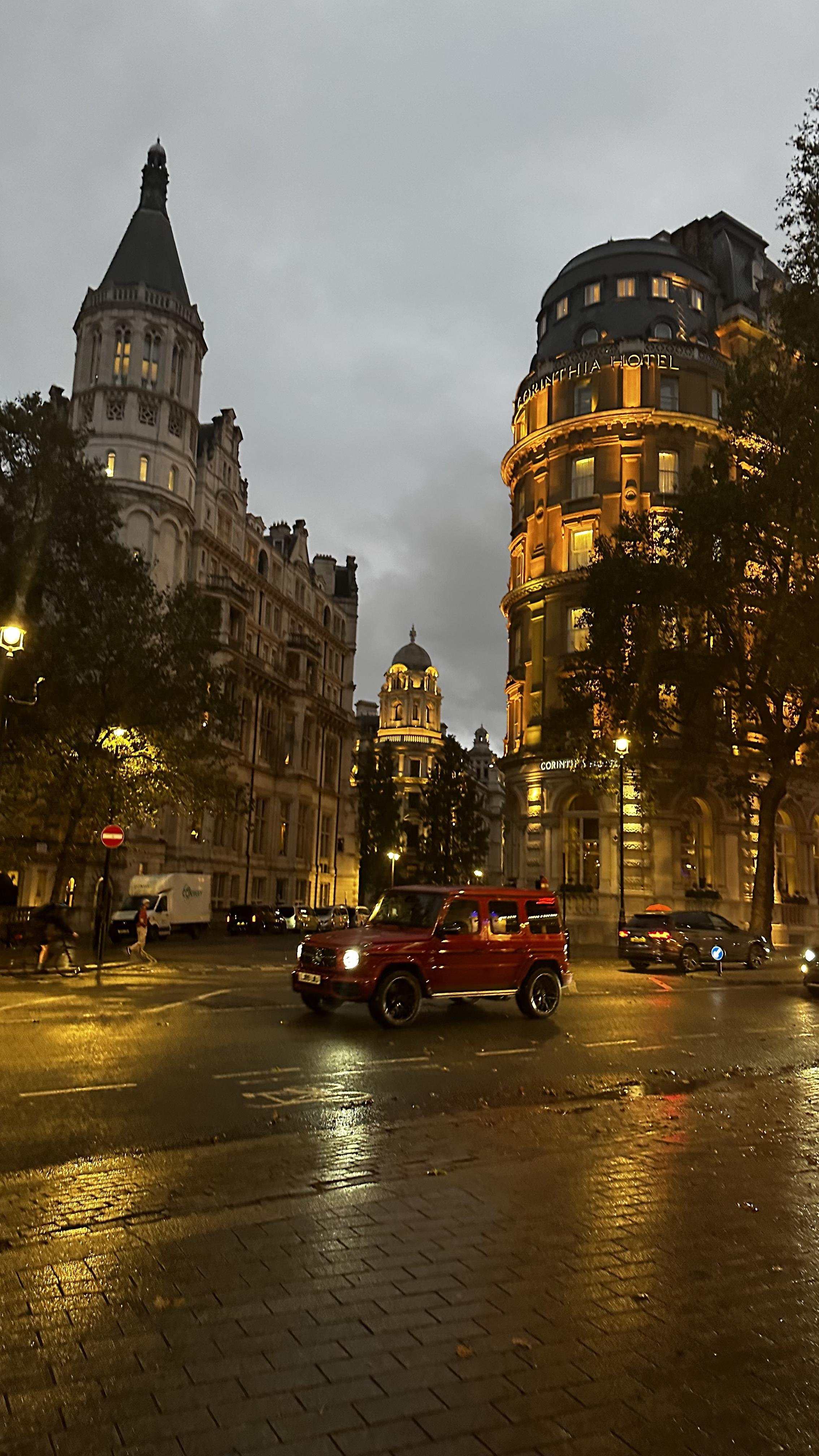
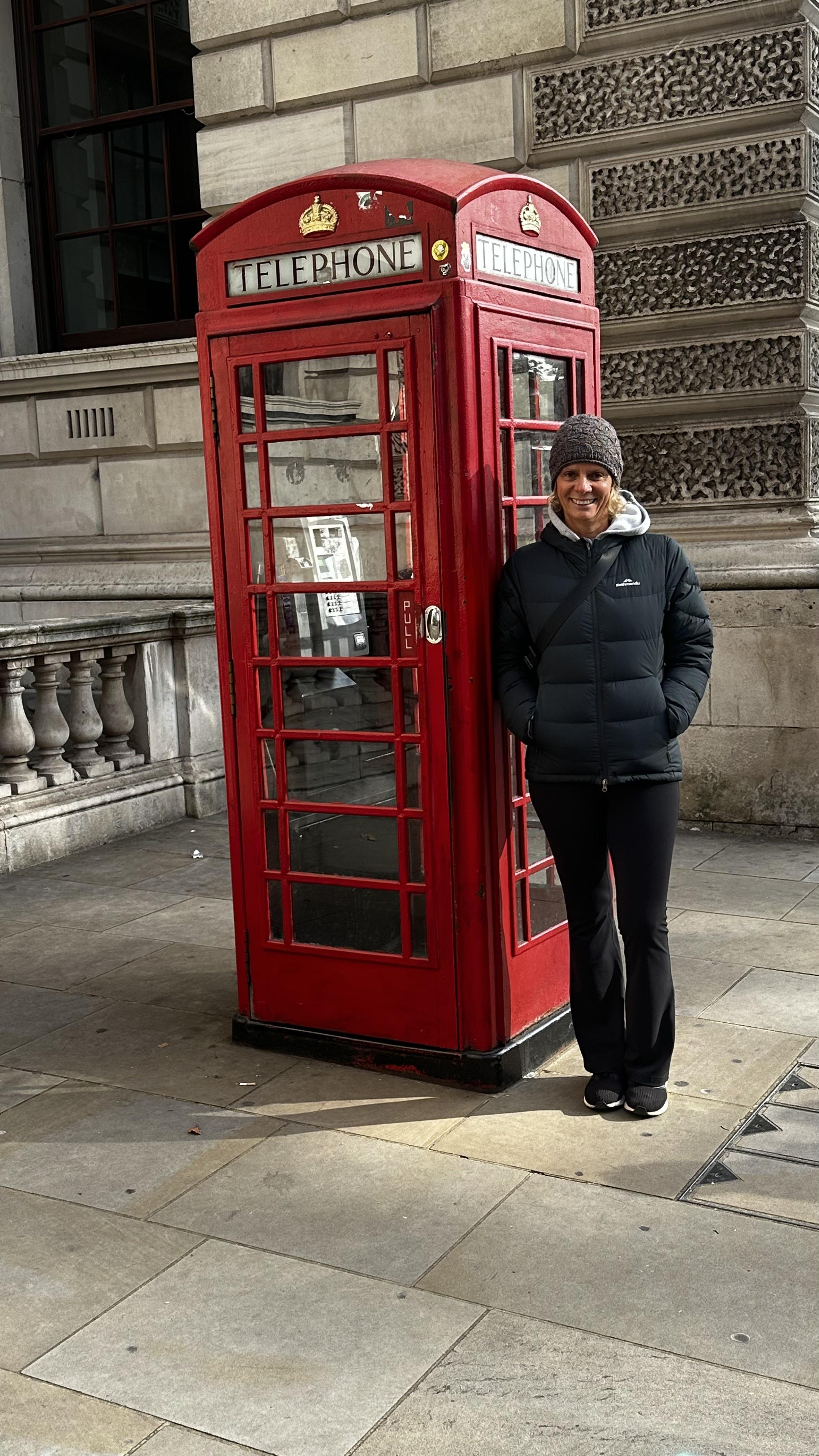
We wondered the streets in the Westminster suburb of London, from Bakers Street, to Bond street full of branded posh shops, to Ritz hotel and Green Park till we arrived to the Buckingham Palace and the Piccadilly Square. So many people, it’s crowded here and they say this is nothing compared to the summer time!
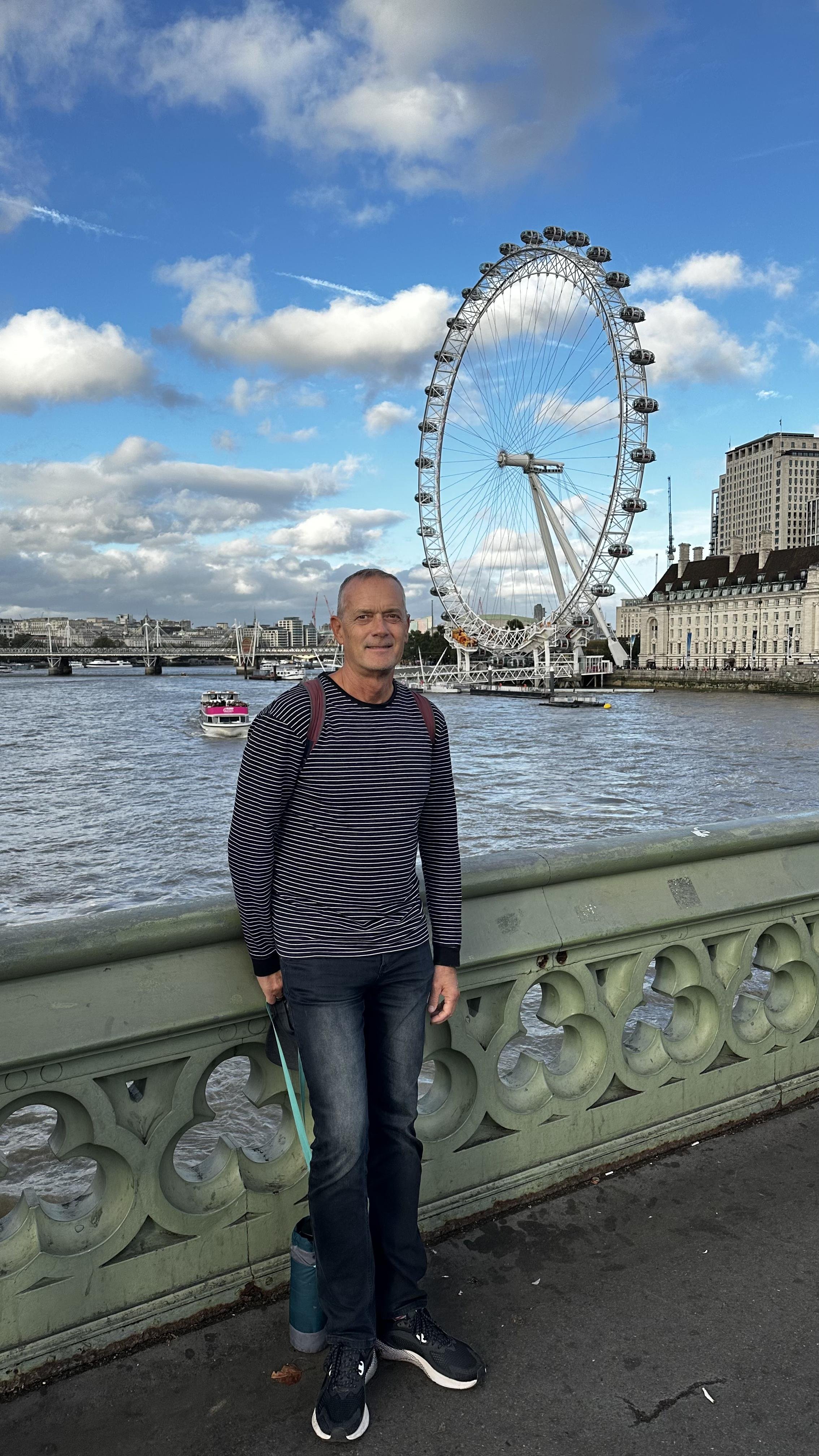
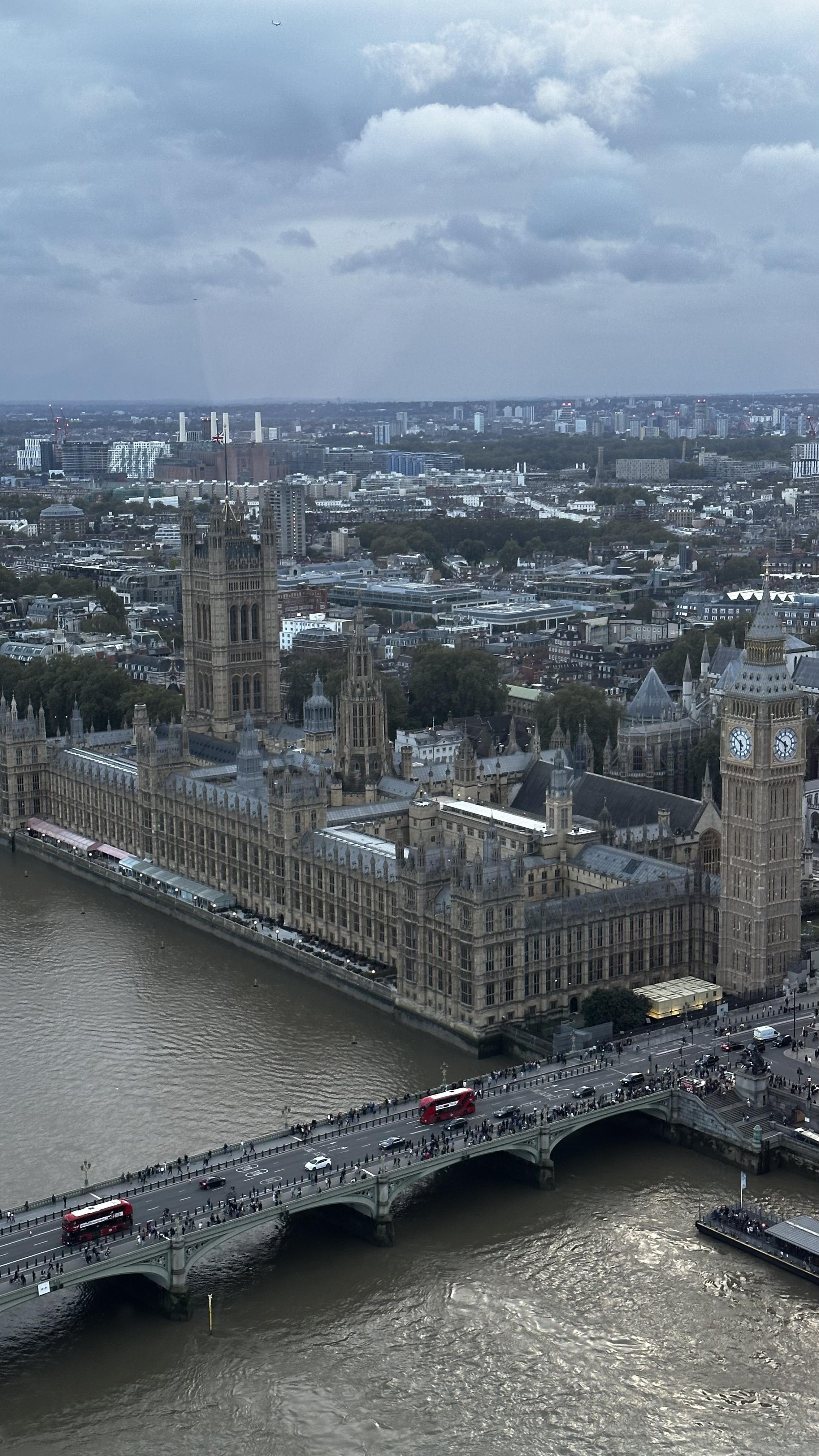
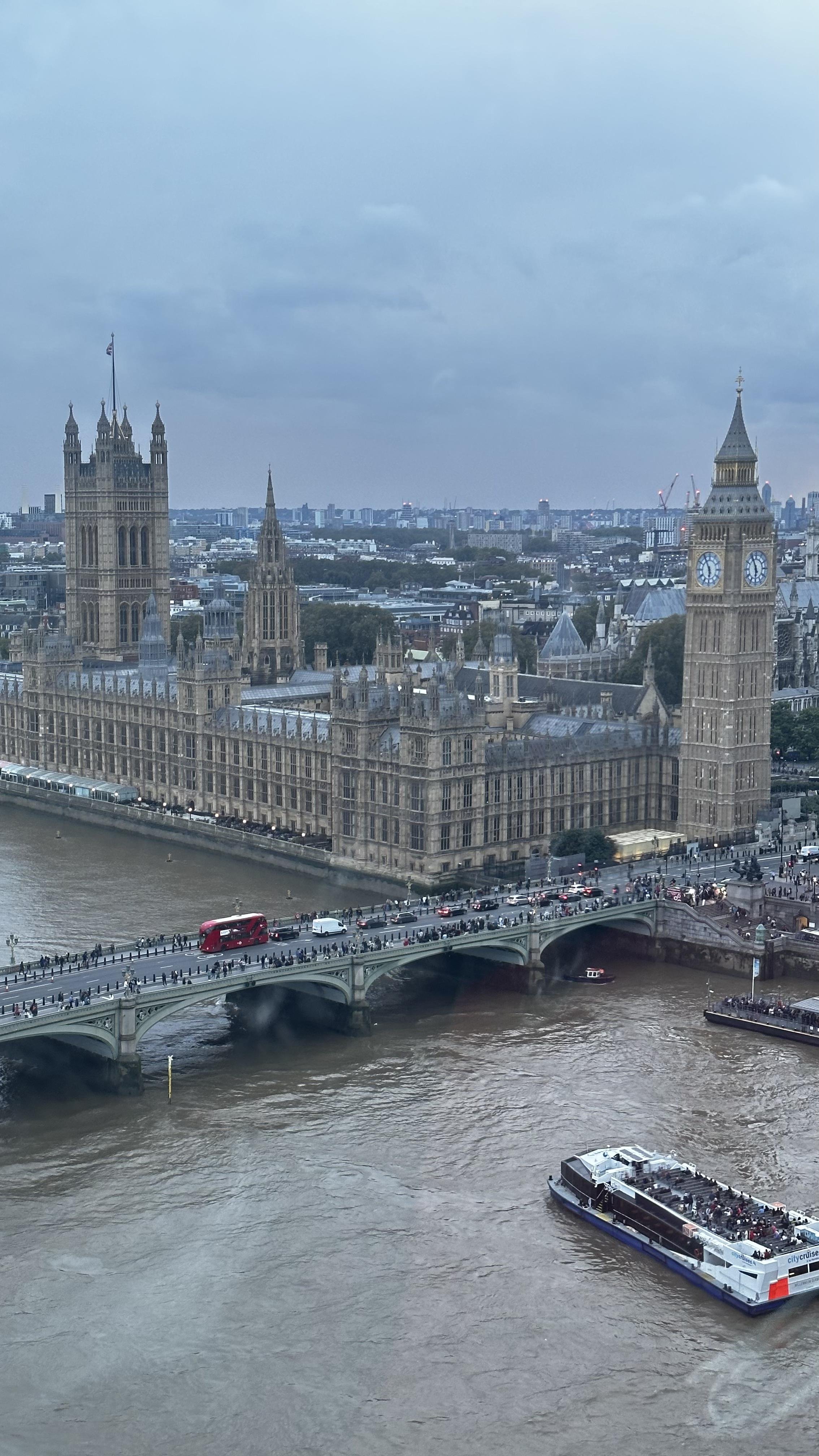
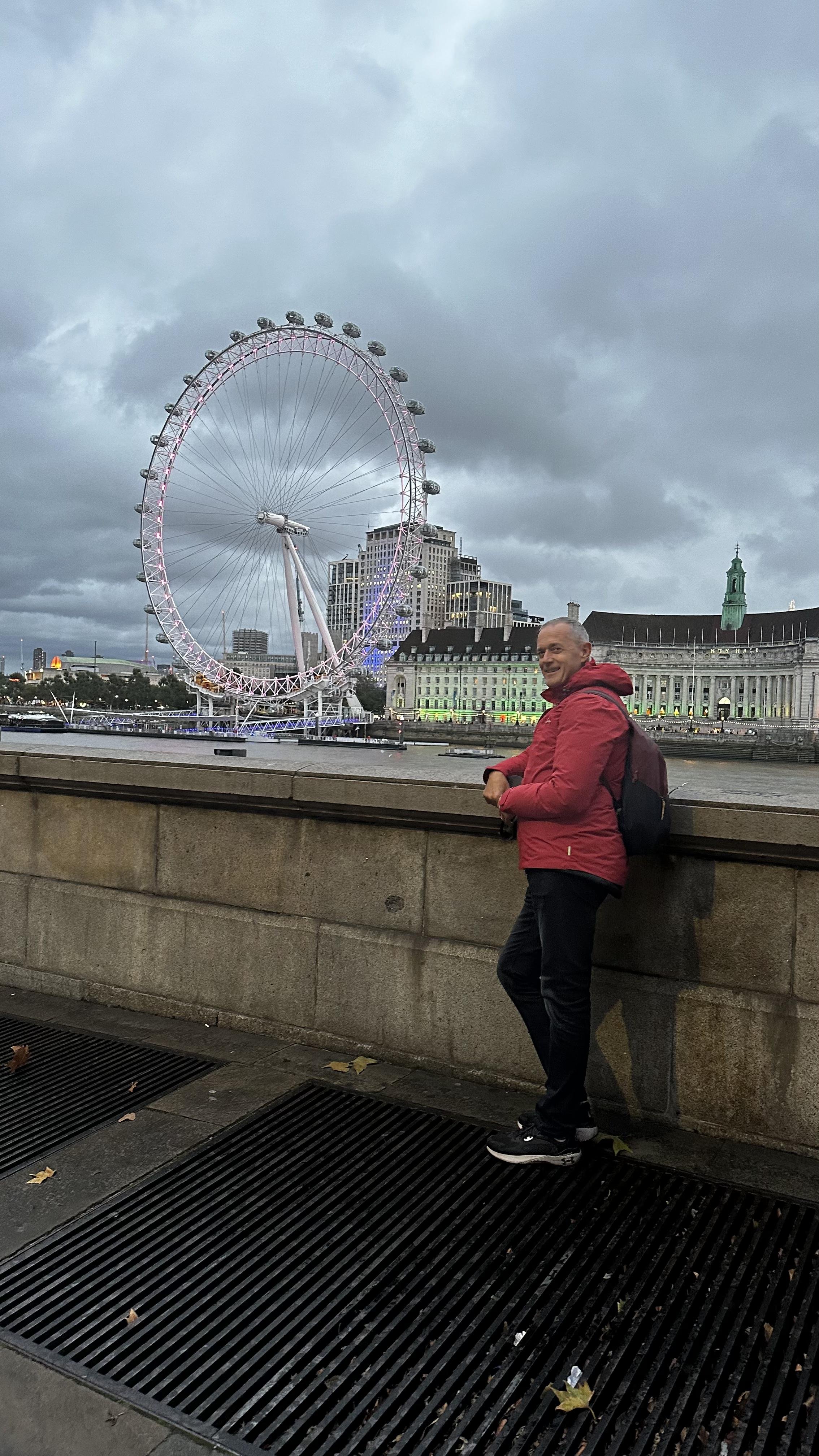
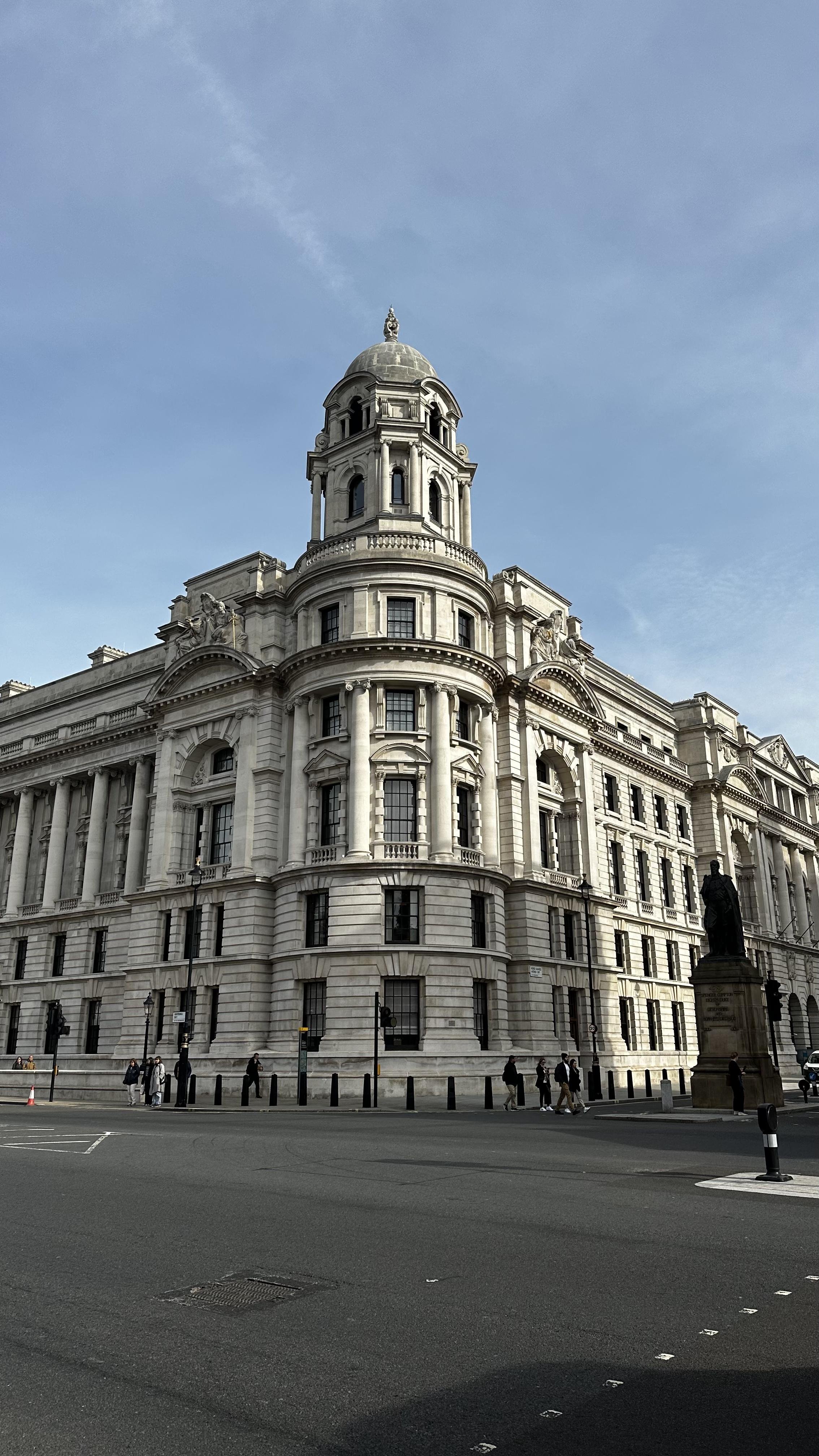
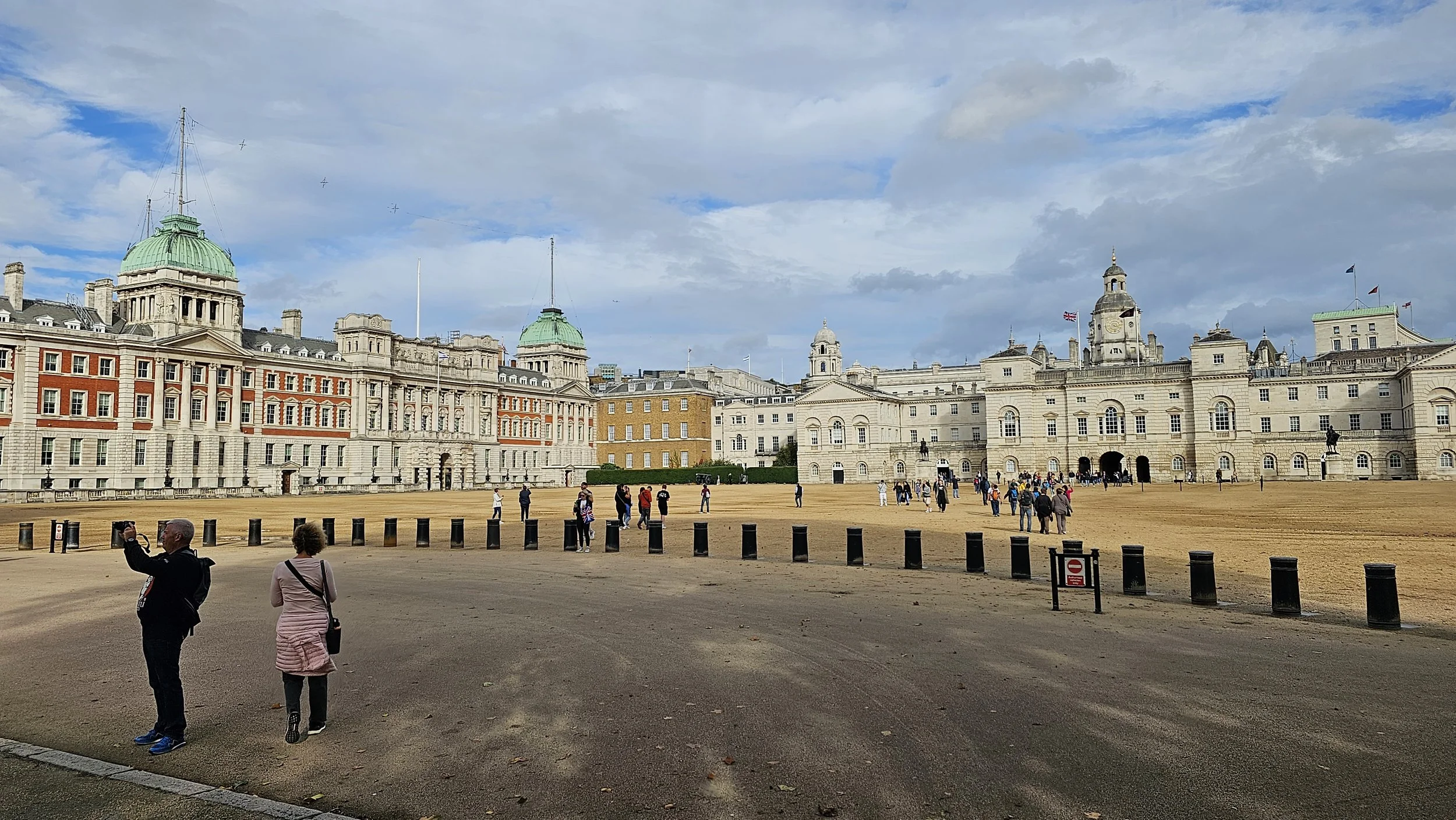
We carried on exploring the Parliament Square area where the Parliament Building is, famous Churchill Rooms underground that looked as if Churchill and his team had just left the meeting, to Big Ben, Westminster Abbey, and finally reaching the London Eye.
The London Eye is the largest observation wheel in the world, built in 1999 on the south bank of the river Thames in London. Standing 135 metres high, it gives a panoramic view of London up to 25 kilometres in all directions. Apparently you can get married in the Eye at the very top and from there everything goes downhill 😂!
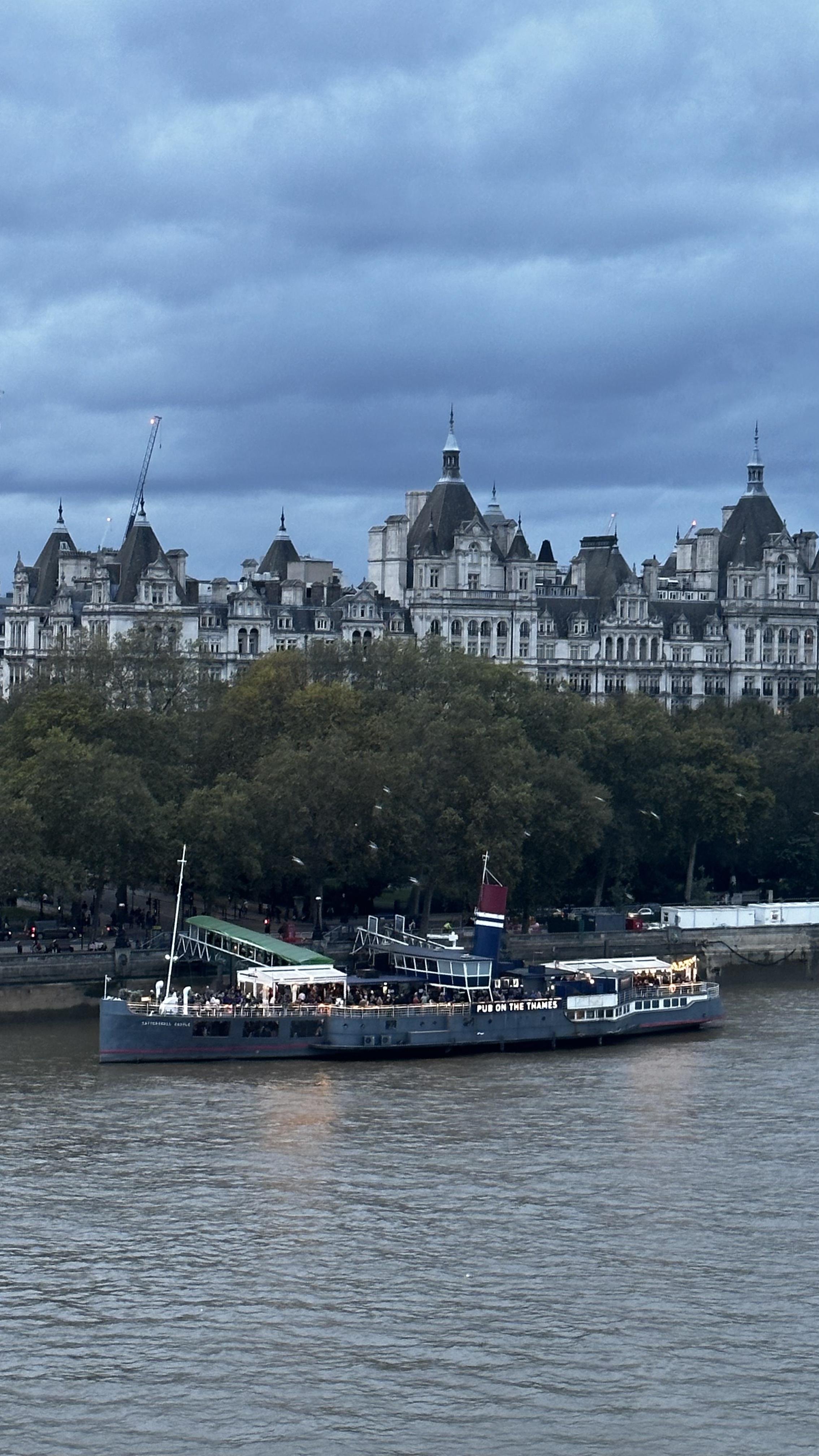
We went up and enjoyed it, the views are stunning!
Within the proximity of the Eye is the biggest aquarium in Europe situated in the County Hall.
We walked over 25,000 steps and soaked in the history, buildings, architecture. After the quiet Iceland nature, the noise and busyness of London made me feel dizzy! A couple of days later it became a new norm and I felt fine.
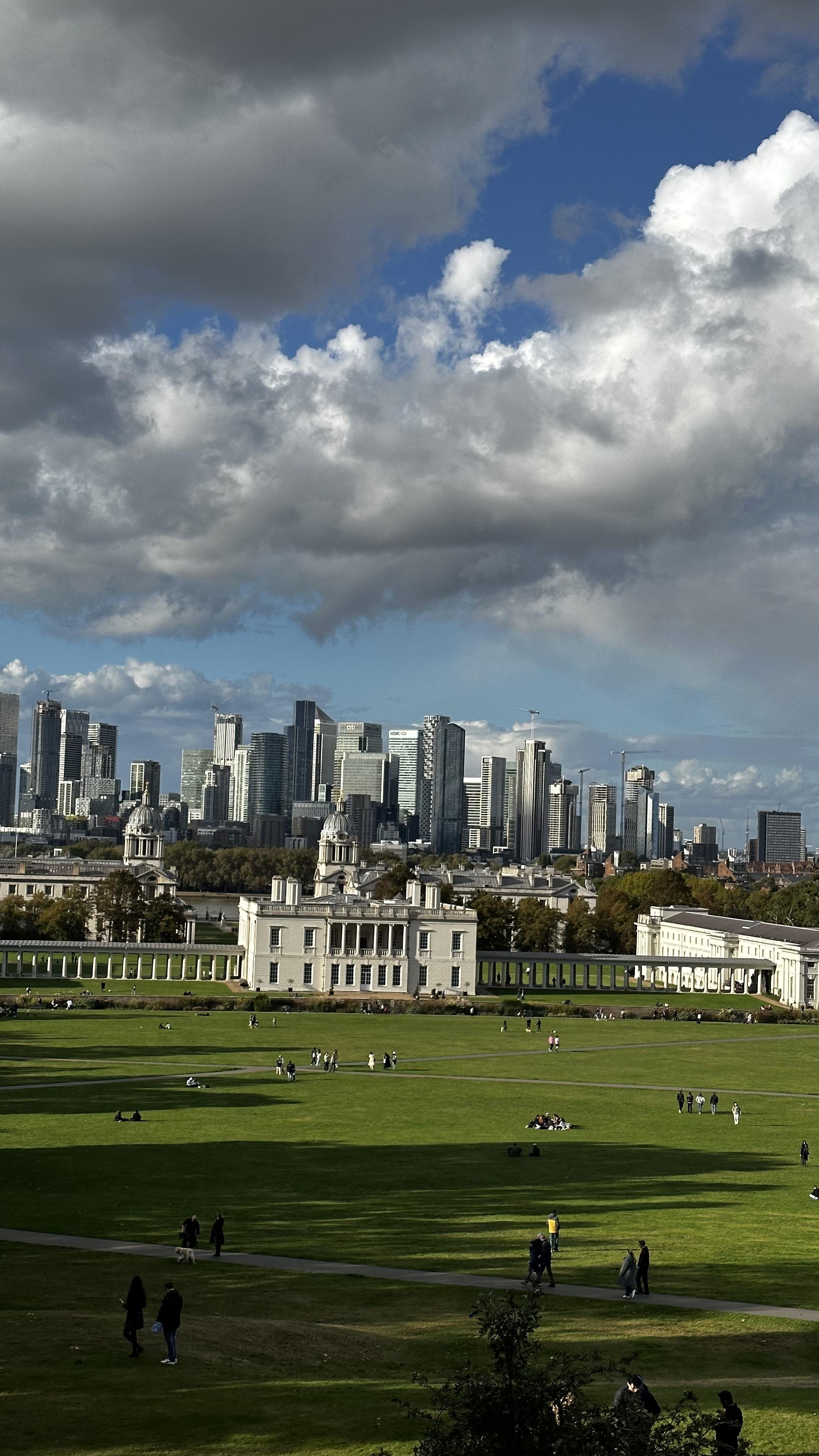
The next day we went with our friends to the Thames river cruise all the way to Greenwich to see the meridian line 0, to experience the cruise and see the local markets. We loved this trip, so informative, entertaining and we had a sunny day again! So far we’ve had one rainy evening! Apparently very unusual for London and this time of the year, so so lucky!
Fun fact: Wharf stands for a warehouse at river front, I didn’t know that!
We had a lovely lunch in a typical British pub, and Greenwich village reminded us of Devonport village.
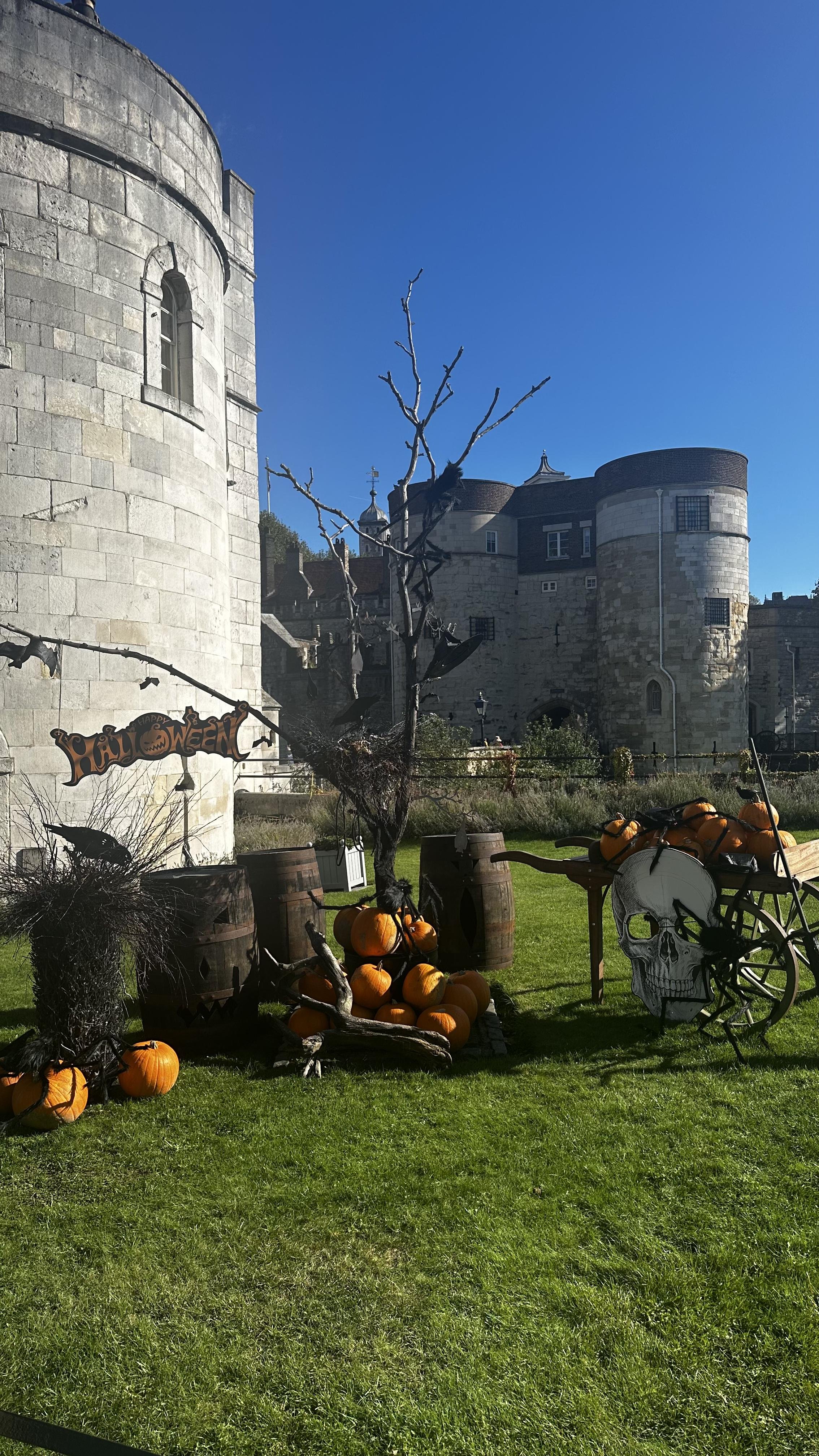
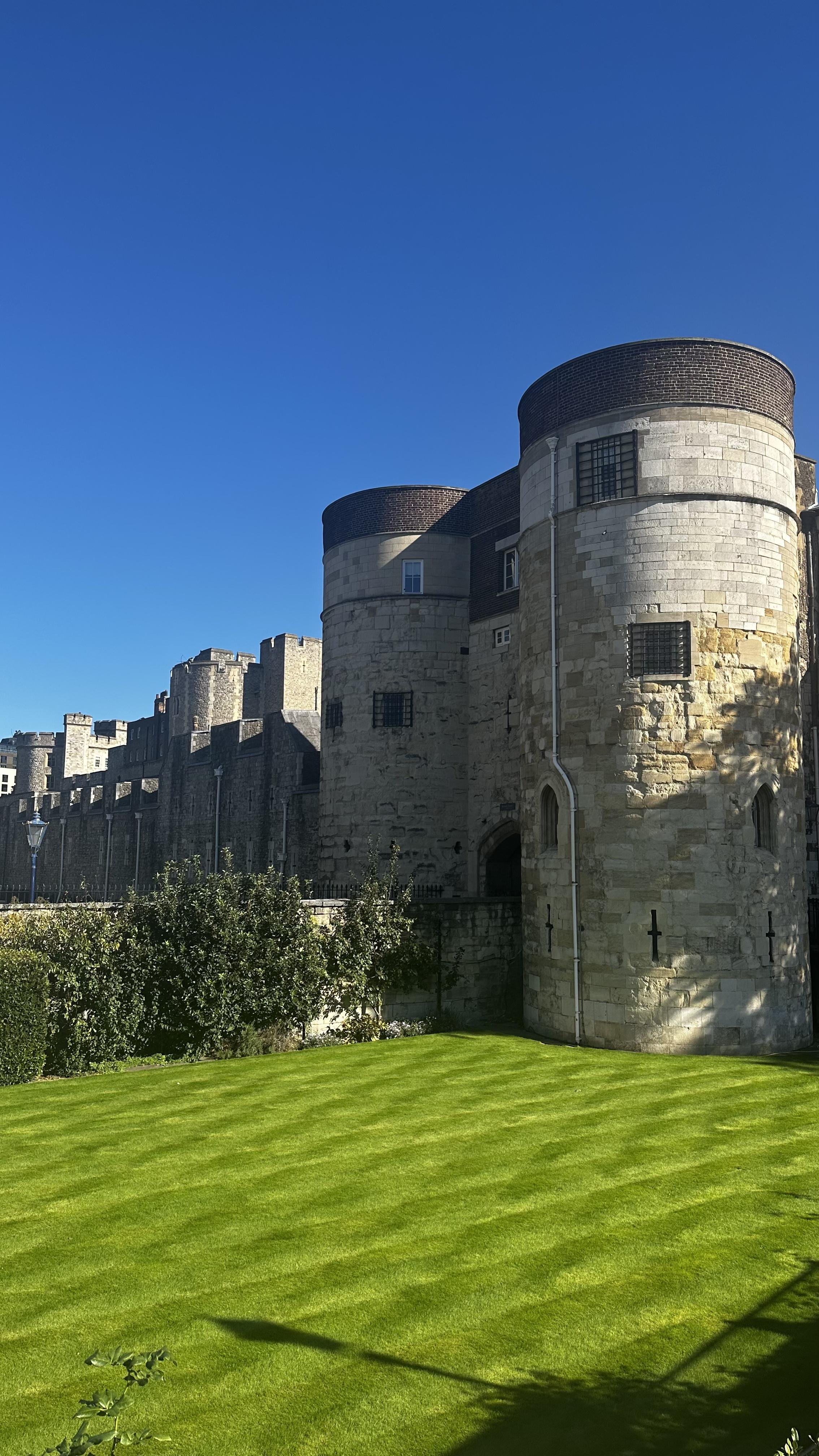
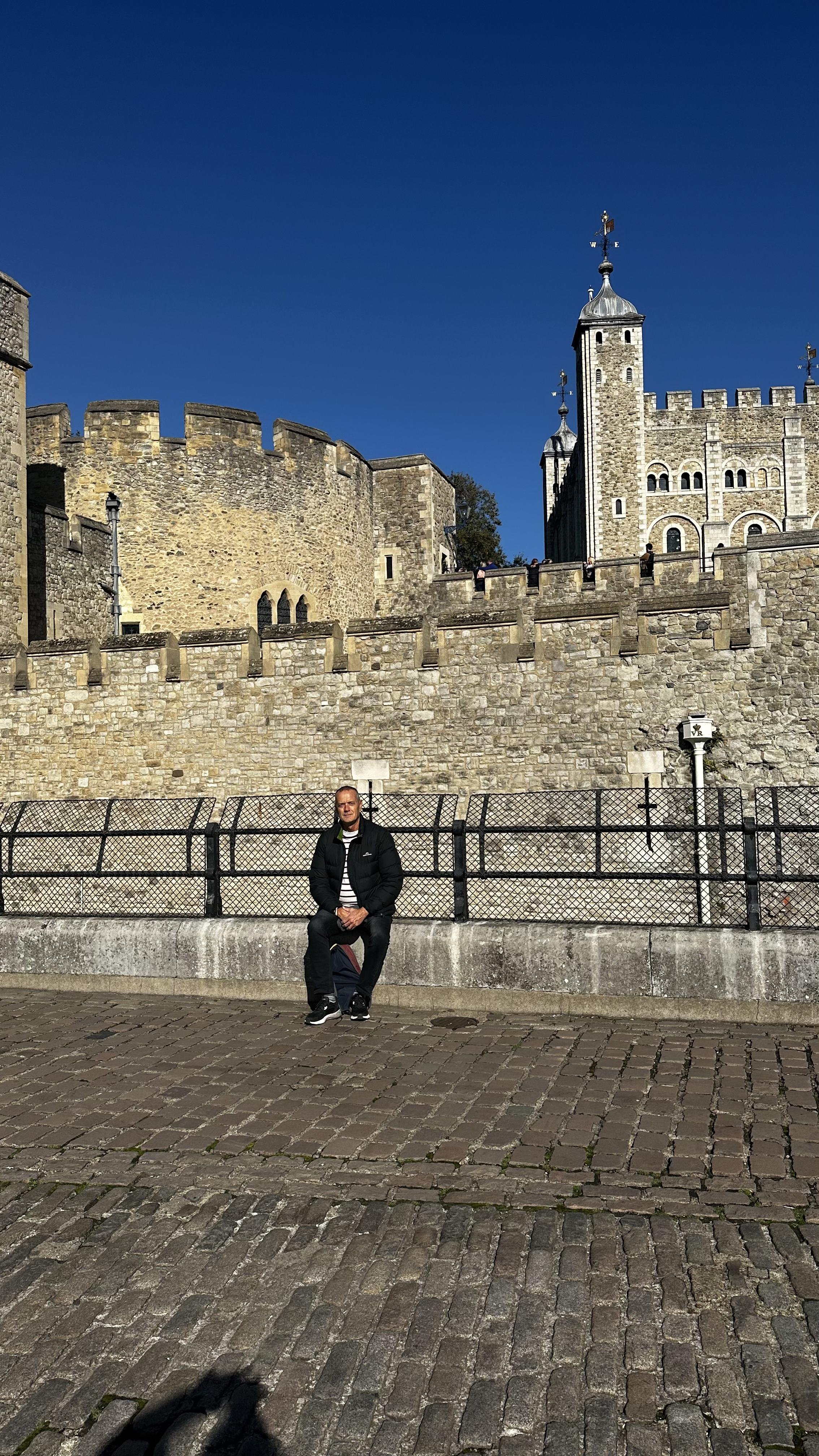
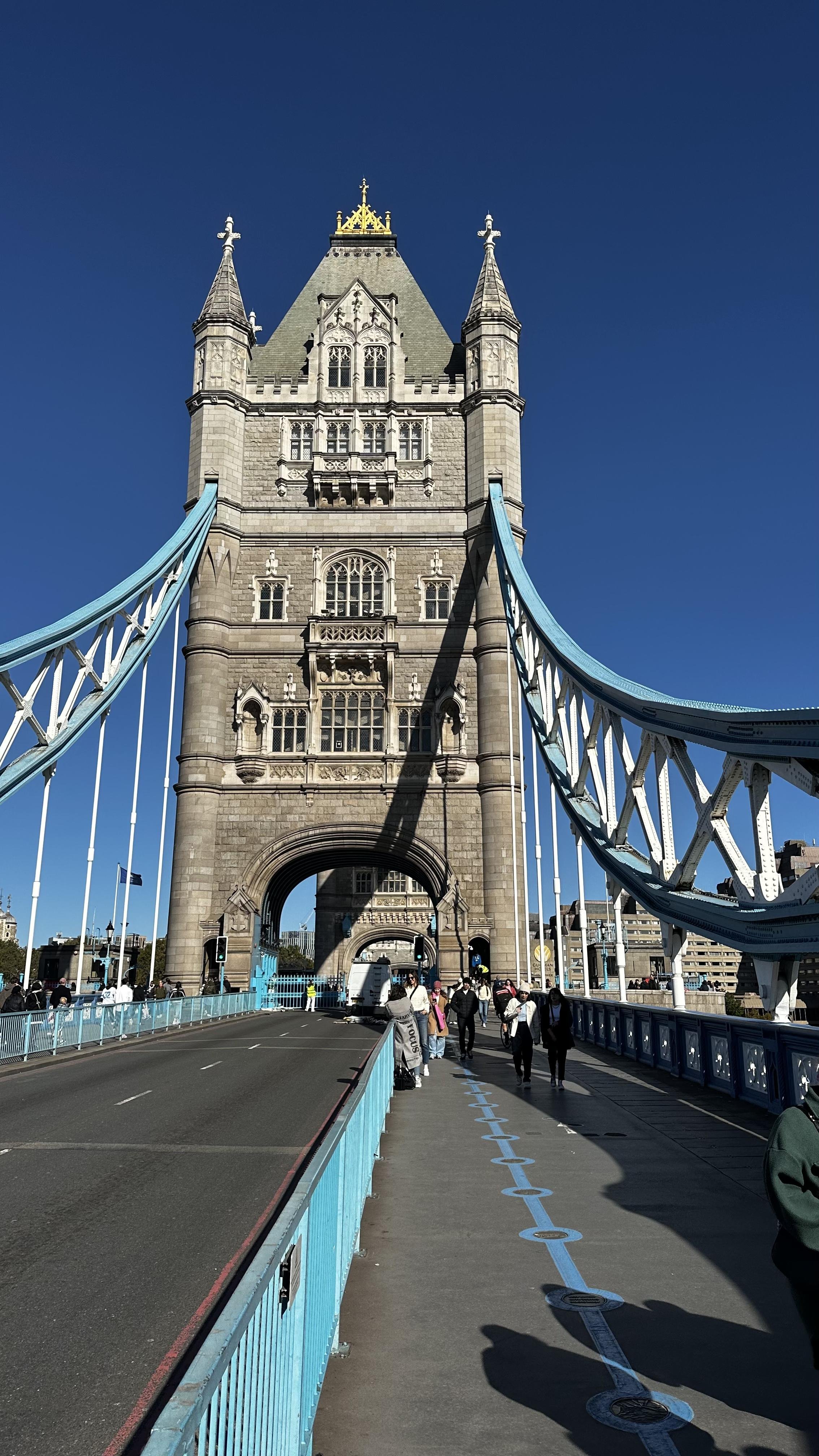
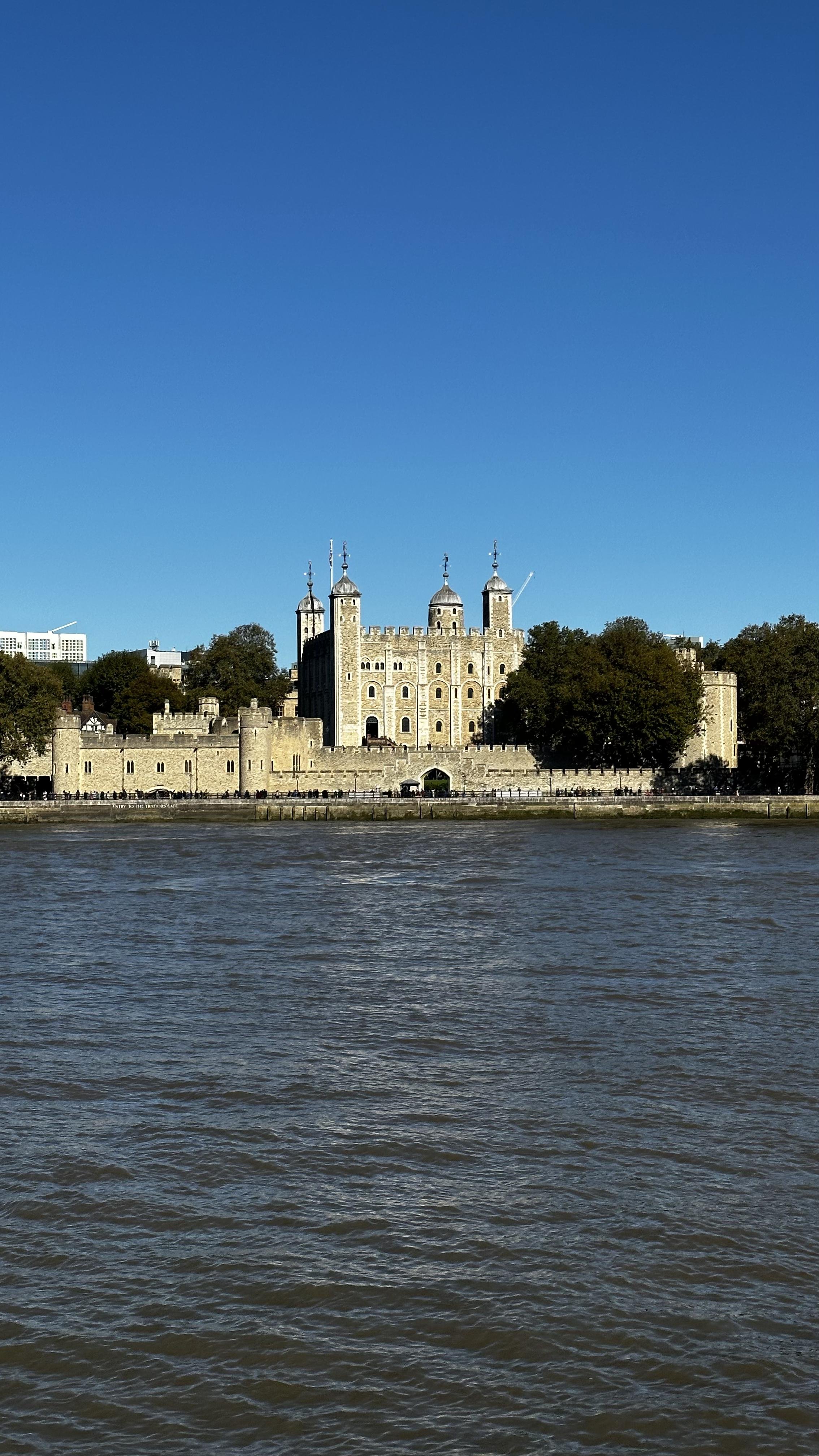
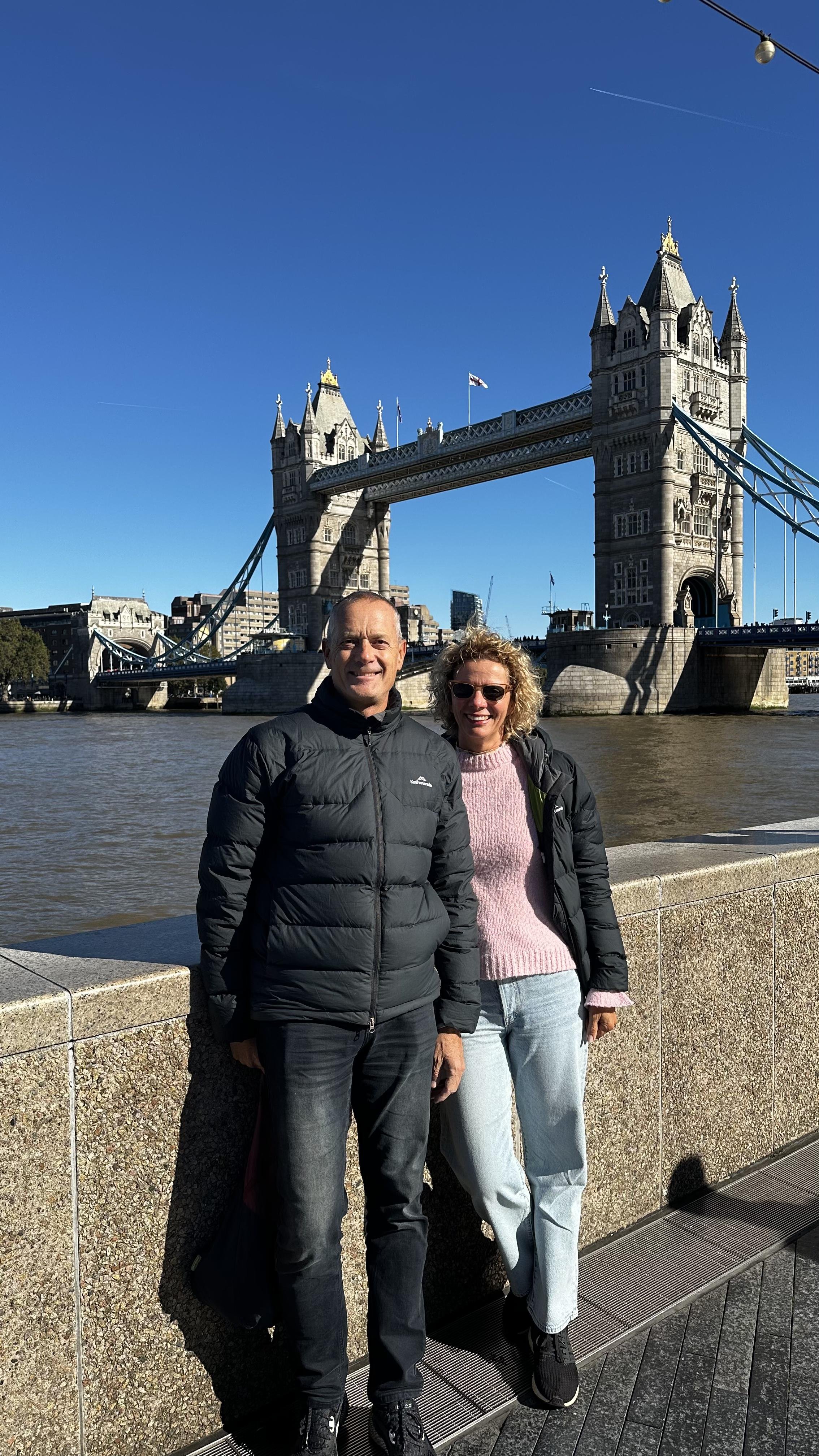
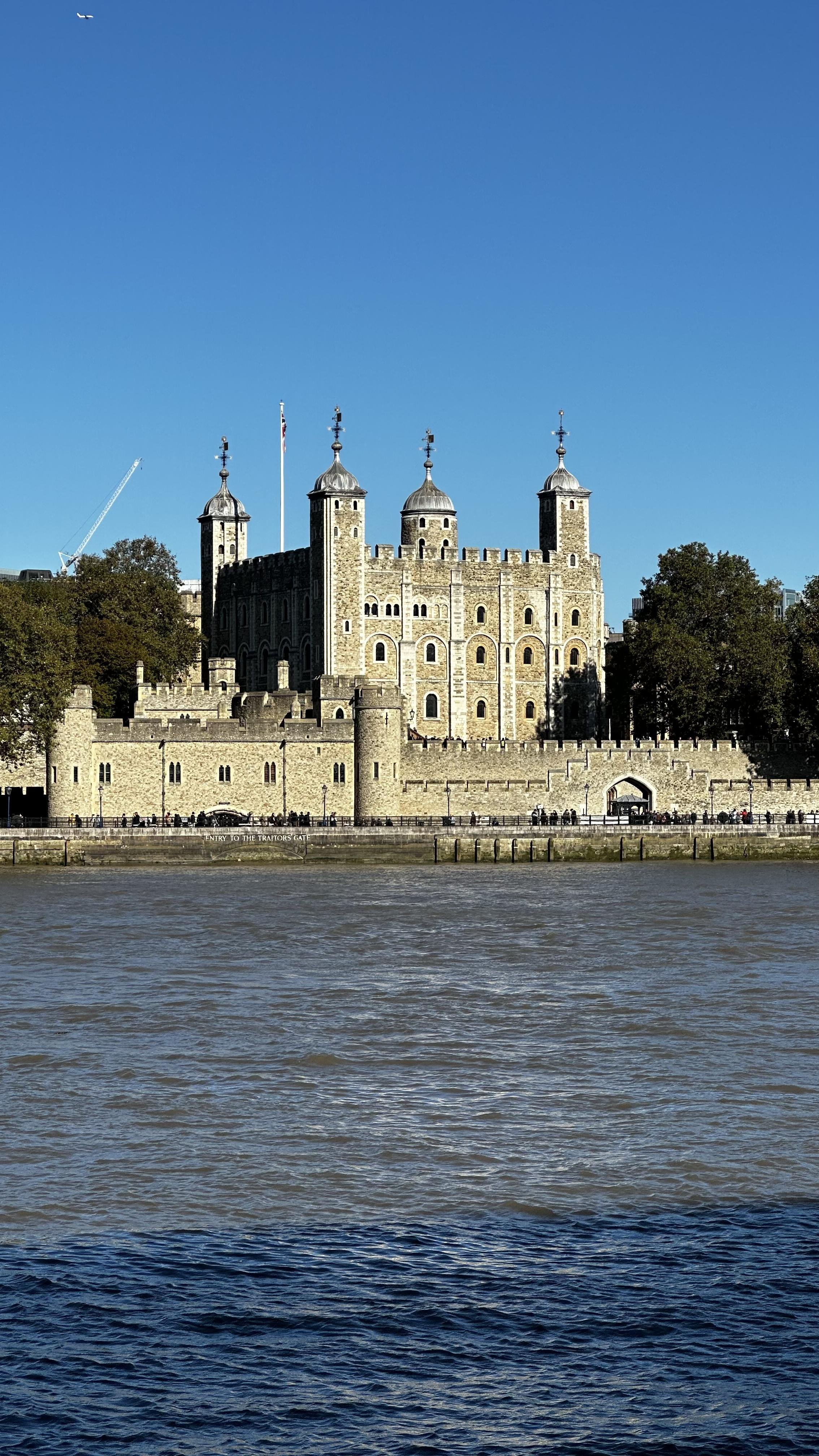
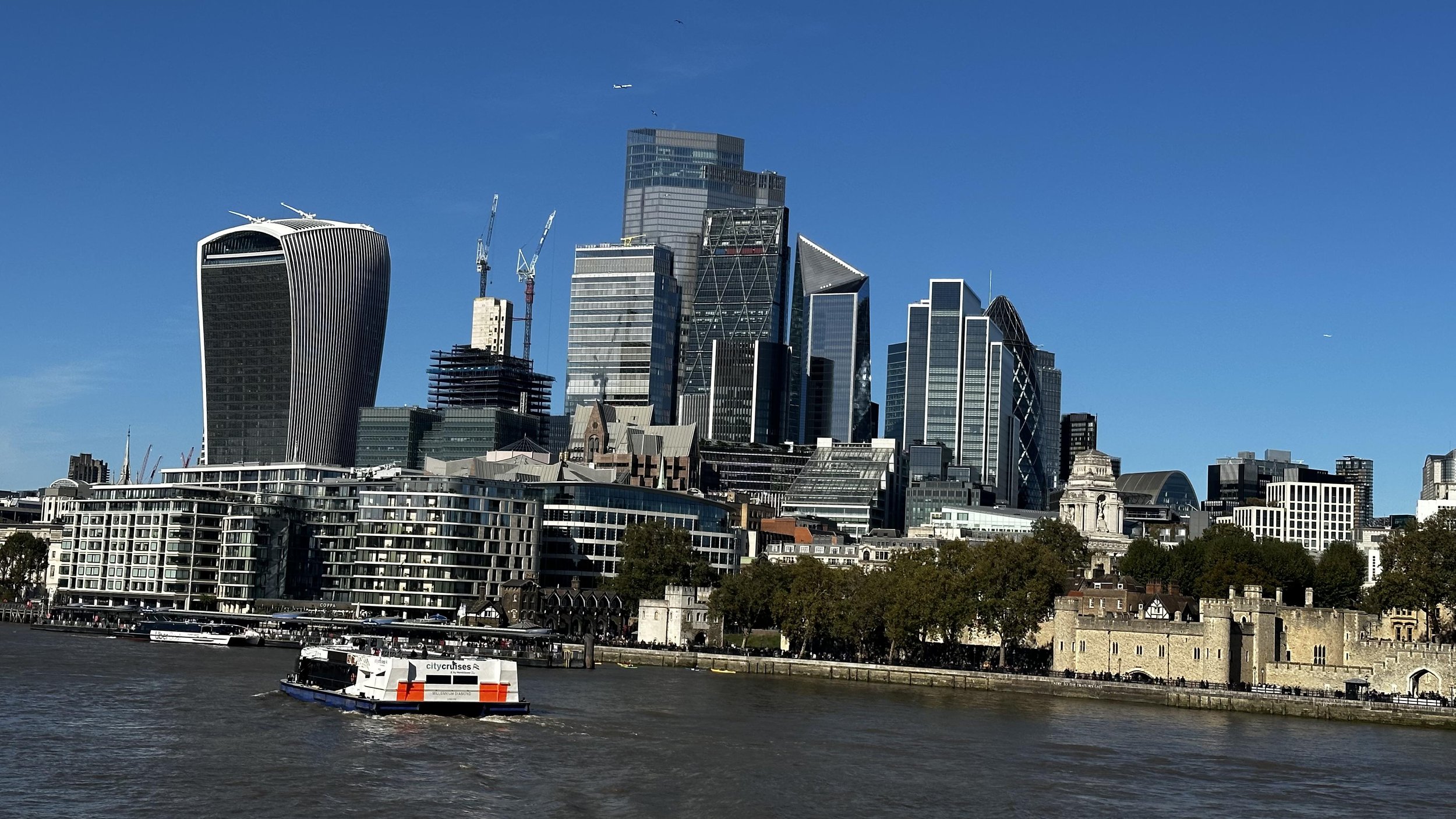
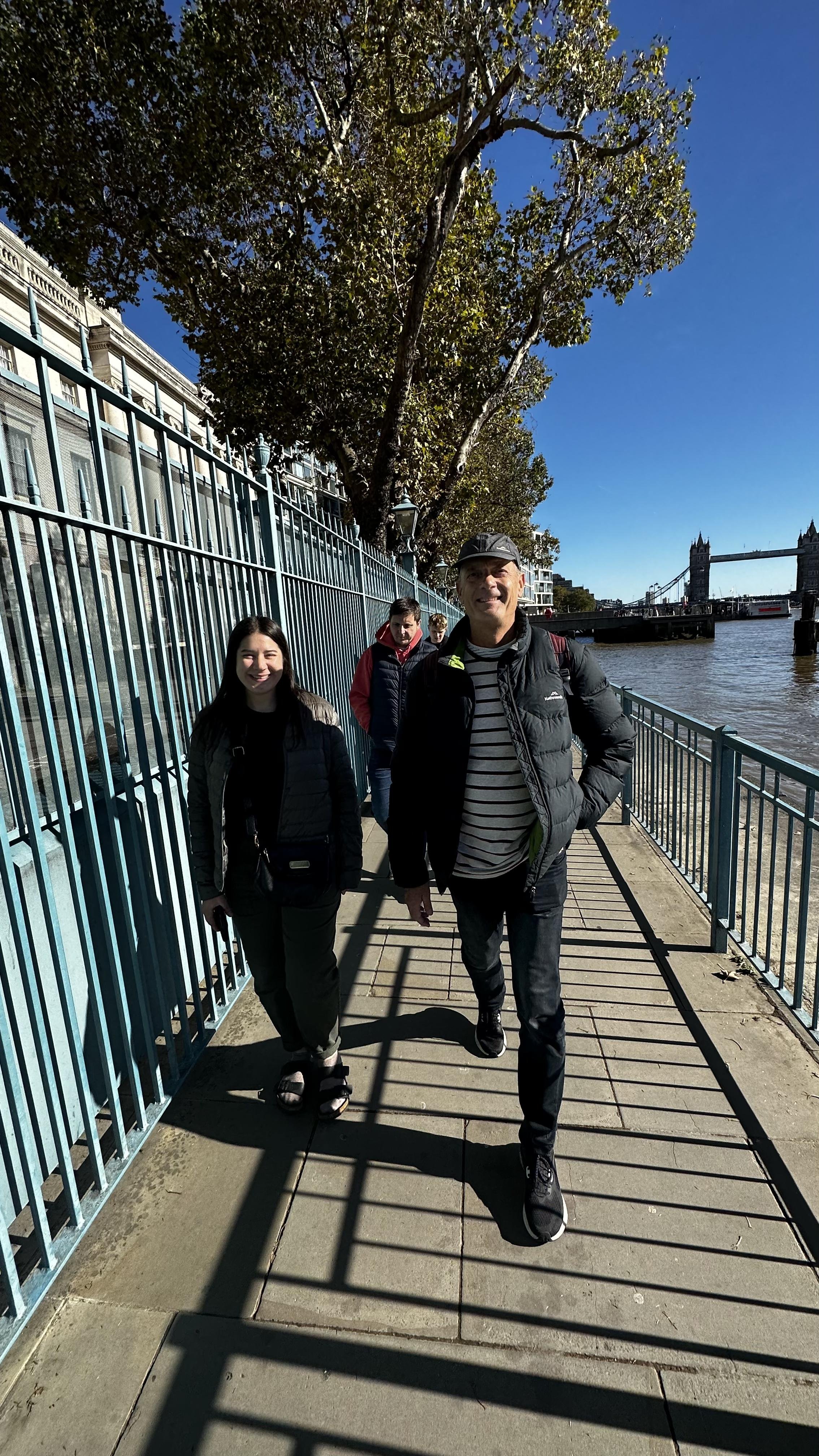
The next day we went from the City of Westminster to the City of London to visit the Tower of London and the London Bridge.
I loved the Tower of London, my favourite spot. Again, a sunny day made it perfect for us, although the temperatures have dropped to 4 degrees. We wore warmer clothes here than in Iceland, winter is definitely coming!
We’ve learnt pretty quickly you need to allow an hour for transport one way wherever you go, minimum! And you need to plan your stay in advance to maximise your time here. This city is HUGE!
What else did we visit?
In the morning we continued wondering the streets of London.
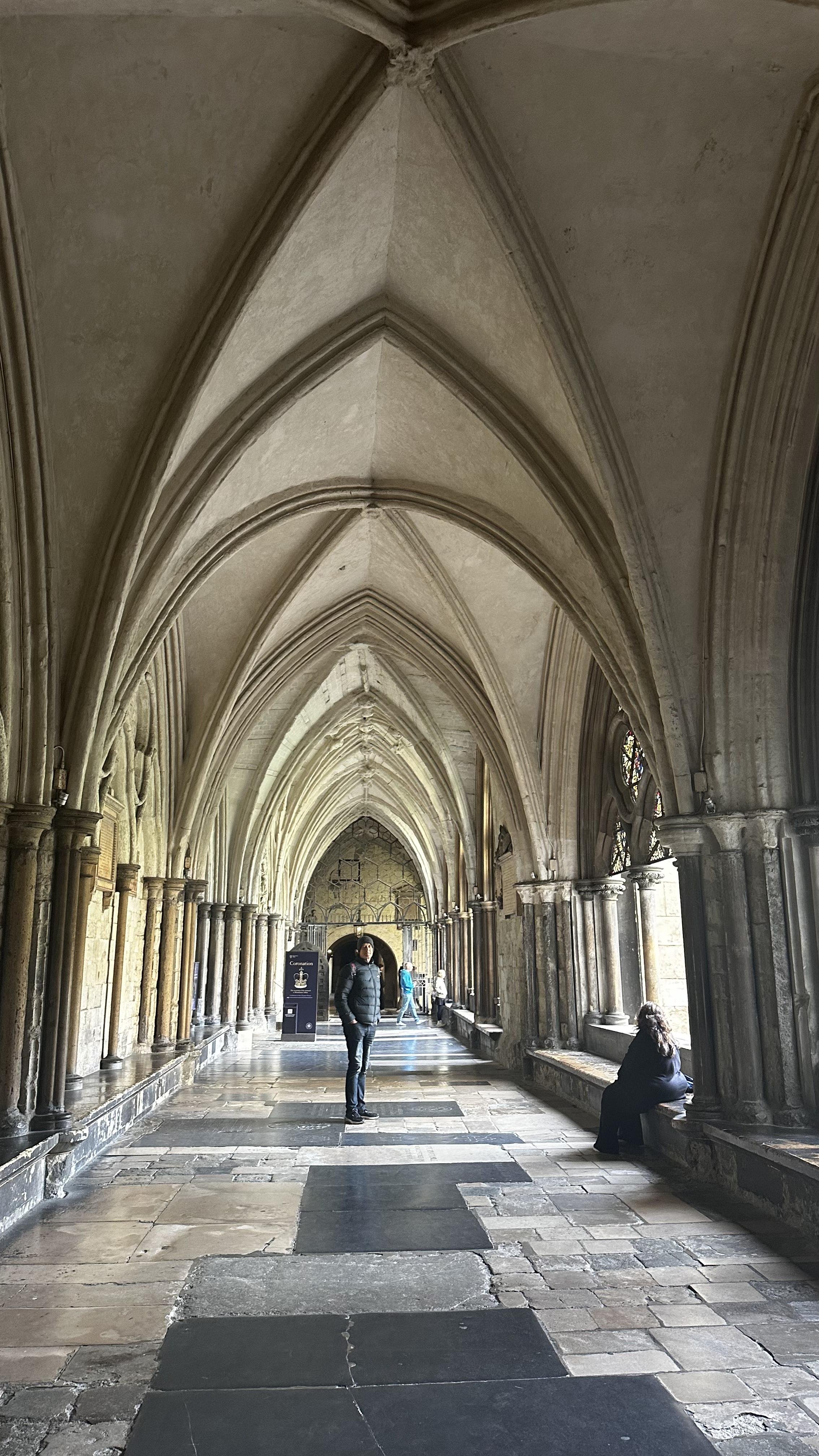
After seeing Westminster Abbey we went to see St Paul’s Cathedral. I didn’t like Westminster Abbey as much, it felt like we were walking through an internal graveyard, the coronations information was interesting, still there was no spiritual feeling for me. St Paul’s cathedral was a different story.
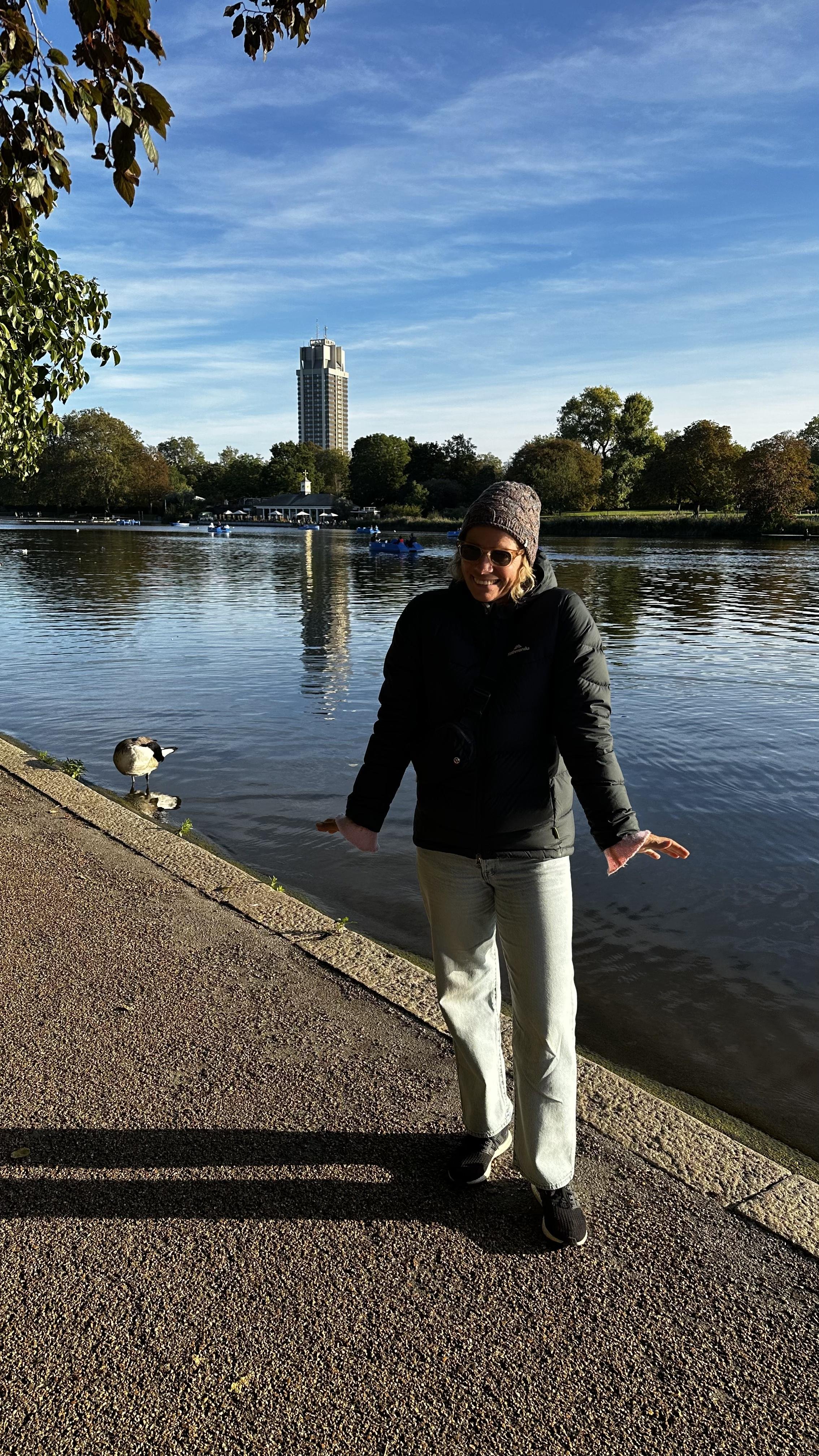
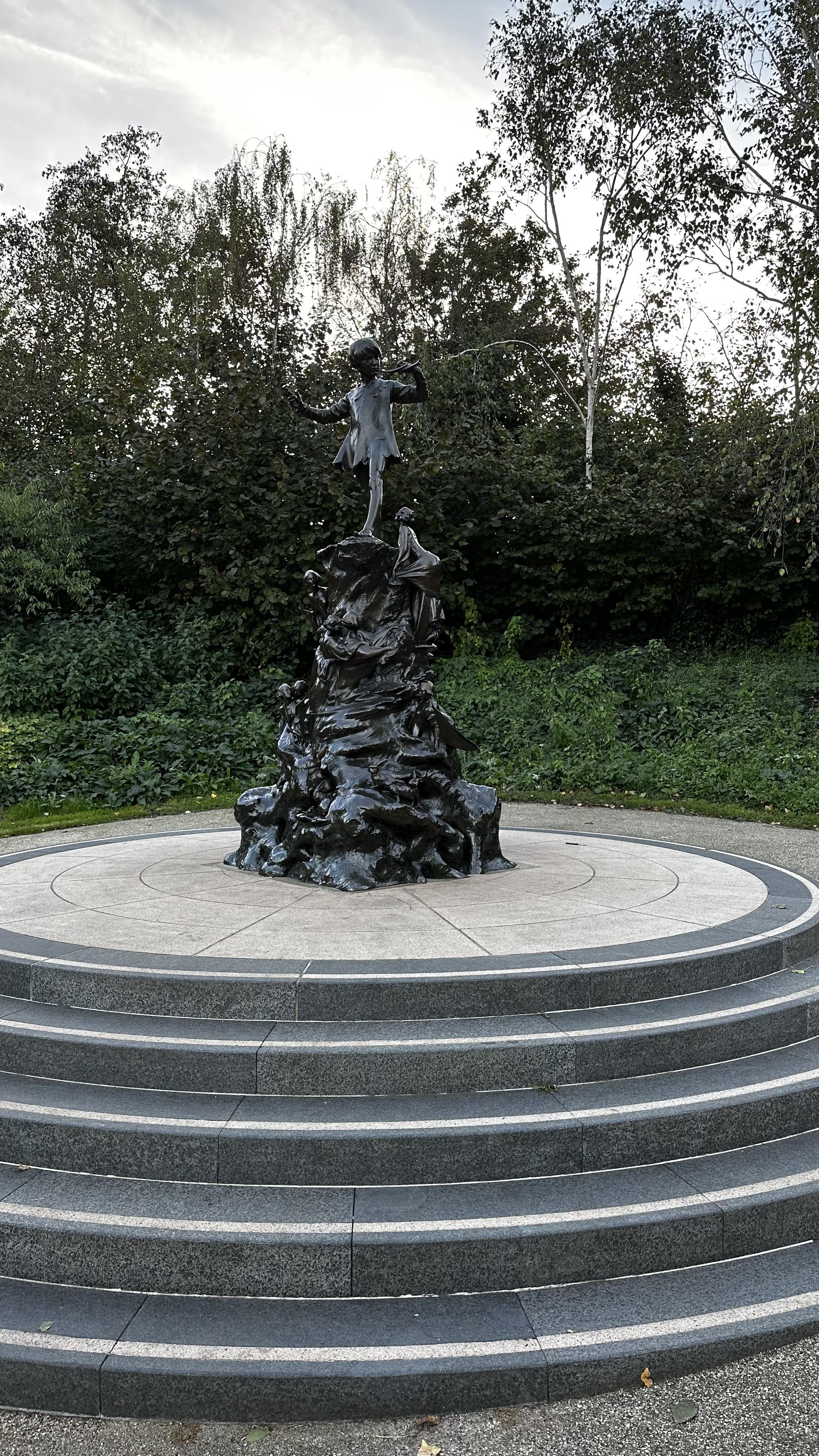
Since we had a great weather we left museums and galleries for another time and enjoyed the outdoors. We’ve walked through the Hyde Park and loved it. So many people enjoying the park, dancing on roller skates entertaining people walking by, so many families, couples, friends sitting on the grass and having picnics. Londoners know how to enjoy a sunny day that’s for sure!
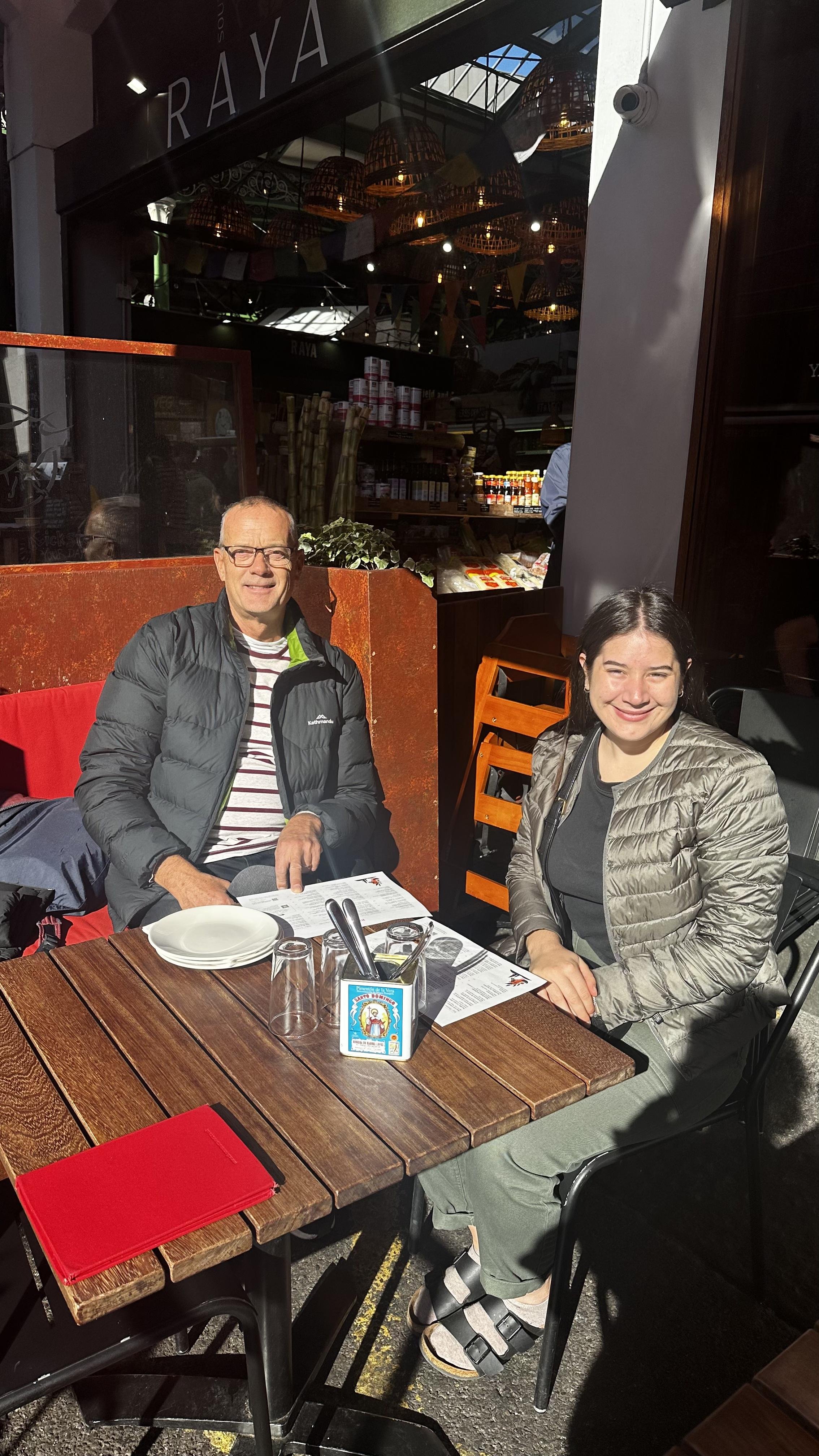
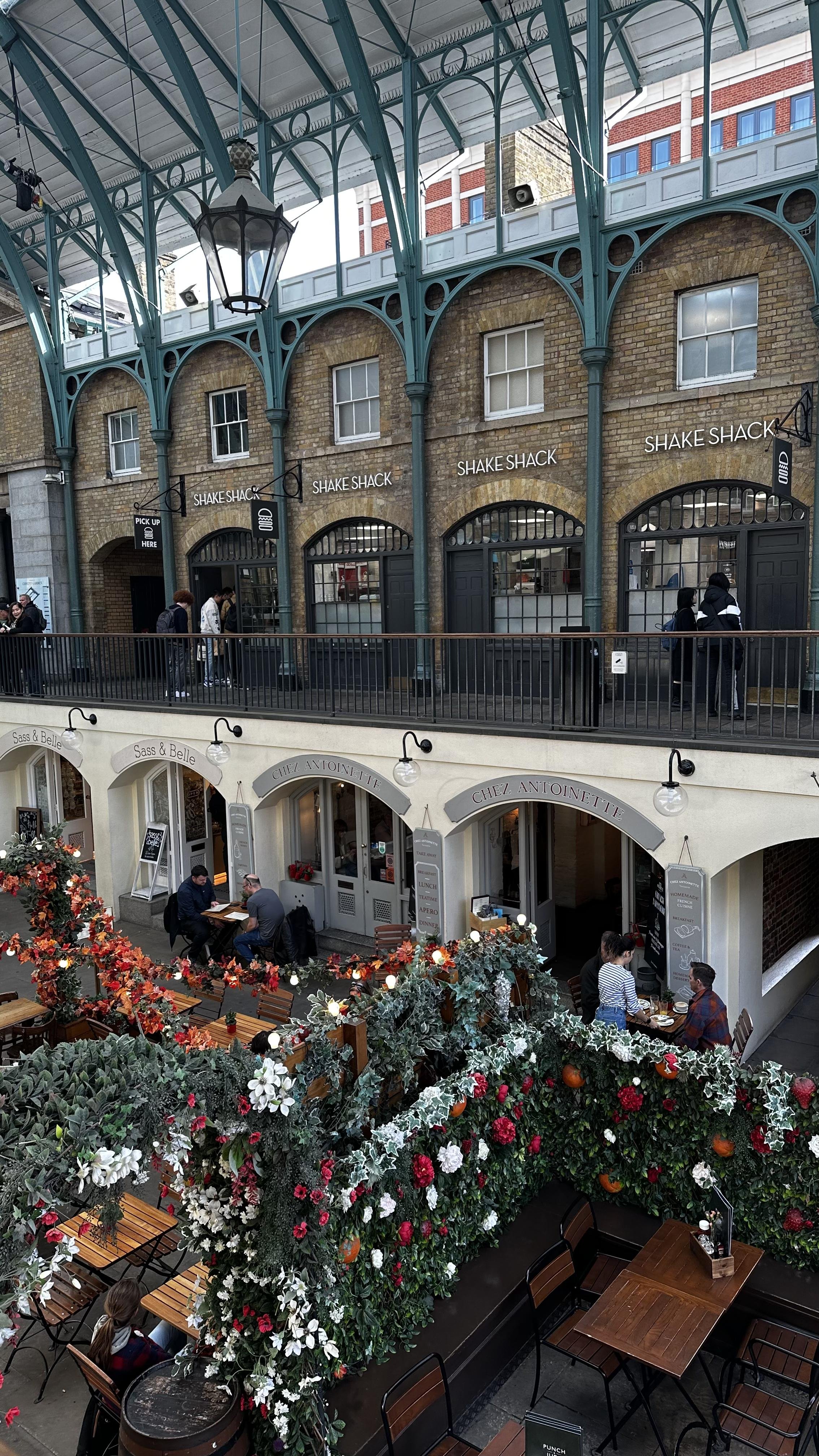
We went to Borough market, huge! So many different stalls from food to clothing to antiques etc, anything and everything!
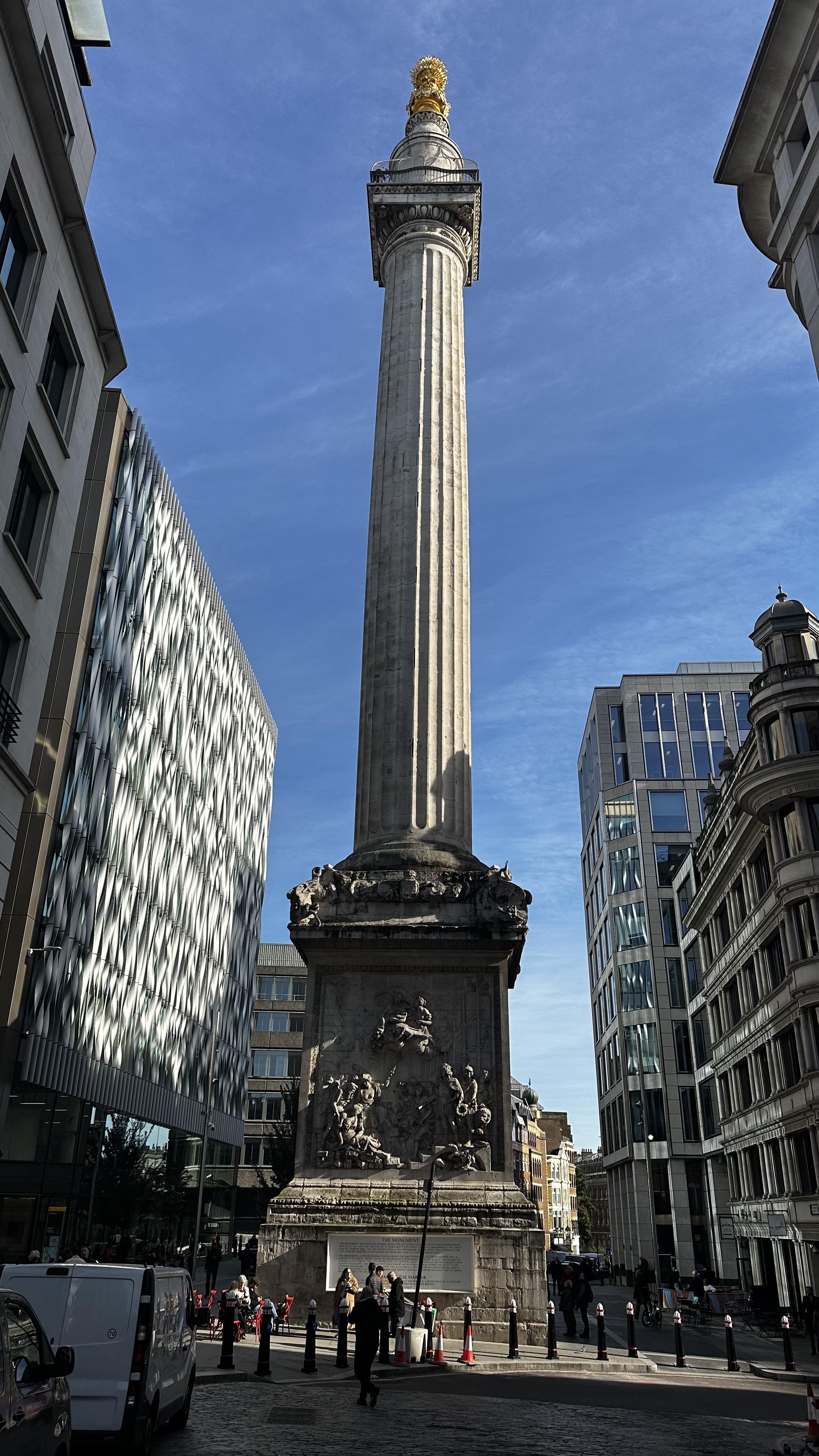
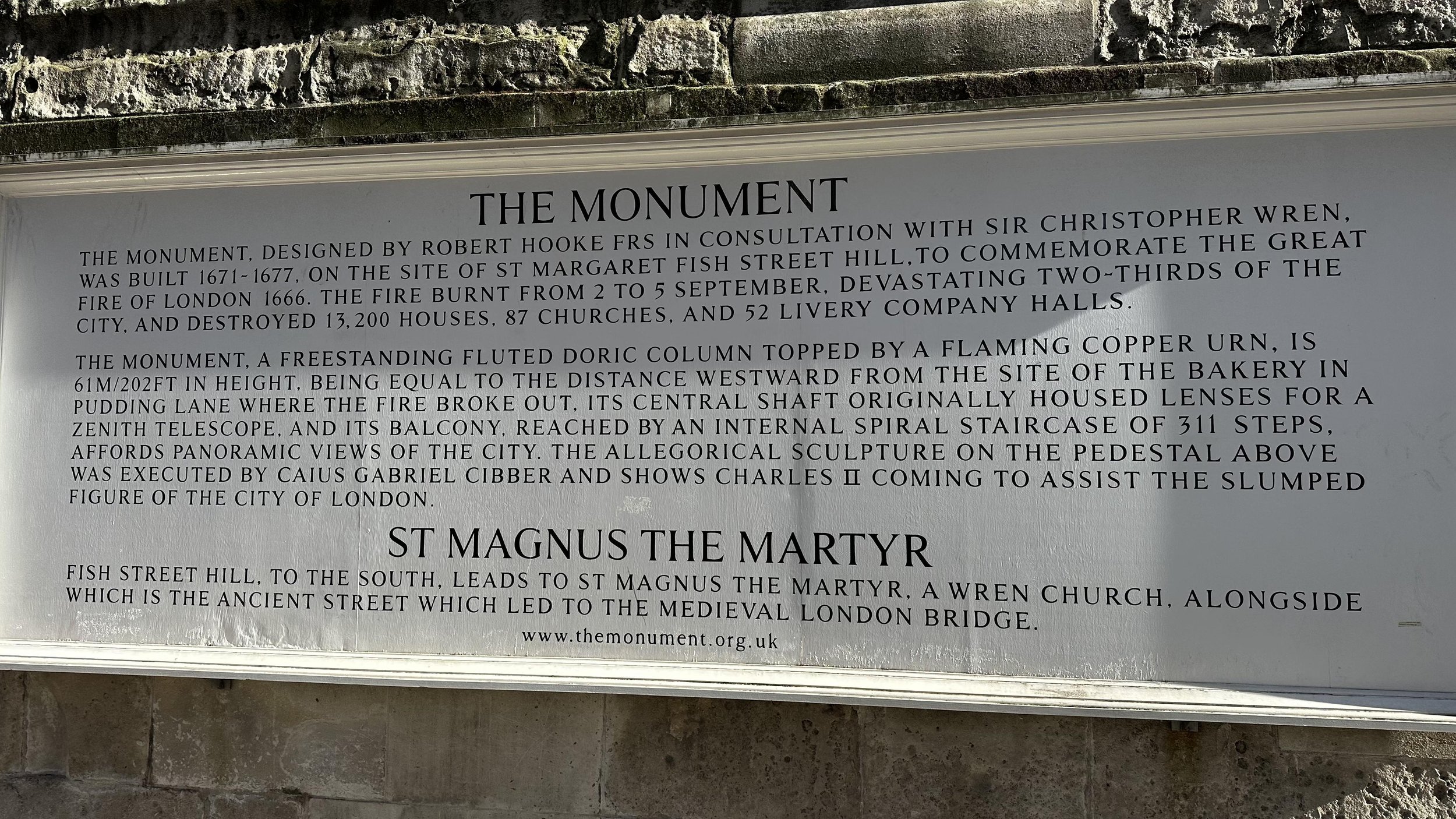
We finished our trip with a visit to The Great London Fire Monument nearby the Paddington Road. I had to see it, it’s the birth place of the insurance industry.
The Great Fire of London was a major fire that swept through central London. The fire started in a bakery in Pudding Lane shortly after midnight on Sunday 2 September 1666 and spread rapidly over a few days gutting the medieval City of London inside the old Roman city wall.
The resulting fire was devastating. It consumed an estimated 13,200 houses, St Paul’s Cathedral, 87 parish churches, Guildhall, and The Royal Exchange. In addition to the many thousands who died in the fire, others caught fatal diseases that were rampant in the overcrowded temporary housing that had to be built or perished during the bitter cold of an especially harsh winter just a few months later.
At a time when London’s income as a city was £12,000, the fire itself is estimated to have caused £10 million of damage – about £1.5 billion in today’s money.
Creation of fire insurance
In the aftermath of the Great Fire, London needed to be completely rebuilt – clearly, a mammoth undertaking.
Initially, funds for that reconstruction were gathered through charitable donations collected by parishes in and around the capital. Inevitably, however – then as now – donation fatigue began to set in. Despite contributions from churches all over the country only an estimated 0.13% of the projected rebuilding costs were collected in this way.
But there is nothing quite like a devasting tragedy to focus the mind on preventing fires from causing such damage in the first place.
In the year immediately following the Great Fire, a doctor, businessman, and Member of Parliament, Nicholas Barbon, set up the world’s very first insurance company. Known as the “Fire Office” the principal aim of the enterprise was to employ its own private fire brigade to put out the fires in any of the buildings which the company insured.
Reacting to the obvious demand, other insurance companies followed – with names like the Hand-in-Hand and the Friendly Society. Despite the names, though, these companies were not set up for the protection of the public but rather as employers of the fire brigades that would put out fires of insured buildings.
If a fire broke out, all the insurance company-owned fire brigades would rush to the scene to find out whether the fire was in a building insured by their company – and if it wasn’t, they’d simply go home or stand around and watch. (This later changed and Insurance companies often had reciprocal arrangements with each other, so that if a fire brigade extinguished a fire at a house insured by another company then the brigade’s company would be reimbursed).
By 1690 one in ten of the houses in the capital was insured. The idea of fixing a “fire mark” to identify an insured building also gained ground. The company most actively involved in the issue of fire marks was the Sun Fire Office – by the year 1720, it has issued more than 17,000 insurance policies with a combined value of some £10 million. The Sun Fire Office was later to become Royal Sun Alliance and today is known as RSA Insurance Group. And the rest is history!
I am sure you get why I was so keen to see this place! 😉👍.
A few fun facts:
Over 300 languages are spoken in London making it the most linguistically diverse city in the world. The top five non-English languages reportedly spoken are Polish, Turkish, Bengali, French, and Punjabi.
London was once the capital of 6 countries at the same time. In World War II, London served as the governing capital for other European countries which were conquered by Germany. The leaders of Norway, Poland, Belgium, France, and The Netherlands stayed in London between 1939 and 1945.
The world’s oldest underground rail network is in London. The first public transportation system to use steam engines was the London Tube. On January 10, 1863, the Metropolitan line's first segment from Paddington to Farringdon opened. Five years later, a second underground line went into operation. Metropolitan number 23 is the oldest surviving steam locomotive and it is on display at the London Transport Museum.
Big Ben isn't really called Big Ben.
Sorry to burst your bubble, but that iconic London tower we’ve been calling Big Ben isn’t really called Big Ben. Actually, the clock in the Tower is the one that is called “Big Ben.” In honor of the Queen's diamond jubilee, the famed Tower's name was changed from Clock Tower to Elizabeth Tower in 2012.
That’s us! Unexpected, unplanned and spontaneous trip to London was pretty cool. We are grateful to our Kiwi friends who hosted us and ensured we were looked after.
We flew back to Belgrade, and now you need to wait a bit to see what comes next! Not sure if we know it ourselves or not 😉
How could you be in London and not attend an evening show?
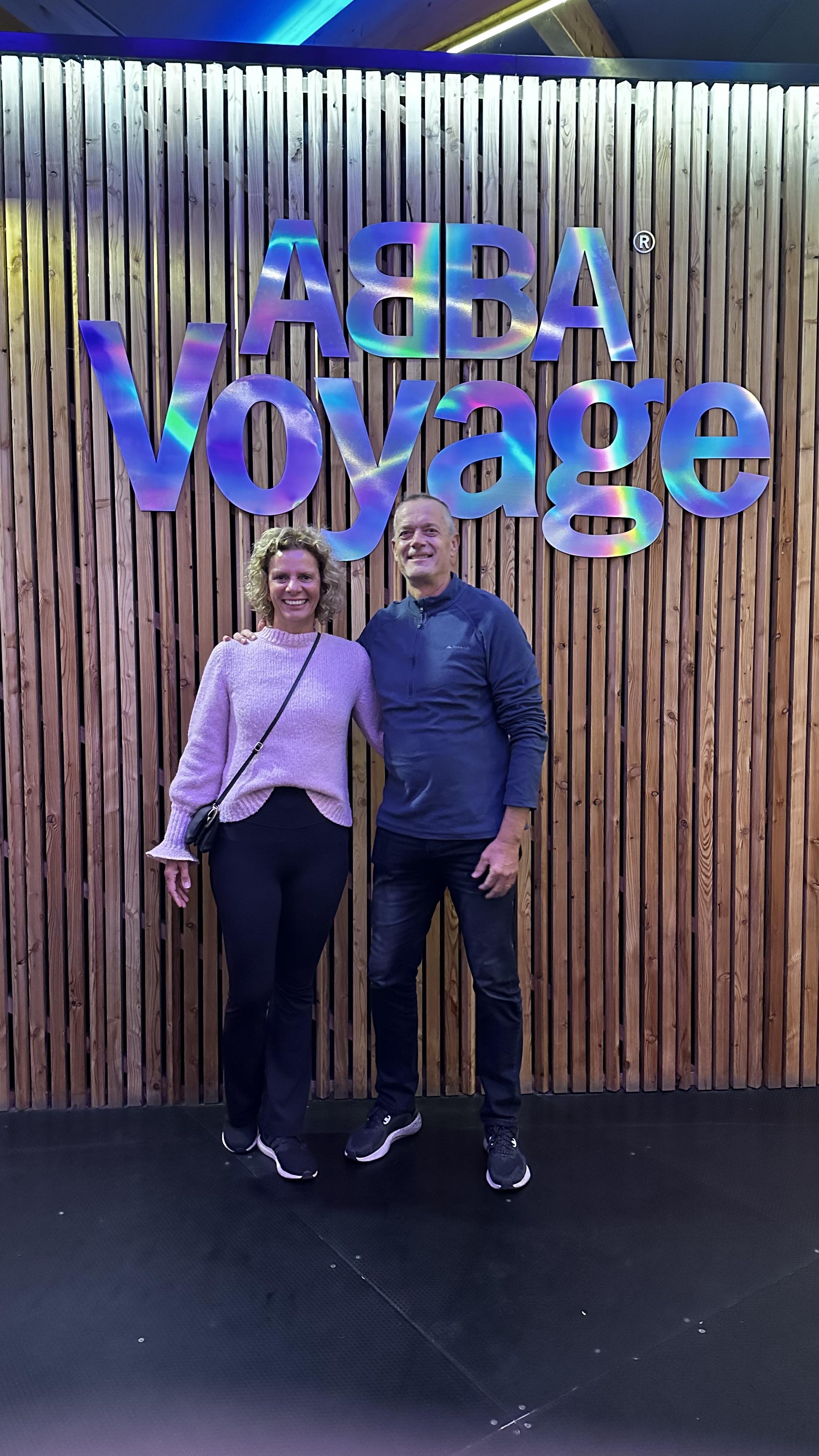
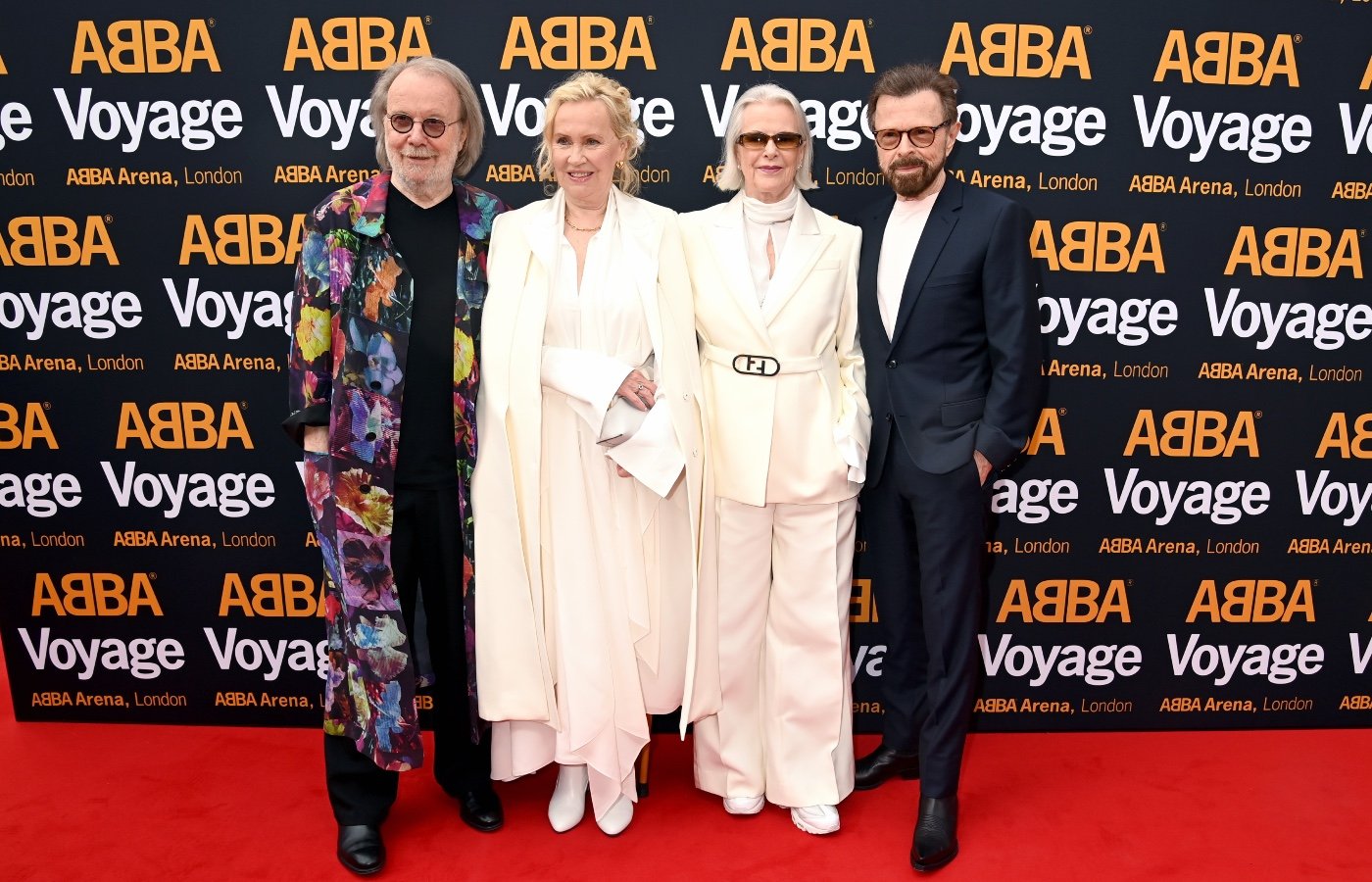
We picked two, Abba Voyage and Tina Turner musical.
Abba Voyage
The grandiose show took place at the purpose-built ABBA Arena in Stratford, East London. The arena is moveable and it can be packed up and moved. The costs for the purpose-built venue and the technology that delivers the avatar-driven concerts cost around $175m. The first show opened in May 2022. In 15 months, the show has generated more than $150 million in sales and sold more than 1.5 million tickets.
The venue is full every night and, with an average ticket price of about £85 ($105), the show is making more than $2 million a week.
The show won’t be in London forever, though: after December 2023, the ABBA-tars will hit the road with their 10-piece live band on a world tour that will last until 2026.
The producers are now in talks to take ABBA Voyage to other places including Las Vegas, New York, Singapore and Sydney.
Additionally, the band recorded more songs than are currently in the set list, and that the ILM wizards have enough on ABBA to animate any additional songs they choose. All of this makes the idea of repeat viewings quite appealing for some hard ABBA fans.
So how was it, you may ask?
This was definitely something different! We’ve seen many things we’ve never seen before. The feeling of being inside the arena was unique, it was very immersive. It’s a piece of theatre, a piece of performance, a concert like no other. When you enter the arena, a wintry forest fills the screen, setting a bucolic and yes, Swedish tone. Any type of recording devices are strictly prohibited from this point forward with violators informed they could be ejected from the theater. Extra points go to the audience members who dressed up in their best spangly or boa-centric outfits or the groups of friends who you could tell were forming unforgettable memories with this experience.
Then the lights went down and there they were. I won’t spoil the set list—a wonderful combination of the hits and some surprising deep cuts—but I will share how it felt to be there.
They did not look like holograms. These ABBA-tars, as they’ve been dubbed, cast shadows on the stage. Their sequins shimmered brightly and when they sang and moved, you felt that they were truly three-dimensional and very much in the room with you. Only when the screen would display close-ups, as one sees at most arena shows, could you detect a bit of that uncanny valley sensation, but those were merely fleeting moments. Because they recorded themselves, you feel the heart and emotion in these performances. Sure, they could look a bit dead-eyed or have jerky movements here and there, but haven’t we all?
To sell that live feeling, each ABBA member gets a chance to speak to the audience, sometimes hilariously and sometimes movingly. The talented backing band get the occasional projected close-ups as well, further convincing you that everything is happening in real time.
I am unsure if I actually liked it or not. It’s indisputable this is a technical show at its utmost best! My brain can’t explain how they’ve done the holographic show where ABBA-tars look so realistic, but they did it!
A few thoughts from my perspective:
I don’t think I felt deep emotional connection, my brain was a bit confused! You are going to laugh, but I didn’t even notice there was a live band in a corner until the third song, and then I wondered what was it that my eyes were looking at? A live band and supporting vocals or another holographic magic?
Looking at the crowd around us, there were people like us, looking amazed at all technical things enjoying the music, while others were completely emotionally connected as if it was 1979. People danced, swayed, hugged and some cried. We were at the Abba live show?!
I wondered why ABBA did it? If it was to leave a legacy behind, then for me their music is their biggest legacy. If it was to create the band immortality and attract new generations to their music, then I can understand it.
If it was about pushing tech boundaries and being the first in the entertainment market with something so unique that required them to gather and perform once again, then hats down!
In short, it was a very interesting experience that showcased what’s possible today, and finally see ABBA “live”, or more accurately, we saw them at their absolute best. I don’t think this is the last we’ve seen of this type of show, let’s see who is next…
Tina Turner musical at Aldwych Theatre
Wow that was totally amazing experience and I am 100% certain I loved it! London crew was phenomenal, music as always great and the story heartwarming and heartbreaking all at once, with a seal of authenticity approval by no one other then Tina Turner herself! If you ever have the opportunity to watch this musical I’d say buy the best tickets and enjoy!
London Photo Album






ABBA Voyage Photo Album



TINA Musical

Farðu sæl og blessuð / Go happy and blessed!
We have learnt that Iceland is widely known as ‘The Land of Fire and Ice’ and the extreme contrasts in Icelandic nature are definitely having a huge contribution to that nick name.
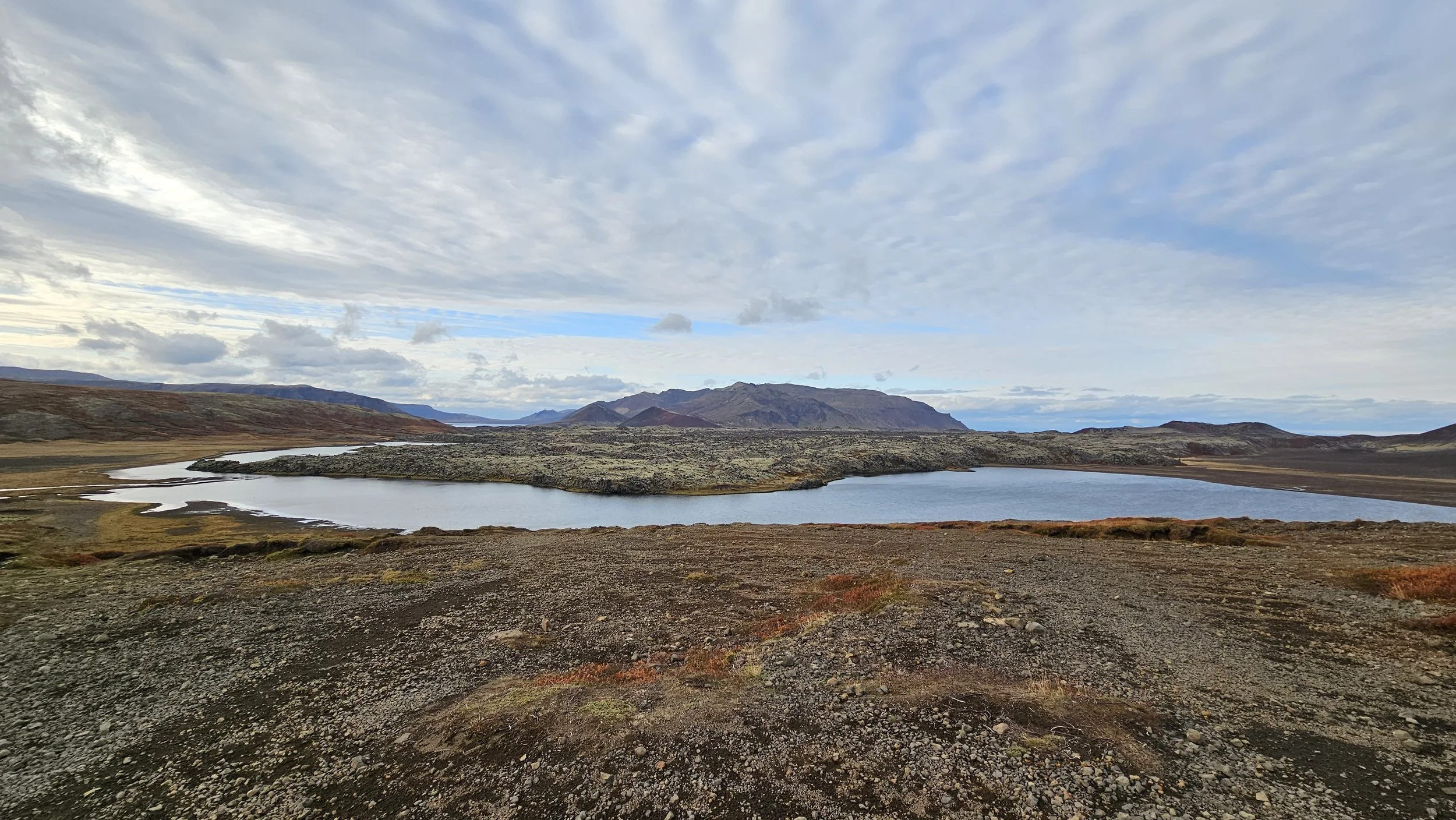
The Icelandic landscape is characterised by a huge number of waterfalls, geysers, volcanoes, black sand beaches, and steaming lava fields, reminiscent of an almost alien landscape. I’ve said too many times whilst walking around this diverse and beautiful country that it feels as we were on a different planet!
We’ve seen a lot in the first three days, let’s continue with the Intrepid Tour!
Part 3/3

We have learnt that Iceland is widely known as ‘The Land of Fire and Ice’ and the extreme contrasts in Icelandic nature are definitely having a huge contribution to that nick name.
The Icelandic landscape is characterised by a huge number of waterfalls, geysers, volcanoes, black sand beaches, and steaming lava fields, reminiscent of an almost alien landscape. I’ve said too many times walking around this diverse and beautiful country feels as if we were on a different planet!
We’ve seen a lot in the first three days, let’s continue with the Intrepid Tour!
Day 4
We set off for magnificent Dettifoss, Europe's mightiest waterfall at 100-metres wide and with a 45-metre drop into the craggy shores of Jokulsargljufur canyon situated in Vatnajökull National Park in Northeast Iceland.
It is known as the second most powerful waterfall in Europe after the Rhine Falls, 200 cubic meters of water per second plunge over the edge!!! It is HUGE and so powerful that its vibrations can be felt underfoot, and when the ground is icy and slippery it’s even more scary! Incredible nature beauty at its best!
In comparison with the Iguazu National Park, we can say Dettifoss is definitely a runner up by its size and sheer beauty.
We continued our drive to volcanic Lake Myvatn in northern Iceland. It’s well known for a few things:
over 30 different duck species nest here, having such a large number of different birds nesting in the same site is unique in the world.
Mývatn Nature Baths have a naturally heated man-made lagoon, with mineral-rich waters known for their health-giving properties. There are many bubble lagoons, the smell of sulphurous is strong, it reminded us of Rotorua!
Game of Thrones was filmed here. Actually many locations we saw were famous movies shot places!
After a short drive from the Lake we arrived to Námaskarð Pass. This is a geothermal area on the mountain Námafjall. Connected to the Krafla volcano system, Námaskarð is home to many hot springs and fumaroles where steam rises from the sulphuric terrain and it’s hard to believe you’re on Earth and not Mars! This country is so surreal, whether you are walking on a volcanic desert, lava rocks, glaciers, moss rocks, around or under waterfalls, you always see something that leaves you breathless, fascinated and camera roll starts crying for more iCloud space!
We took a walk around the lava stacks and caves of Dimmuborgir and found one Yule Lad - check the photo to see if you can recognise which one?
These “ Dark Castles” are formed by lava, rocks are so high, vegetation grows well as it’s hidden and protected by rocks. Surreal again!
After another short drive we arrived to the massive pseudo craters of Skutustadir.
I thought for a minute why we need to see pseudo craters when there are way too many real craters everywhere we went?! What is this all about?
Well, this is yet another work of nature! Pseudo craters appear when lava flows over the shallow water, the water starts to boil and it creates little craters. Some of them have “nipples”, i.e. birds sit on top of a crater, bird poo is fertile and that’s why grass grows faster creating a “nipple”! The Mother Nature has it all under control!
These pseudo craters are unique in the world and many geologists come to view and research the soil. We went for a walk around them, apart from a pure fact of learning something new AGAIN, what surprised me the most is how calm the area was, and seeing the perfect reflection of hills in the lake was incredible! Just a few sheep grazing around and nothing else! Serene, calm, quiet and stunning.
Our last stop for a day was the crescent shaped Goðafoss waterfall. The Goðafoss waterfall is one of the most spectacular waterfalls in Iceland. I couldn’t tell you how many waterfalls we’ve seen to date, but each one was unique, beautiful and colourful!
The history of this waterfall is connected to the conversion of Icelanders to Christianity in 1000 AD. Þorgeir Ljósvetningagoði, the country's law speaker, decided that the official religion of the country should be Christianity as pressure grew from other European countries with Norwegians at the forefront. In order to keep the peace, Þorgeir took the decision of conversion. Afterwards, he threw his idols of the Old Norse religion gods into the waterfall. The Icelandic word for gods is goð, and so the waterfall has been called Goðafoss ever since.
We then arrived to Akureyri nicknamed the "Capital of North Iceland". It is an important port and fishing centre. There are 20,000 people living here. It is situated at the base of beautiful Eyjafjörður (Island Fjord) at the end of the Arctic Circle, surrounded by steep mountains and in winter many people come to ski. It is considered as the best ski resort for local people, although you wouldn’t travel to Iceland to ski. During the winter it’s colder here and snow stays on.
After a very busy day and lots of driving we went to the Forest Lagoon and experienced a truly famous Icelandic thing! We enjoyed the hot spa in the open, located in the nature and among pine and birch trees overlooking the town, drinking cocktails and then giving a body a total shock when we decided to jump into a freezing cold pool to refresh after sauna. OMG, that was crazyyyy!
After dinner we got out at 10pm to see the Northern Lights as the app said the chances were high, but no luck 🥹.
Day 5
We left Akureyri in the morning and started our drive around the Snæfellsnes. It is a large peninsula extending from West Iceland, often nicknamed ‘Iceland in Miniature’ due to the wealth and diversity of natural features found there. The peninsula stretches 90 kilometres, and it sits within Snæfellsjökull National Park, which, in spite of being the smallest of the country’s three national parks, is filled with a few destinations worth visiting. The most historic of these is Djúpalónssandur, an arched-shaped bay of dark black volcanic cliffs, volcanic sands, and it is best known for the four lifting stones that remain on the beach from a bygone age. Fishermen would use these stones to mark their strength and gauge their suitability to work on the dangerous waves. It works like this:
If you can lift a 150kg heavy rock you can go on a boat and fish for free, 100kg at half cost, 54kg you have weak legs and 23kg means you are useless!
Did we try to lift them? Of course, you simply have to and we all ended up in the useless category!
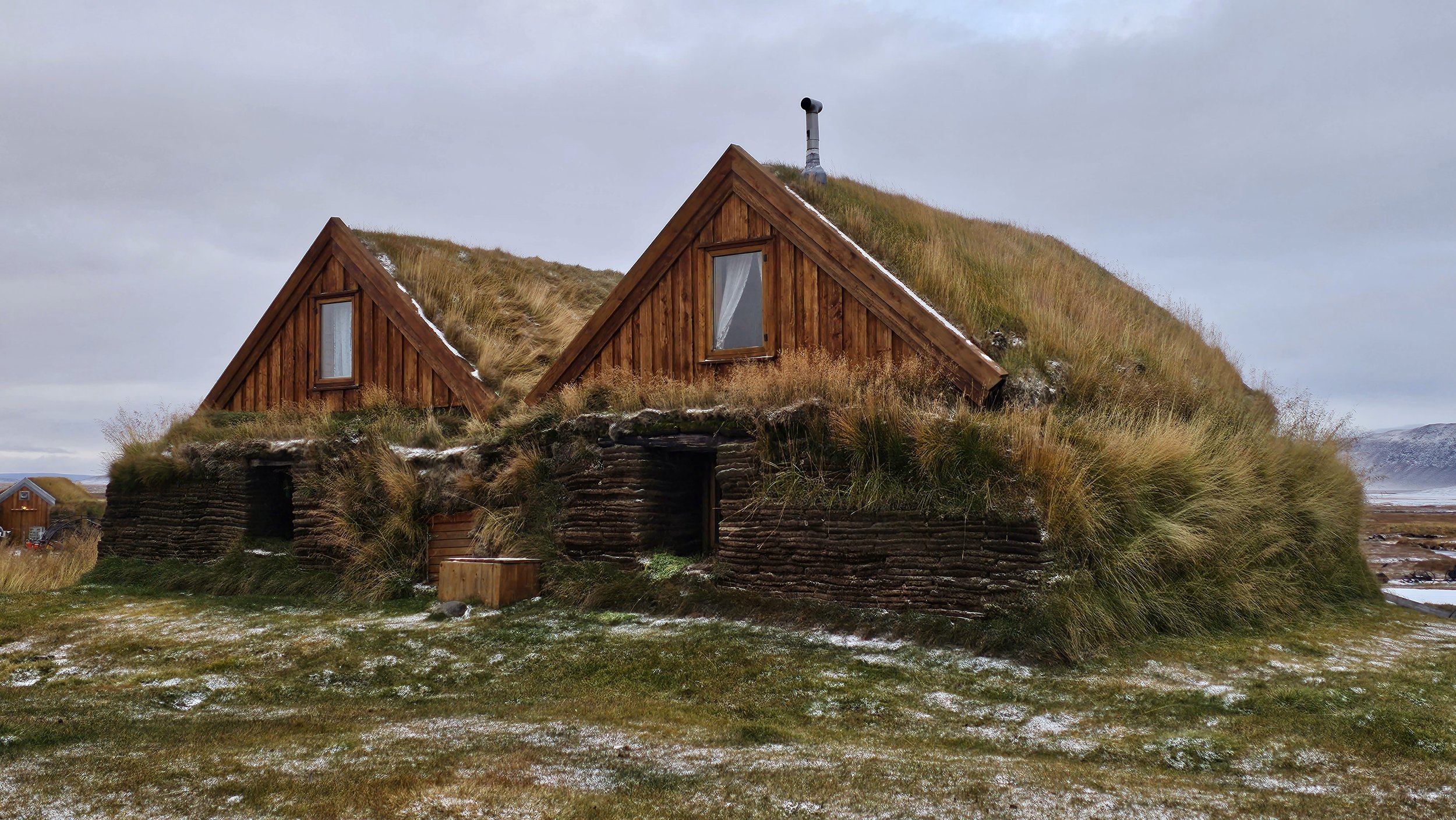
We made a number of short stops and also saw a little church that’s been built with turf and rock as they used to build back in a day. I didn’t know turf kept homes very well insulated! They look like the hobbits homes to me!
We stayed at the farm and enjoyed a home made meal with our fellow travelers.
We got up at 1am chasing the Northern Lights again, it was definitely pitch black, activity was strong, but clouds were against us, so it was a failed attempt.
Day 6
We started our way back to Reykjavik and stopped at the yellow beach Skarðsvík that resembles a Mediterranean shoreline, enforced by its aquamarine, turquoise water and the surrounding dark, volcanic landscape. We saw seals enjoying themselves in their natural habitat, so nice.
Why is sand yellow here, and not black?
The science says it’s made of the cat fish poo! You decide if you want to believe it, I thought it was yet another folklore story but apparently not!
Slowly but surely we arrived to Reykjavik in the early afternoon which concluded our Intrepid Tour circling around the whole of the country in 9 days! We said goodbyes and went to town to help the local economy by buying a few small souvenirs. We both ended up with a new beanie and gloves, perfect for the winter on Jahorina🎿
In the morning we treated ourselves with a visit to the Blue Lagoon for a nice relaxing day before a plane trip to the next destination.
Blue Lagoon is home to one of 25 wonders of the world, it is a place where the powers of geothermal seawater create transformational spa journeys. The area is man made using the natural wonders. We bought premier tickets and it was worth it. With a nice bathrobe, drink and three facial masks we now look 10 years younger, just check the photos and you’ll see I am not kidding 😉!
That’s us for now, we’ve had the blast, loved every minute and are leaving Iceland with so many amazing memories and hearts filled with joy and heads with the new learnings.
I still stand behind what I’ve said - it would be amazing to live in Iceland for a year and see all four seasons first hand! Let me ponder on this dream for a bit…
This country is magical and I really don’t have enough adjectives to describe it any more! Icelandic people are lovely and kind, speak perfect English, want to ensure our stay is memorable, and they LOVE their country, their politicians and government, one another and feel so proud of their ancestors.
Icelandic folklore stories are endless, I often wasn’t sure if Jura was telling us another folklore mythology story or something factual! I love them, they are funny and full of character.
Apart from the fermented shark the food was delicious 😋 10/10.
Icelandic knitwear is amazing, but as always not enough room for everything that catches the eye! Thank goodness says Neb!
Northern Lights didn’t show up, shame but that’s life.
As a farewell Icelandic people have a saying - Go Happy and Blessed referring to old days when sailors and fishermen went out to the ocean.
I feel it is a perfect way to say bye bye to us, the European nomads, as we continue with our adventures.
Enjoy the photos, they are AMAZING, and thank you for your comments, emails and likes, keep them coming!
Photo Album: Waterfalls - Dettifoss and Godafoss and other smaller ones

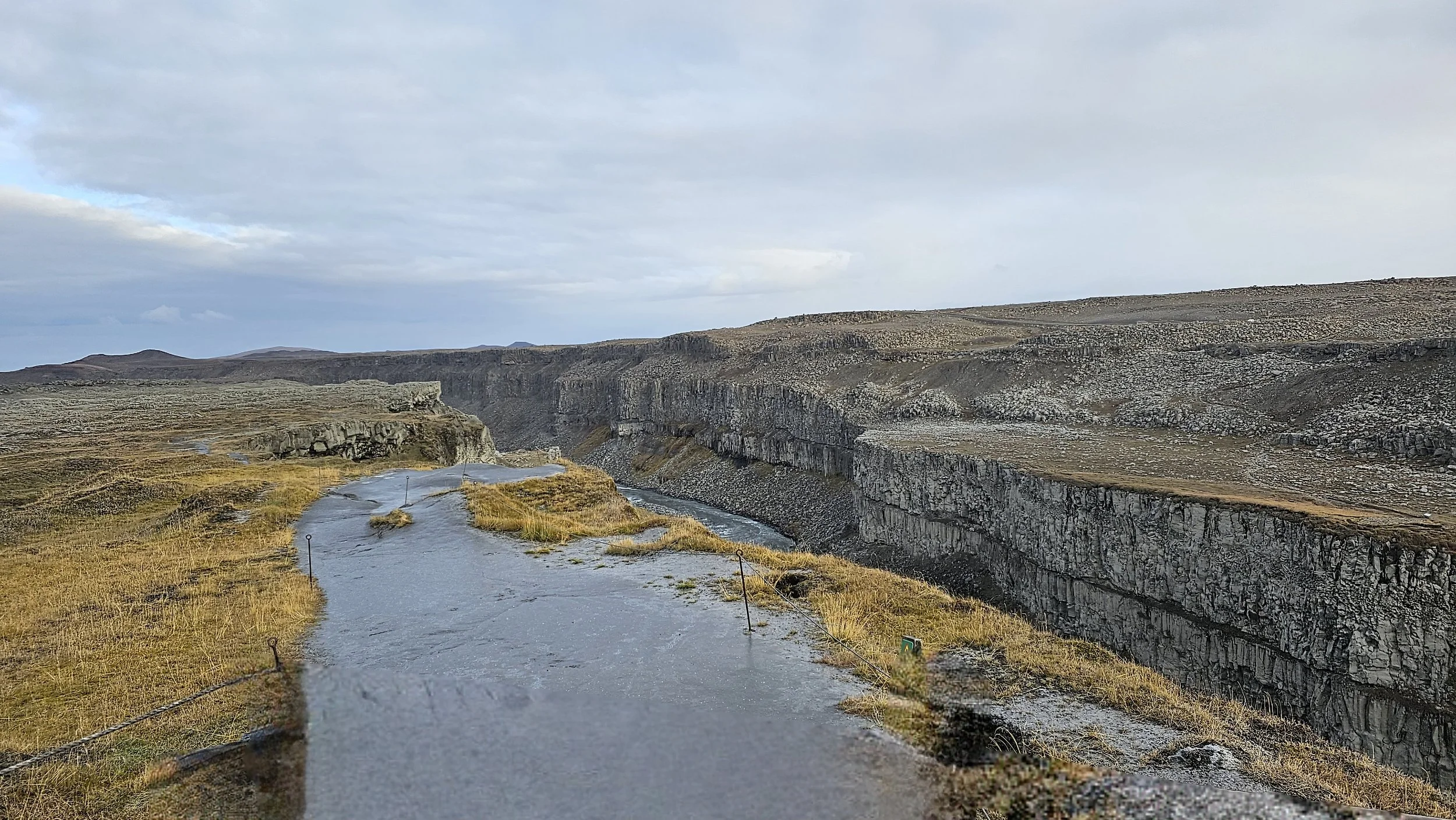


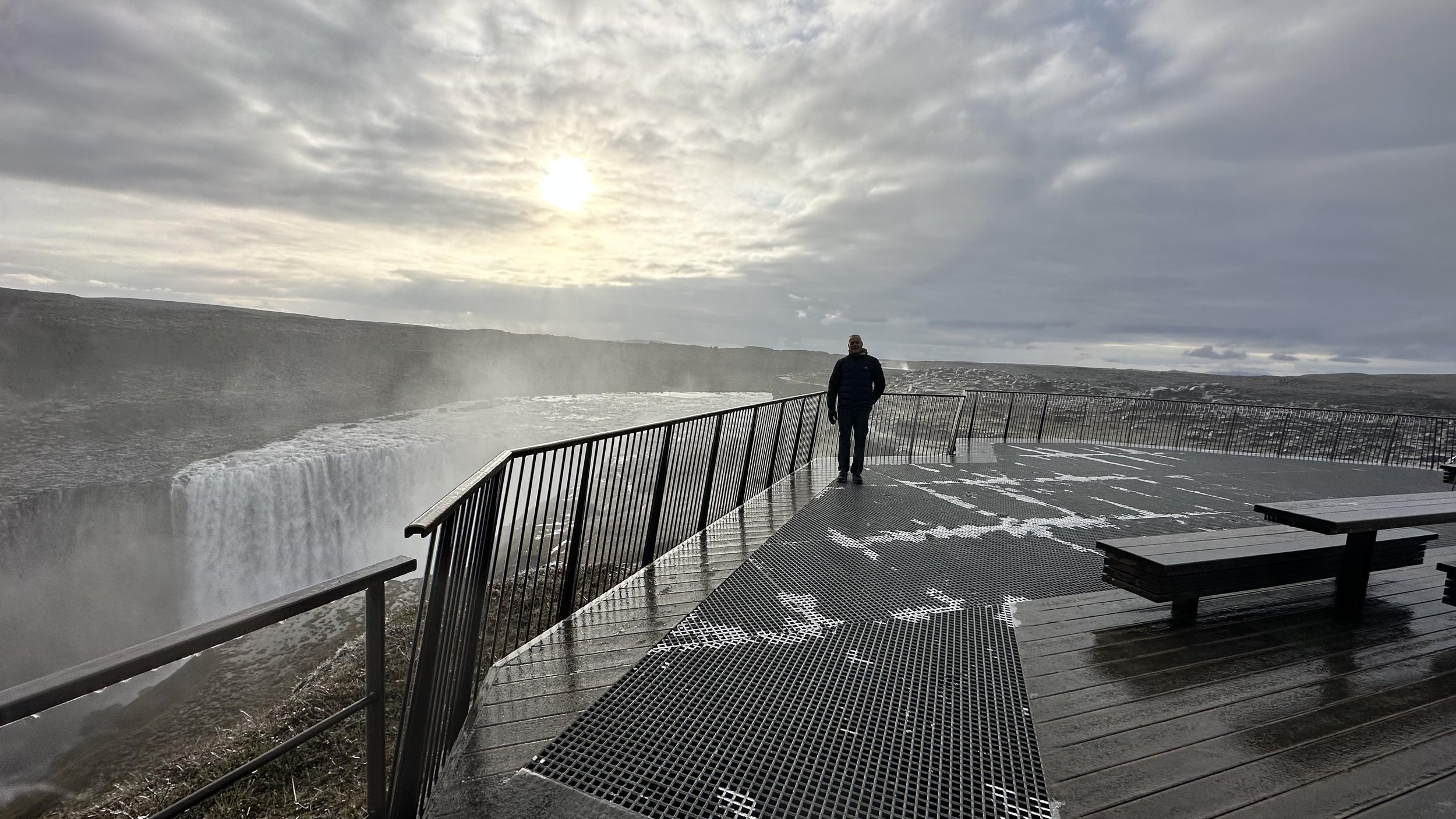

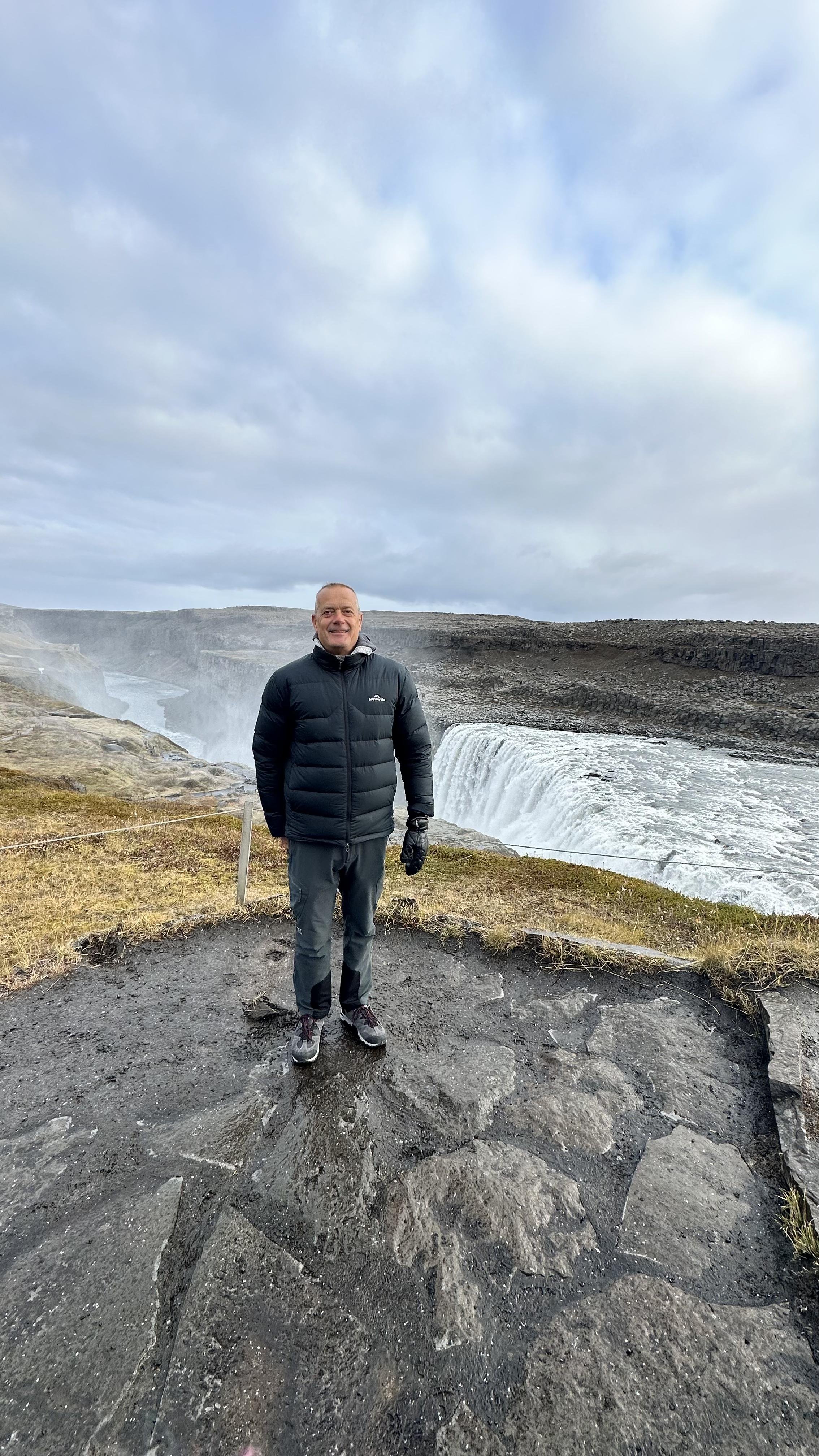
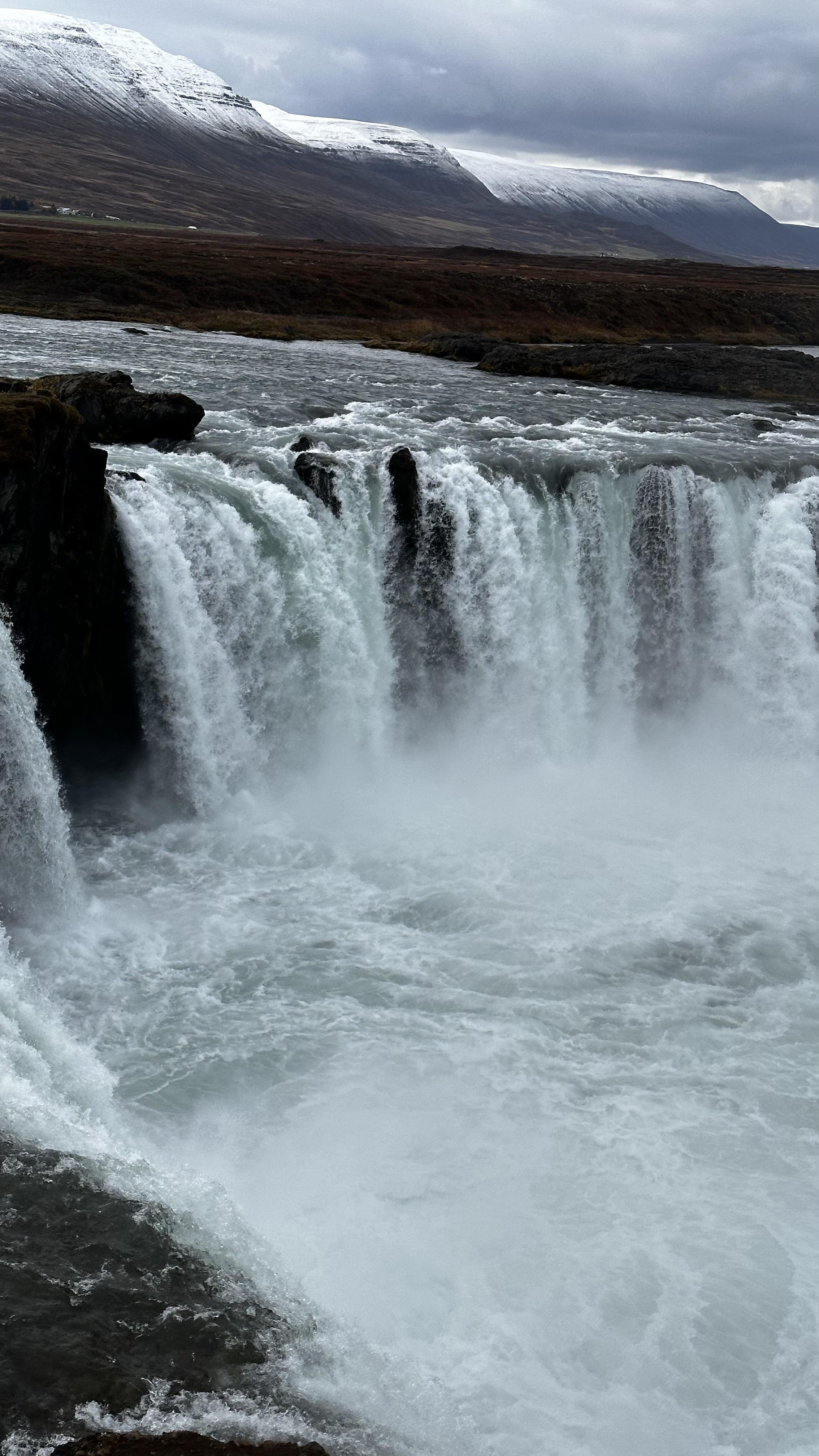
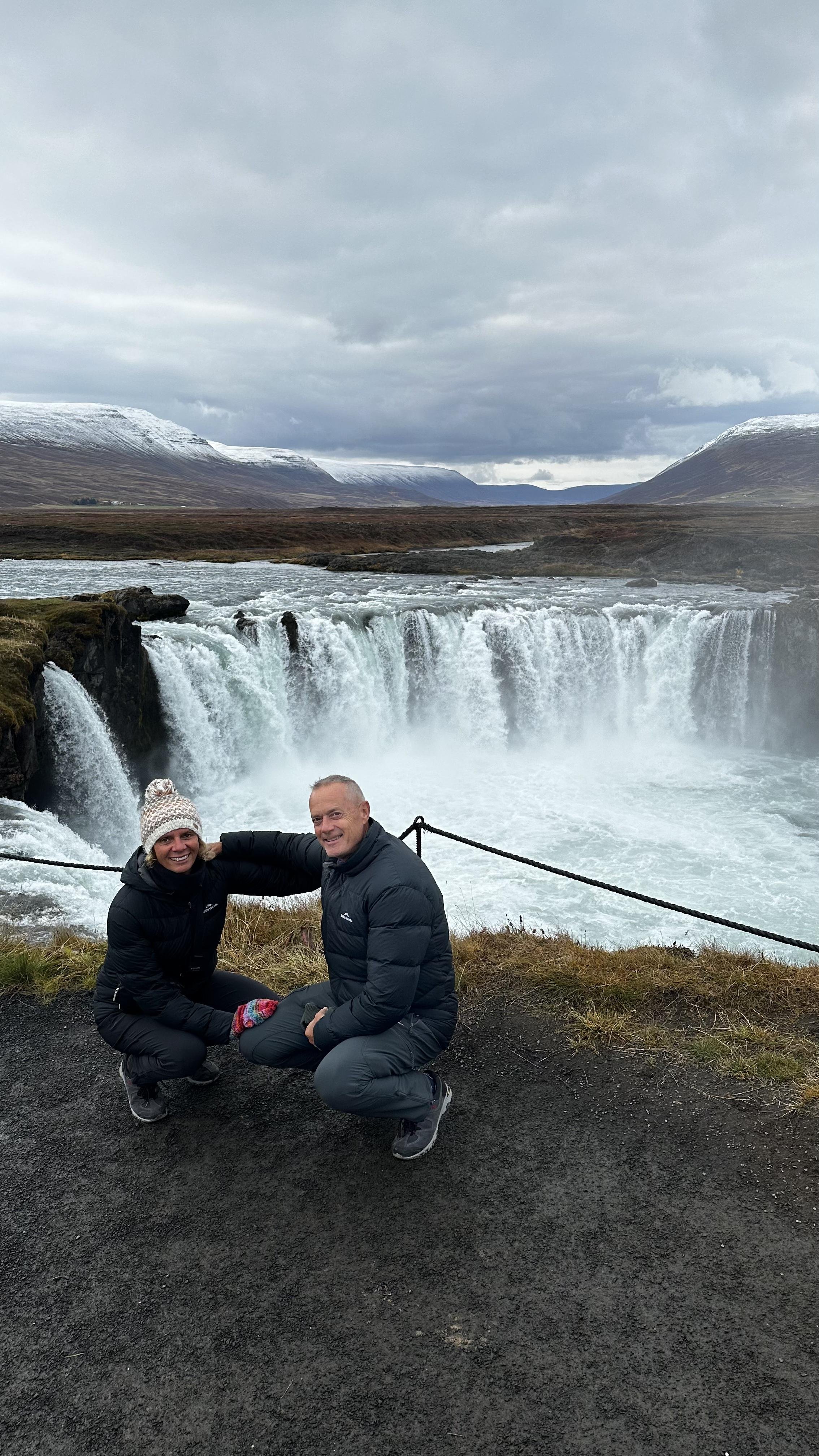
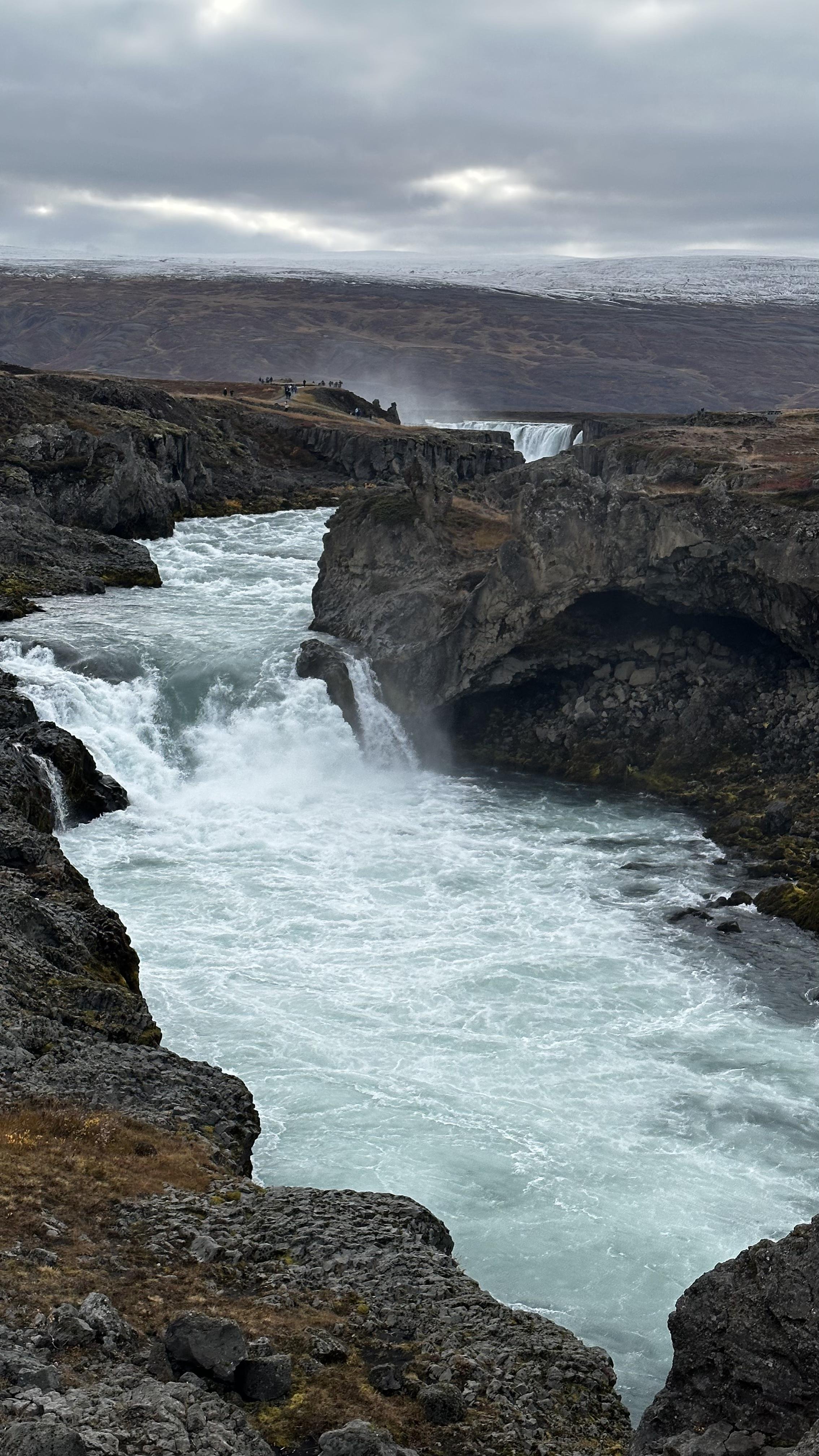

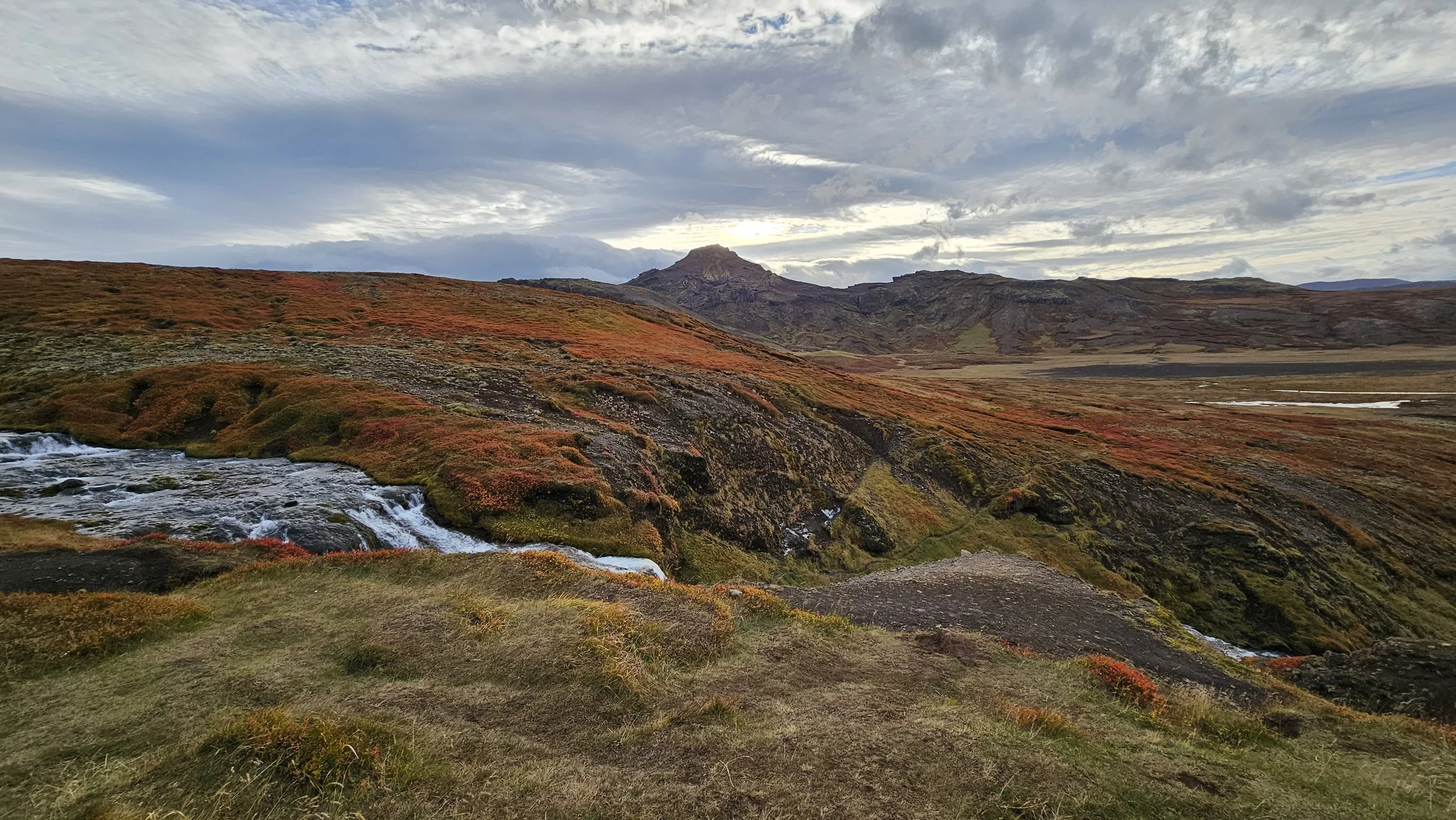

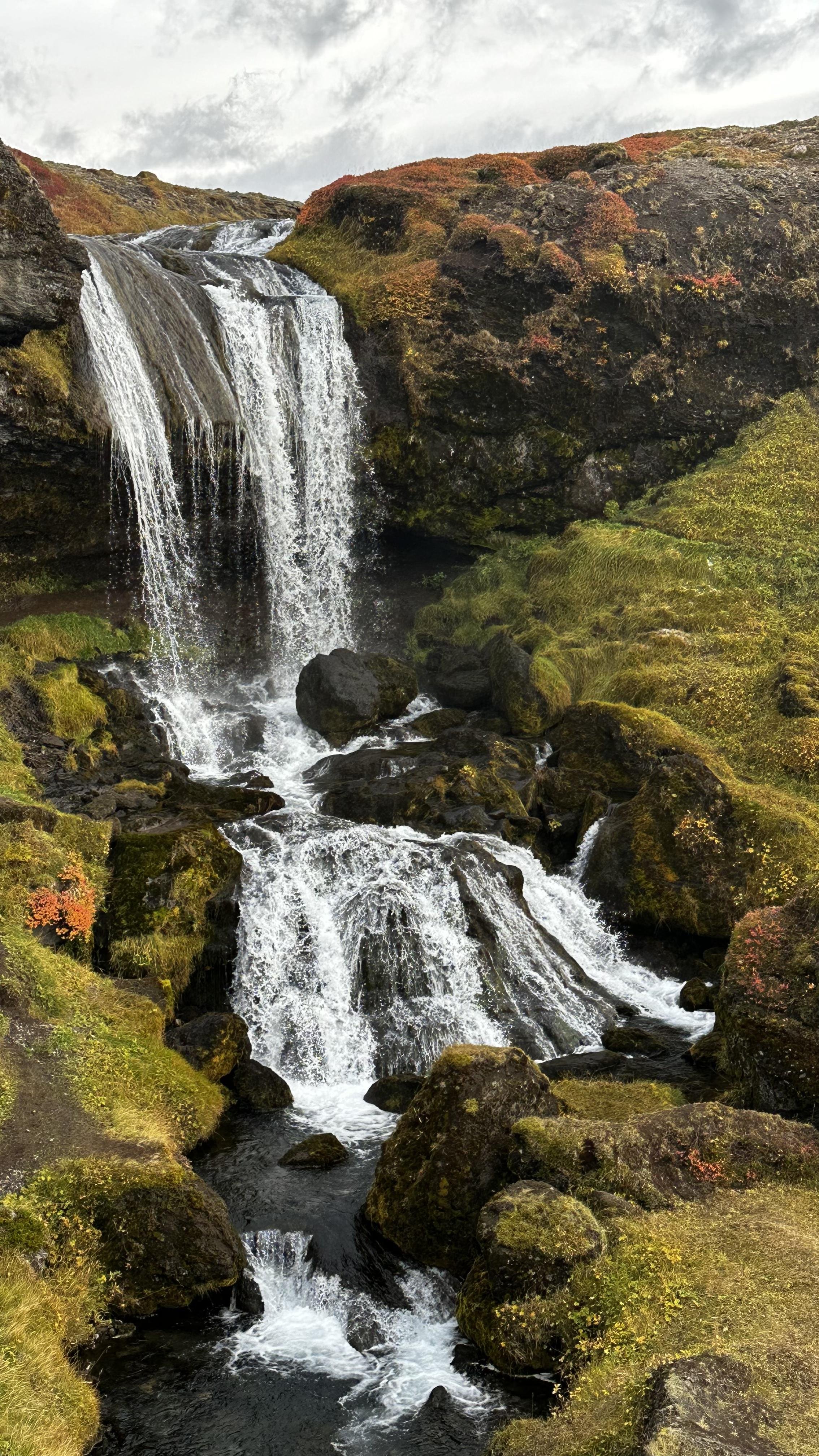


Photo Album: Námaskarð Pass - geothermal area

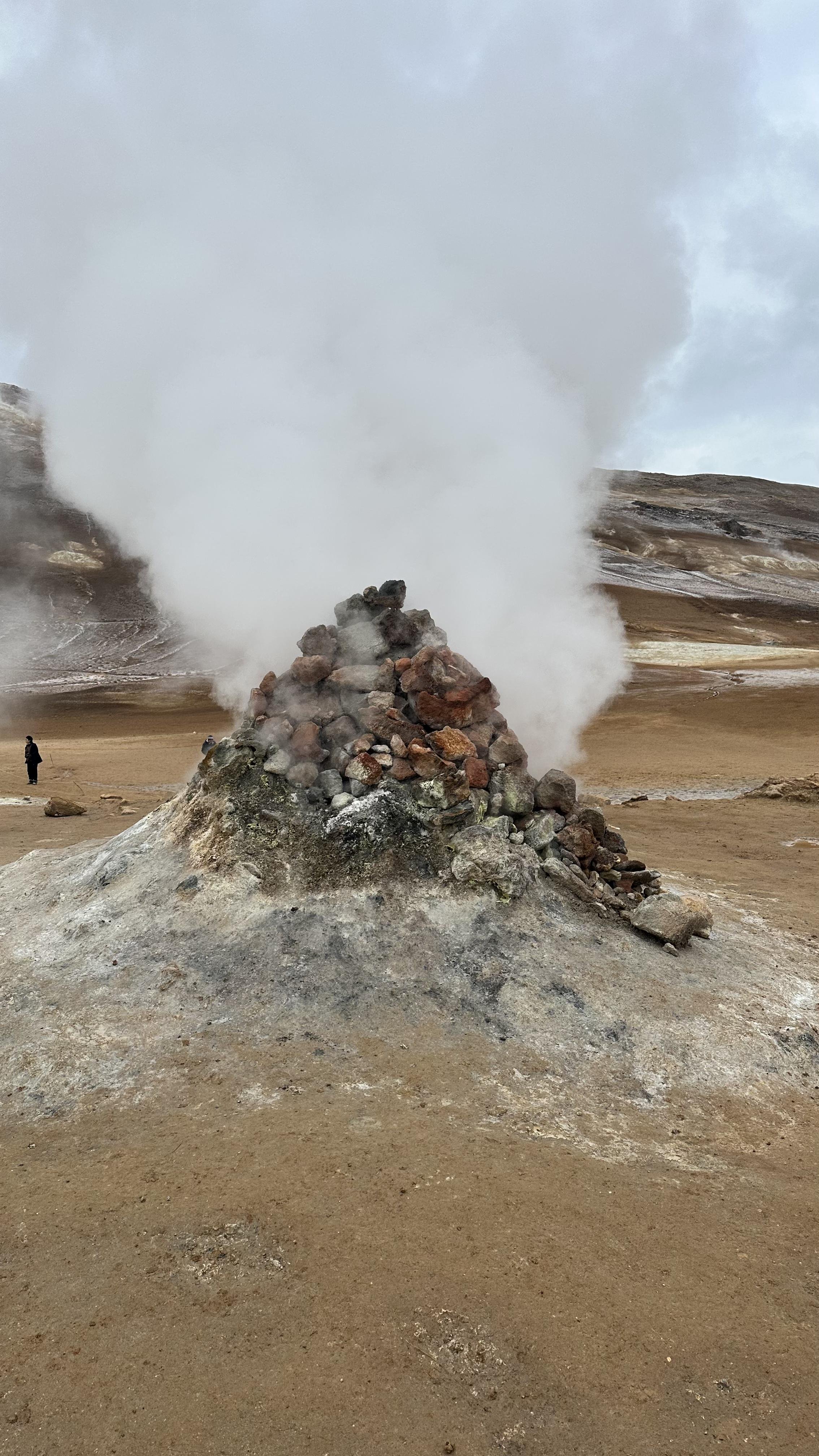
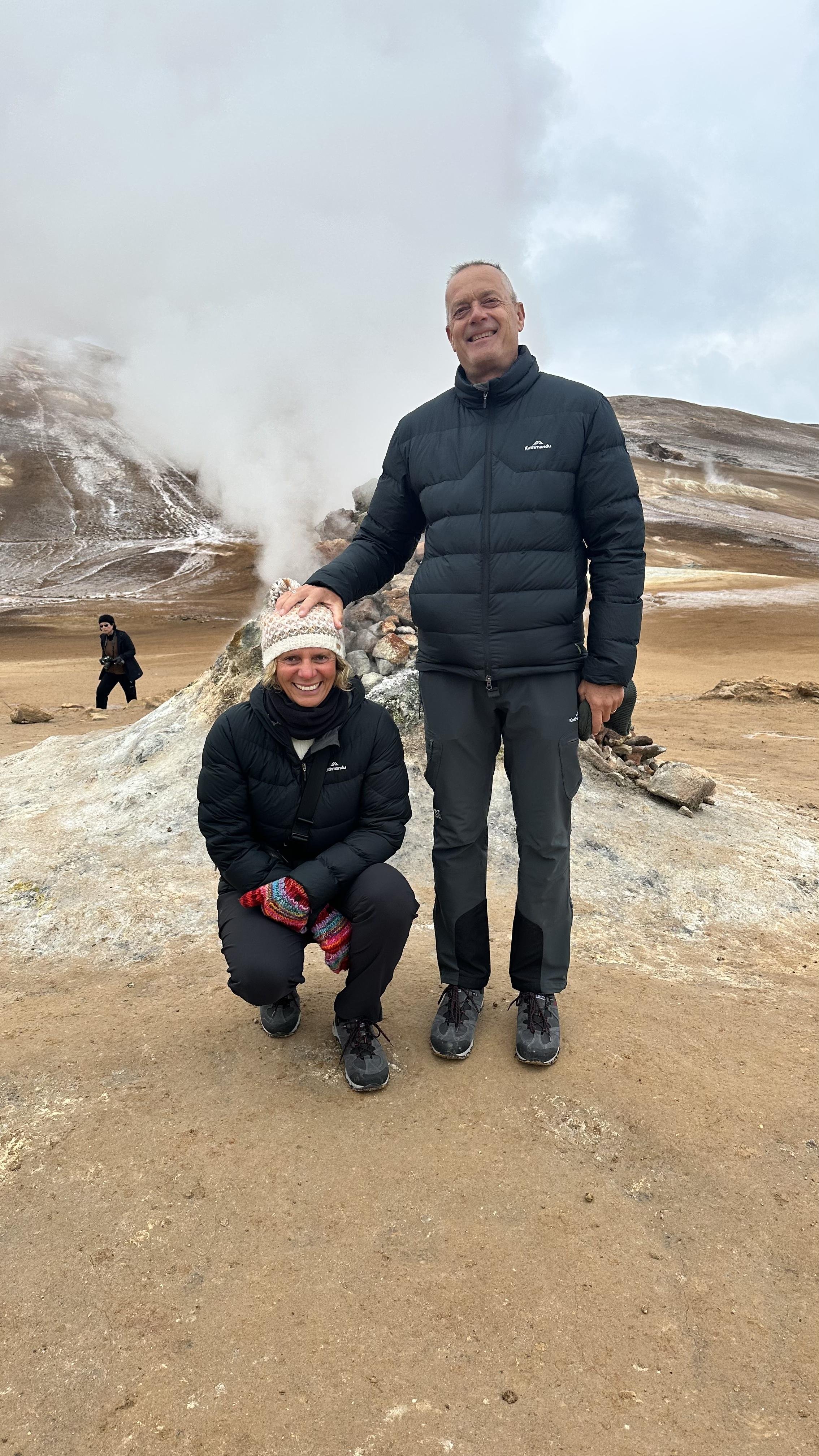
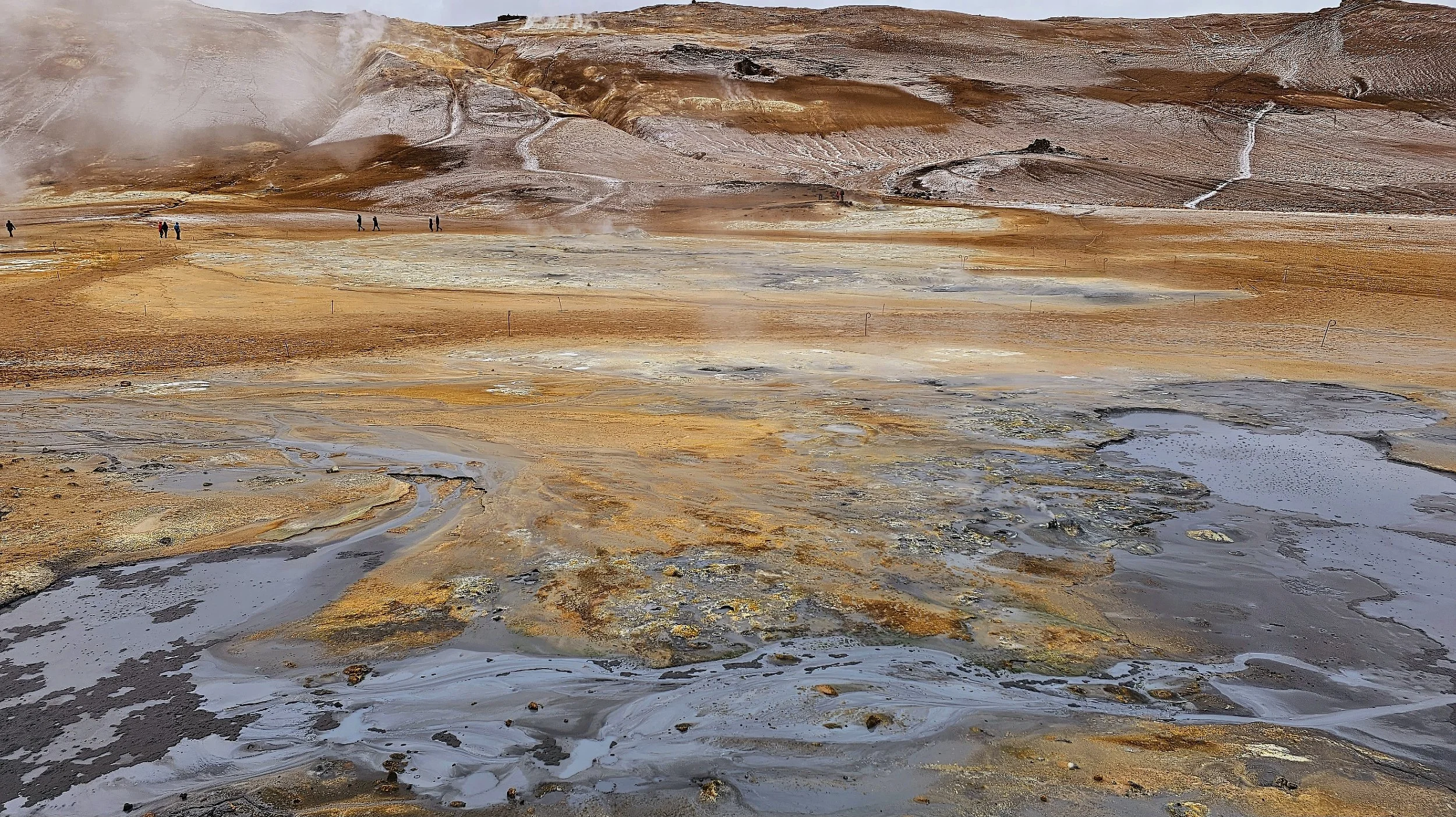
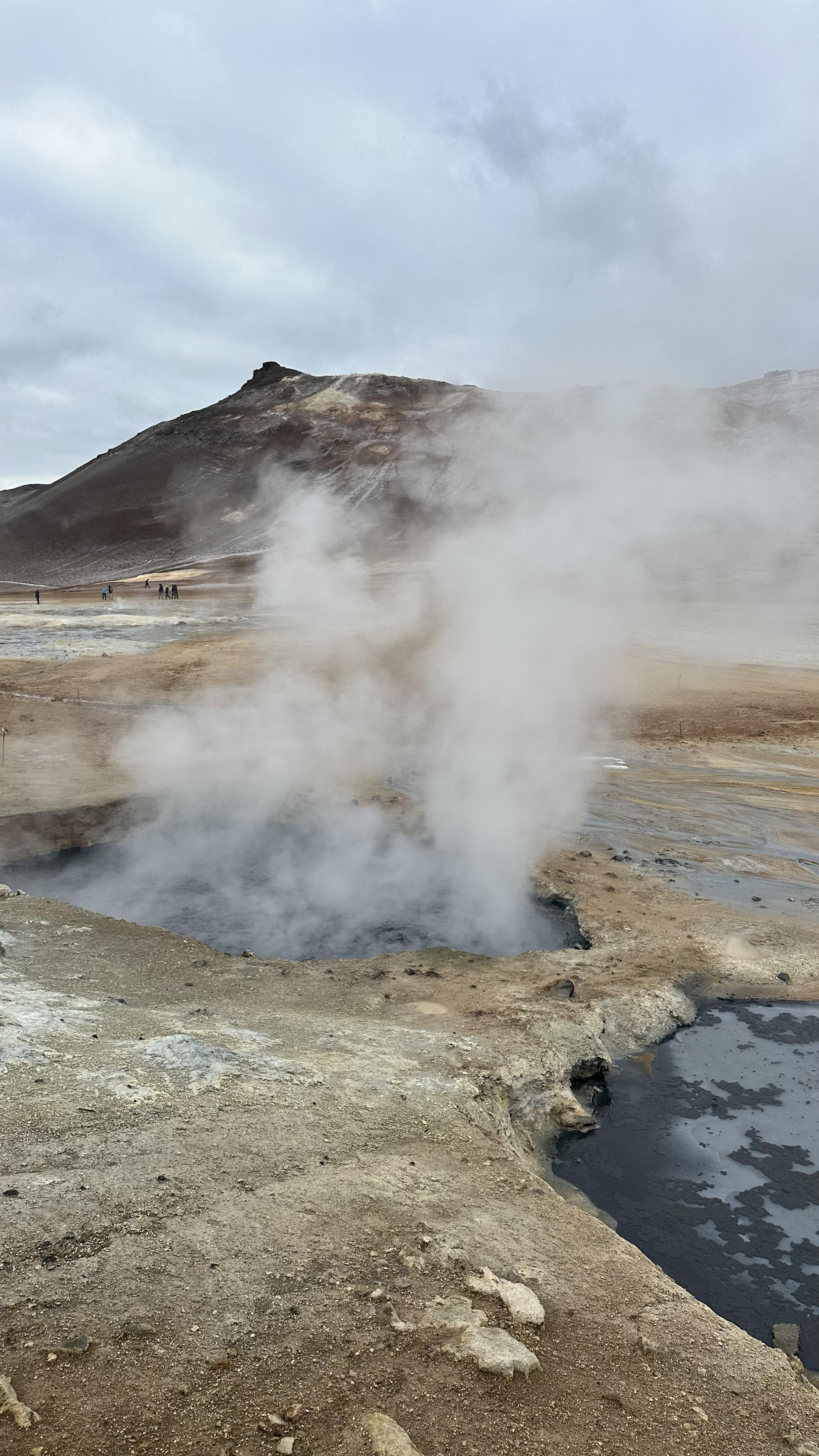
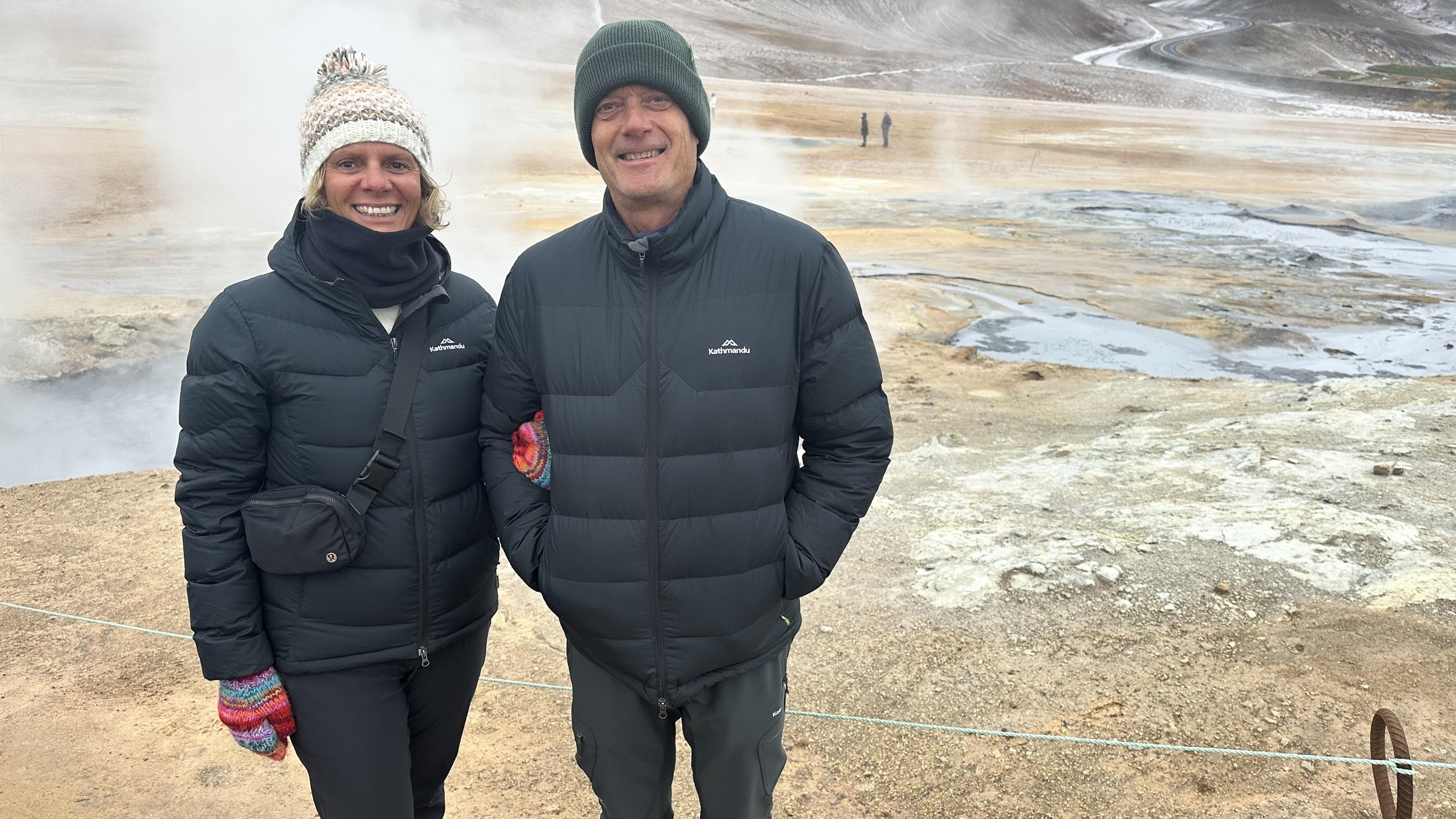
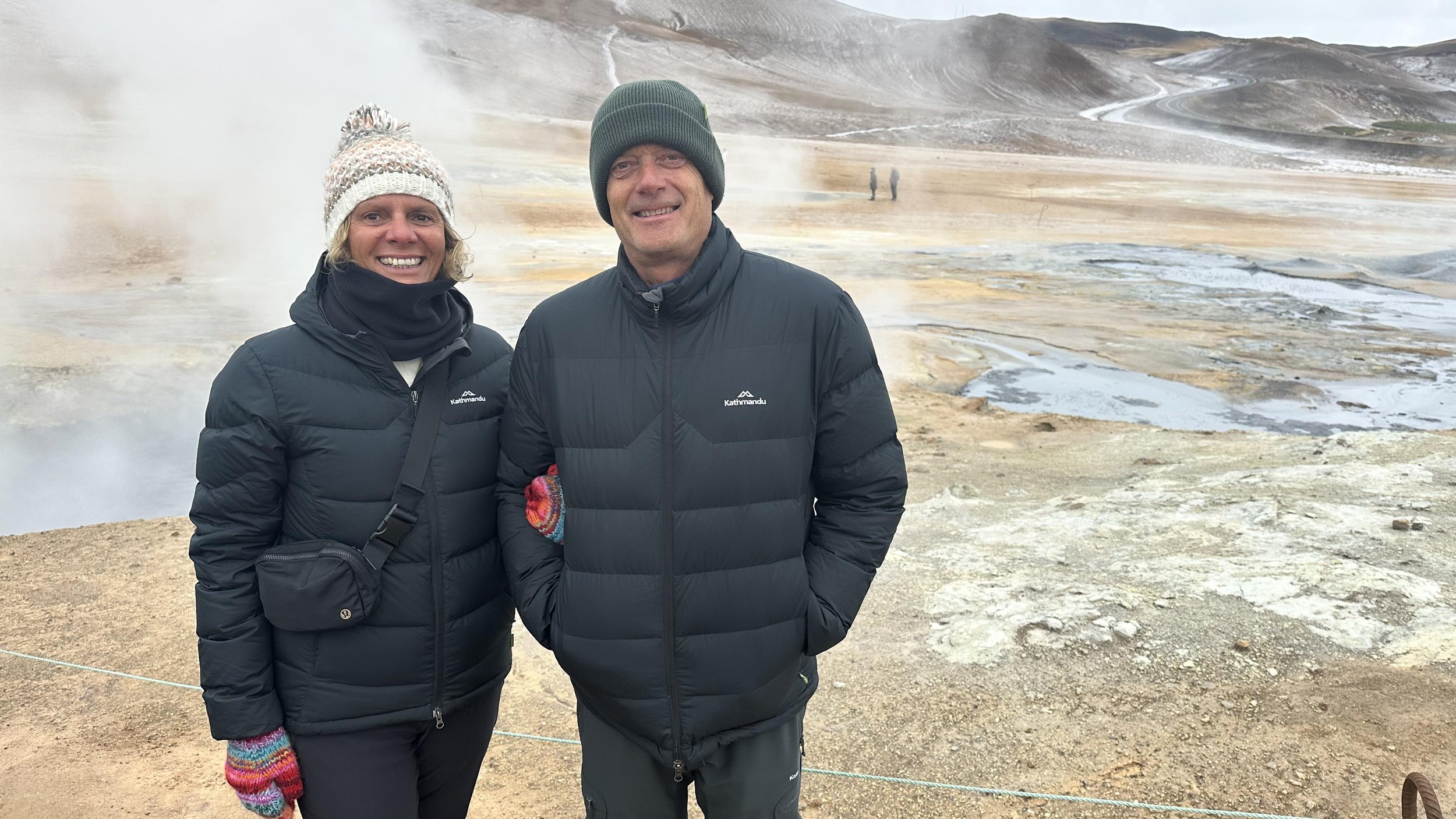
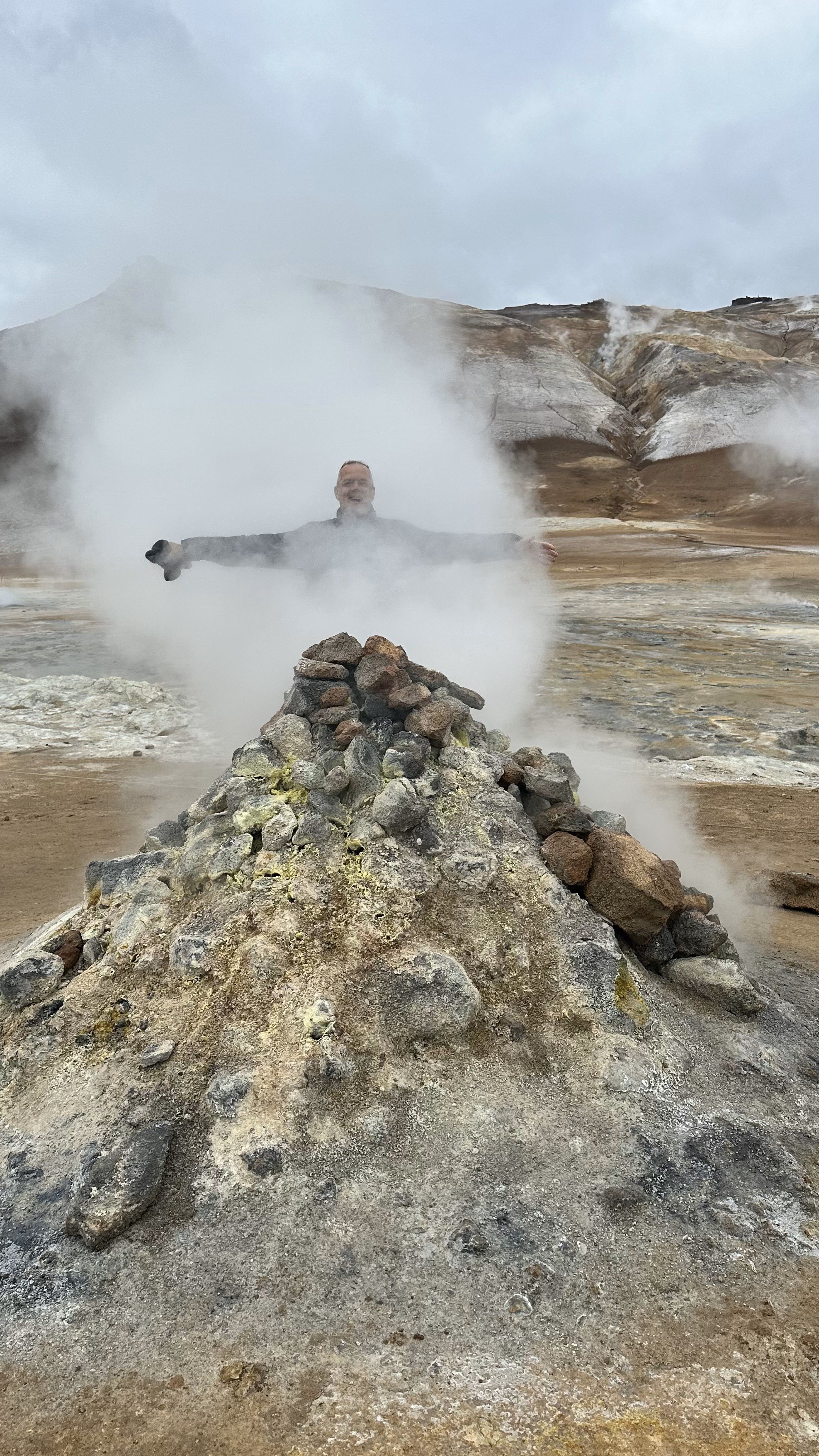
Photo Album: Dimmuborgir - “Dark Castles”, lava stacks and lava caves
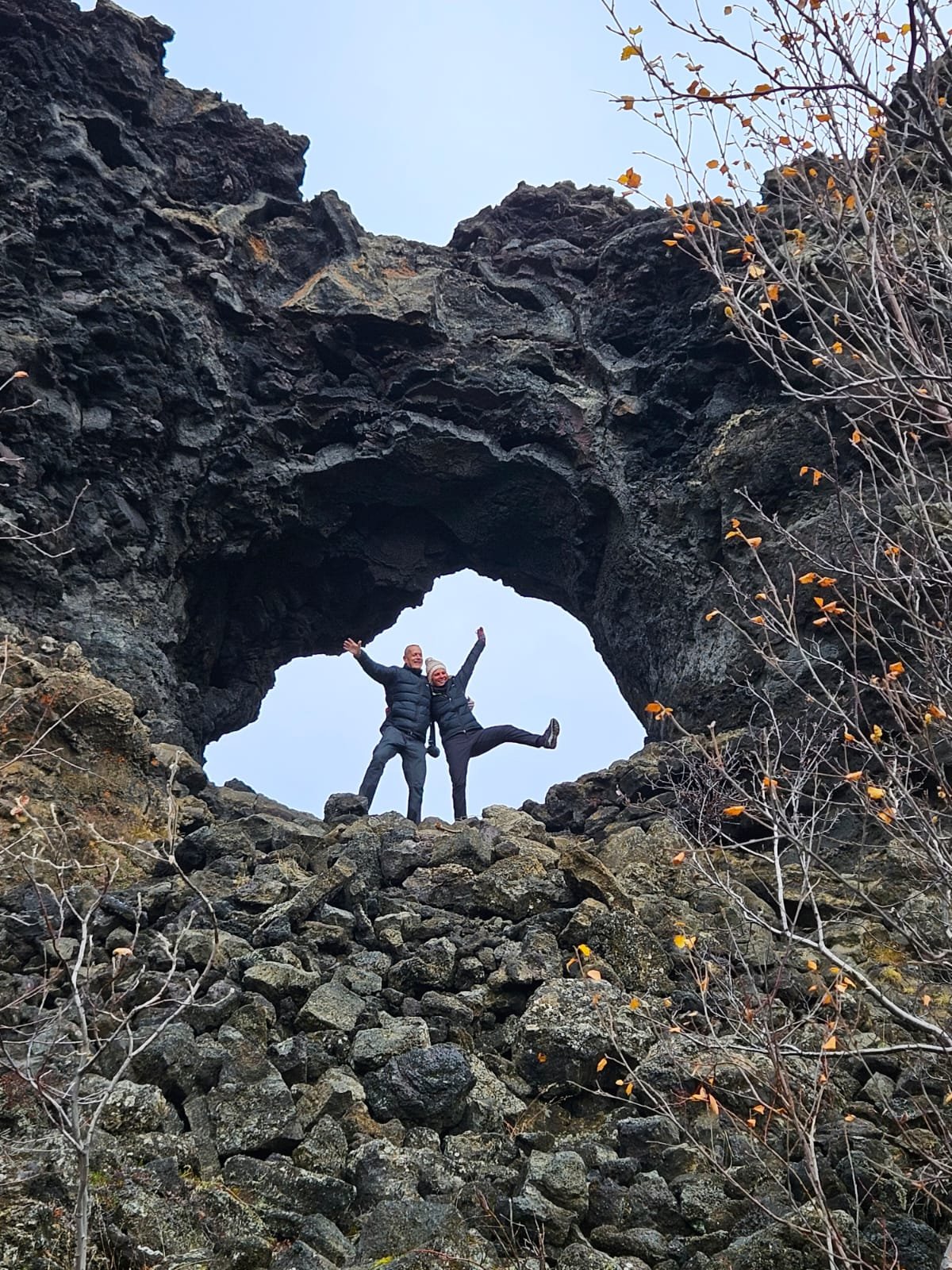
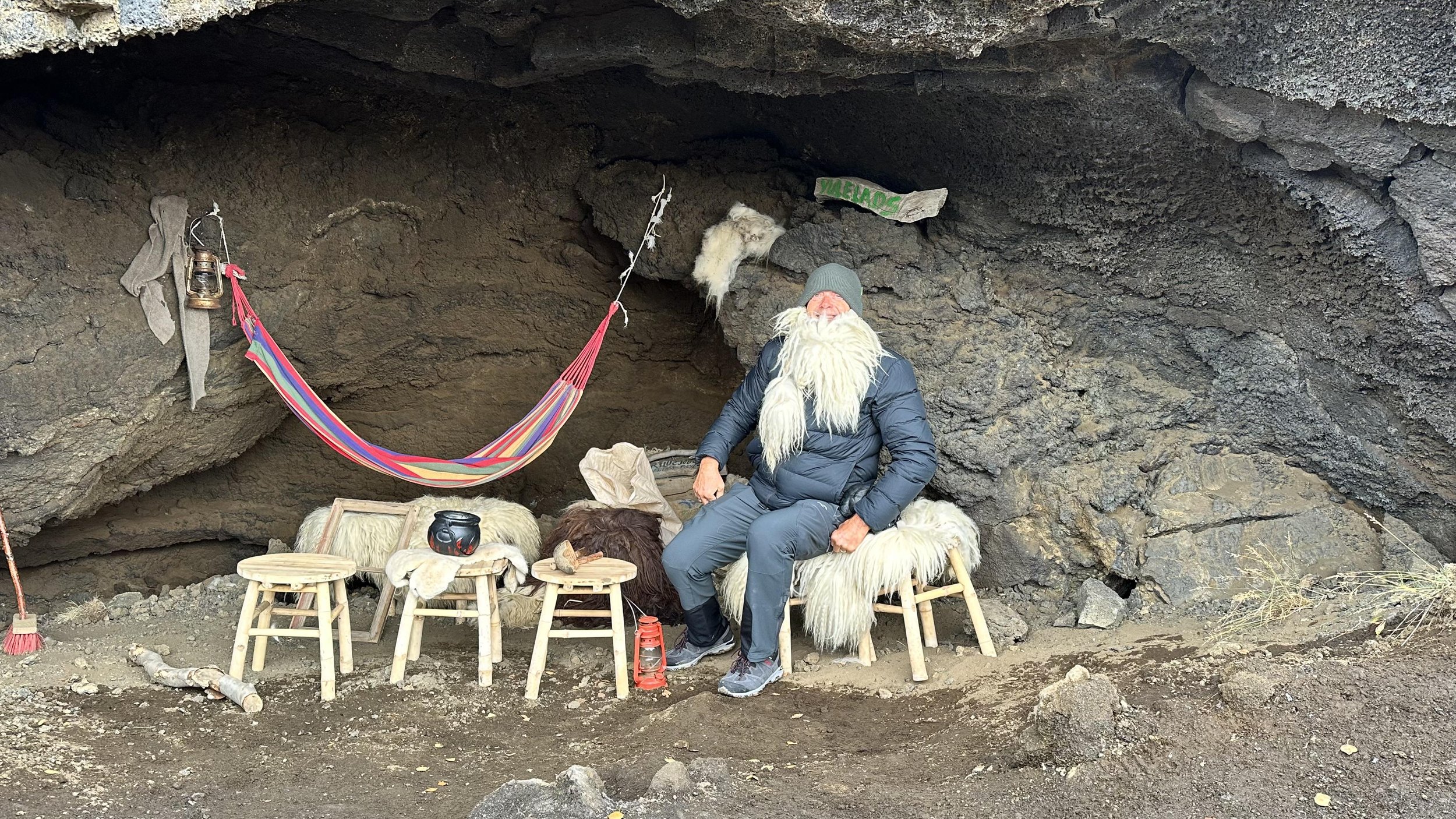

Photo Album: Skutustadir - pseudo craters

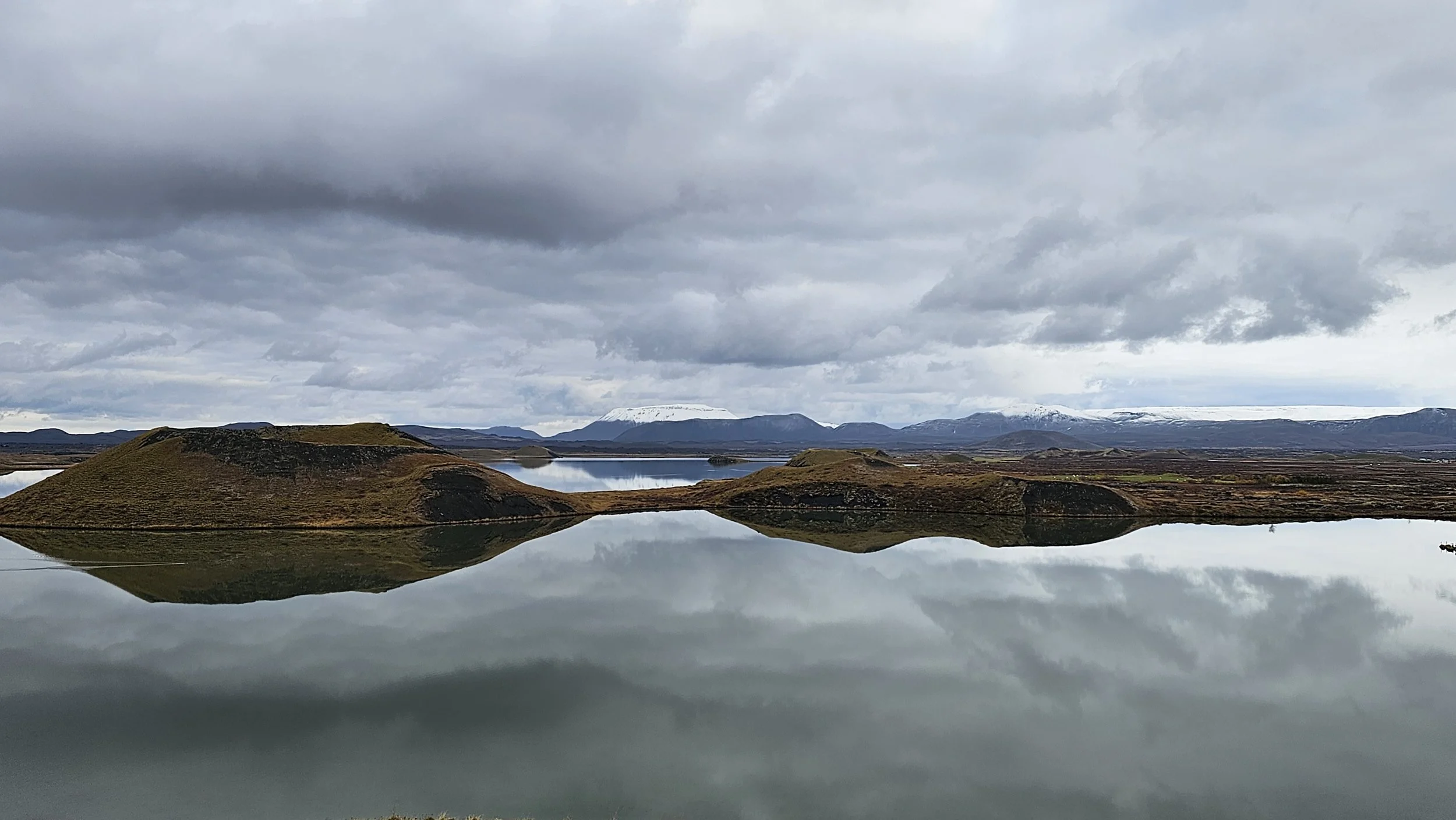


Photo Album: Akureyri and Forest Lagoon

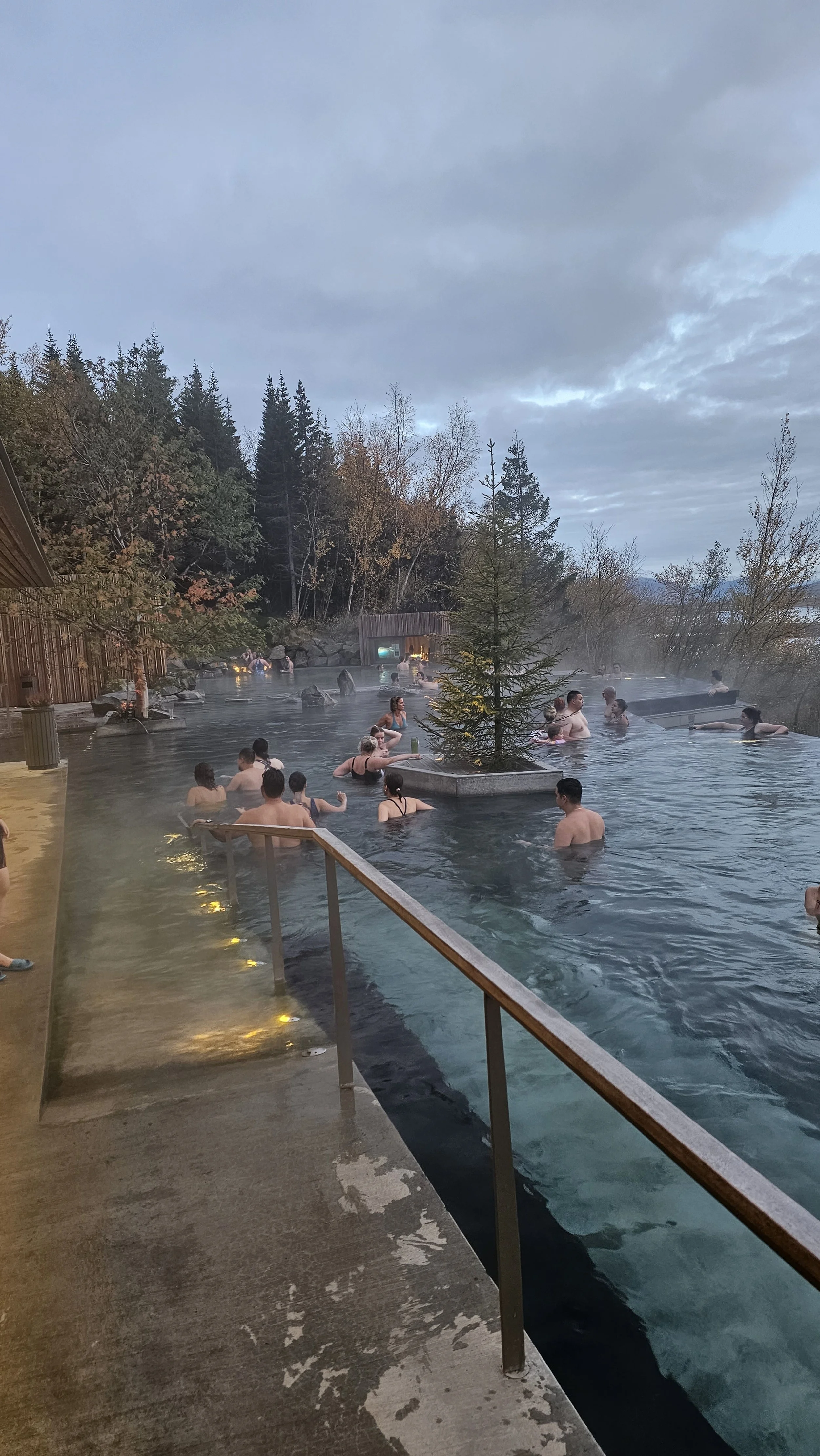


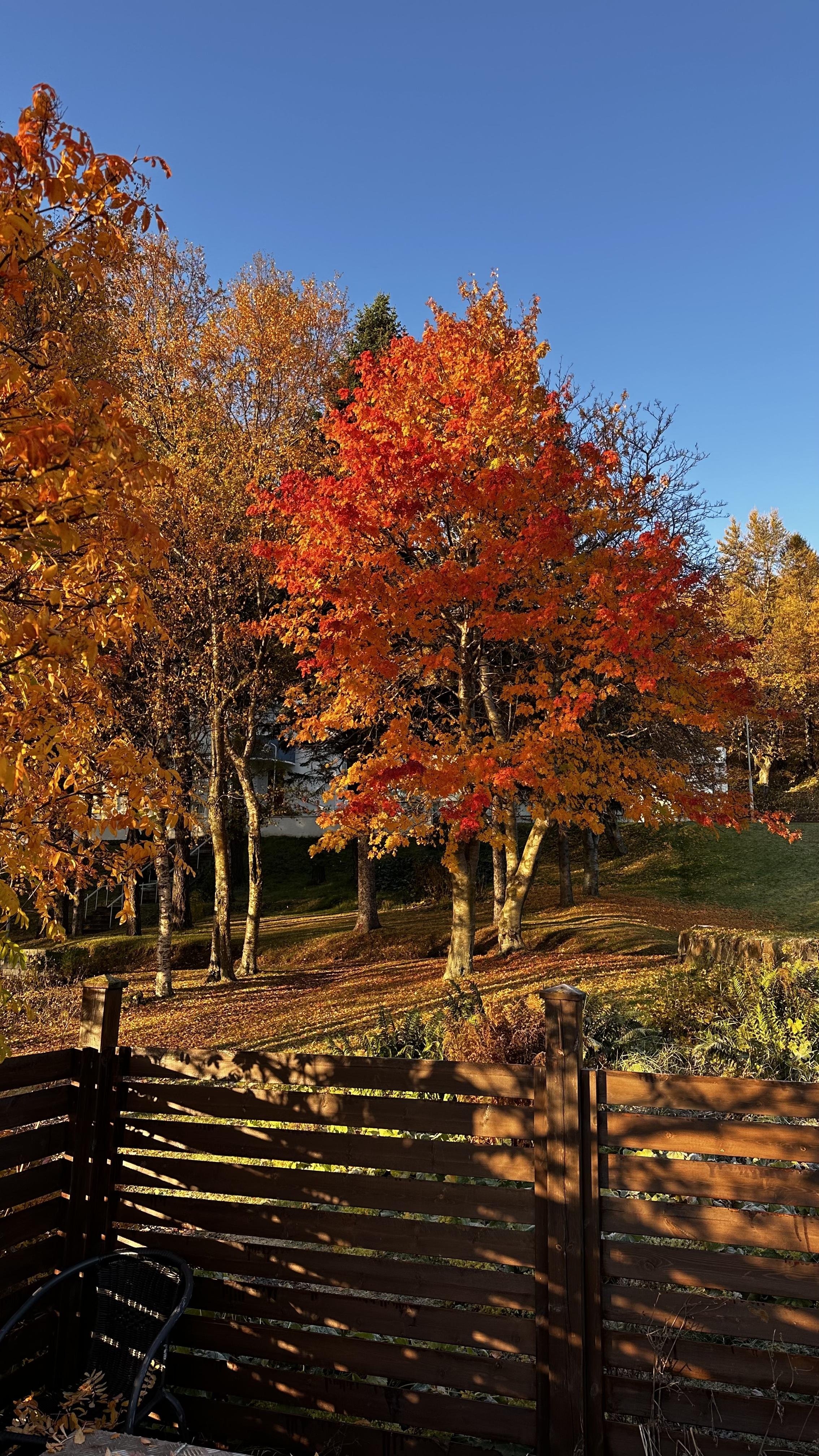

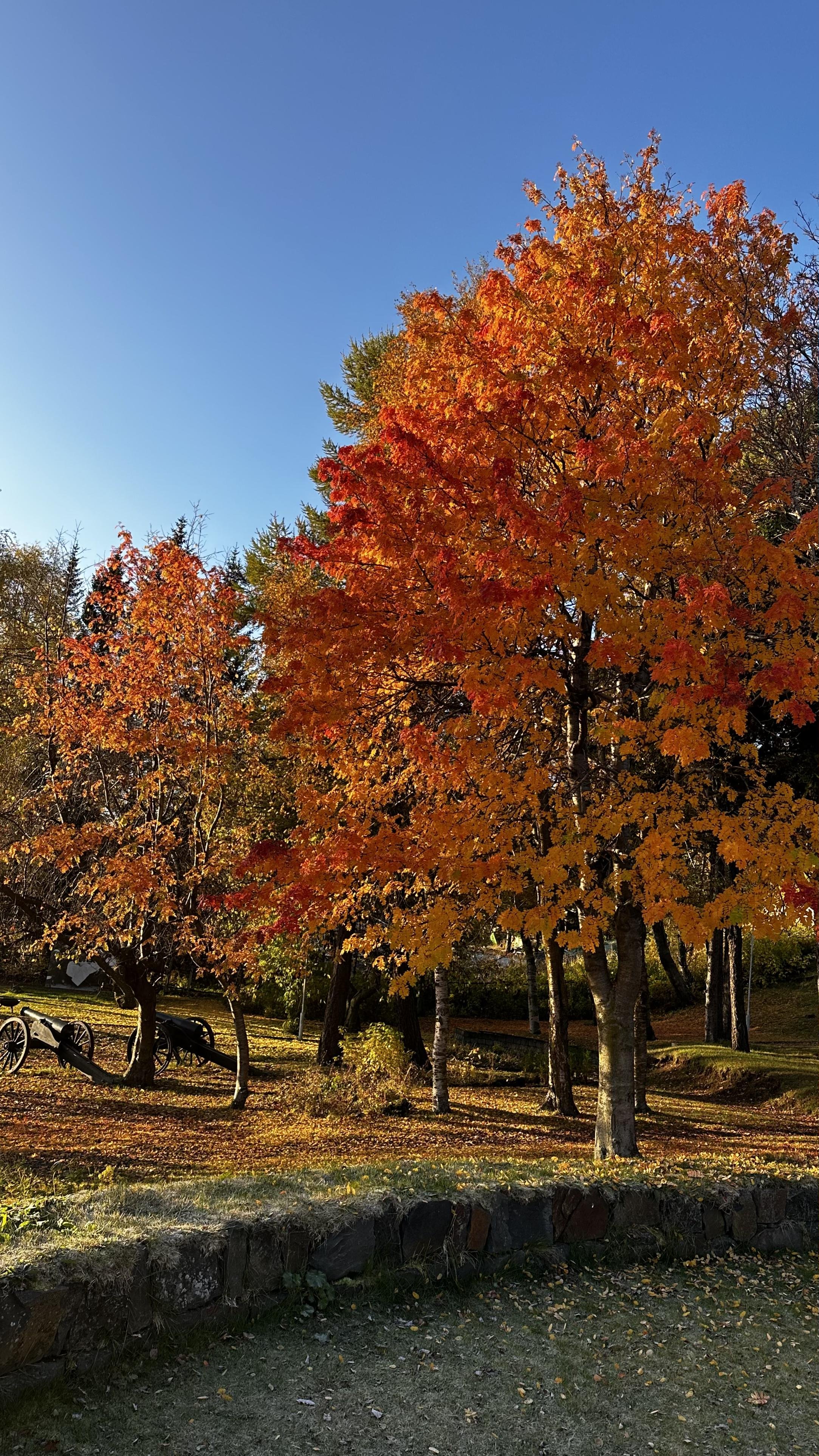
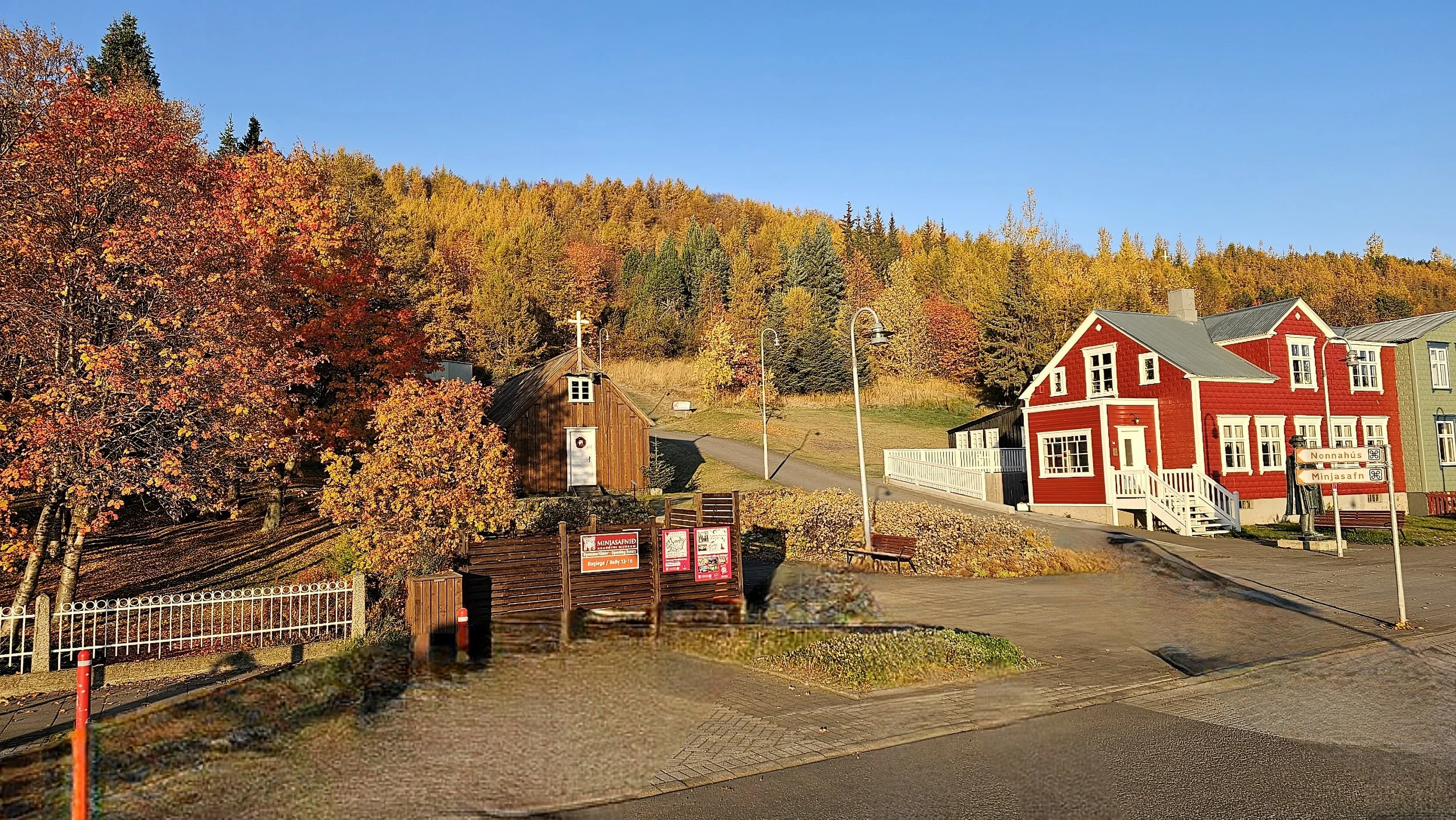
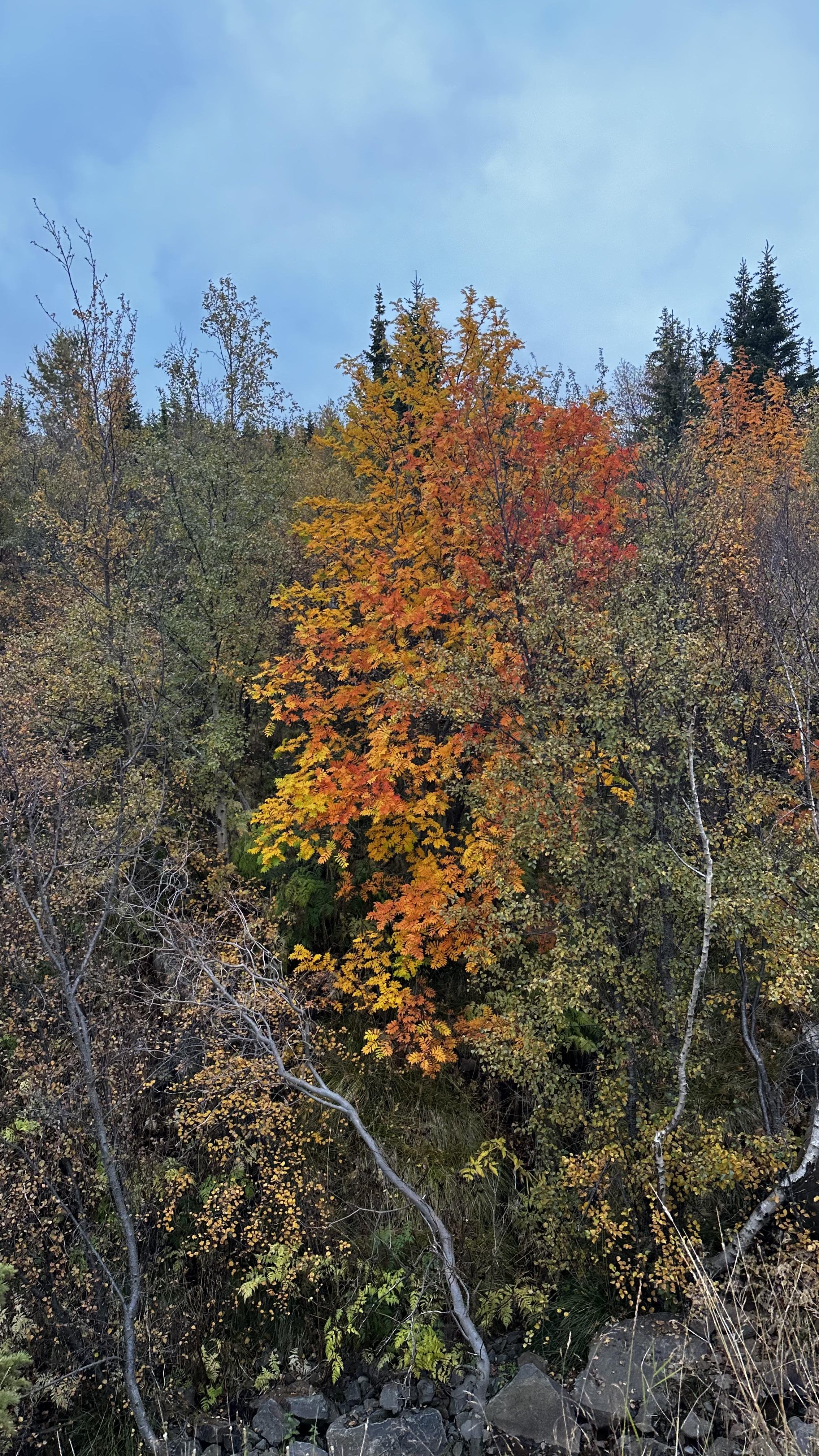

Photo Album: Snæfellsnes peninsula and beaches
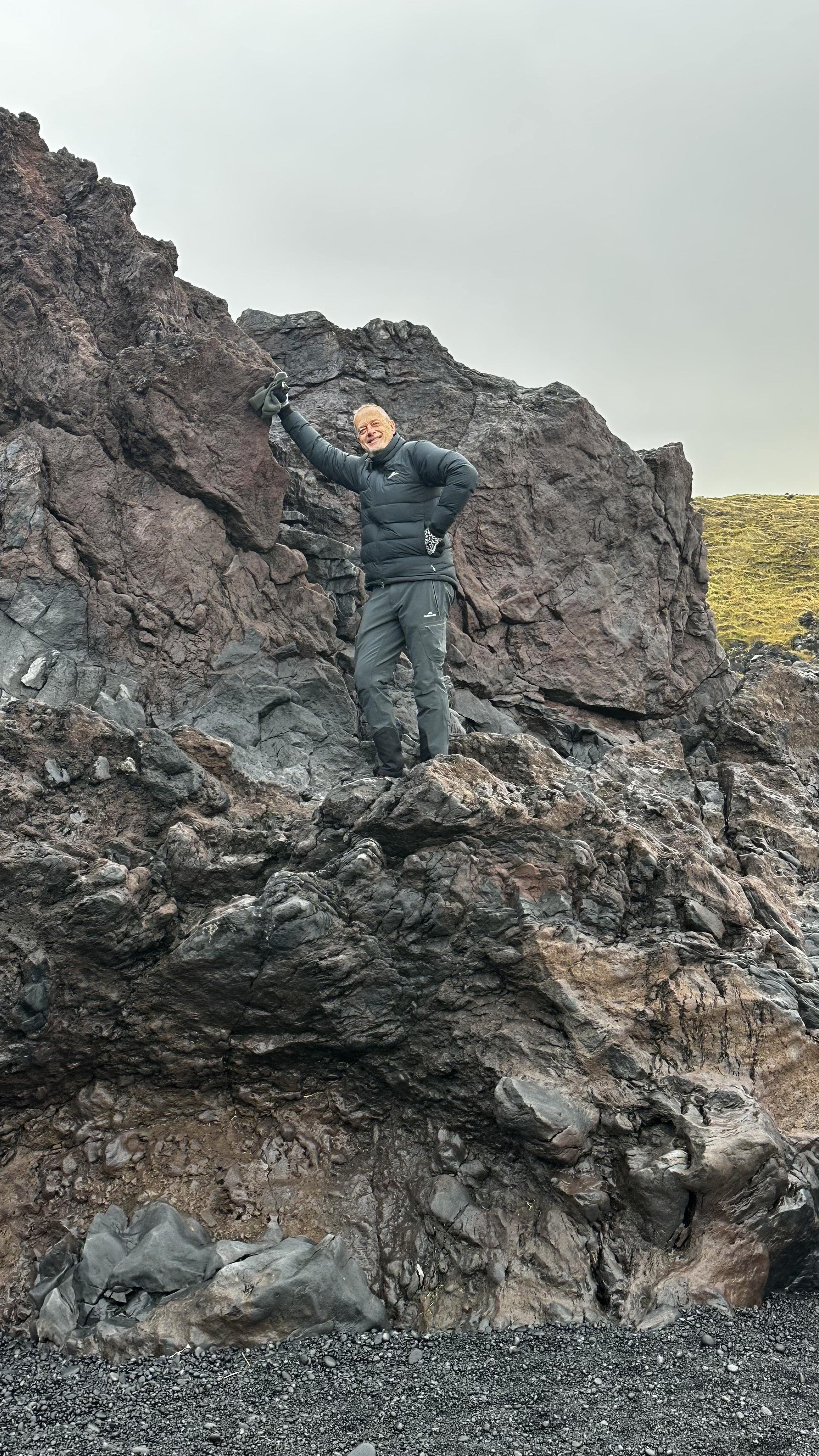
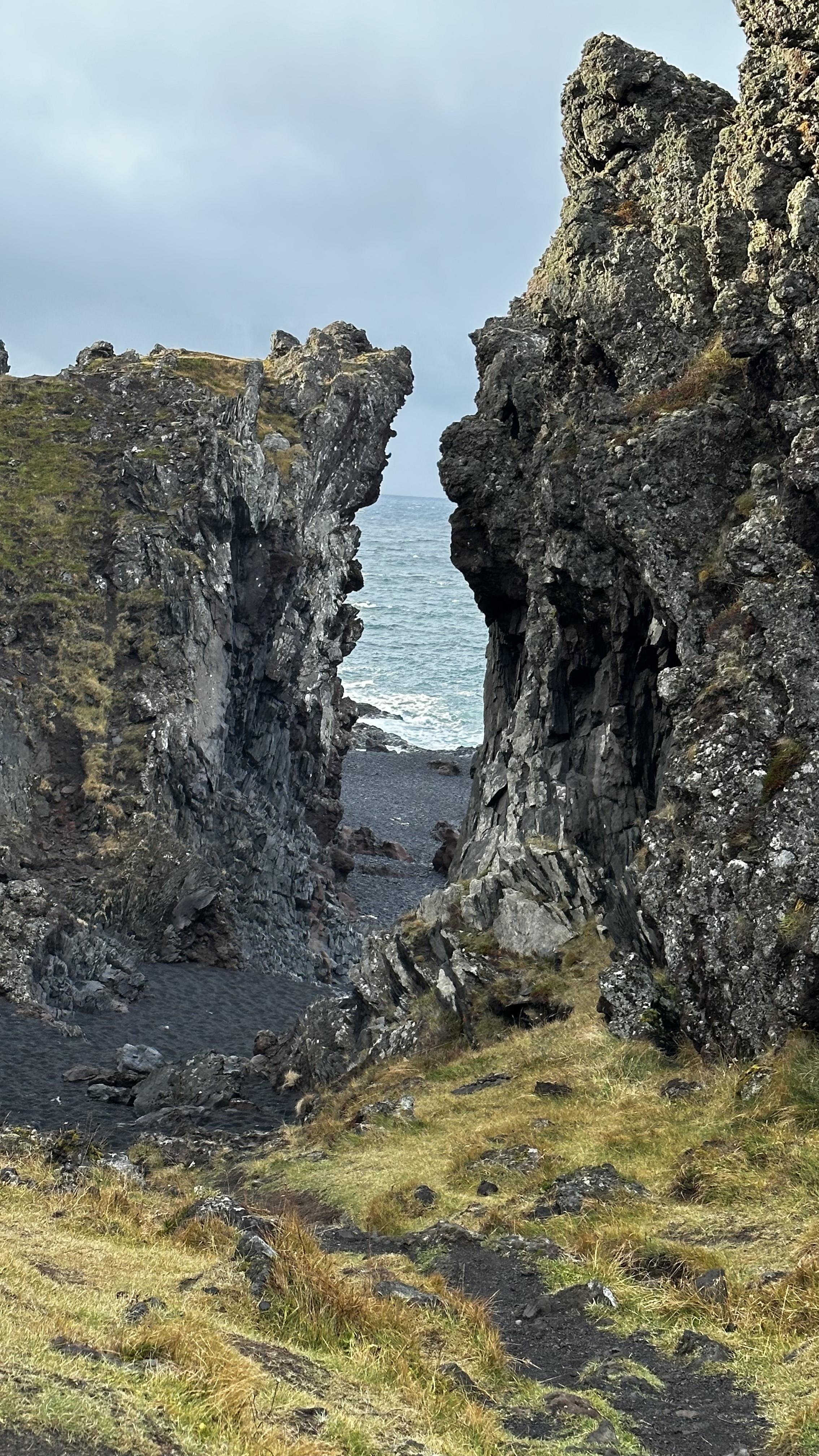


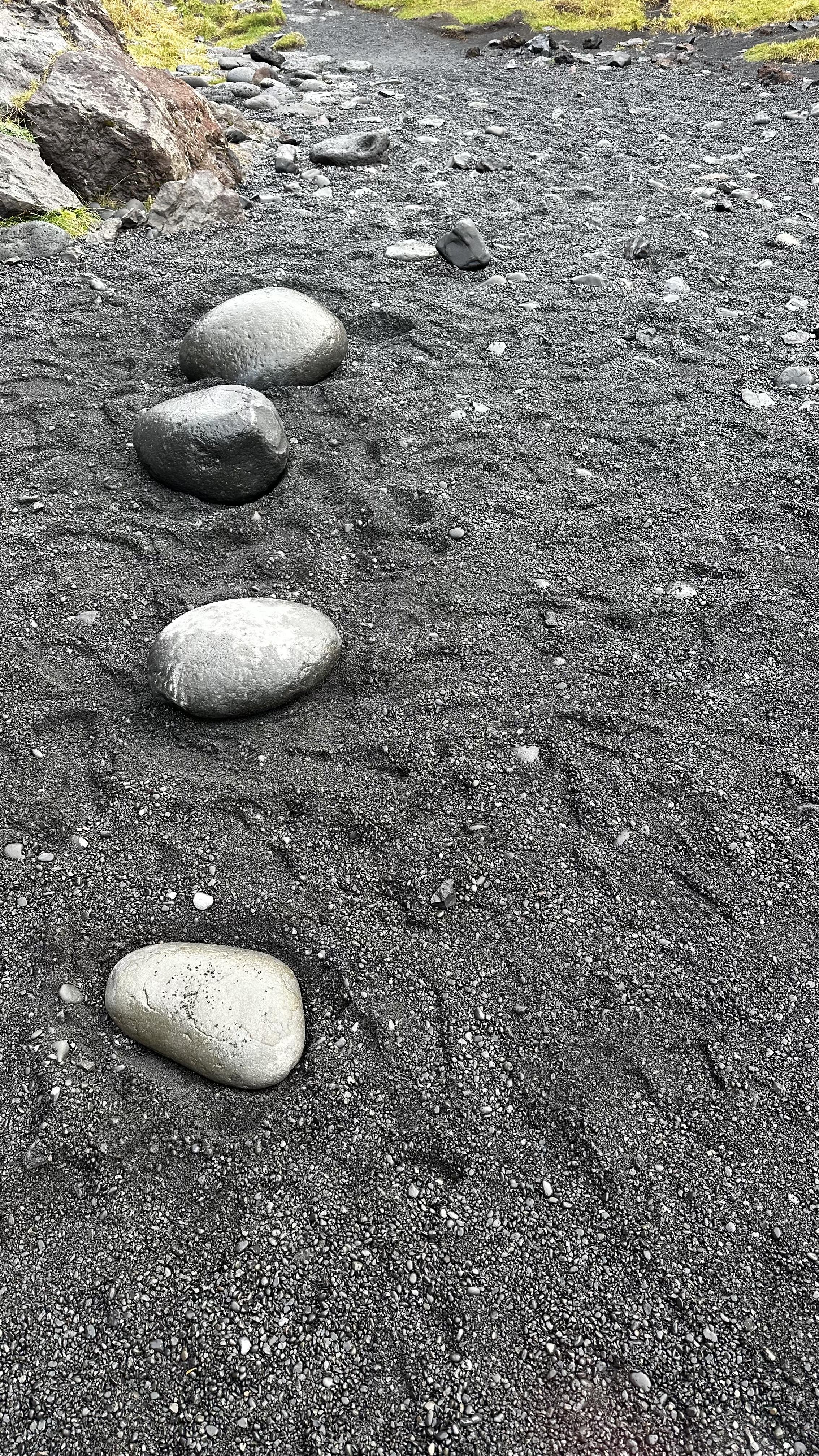
Photo Album: Blue Lagoon
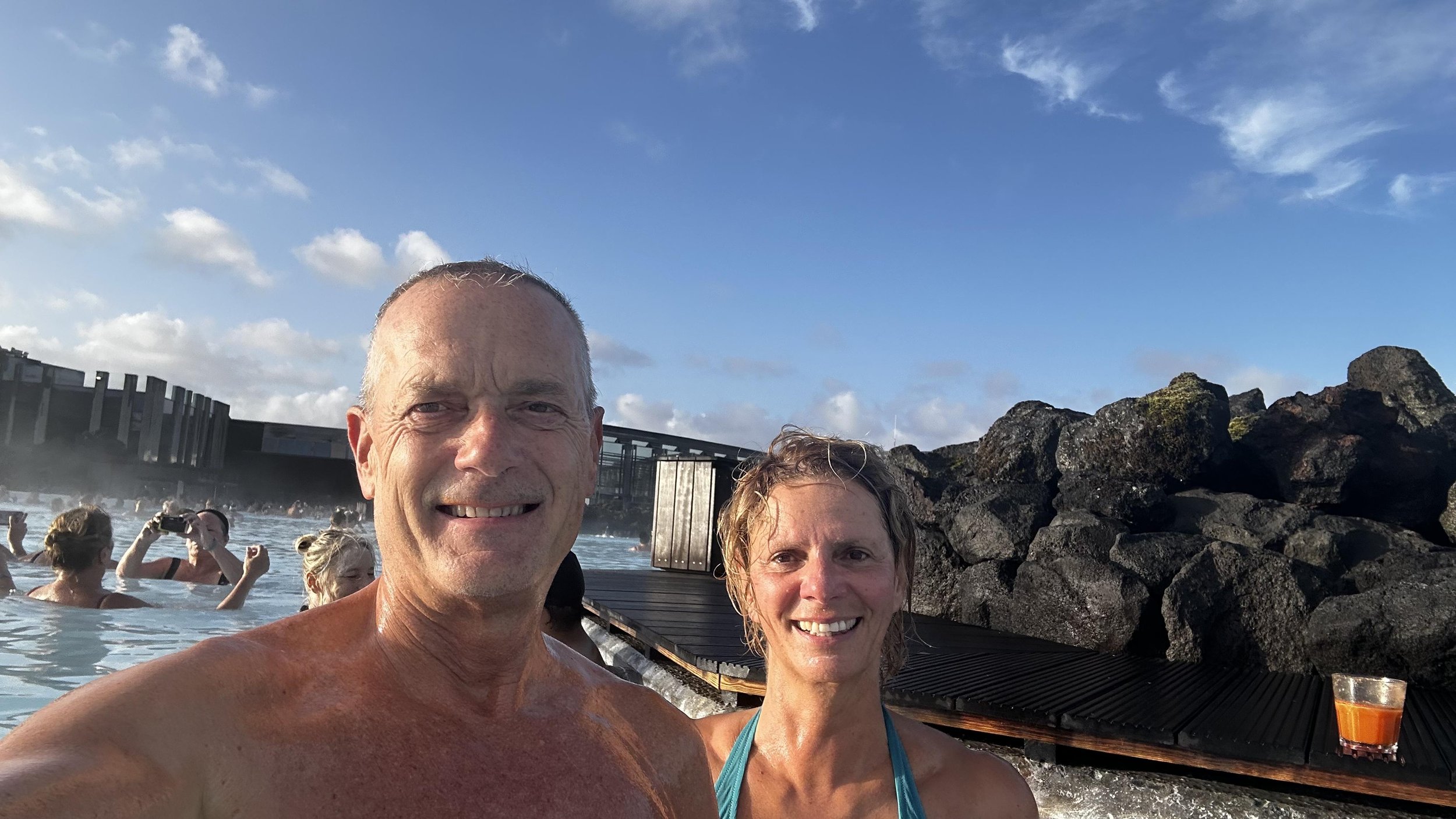
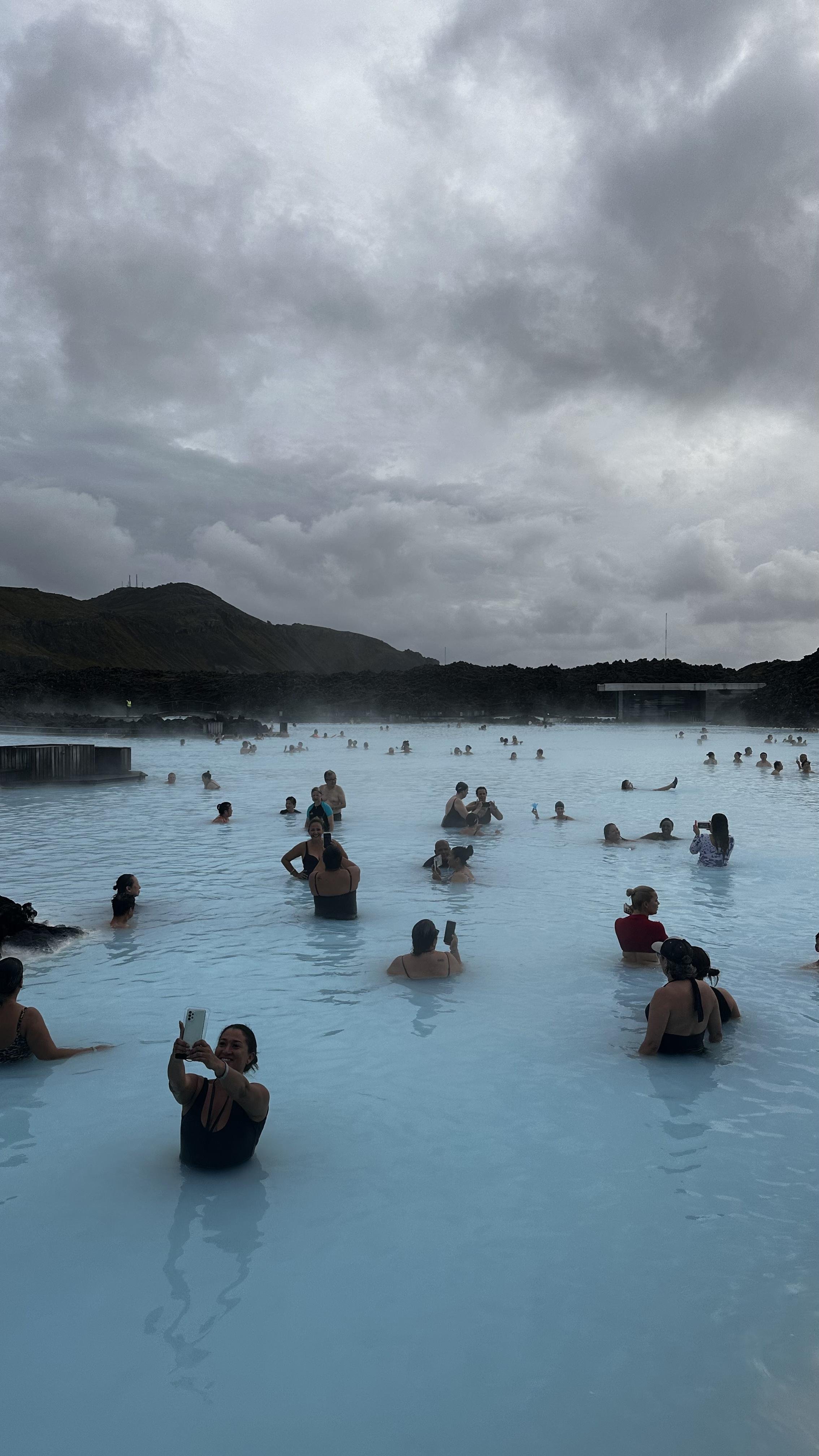
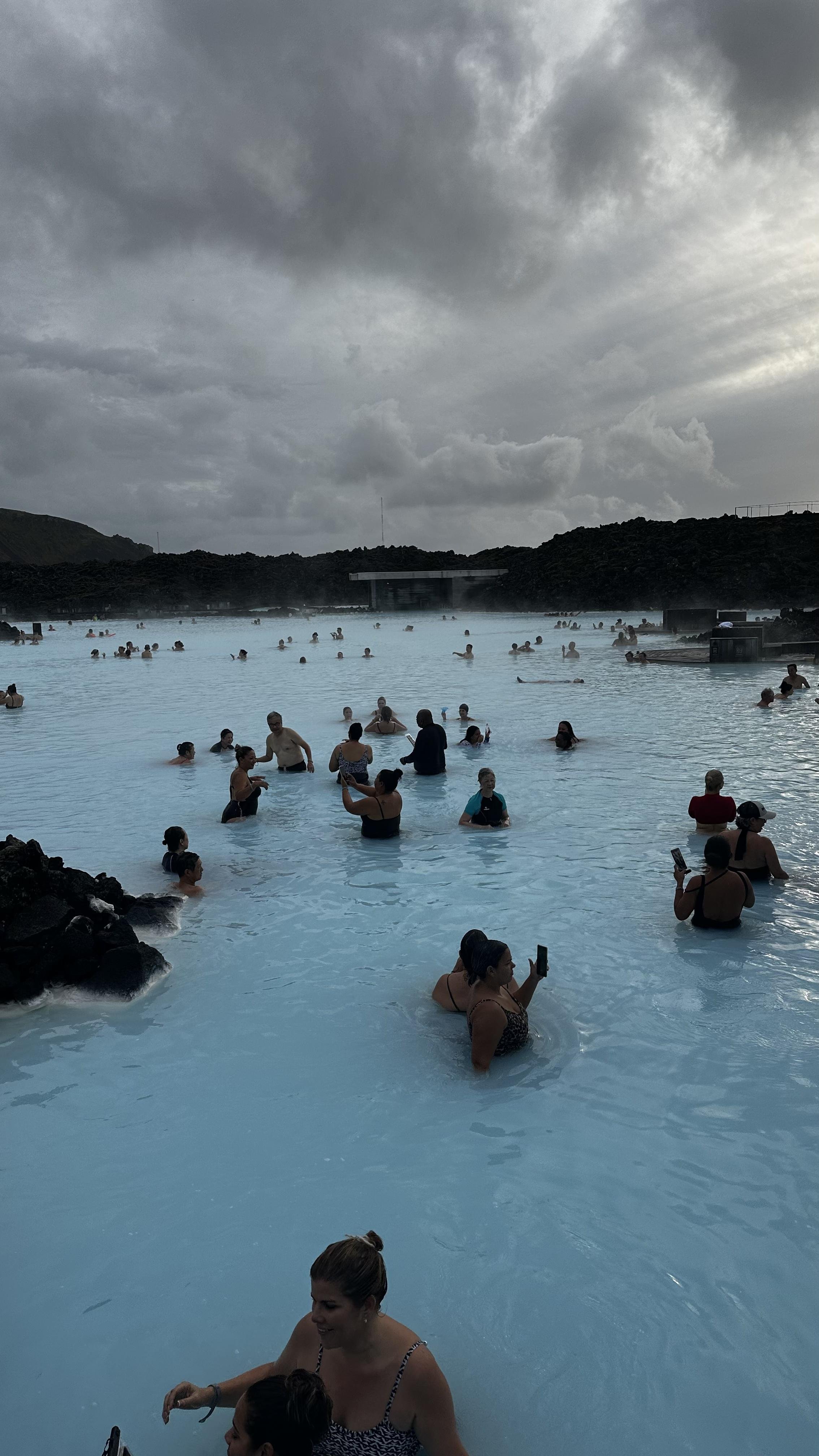
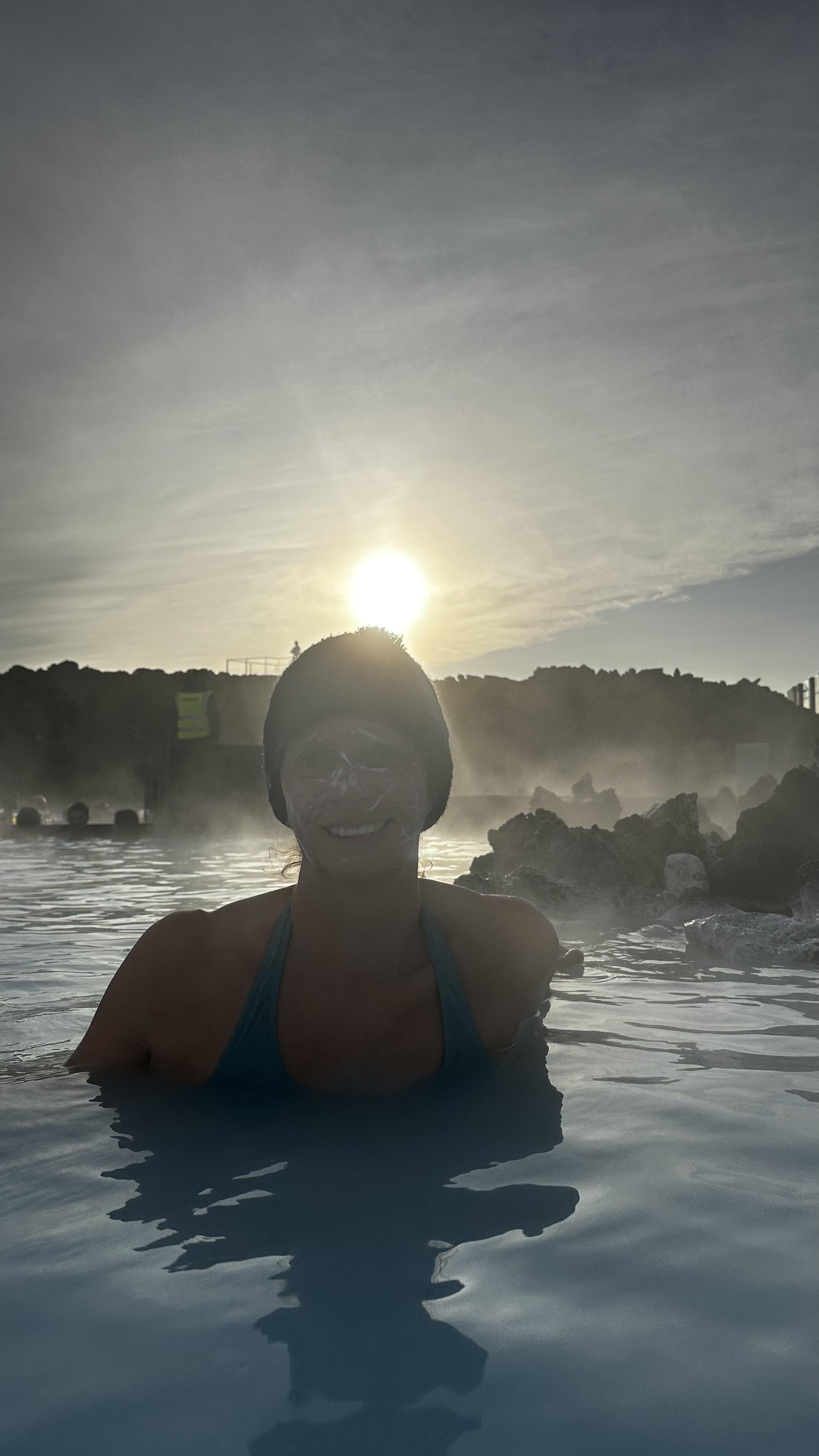
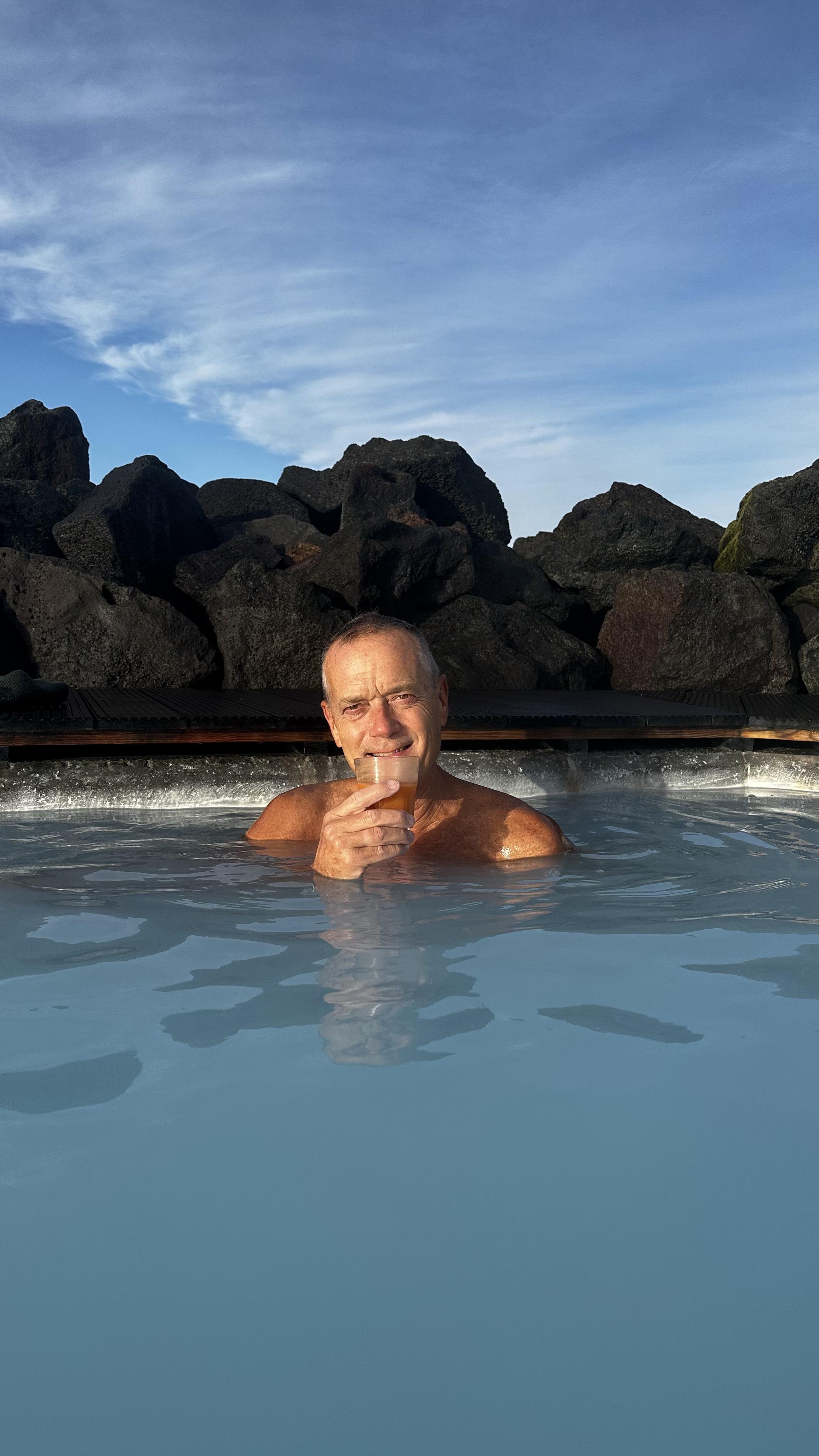
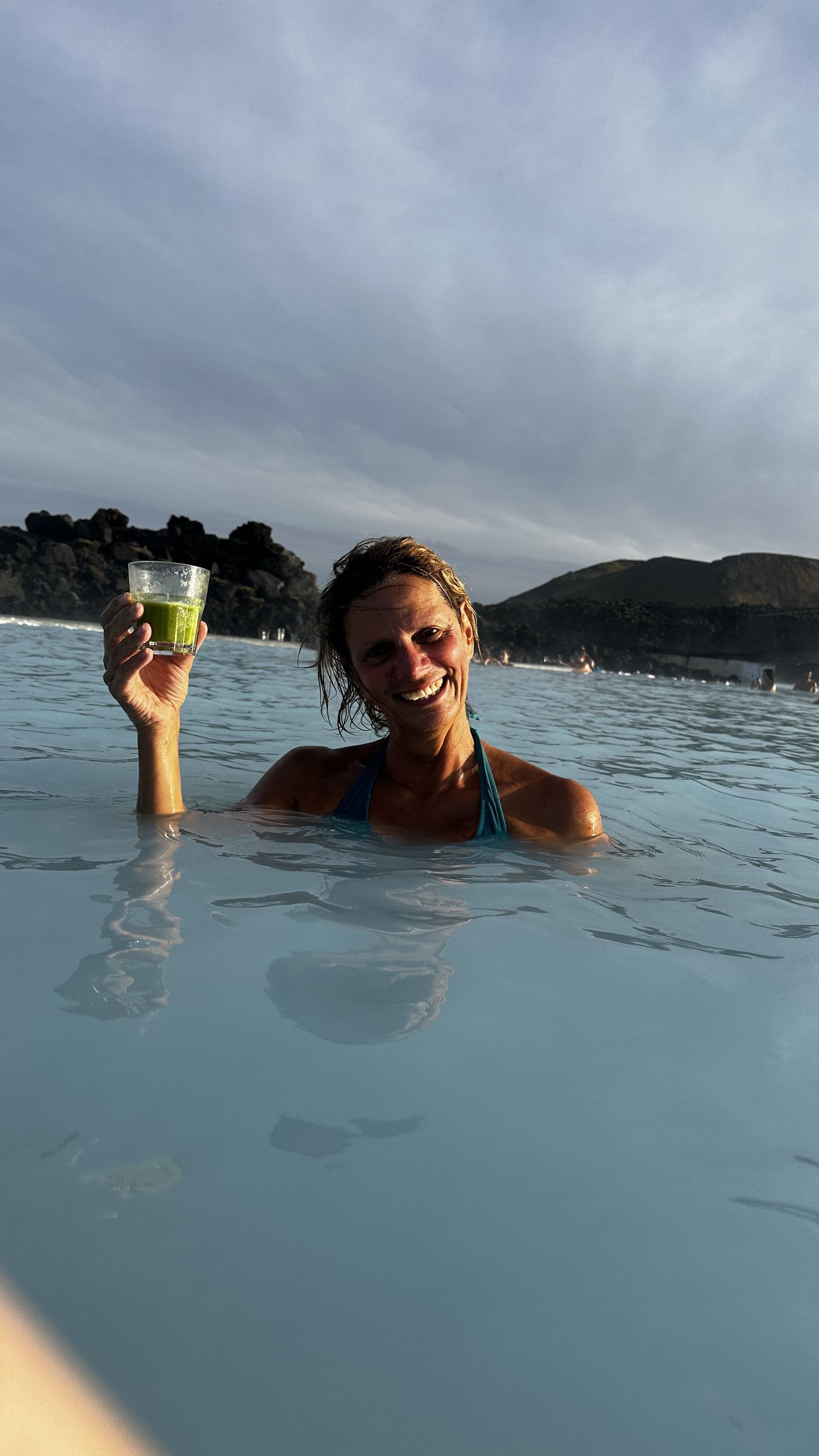
Photo Album: Nature and Screen Savers








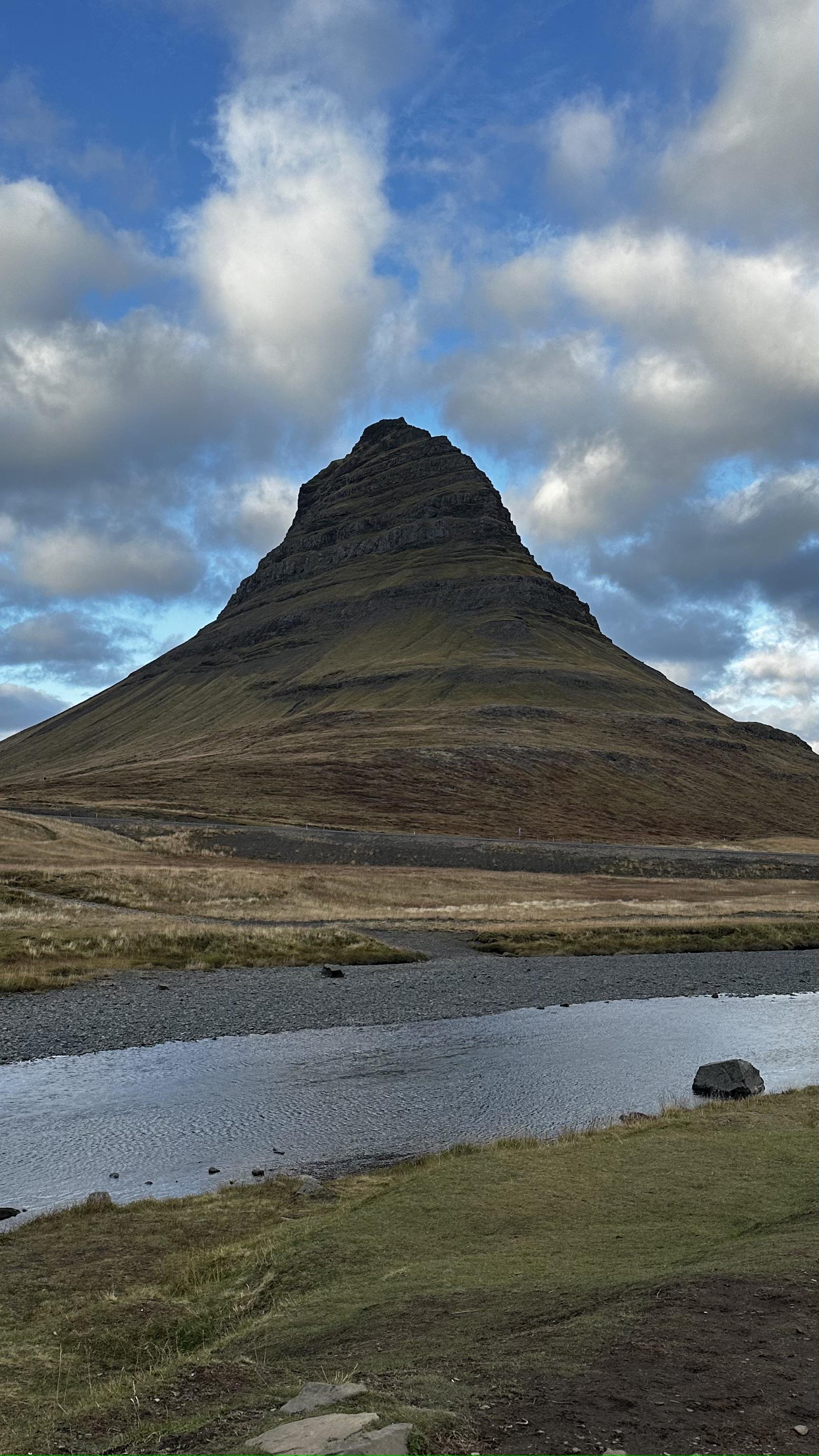


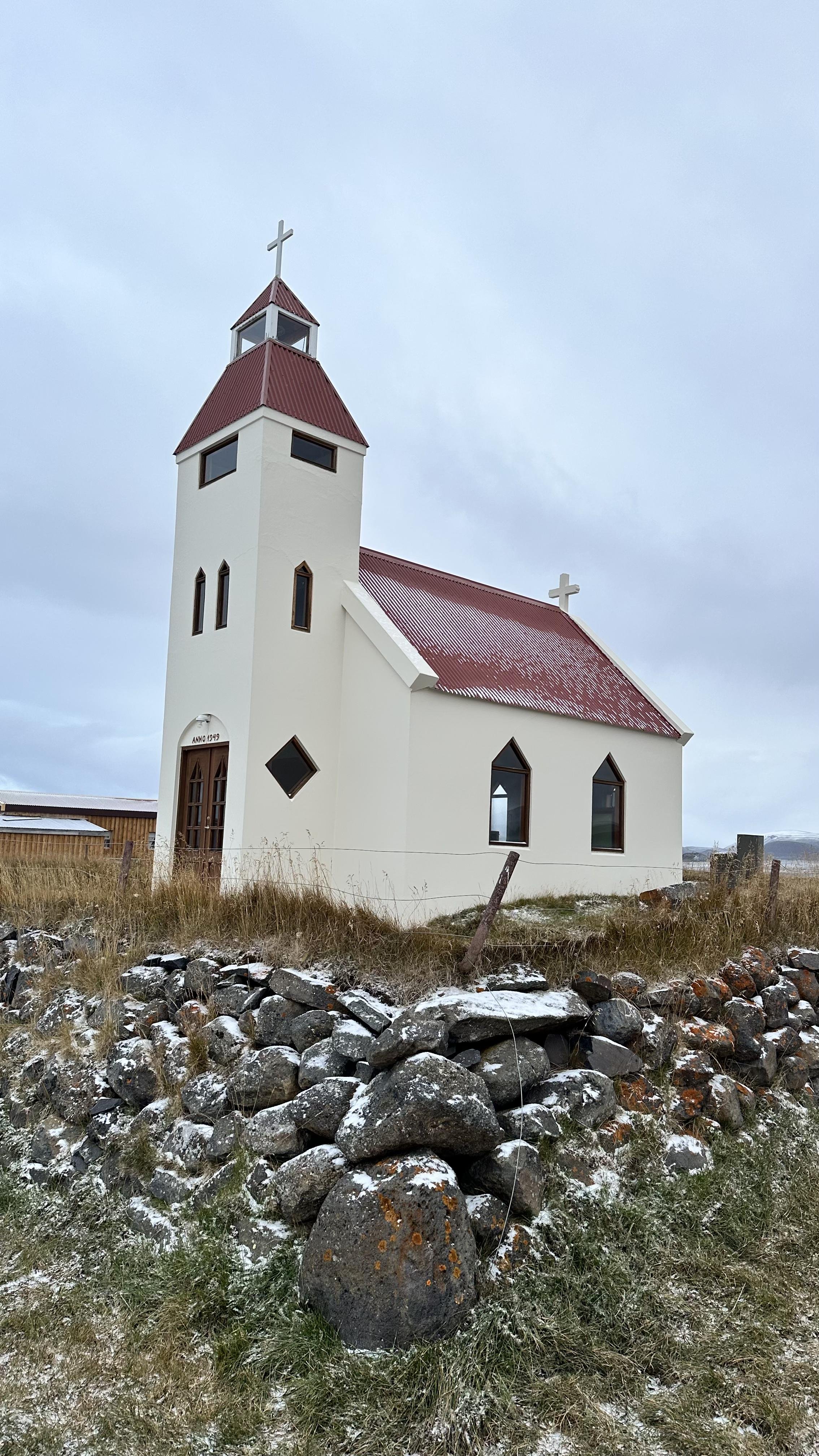
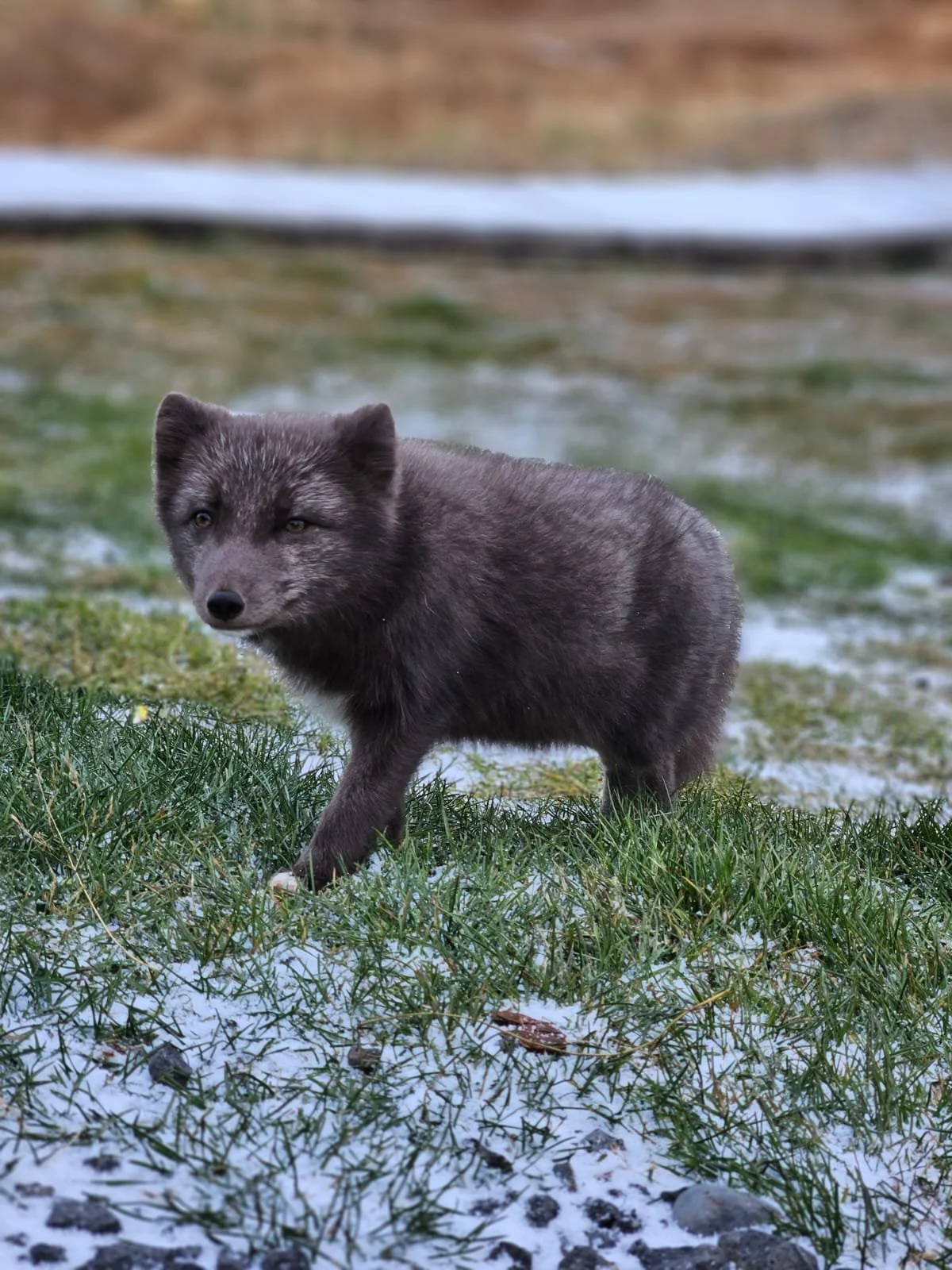
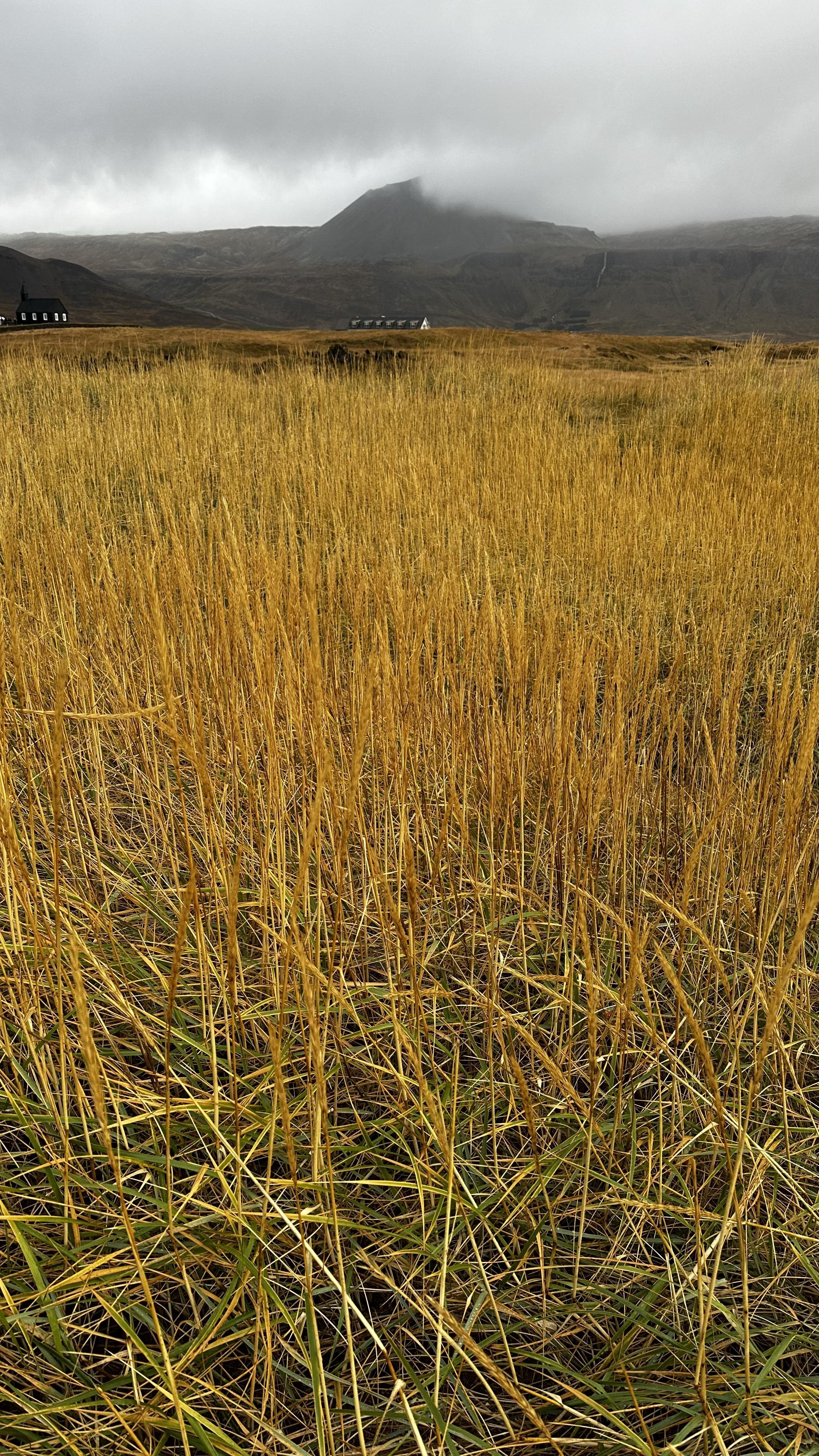


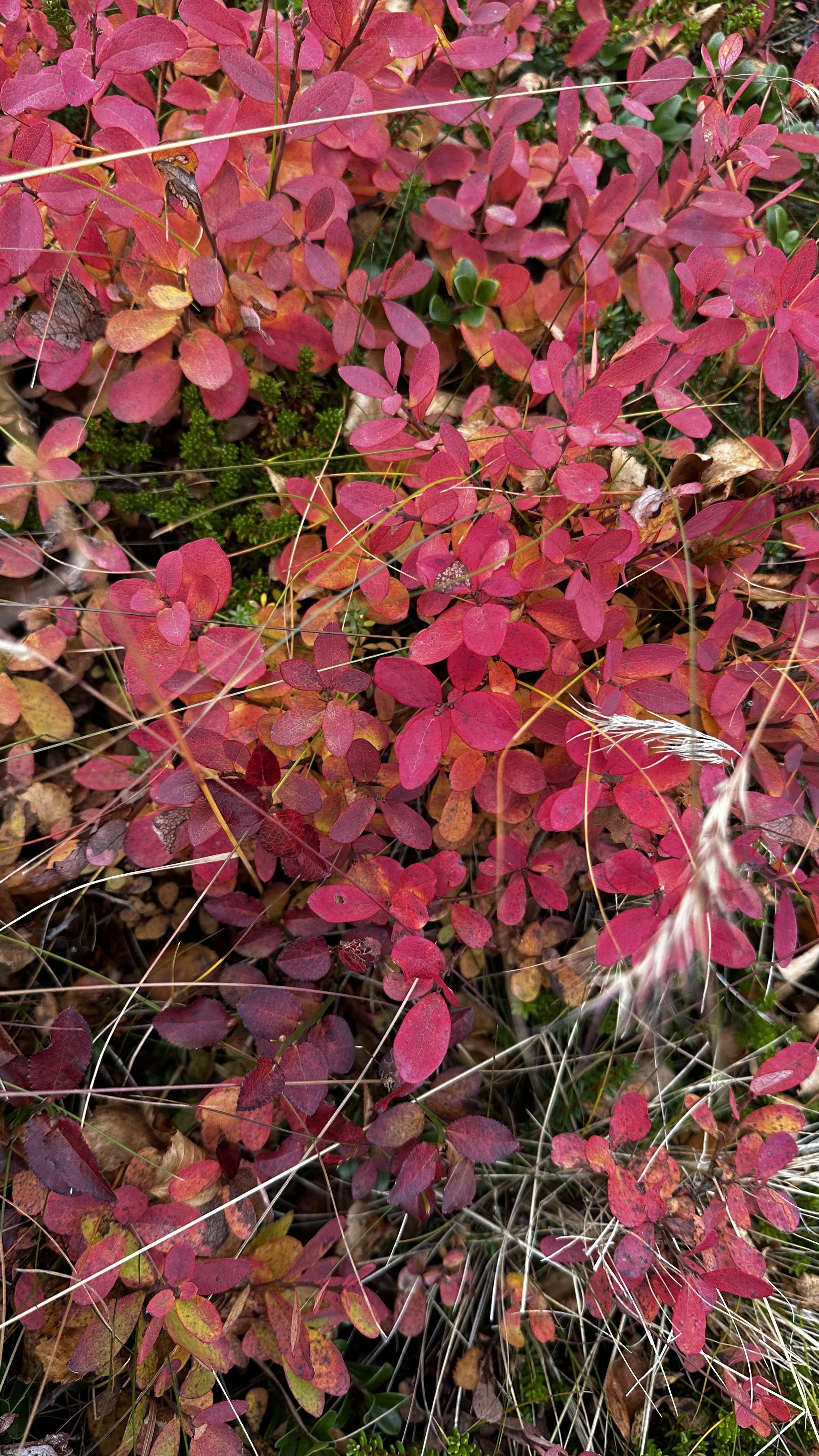
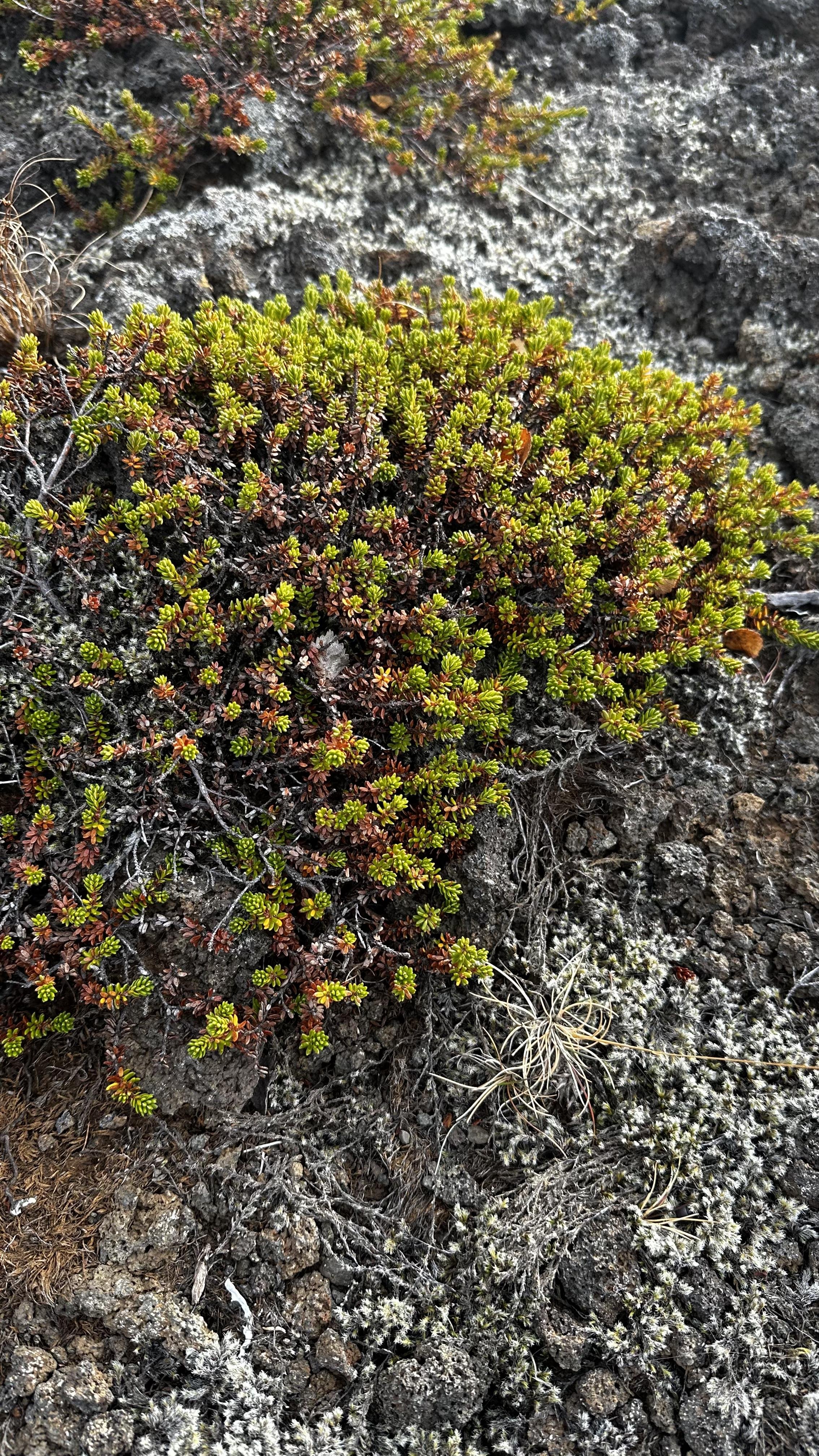
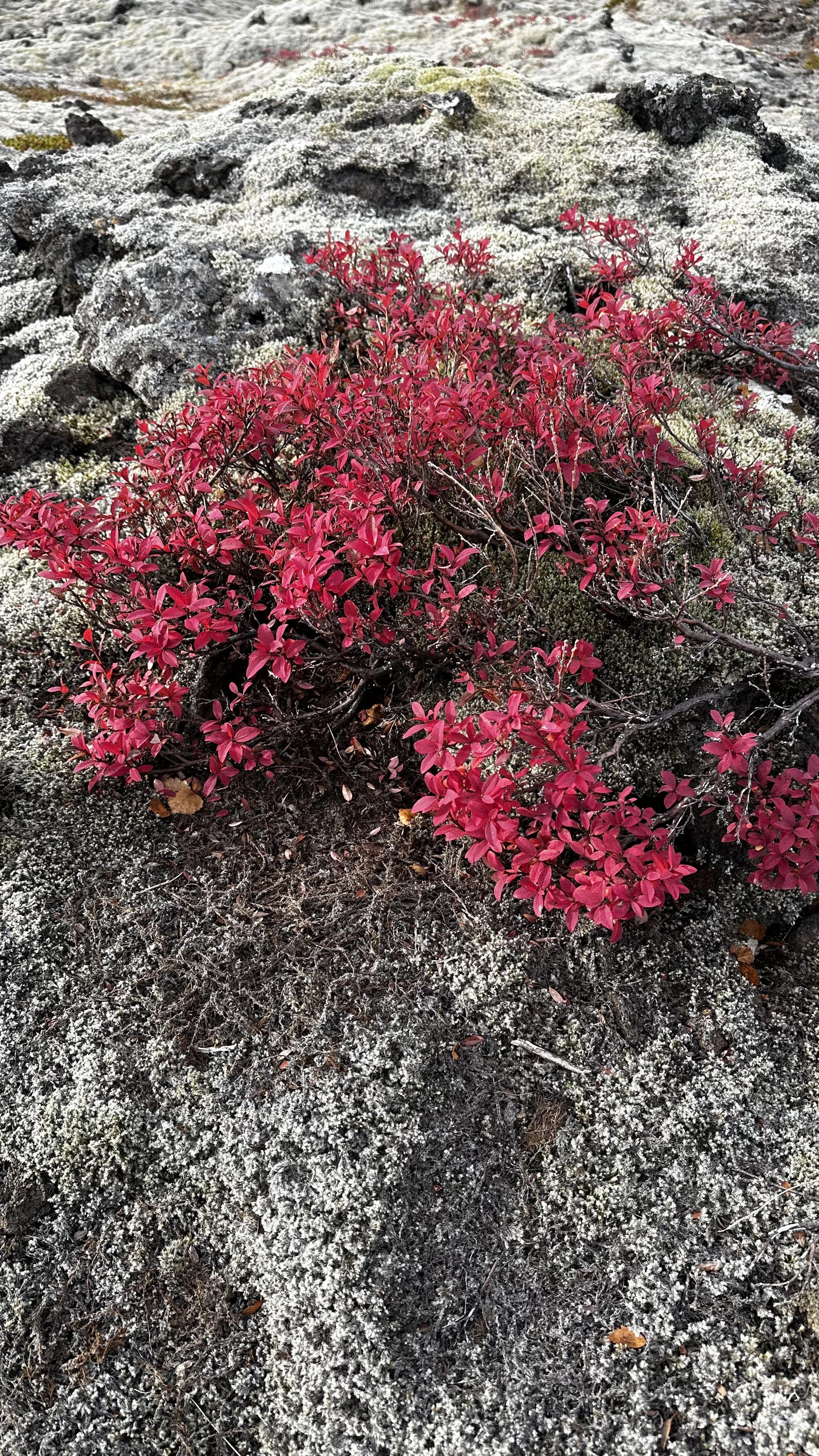
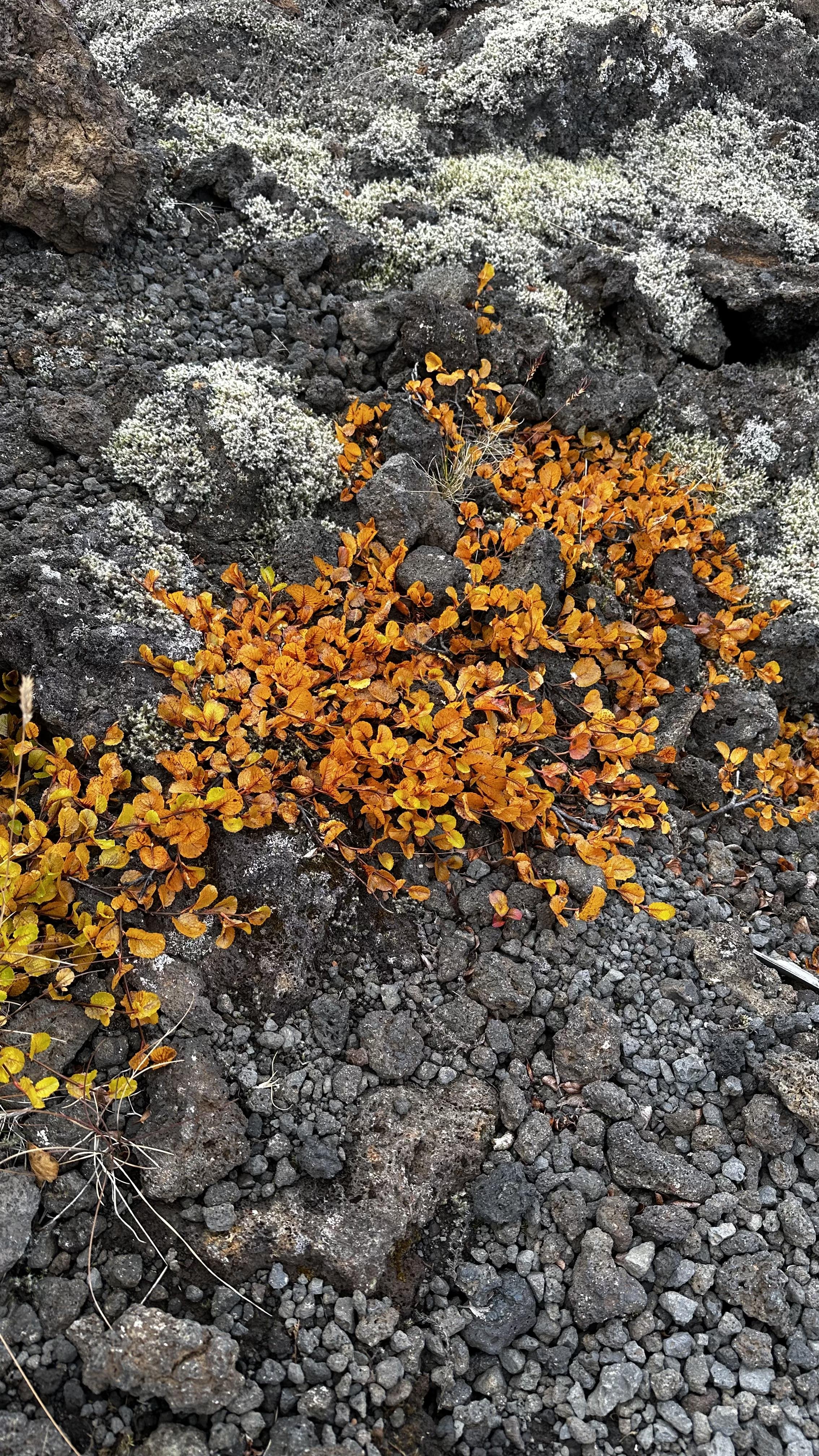
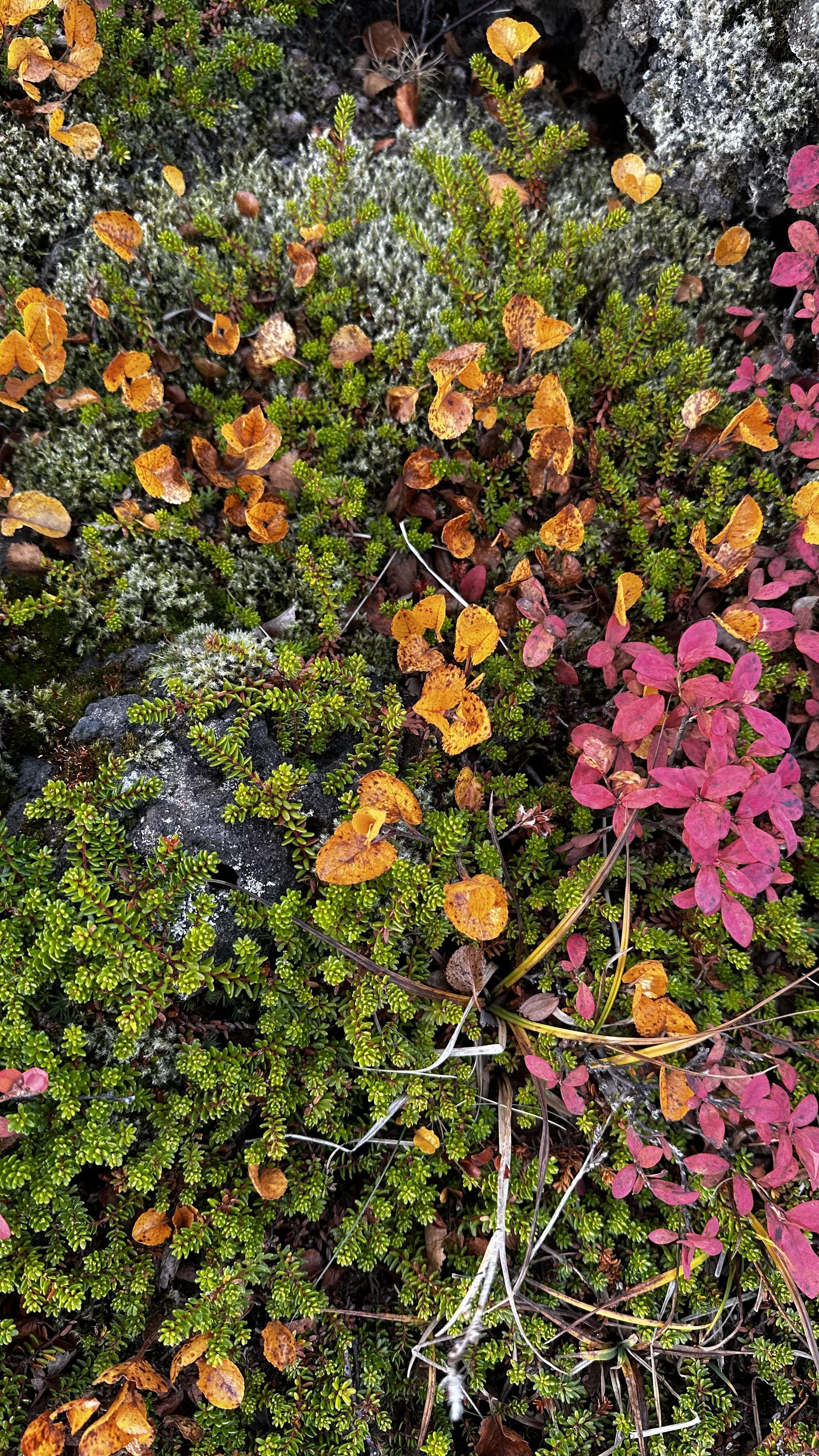
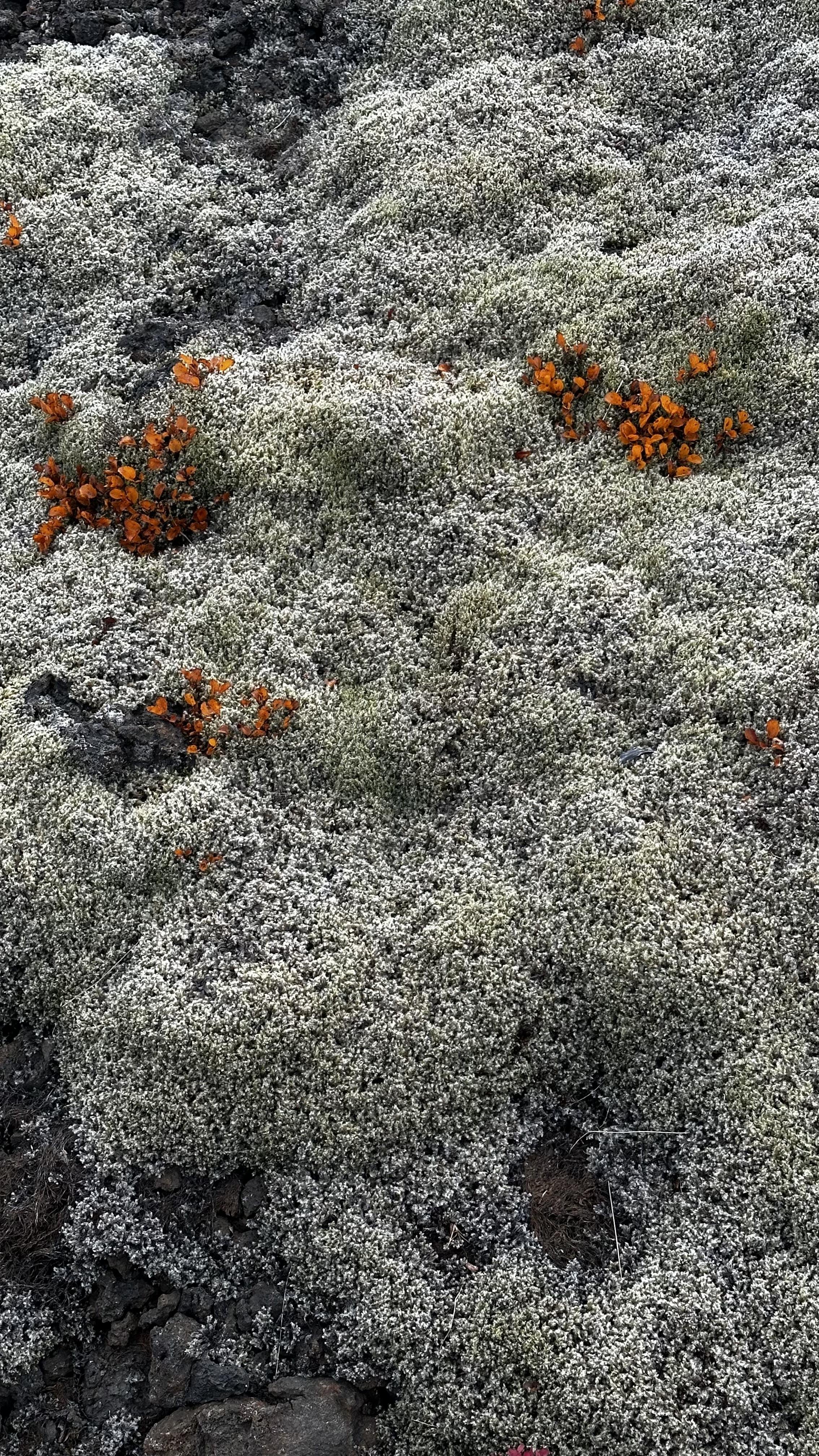
The land of Fire and Ice!
After spending a day on our own exploring Reykjavik we met our fellow travellers, and guess what - every single one is from Australia! I said to Neb, we better make sure New Zealand is well represented on this trip 😉!

Part 2/3
After spending a day on our own exploring Reykjavik we met our fellow travellers, and guess what - every single one is from Australia! I said to Neb, we better make sure New Zealand is well represented on this trip 😉!
Jura from Lithuania is our tour guide and a driver. She came to Iceland as a young linguistics professor, fell in love with the country, its stunning nature, found a man and the rest is history again! She’s been living here for a long time, is fluent in English and Icelandic, is accredited tour guide and very knowledgeable. We learnt quickly that her perspective is a bit different to Mauricio’s since she has assimilated a lot more over the years, certainly something we can relate to.
Intrepid Tour
Day 1
We left Reykjavik at 9am and drove up to the Golden Circle route, a very popular tourist destination in the western Iceland region of Bláskógabyggð.
Our very first stop was at Gluggafoss where “hidden people” gave us a permission to see the most beautiful waterfall. We went underneath the waterfall, it was so cool!
I’ve never done it before, a bit scary, but super exciting!
We continued to Thingvellir National Park, home to the Parliament Plains and location of Iceland’s first parliament. Thingvellir also contains the Silfra fissure, where the North American and Eurasian tectonic plates are slowly pulling apart, 2cm per year, with the edge of the plates now only 5 km apart.
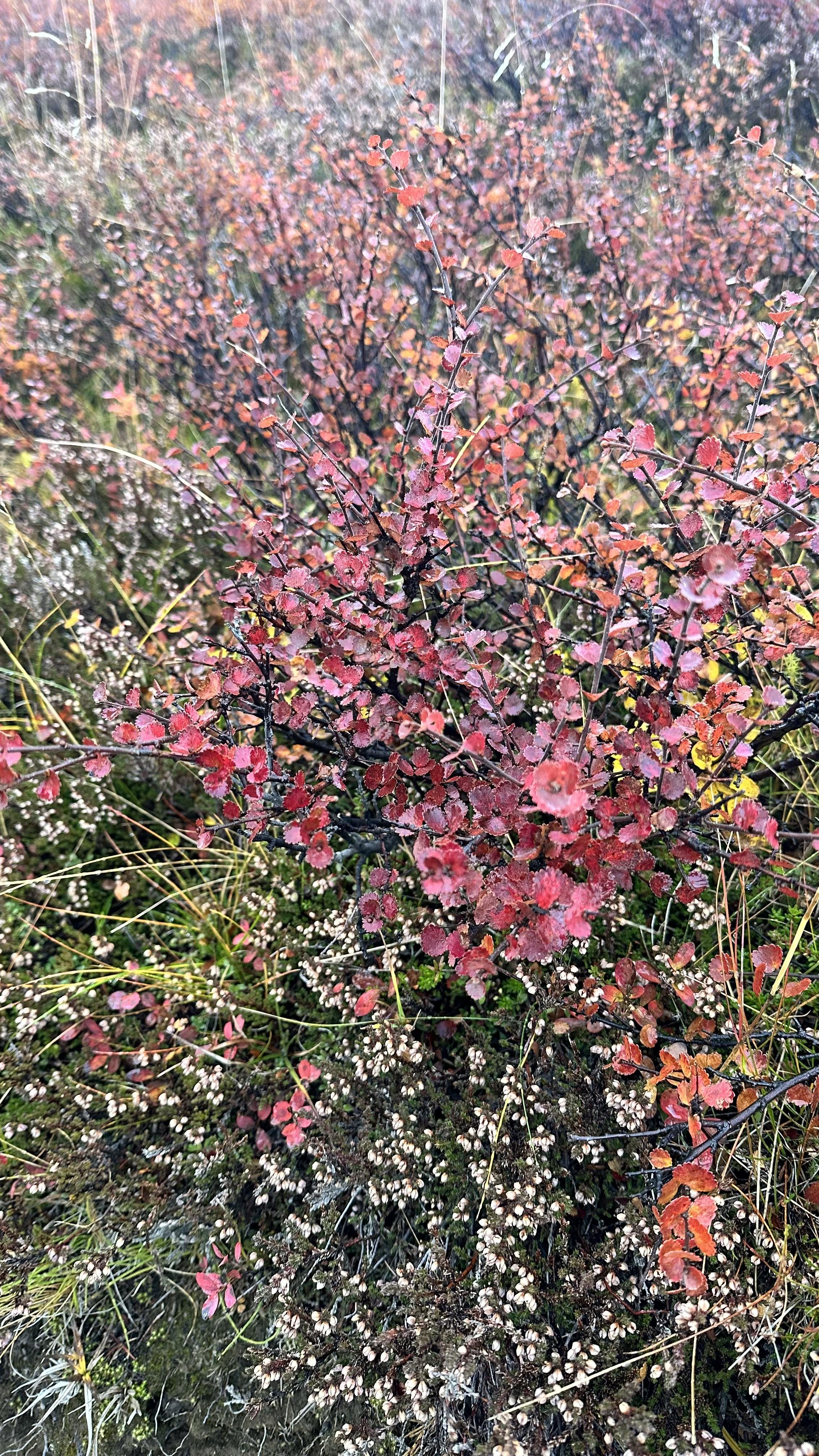
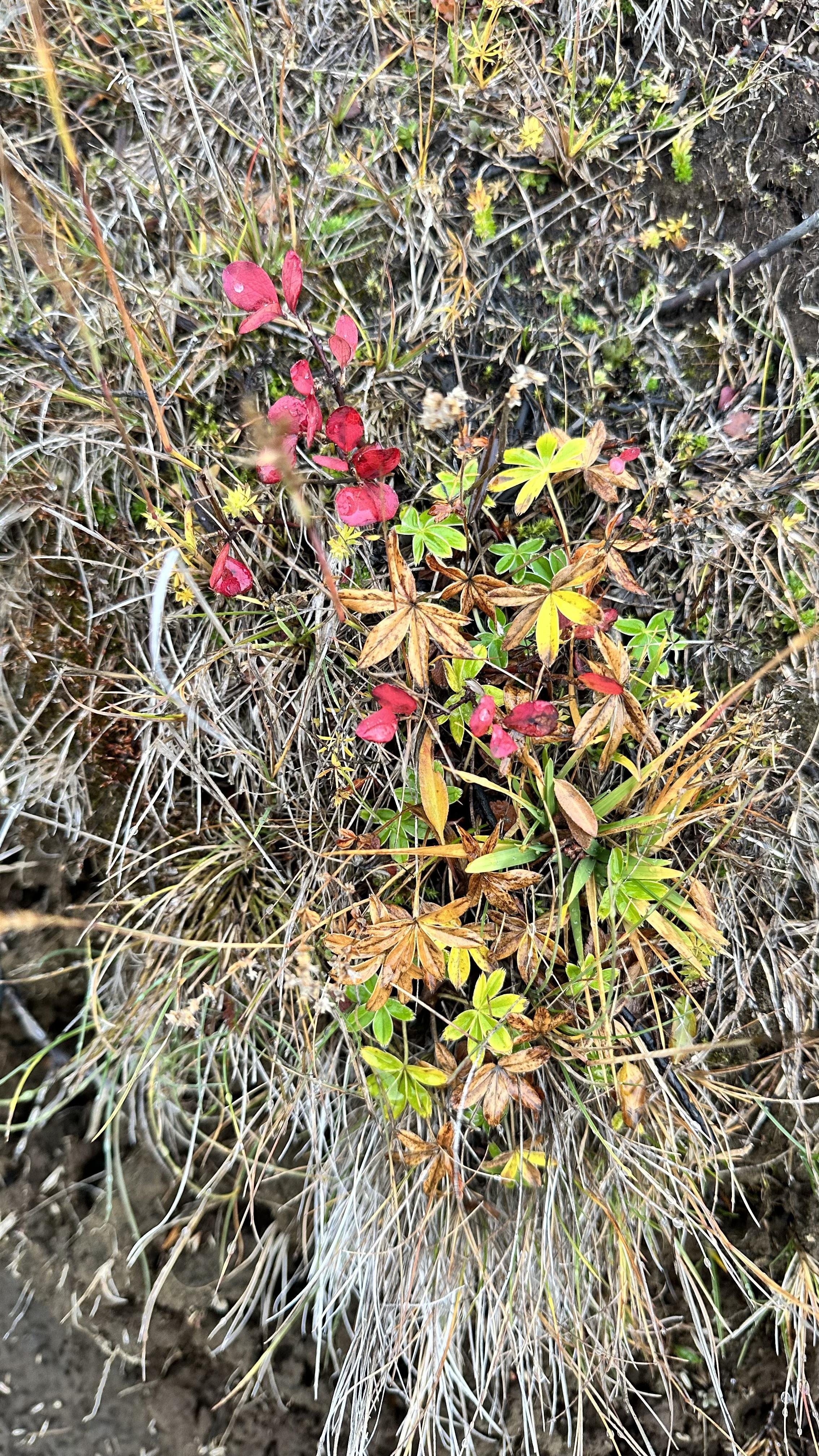
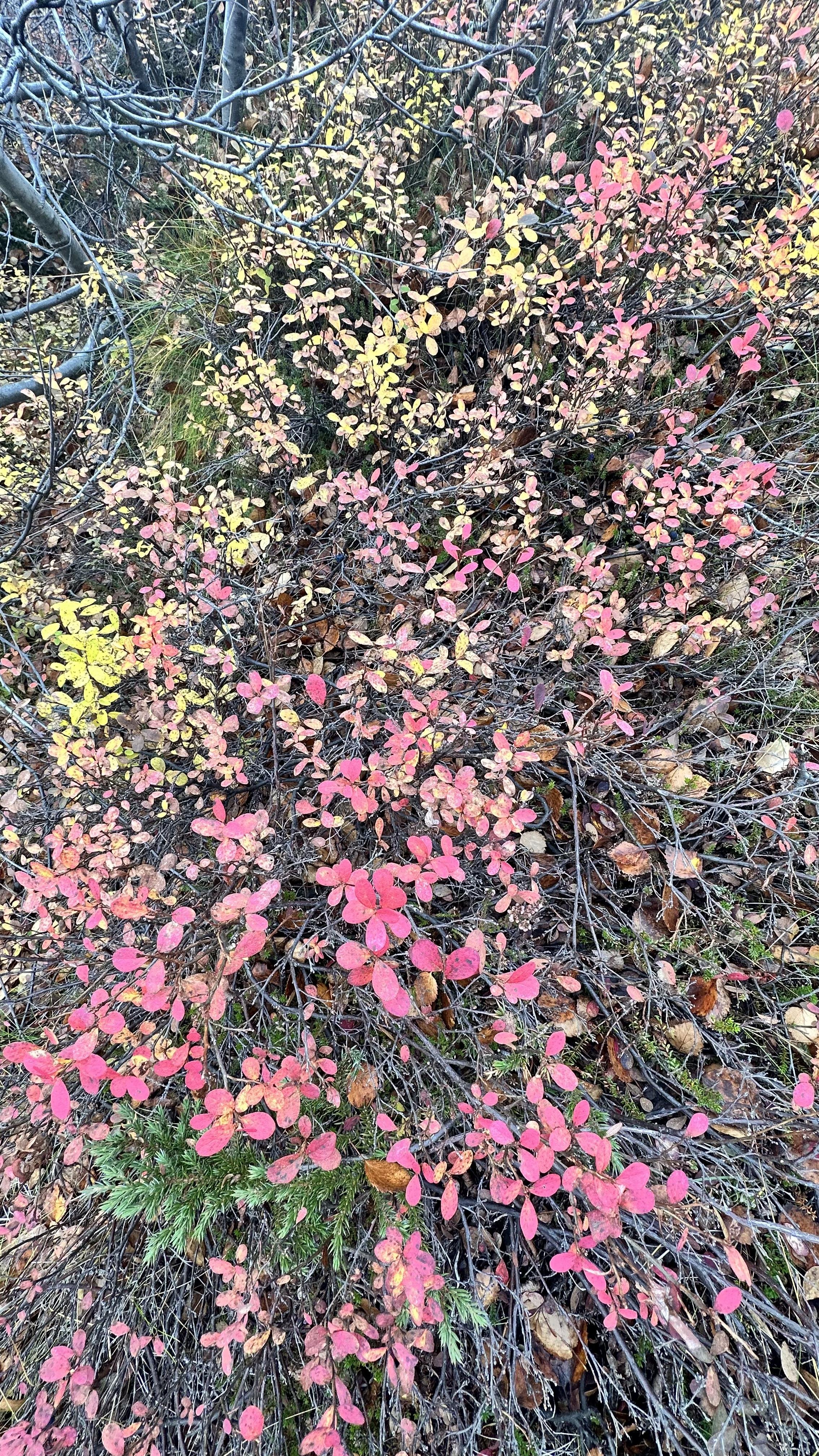
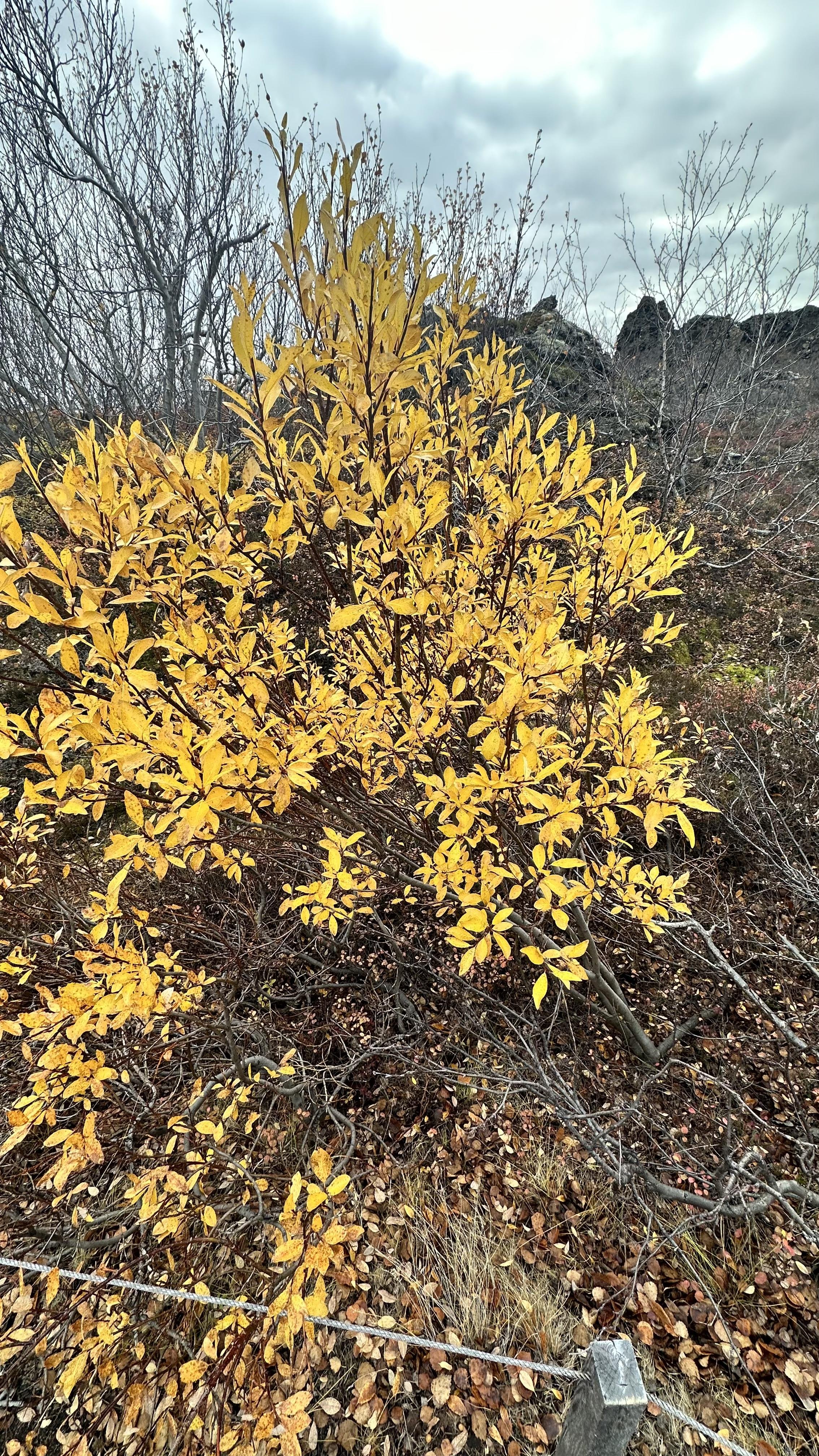
The resulting gap is partly filled with fresh water and is clearly visible. Rift valley sits in between two plates. Absolutely incredible to witness! Everywhere you look at, it looks like a postcard. Autumn is the best artist of all. The nature colours are so so beautiful, the whole place left us speechless.
From there we visited the Geysir geothermal area at Strokkur and watched as the geyser swells with blue water erupted and shoot some 20-30 metres in the air.
Geysir and Strokkur are a couple of erupting hot springs, or geysers in the Haukadalur geothermal field, north of Iceland’s Laugarvatn Lake.
The bigger of the two is Geysir (we get the English word from him, a derivative of an Old Norse word for “gush”), but he’s been a little shy about his star power recently, only spouting off sporadically. Strokkur, on the other hand, can’t contain himself, erupting reliably every 4-7 minutes, every day and night.
From there we were spellbound by the immense beauty and sheer power of the Gullfoss (Golden) double waterfall on the Hvita River. Amazing amazing amazing! This is my favourite waterfall of all we’ve seen in Iceland, and we saw many!
(Foss = waterfall)
With our hearts full of joy and happiness we finished the day at a remote farm in the Hvolsvollur region, for our overnight stop for the night.
I know it’s hard to believe that words ( in my case in particular 😉) are not enough to describe the nature beauty, but honestly I am going to leave to the photos to bring to life the magical world of Iceland. I won’t do it justice, I simply don’t have enough adjectives in my vocabulary!
Fun facts:
Iceland is a volcanic island and on average there are 25 volcanic eruptions per century.
When eruptions happen lava flow takes everything down. Eruptions under glaciers create ash and glacier floods are triggered. The land becomes wasted and nothing can grow on it ever again. These areas are called volcanic deserts.
At the early settlement days 75% of the island was covered by vegetation. In 15 century the climate got colder and lasted to the industrial revolutions. Humans used birch trees to build and heat homes, they brought domestic animals who grazed vegetation and it all changed over the centuries.
At the end of last century they realised what was happening and started planting forests to bring a balance to the eco systems.
Icelandic literature is very popular and well known in the world. Foreign author Hannah Kent wrote a book about the 1830 last execution in Iceland. She collected the evidence and published a book Burial Rites, apparently a great book. It’s in my Kindle library now!
Hot springs v geysers
Hot springs: Pools of hydrothermally heated water.
Geysers: Hot springs with constrictions in their plumbing, which causes them to periodically erupt to release the pressure that builds up.
Underground geothermal water temperature at 1000m depth is 200 degrees!
Trolls
The words tröll or troll and tröllkona refer to all beings which are bigger than humans in some ways and that are malicious to some degree.
In the Icelandic stories that still exist about trolls, these beings are described just as told in the Nordic myths. They are both considered to be taller and stronger than humans in general, dumb and wild and then greedy and ferocious.
When something wrong is done to them, the trolls get furiously upset and try to get revenge in the most cruel way; on the other hand they both thank for good deeds and reward it, and often help humans without being asked to.
J.R.R. Tolkien Lord of the Rings author was inspired by the stories told by an Icelandic girl who was his son’s baby sitter. He would quietly listen to the Icelandic folklore stories which triggered his inspiration for the famous books. I bet you didn’t know this one!
In Iceland, "Northern Lights" refer to the natural phenomenon known as the Aurora Borealis, which is the display of colorful lights in the night sky, primarily in the northern hemisphere. The Northern Lights are caused by the interaction between charged particles from the sun and the Earth's magnetic field. When these charged particles collide with the gases in the Earth's atmosphere, they emit beautiful, luminous colors, creating a dazzling light show.
Iceland is one of the popular destinations for witnessing the Northern Lights due to its location close to the Arctic Circle and its relatively low levels of light pollution. The best time to see the Northern Lights in Iceland is during the winter months, typically from September to April, when the nights are long and dark.
We are still hopeful we’ll see them 🤞
Day 2
The day started with a visit to breathtaking Seljalandsfoss waterfall, followed by Skogafoss waterfall.
At 25-metres wide with a 60-metre drop, this waterfall roars. The cascade of the falls is relatively narrow but falls from a tall cliff that once marked the country's coastline, the sea is now located across a stretch of lowlands and is visible from the site.
You can feel its power up close with a walk up a windy set of stairs up to a stunning viewpoint, for the brave and fit ones - yep that was me 🙌!
Seljalandsfoss waterfall has its origins underneath the glacier Eyjafjallajökull. The volcano beneath this ice cap was the one that erupted in 2010 and caused havoc at airports across Europe. The glacier of Eyjafjallajökull is approximately 100 square kilometers making it the country’s sixth largest. It sits close to the fourth greatest, Mýrdalsjökull which also conceals another notorious volcano, called Katla. Katla is one of Iceland’s most explosive volcanoes. Since settlement, it has erupted, on average, once every fifty years, with the last eruption in 1918. It is long overdue.
While Eyjafjallajökull’s eruption was huge and disruptive, it pales in comparison to the potential of Katla. Far more explosive, and under much thicker ice, an eruption here in unfavourable wind conditions could have worldwide consequences.
From there we crossed the bridge taken down by a glacier flood in 2010 and drove to the famous Black Beach, Reynisfjara. Black sands and bizarre, rectangular basal rock formations / columns were sooooo amazing! We’ve never seen anything like it, a remarkable place. It is of volcanic origin. The ocean here is not very friendly, this is actually the most dangerous beach in the country!
“Sneaker waves” are unpredictable, ocean can look calm, but surface is very unstable and if a sneaker wave hits you will fall in the freezing cold ocean. There were accidents in the past, we were strongly warned not to get close to the water, and yet it looked so calm.
After this amazing place we carried on and stopped to see Lava fields nearby a small village Kirkjubæjarklaustur. There are 600km of lava fields covered by moss, outcome of one of the biggest eruption from 1783.
I didn’t know much about moss, but moss is an interesting vegetation, it has no roots and can grow on the rocks. The hair of the moss acts as its roots. When you step on the moss it kills it and it needs 70 years to regrow and recover! You are told clear and loud - you do not walk on moss in Iceland!
This was so fascinating, again something we never ever seen in our life! I loved this spot, the nature was pretty, but for me it felt we were walking on another planet, it was so surreal! I couldn’t leave this place, made everyone wait for me, I was amazed!
When you think that’s plenty for a day we actually left the best for last! My dream has come to life! Guess what it is??!!
Ever since I was a little girl playing in the snow on Jahorina I had a dream to see an ice cave! Yes, I used to build them while playing in the snow, but of course that was just a childish game. This time though we’ve got to do it, for real!! We got to enter a real ice cave! Yay yay yay 😀
So where was this place?
Our stop was underneath the Vatnajökull ice cap ca. 7700 km2 (and covers cca 8% of Iceland) and is still Europe’s largest ice cap by volume, although it has lost more than 15% of its volume during the last century. It conceals seven active central volcanoes, valleys and glacial troughs.
In recent months they discovered a new ice cave and it was opened for public only 3 days before we arrived! So so lucky!
We parked the bus and took a ride in 4WD off the road to reach the footing of the glacier. We had to put ice spikes on our shoes and we walked across the glacier to reach the ice cave. I was so excited, like a little kid 👧! Let the photos tell you how amazing it was!
This is the highlight of the trip for me! AMAZING and SURREAL! The best day ever, and a lifelong memory for sure!
Fun fact:
Did you know that Atlantic puffins spend most of their lives at sea, but return to land to form breeding colonies during spring and summer? Iceland is one of those colonies, in spring time they come over here for nesting and Iceland is the breeding home for about 60% of the world's Atlantic puffins.
Male birds come first and prepare “apartments” for female birds. If a female bird is late a male puffin will let a different female bird into the apartment, but if the real “wife bird” turns up he’ll take her in, they are kind of very loyal bird, but not very patient!
Day 3
Excitement and fun continued the next morning as we drove to Jökulsárlón Glacier Lagoon. Glacier lagoon is a result of a global warming, as glaciers melt they leave a lake behind. This one is 800 years old, but it started melting in 1930ties.
We jumped on an amphibian boat to sail among the icebergs. These icebergs are huge, and remember we see only 1/10 of its actual size that’s floating. They are white and grey, some even black still covered in ash all these years later, I couldn’t believe it!
The lagoon is 200m deep, icebergs change shape, can flip over, once they are small enough they go under the bridge into the ocean. The actual diamond of ice is see true as it’s developed under water, when it’s left on the surface it turns white as it gets filled with air. And then ash makes it grey or black, this Mother Nature continues to amaze us!
We saw seals sunbathing on the icebergs in their natural habitat, so beautiful.
As much as it’s been fascinating to see it, the sad fact is this is a growing lagoon, the glacier retreats around 300m per year because of the salt water eroding it. Such as life.
From here we headed down to Diamond Beach, where some of the icebergs are washed onto the black sand. Check out the photos to see a surprise! I got proposed again and with a much bigger piece of diamond this time 😉! Thanks darling!
After the fun at the beach we went to Djúpivogur,a small coastal village located on the Búlandsnes peninsula, nestled by the picturesque fjord of Hamarsfjörður in East Iceland. The town has an approximate population of 400 people. Fishing has been the primary engine for Djúpivogur’s economy for centuries. In recent times, the tourism industry has blossomed and a hotel, restaurants, cafés, a campground and shops can all be found in and around the town.
We stopped here for a lunch break and to see yet another waterfall! I have lost count by now! And then it started to snow, yay! We all ran out of the bus to see the snowflakes. Aussie’s and snow ❄️! You can imagine their reactions!
Fun fact - how much of snow do you need to make one centimeters of ice? The correct answer is 20cm of snow! Fascinating, isn’t it?
By now I have to admit that I have fallen in love with this place. I’d love to come here for a year and see the country across different seasons. We saw it during beautiful autumn and so far had amazing weather, but I can only imagine how different it looks like in spring or winter! Ok yes, I can work while living here, it doesn’t have to be a holiday!
And this feeling has brought up the one thing I miss the most while living in New Zealand - the proximity of everything when you live in Europe. Everything is so close by and with a few hundred Euros you can jump from one place to another in a heartbeat. I have to admit I miss it so much, it’s such an appealing fact of life for my soul. Who knows where will this emotion take us, for now it’s simply how I feel ❤️.
And now here are the amazing photos just for you! Grab a cuppa and enjoy!
Photo Album: Vatnajökull Glacier’s Ice Cave
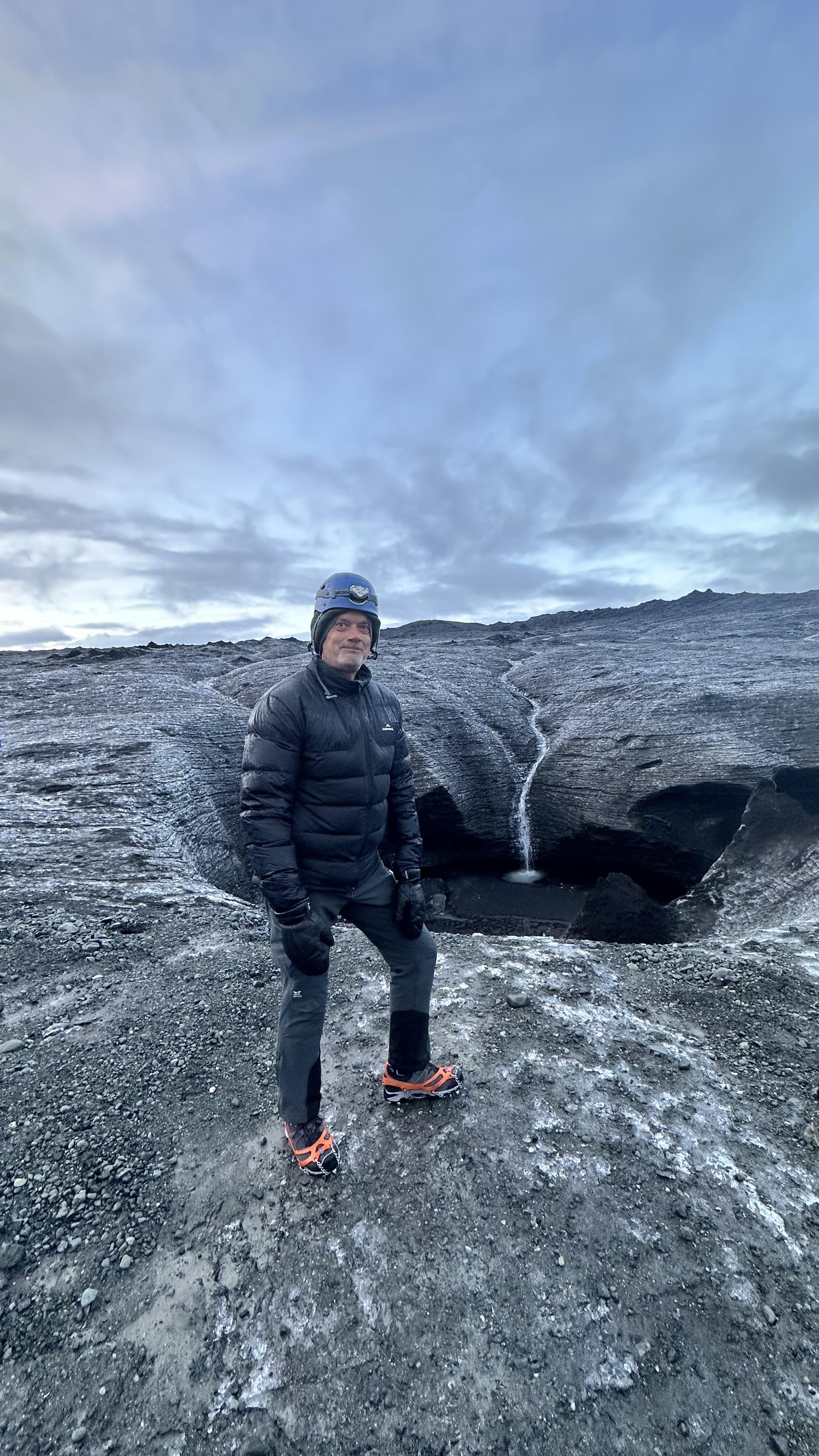


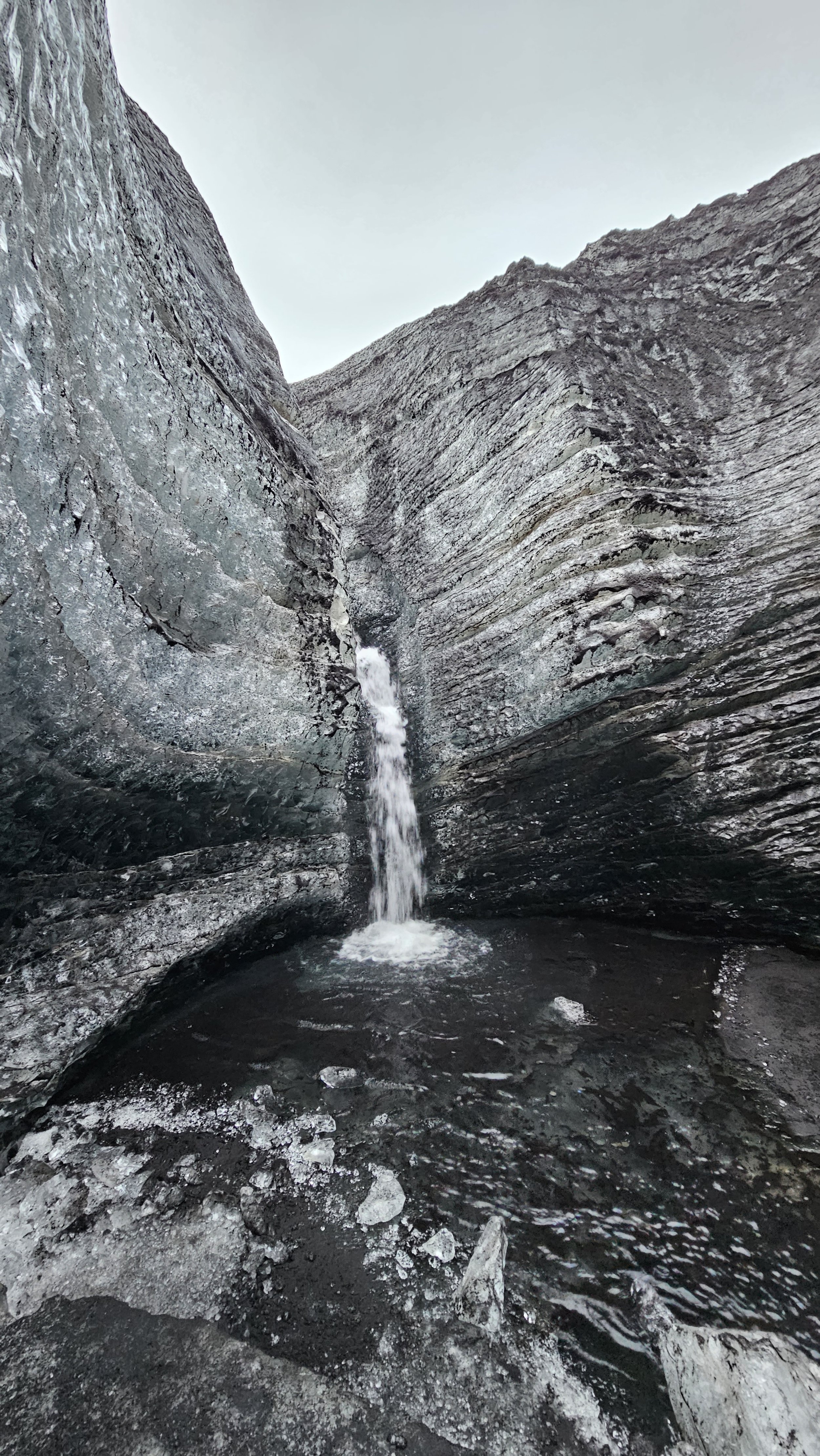


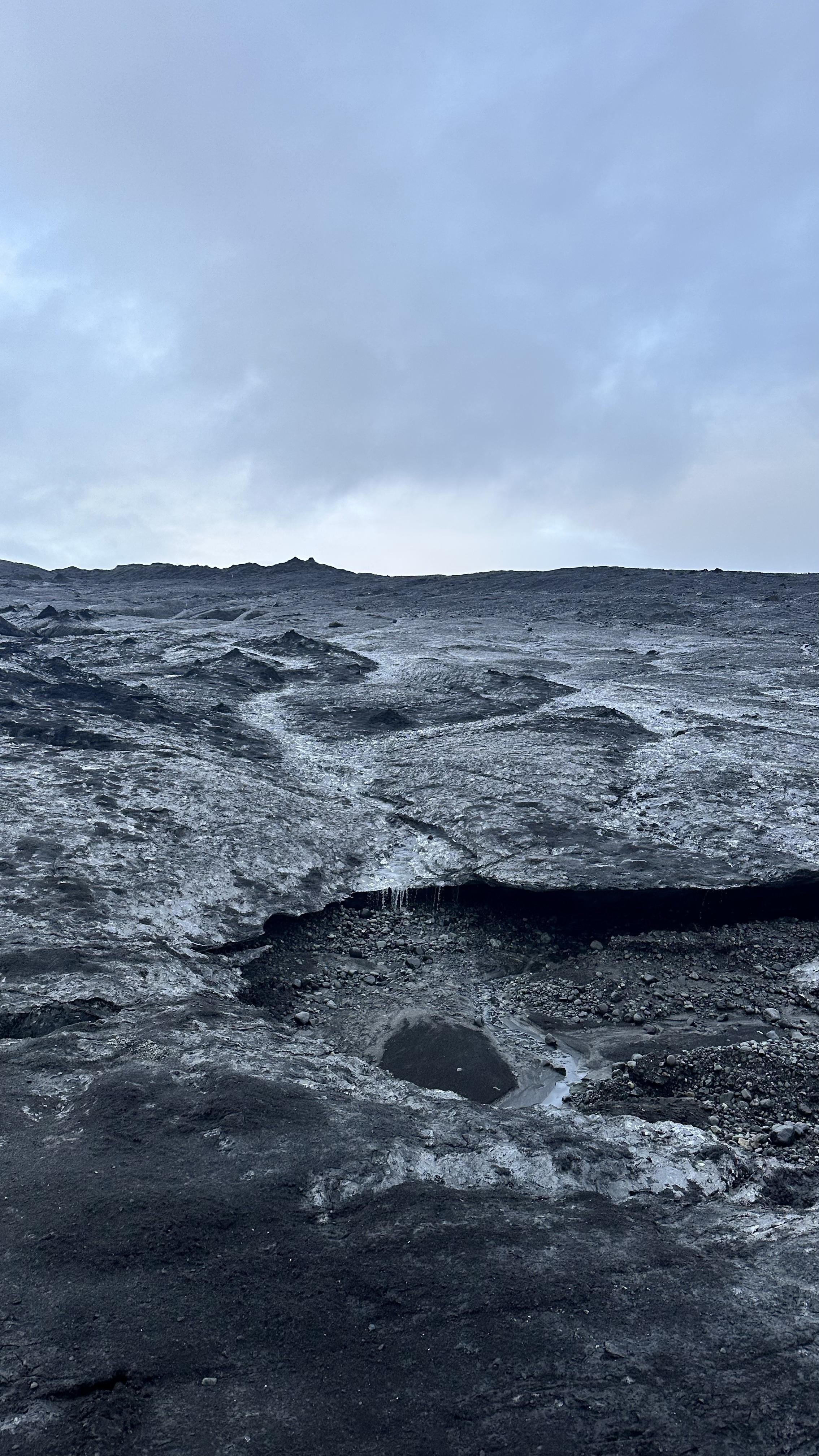
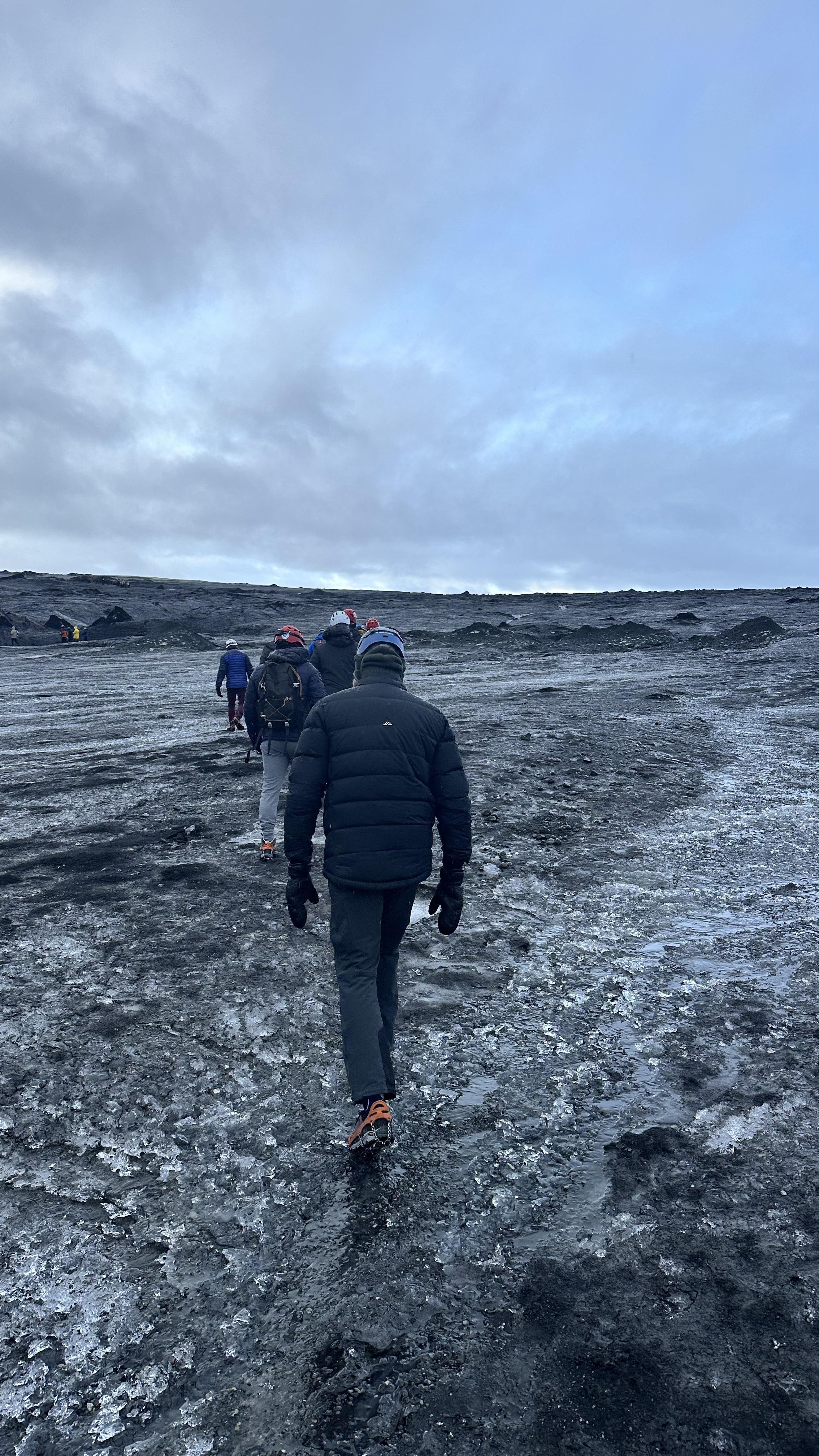
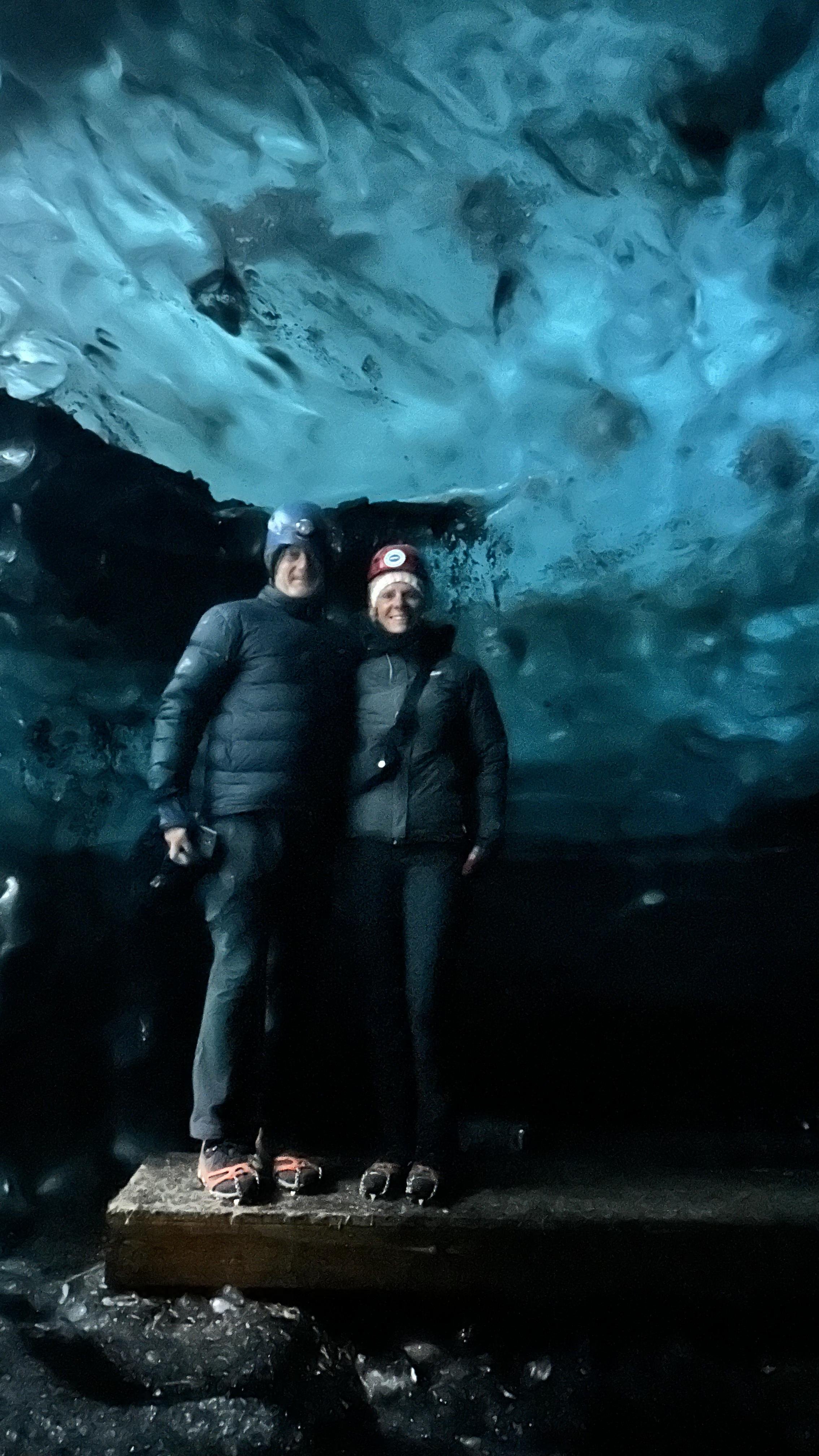
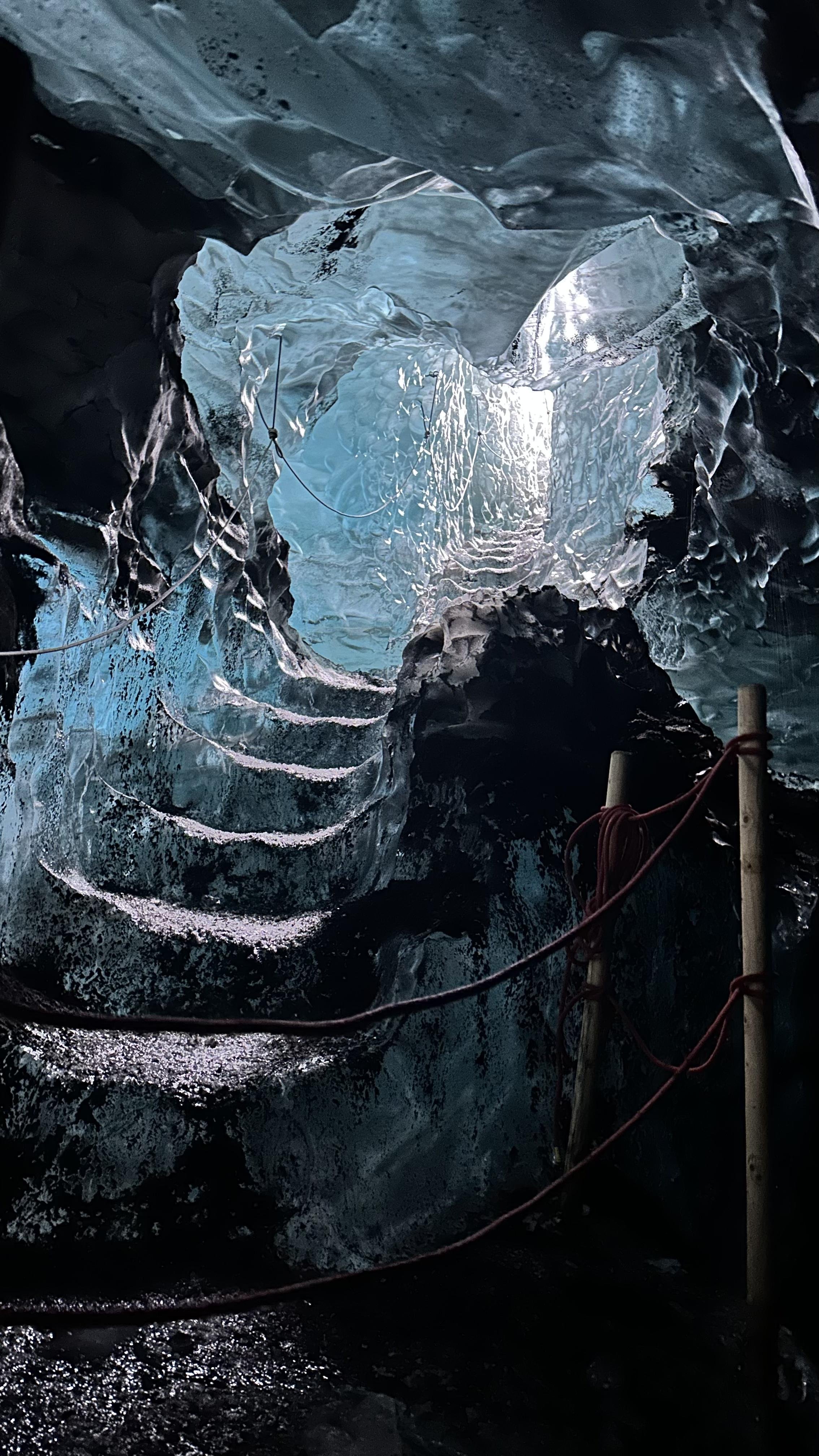
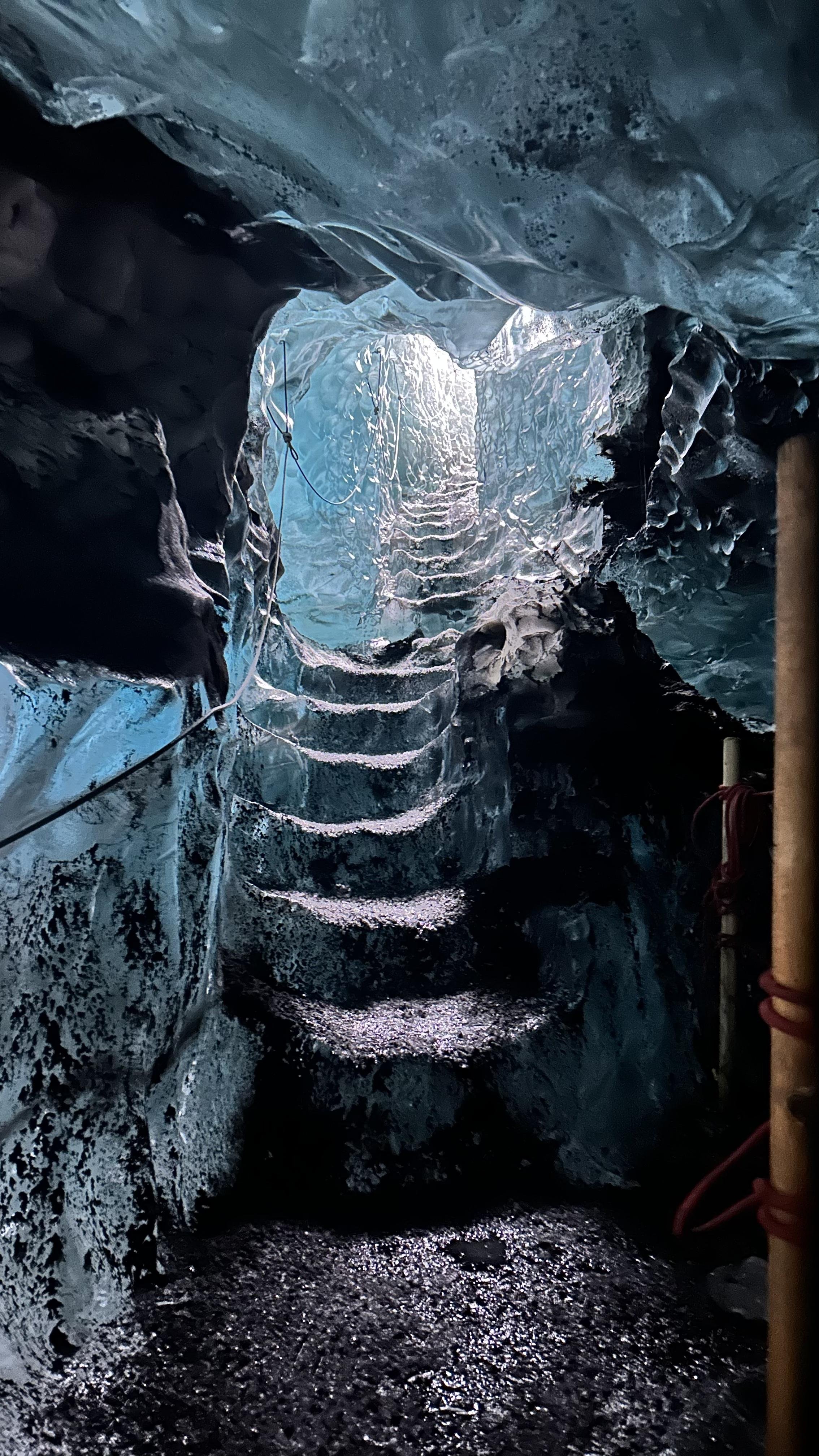
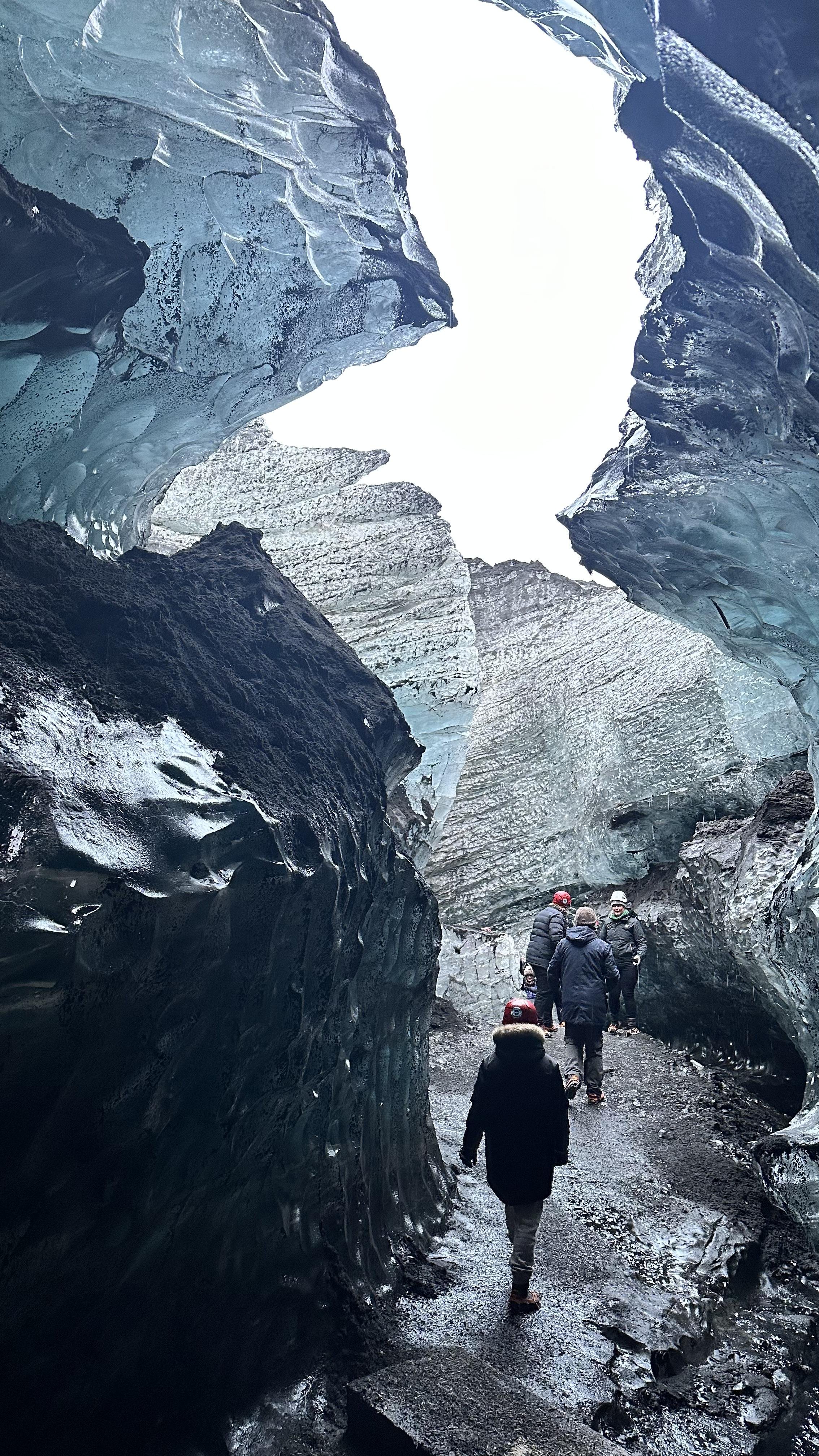
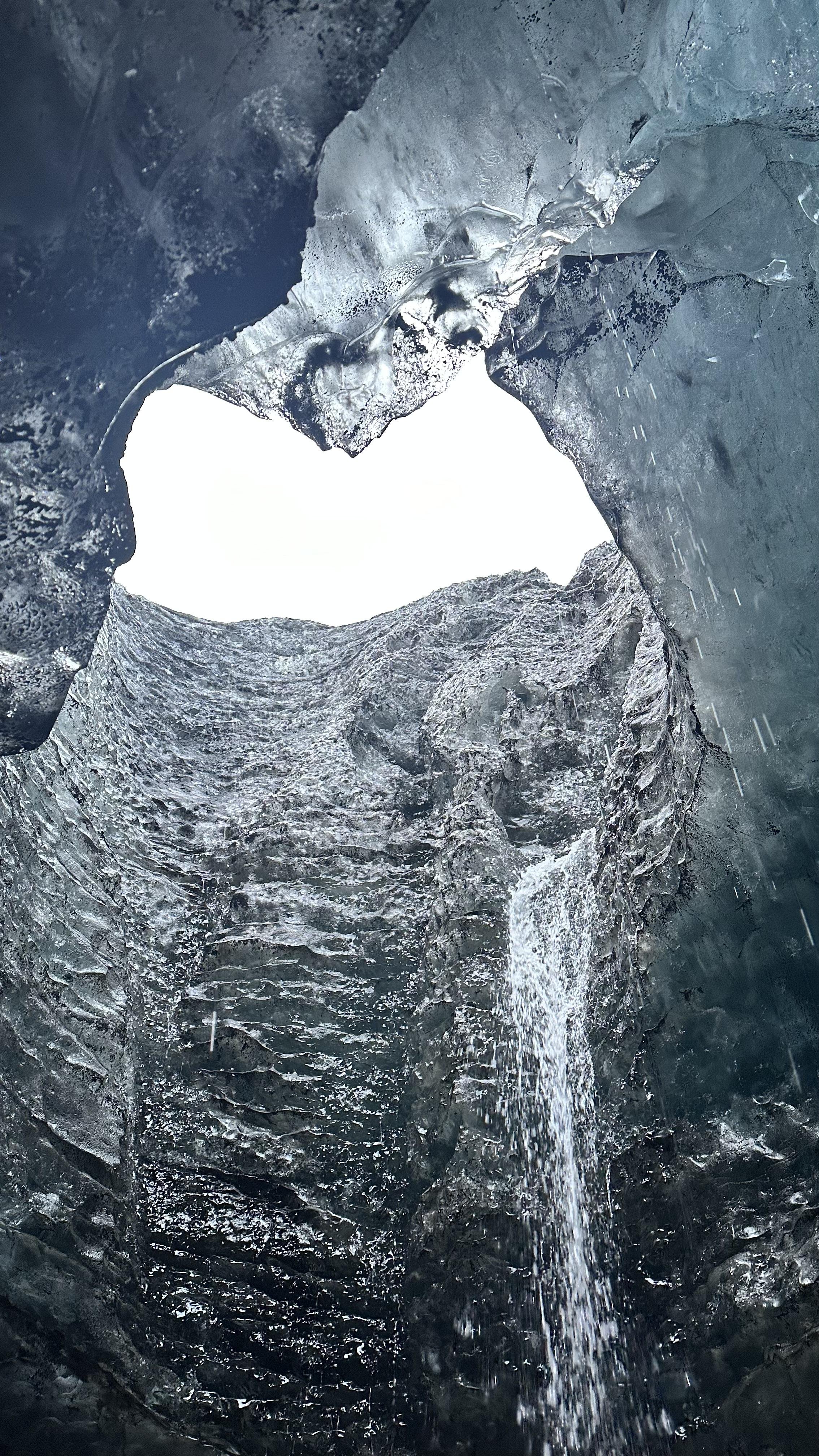
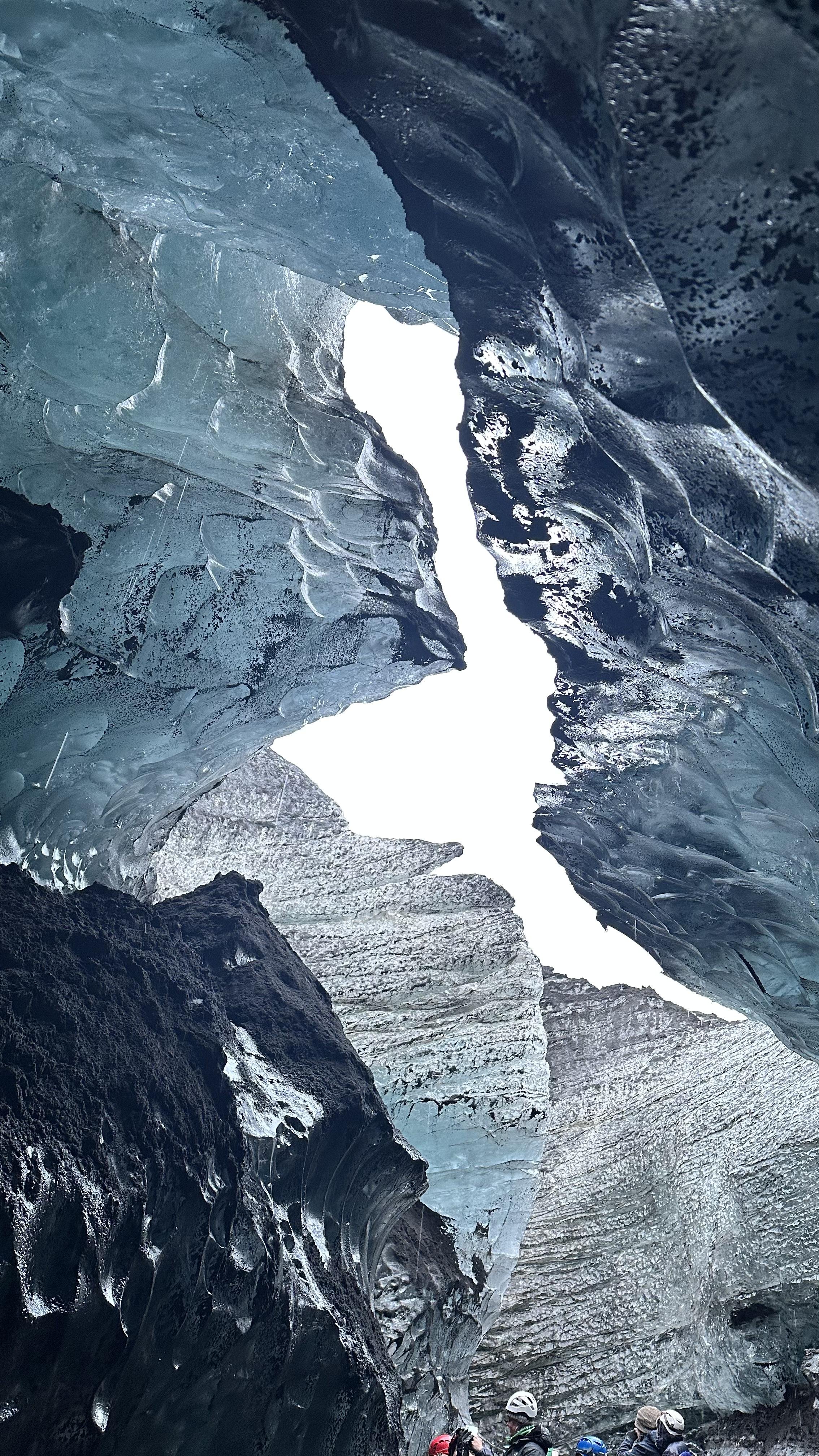
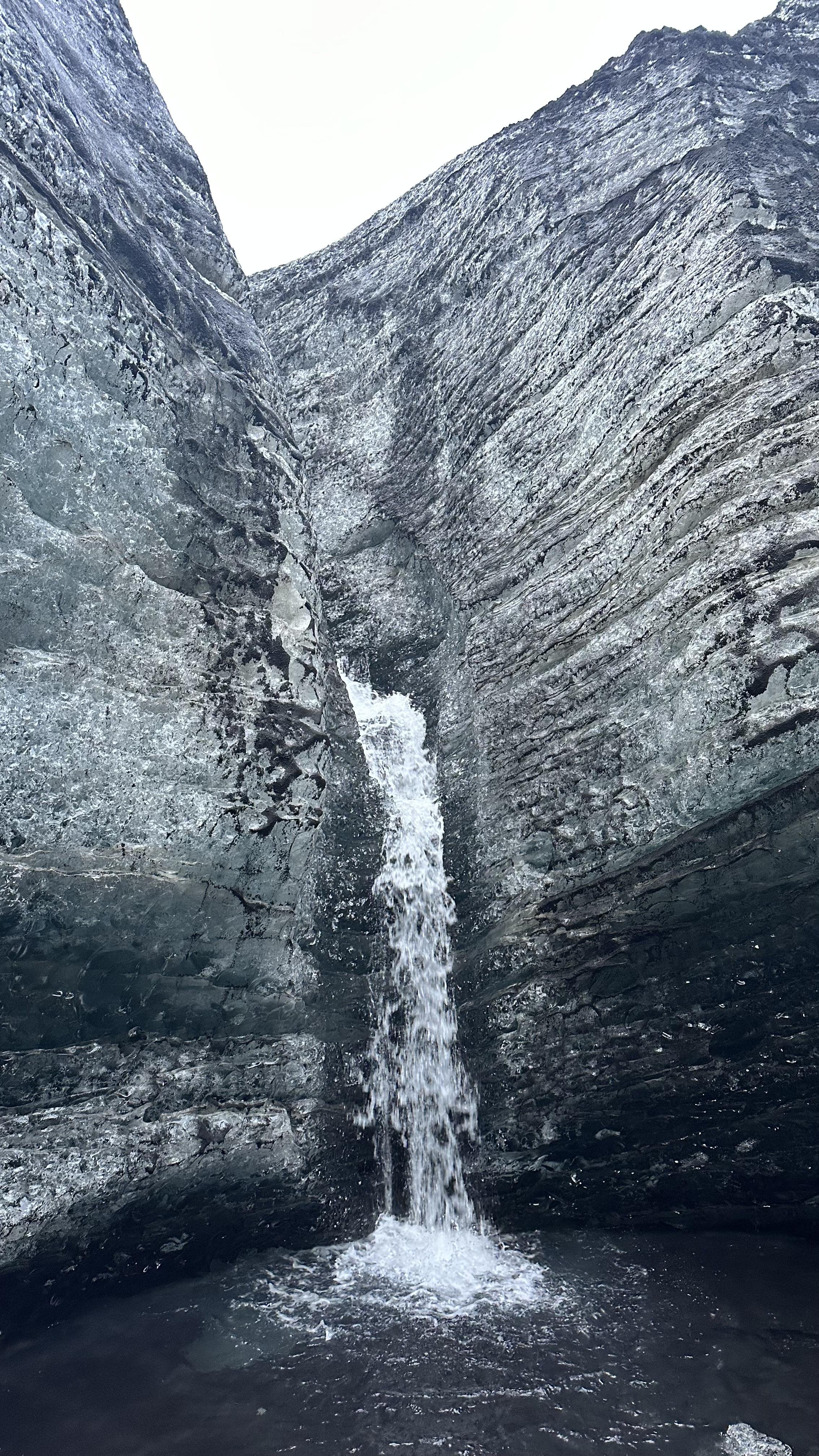
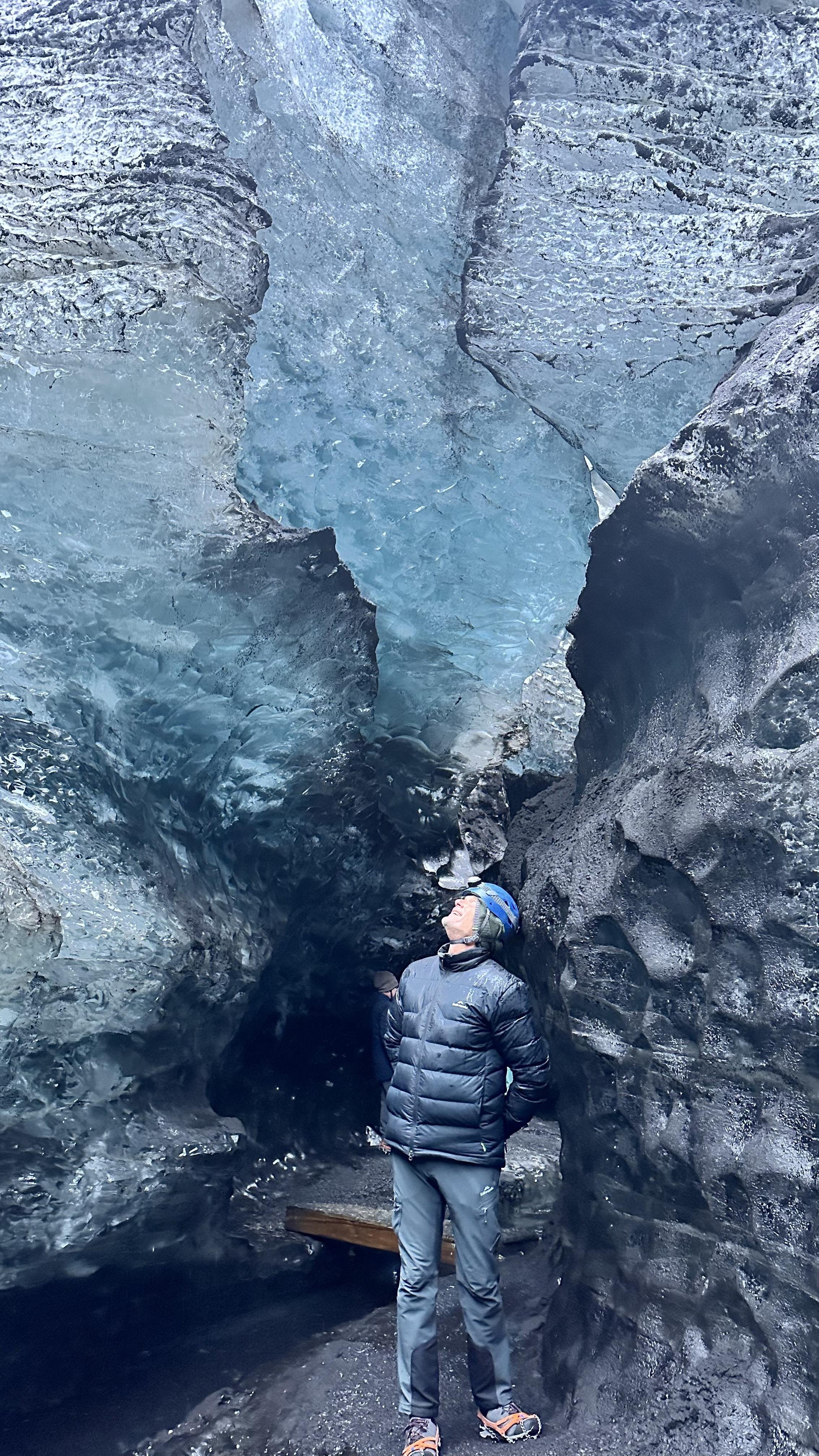
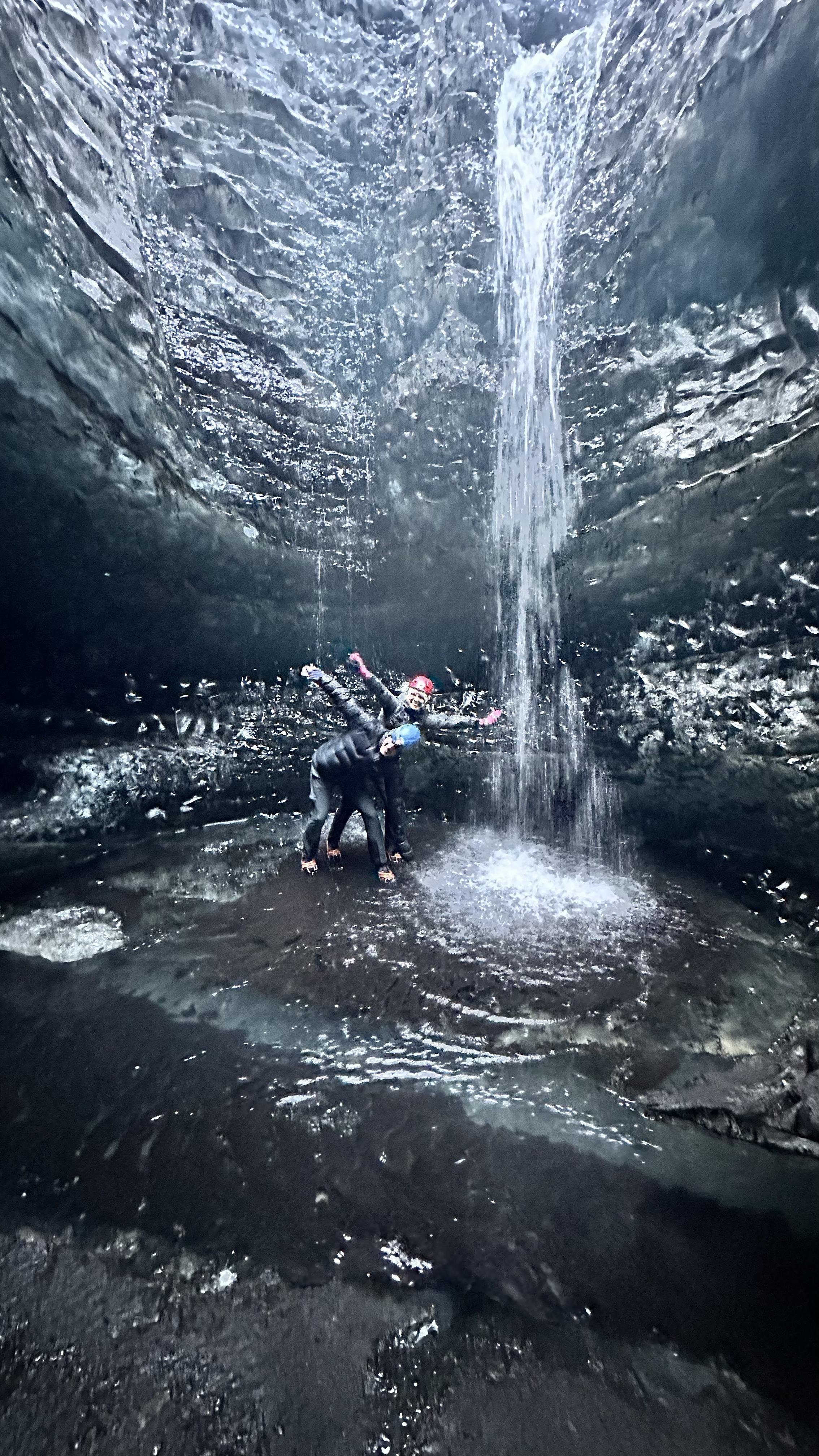
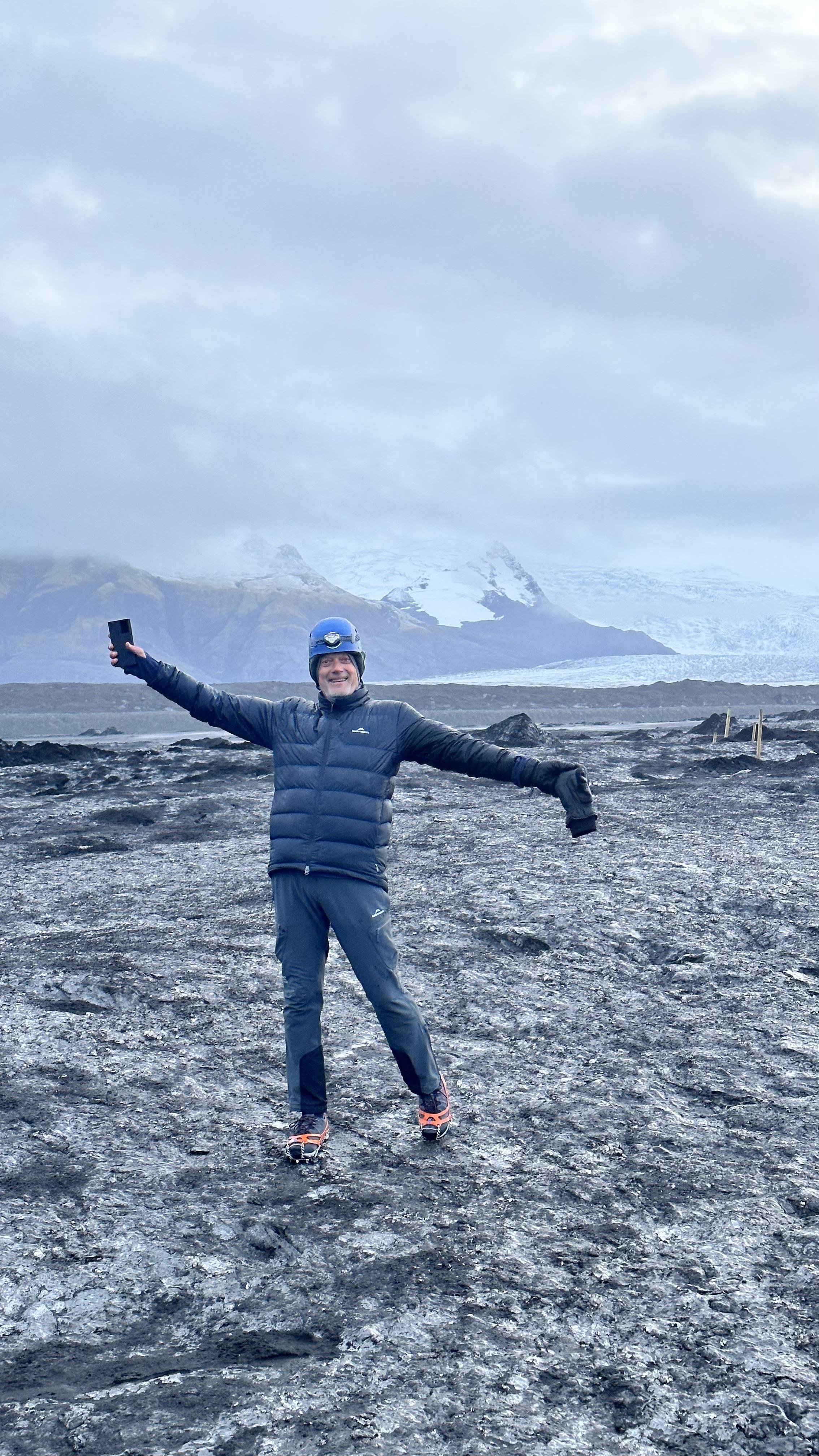
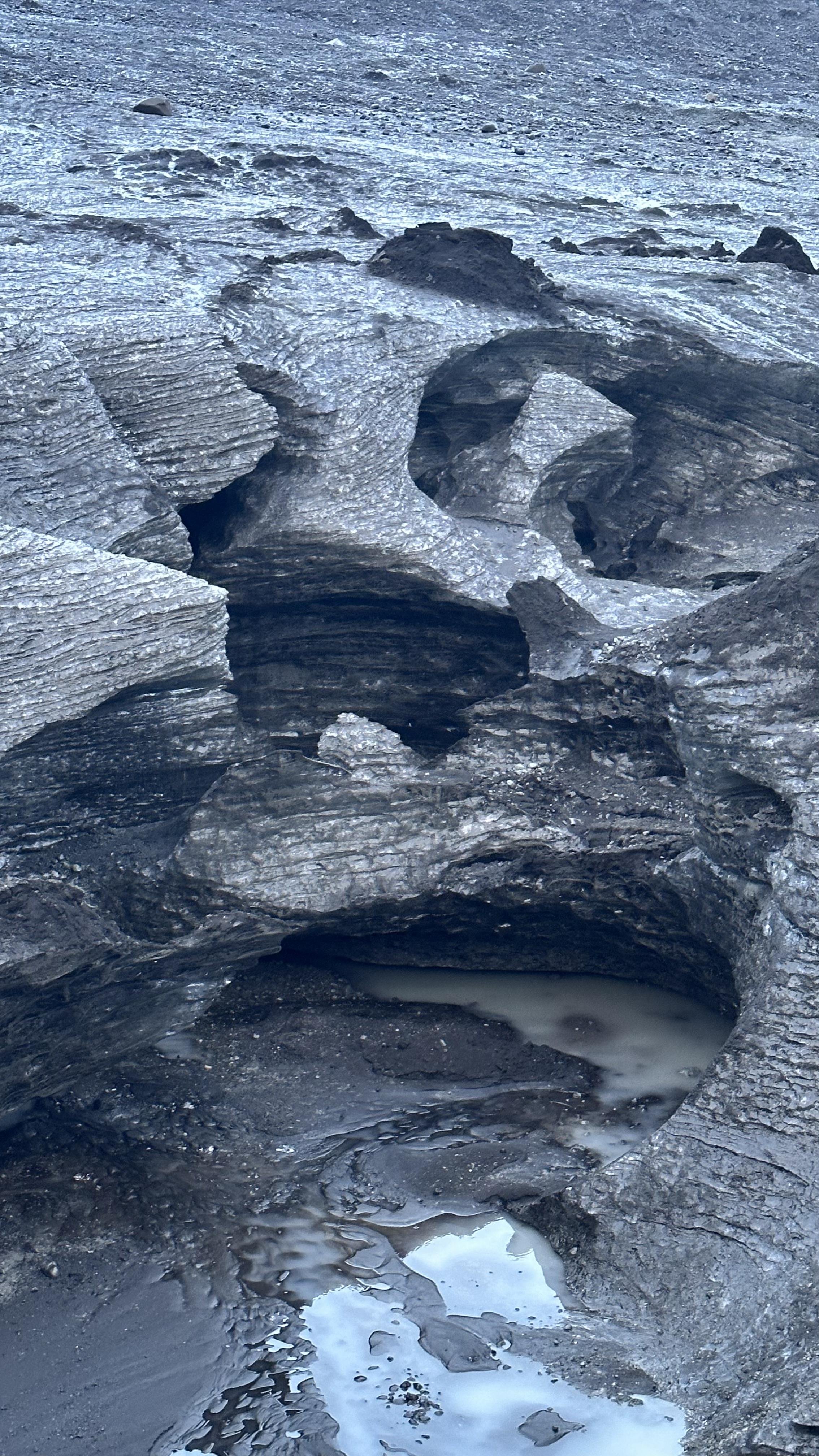
Photo Album: Jökulsárlón Glacier Lagoon
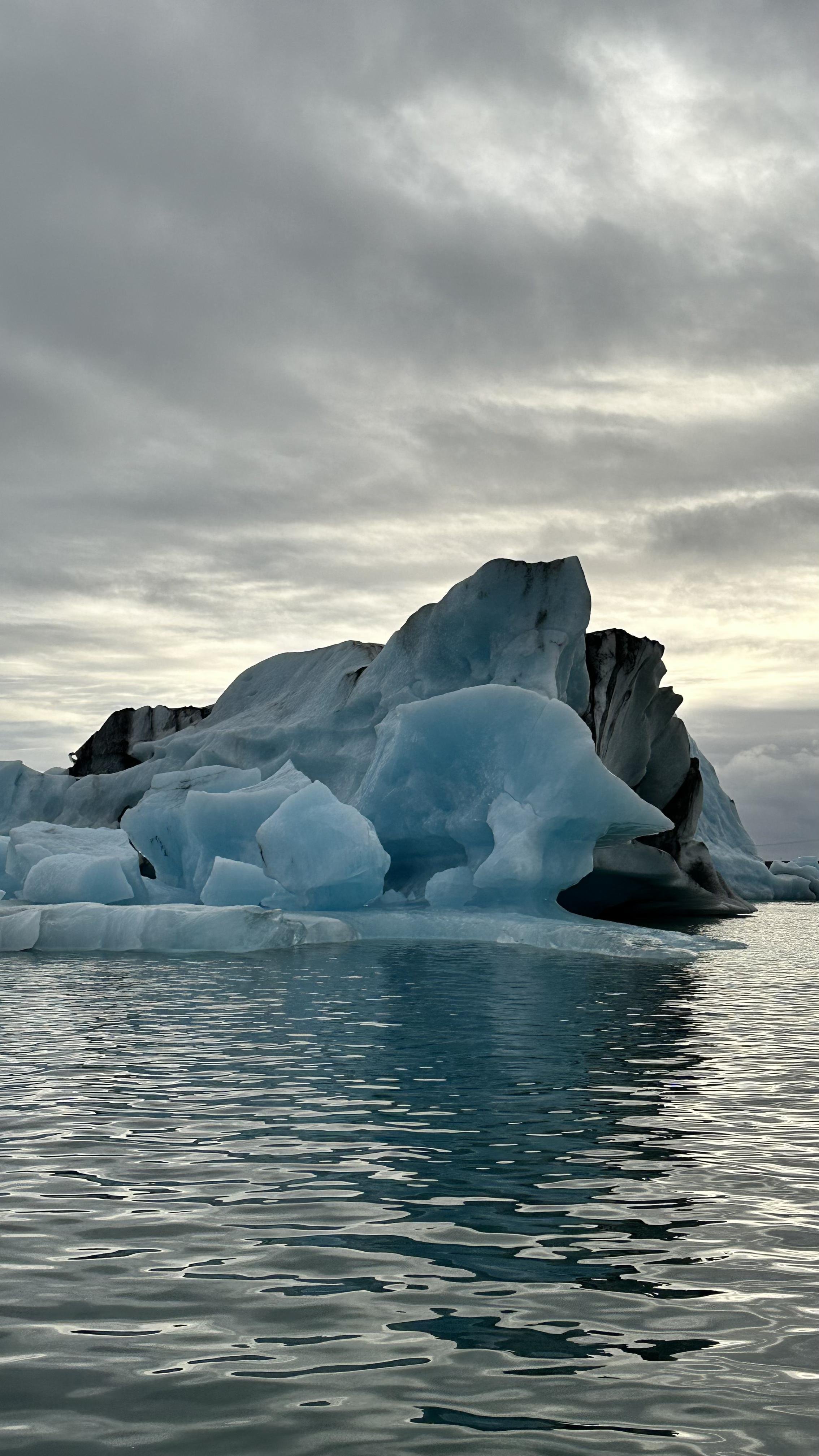


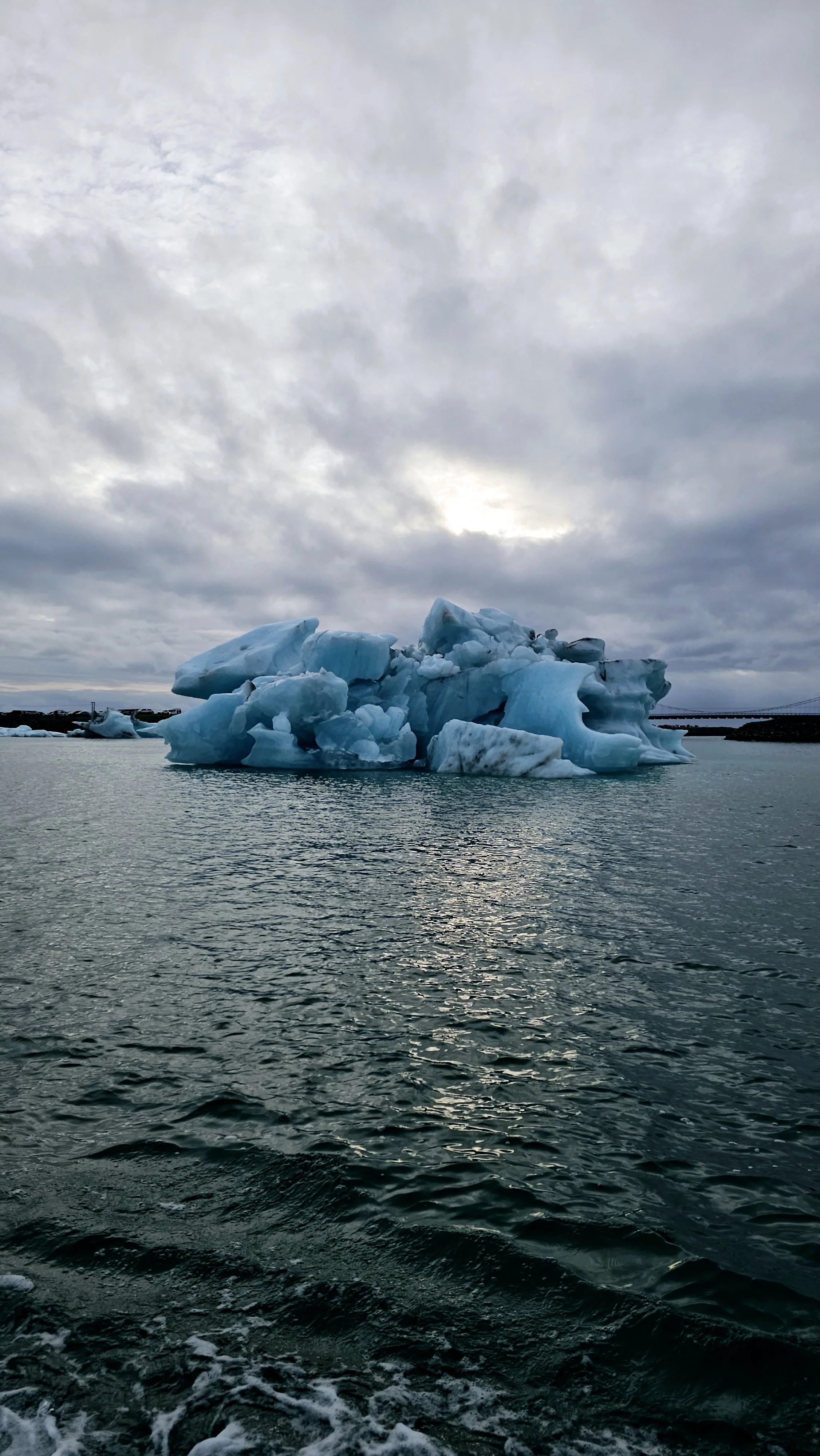


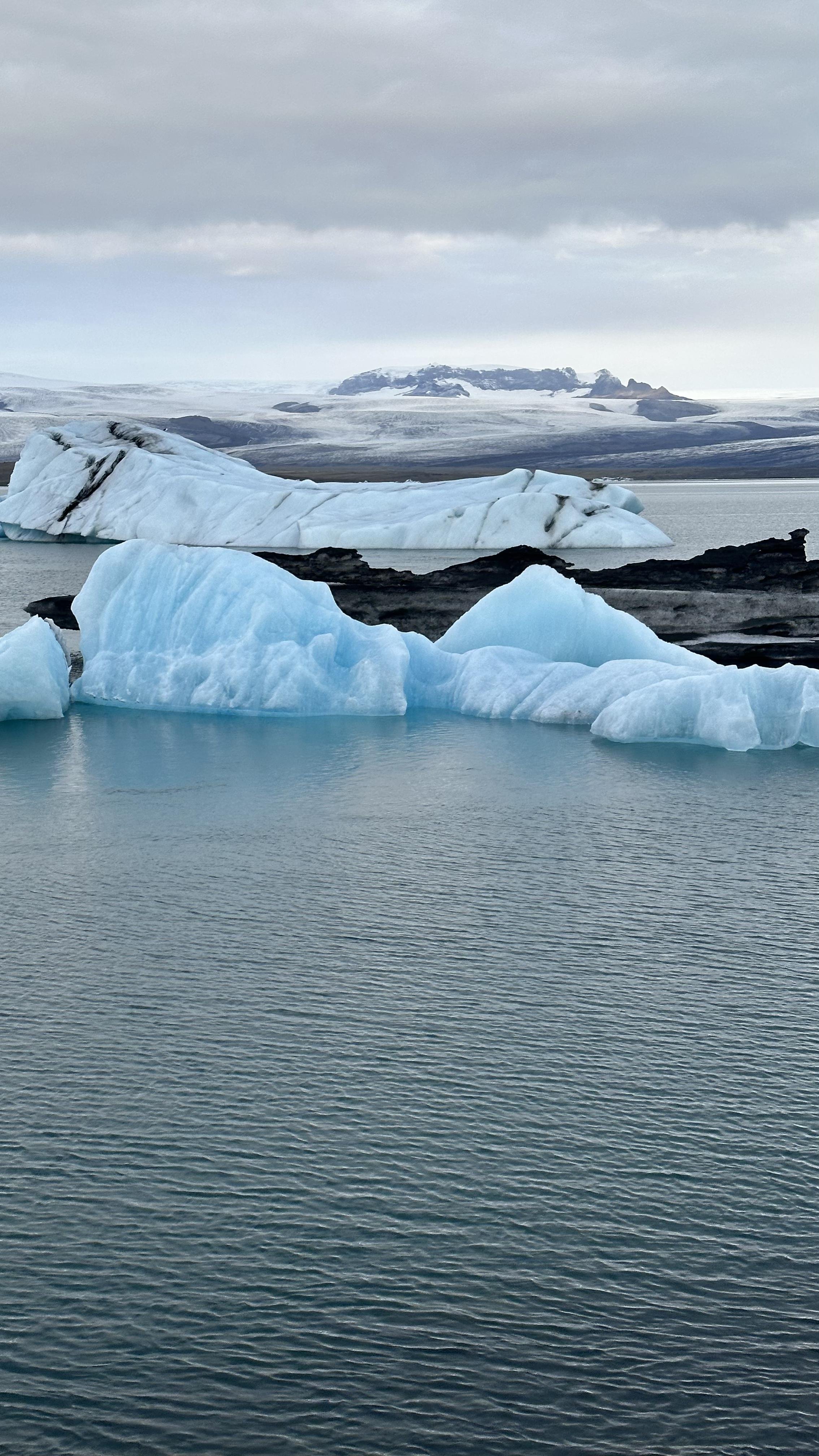
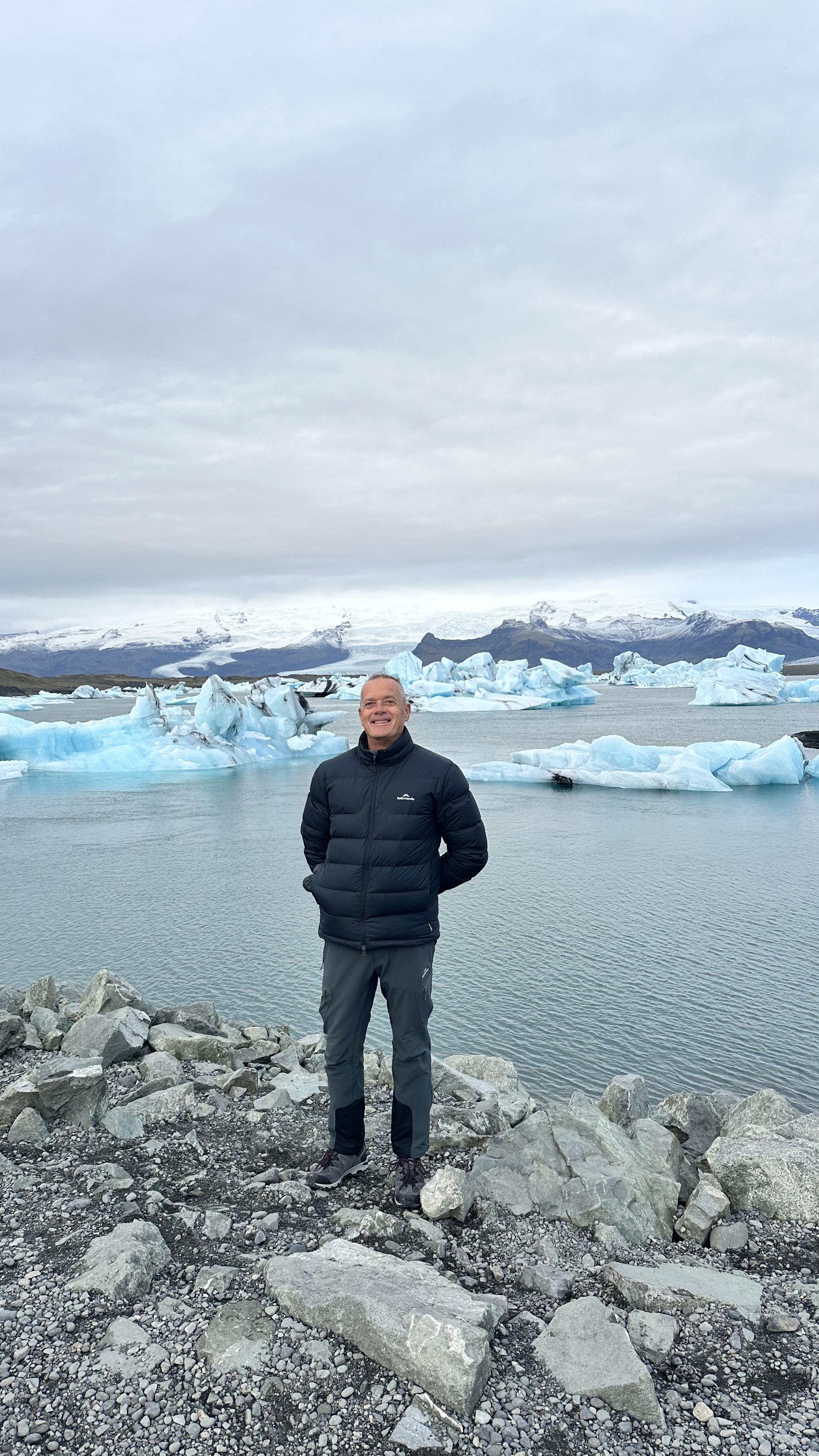
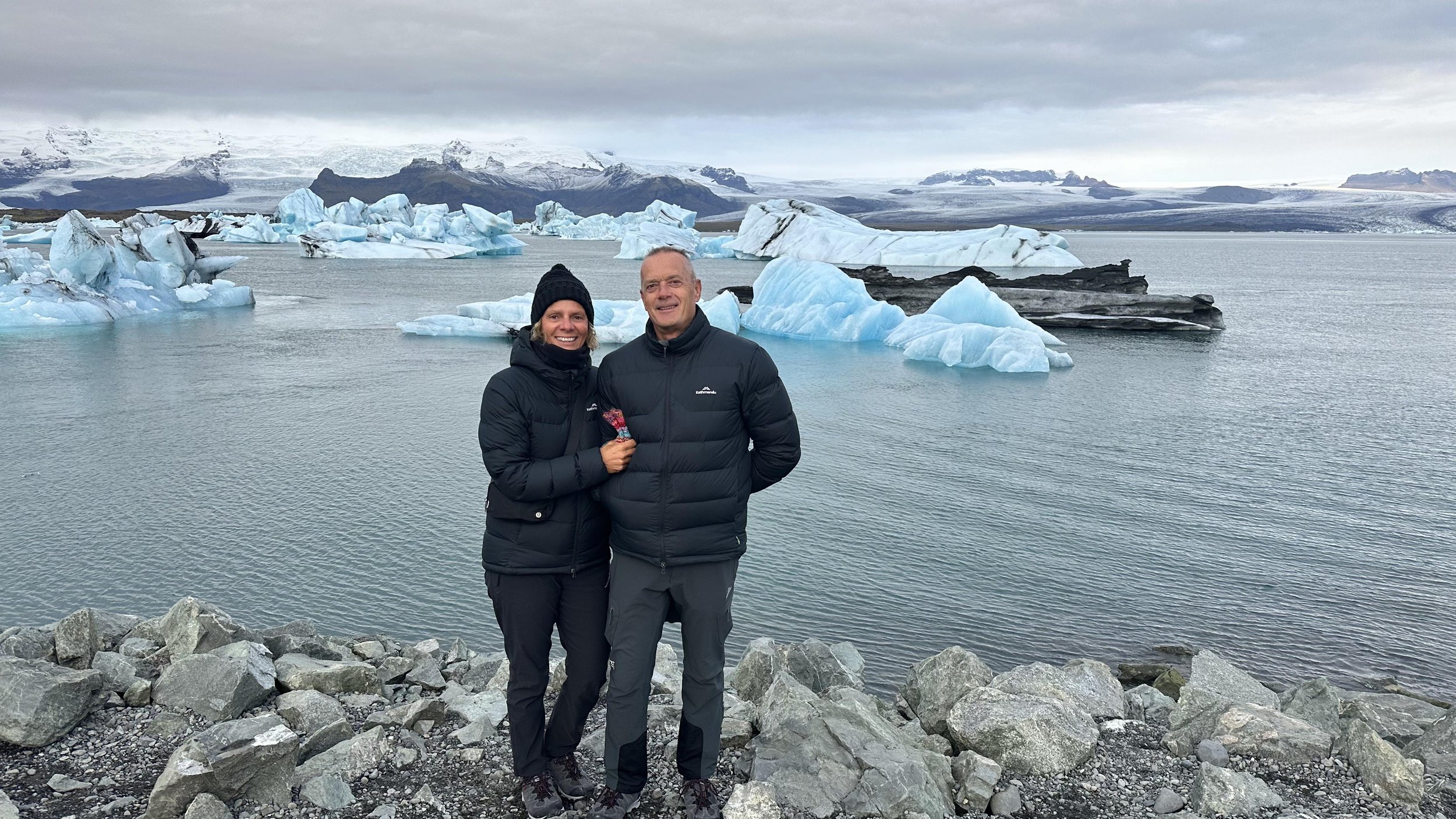
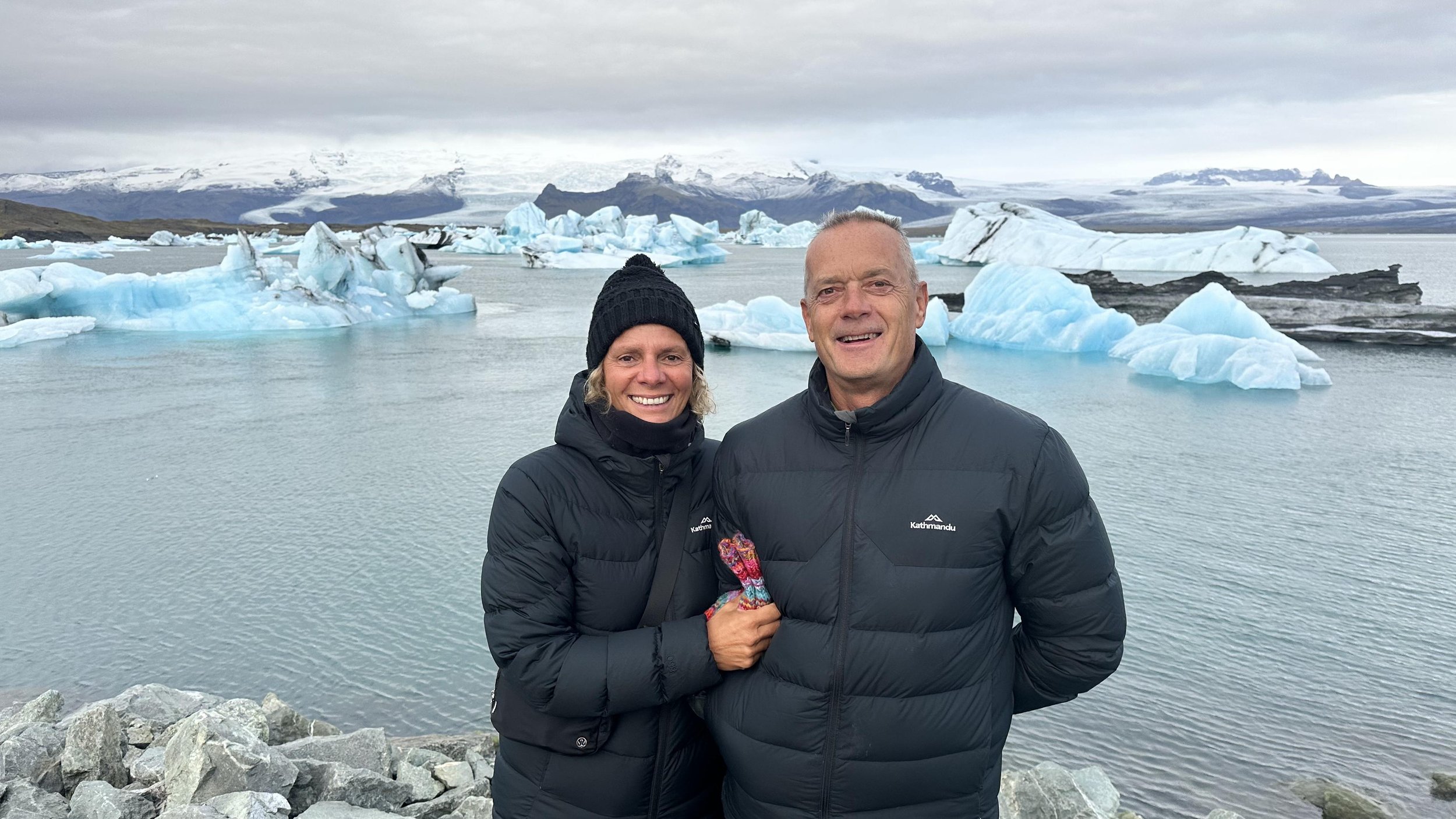
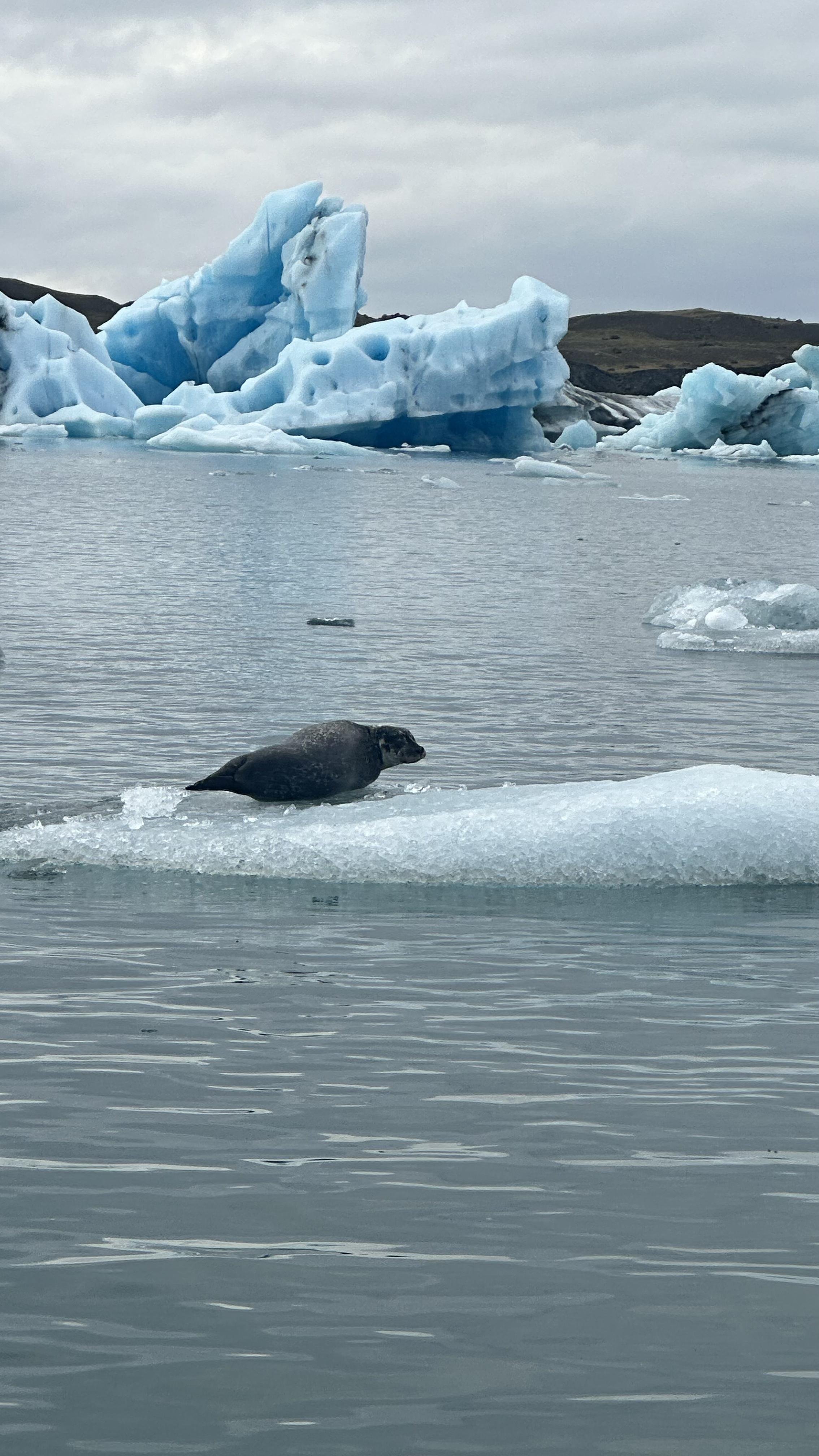
Photo Album: Waterfalls
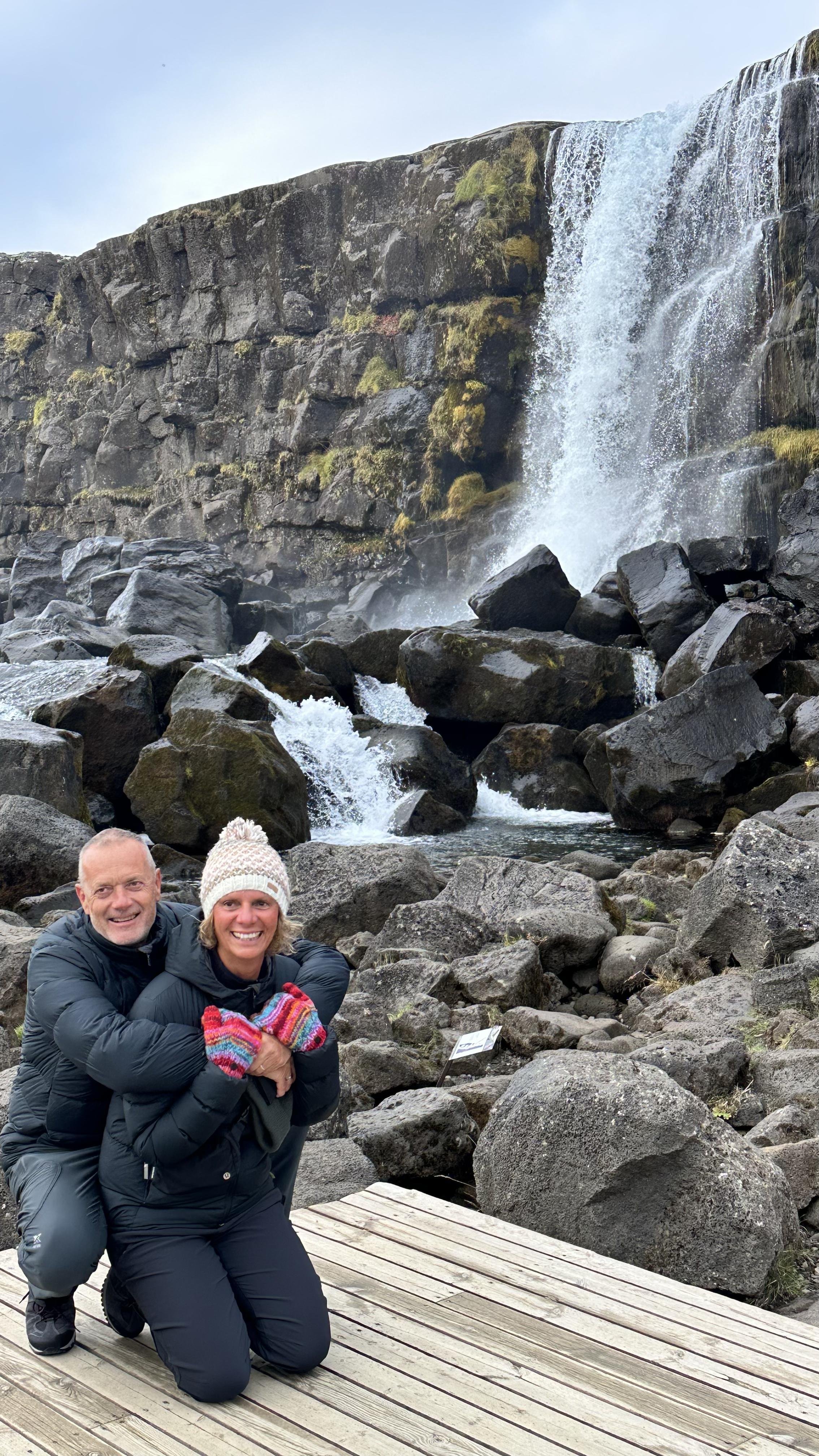
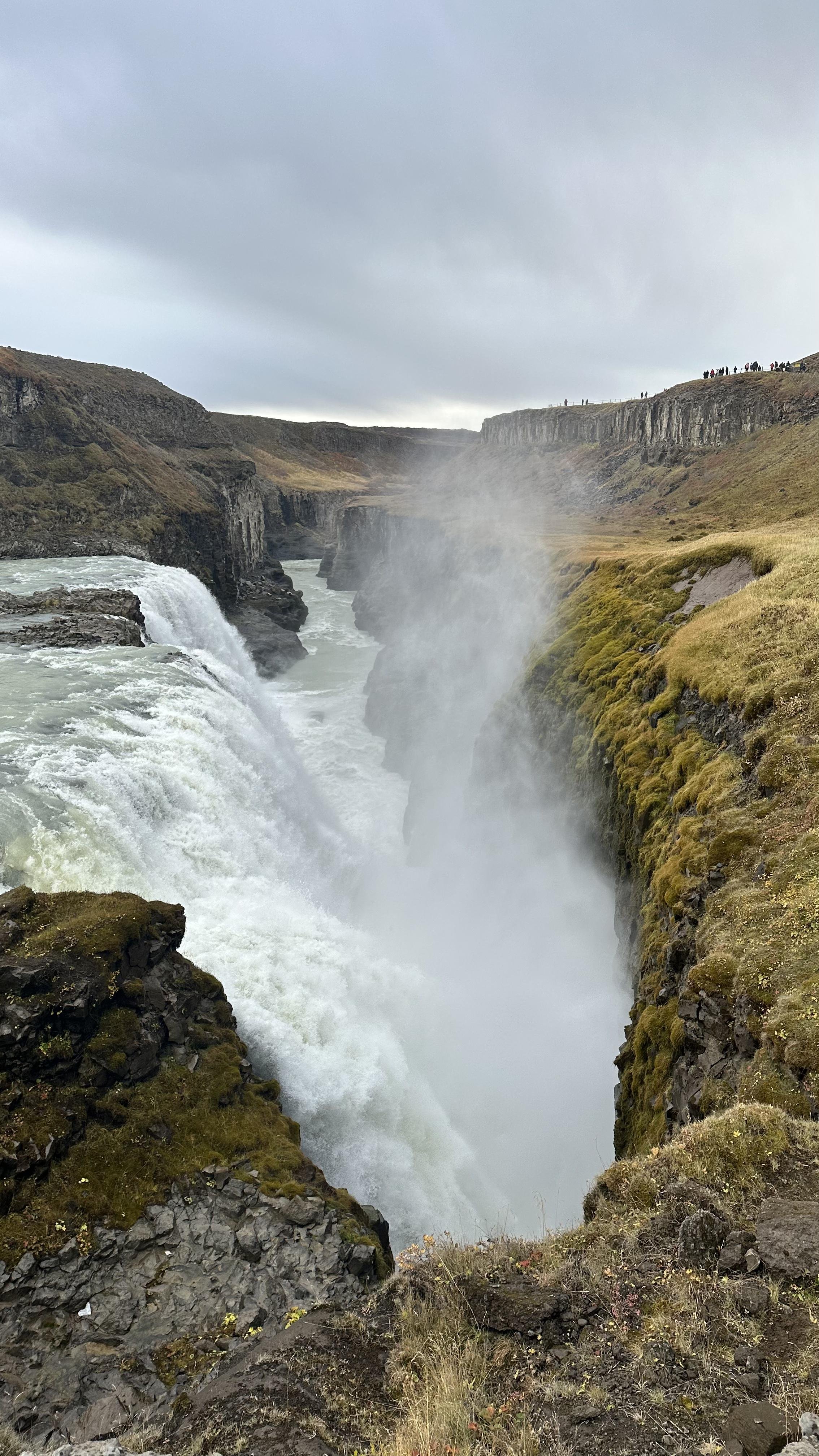
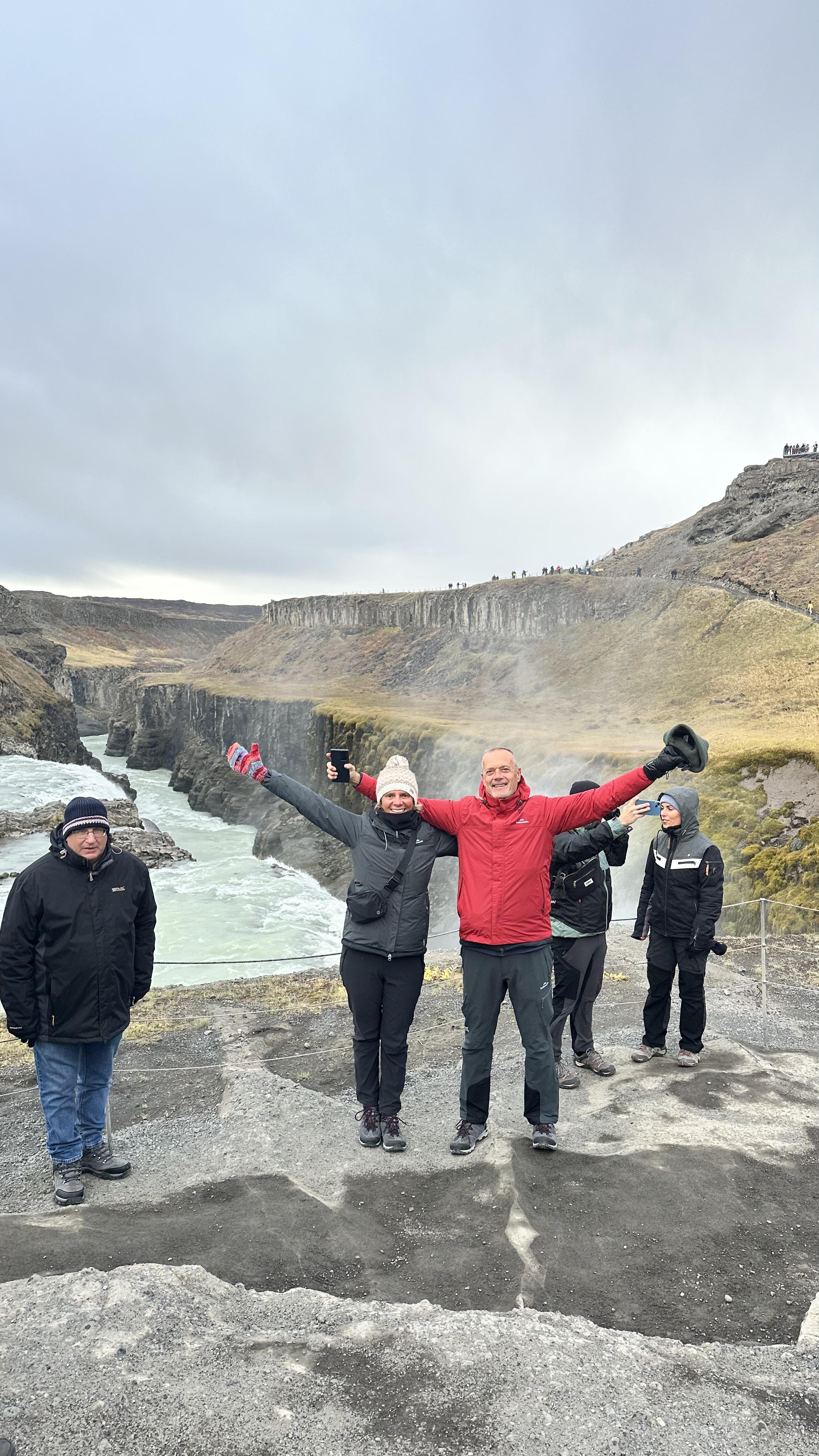
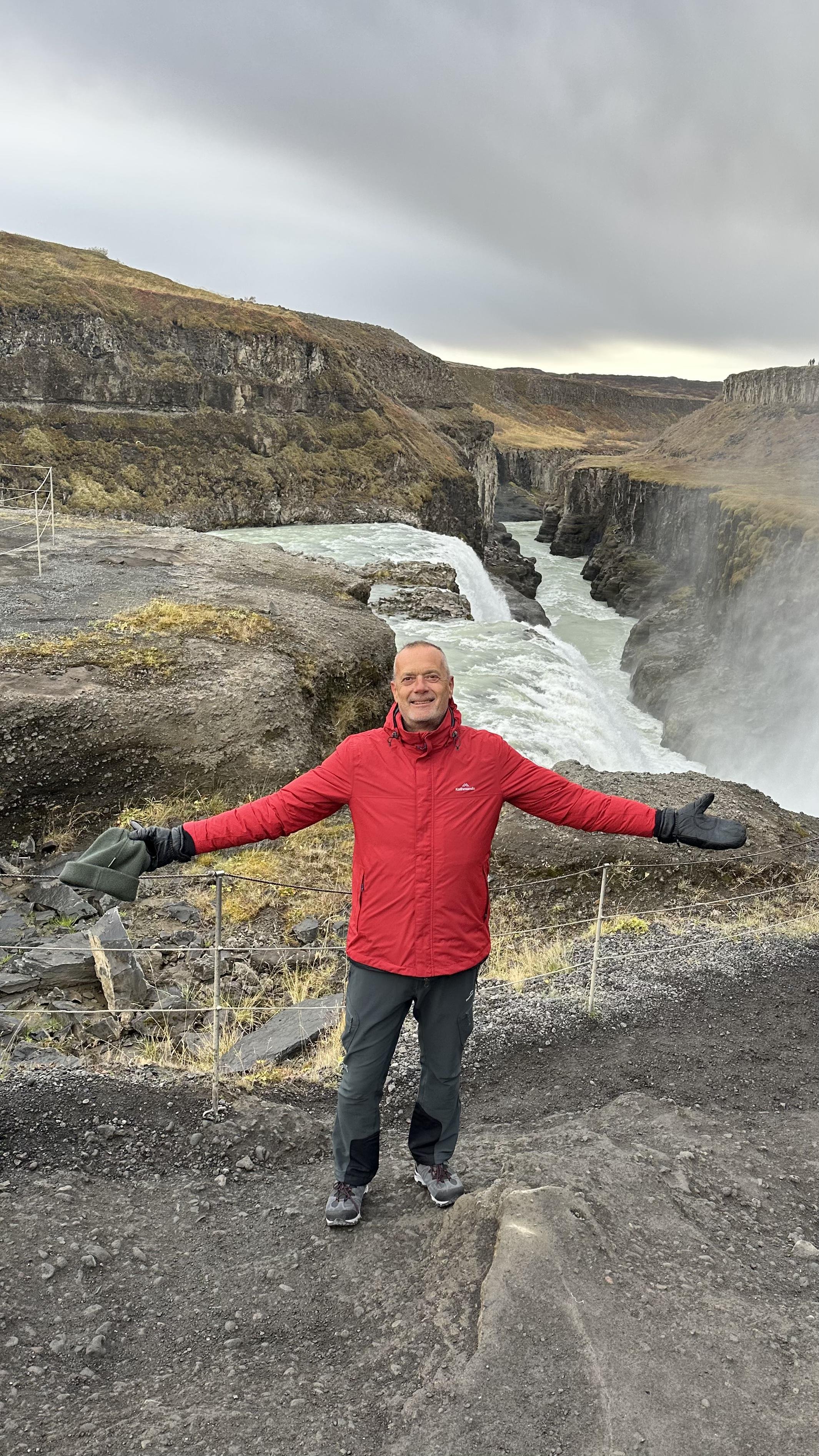
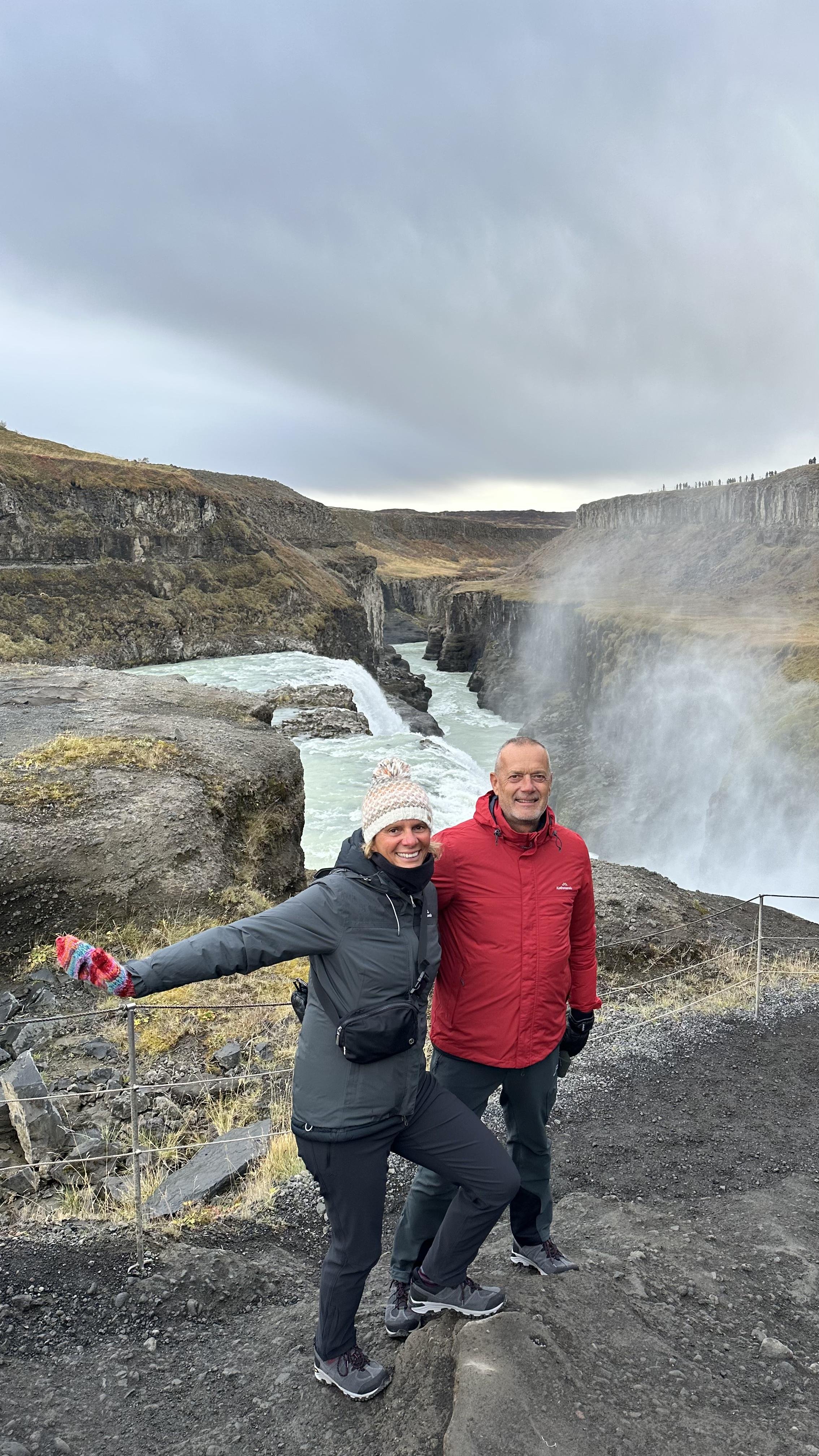
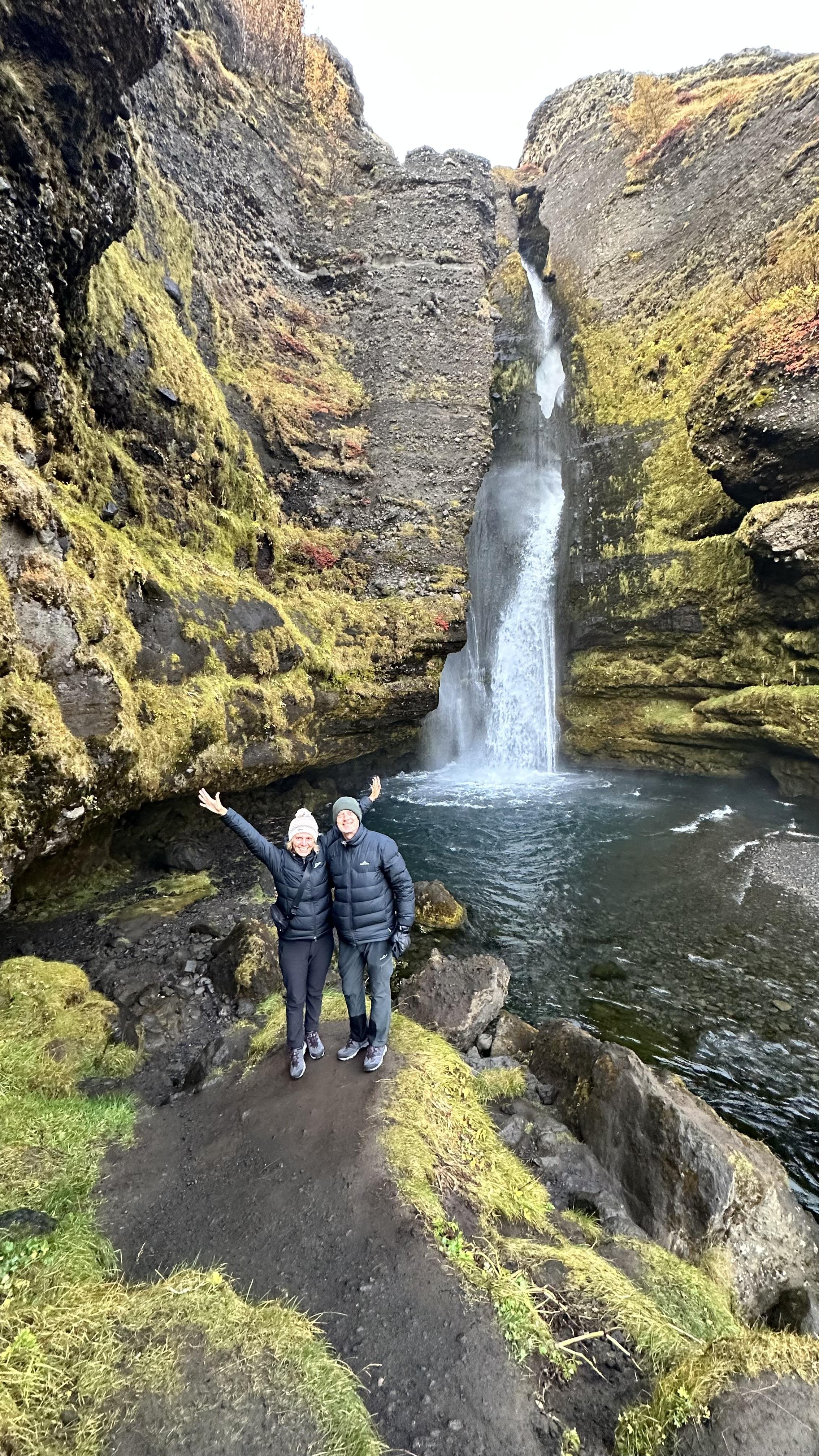
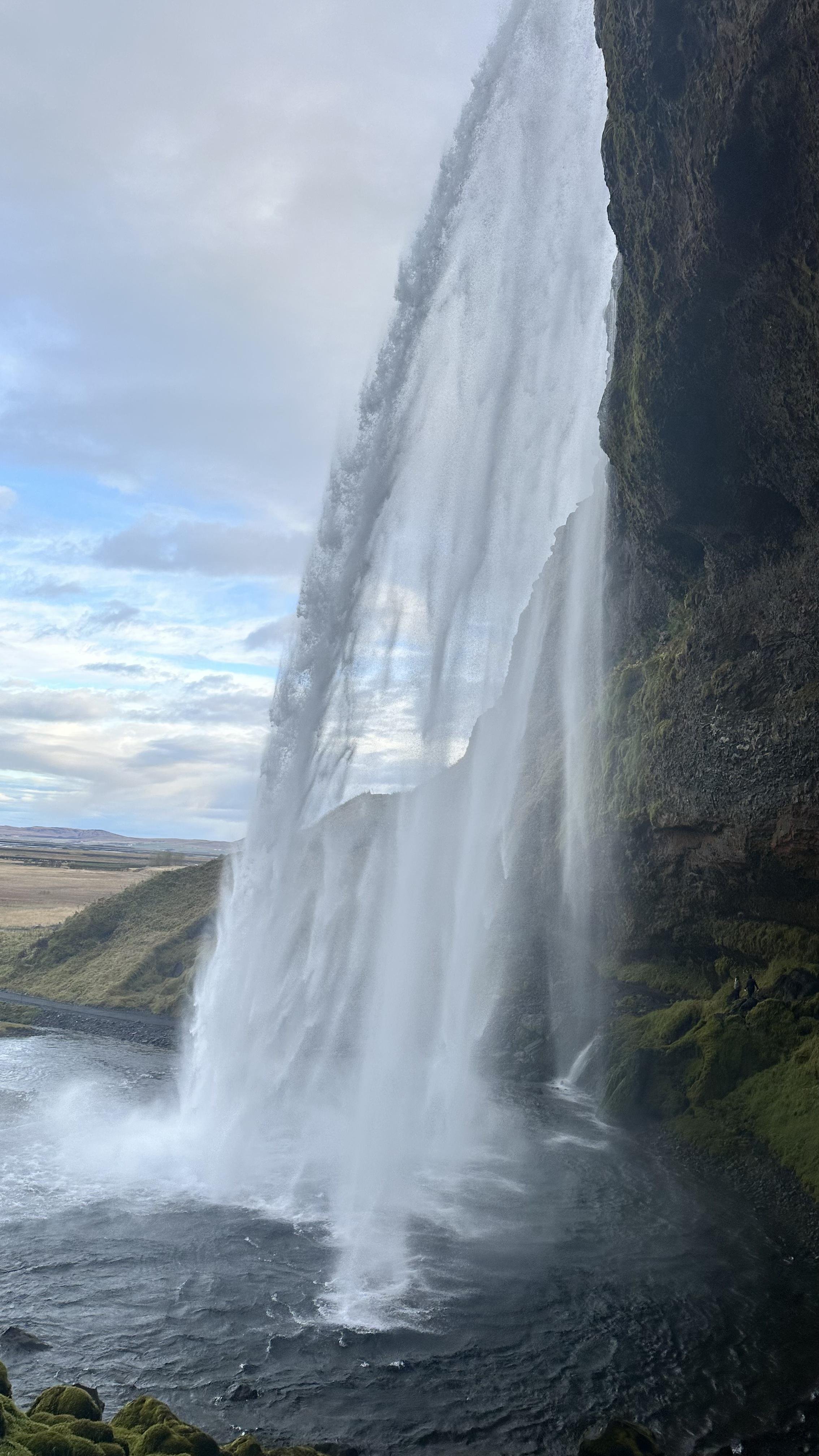
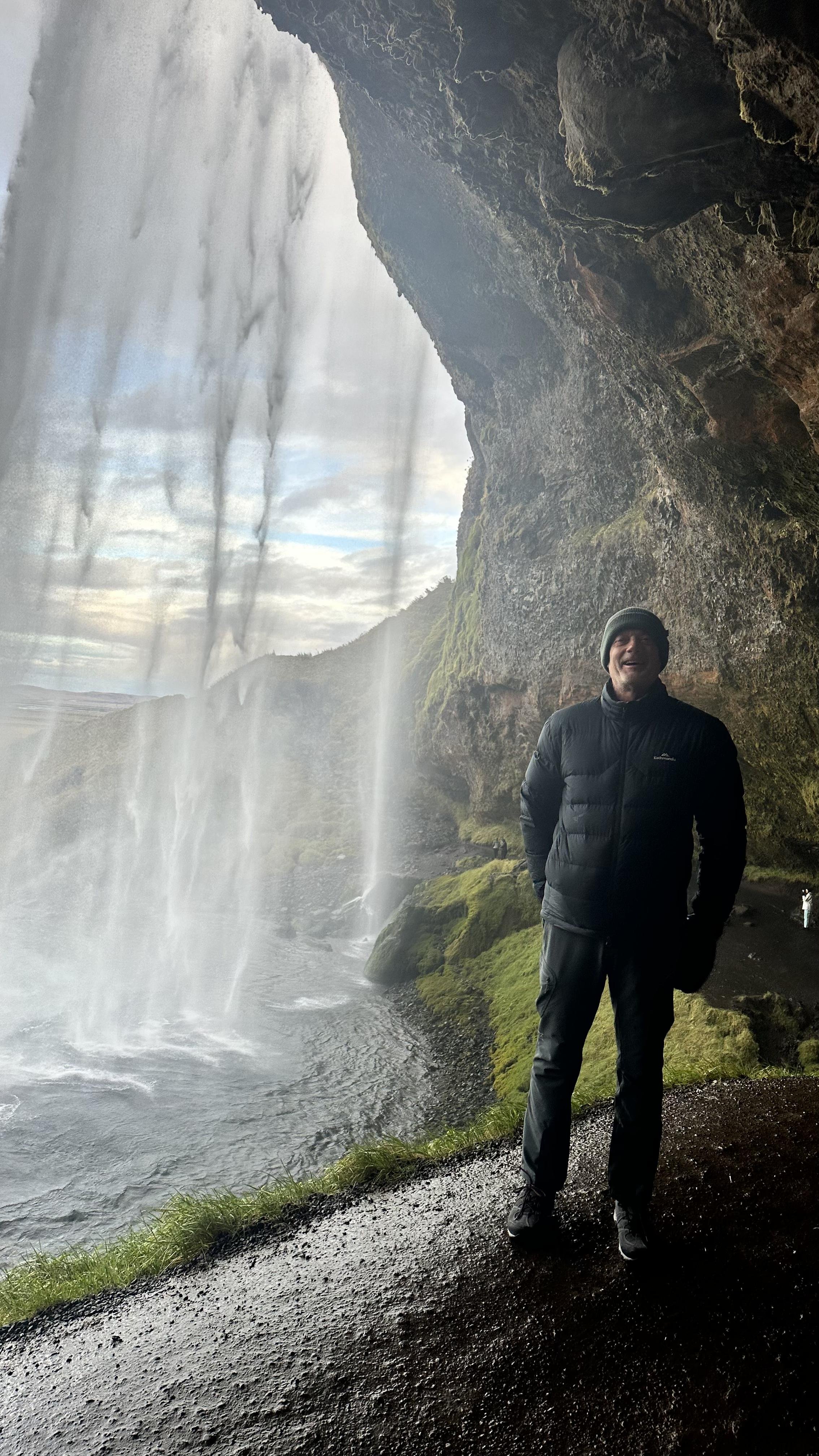


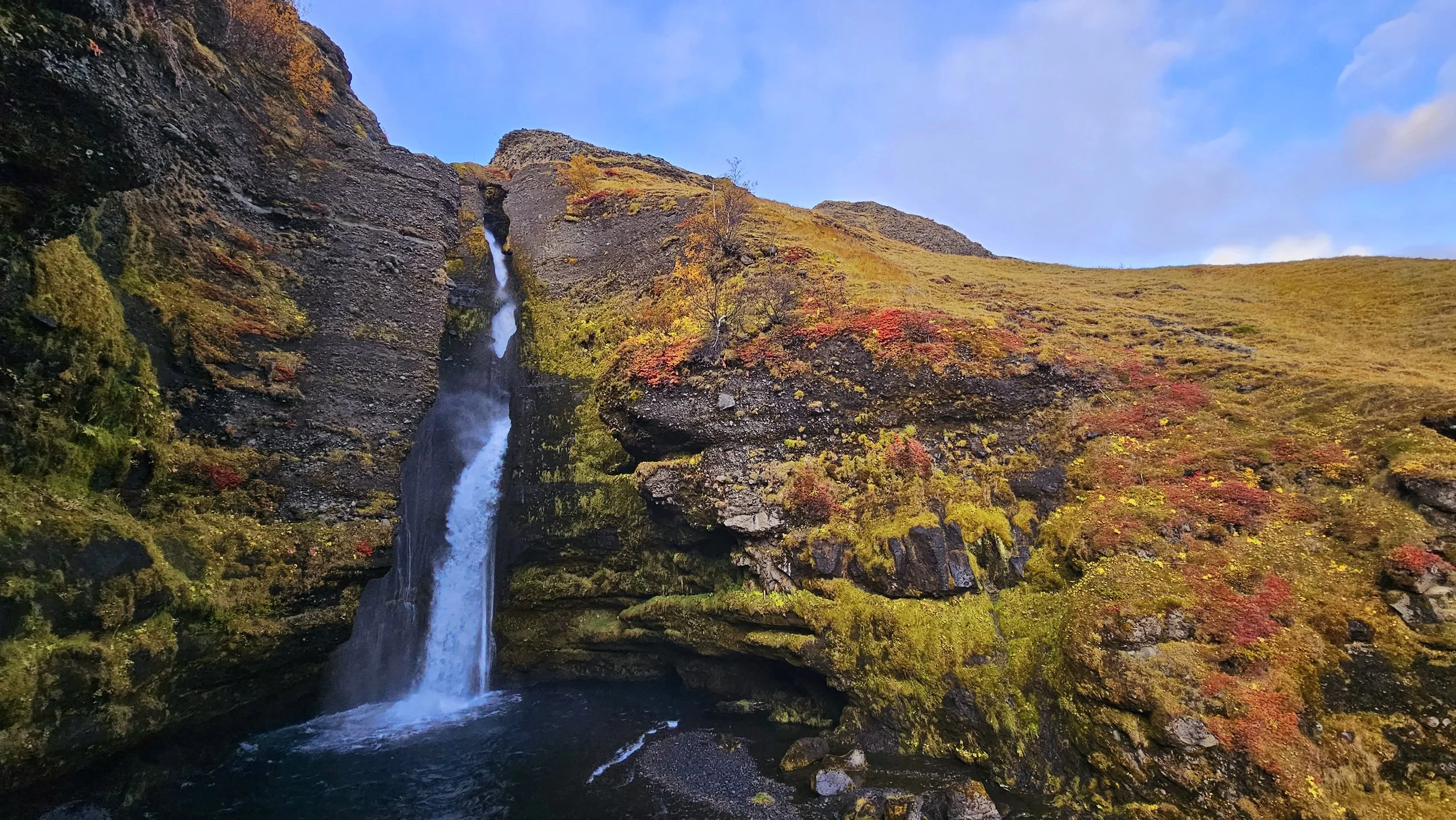


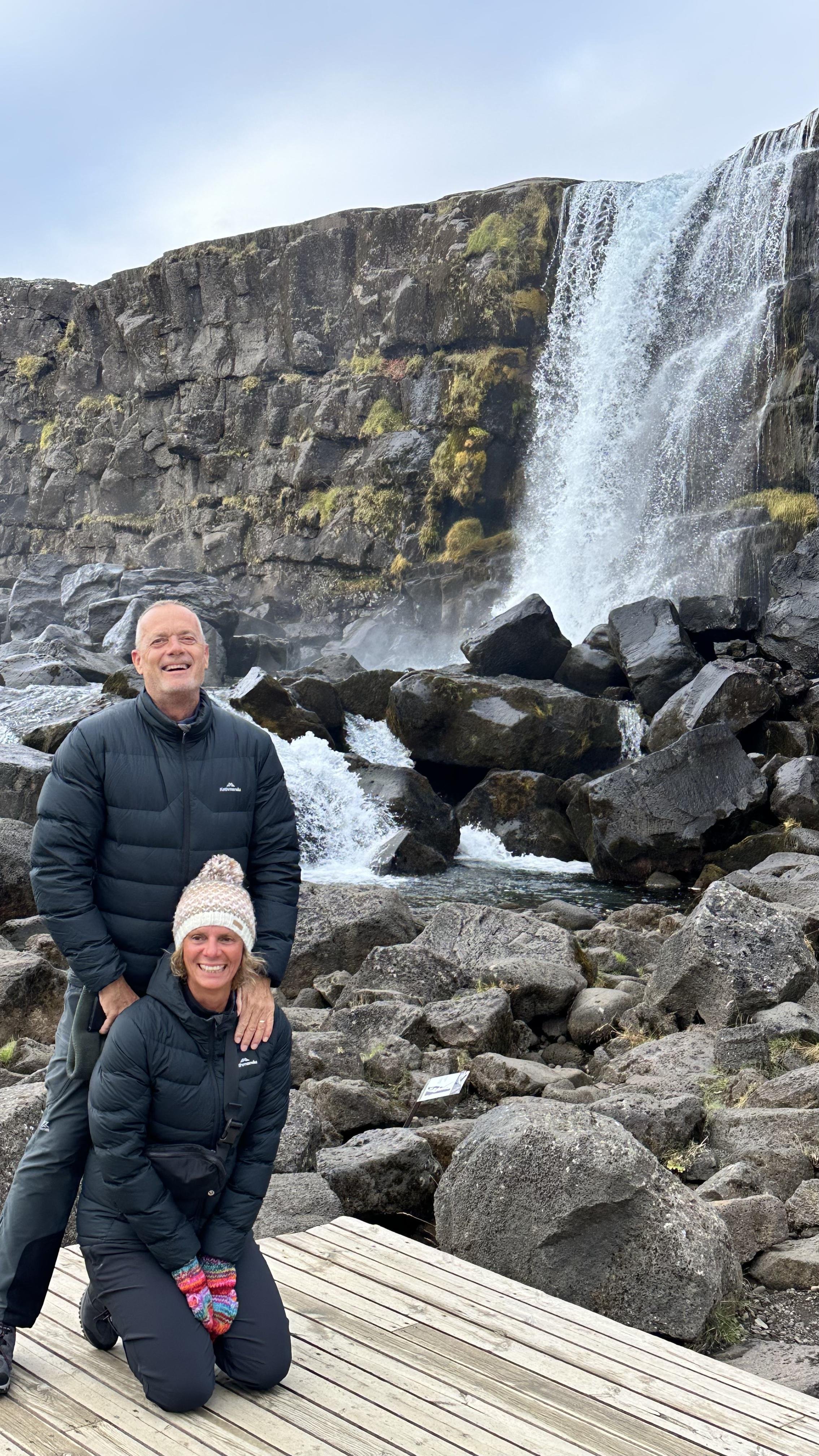
Photo Album: Reynisfjara - Black Beach (Games of Thrones series set)
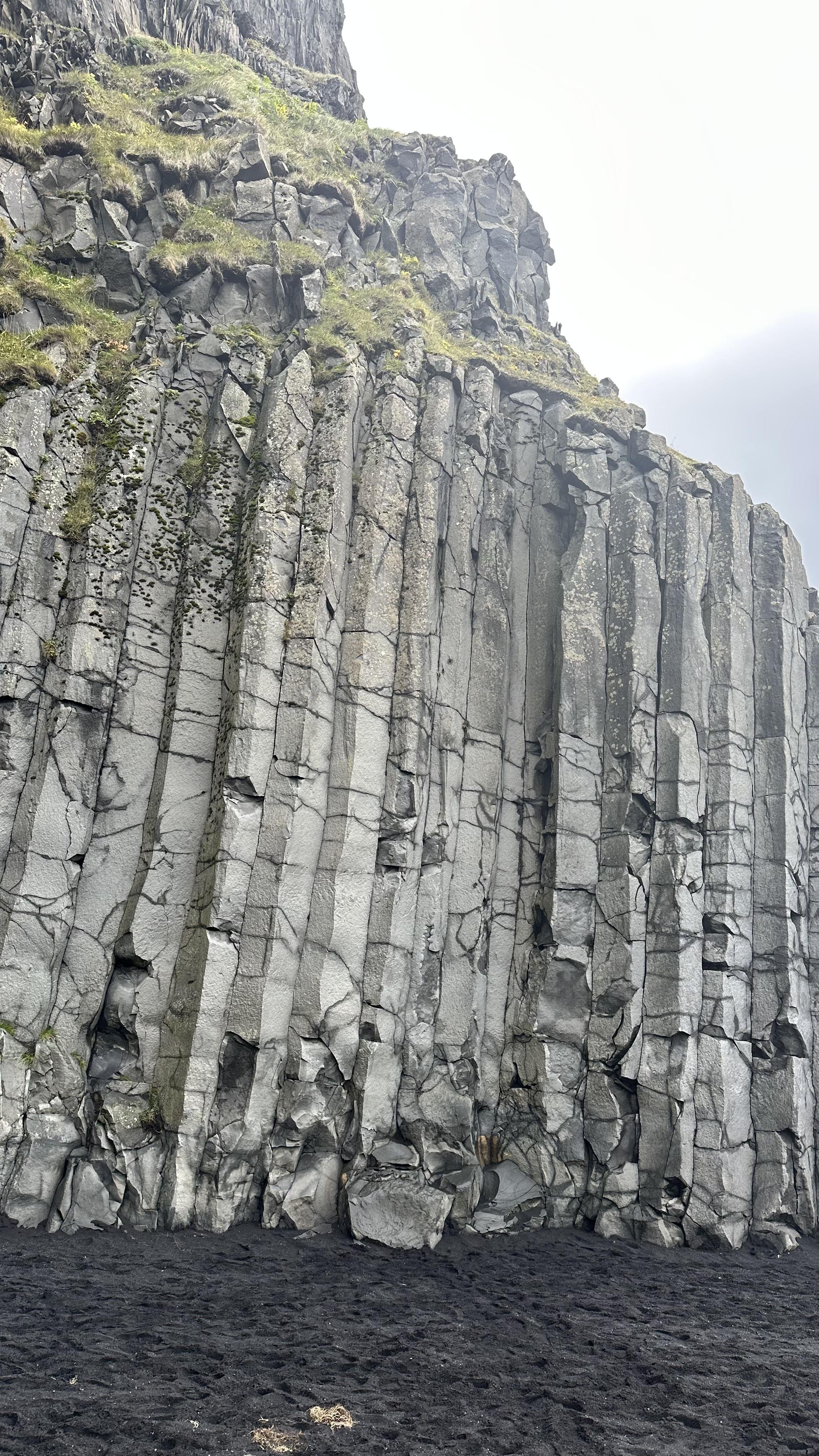

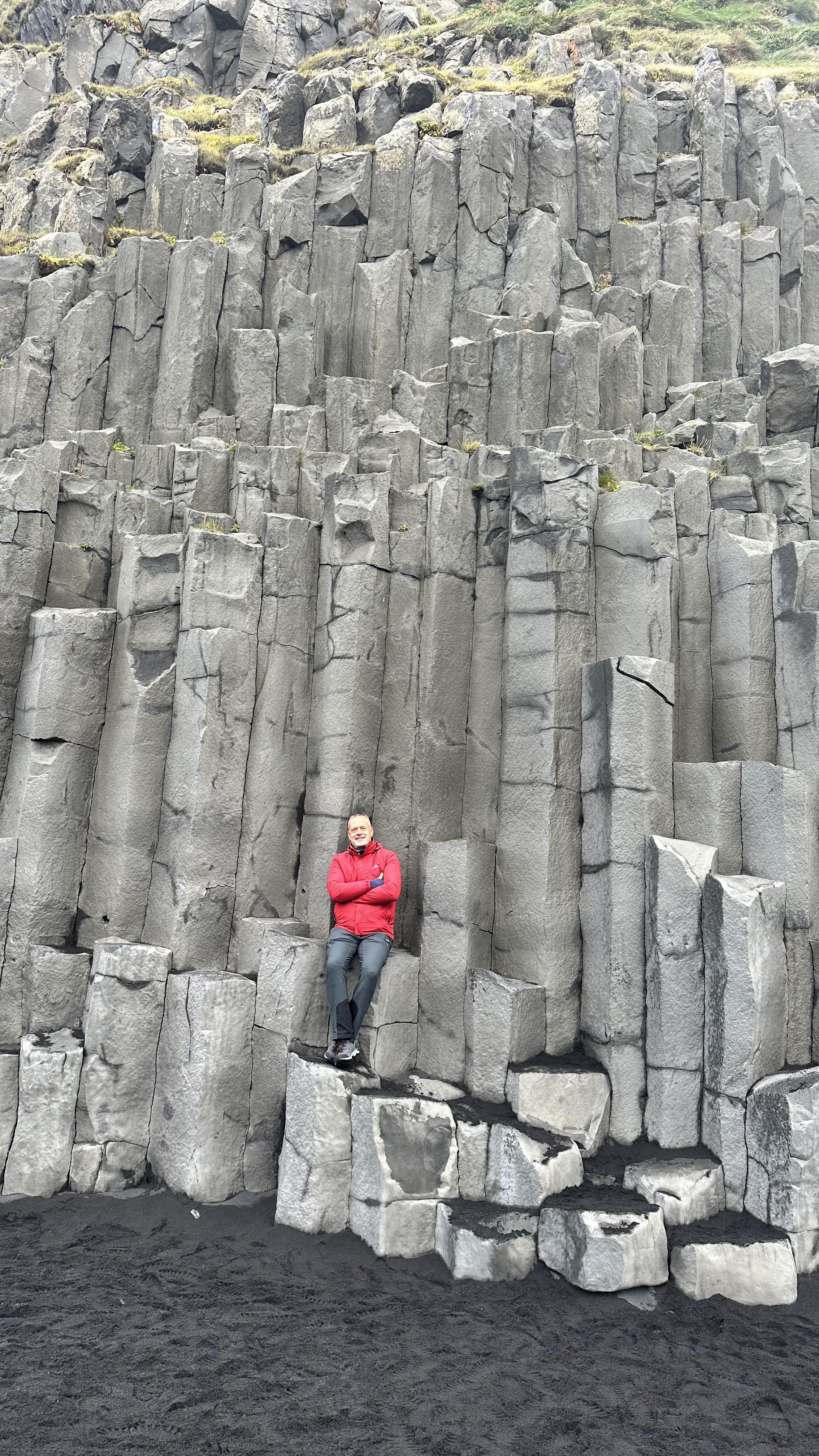
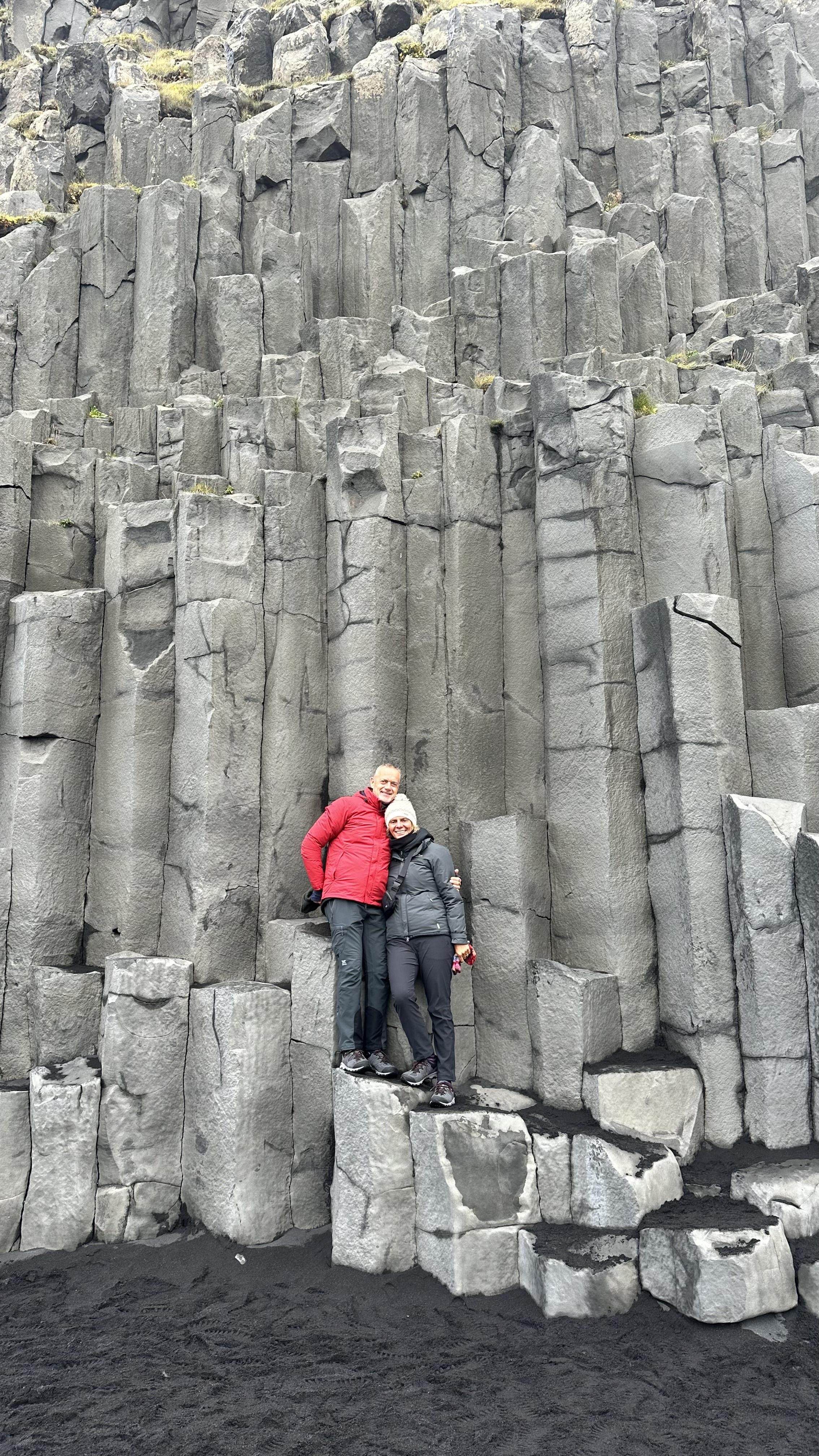
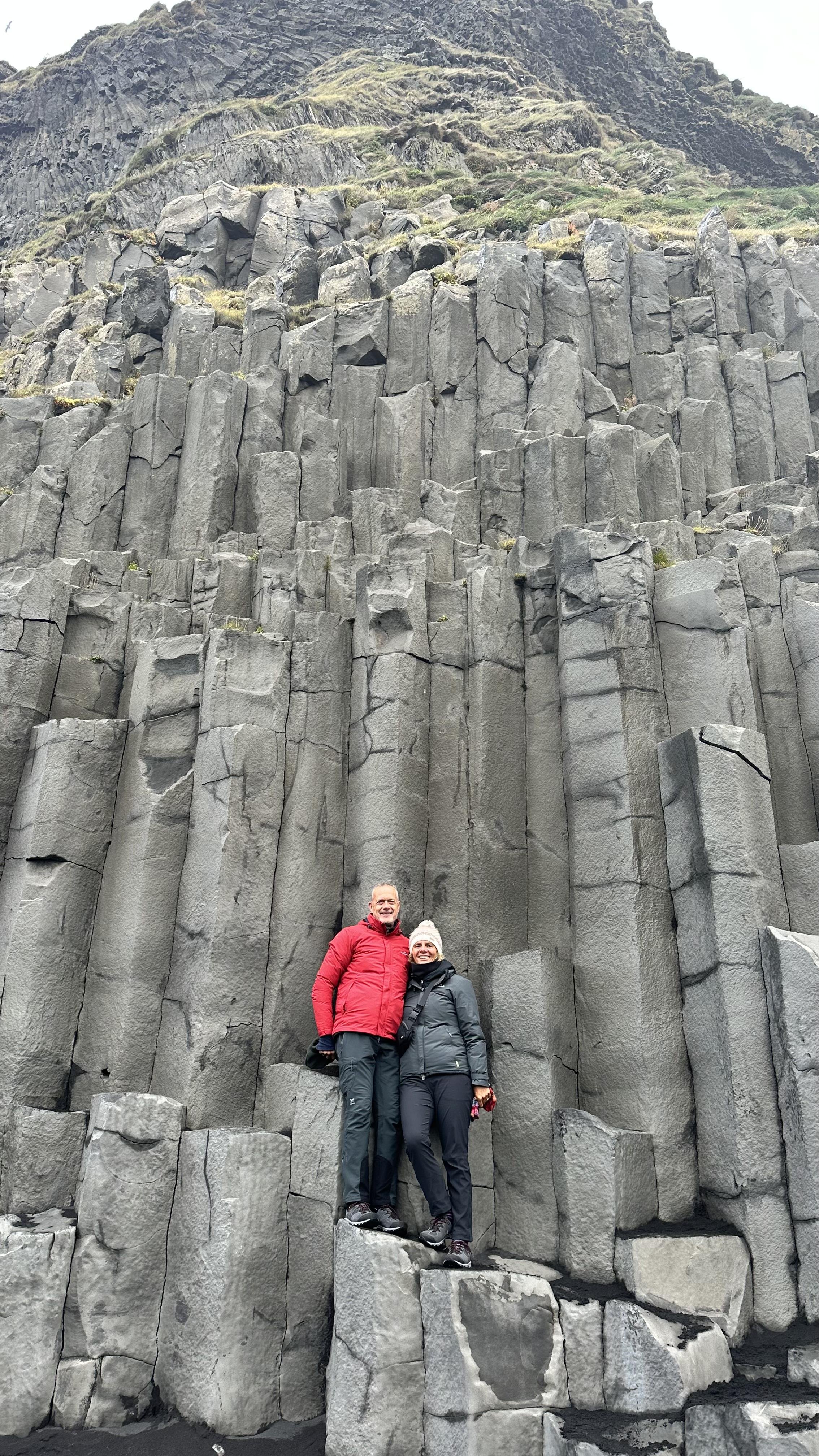
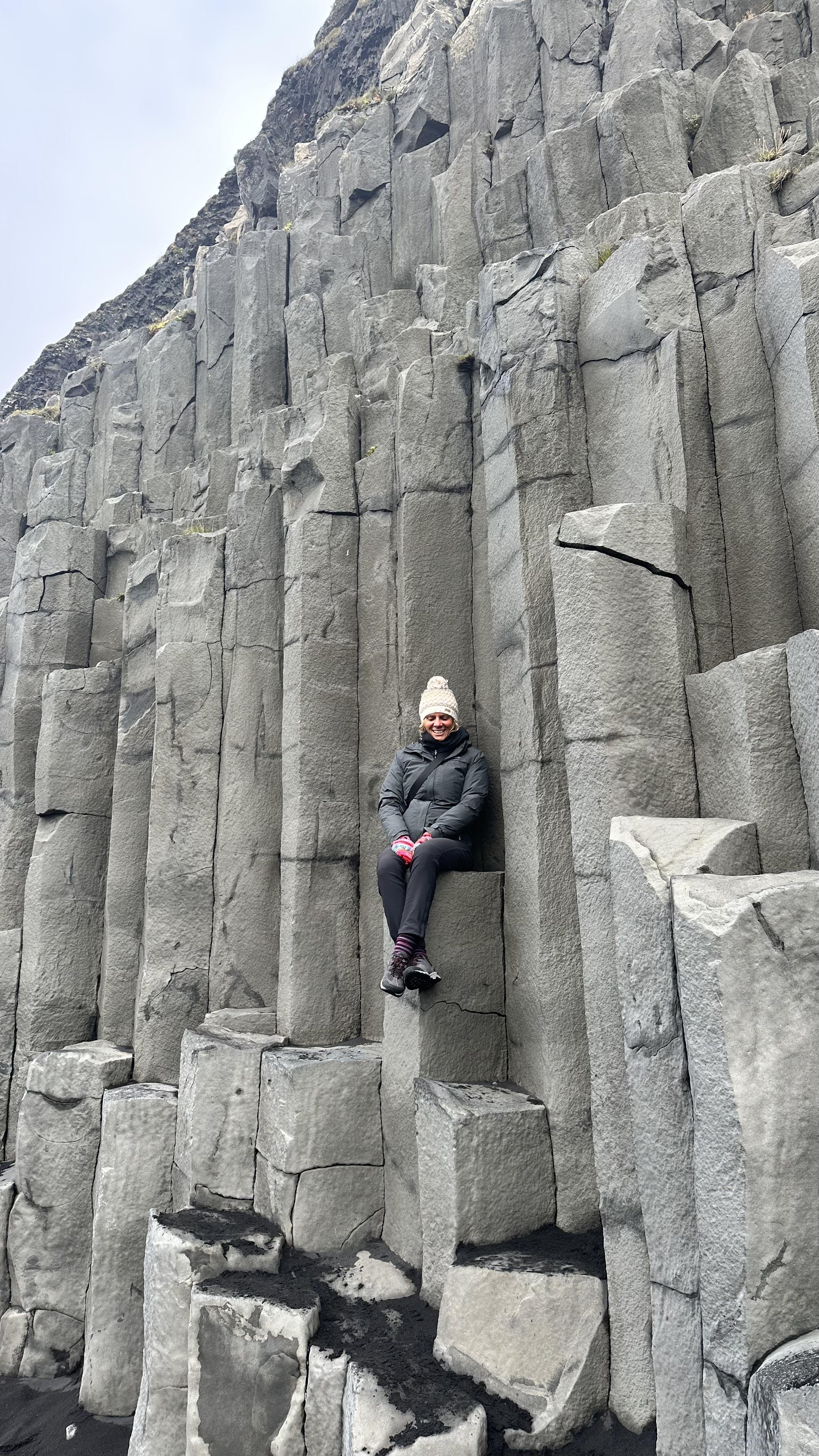
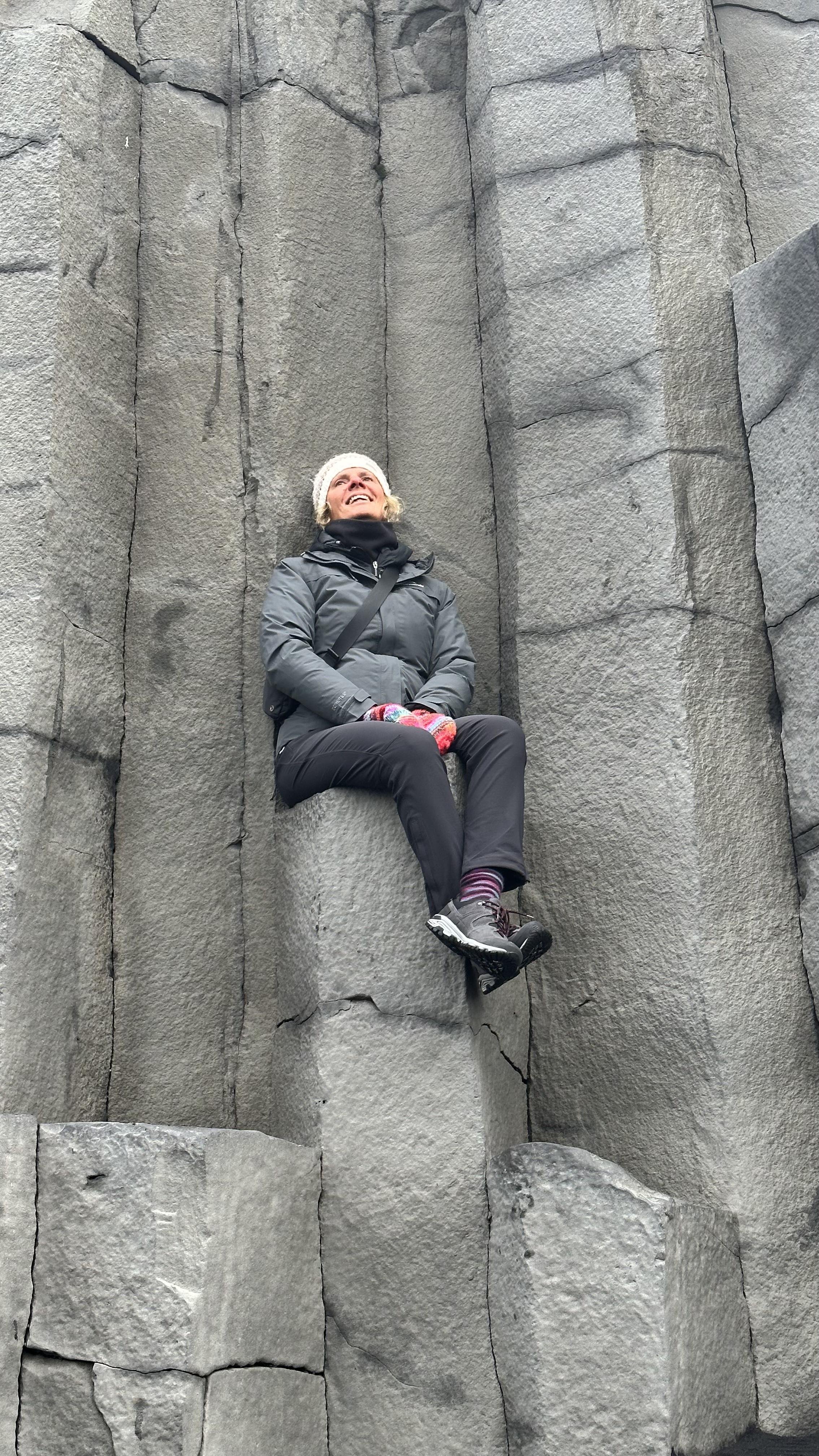
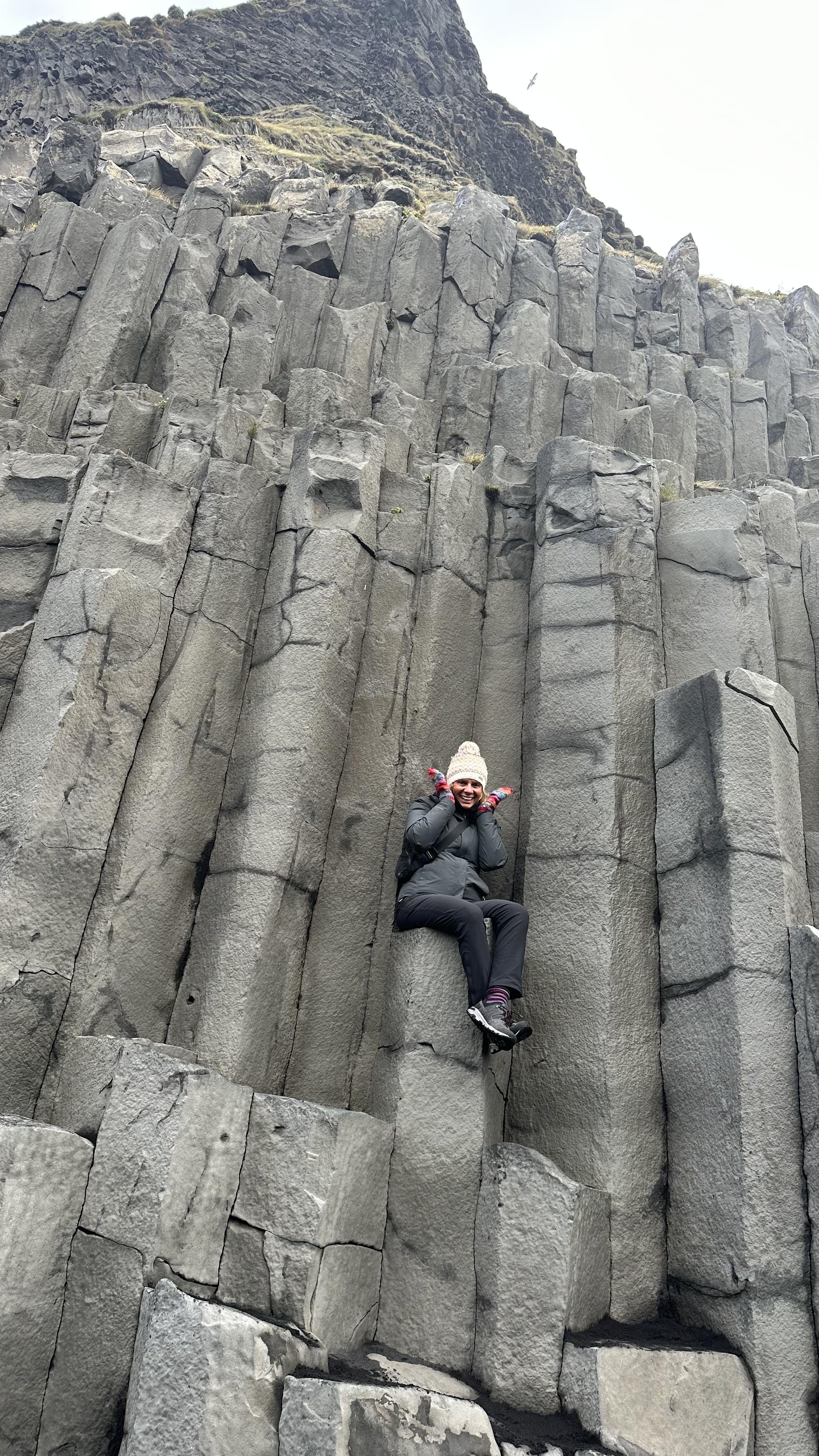
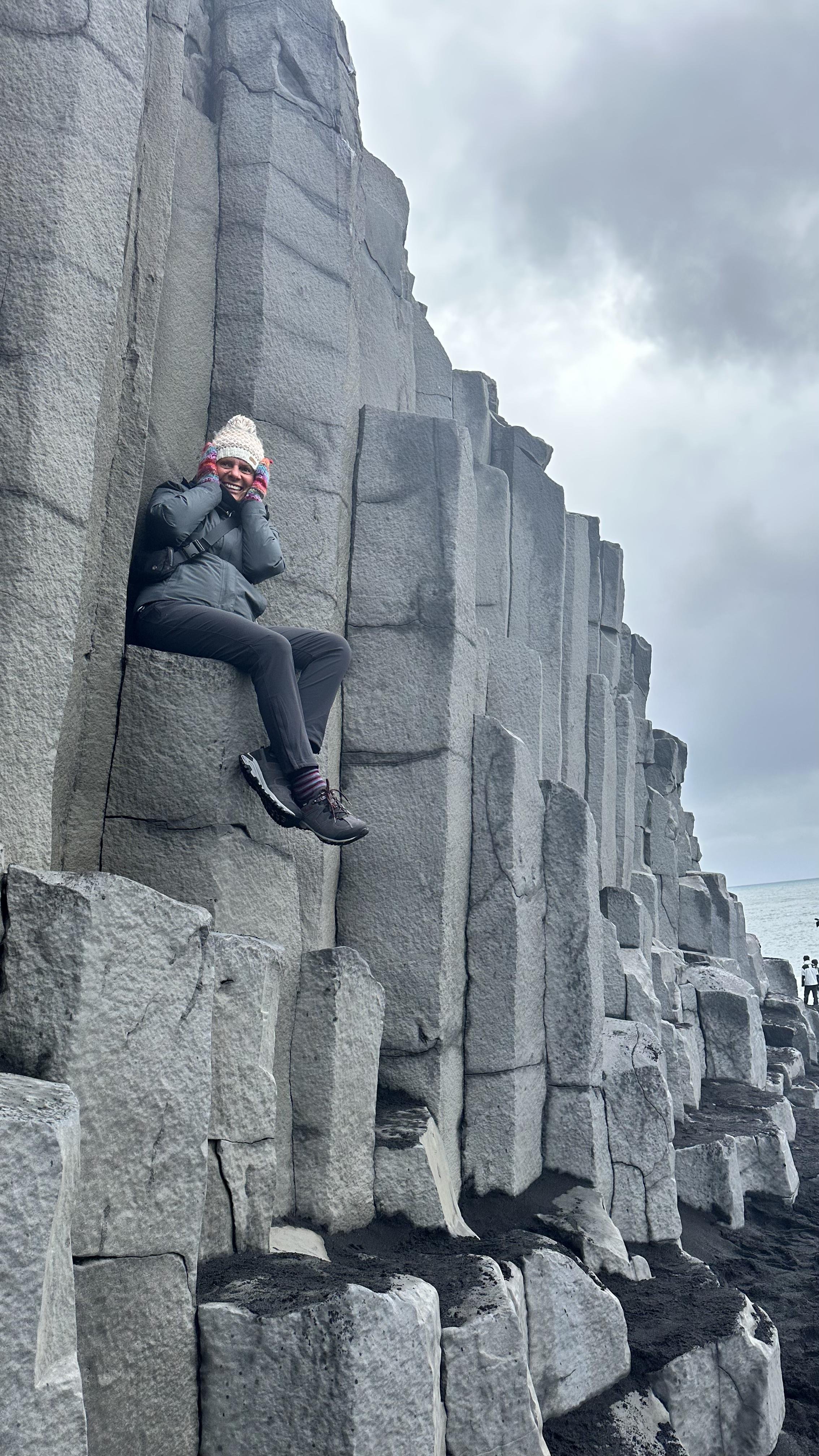
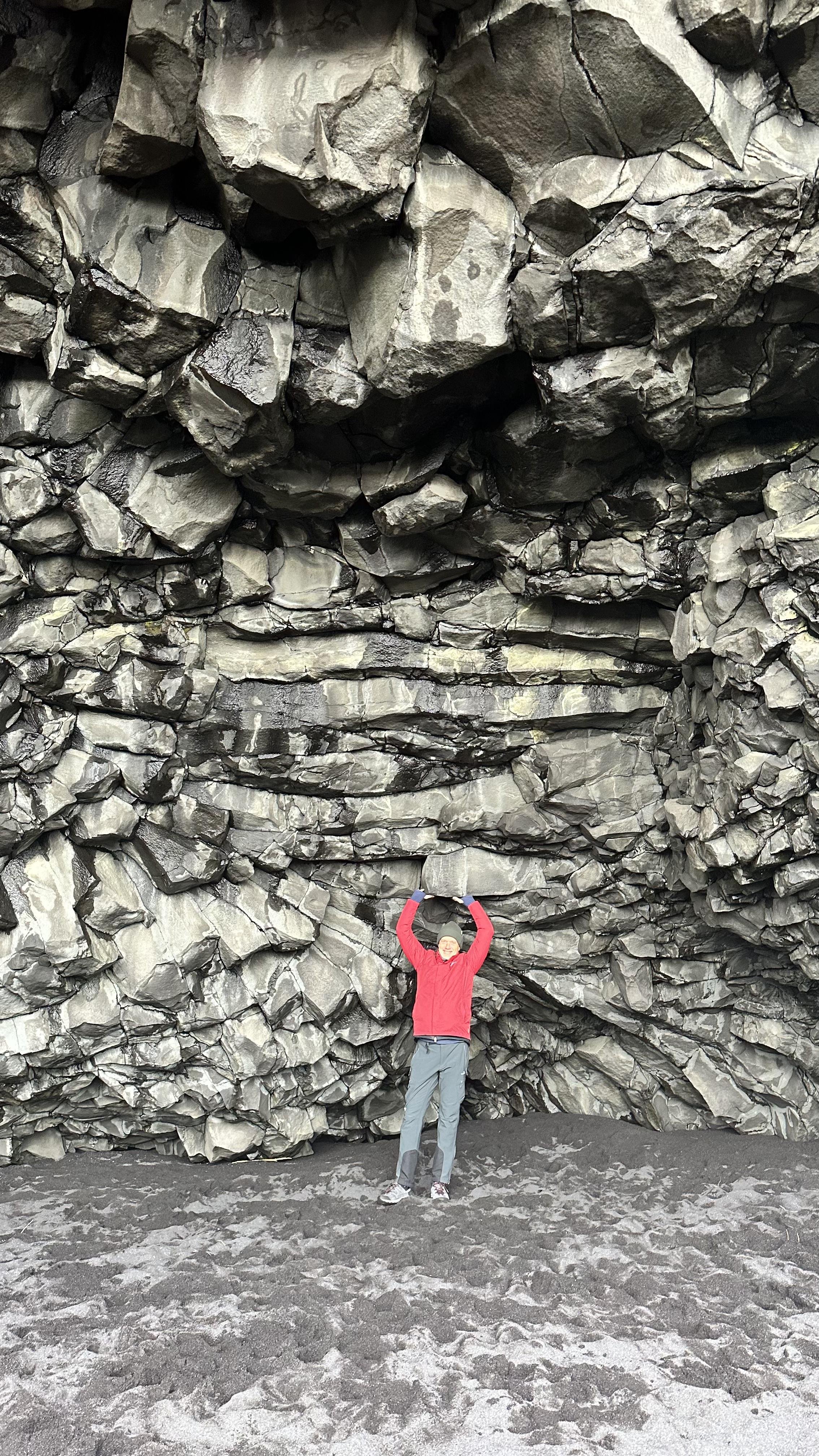
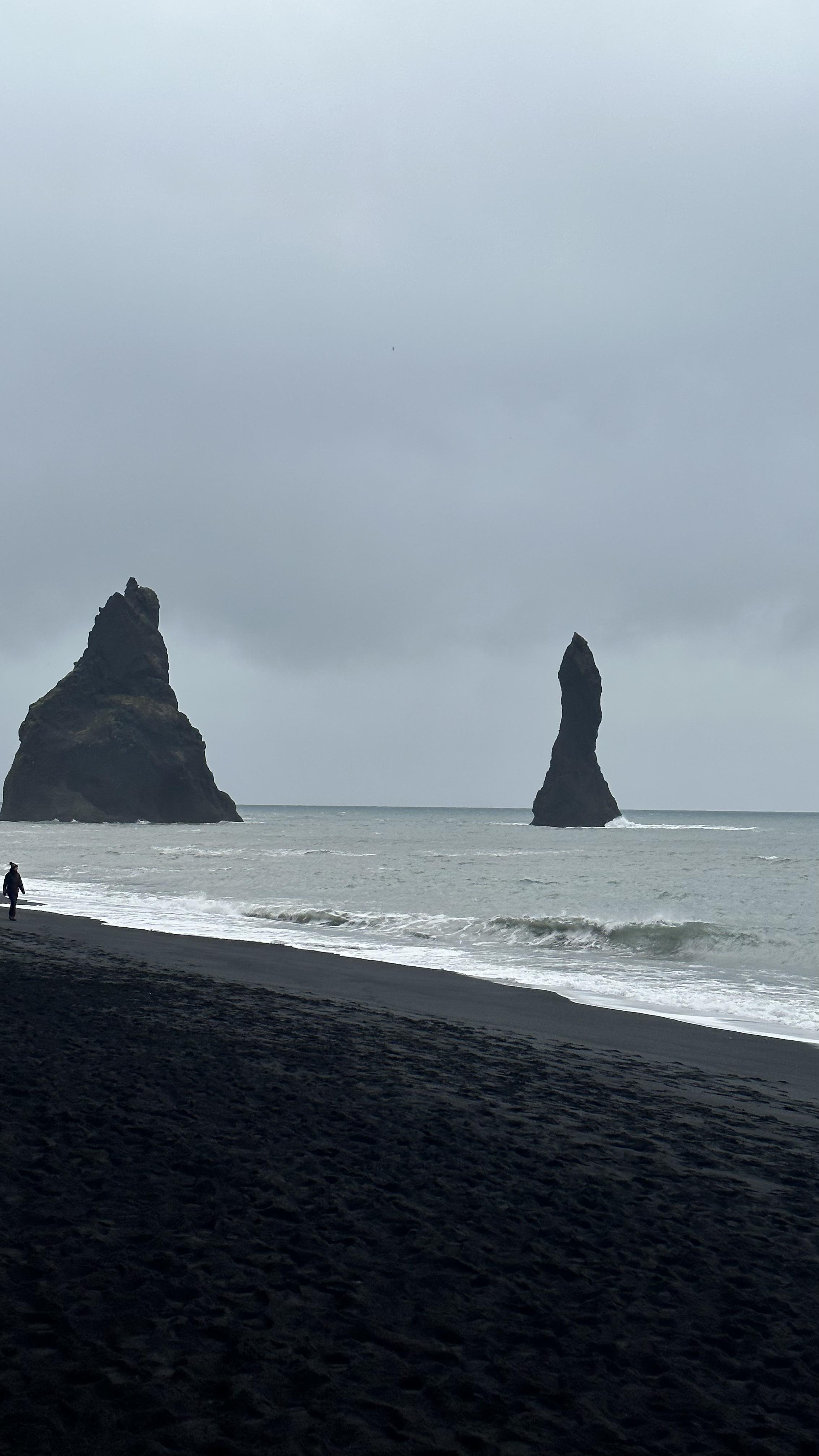


Photo Album: Diamond Beach Proposal
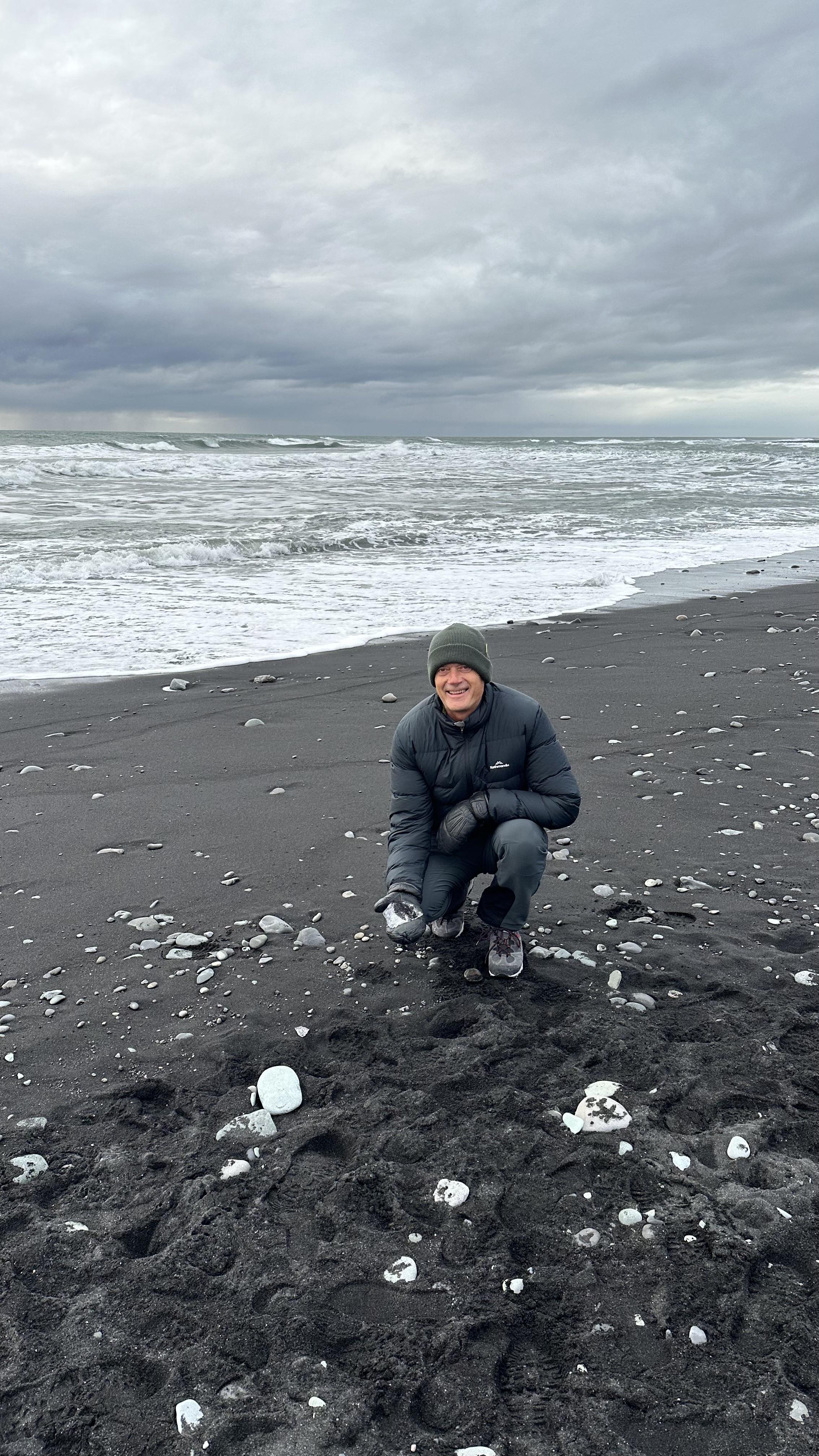
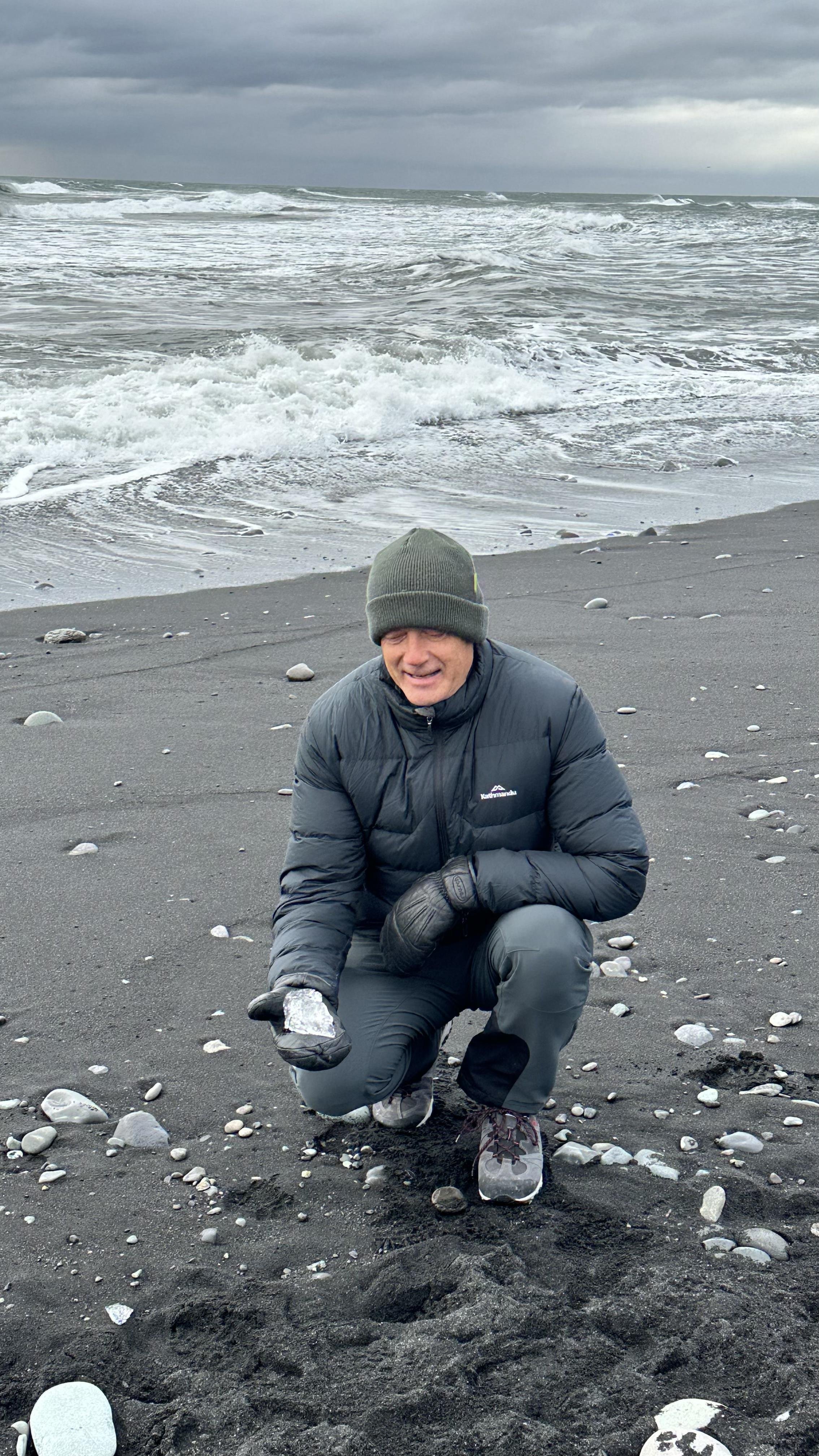
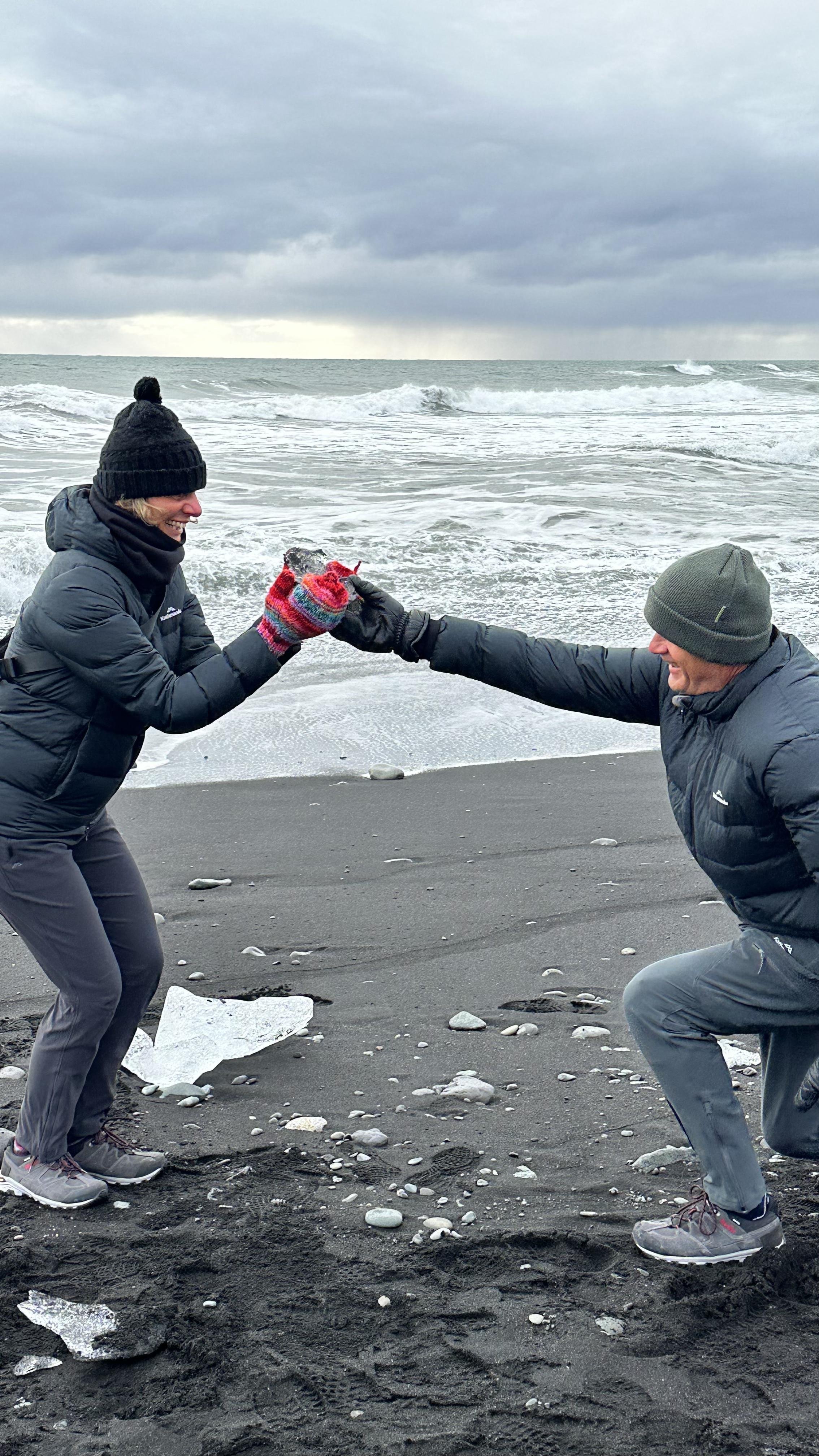
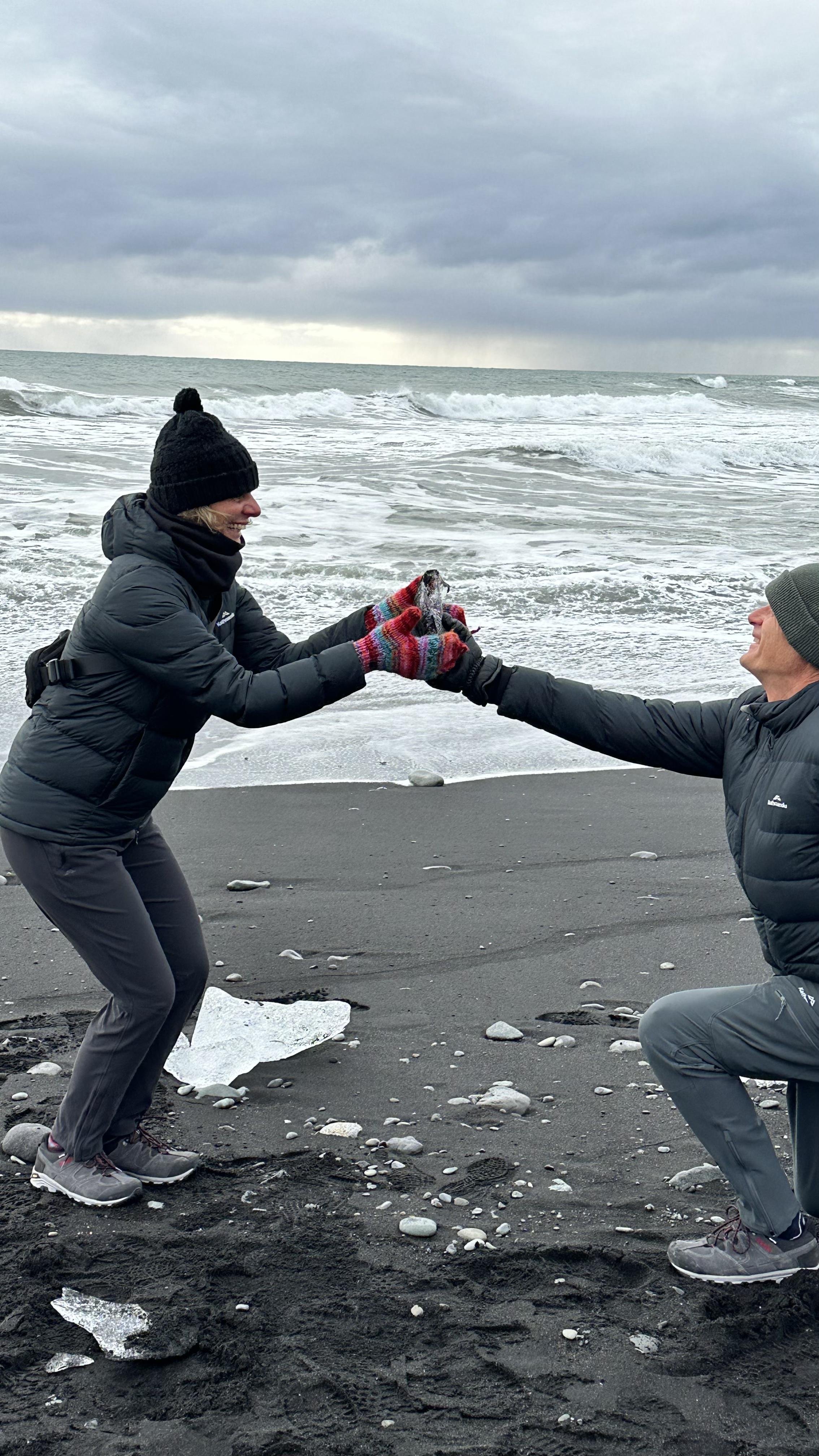
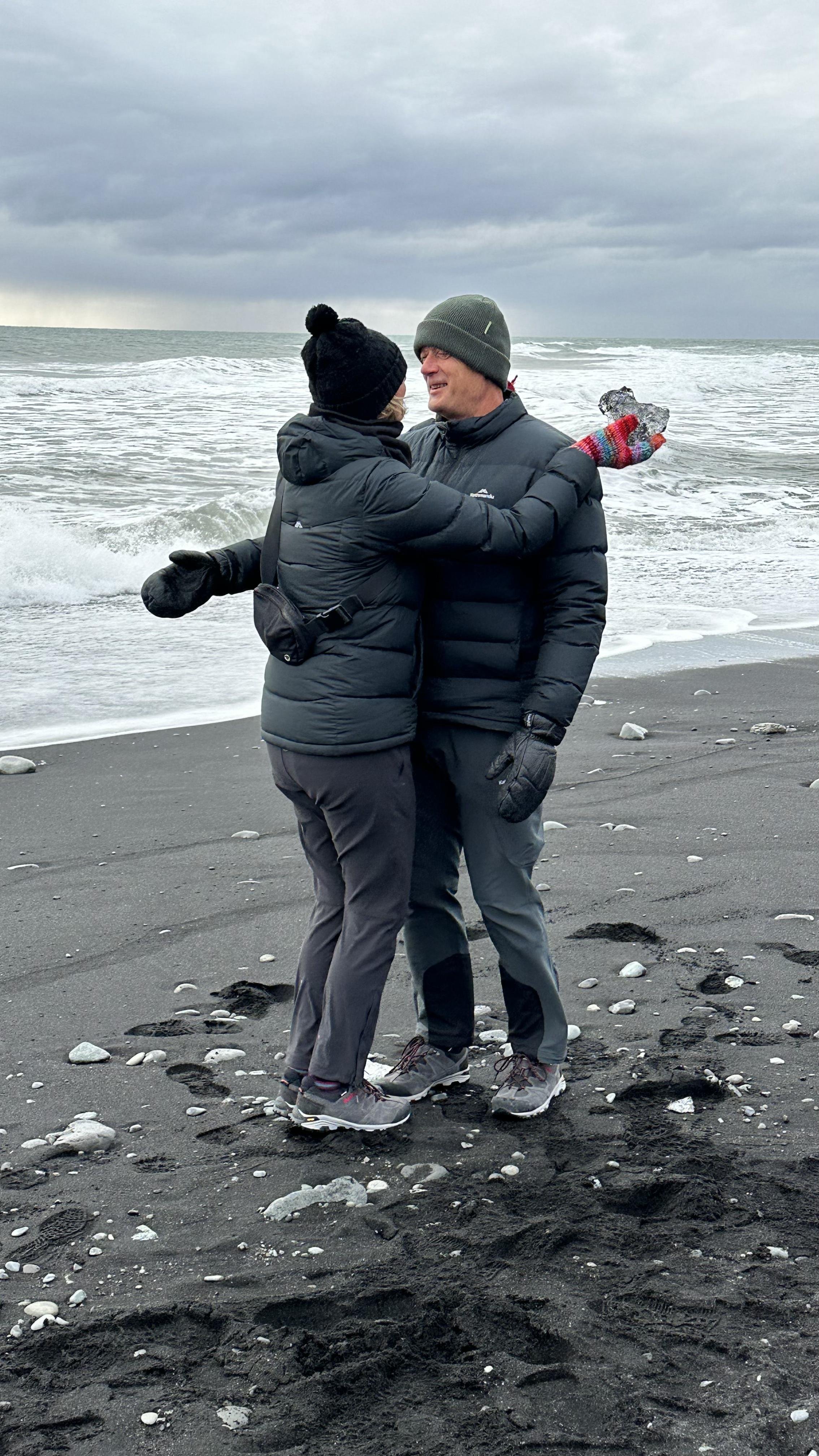
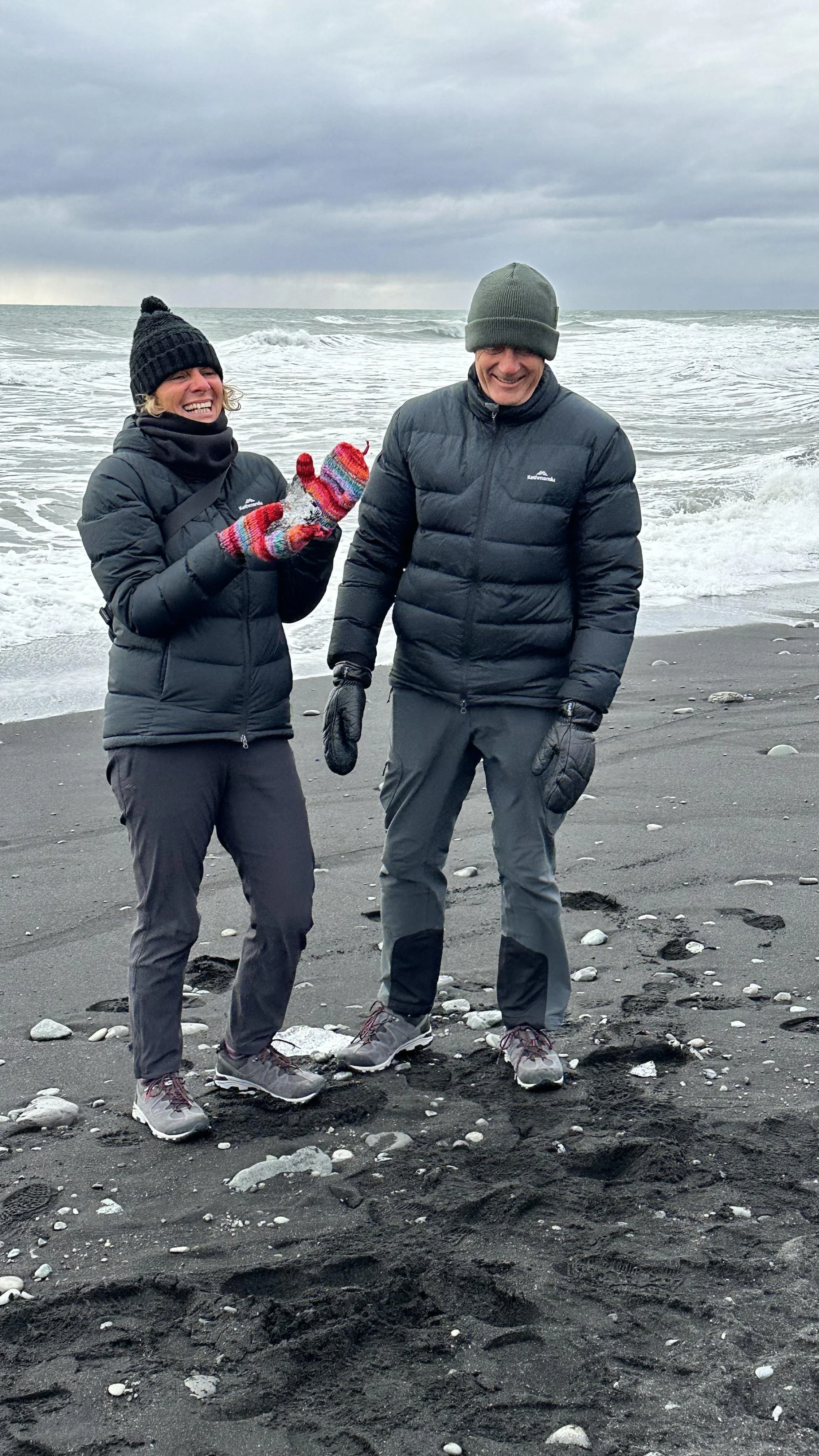
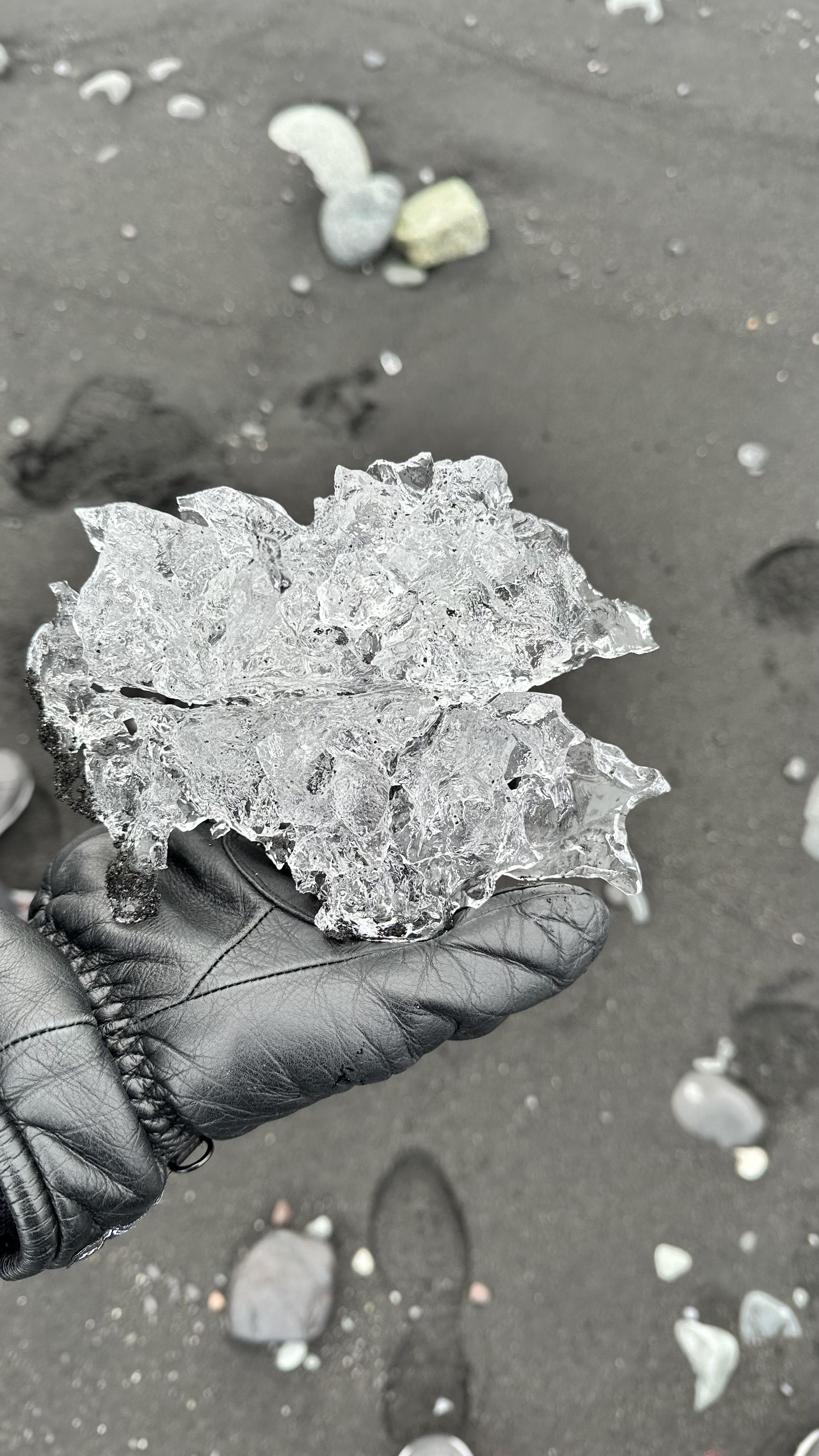
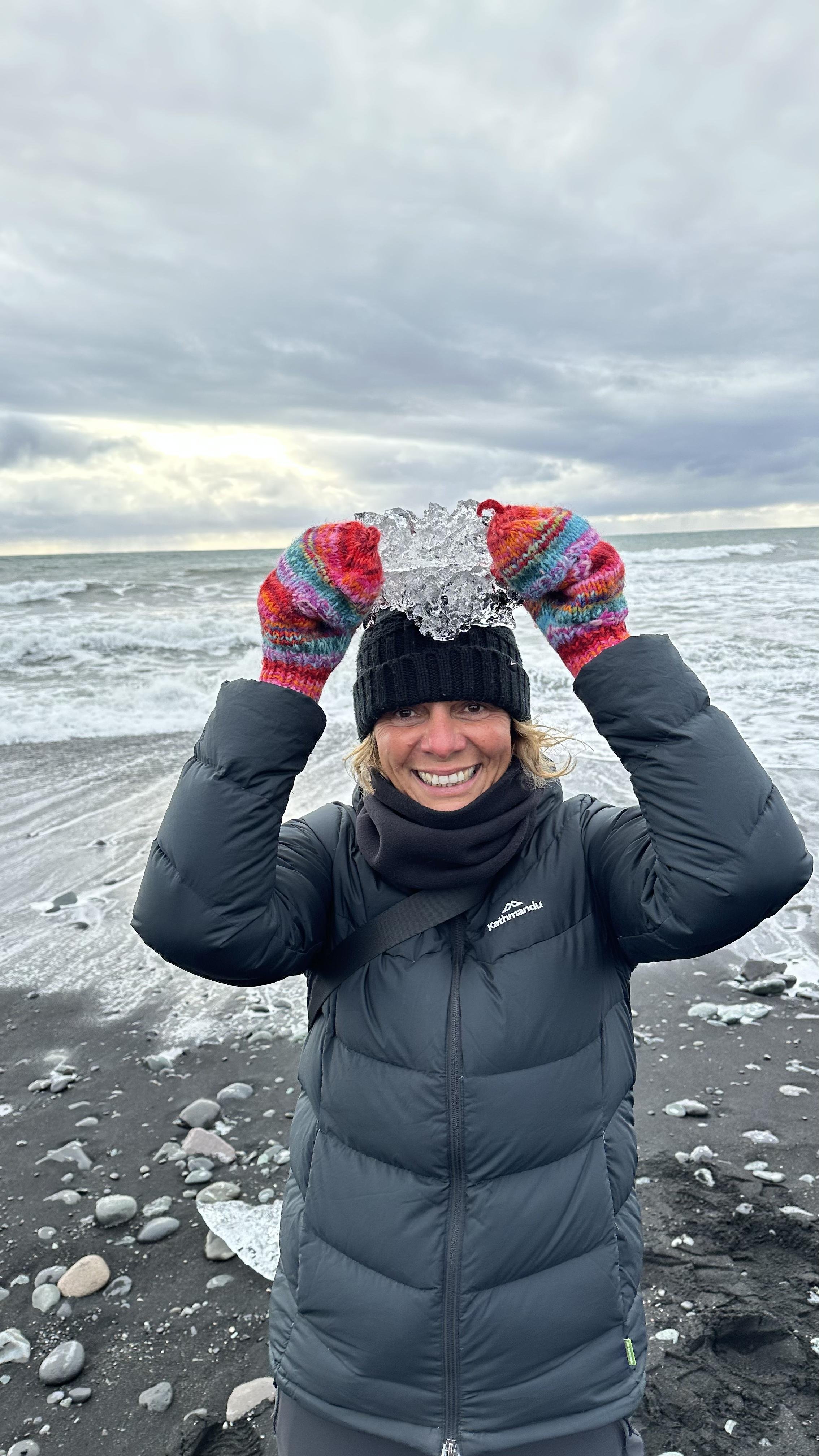
Photo Album: BEAUTIFUL NATURE: Thingvellir National Park, Silfra fissure (geological fault line), lava fields


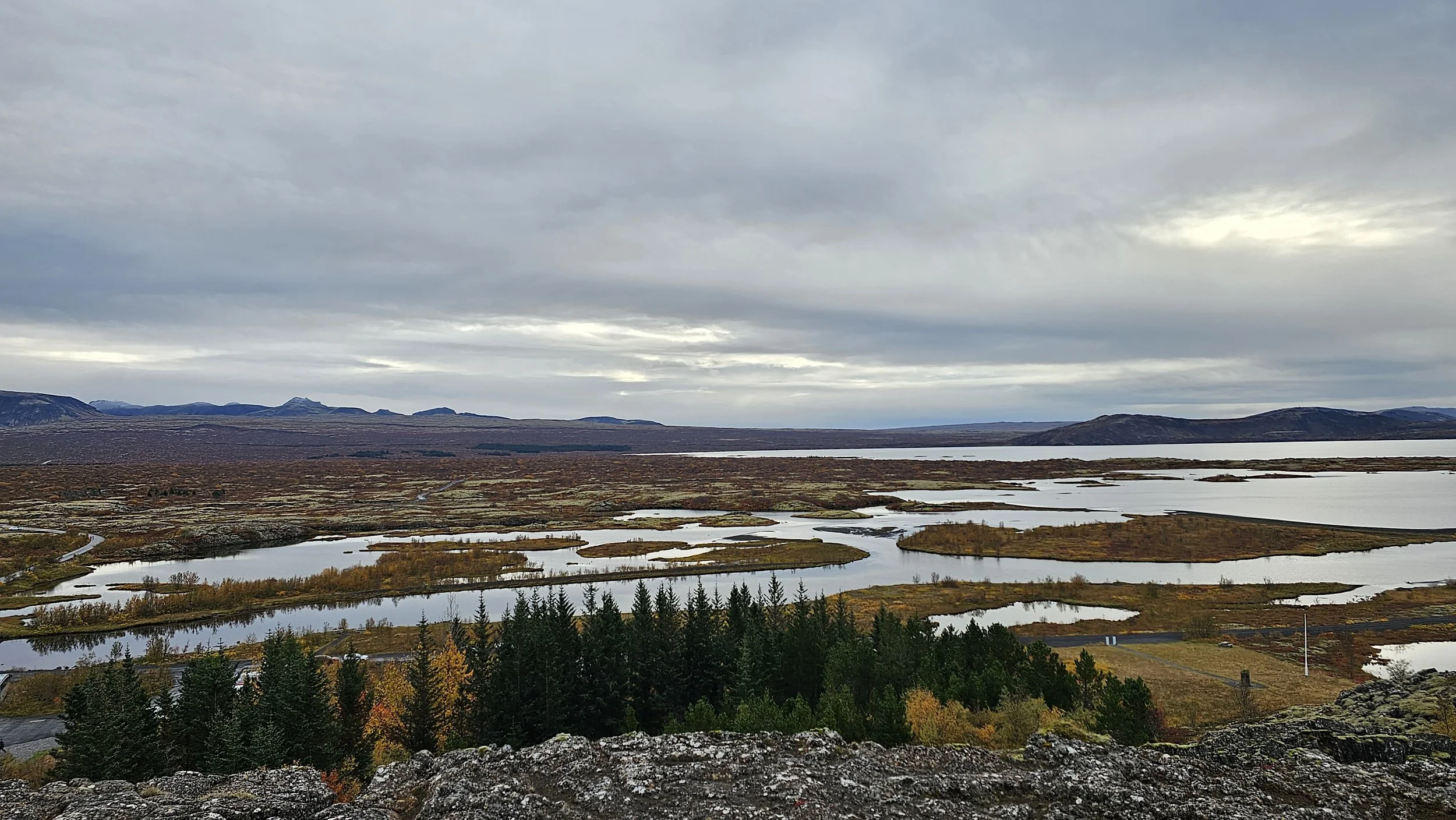


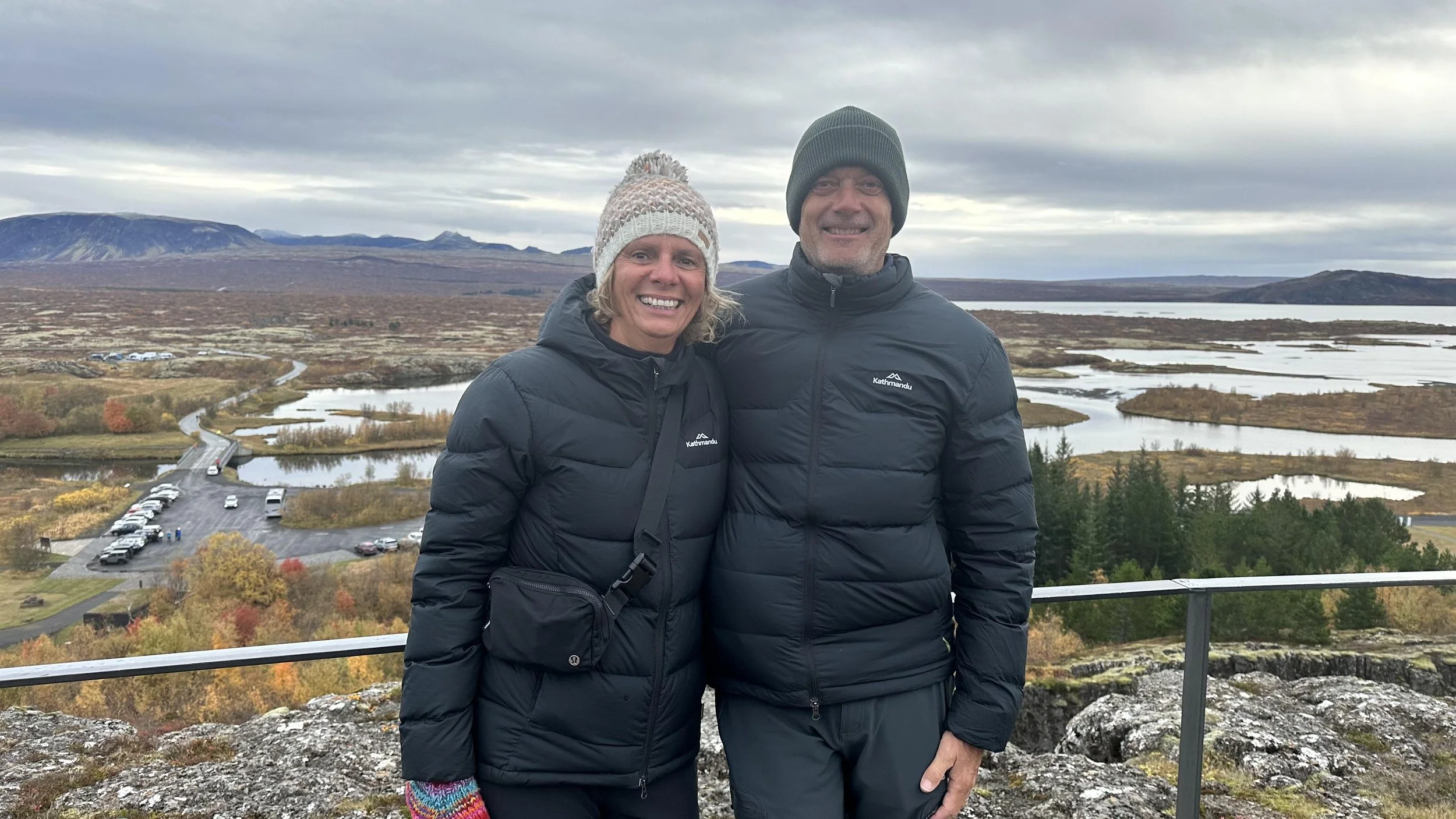


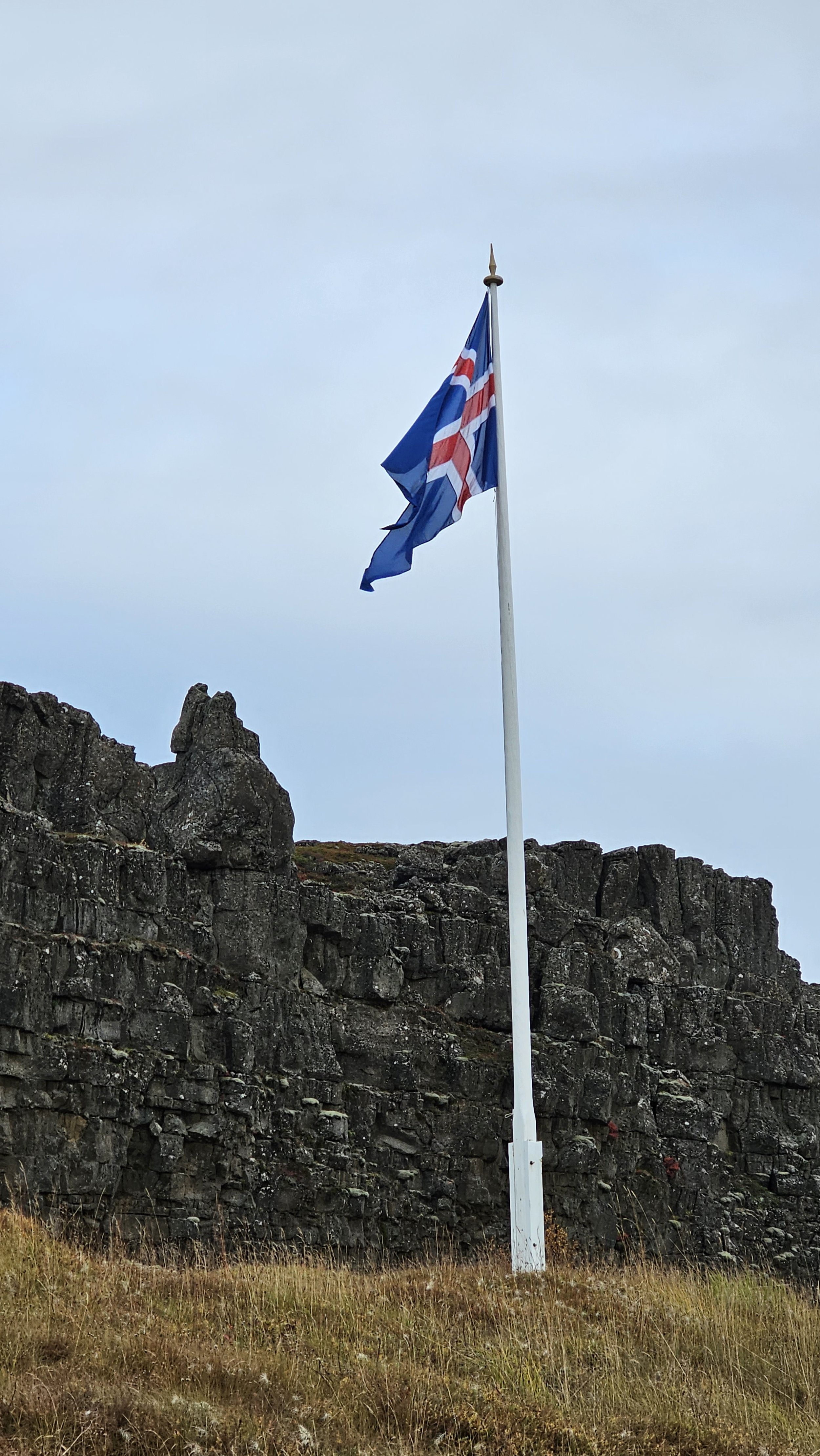


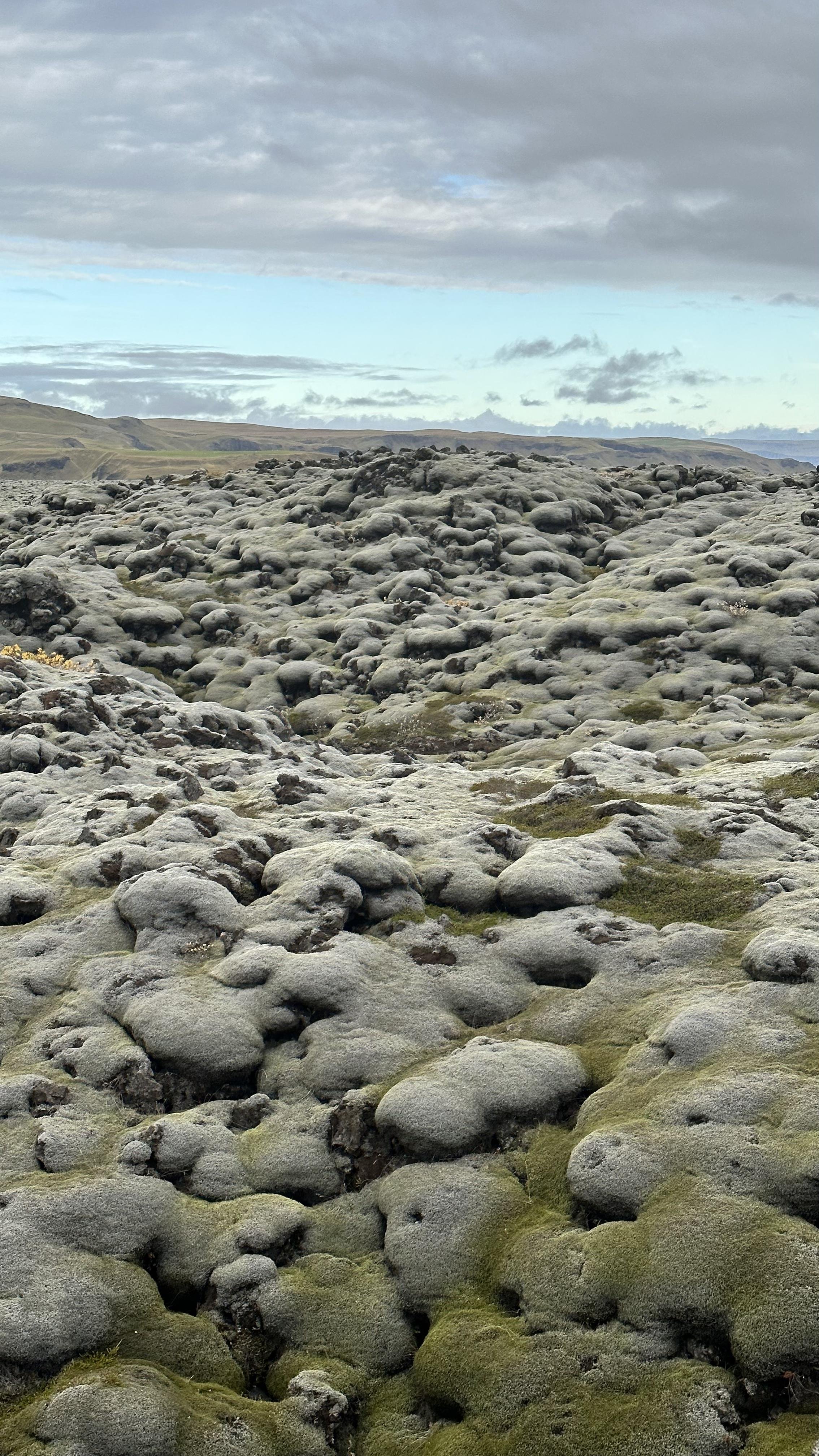
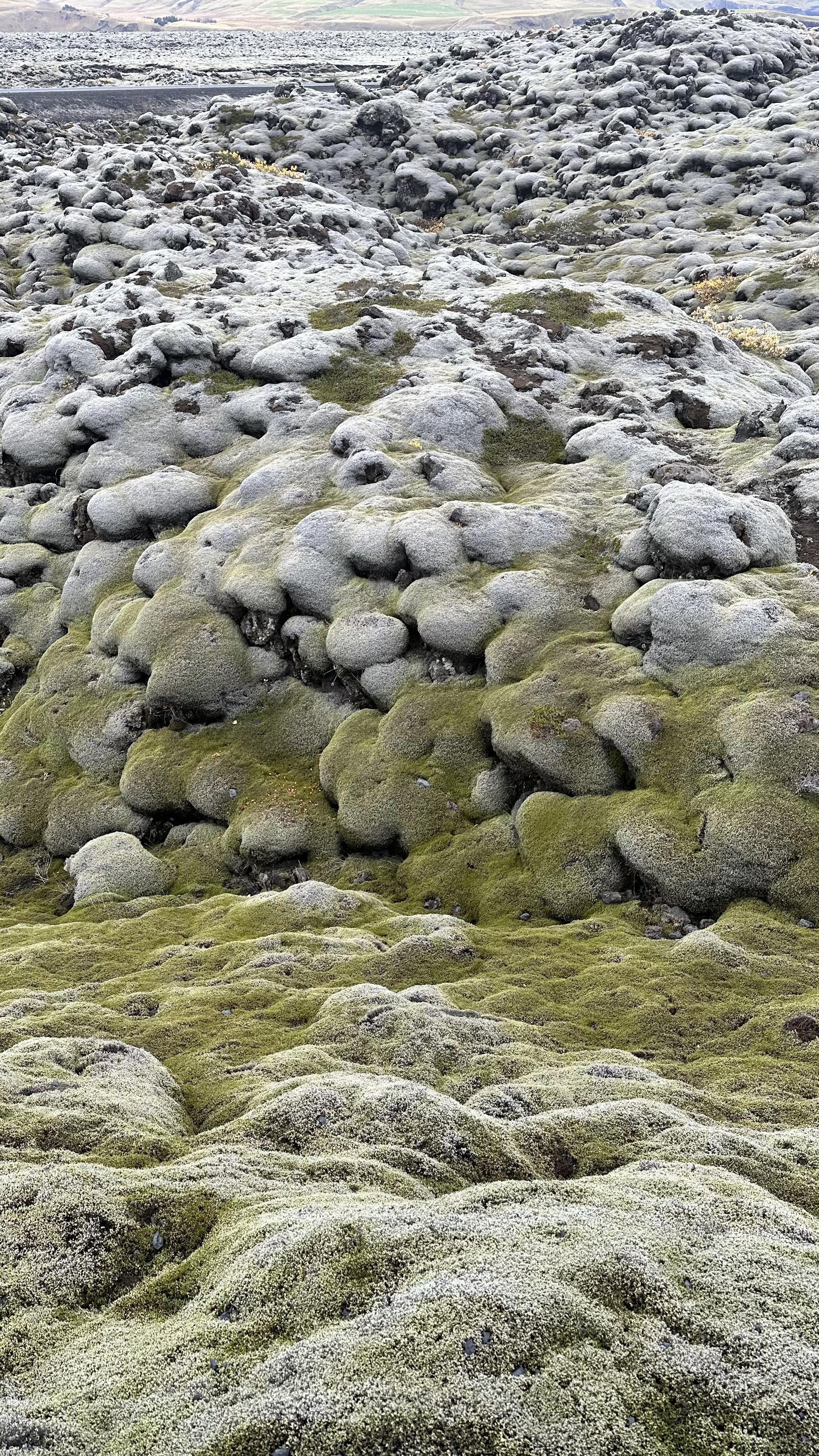
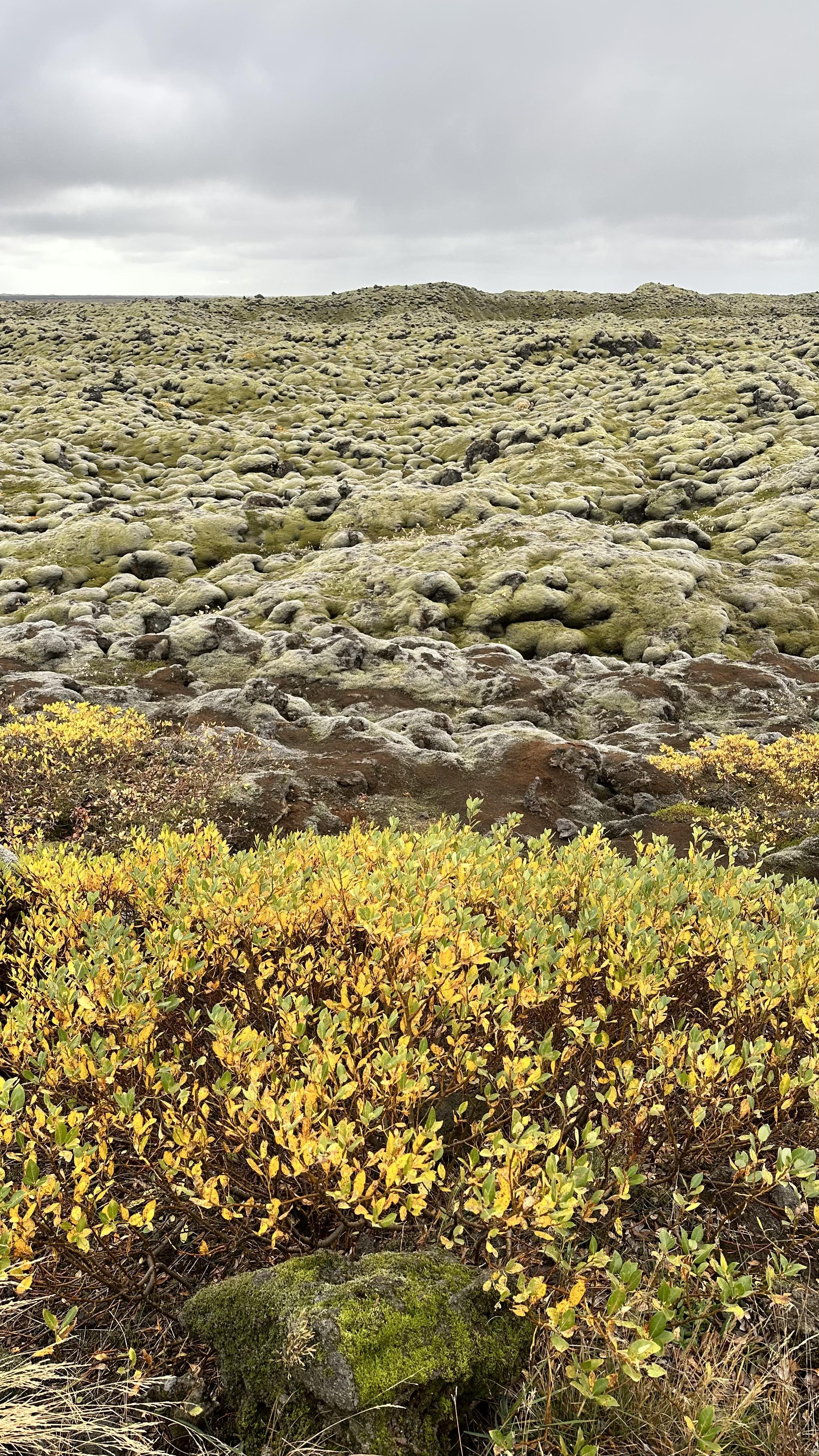
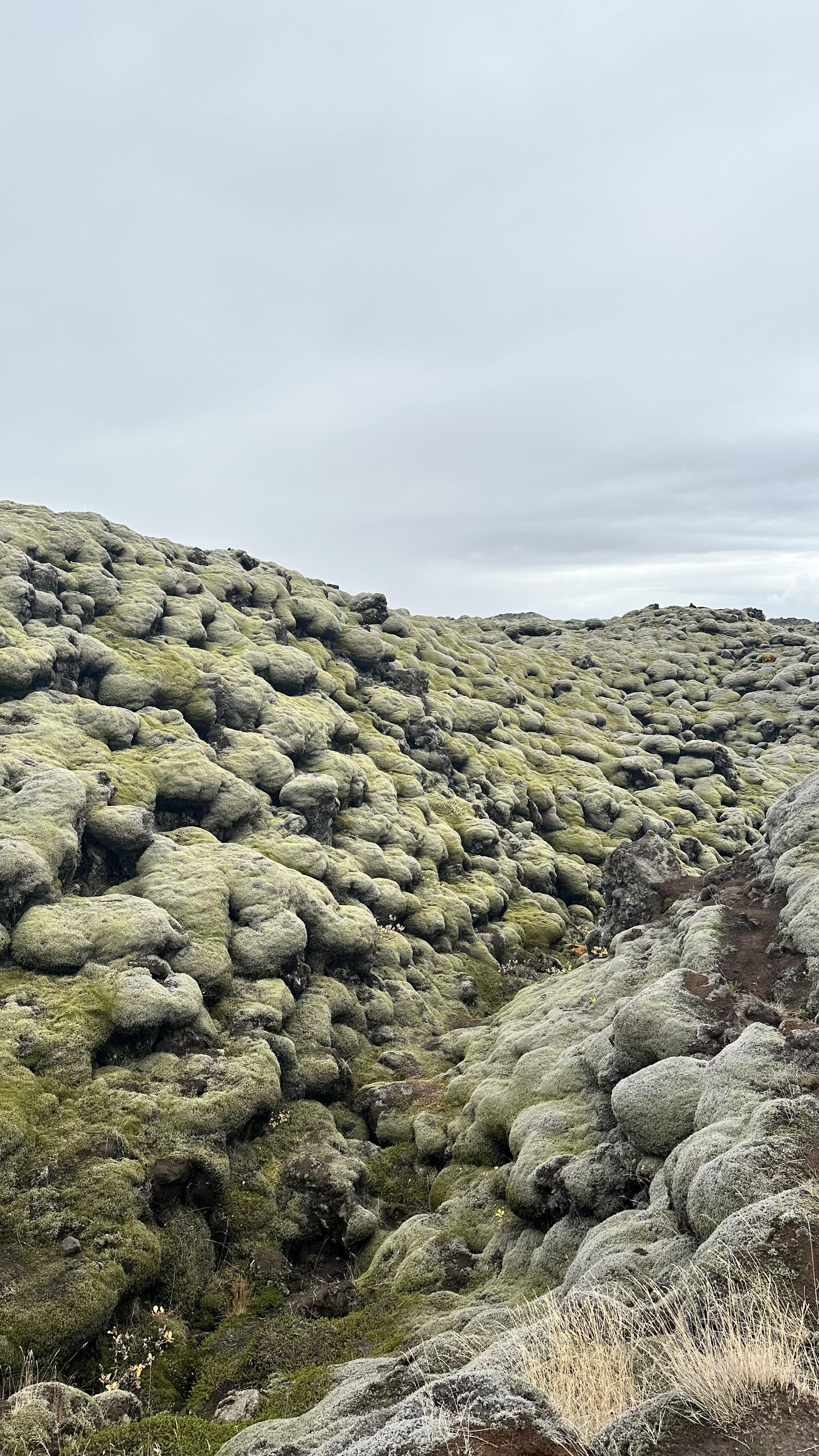
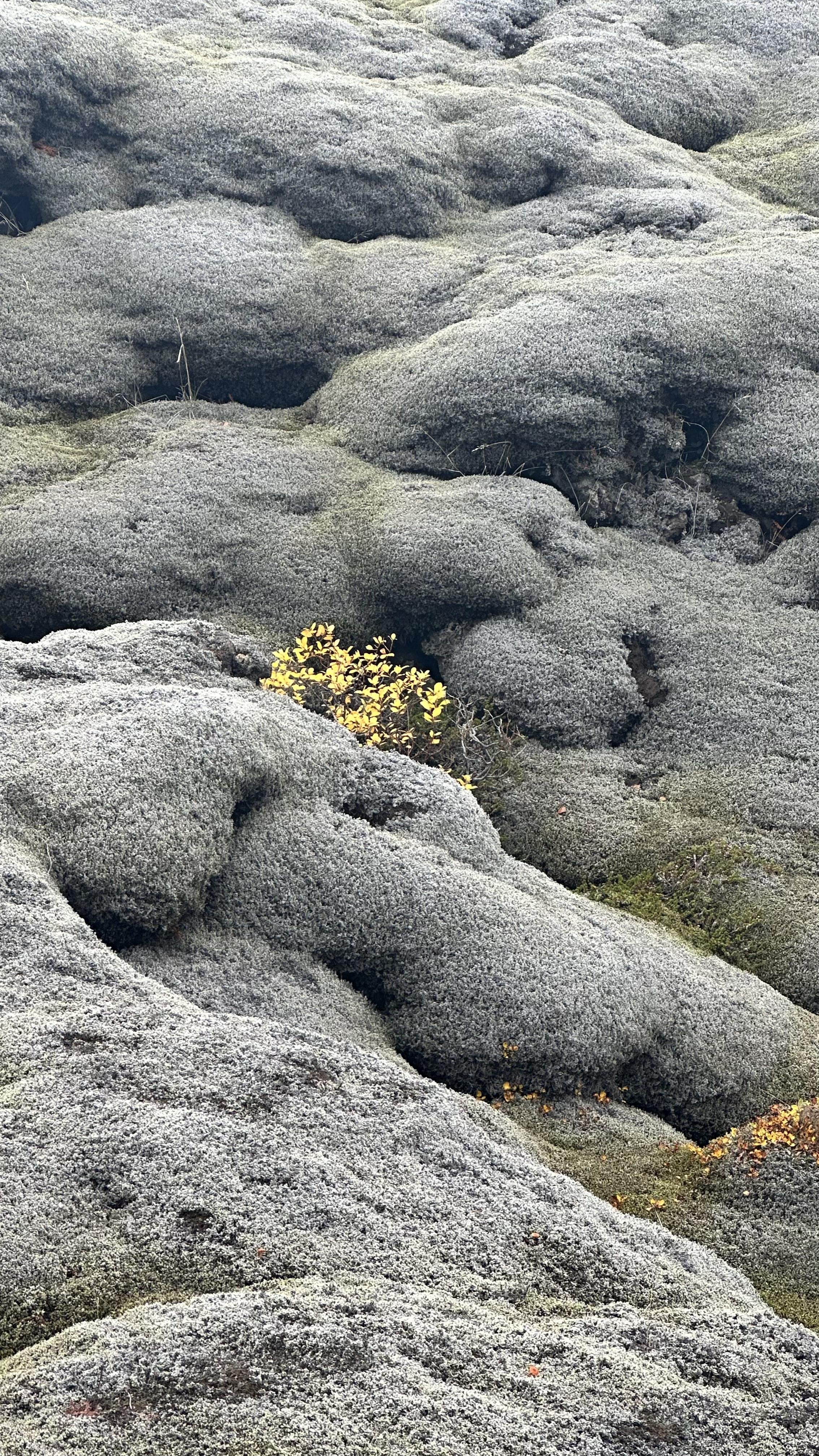
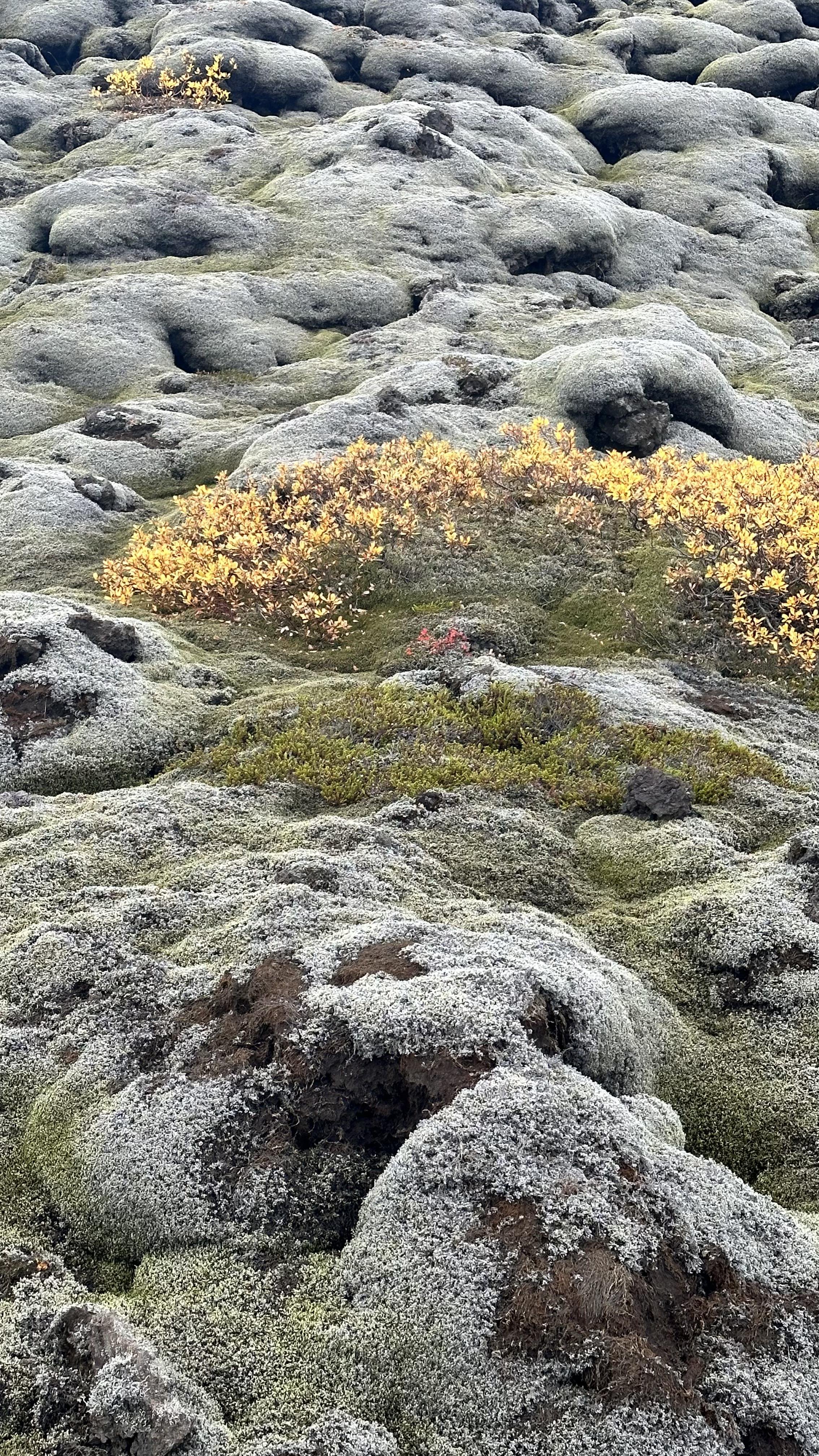
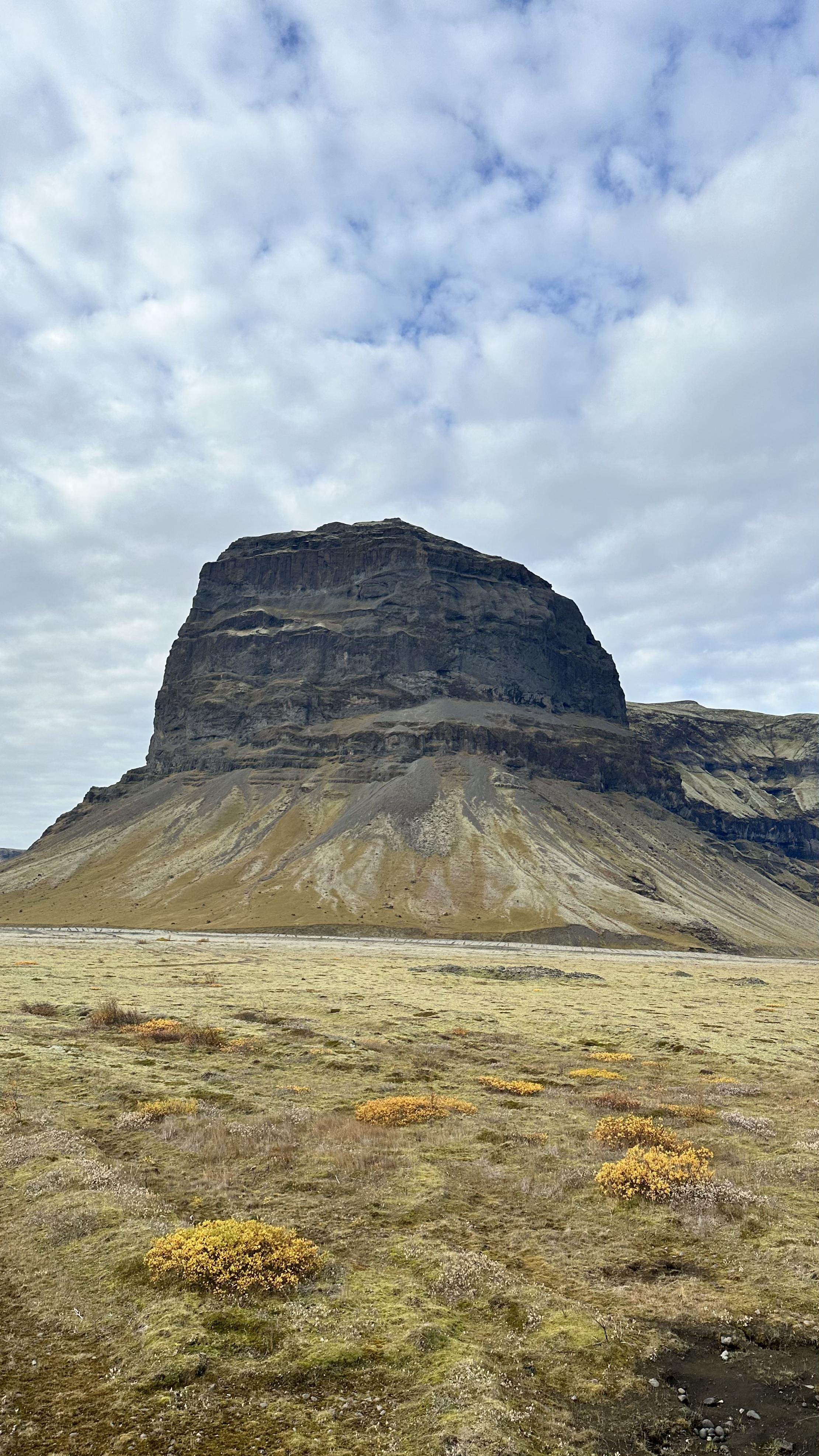
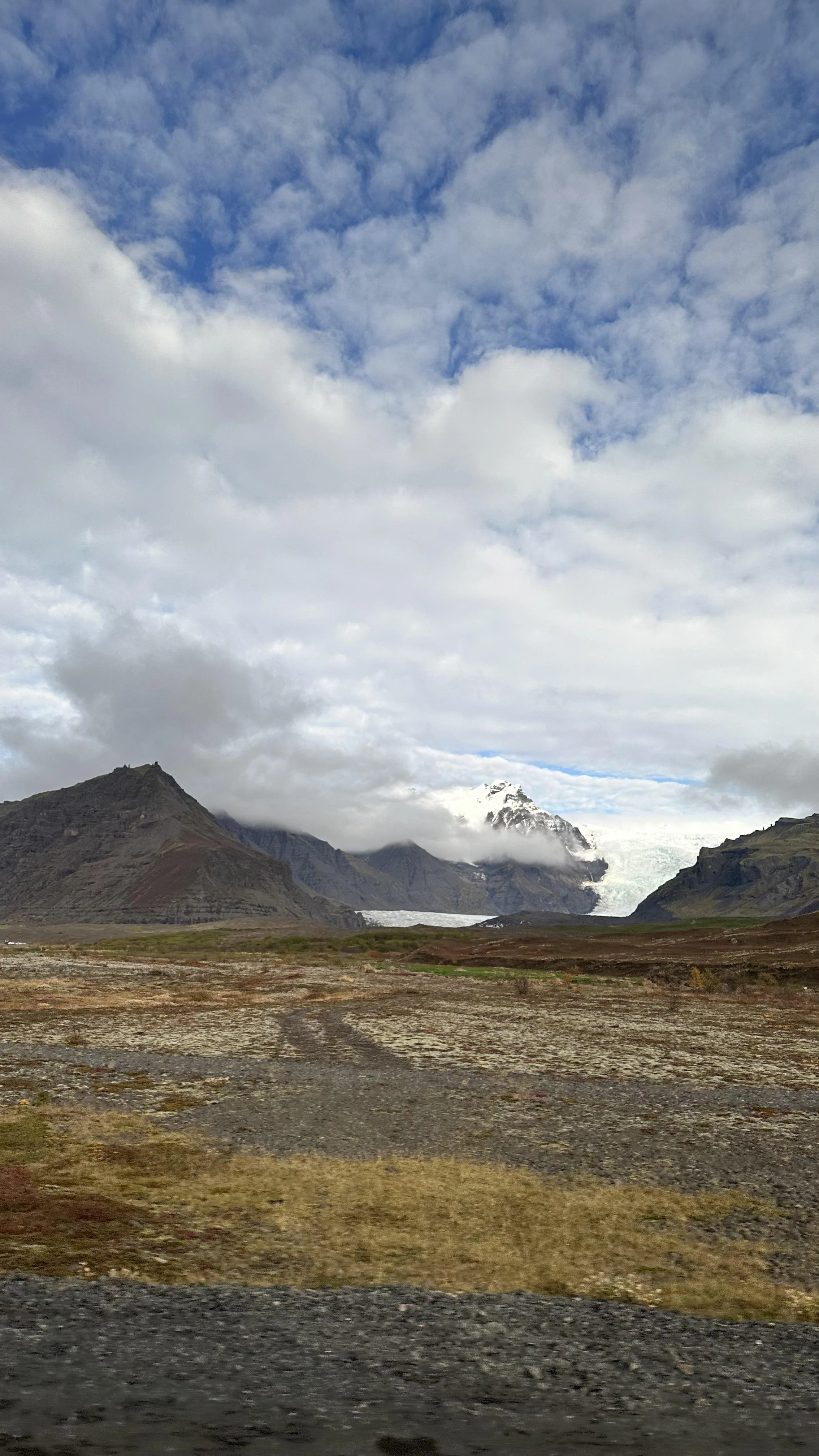
Halló frá íslandi / Hello from Iceland
We made it to Iceland, yes yes yes 🙌! I am sooo happy we’ve got here!
Why did we choose Iceland as our next adventure? There are many reasons, here are a few:
To experience different extremes from temperature to scenery ( Sahara v Iceland)
To touch on the Scandinavian territory - a longtime dream
To get as close to the Mother Nature as you can, to be adventurous whilst hoping none of the volcanoes is going to erupt while we are here
To get into the ice caves and see the biggest European glaciers while they still exist
To learn about the Vikings, Icelandic history, language and traditions
To throw ourselves into the nature beauty, we expected it to be stunningly beautiful!
To see the Northern Lights with a bit of luck
To see the impacts of climate change first hand
To experience the life in a social market economy system - my favourite system
…. And we are both crazy nature lovers - this is a true paradise for us! 🤗
So, we booked the Iceland Intrepid tour and here we are! Living the dream !!!
Part 1/3

photo @Harpa
We made it to Iceland, yes yes yes 🙌! I am so so happy we’ve got here! It’s been on our bucket list for a long time, and the dream has come through!
Heads up: This blog is particularly long, but I wouldn’t do it justice to skip things, so grab a cup of coffee and join us on our journey.
Why did we choose Iceland as our next adventure? There are many reasons, here are a few:
To experience different extremes from temperature to scenery ( Sahara v Iceland)
To touch on the Scandinavian territory
To get as close to the Mother Nature as you can, to be adventurous whilst hoping none of the volcanoes is going to erupt while we are here
To get into the ice caves and see the biggest European glaciers while they still exist
To learn about the Vikings, Icelandic history, rune, language and traditions
To throw ourselves into the nature beauty, we expected it to be stunningly beautiful!
To see the Northern Lights with a bit of luck
To see the impacts of climate change first hand
To experience the life in a social market economy system
And we are both crazy nature lovers as we know, so this is a true paradise for us! 🤗
So, we booked the Iceland Intrepid tour and here we are! Living the dream !!!
Day 1 - Reykjavik
We left Rovinj in the morning, drove to Zagreb, jumped on a plane to Vienna and landed in Reykjavik at midnight. Checked in the hotel at 2am, set the alarm for 8am and after breakfast went to the Reykjavik Walking tour on a sunny day - it’s as good as it gets!
Our tour guide was from Dominic Republic! Yep, young Mauricio fell in love with an Icelandic girl, and the rest is history.
We’ve learnt a lot in two hours, saw many places and laughed a lot. It was particularly interesting to get a perspective on Iceland from an immigrant who has settled here in recent years, and adopted the Icelandic way of living. His storytelling represented a humorous view to the uniqueness across all aspects of life, very very cool!
Today, I will take you on a history lesson as I loved learning about it, will tell you a bit about the country today, and will share our experiences, thoughts and feelings as we go.
I have decided to story-tell the Iceland story over a few blogs…
Let’s start!
History
Iceland is a Nordic Island country between the North Atlantic and Arctic Oceans, on the Mid-Atlantic Ridge between North America and Europe. It is linked culturally and politically with Europe, Reykjavik is the capital city and the official language of the country is Icelandic.
Iceland is a relatively young island in the geological sense, being formed about 20 million years ago by a series of volcanic eruptions in the Mid-Atlantic Ridge, but it is still growing from fresh volcanic eruptions. The oldest stone specimens found in Iceland date back to c. 16 million years ago.
Iceland is the only Arctic State that does not have an Indigenous population. From the start of settlements in the ninth century AD to today, Iceland inhabitants have mostly come from Northern Europe.
Iceland was unsettled land and could be claimed without conflict with existing inhabitants. Men could posses everything they found roaming on a horse within a 24 hours window, and women roaming on a cow?!
Icelanders are undoubtedly the descendants of Vikings. Before the Vikings arrived in Iceland, the country had been inhabited by Celtic / Irish monks but they had since then given up on the isolated and rough terrain and left the country without even so much as a listed name.
A Viking from Norway called Floki came here and settled in the northwest part of the country. Floki brought domestic animals and everything he needed to survive and was all good during summer months. When winter arrived he was not prepared for it. There are only 4 hours of sunshine in the winter time in this area, but in the fiords due to high mountains there is no sun at all! One day he went across the other fiord looking for grass area for his animals, but only discovered more ice everywhere. He named the land Iceland and soon after left and never came back, but the country’s name Iceland stayed forever. (Floki is the only true character in the Vikings Netflix Series)
The first official settler came from Norway in 874, his name was Ingólfr Arnarson.
The story says Ingolfr got the advice from the Gods how to choose where to settle. He threw two pillars into the ocean and decided to settle where the pillars are washed out. He sent two slaves to hunt the pillars, and they found them where Reykjavik is today. Slaves reported back stating it was too isolated, but on his arrival Ingólfr found grass land, hot steam, river, water, and made a call to settle down!
Over the time they grew in population, with the General assembly established in 930 in Althing and is the oldest general assembly still operating.
Period from 930 to 1262 was called the Commonwealth period. The Icelandic Commonwealth had a unique political system whereby chieftains (goðar) established a common legal code and settled judicial disputes at the Althing. However, there was no executive body in Iceland that enforced the law.
During the 13th century, Iceland came under the control of the Norwegian Kingdom, then in 1918 became recognized as an independent sovereign state freely associated with Denmark.
On 17 June 1944 the people of Iceland held a referendum and Iceland declared its independence. At that time Denmark was too busy with Nazis, and a year later Iceland advised the Danish King of its people’s decision. It was a peaceful separation.
Todays Parliament building is the oldest Parliament in Europe, originally built as a prison.
Iceland today
The government system is a constitutional republic; the chief of state is the president, and the head of government is the prime minister. Iceland has a Scandinavian-type social-market economy that combines a capitalist structure and free-market principles with an extensive welfare.
I really really really like it! It’s fair, it’s easy to understand, it’s just, it’s equal, it’s non hierarchical and in a way it’s a combo of best bits from communism, socialism and capitalism!
People vote for a president every four years and they can be re-elected unlimited number of times. The Prime minister calls all the shots, not the president. 96% of population goes to election, this is unheard of in the Western world !
Today Iceland is one of the most modern, healthy, innovative, educated, and sustainable countries. Just imagine if you could turn back the clock one hundred years. The Iceland you would see would be almost unrecognizable—even to Icelanders! The population would have been about 1/3 of what it is today, and tourists would have been few and far between. Reykjavik was a coastal village, while most people were living on the land in self-sustaining farms. Houses would have been cramped, many still with turf roofs, and fishing boats would have been small and chiefly sail or rowboats.
Compared to many nations, Iceland has progressed very far, very fast. What makes this transition unique is that the leap forward was inclusive. Iceland ranks high on life satisfaction, gender equality, a clean environment, and incredible nature. It has a Scandinavian-style modern welfare system, free education, and a low crime rate making it an excellent place to live.
Even dating back to the times of first settlement in 879, Iceland has been a tight-knit society. The early Viking settlers would have arrived on a desolate wind-swept, volcanic island with no indigenous population (except for possibly a few reclusive Celtic monks) and few animals except for sea birds and Arctic foxes. The people had to work together in extended family networks just to survive. Isolation and distance from outside influences have led to a unique culture that persists today. One consequence of Icelandic family networks' tight bonds is that it has resulted in a remarkably non-hierarchal society. A stark contrast to many European nations back in the medieval period.
Perhaps because of these close family bonds and the long-standing participation of everyone since settlement times for basic survival, Icelandic society is remarkably equal. Granted, great strides toward equality have increased in recent times, especially toward gender equality, tolerance, and inclusion. All of these contribute to making Iceland a more open, inviting, and approachable society. For example, it is common to see politicians, athletes, and entertainers at the swimming pool, in the grocery store, or looking exhausted while picking up their kids at daycare like everyone else!
Iceland is the second windiest country in the world after Antarctica, with 220 days of rain on average per annum, but the weather changes quickly, from rain to sunshine always accompanied with a wind.
390,000 people live in Iceland today and everything gets measured per capita, because it makes them feel good! For example. Iceland is one of the richest country in the world per capita!
120,000 live in Reykjavik and majority lives in the south west where climate is better.
Fun facts:
Everything in Iceland can be solved by a credit card, it is a pretty much a cashless country! Even when you need to pay to go to the bathroom you swipe your credit card!
Icelandic language tends to compose words by mixing two or three words together with no limit as to how many words you can put together to form a new word!
1 March is a beer day, and each time when Iceland beats England in a soccer game!
Reykjavik Airport was built by Americans.
There are over 30 active volcanoes here, visiting the Lava Center and watching a short documentary on volcanoes that erupted nearby was mind blowing! And when you add my insurance professional hat to it, it’s freaking scary, I tell you! You immediately get a feeling of utmost respect for the Mother Nature and appreciation of the importance of all of us looking after the planet Earth 🌏!
Iceland is the only country in NATO that has no military due to its geo strategic position between Europe and America!
The national church is the Evangelical Lutheran Church of Iceland and 80% of the population identify as such. The religion of the original Viking settlers of Iceland, the old Norse paganism Ásatrú, is not just still alive and well in Iceland, it is undergoing something of a renaissance and is the only growing religious group.
Bjork is an Icelandic singer, songwriter, composer, record producer, and actress. She is known for her distinct voice, three-octave vocal range, bold musical choices, and sometimes eccentric public persona.
Local government spends on average €5m for fireworks on New Year’s Eve !
To be Icelandic you must have Icelandic blood, there is no other way to claim the Icelandic identity.
Iceland has the Naming committee!
Last name doesn’t matter here, everyone is called by their first name, and each name has a meaning. Every member in one family has a different surname ?! Kids are not named until 4/5 months, they are called “it”. At the 4 month there is a naming party ( like baptizing) and the parents announce the name of the child to the world and send it to the naming committee! The Committee can approve or decline. They have cca 100 male and female names, name passing tradition is very common.
30 years ago, foreigners had to change their name by law to fit the naming conventions, but not any more!
They consider themselves very progressive country and they are progressive on many different fronts, but the fact that they are isolated has definitely shaped their identity.
There are 390,000 people living in Iceland and over 800,000 sheep.
Houses have stone foundation used as cellars. They are wooded houses covered by metal sheet to protect them from cold and wind from Antarctica and hot wind from Mexico Gulf. Chimney often don’t work, and pipes bring cold water from glaciers and hot water from the underground geysers.
All energy is renewable, and the whole country uses only 5% of all the energy produced, they don’t export it, but offer it to foreign companies to use it from here. Iceland is the biggest mining operation in the world!
Temperature changes from -10 in winter to +10 in summer in the northwest and from 0 to + 12 in the southeast, fluctuations are not big at all, it is a well controlled environment. This has surprised me! I was expecting snow to last here all year round but that’s not the case at all. Perhaps the name Iceland led me to believe there will be heaps of ice here, not a case!
The only cheap thing here is water and electricity! Tap water is fantastic to drink!
Two types of supermarket- Kronan and Bonus, others are for tourists like 10/11!
To know if the place is expensive check the working hours - open till 7pm or 8 pm is ok, working till late means you’ll pay a fortune!
Reykva- smoke, Vik- bay.
Vikings - Vik people moved from bay to bay.
Two pillars floating in the ocean is the symbol of Reykjavík.
The book of Icelanders is a database created by the biotechnology company deCODE attempting to record the genealogy of all Icelanders who have ever lived, where sources are available. The Book of Icelanders is used to determine how related they are to one another - it is seen as Icelandic dating app! 😂Anyone with ID social number can log in, and everyone has to check it before making babies or getting married to avoid marrying their first cousins!
Everyone is related! It’s so weird, and the advice is to keep it five generations apart to avoid troubles!
Icelandic Christmas folklore🎅 Wow that is a story for a whole new blog!
In short, it depicts mountain-dwelling characters and monsters who come to town during Christmas. The stories are directed at children and are used to scare them into good behavior. The folklore includes both mischievous pranksters who leave gifts during the night and monsters who eat disobedient children.
There are 13 Yule Lads / Santa Clauses in Iceland. All have descriptive names that generally convey their favourite way of causing mischief. They arrive one by one over the final 13 nights leading up to Christmas. Each has different assignments and name that describes their role ( Spoon Lickers who steals and licks wooden spoons, Pot-Scraper who steals leftovers from pots, Sausage-swiper who hides in the rafters and snatches sausages that are being smoked etc.)
They have a mum and a dad. Mum is called Grýla, a giantess with an appetite for the flesh of mischievous children, whom she cooks in a large pot. Her husband Leppalúði is lazy and mostly stays at home in their cave. They leave small gifts in shoes that children have placed on window sills, but if the child has been disobedient they instead leave a rotten potato in the shoe.
Everyone gives gifts to everyone they know, smaller cheaper gifts but a lot of gifts!
There is nothing more Icelandic than a hand knitted sweater from a grandma, kids hate it when they get it for Christmas!
Icelandic people believe in Elf 🧝♀️ 😉!
The story says Elf’s are not visible to human eyes, they live in the nature, in trees, but if you mess up with them they’ll mess up with you. For example, you are cutting trees and your saw machine stops working, it’s a sign that must be Elf tree and you must stop and move onto the next tree. The rationale behind this belief is to teach people to respect the nature. Makes sense to me!
You DO NOT walk on the moss in Iceland, if you do something bad will happen to you!
Fishing industry was the number one industry but since 2010 it’s the tourism industry.
Iceland is described as a country of tragedy and blessing:-
In 2008 the banking system crashed and the local currency devalued over night, everyone lost money.
In 2010 volcano erupted, the ash caused havoc across Europe for days.
These two events (tragedies) triggered tourism (blessing), first tourists started coming because it was so cheap and post the eruption because of curiosity. Ever since tourism is the number one industry in the country!
Hákarl referred to as fermented shark in English, is a national dish consisting of Greenland shark that has been cured with a particular fermentation process. In short, a young shark’s kidneys are not fully developed, when it dies the ammonia sweats out through its skin. Since ammonia is poisonous, they burry a shark in the ground for 4-6 months to ferment and for ammonia to evaporate, and it’s then safe to eat. It has a strong ammonia - rich smell and very strong fishy taste, it is served with the Black Death grappa shots!
We could not eat the shark, it had too strong ammonia smell, but grappa was OK! We had so much fun watching the faces of people tasting this delicatesse.
Food is of a high quality and expensive, fish pie is also a traditional dish and Food halls are a great place to eat and experience varieties of local cuisine at a reasonable price. For example, an ordinary dinner for two with no drinks is around 100 Euros.
Icelandic “The hot dog “ stand in Reykjavik was established in 1937 and ever since it’s been owned by the same family, it has got the award for the best hot dog in 2018, made mostly of lamb meat and served with fresh and fried onions, sweet mustard and horseradish. We had to try it and it was yummy!
There is a Penis museum in Reykjavik with more than 200 different penises exhibits from animals to humans! No more words needed!
School - what junior college you go to is the only thing that matters, not the university.
Community pools are part of the services government must provide.
Here you go, plenty facts to remember!
What did we see?
Harpa is a concert hall and conference centre. The opening concert was held on May 4, 2011. The building features a distinctive colored glass facade inspired by the basalt landscape of Iceland.
Hallgrímskirkja stands guard over Reykjavík. The church is both a parish church and a national sanctuary in Iceland. Its stepped concrete facade is an ode to modernism and a reminder of the Icelandic landscape. The church is named after the 17th-century clergyman Hallgrímur Pétursson, author of Hymns of the Passion. Hallgrímskirkja is an Evangelical-Lutheran church and is a part of the Evangelical-Lutheran Church of Iceland.
Rainbow street in Reykjavík
One of the main streets in downtown Reykjavík has been dressed up in the colors of the rainbow to celebrate Reykjavík Pride which is now held for the seventeenth time.
The rainbow street in Reykjavík is a sign of joy and support for diversity. The initiative is organized by the city of Reykjavík in cooperation with Reykjavík Pride.
Reykjavík Pride is one of many festivals that make Reykjavík a cultural and vibrant festival city all year long. Reykjavík Pride has been held annually since 1999 and it has evolved into a festival that attracts up to 100 thousand guests from all over the world. Reykjavík Pride is one of the biggest events in Iceland and one of the biggest little Prides in the world.
The Parliament House
Parliament House, which stands on Austurvöllur square, was built in 1880–81.
City Pond is the home for hundreds of different birds. The local authorities pump hot water into the pond, so lit doesn’t freeze and birds can be here all year.
A headless statute with a rock head. Since they have no military here they don’t have the unknown soldier monument, instead they have the unknown birocrat or businessman statue. So funny!
Here you go, so much to learn and get intrigued about. You can tell my curiosity cup is overflowing 🧐.
Next blog will cover the first few days of the Intrepid tour so you get to read about our very own personal experiences, not to mention hundreds of photos!


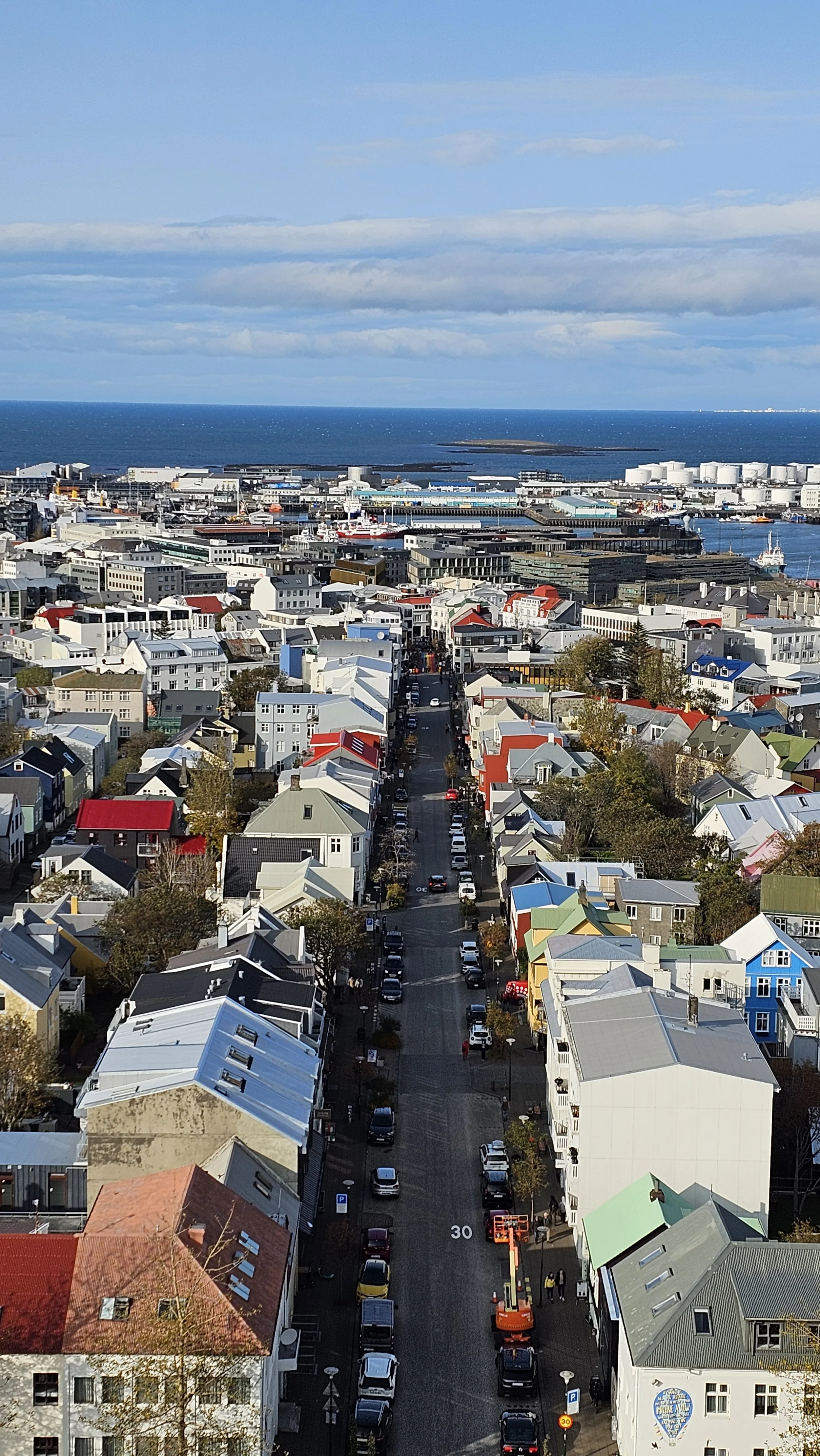


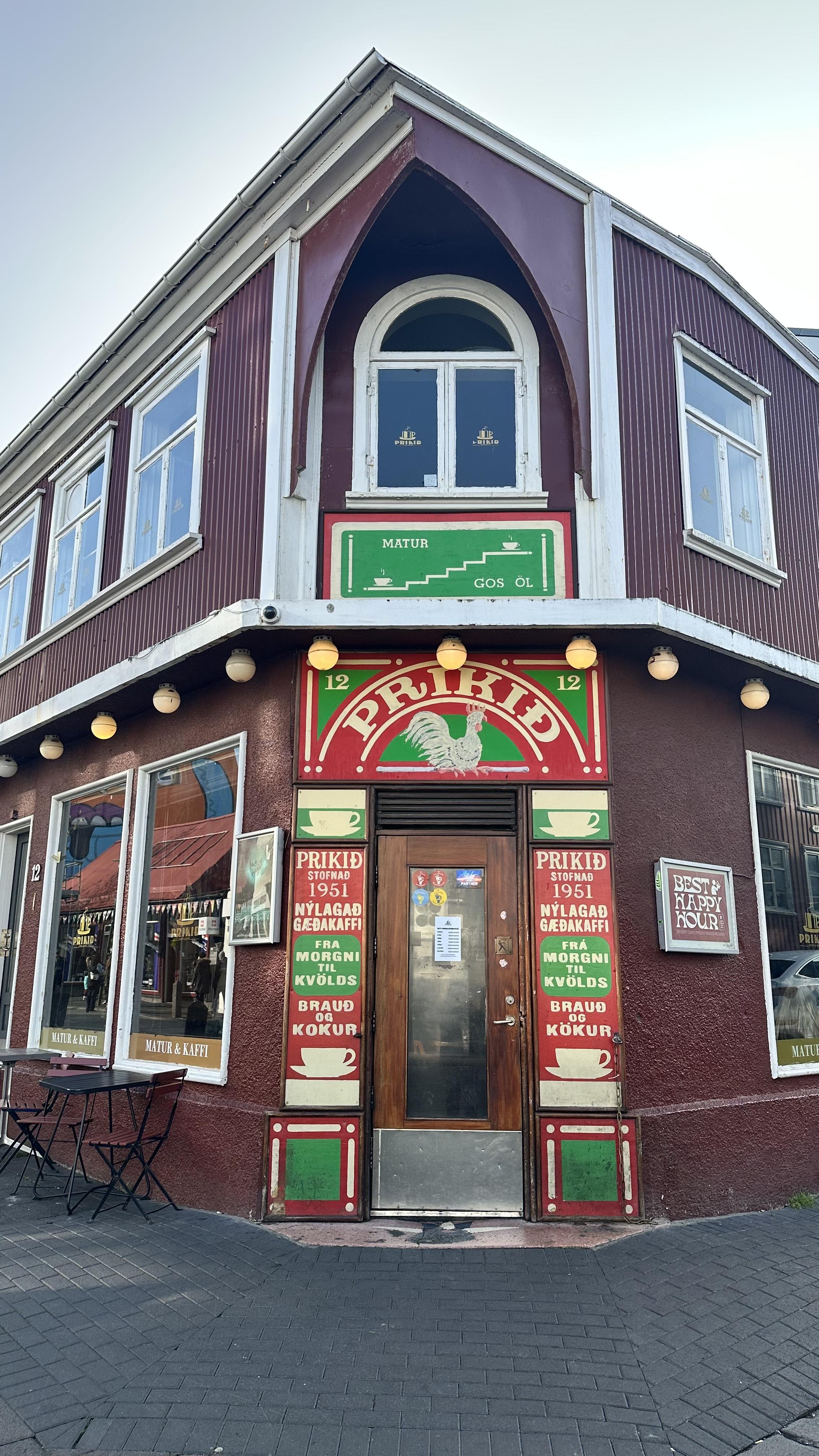
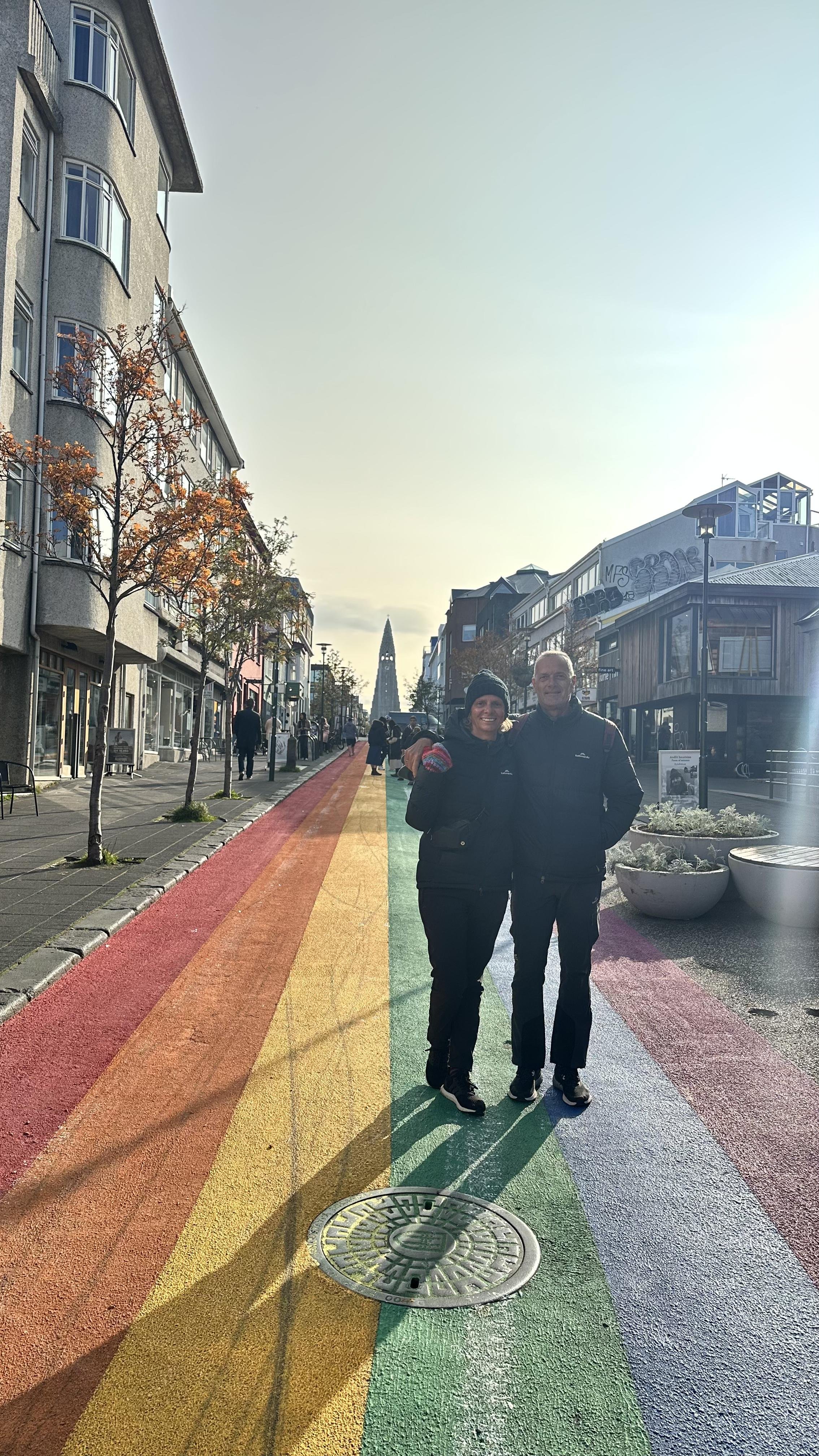
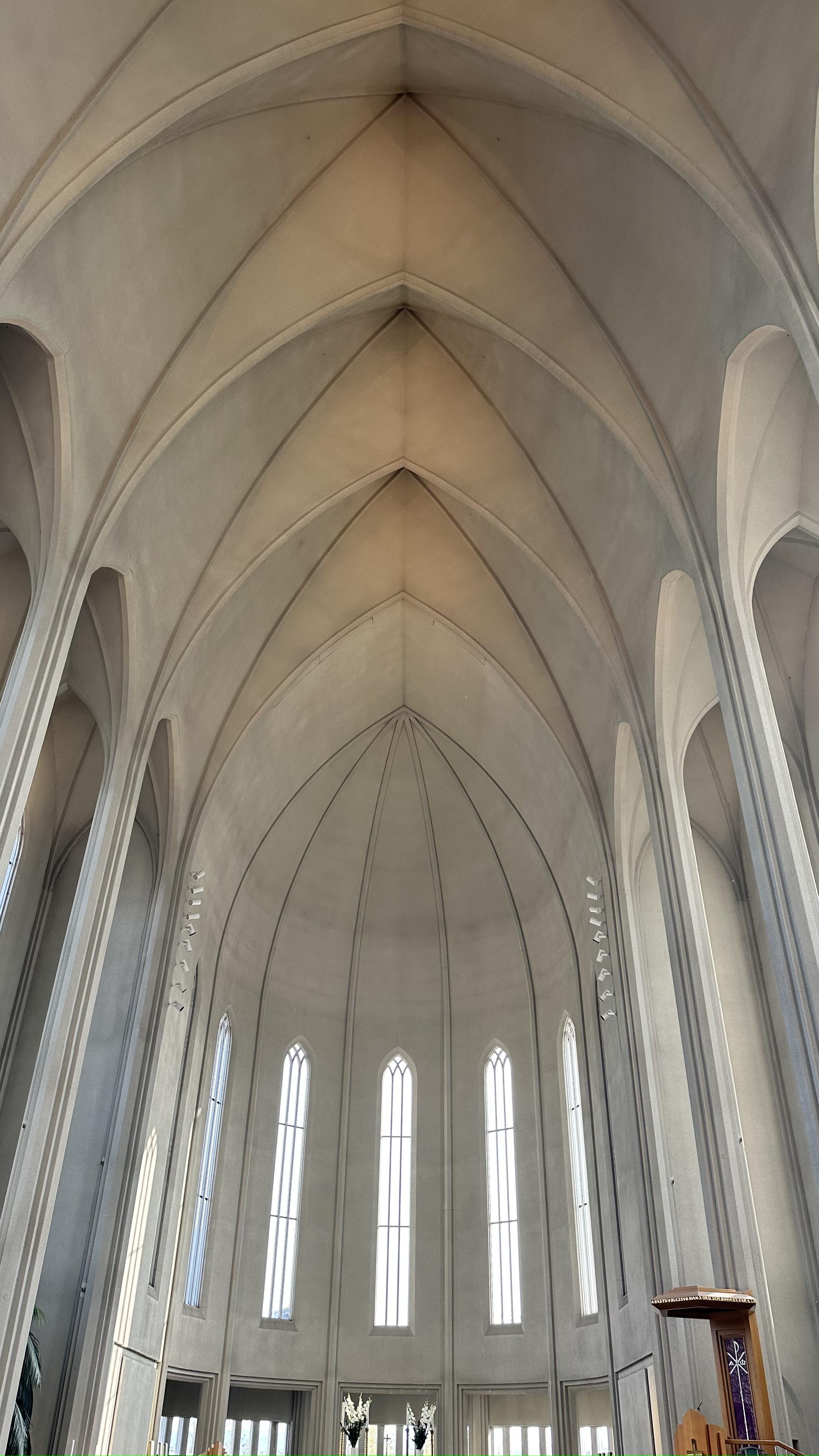
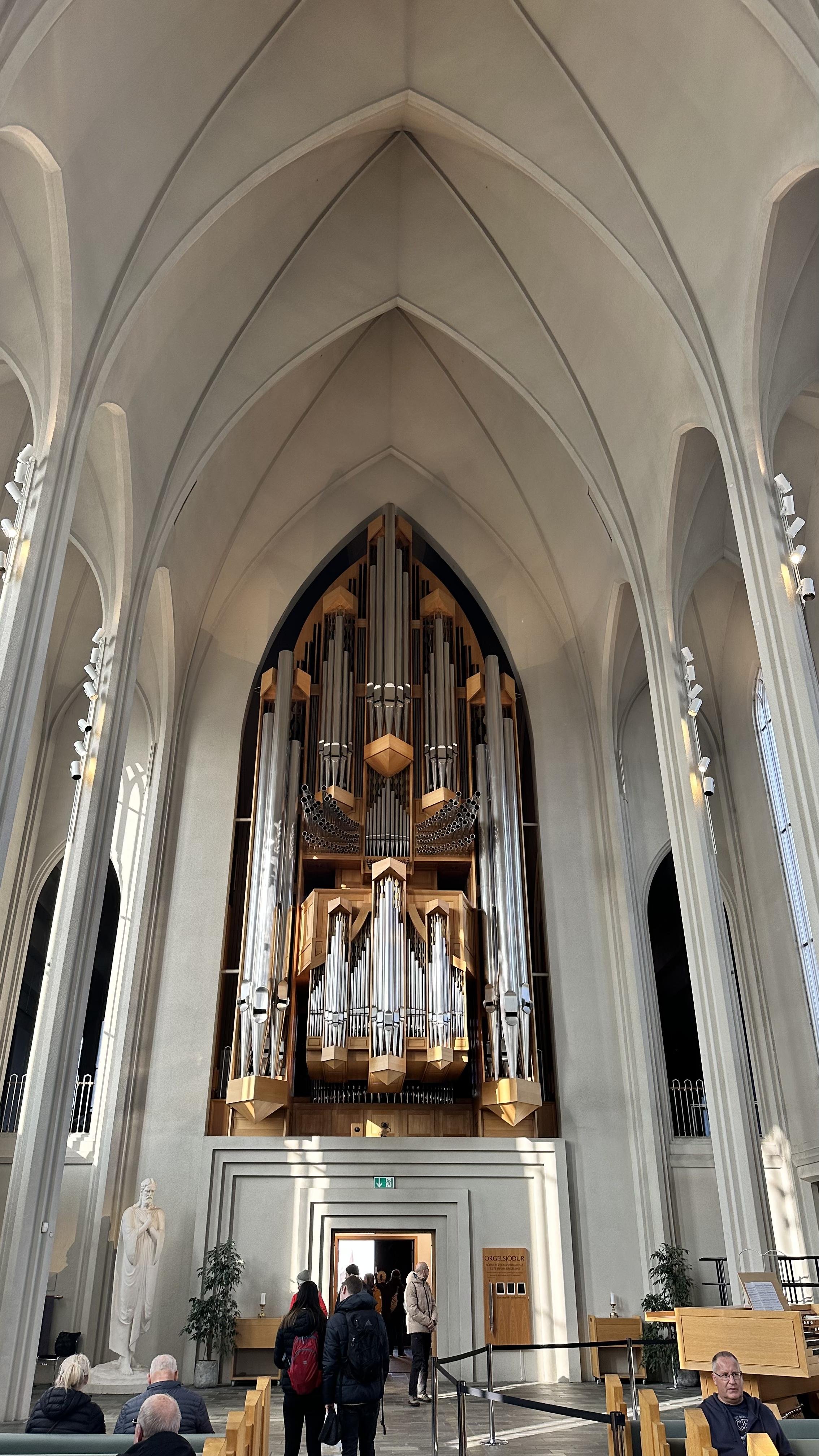
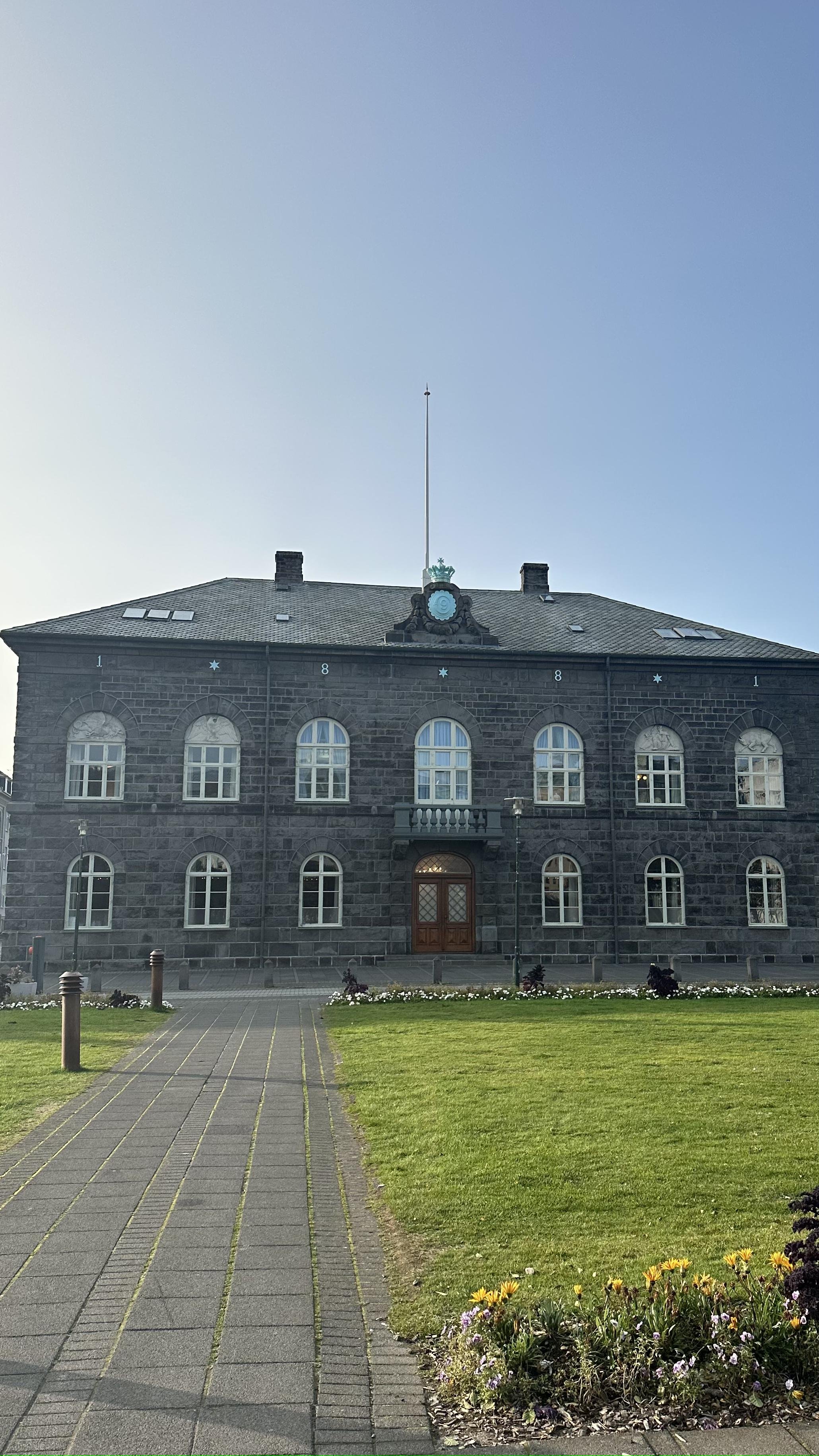
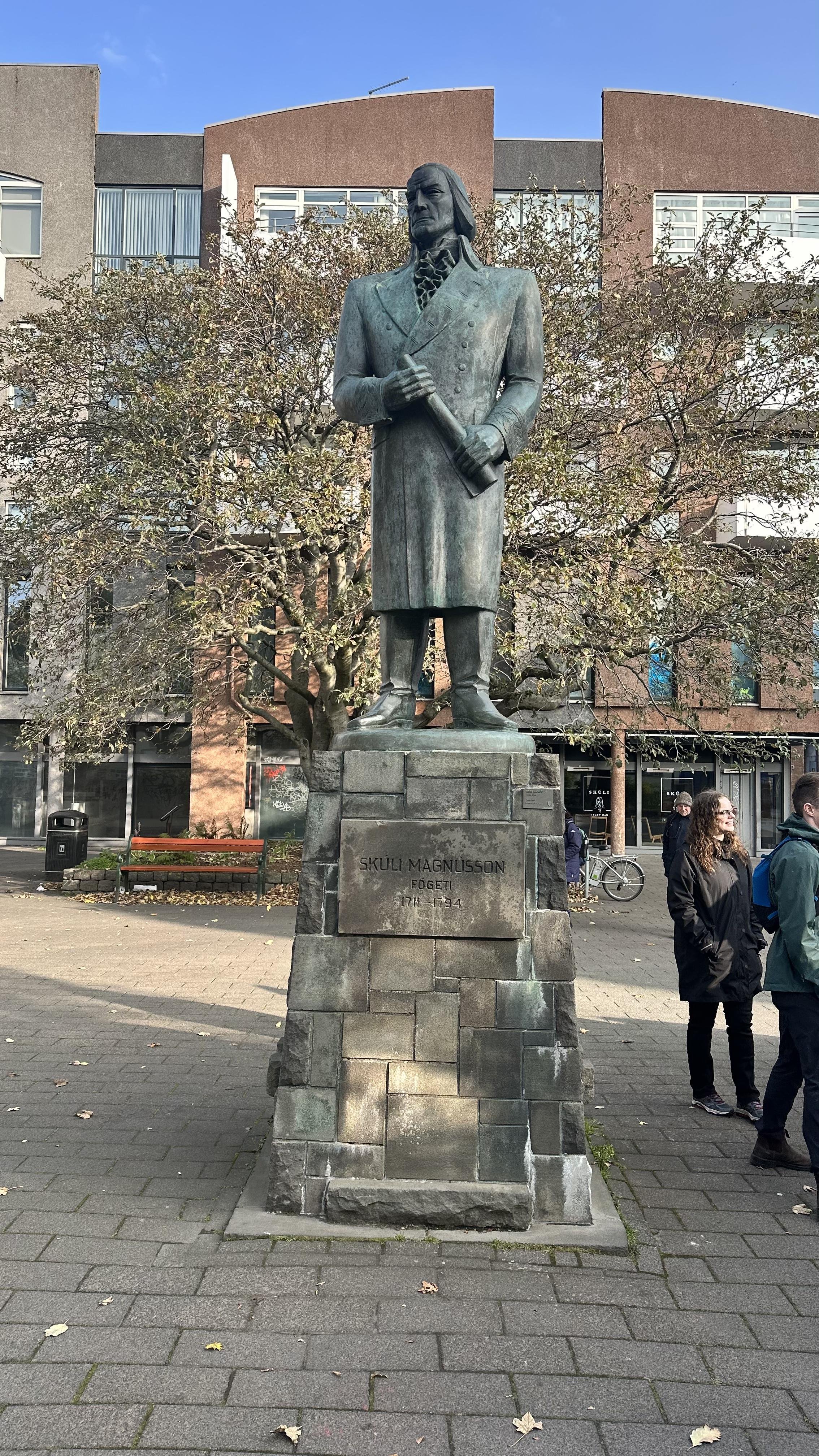
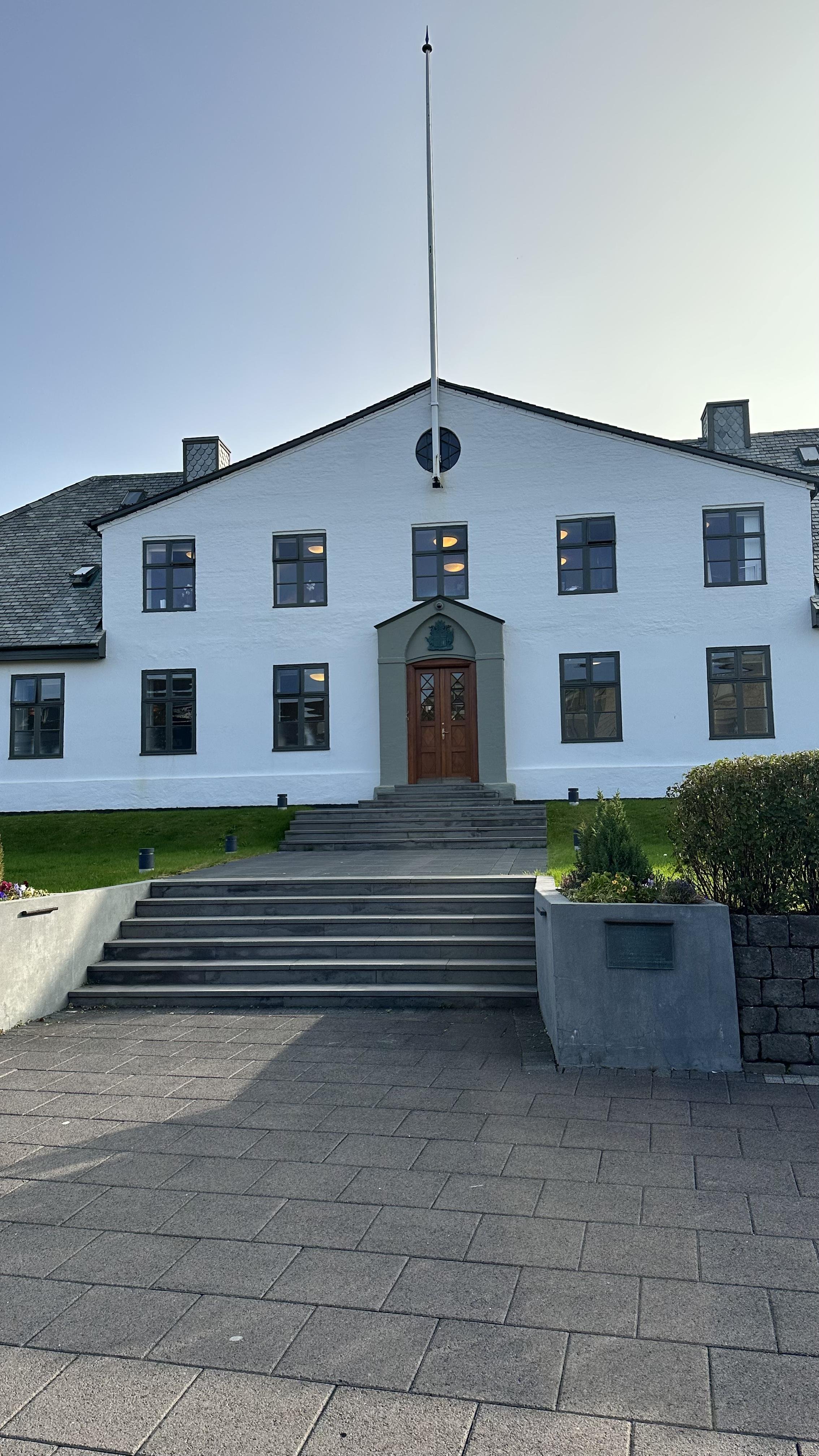
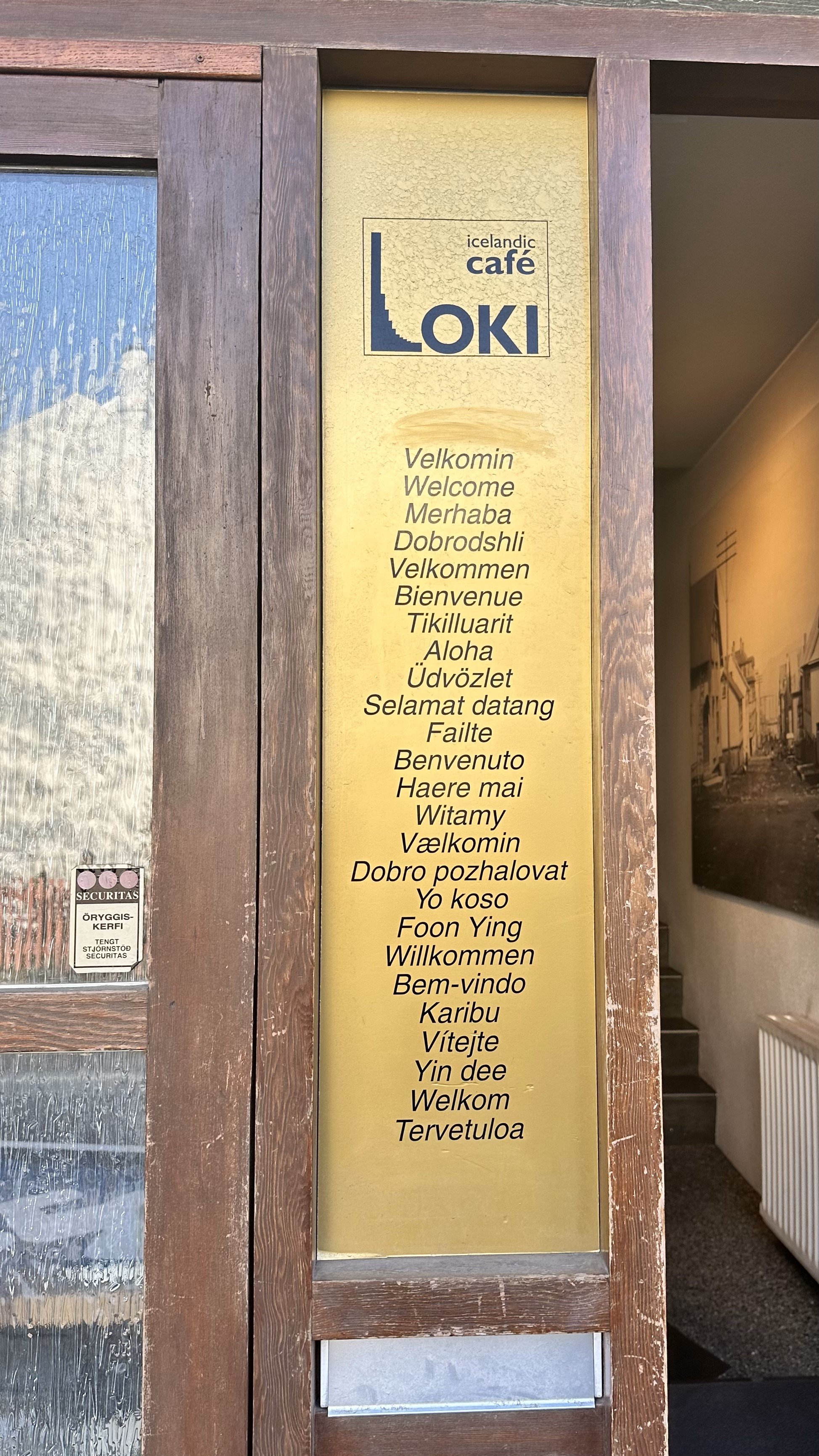
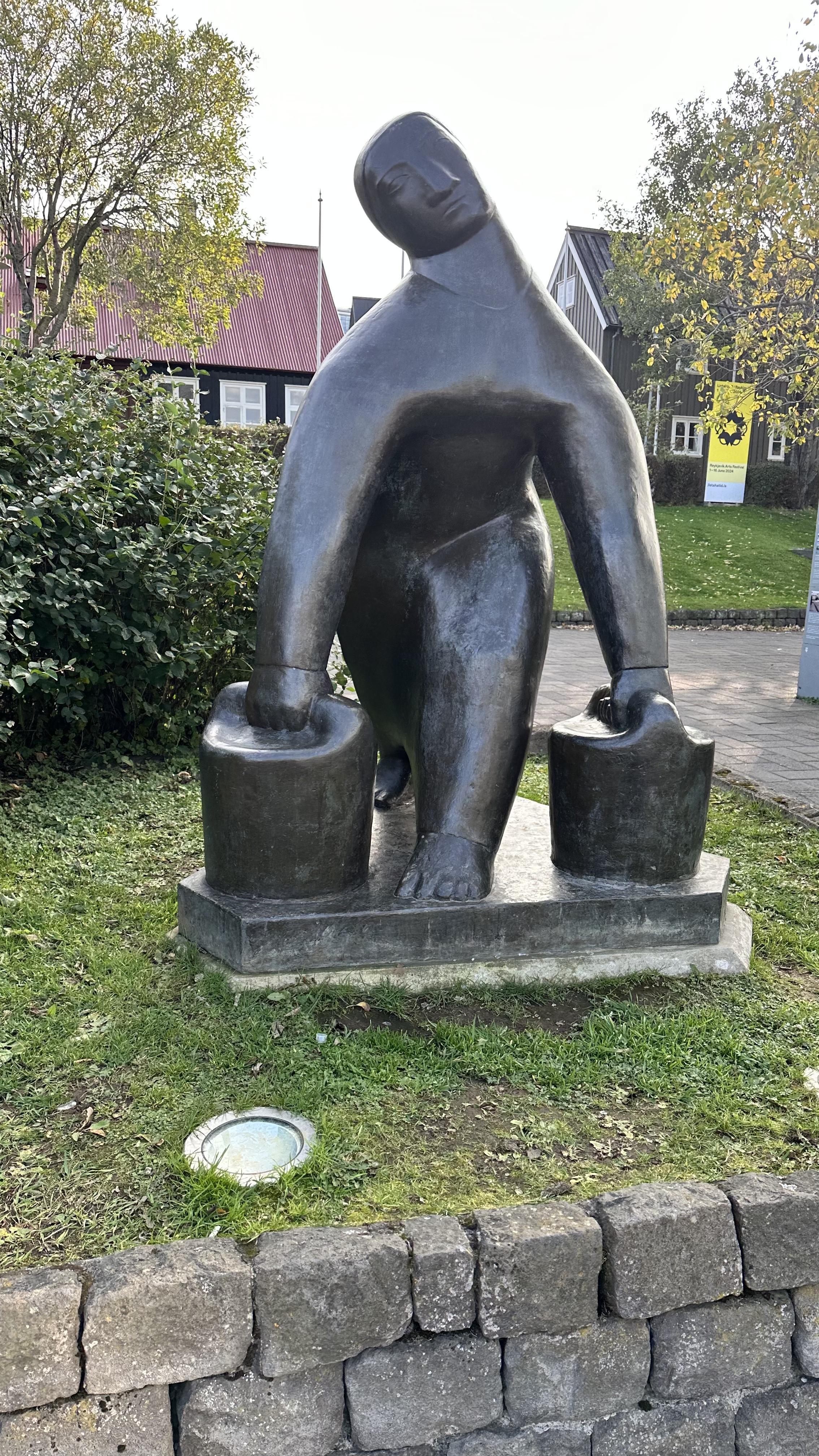
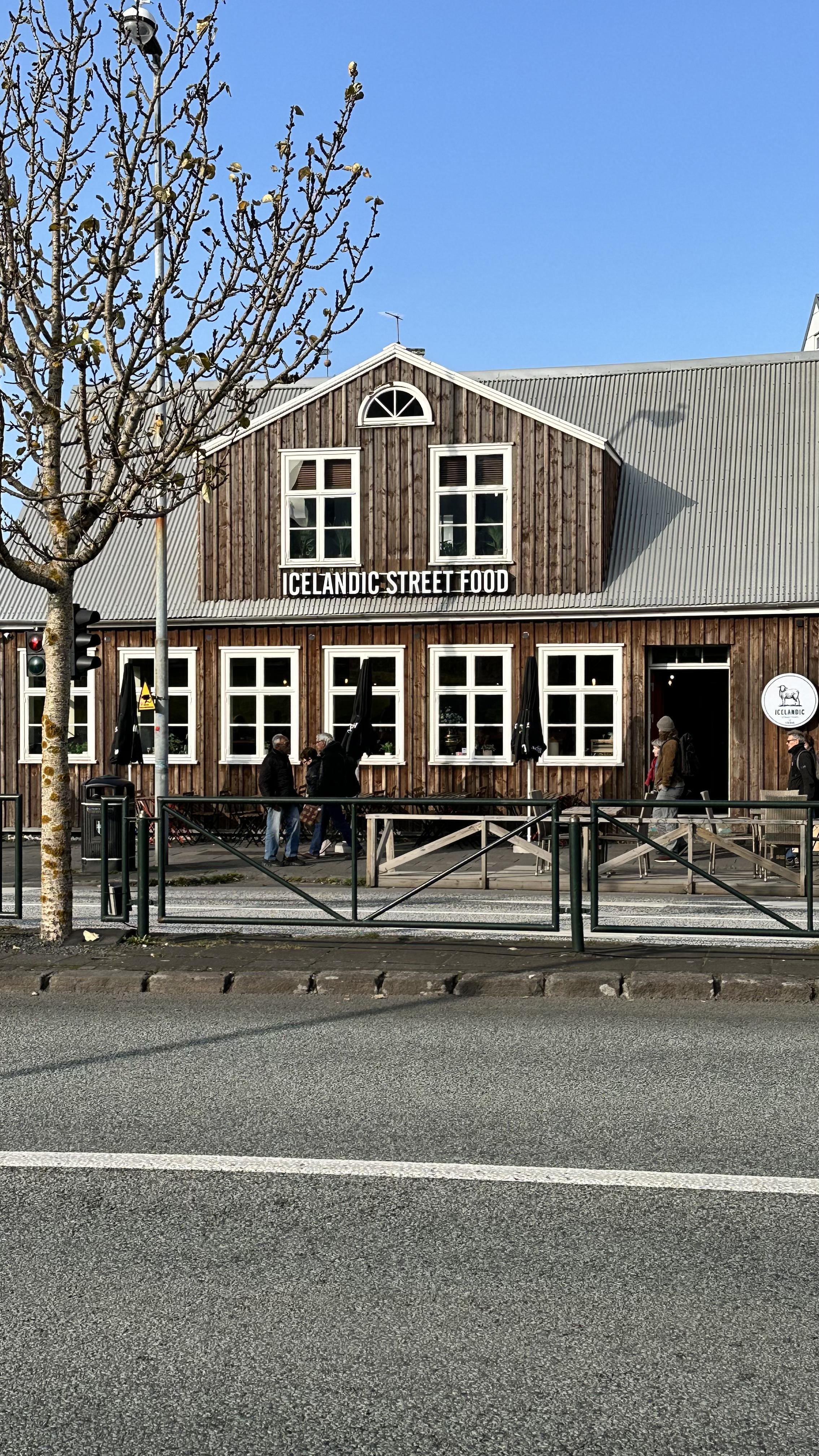
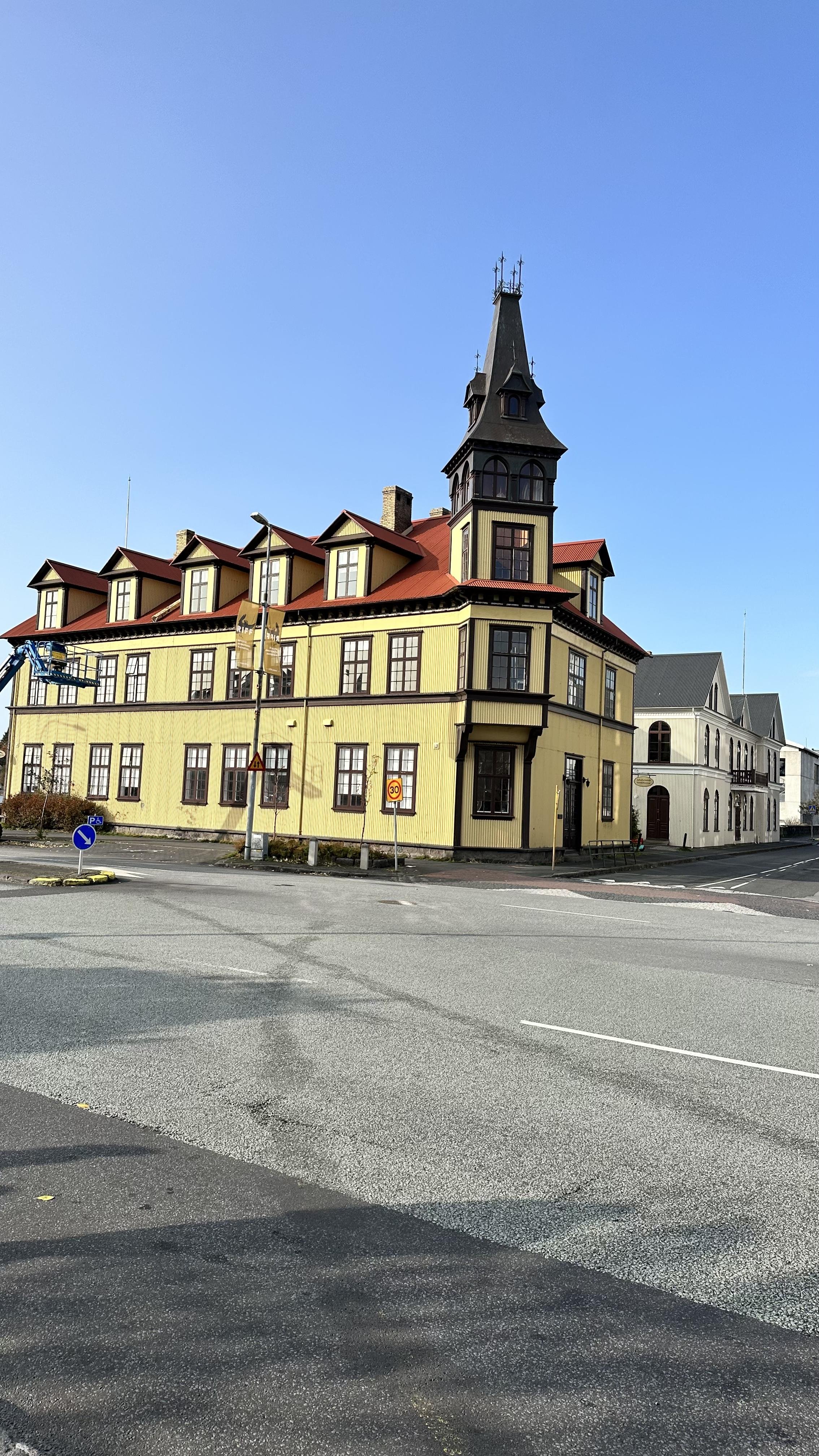
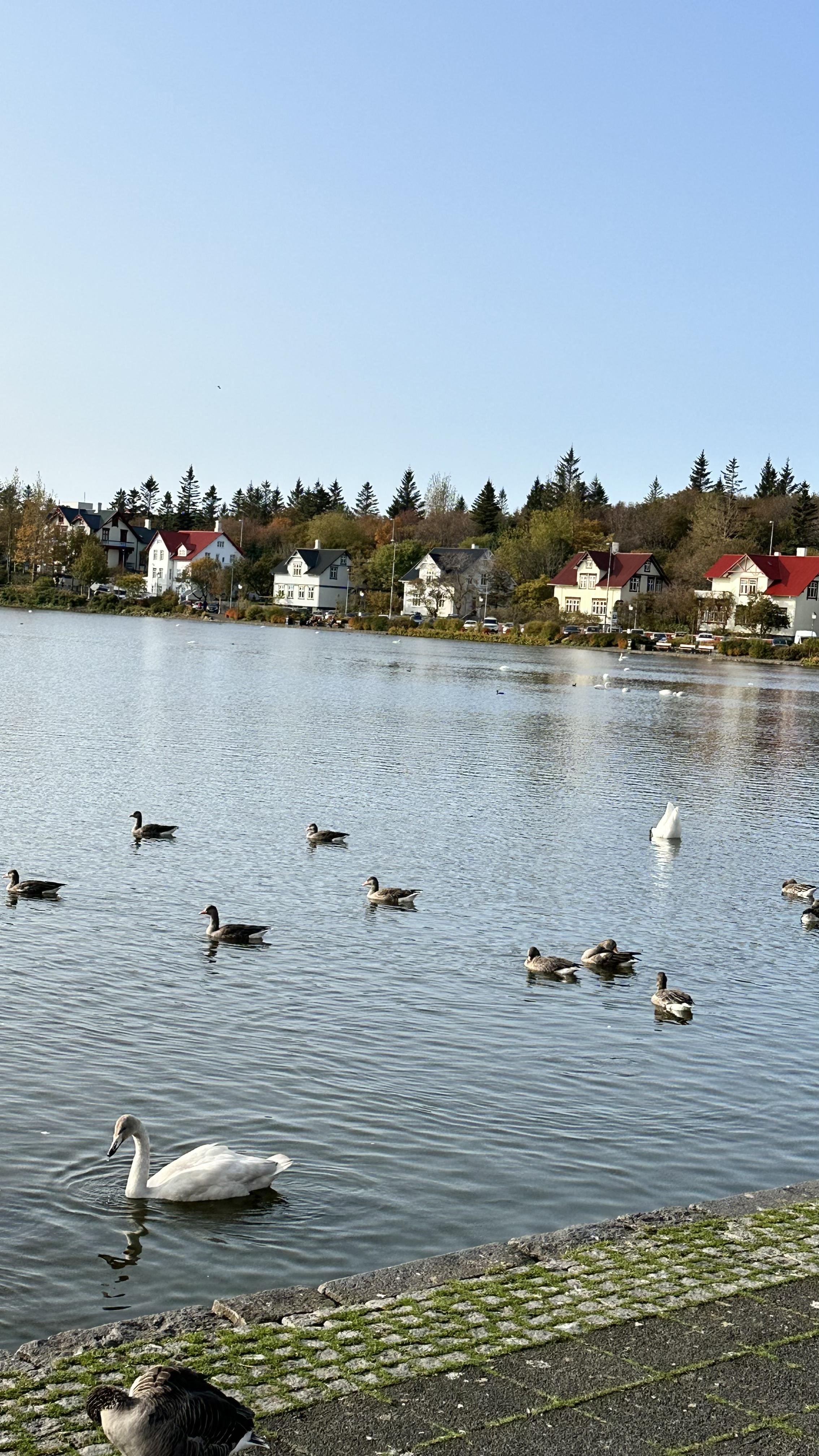
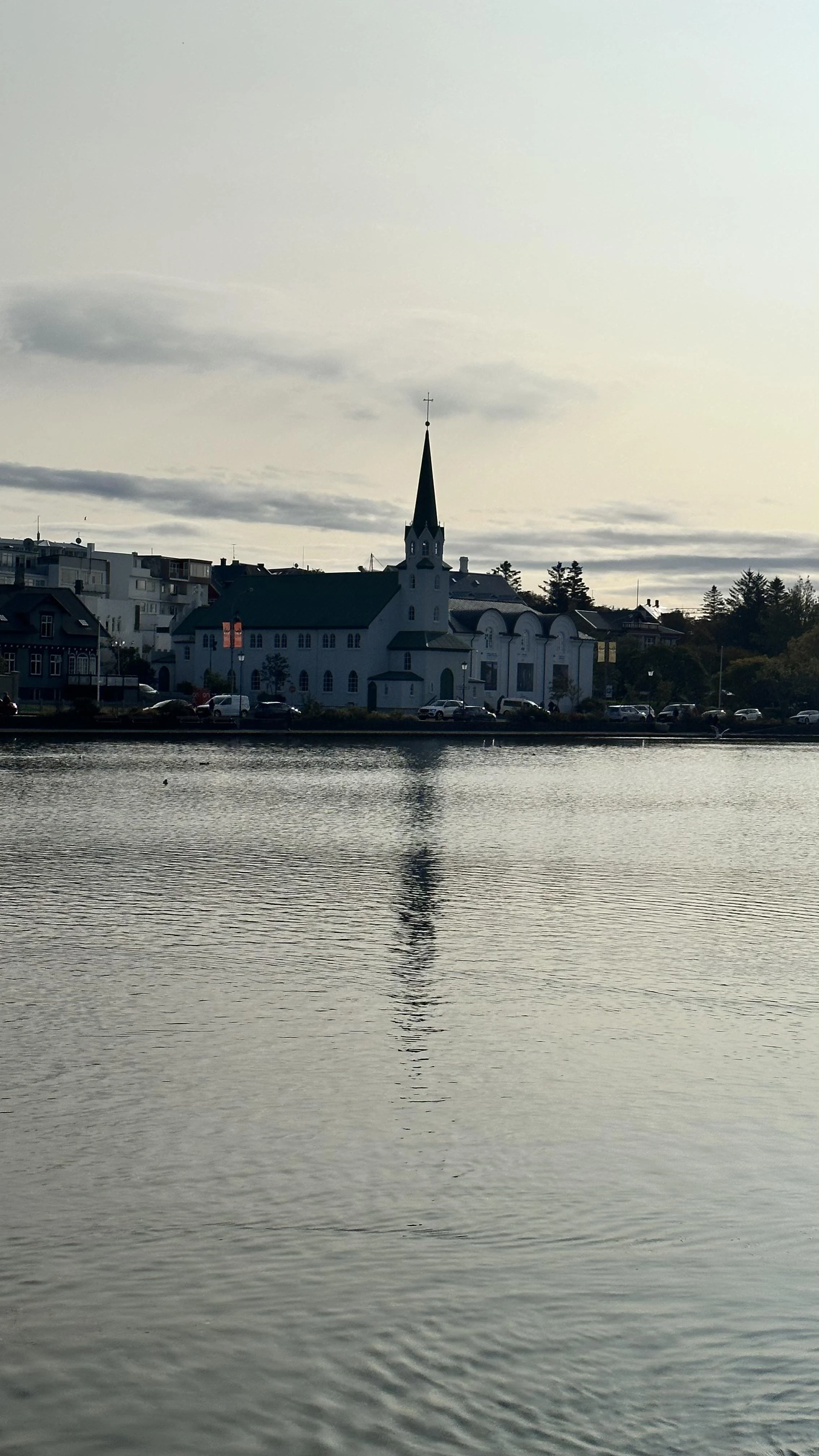
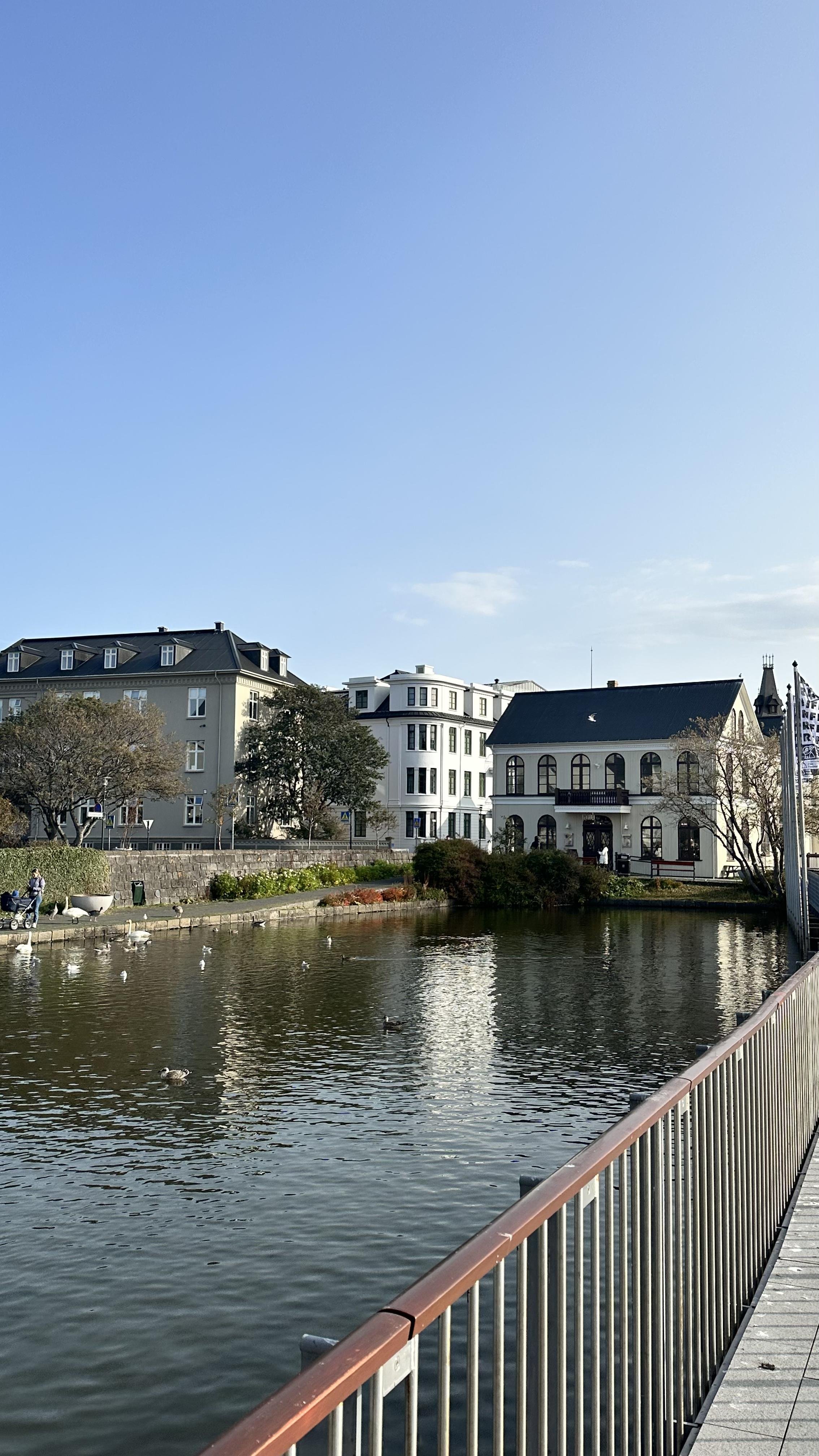
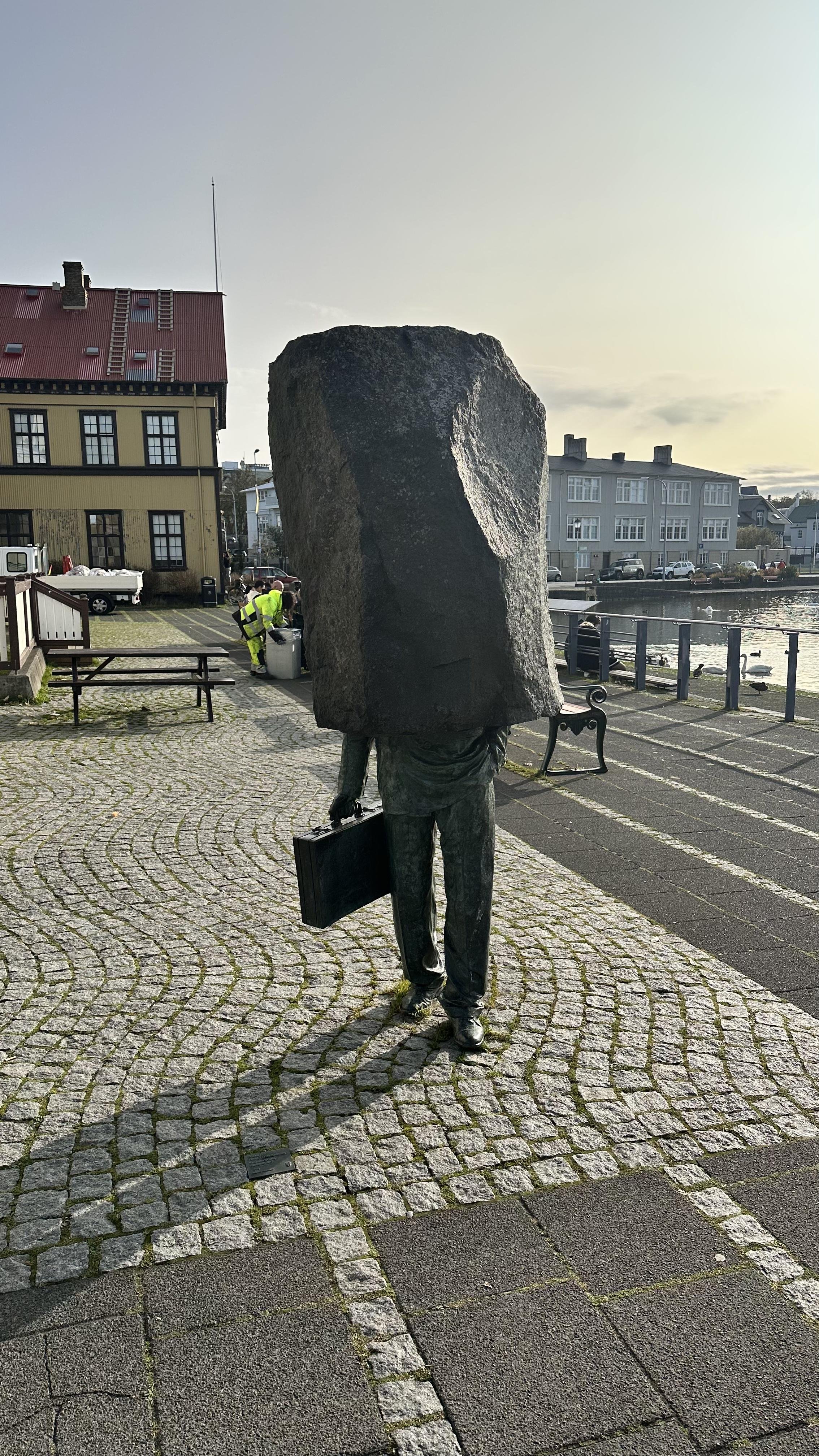
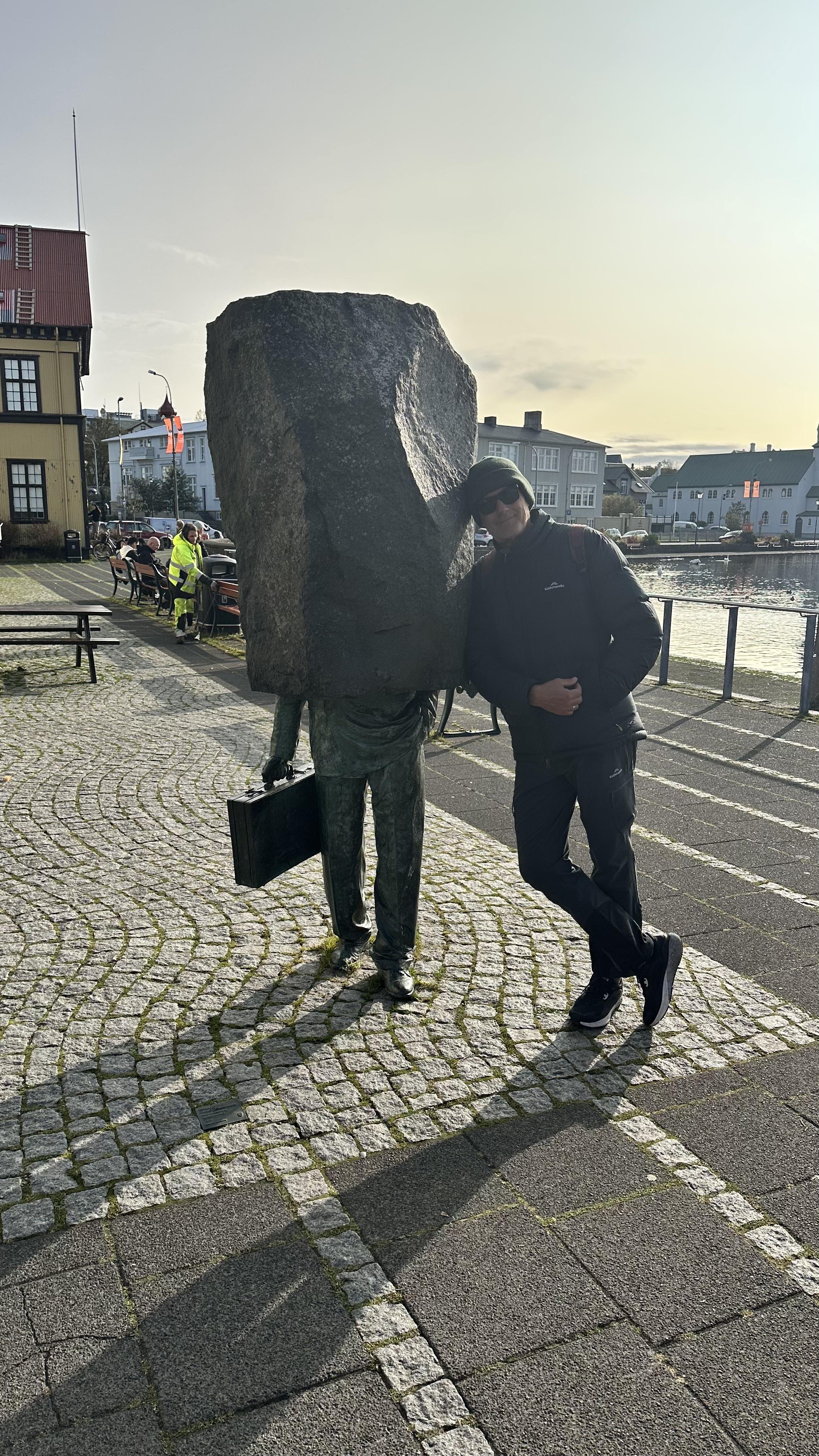
Stay tuned for the next blog with stunning photos of this magical country :). Here is a glimpse of what you will see.


Bablje Ljeto / Indian Summer
Rovinj’s sunshine continues to shine and we are having the best Bablje Ljeto we could ask for.
I have absolutely loved the crazy summer buzz, action, crowds, concerts, thousands of tourists roaming the narrow cobblestone streets of Rovinj. Movie stars coming for a visit, buying apartments here in the old town!
Rovinj’s sunshine continues to shine and we are having the best Bablje Ljeto we could ask for.
I have absolutely loved the crazy summer buzz, action, crowds, concerts, thousands of tourists roaming the narrow cobblestone streets of Rovinj. Movie stars coming for a visit, buying apartments here in the old town!
Believe it or not, I also love quiet September in Rovinj. The city is breathing again, weather is beautiful, the sea is still warm, beaches are less crowded and locals are out enjoying the nature beauty, peacefulness and serenity. It feels different, yet very beautiful 😍. We are simply in love with this place and can totally see ourselves spending more time here as we get closer to our retirement days, if not earlier!
In our language there is an expression that describes this time of the year and it’s called Bablje Ljeto or Miholjsko Ljeto, translated to English as Indian Summer.
There are several theories about the origin of this term😎!
According to one theory in most Slavic languages, these are called "bapske vlasi" (from "baba" meaning old woman). In folk belief, this is the period when witches were recruiting new members, and this spider silk was believed to be their hair. Additionally, this spider silk was also considered the weaving of fairies, dwarves, norns, or the Virgin Mary. It was believed that a wedding would soon take place if the flying spider silk became entangled in a young girl's hair.
According to a different theory this is the period "when old women can still warm their bones in the sun."
The third theory is linked to an autumn holiday known as "Miholjsko ljeto" and "Martinjsko ljeto" (according to St. Martin, on November 11), as well as "Cigansko (sirotinjsko) ljeto" in Bulgaria or "kasno ljeto" in the Netherlands.
In the North America, the same phenomenon is referred to as "Indian summer."
Now that we have learnt a few theories about it, let me tell you what we’ve been up to!
We have had a very few cloudy days since we’ve got here and that gave me the opportunity to drag Nebojsa away from the daily 3B routine - beach, bike, board, and to spend the time exploring a few inland places around us.
There is so much to see, and yes, it can be nice here even when you are not at the beach! Although I am having to persuade Nebojsa, I know for certain he’ll have the same challenge during the winter months when I’ll be the first and the last on the ski slopes, and nothing else will matter! 😉
So, where did we go? We visited Hum, Učka, and did Štrika Ferata bike ride, and we have had a great time!
Hum is famous for being the smallest town in the world!
It is perched on a high hilltop, recognized by the Guinness World Records as the smallest town in the world with a population of 30 (in 2022). The town is located in the centre of the Istria region, near the town of Buzet, only 100 meters long and 30 meters wide.
On its western side, the town is enclosed by walls and on the remaining sides houses are built into the defensive walls.
It was first mentioned in documents dating from 1102, at which time it was called Cholm which is derived from the Italian name Colmo. A bell and watch tower was built in 1552 as part of the town's defenses beside the town loggia.
The town's parish church was built in 1802 by the locals.
The "Hum Glagolitic” wall writings are preserved in the church, written in the formative period of Glagolitic ( the second half of the 12th century) and they are one of the oldest examples of Croatian Glagolitic literary culture in the Middle Ages.
Učka
The Učka is designated a nature park and is protected in Croatia.
The Učka, in Italian Monte Maggiore is a mountain range in western Croatia, an hour drive from our home in Rovinj. It rises behind the Opatija riviera, on the eastern side of the Istrian peninsula.
It differs from all the other coastal mountains in Croatia because of its abundant vegetation on the seaward side. Best known are the forests of sweet chestnuts in the area around Lovran.
Učka's highest peaks are considered nature reserves and memorial areas. The highest peak, Vojak, is located at 1396 meters above sea level. From it there are views over Istria, the Bat of Trieste, the Julian Alps, and the Adriatic Islands.
We parked next to the restaurant Dopolavoro and went hiking in the area. After a few hours of beautiful walks in the misty rainy weather the sun came out and the views were spectacular.
We saw so many cyclamens happily growing in the forest next to the hiking pathways. I was so surprised and ended up with so many photos of these beautiful flowers.
On the way back we stopped at Dopolavoro restaurant and enjoyed a home cooked meal. Dopolavoro restaurant has a cool history:- it was established in 1930ties by the Peruzzi family, during the 20 year Italian ( actually fascist) “ occupation “ of these areas, which between de facto occupation and jure annexation, lasted from the end of the WW I to the end of the WW II.
An ancient road connecting with the interior of Istria passed from here, and the place was alternately the land of bears, coal miners, smugglers, and travelers, today tourists.
Dopolavoro still carries its name and remains famous for its game dishes, including deer, roe deer, wild boar, and bear. But also for lamb, pork or veal cooked under the oven(peka) Croatian version of hāngi. 🤗
Štrika Ferata / Pista ciclabile sterrata sulla vecchia ferrivia di Rovigno
The route of the bicycle-pedestrian path Štrika-Ferata stretches along the former railway branch Kanfanar - Rovinj.
The Kanfanar-Rovinj railway line stretched for 20,561 m and served to connect the economic centres of the Austro-Hungarian Monarchy with the town of Rovinj, then a strong industrial centre.
The traffic was opened on 20 September 1876 and was closed 20 October 1966.
The route of the former railway passes through the cadastral municipalities of Rovinj, Rovinjsko Selo, Sošići and Kanfanar.
Along the route, which passes over three bridges, there are also four railway stations and 14 guardhouses, 22.7km in total.
We completed the route to Šošići in a few hours. It was so nice to bike in the nature and stop by some historical sites along the way.
Funnily, I had no idea we were biking uphill. It didn’t feel too hard and I was obviously unaware. When we reached our friends house in Šošići we stopped for a beer and a chit chat. Soon after, I started saying we should head back in order to avoid late night return home. As we left, they all laughed at me, I realised the way back was super easy using the gravity! We smashed it on return and had enough time for a swim before the nighttime.
We will definitely do it again and all the way to Kanfanar, when we come back to Rovinj later in the year!
Ticket to ride
If you’ve been thinking we must be bored on a rainy day let me tell you, no way!
By the time I do my Italian lessons, do a few Sudoku games, read a book, listen to podcasts, travel plan where to go next, it’s time for another game “Ticket to Ride” across Europe. So. even when we are not travelling, we are indeed travelling while playing this cool game! Thank you to family Nikolić for introducing us to the game!
And if you think we are not competitive you are very wrong! Nebojsa is competing against me, and I am competing with myself to complete all routes as best as I can! Loads of fun and arguments 👍😂!


Reflection
It’s been 101 days since we touched Istanbul, it is hard to believe!
There are so many things to reflect on, I’d start by saying I simply LOVE LOVE LOVE how active we are each and every day. This trip is definitely doing us so much good on so many different fronts, we are feeling very happy and grateful for having the courage to go on this adventure.
We have seen so many amazing places, met great people and made new friendships, have had an amazing summer in Rovinj with busy days filled with visitors, kids, family, and lonely days just for the two of us, and each chapter has had its special moments, and has created lovely life long memories.
The budget is under control, the spreadsheet now has an executive summary (thanks darling :), and it’s proven us we can do this, for as long as we behave more like travelers then tourists. It is fair to say we are having a good mix of both! Living like locals while we are in our own home helps with the budget and it gives us so much joy as we indulge in fresh silver-beet, local olive oil, garlic and freshly caught sardines, yum, yum, yum! Having a local macchiato with a cold milk and Schweppes Bitter Lemon has become our daily routine. We know how to enjoy, that’s for sure!
The time has come to jump on the wheels and embark on exciting new travels from 1 October, again we are off to do something we’ve never ever dreamed we would do!
Off we go…..safe travels to us❤️
Hum Photo Album

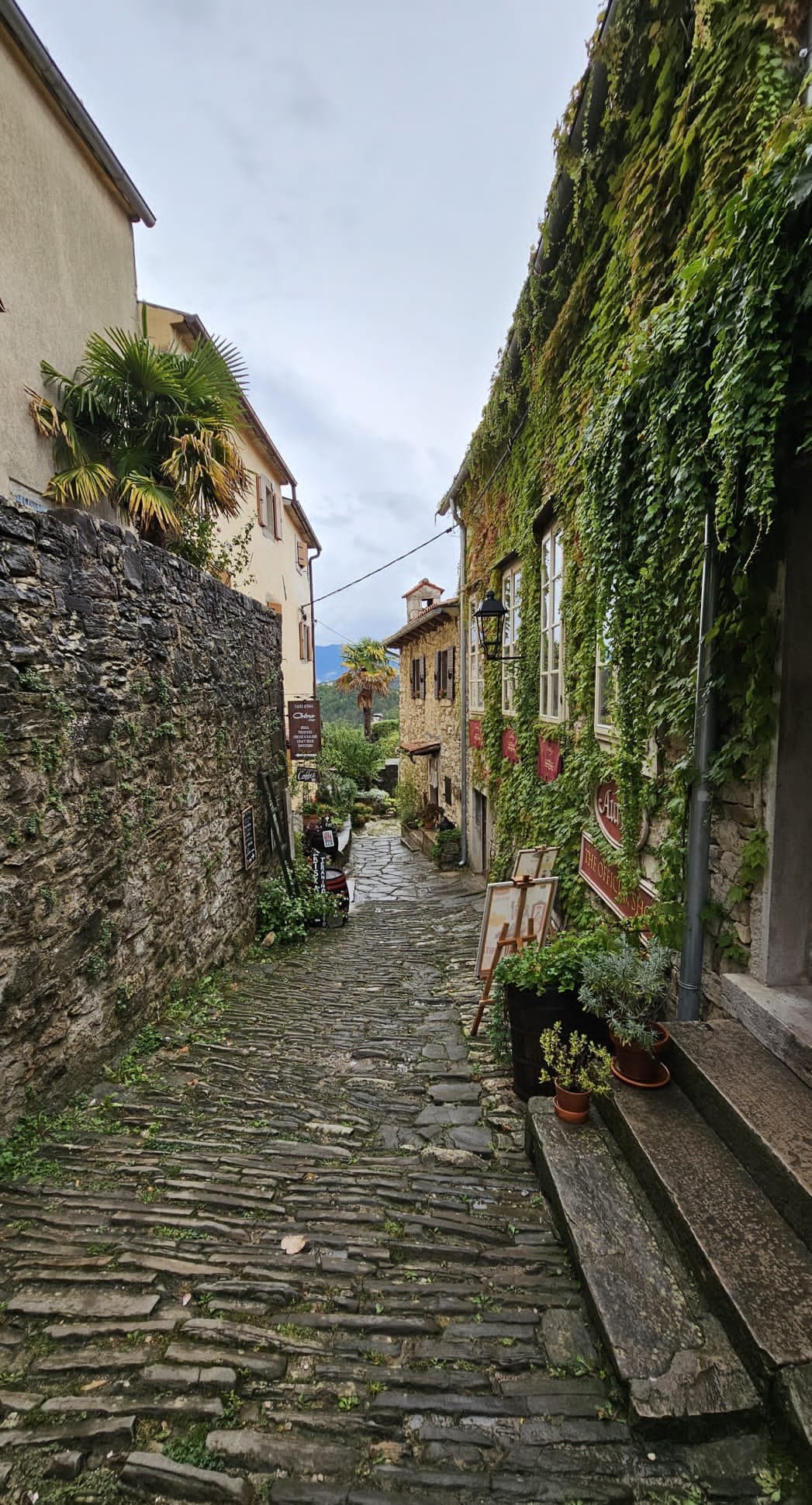
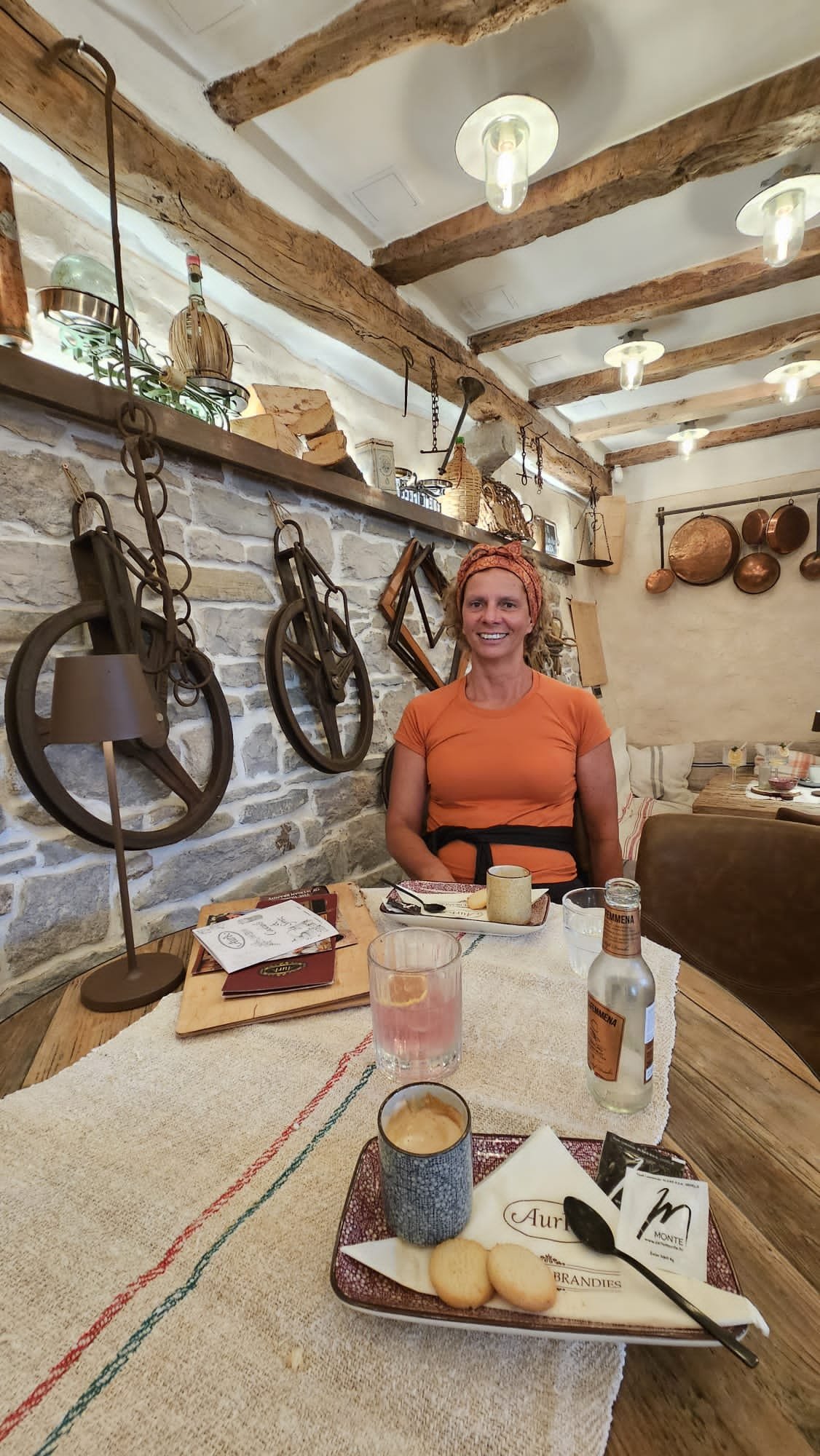
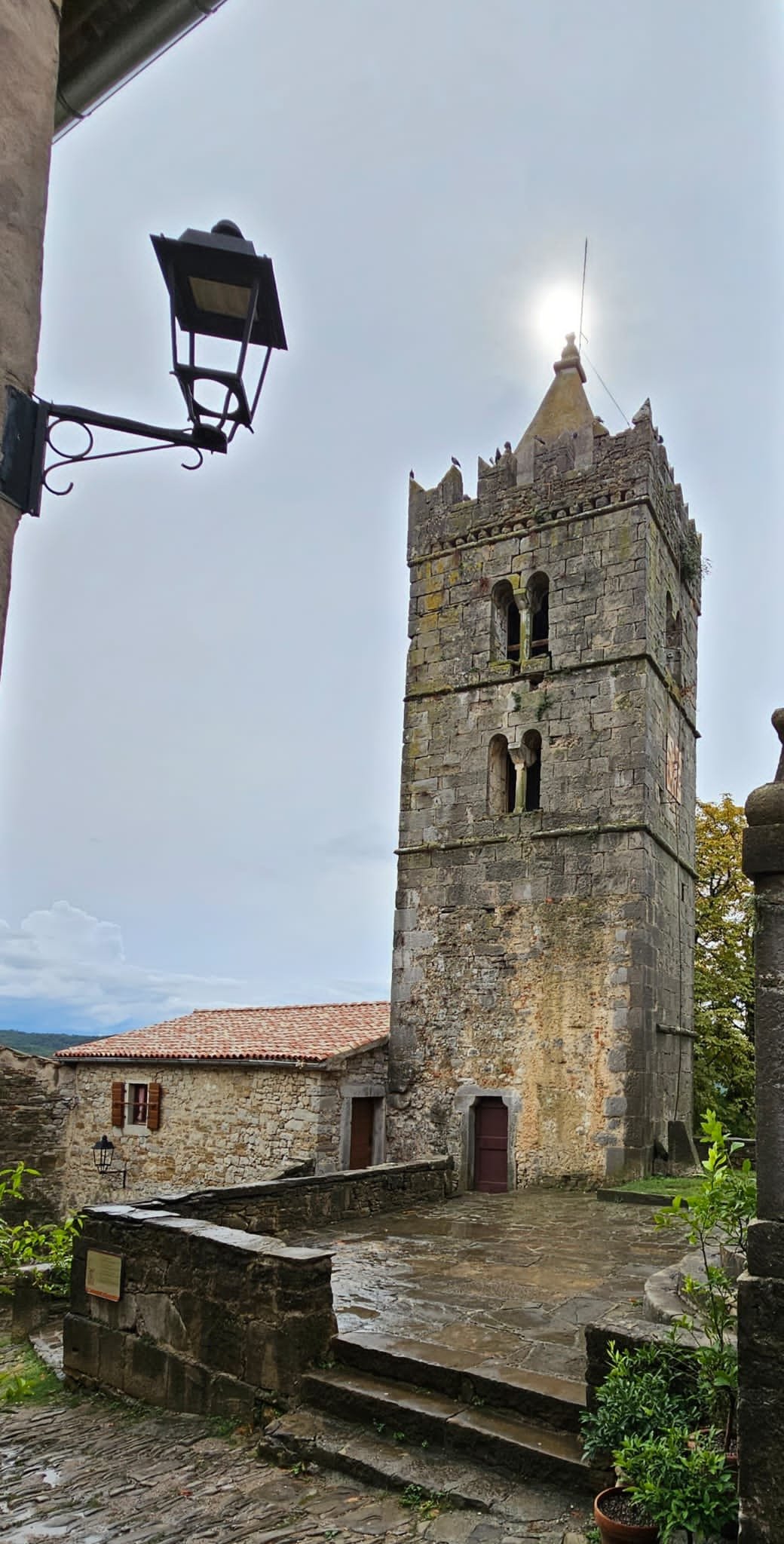


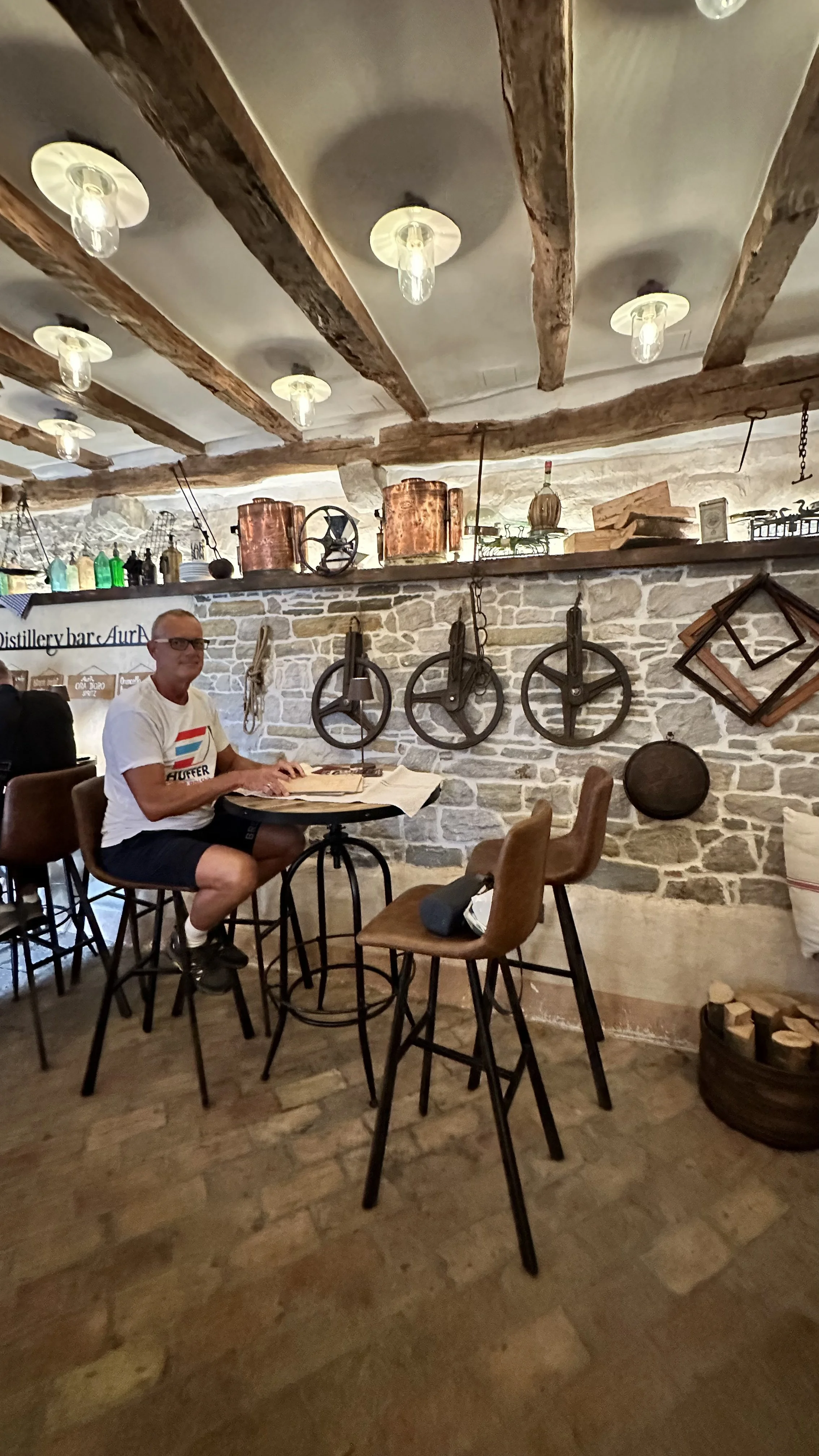


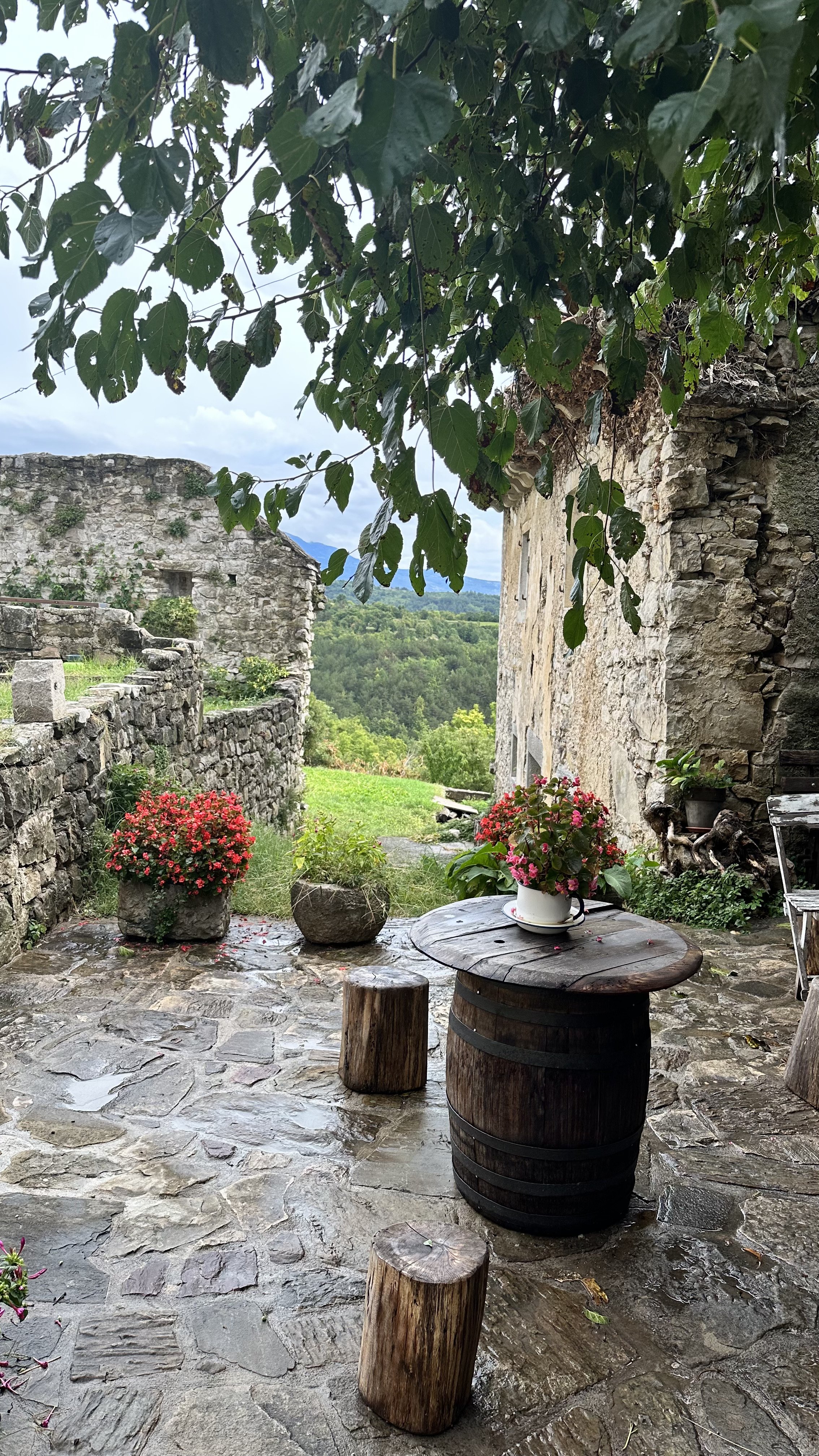

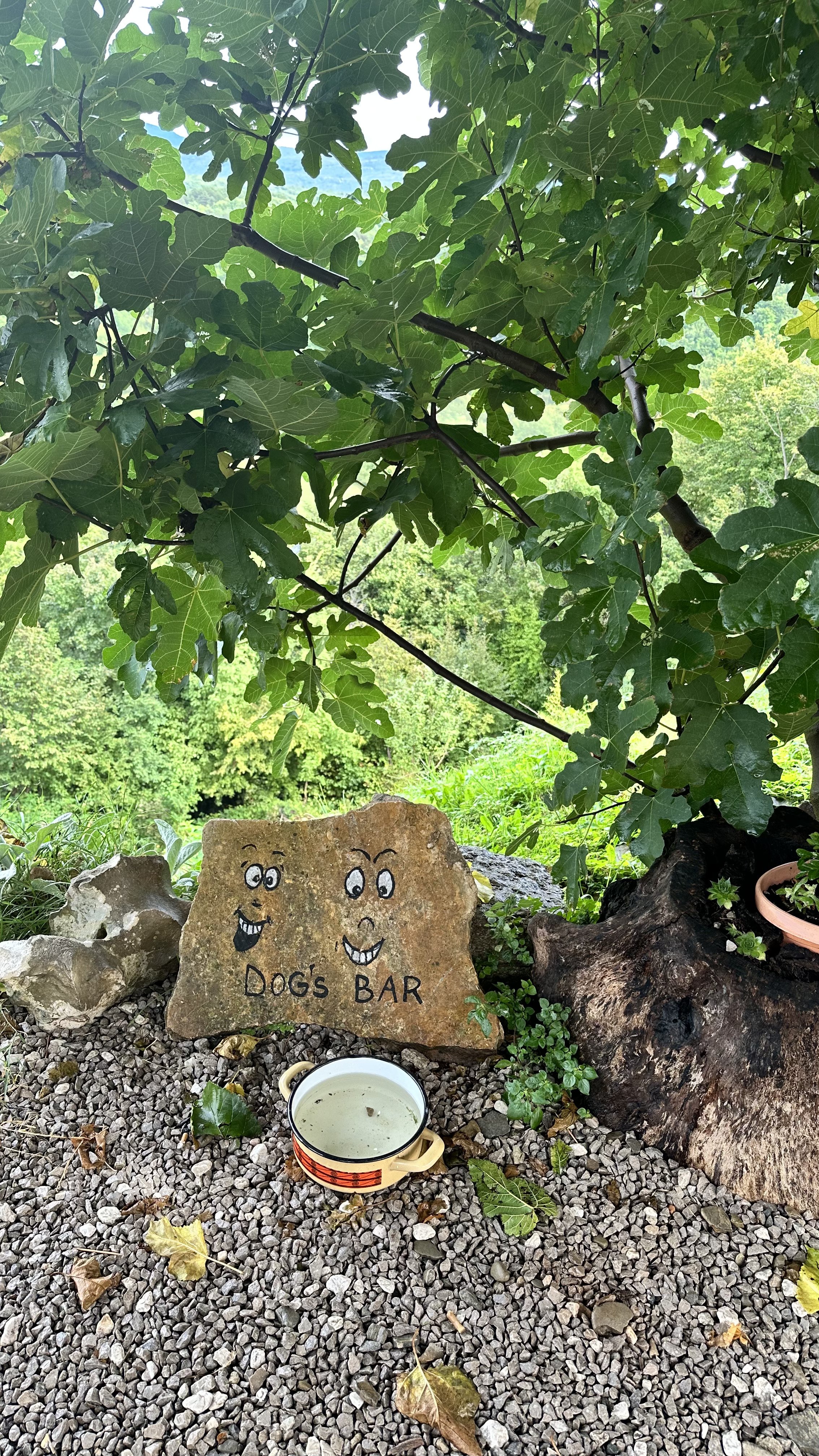

Učka Photo Album
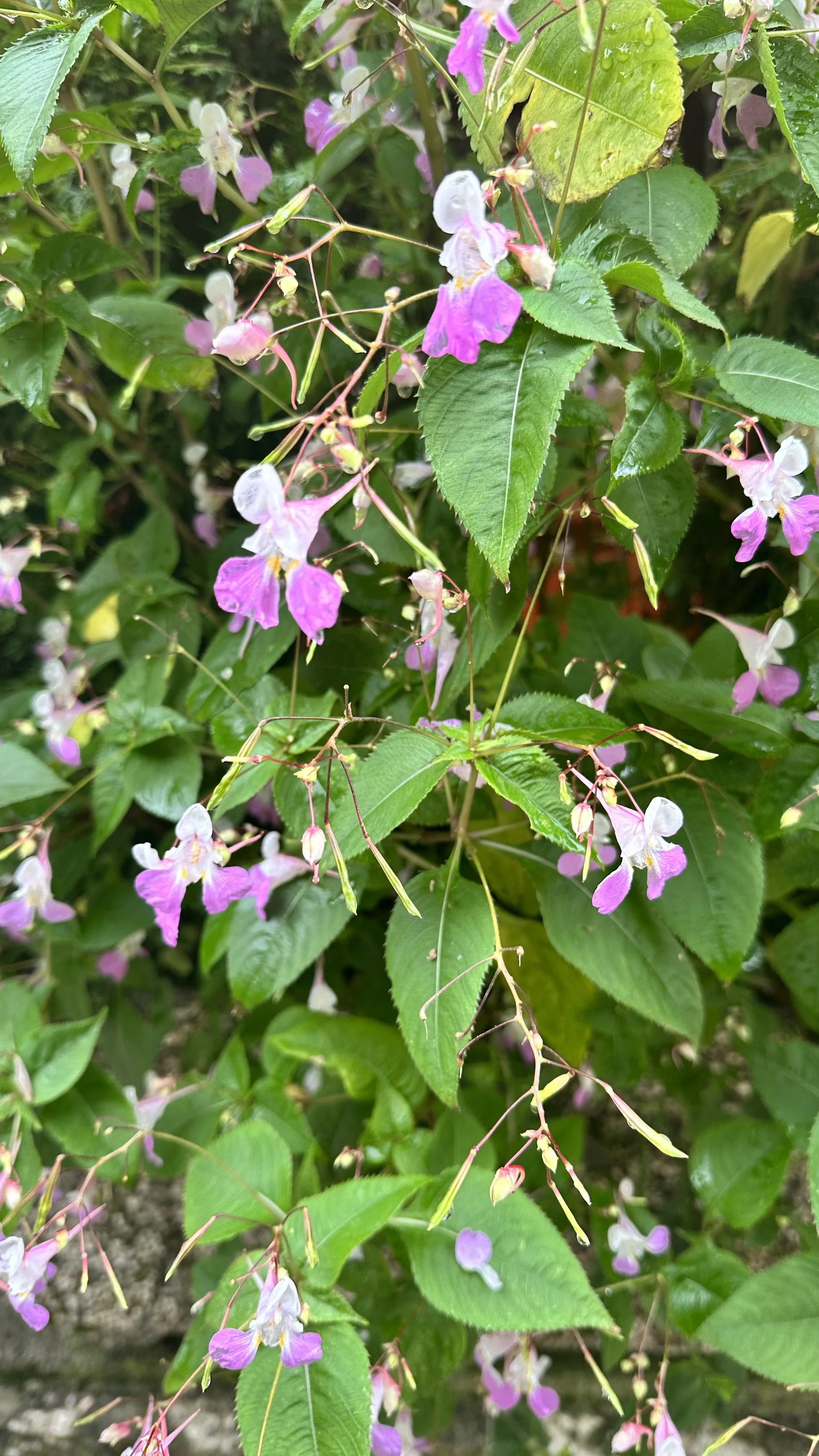
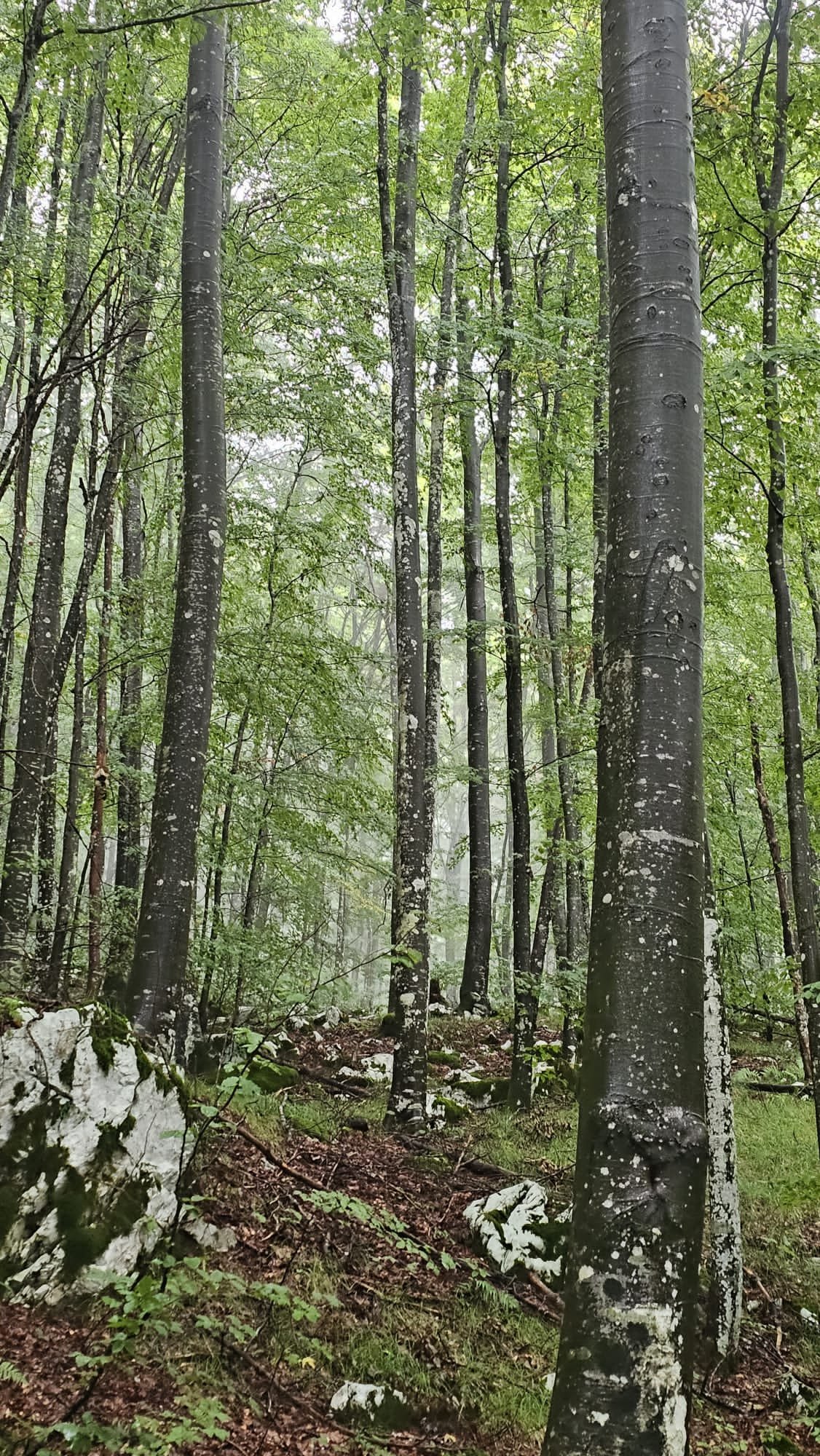
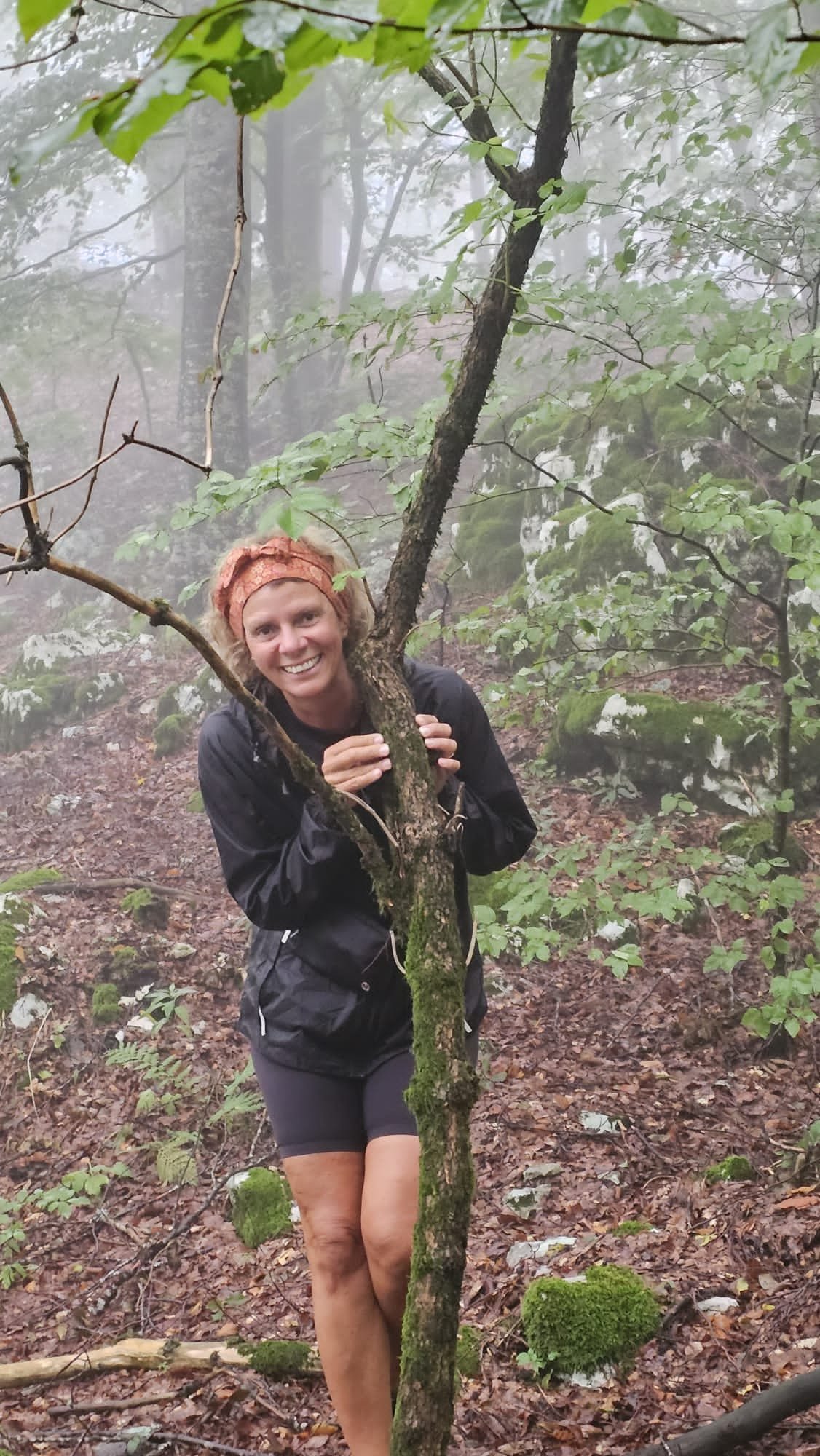
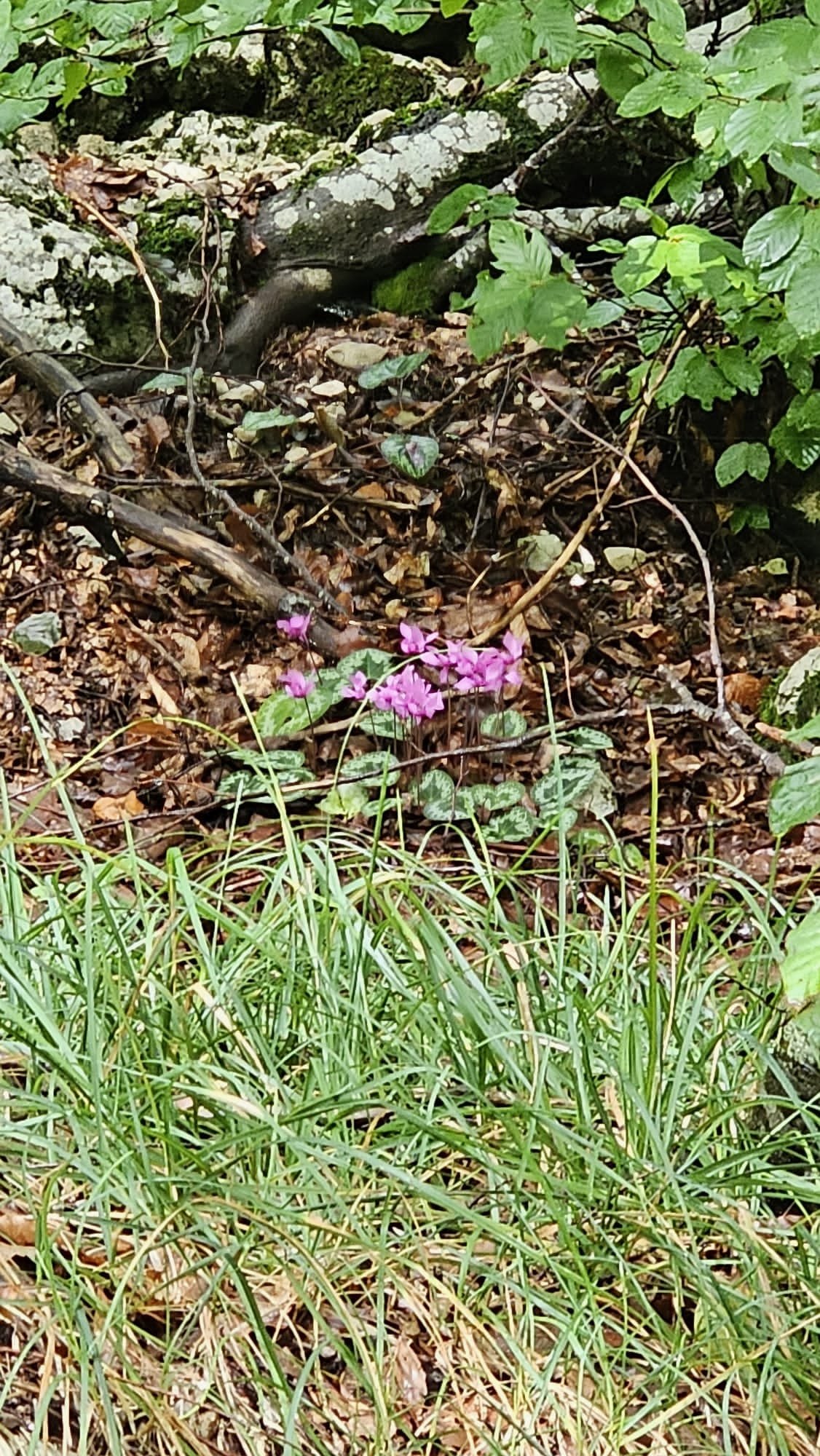




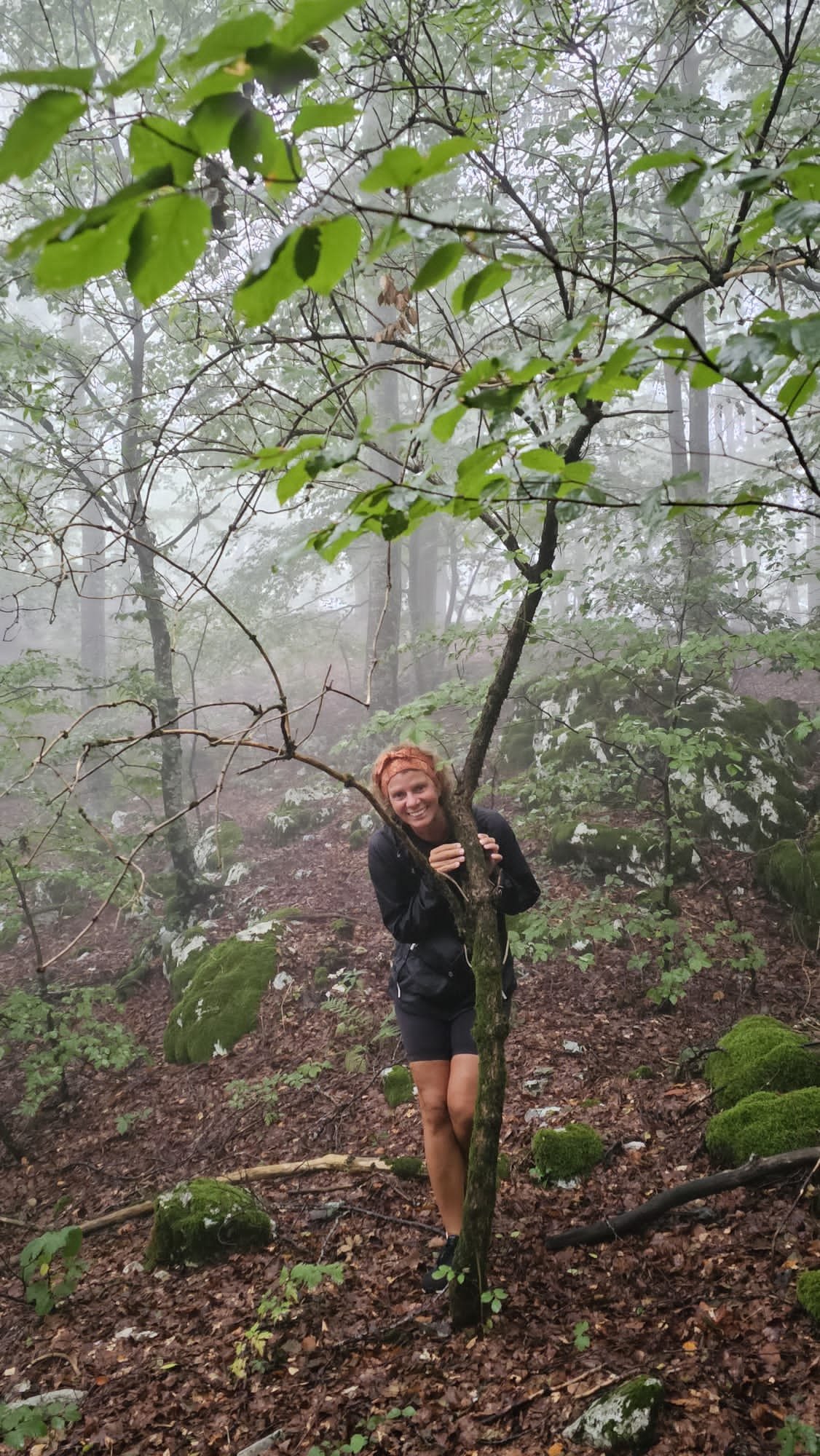

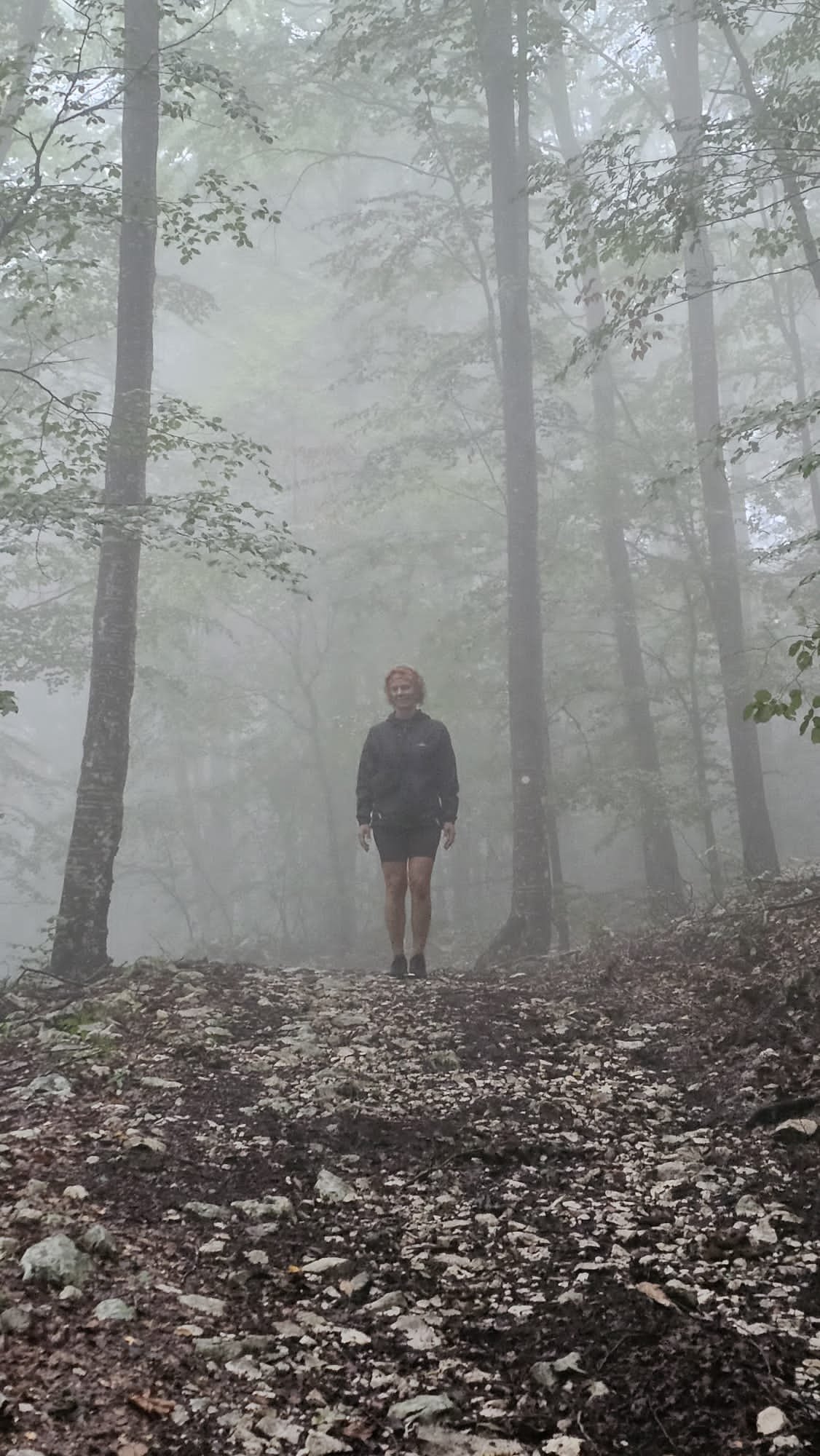
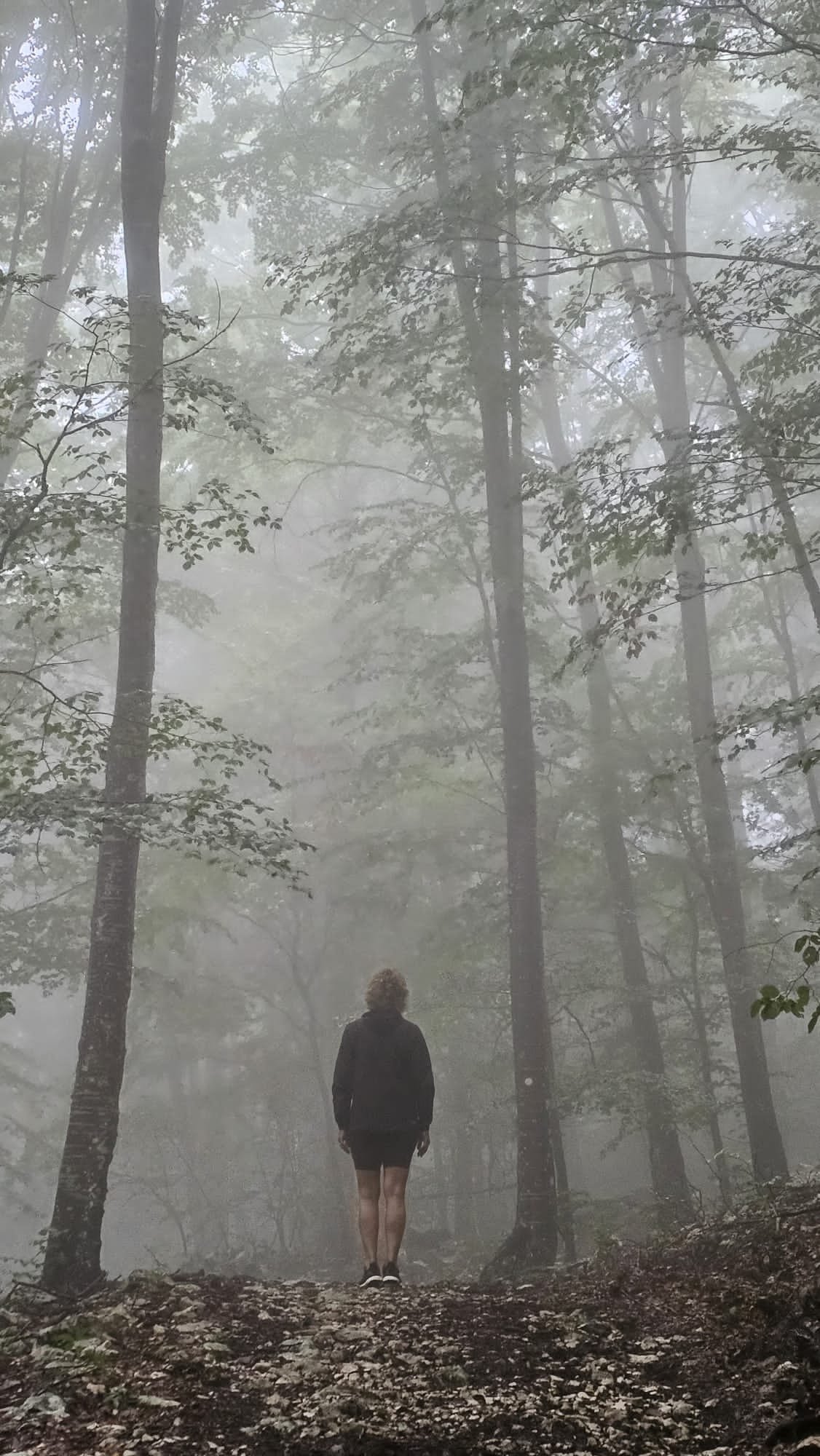
Štrika Ferata Photo Album


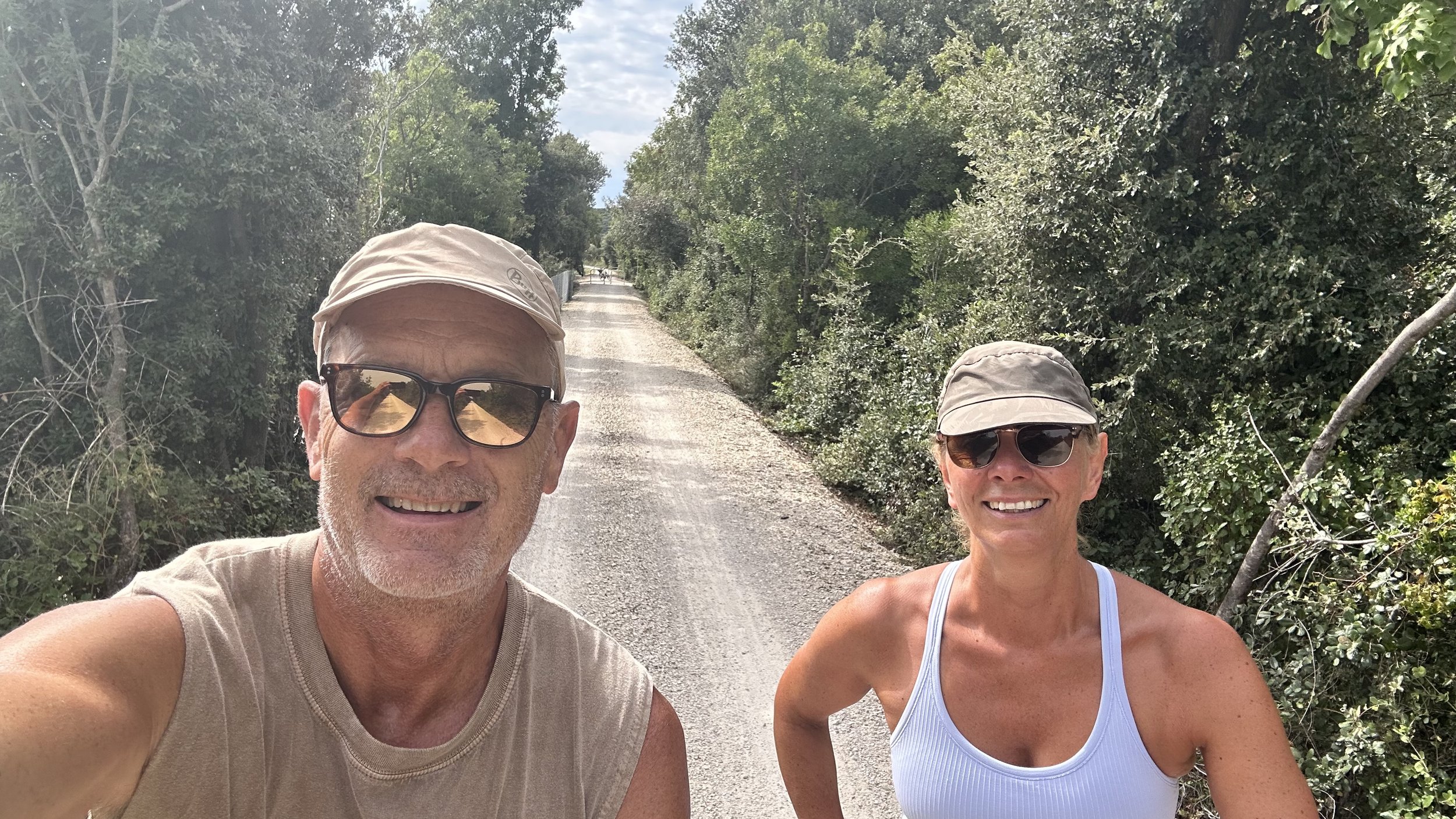


Indian Summer Photo Album


Pinching myself!
It’s time to take you on a brief Croatian geography lesson 📍🇭🇷, share a few new beautiful spots we visited in recent days, and tell you a story about a villa. Yes, one villa stole our hearts!
I hope through reading the blogs you get to know what else you could add to your list of places to visit when you embark to Europe!
There is a lot more to Croatia than Dubrovnik and Split 😎.
Let’s go!
Believe it or not we have been on the road 13 weeks! It’s gone so fast, it’s hard to believe it.
Looking back, I’ve noticed I tend to write my blogs as things happen; when I feel strong emotions running through me; when I need to put my thoughts on paper; or when I have an outburst of inspiration.
I have chosen the title for this blog more than a week ago when I felt inspired by the natural beauty of the Adriatic Sea.
Today it couldn’t be more appropriate when I reflect back on the devastating earthquake that has hit Morocco. It is absolutely heartbreaking to watch the news and I feel so sad seeing people suffering, seeing historical sites we visited just a short few weeks ago now ruined, it all feels so surreal. Having now built relationships with a few locals too, we’ve really felt the weight of the impact that this earthquake has now caused for the people of Morocco. Pleasingly after checking in with our tour guides I’m truly relieved to hear that they and their families are all well and safe.
This event shows once again you simply never know what’s around the corner. Despite all of us trying hard to live an optimal life, make the best decisions at home and at work, we really don’t know what can happen at any point in time.
Live life to the fullest and do it now, my Mum used to say, everything else can wait. This cannot be any more true today than ever!
I feel grateful for each and every day, and I do my best to live in the present moment. I am far from mastering the skill, though I sure am trying to practice it each day!
~~~~~~~~~~~~~~~~~~~~~~~~~~~~~~~~~~~~~~~~~~~~~~~~~~~~~
Today I will take you on a brief Croatian geography lesson, share a few new beautiful spots we visited in recent days, and tell you a story about a villa. Yes, one villa stole our hearts!
I hope through reading the blogs you get to know what else you could add to your list of places to visit when you embark to Europe!
There is a lot more to Croatia than Dubrovnik and Split 😎.
Let’s go!
Croatia's territory covers 56,594 km2 (21,851 sq mi), making it the 127th largest country in the world. Bordered by Slovenia and Italy in the northwest, Hungary in the northeast, Bosnia and Herzegovina and Serbia in the east, Montenegro in the southeast and the Adriatic Sea in the south.
Croatia is administratively organised into twenty counties, and is also traditionally divided into four historical and cultural regions:
Croatia proper - the central part that also holds the capital Zagreb.
Dalmatia - consists of much of the coastline and stretches from the island Rab in the north of the country to the Bay of Kotor in the south. Dubrovnik and Split (the largest city) are the most attractive tourist cities in Dalmatia.
Istria - is Croatias largest peninsula but is also shared with Slovenia & Italy although majority sits within Croatia. Pula is the largest city in Istria, and sits at the peninsula’s southern tip. Rovinj is 35 mins drive from Pula and is the most visited city in Istria and in fact voted the top tourist destination of Croatia the last two years as it has welcomed the most tourists from all over.
Slavonia - this region comprises the majority of inland eastern Croatia, and was also once its own kingdom.
These counties are further divided into other, smaller regions.
If you have been following my blogs you would have figured out I grew up in Dalmatia in Split, and since 2004 we started coming to our new home in Rovinj situated in Istria.
Growing up in Dalmatia meant we enjoyed the life in the region and rarely explored other parts of Croatia unless we had family or friends living elsewhere.
I grew up believing Dalmatian towns, sea, beaches, people were the best! I wasn’t wrong, but there is more to this beautiful country.
Being relatively “new” to Istria we love to explore its surroundings, and let me tell you it’s equally, and differently beautiful in comparison to Dalmatia.
A weekend away
A few days ago we decided to go on a weekend away to explore some Istrian islands. We picked two: Cres and Lošinj, and we loved it!
I will leave it to the photos to tell the story of the nature beauty and I’ll briefly tell you a bit about Lošinj.
First of all I thought the islands were two separate islands and they are today, but they are connected by a small bridge and you can drive from one to another. So easy!
The islands of Cres and Lošinj were once connected in their distant past but were artificially separated by a canal near Osor for trade reasons. The bridge in Osor opens up for boats to pass through the canal and shuts down for cars to drive through.
We drove from Rovinj and caught a car ferry at Brestova, and in 20mins arrived to Cres. We visited Cres’s tiny town, a colourful fishermen’s village. We had our favourite burek breakfast from a popular Mlinar bakery, a coffee at the local cafe and watched locals buy freshly caught fish from the fishermen’s boats before we continued our drive to our accommodation at Mali Lošinj.
(NOTE: š is pronounced like it is written as sh and Č is pronounced like it is written as ch)
Mali and Veli Lošinj are next one to another. Two towns with misleading names, Mail Lošinj means “ small village”, and Veli Lošinj means “ great village”. In reality Mali Lošinj is a much bigger township than Veli Lošinj, with 7000 inhabitants. It is the largest island town in the Adriatic.
I am still trying to find out why the name differs from the reality, it’s a mystery for now! 🤔
Almost uninhabited until the mid-13th century, Lošinj developed into one of the leading regional maritime powers by the 19th century. The town of Mali Lošinj, behind Trieste, became the second most important port in the Adriatic. Lošinj residents were renowned for their skill in shipbuilding and as the best sailors in the Mediterranean.
During that period, the architectural appearance of the center of Mali Lošinj was defined, and it has remained almost unchanged to this day. Mali Lošinj had six shipyards in the 19th century, and thanks to them, it briefly rose to second place in Austro-Hungarian shipbuilding industry.
The beginnings of tourism on the island dates back to 1885 when health tourism appeared as the initial form of tourism. On January 21, 1885, the first tourist on this island was registered. The first hotel in Mali Lošinj was called Vindobona and was built in 1887. Thanks to the exceptional climate characteristics, the healthy effects of its sea breezes, clean water and 2,600 hours of annual sunshine earned Lošinj an official designation as a health resort in 1892.
Lošinj became one of the favorite vacation destinations of the Austro-Hungarian aristocracy, who built numerous villas and summer residences on the island that still adorn it today.
Today Lošinj is known as the island of vitality due to its climatic health resorts treating people with respiratory diseases and allergies. Not only that, but tourists from all over come and stay, with over 230km of biking / walking trails, there is plenty to see and do!
The rocky seabed, the currents and conservation makes the water around the island some of the cleanest in the Adriatic, which is why this area is a magnet for dolphins, in fact it has 2000+ residential dolphins.
Fun fact: The more sea urchins you find, the clearer the water is, and it’s safe to say we saw many!
Čikat Bay
While exploring the sights of the island ahead of arriving, Petra repeatedly came across the same scene - beautiful stairs leading down to the sea in Čikat Bay. As Čikat was on our list, this was stop number one.
We explored Čikat Bay and were left speechless. Imagine walking around a beautiful promenade with crystal clear water on one side, beautiful luxurious villas and pine trees on the other. Blissful!
We hired bikes for a couple of hours, not long enough! We agreed the triple B must be done when in Lošinj - beach, bike, and boat - i. e. we must come back and stay a few more days to fully explore this beautiful place.
In fact, Čikat was entirely neglected until the end of the 19th century. In 1886, the Society for Afforestation and Beautification of Mali Lošinj was founded, and the first seedlings were planted. During that period, the Austrian-Hungarian nobility discovered Lošinj and all its beauty, and majestic villas began to be built gradually in Čikat Bay.
Čikat Bay was declared a Park-Forest in 1992.
I am certain each of these stunning villas have their own history and a story to tell.
I’ll share one that filled my curious cup to the brim!
Villa Karolina
The real gem is Villa Karolina, in front of which these famous stairs are located. Most tourists pose on the stairs (I admit, I did too), briefly admire the villa, but actually, few know the interesting history, love intrigues, and life stories hidden by this beauty of Lošinj.
This villa was the second villa built on the island and was originally known as Villa Carola, later renamed Karolina (Carolina), which was designed in 1898 by the Vienna architect K. von Wiedenfeld on behalf of Josef F. Lovasy from Budapest. The villa was built in a grand Art Nouveau style and had an impressive garden.
Villa Karolina was a love oasis for the Austrian Emperor and his mistress. However, it is actually believed that Josef F. Lovasy was just a cover for the Austrian Emperor Franz Joseph I, who spent his days with his lover - the famous Vienna actress Katharina Schratt - in Villa Karolina. Many called her the uncrowned empress of the monarchy.
And there is more … the Emperor’s official wife, Elizabeth, known as Sissi, introduced her husband to the actress, hoping he would like her. Sissi supported their relationship, which was by no means a secret.
Their marriage had long been only on paper; the couple lived separately, and after the suicide of their son Rudolf, Sissi withdrew completely from public life to her villa in Corfu.
The glorious days of Villa Karolina during the socialist era become a distant past. The villa comes into the ownership of a local company, where its seasonal workers regularly stayed. Not a bad place to stay during the summer season if you ask me!
During the 1990ties war, the villa became a home for refugees.
Until 2003, the villa was left to decay until it caught the attention of a wealthy Italian couple, actually the wife of Italian politician and businessman Giorgio Punta, who fell in love with Karolina during a visit to Lošinj.
Giorgio purchased the villa for a million euros, and it is believed that he invested a significantly larger amount in its renovation. Besides renovating the villa itself and its auxiliary buildings, the surrounding park was restored with the plantings of the former agave, oleander, and palm park. Villa Karolina was fully renovated in 2005, but Giorgio didn't have the chance to enjoy its full beauty and splendor. Shortly after the renovation, he tragically died in a helicopter crash in Italy.
His wife soon put the villa up for sale, and it's said that she never visited after her husband's death. Villa Karolina didn't remain empty for long. It caught the eye of Russian oil magnate Nikolay Petrovich Tokarev, who purchased it for 12 million euros in 2009. The main reason for buying Villa Karolina is believed to be the beauty of its interior rather than its exterior.
Unfortunately, the villa is not open to the public. We can only imagine its luxurious rooms because, if they are anything like the exterior, they surely take your breath away.
Currently, the villa is closed again because the assets of Russian billionaires around the world are frozen due to the war in Ukraine, and Villa Karolina is not immune to this. Dirty politics again, such a shame.
What fate awaits one of the most beautiful villas on our coast is difficult to predict. Judging by its history, few can remain immune to its beauty.
The end!
A final word
Six weeks have passed since we’ve been in Rovinj and we’ve welcomed and farewelled a number of Kiwi friends. It’s been so great to show them around and proudly talk about Rovinj and our home country.
Thanks to those who have come and visited us here in Rovinj! We hope to see you back here again one day.
Check out the friends album!
And as we continue to enjoy September, one sunny day after another, we are enjoying our days with family who have arrived from Serbia and enjoying the Rovinj St Euphemia festival - 3 days of live music, entertainment and fun.
Perpetuum Jazzile acapella band from Slovenia are truly the world class, their performance last night was the best concert ever in Rovinj! A few of videos just for you! They have over 23 milion views on Youtube: Toto - Africa by Perpetuum Jazzile
Weekend Away - Cres and Lošinj
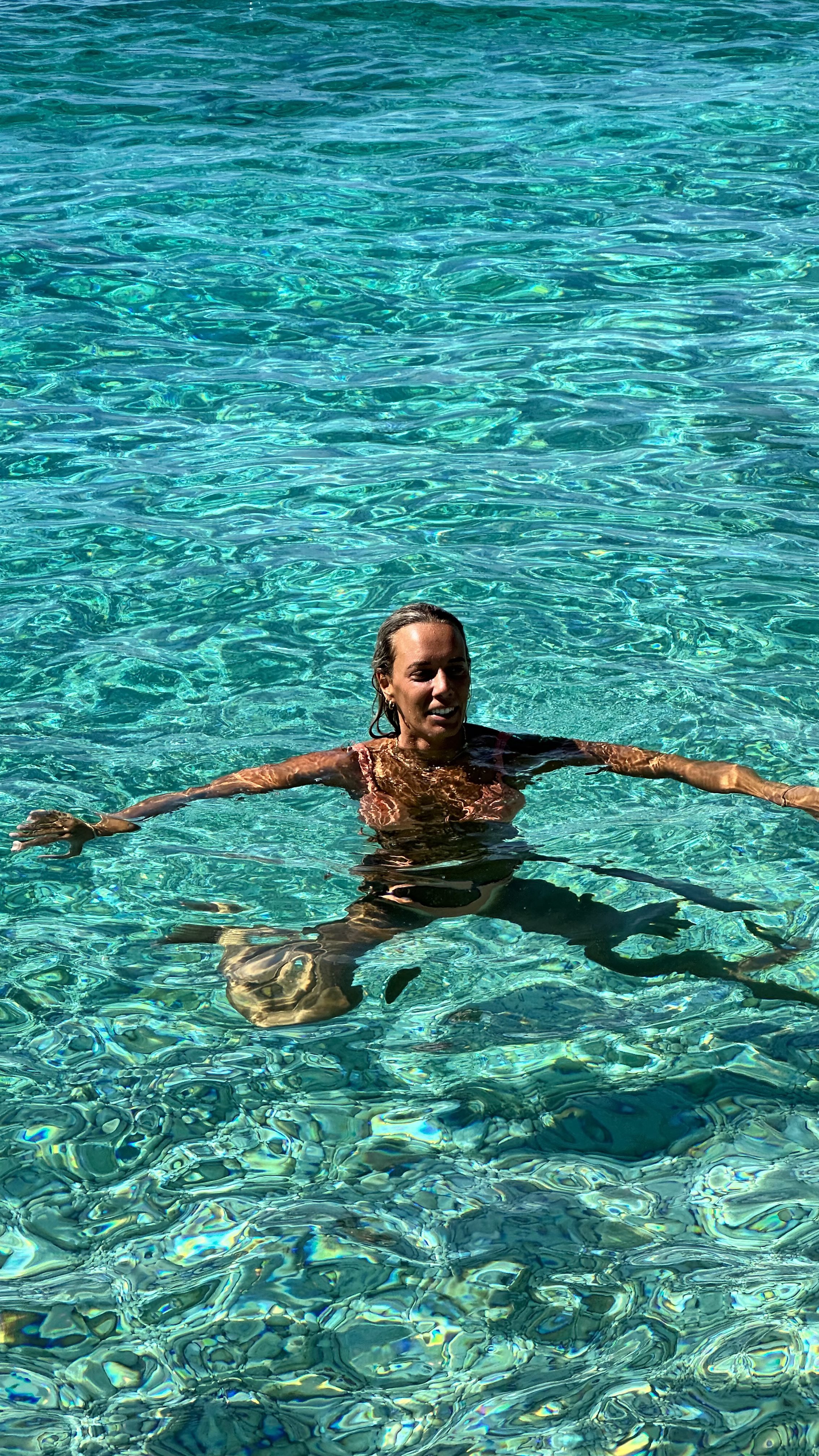

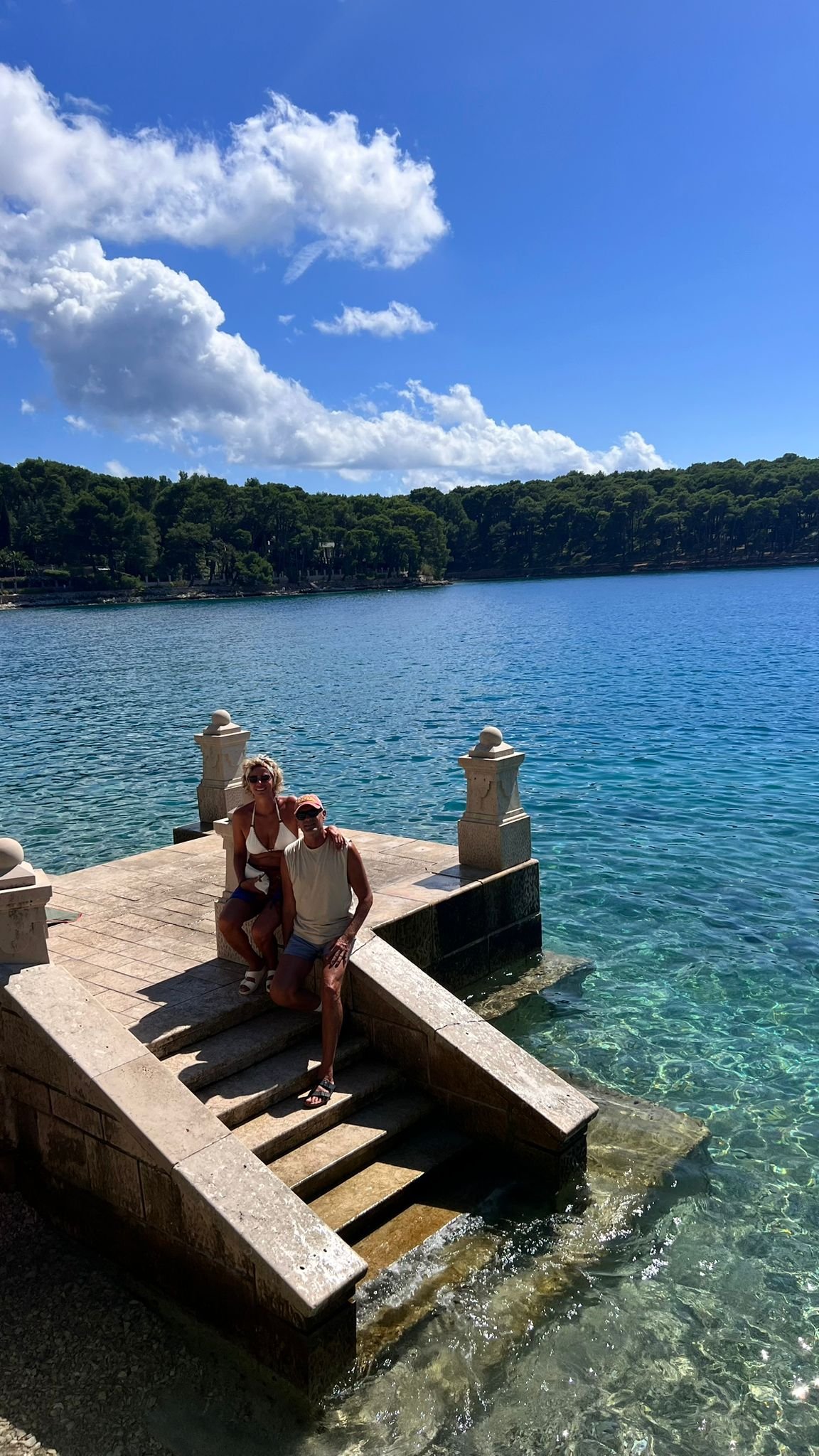
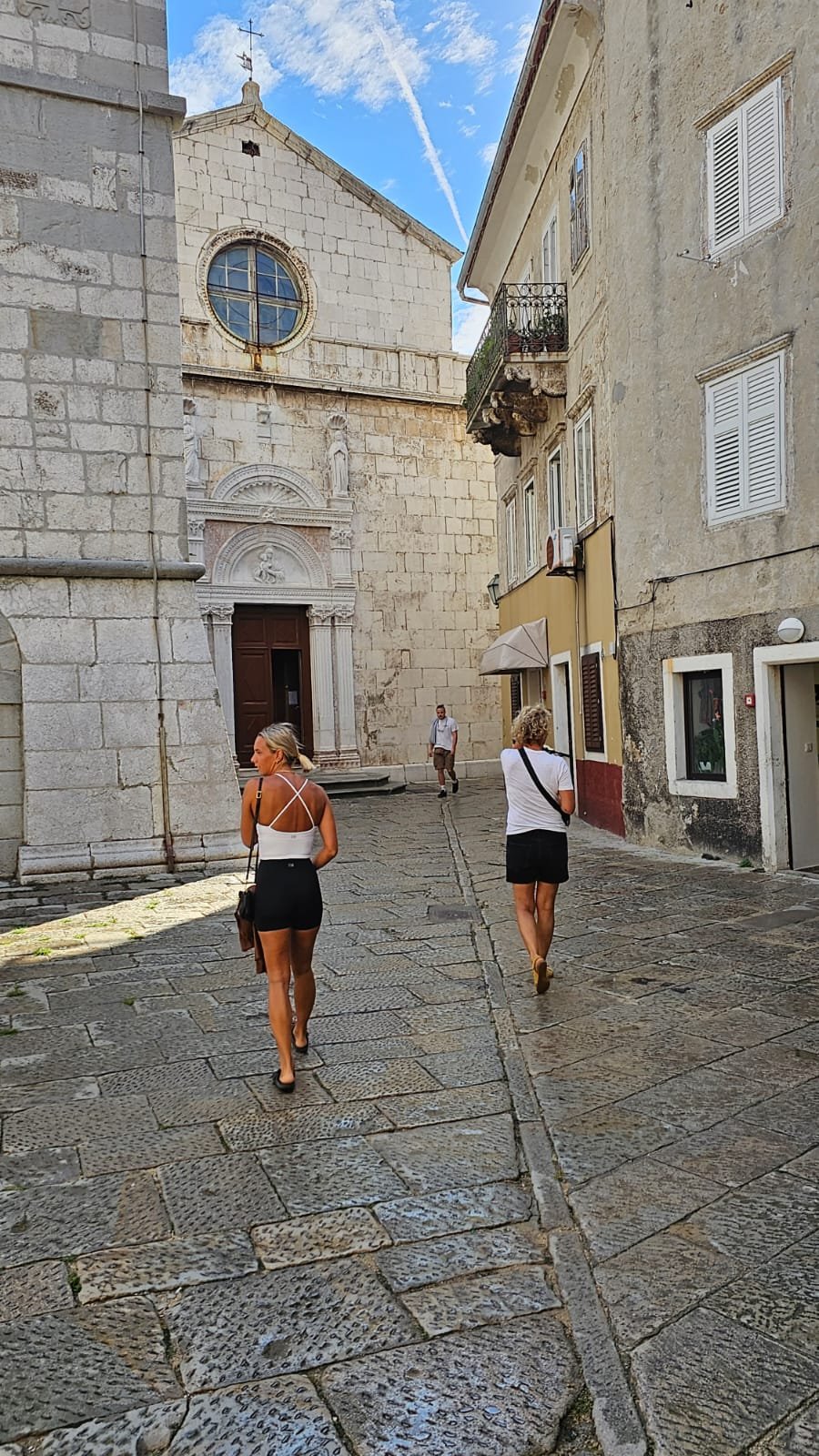

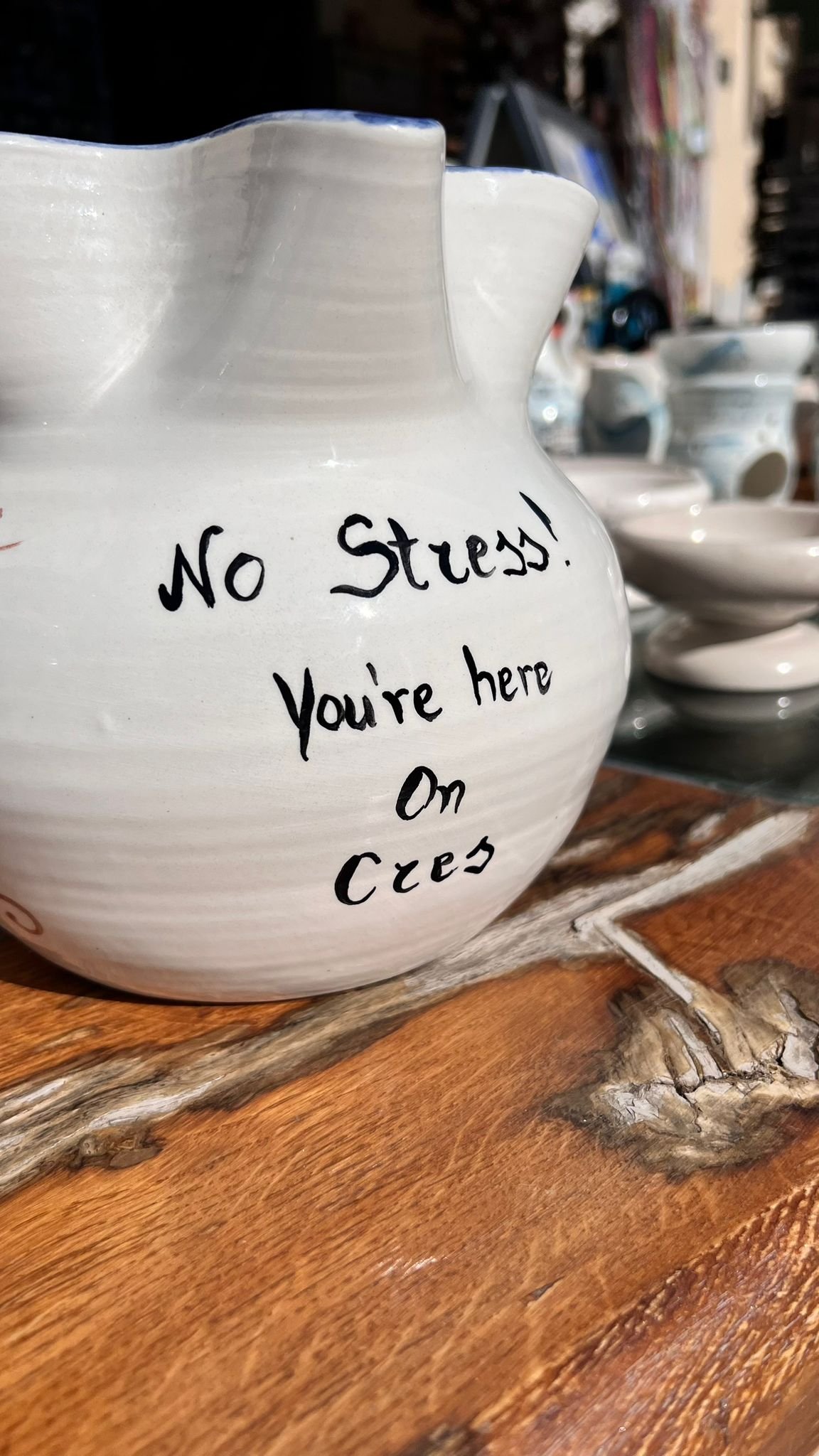
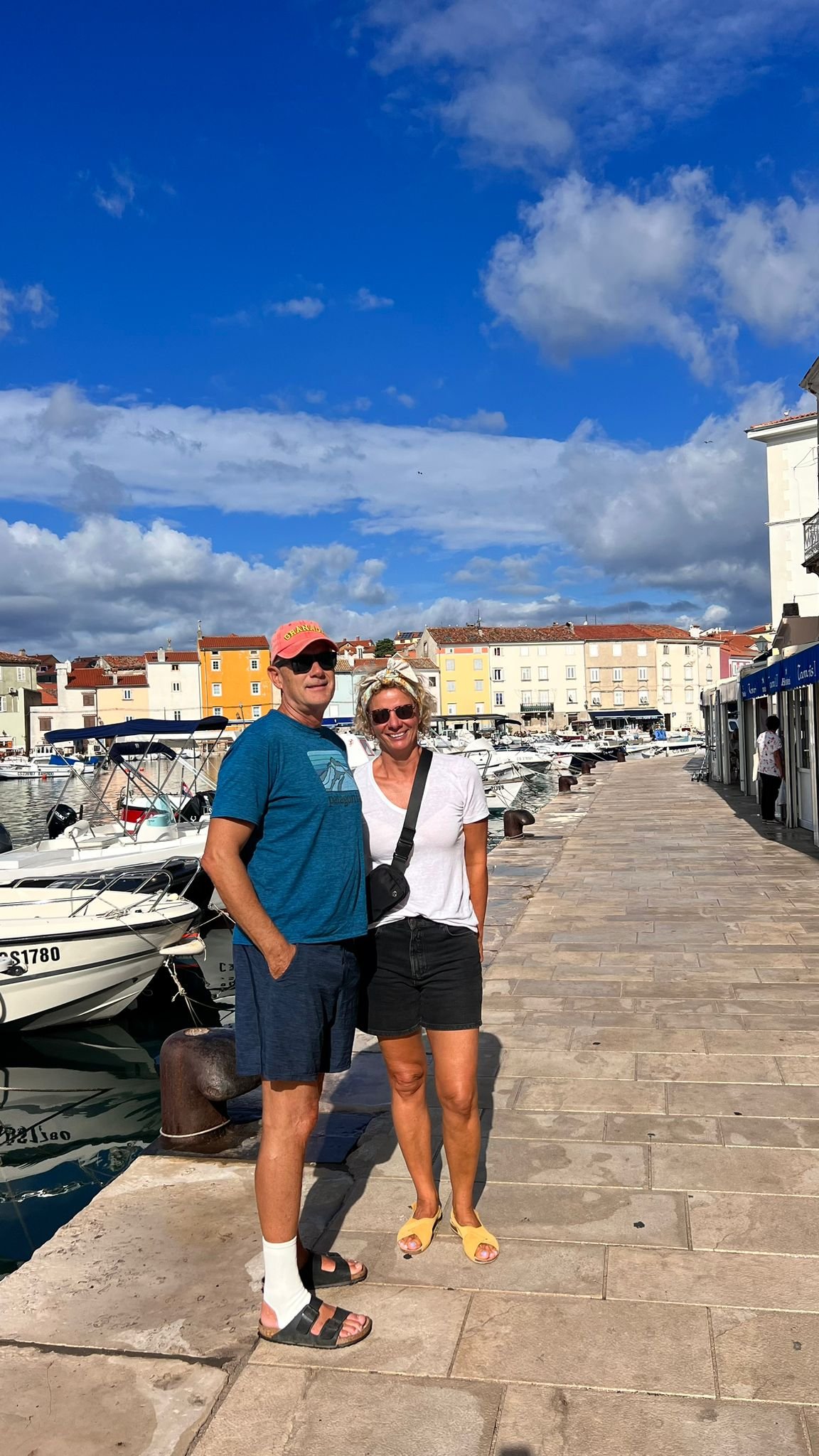


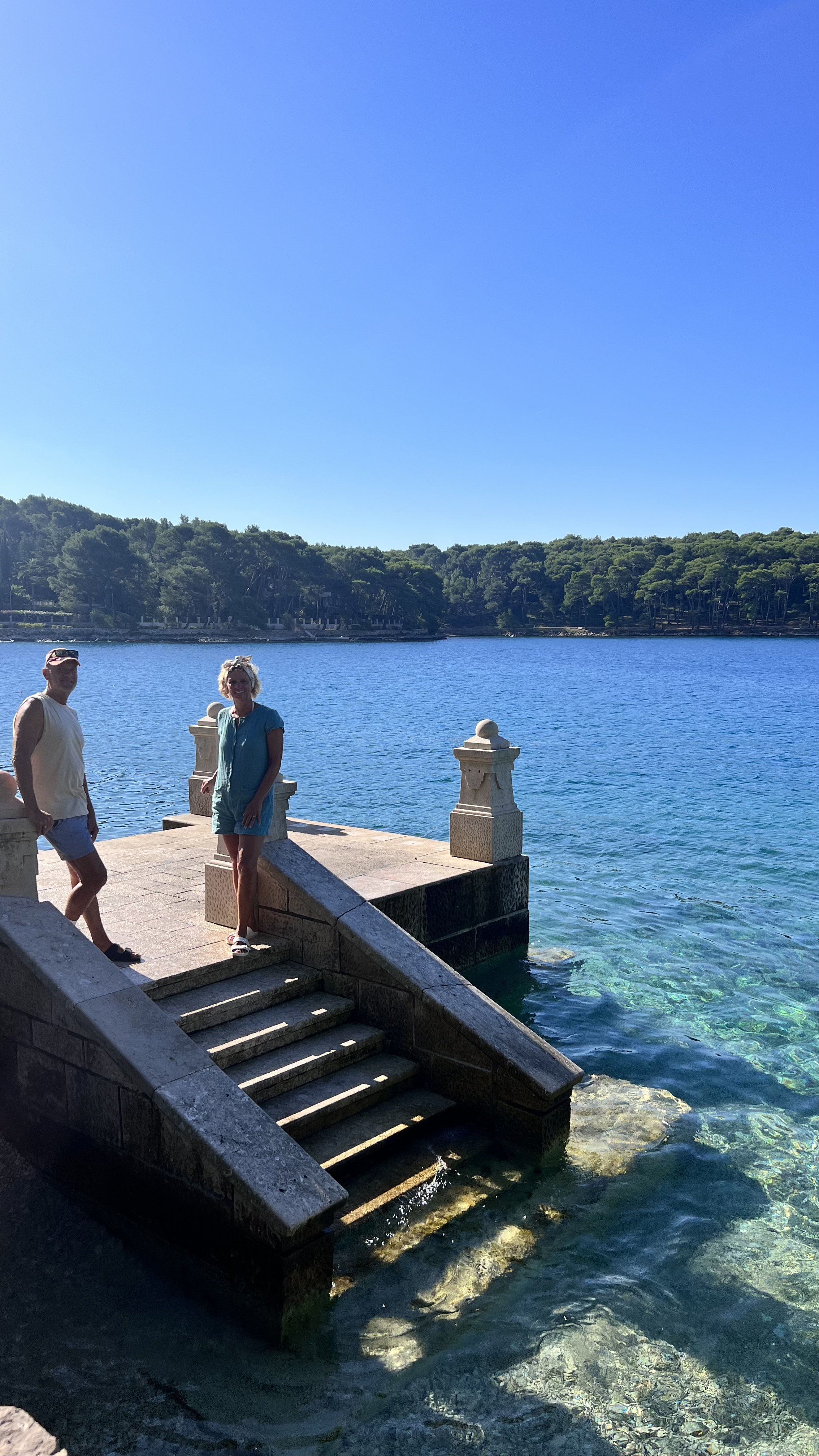
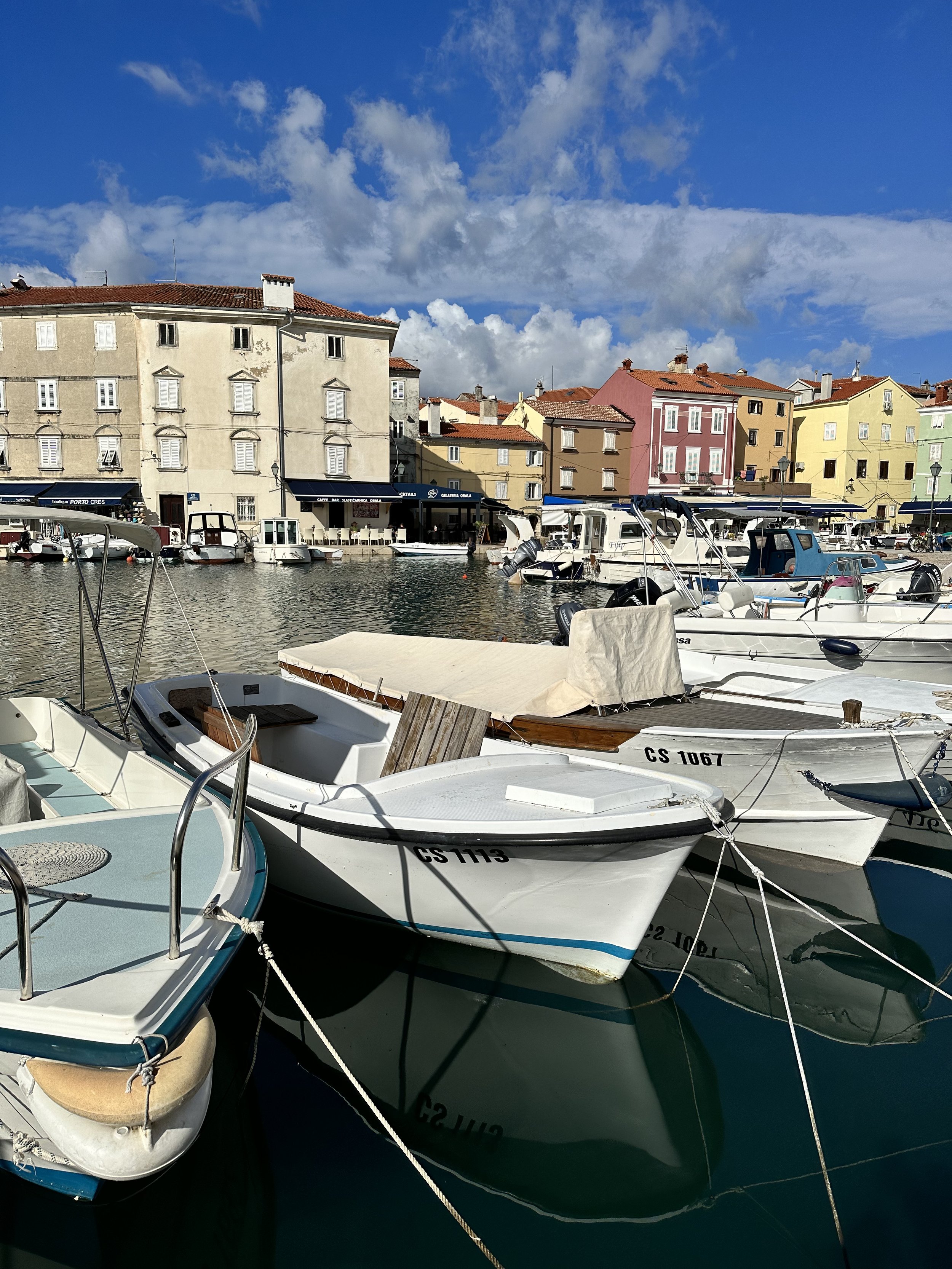
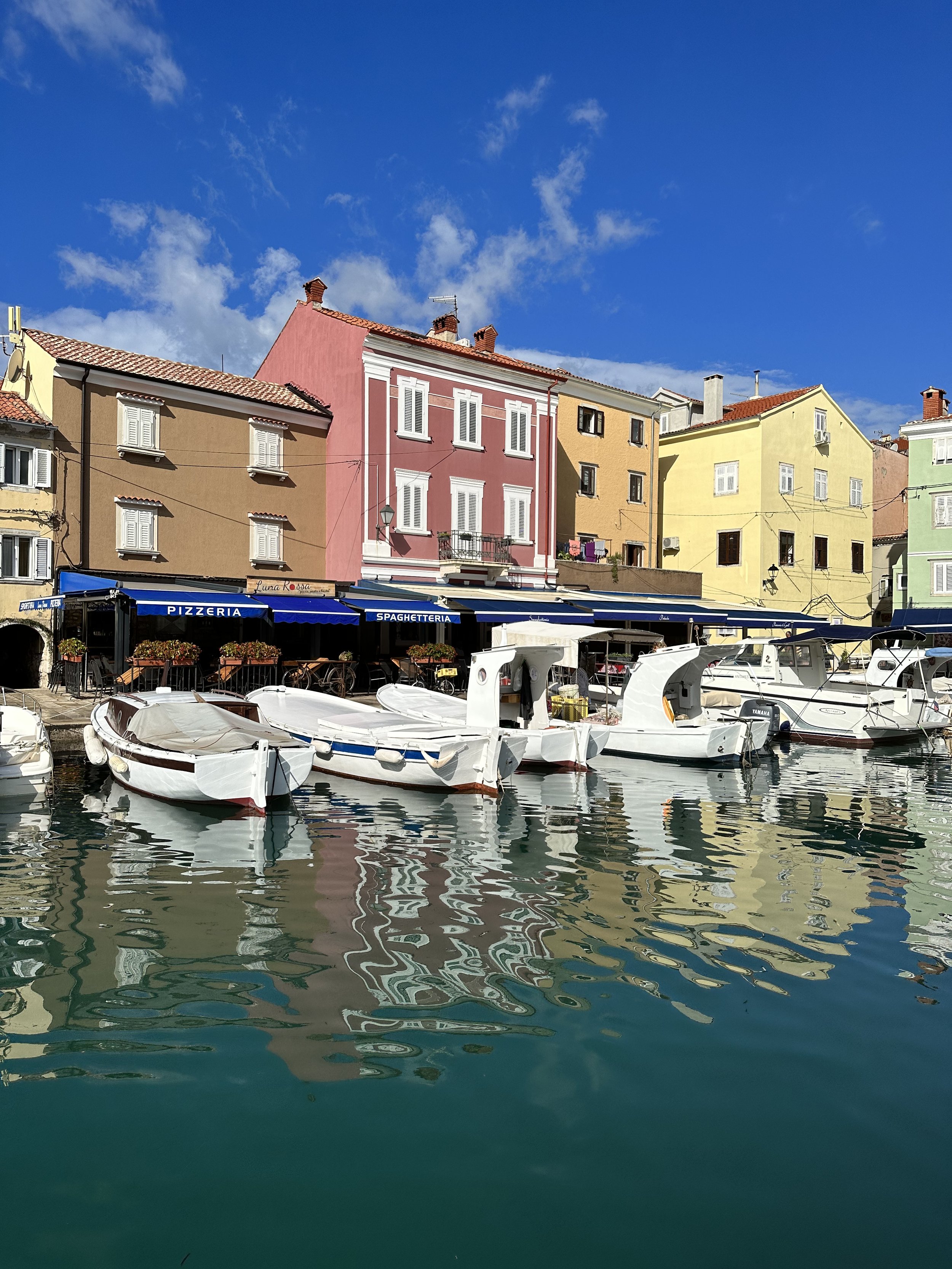
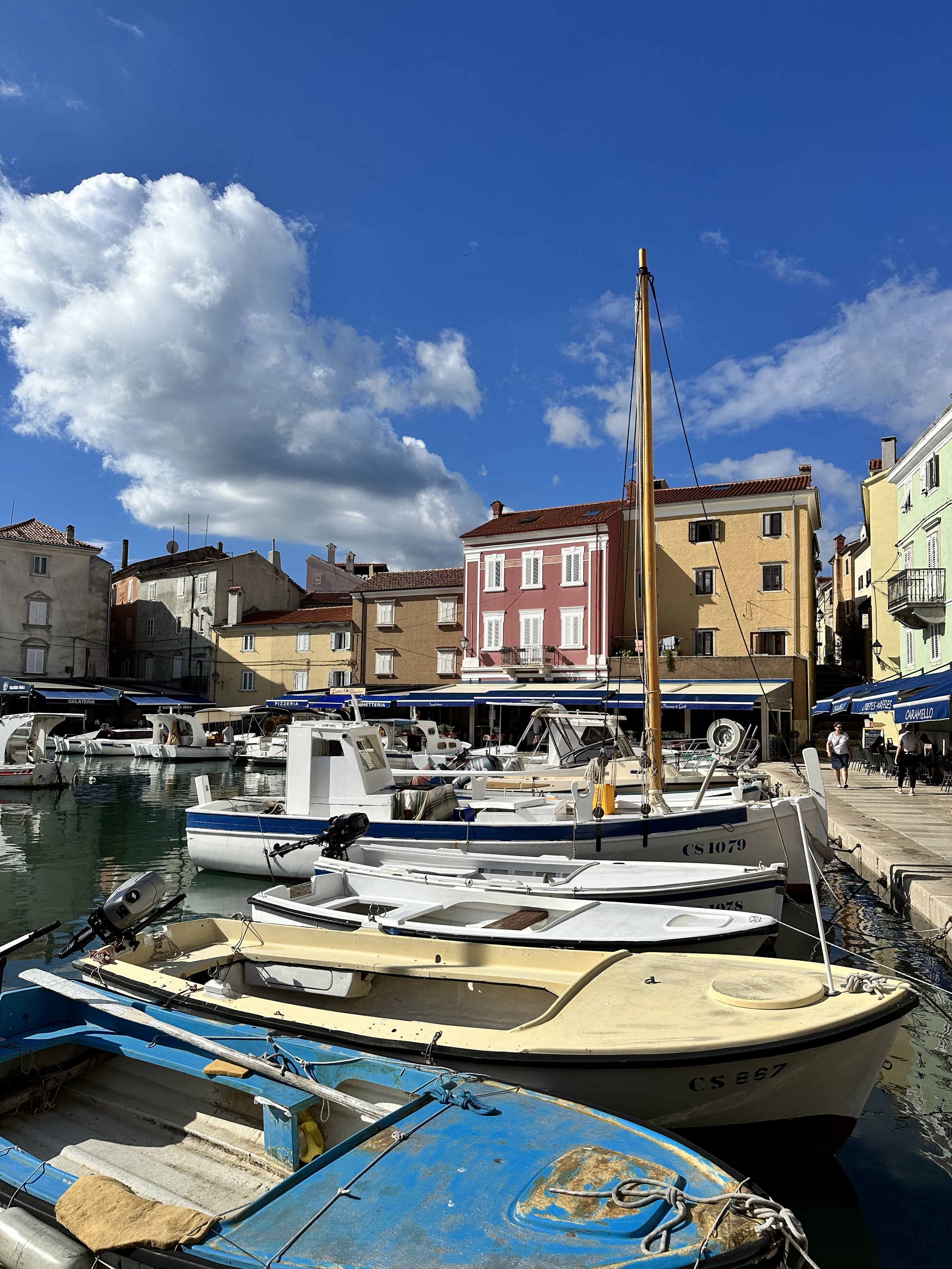
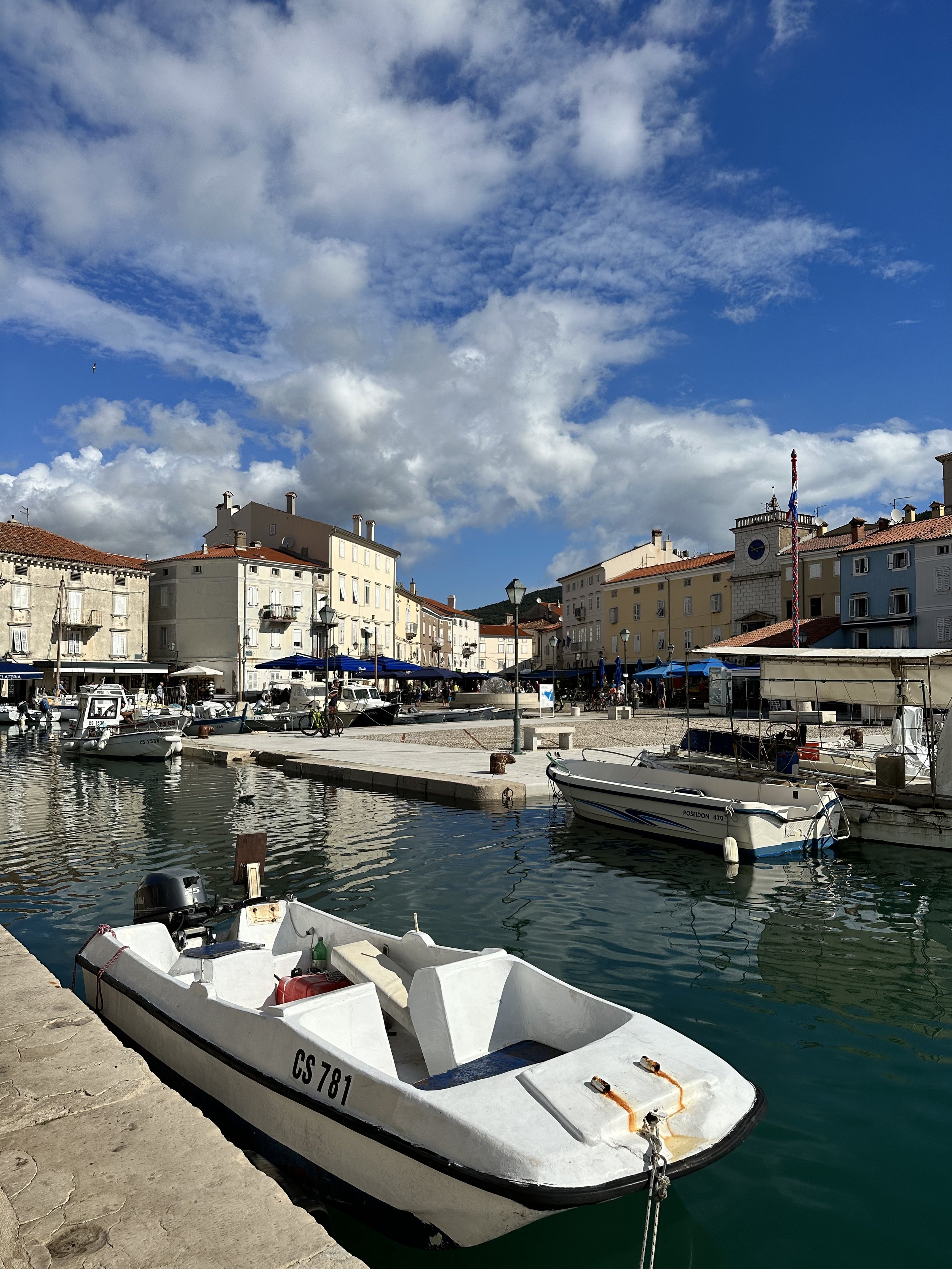
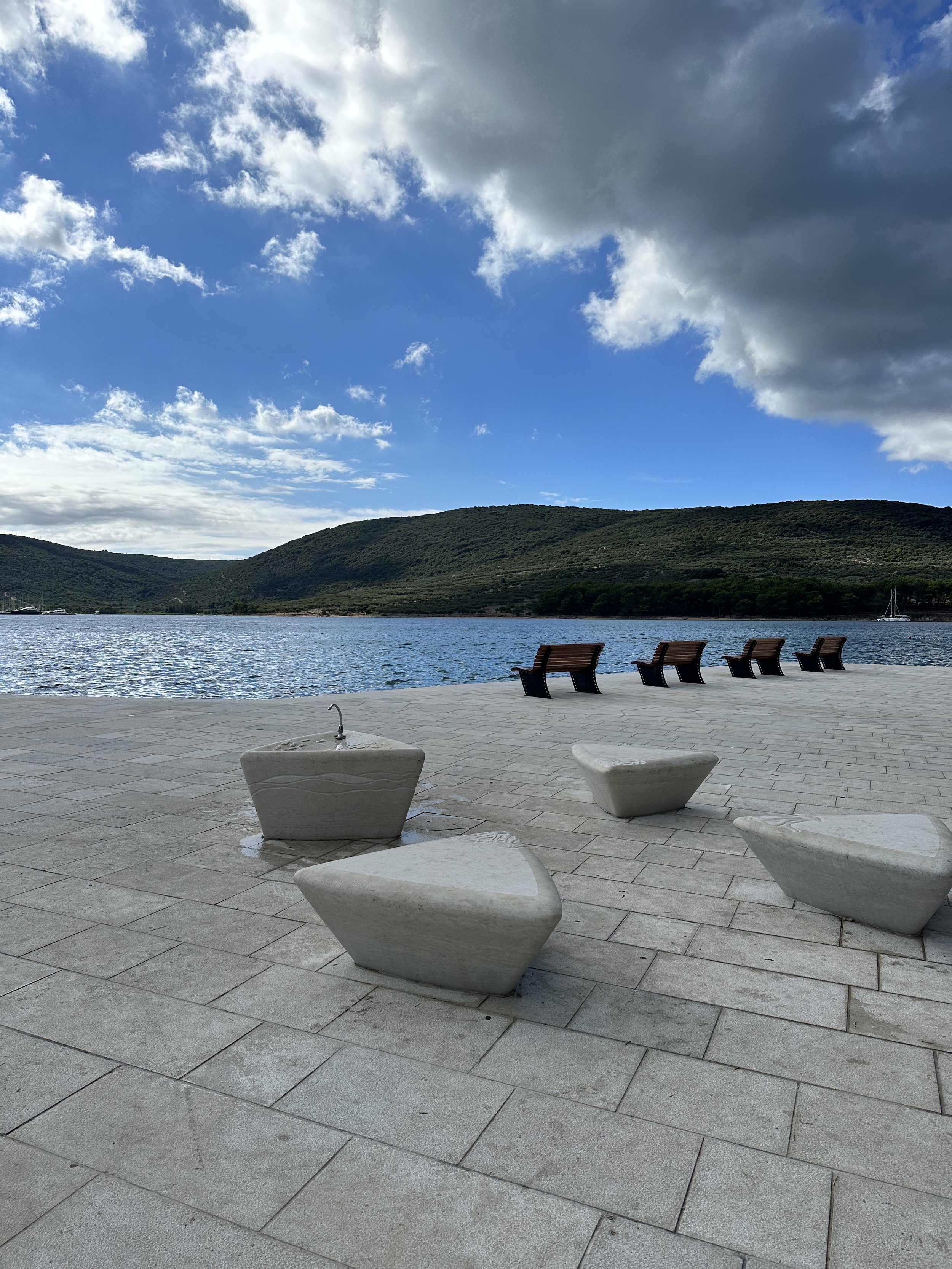
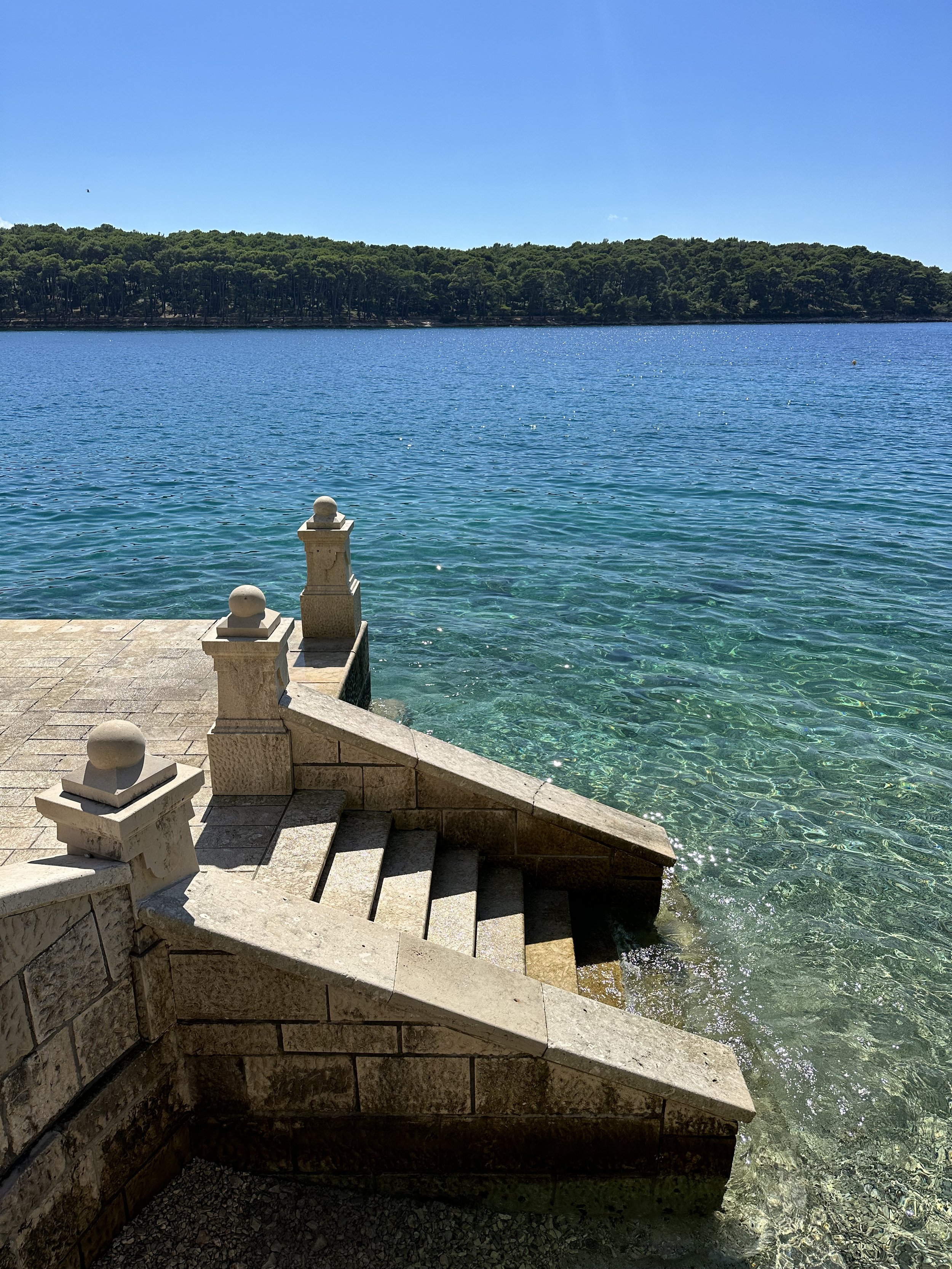
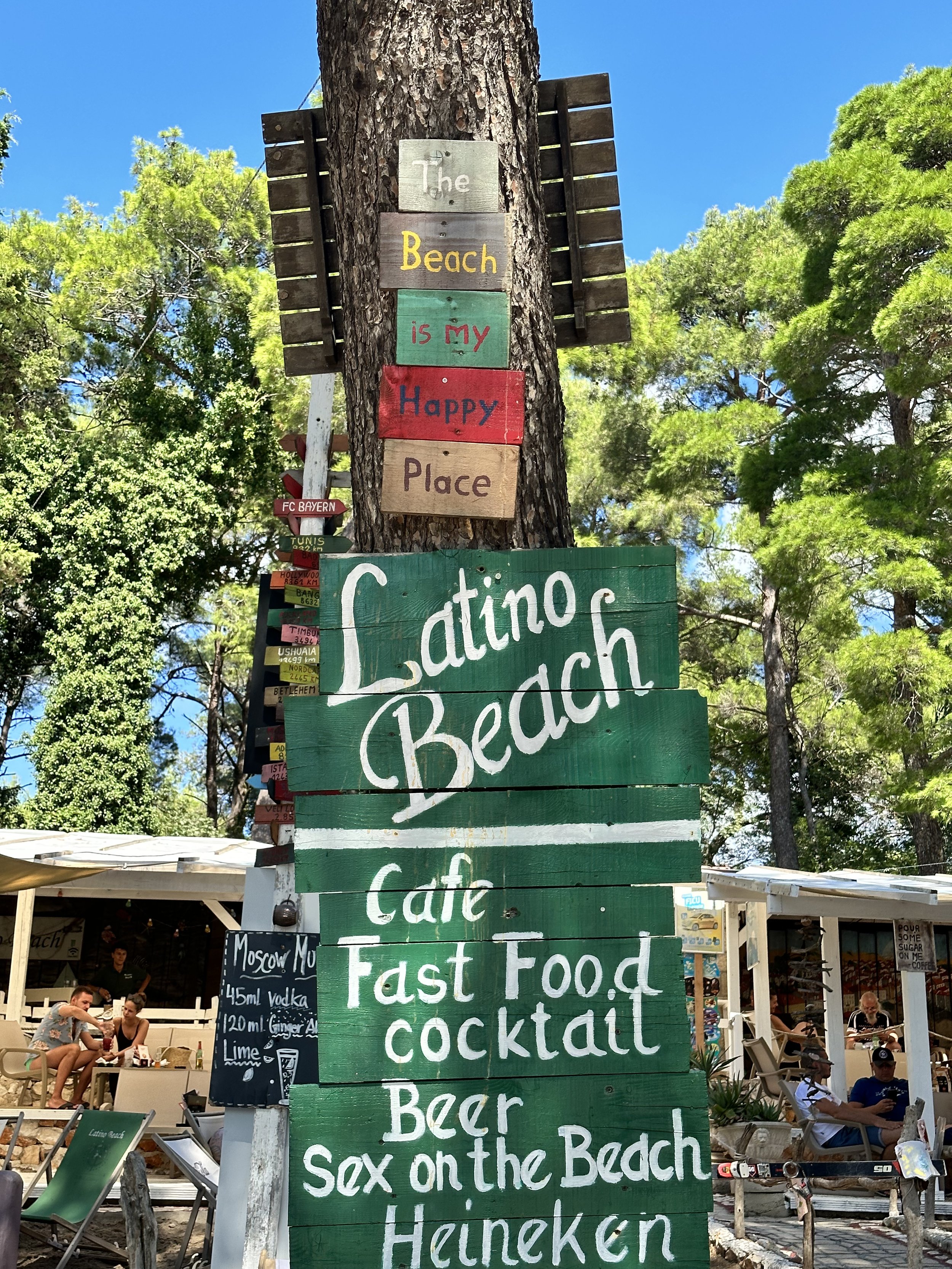
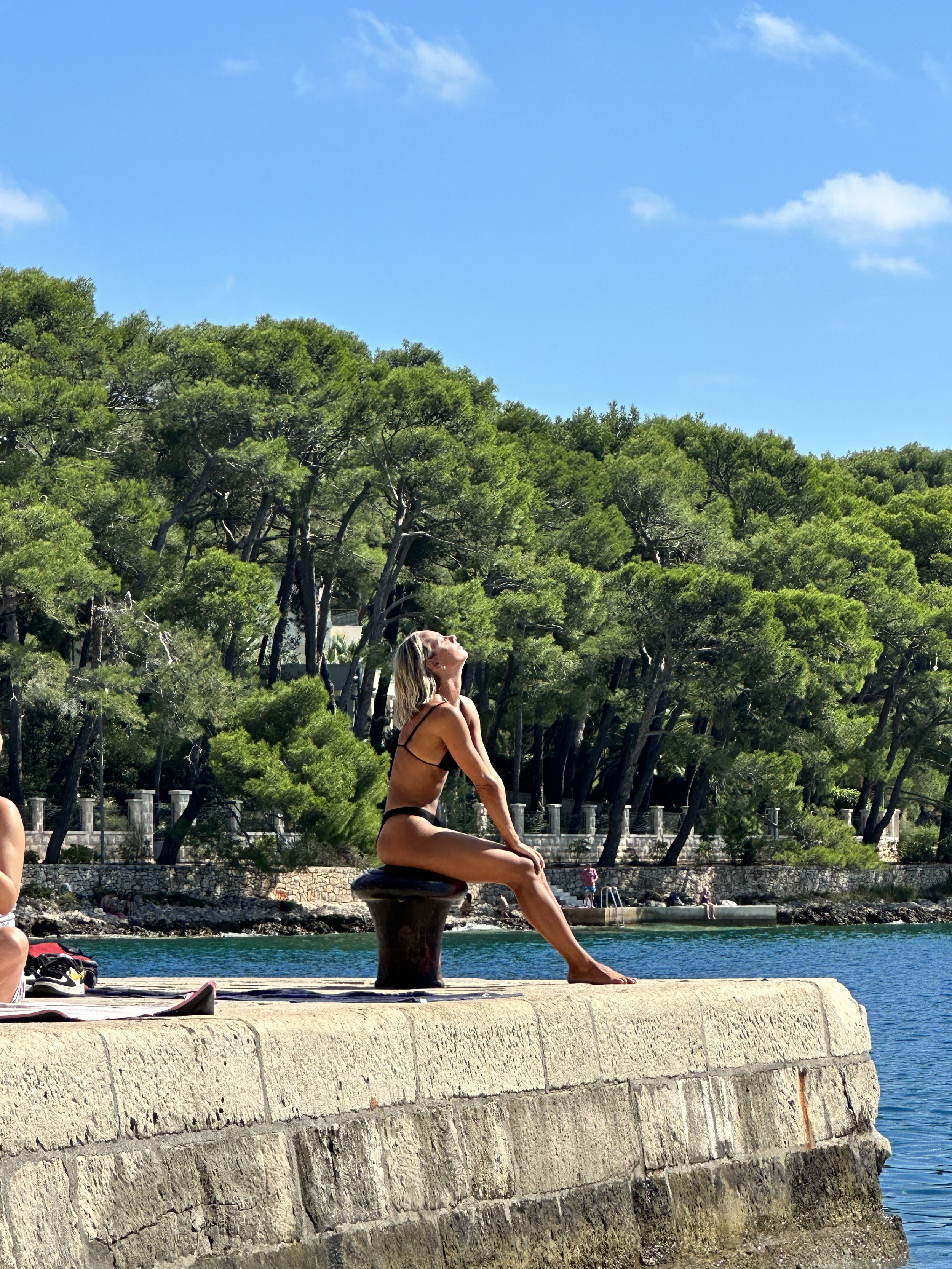
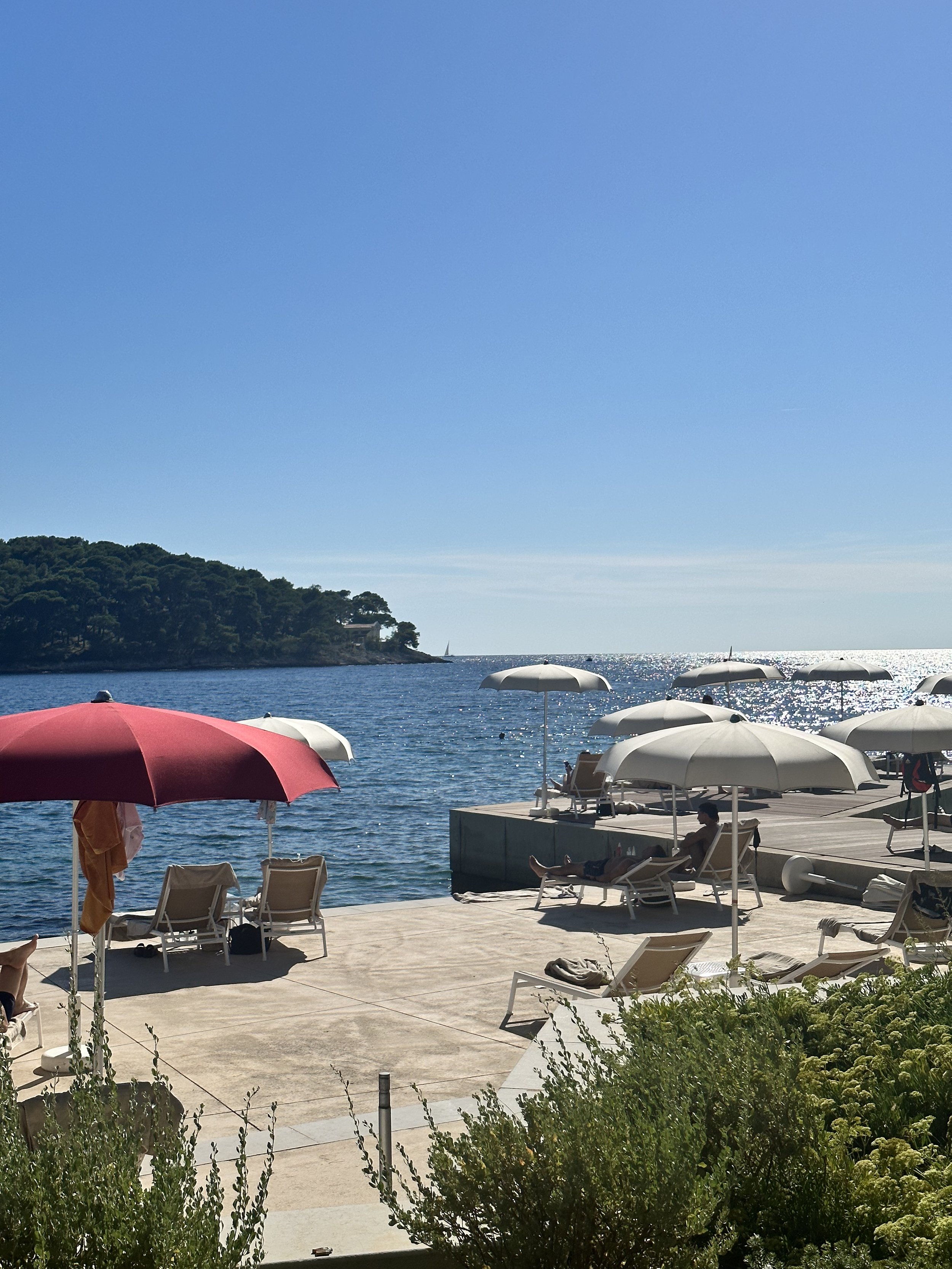
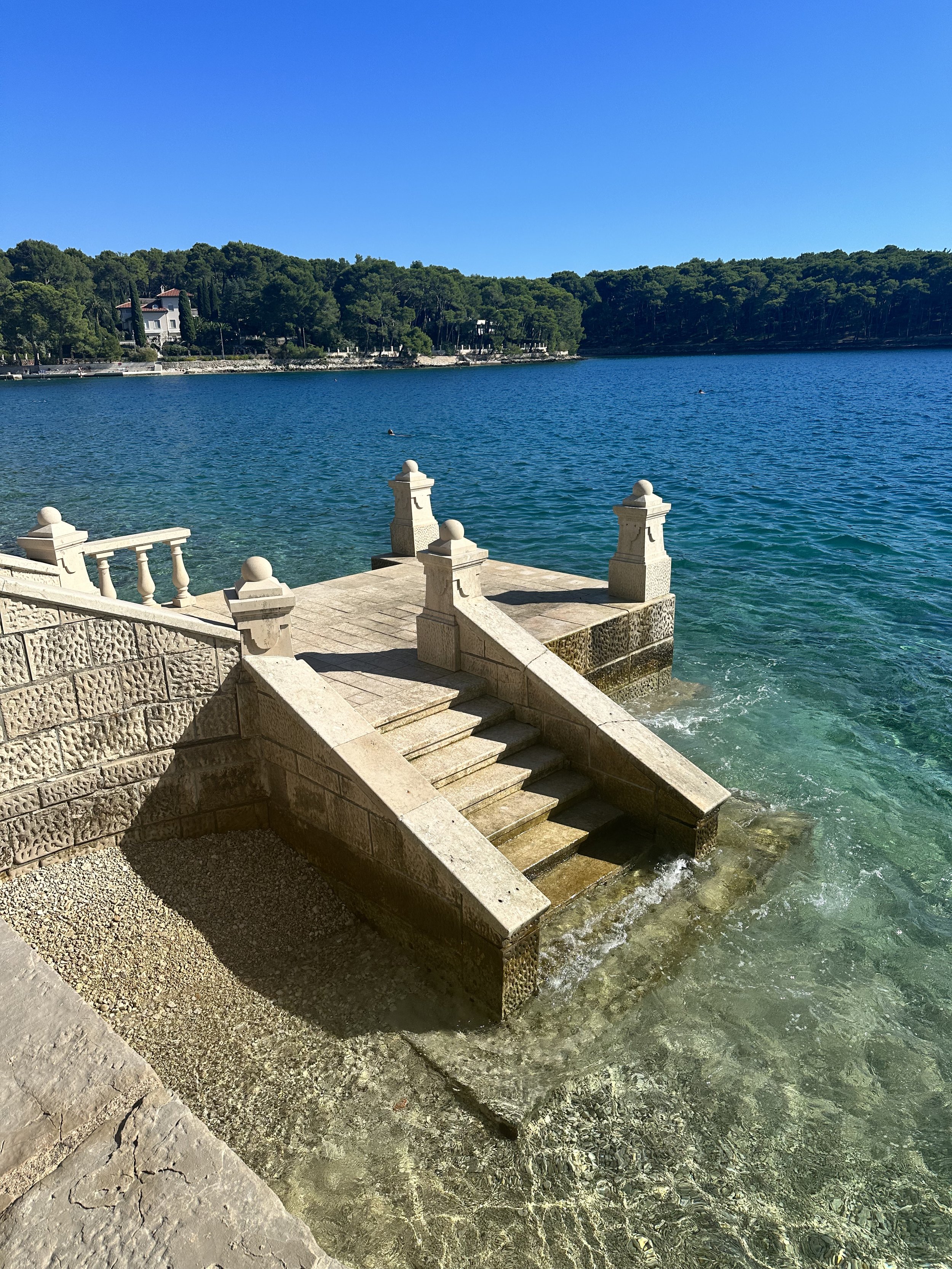
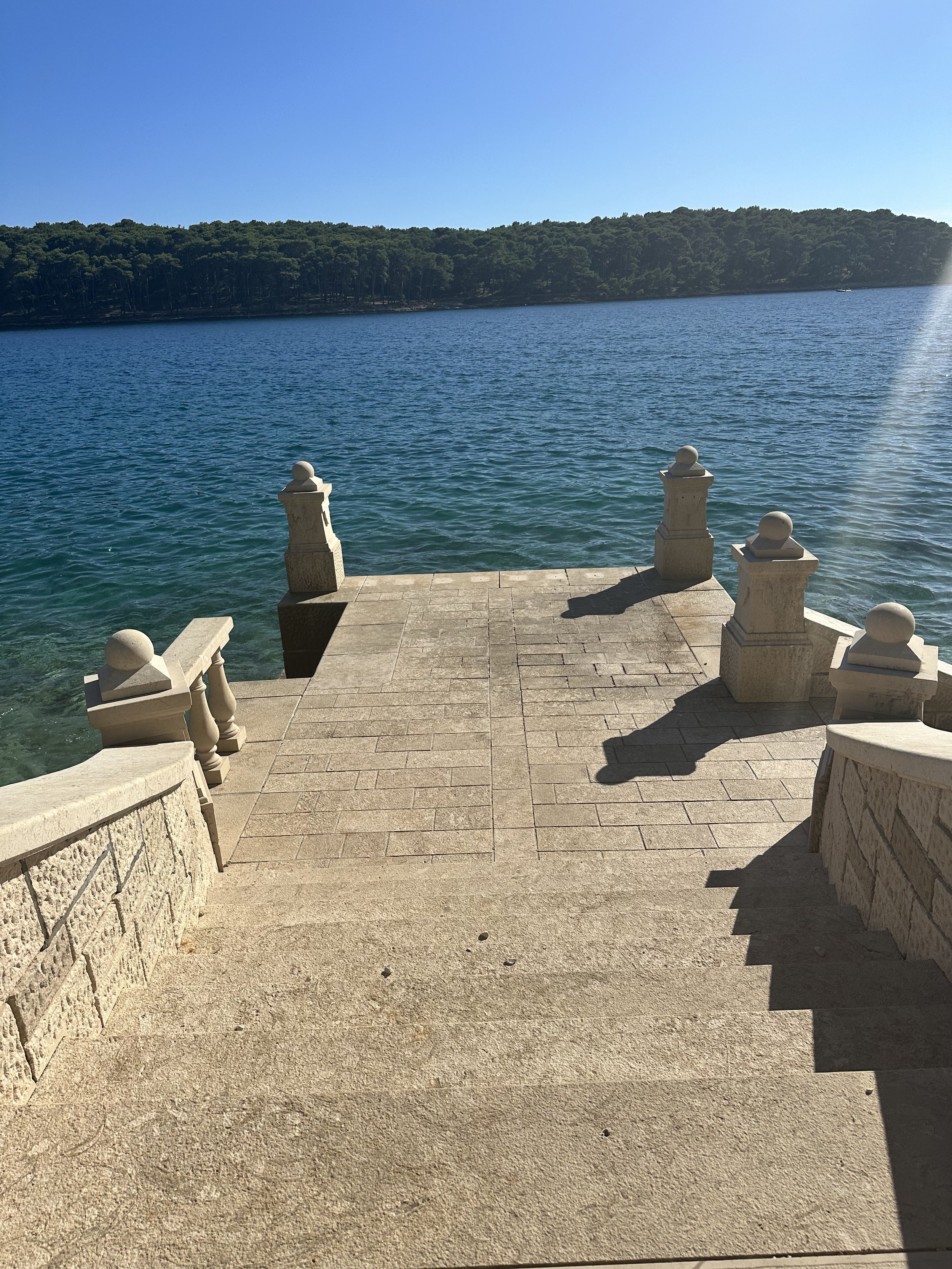
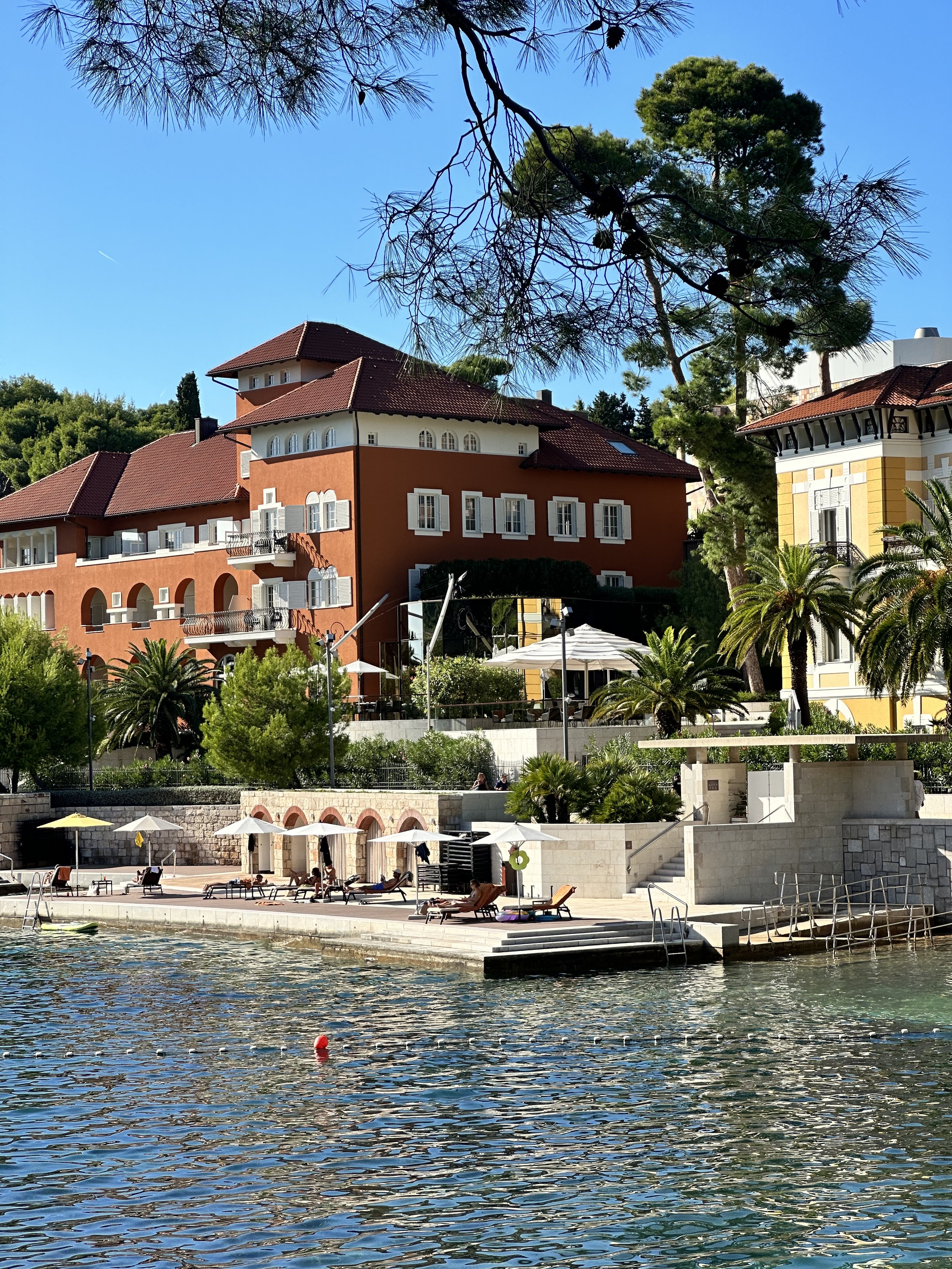
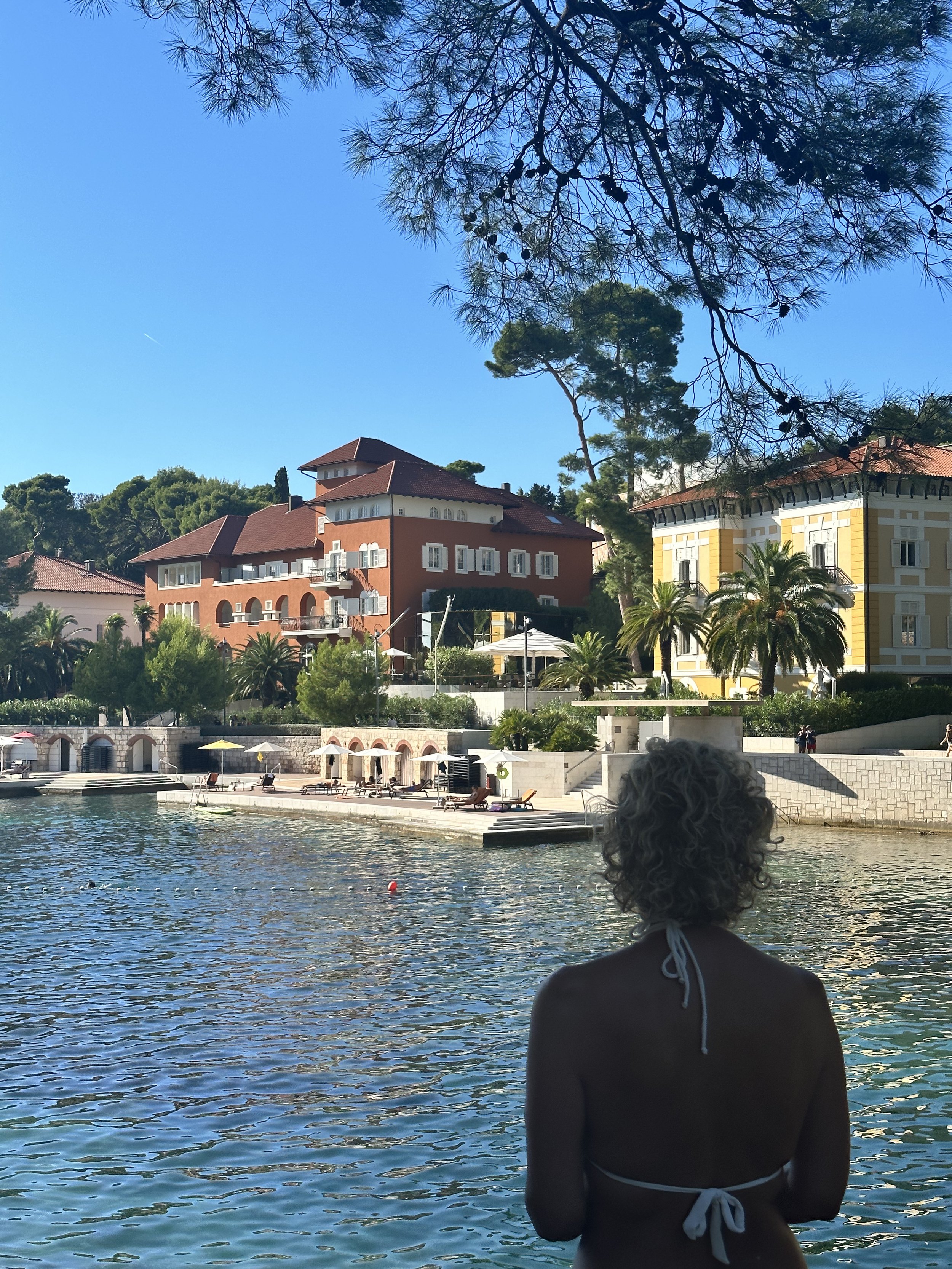
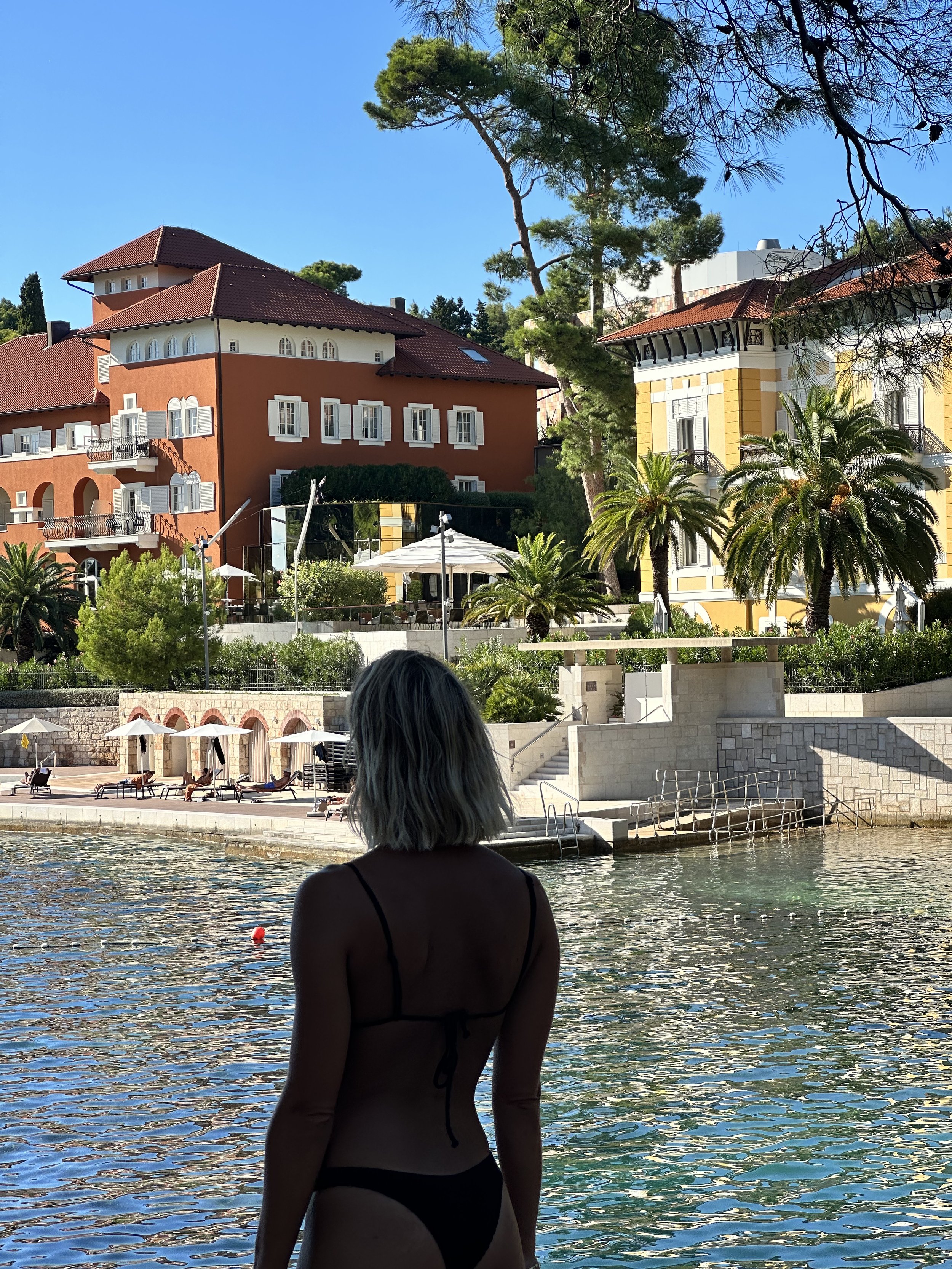
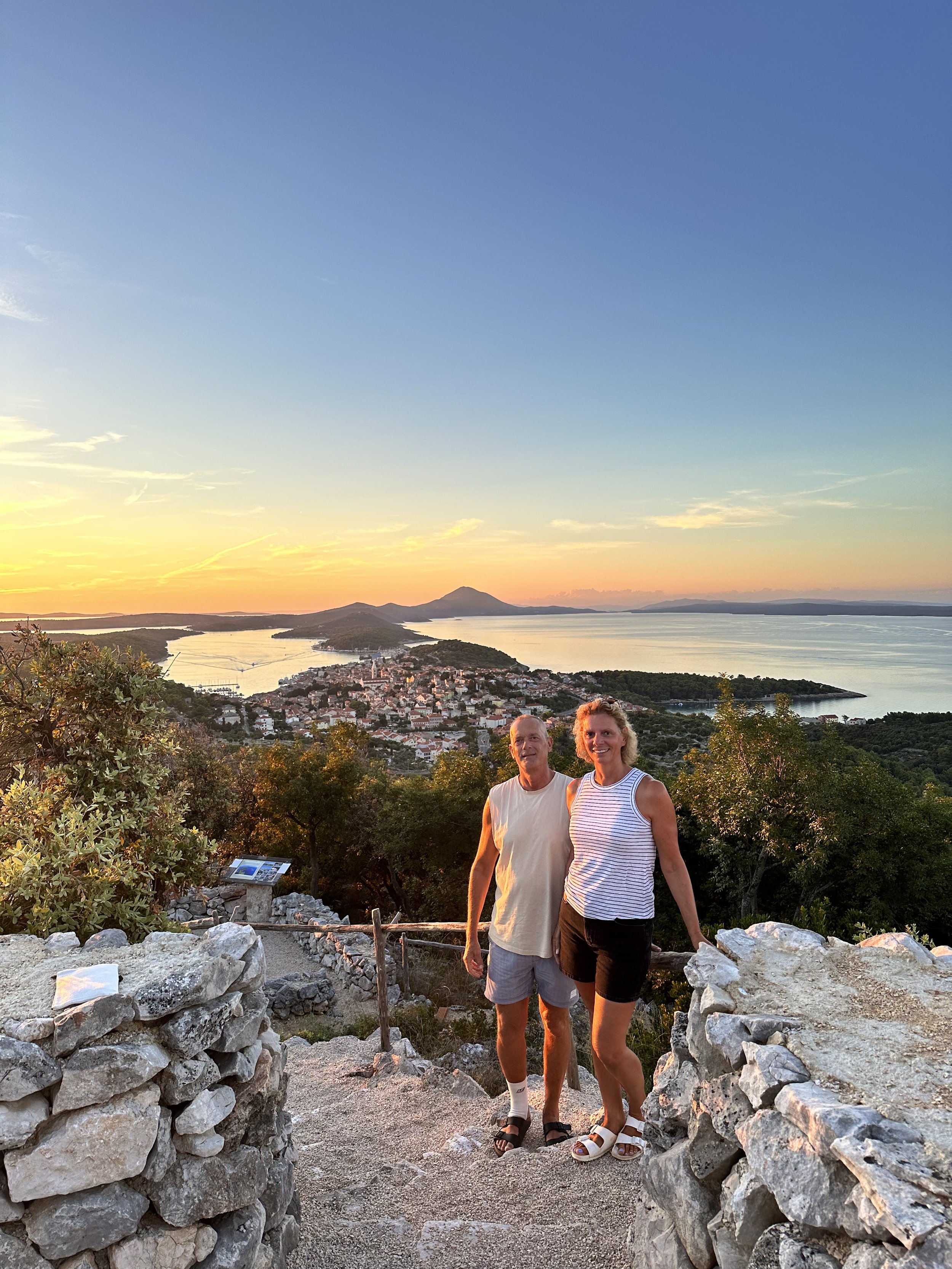
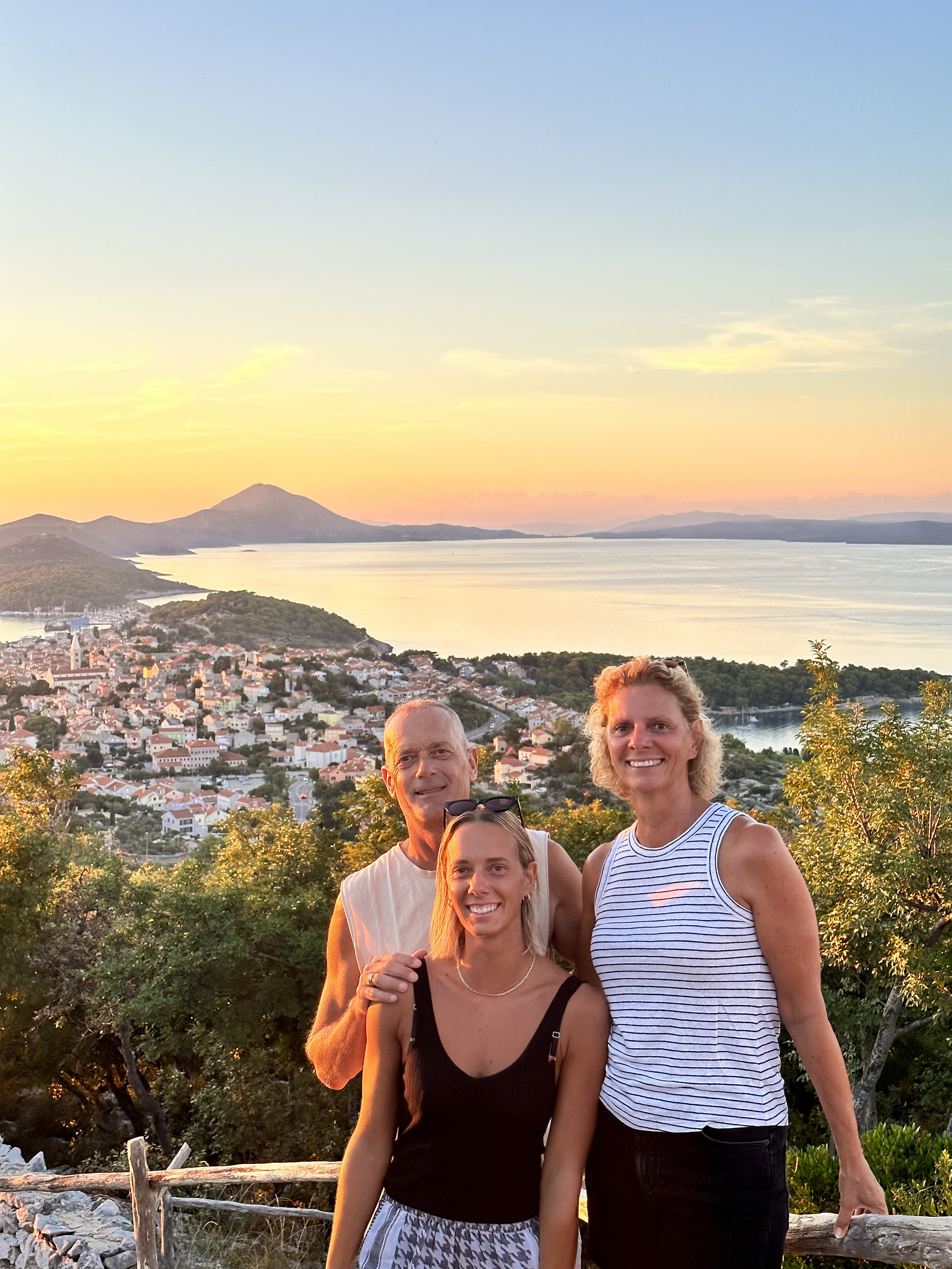
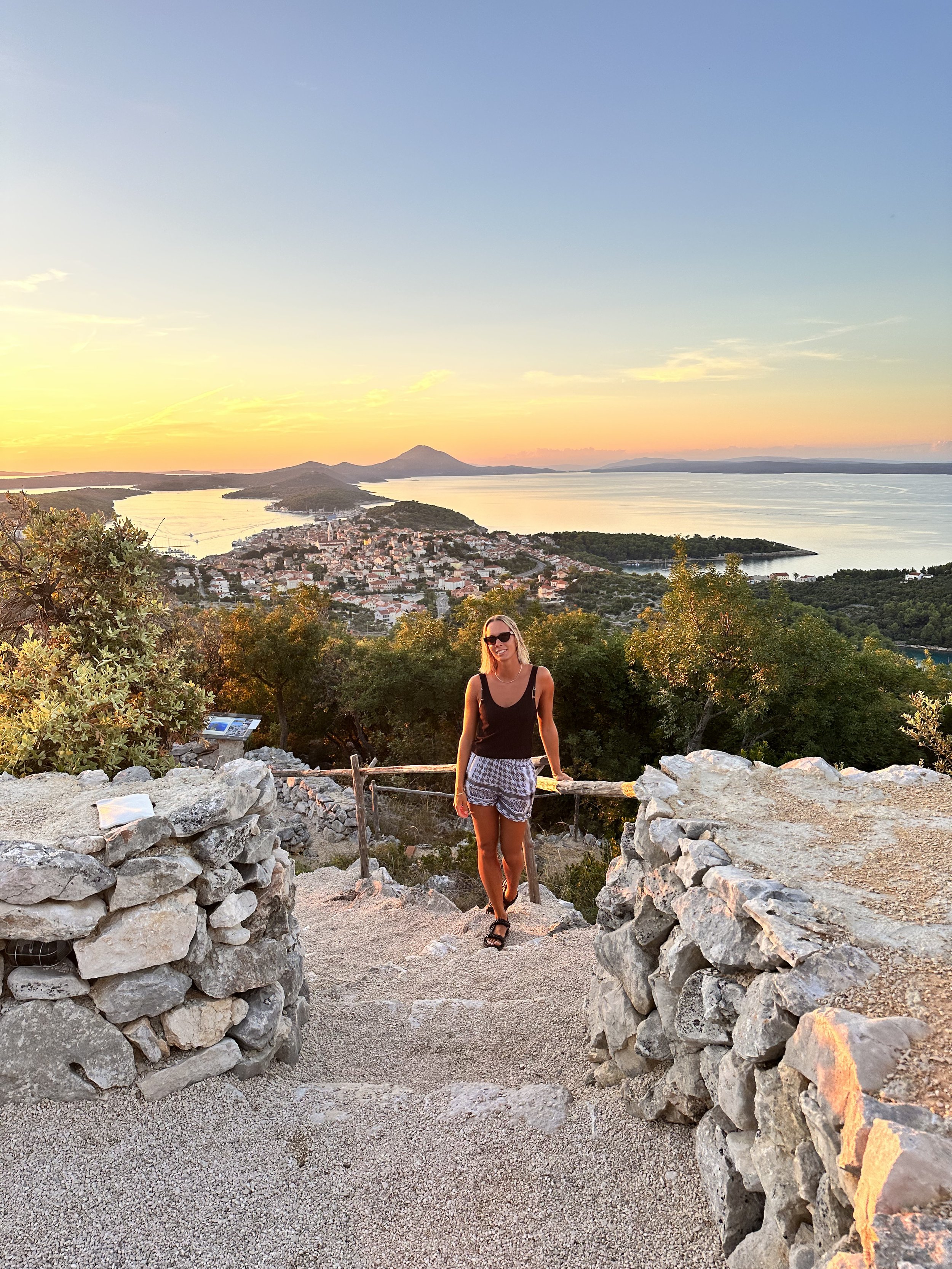
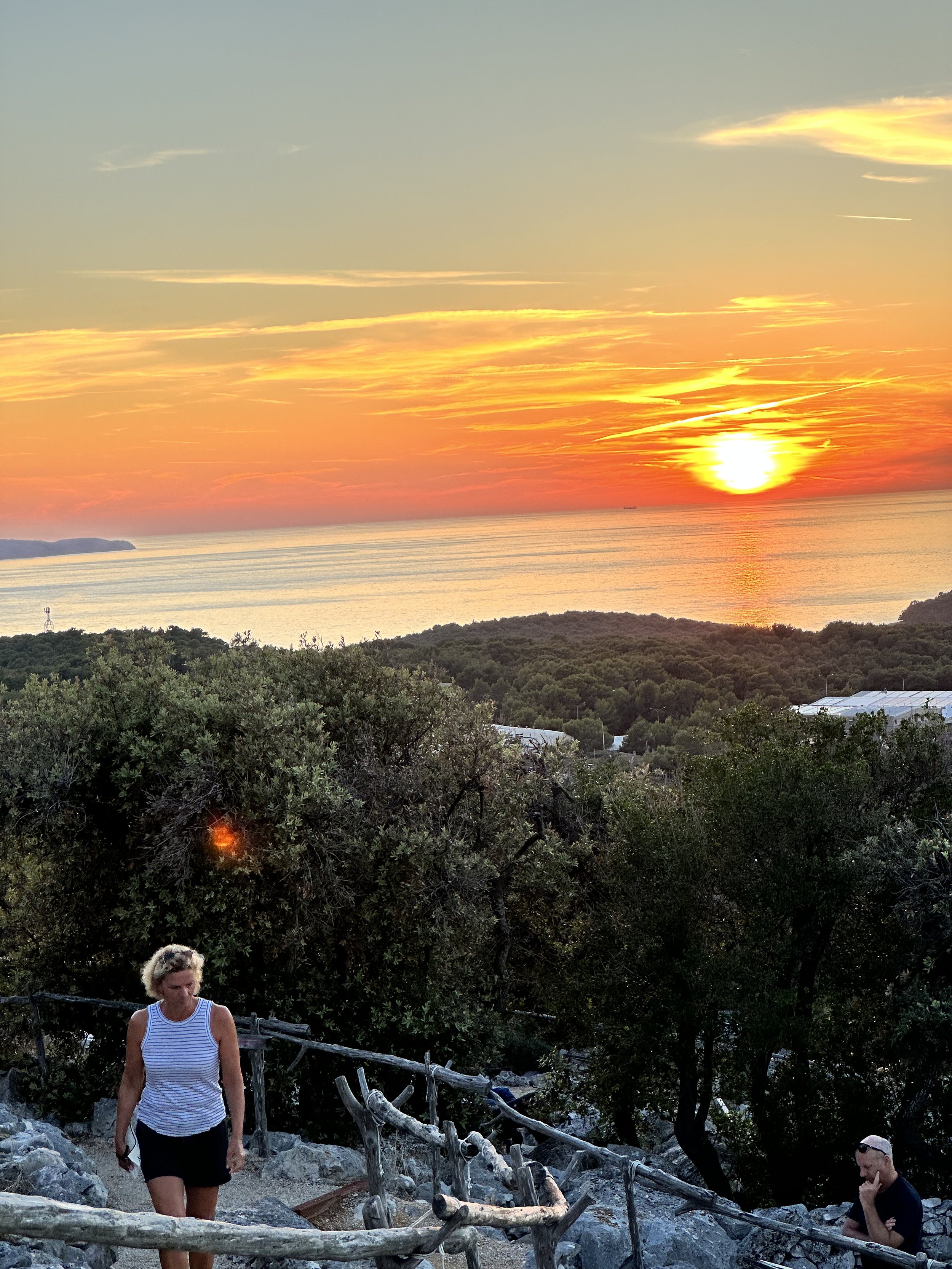
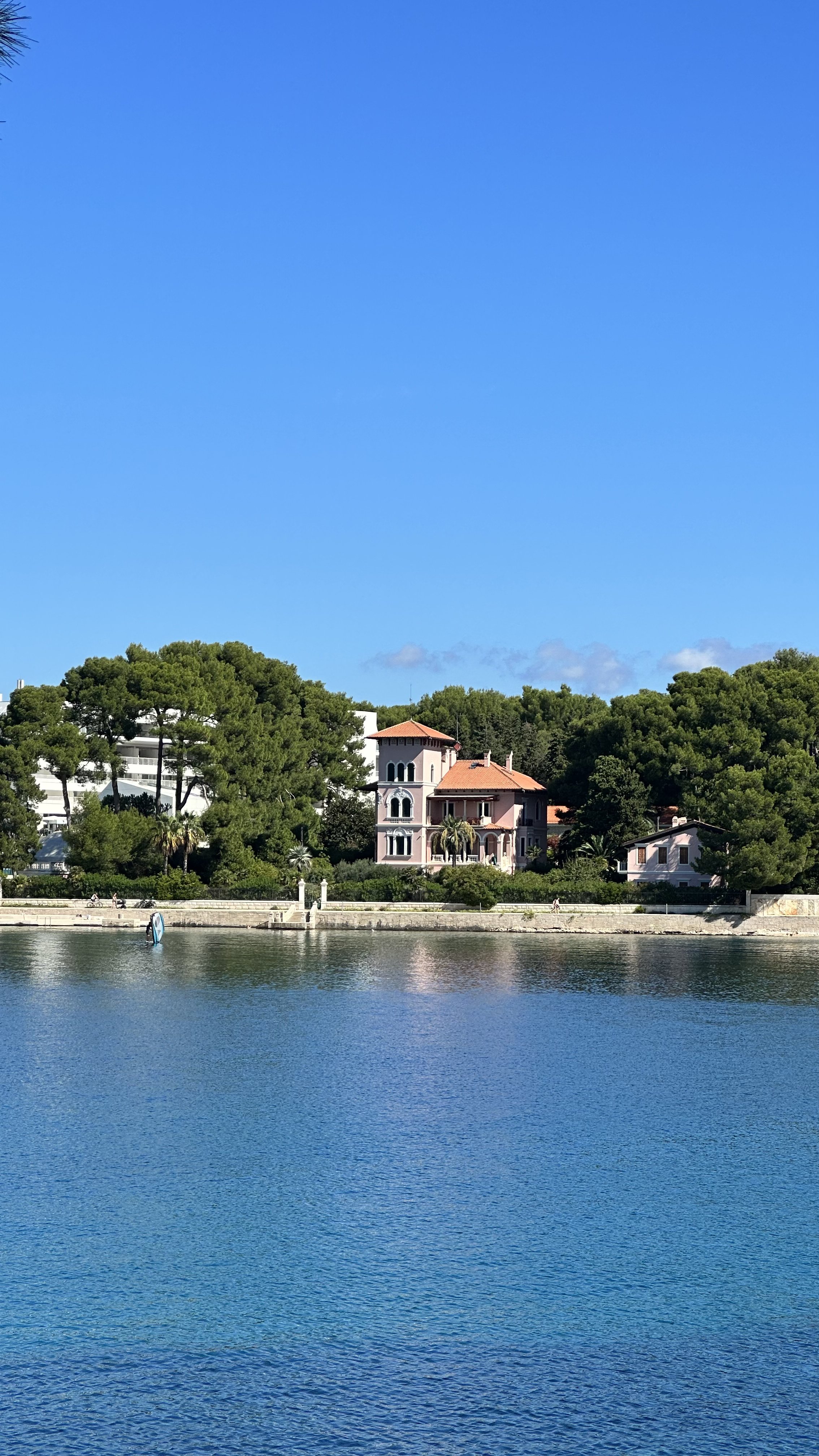
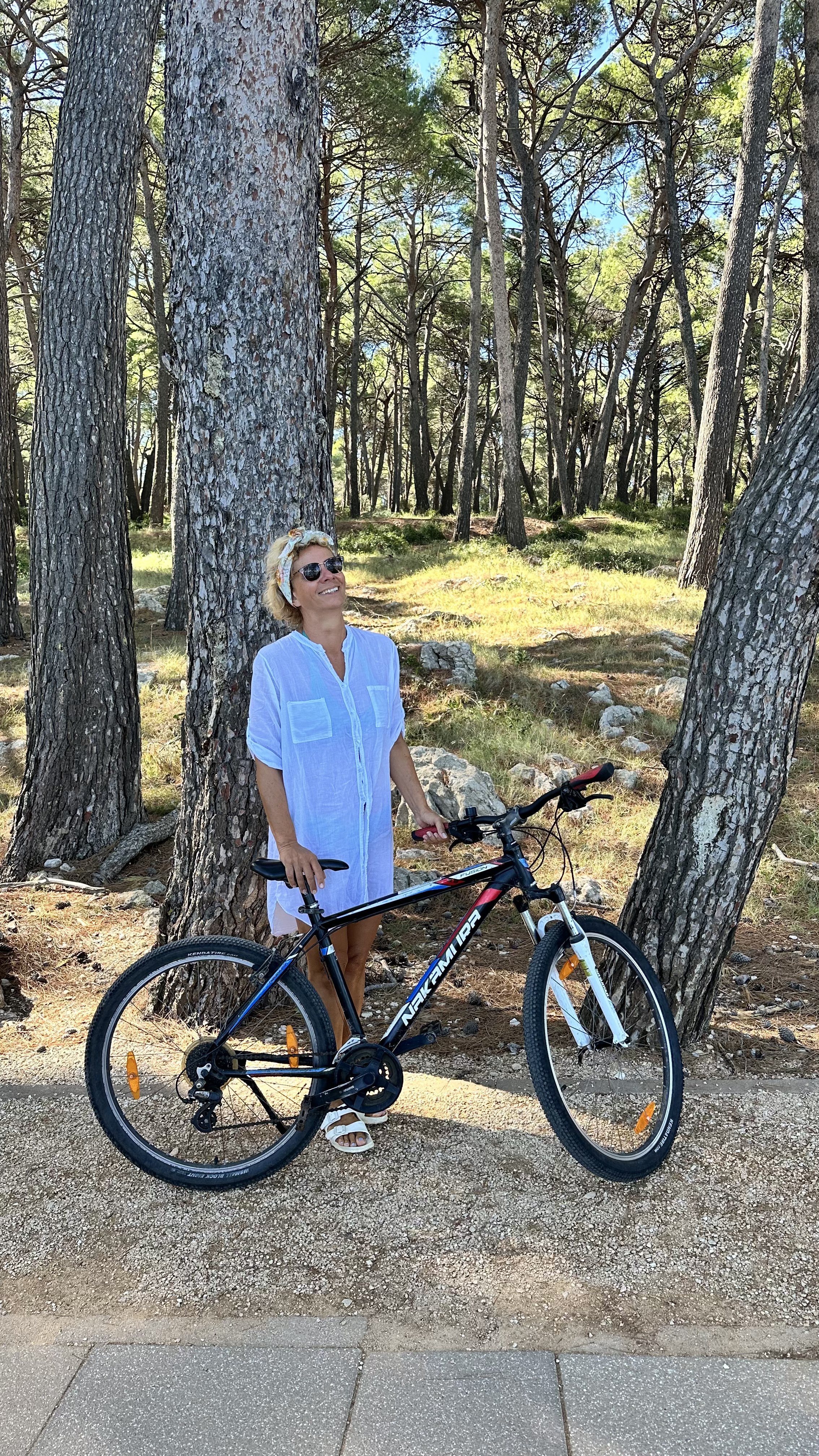
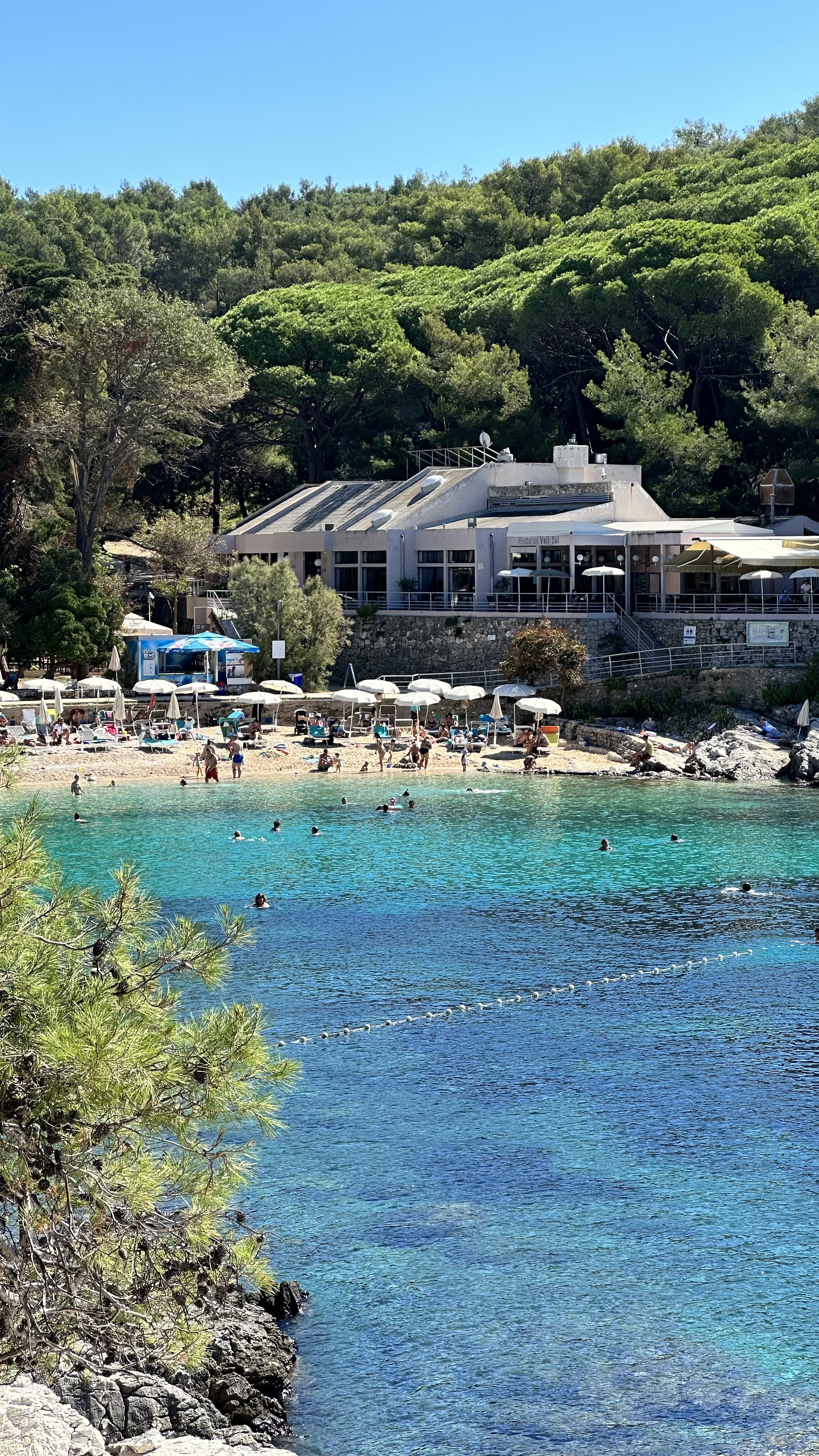
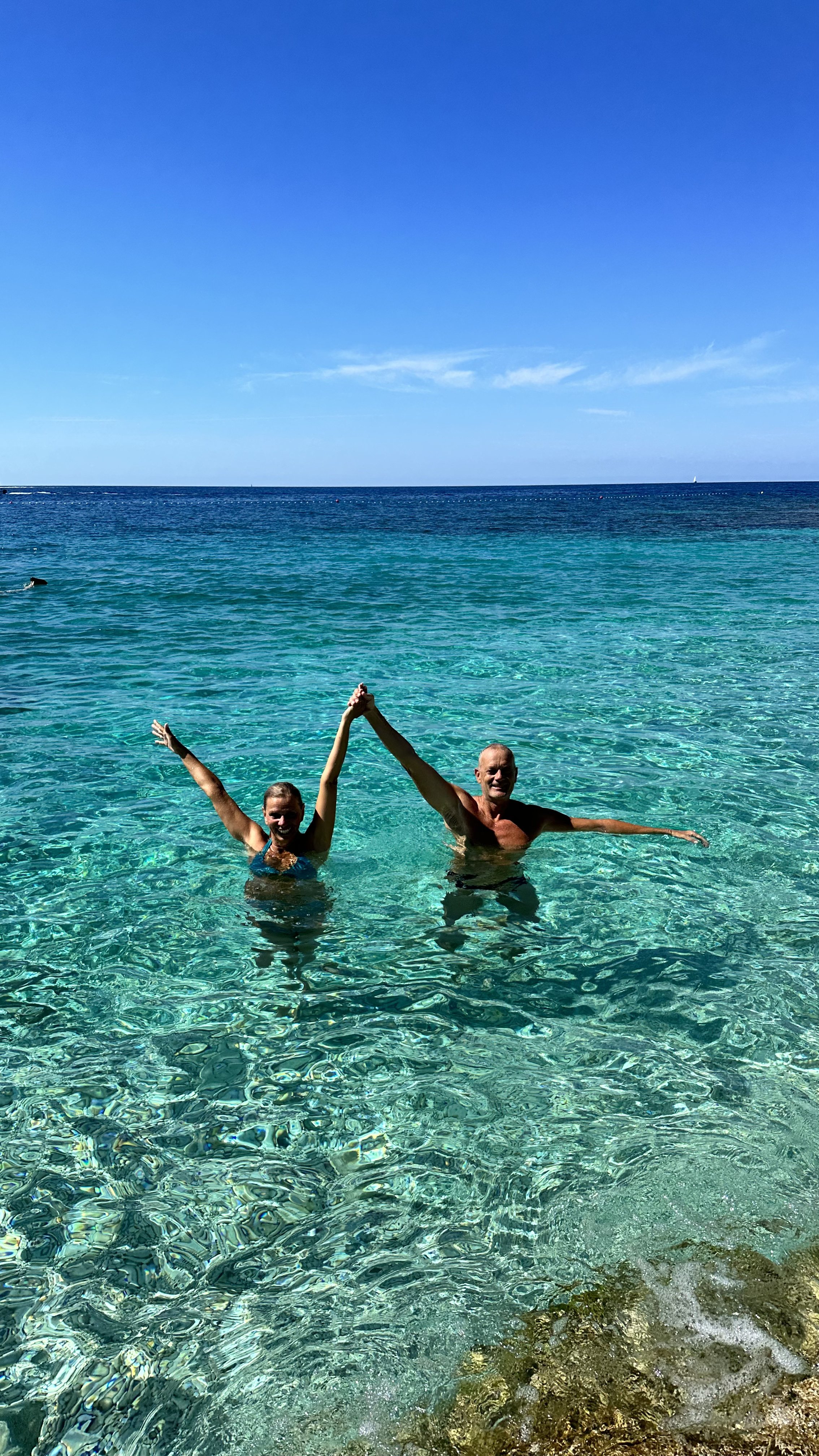
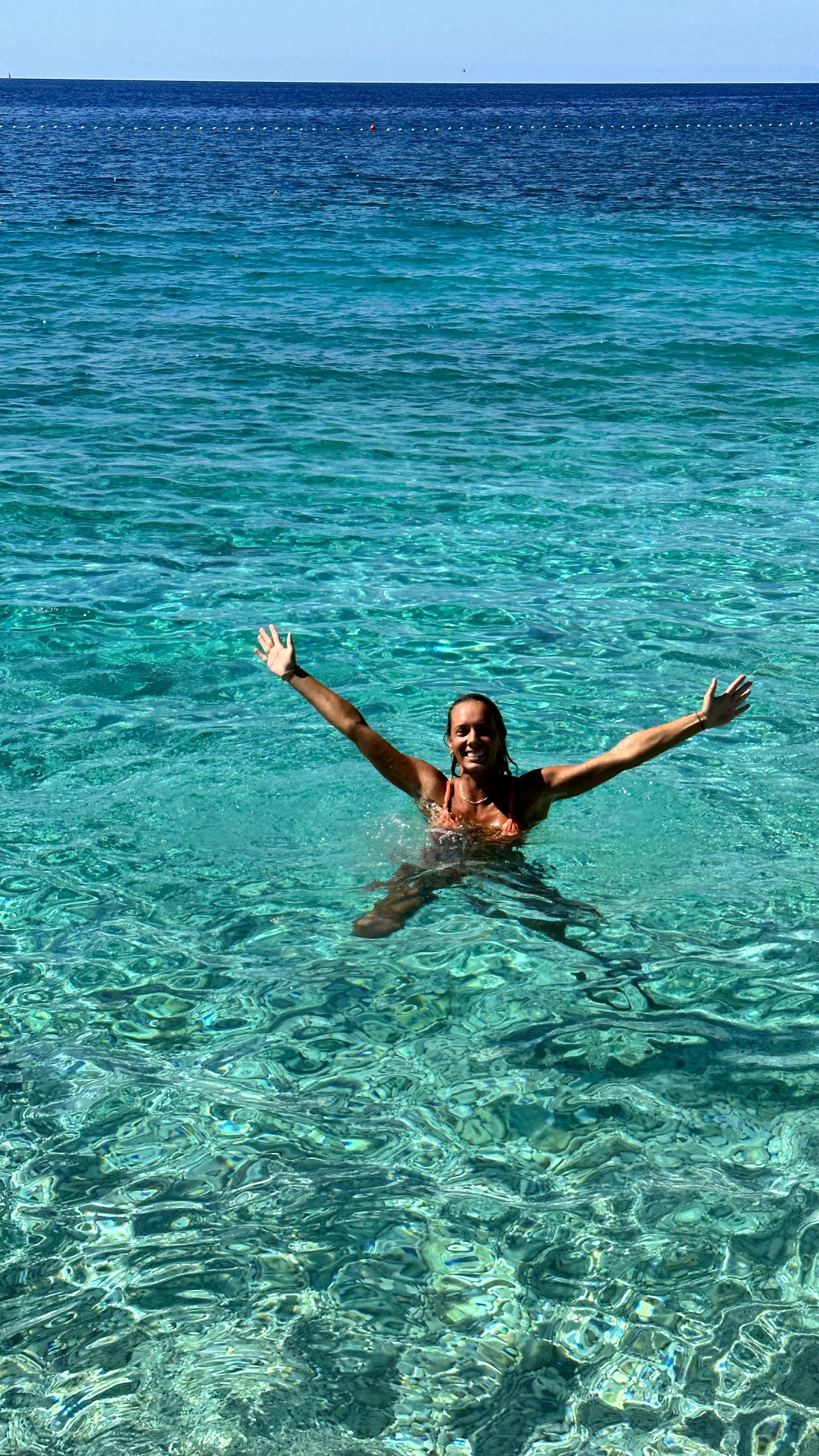
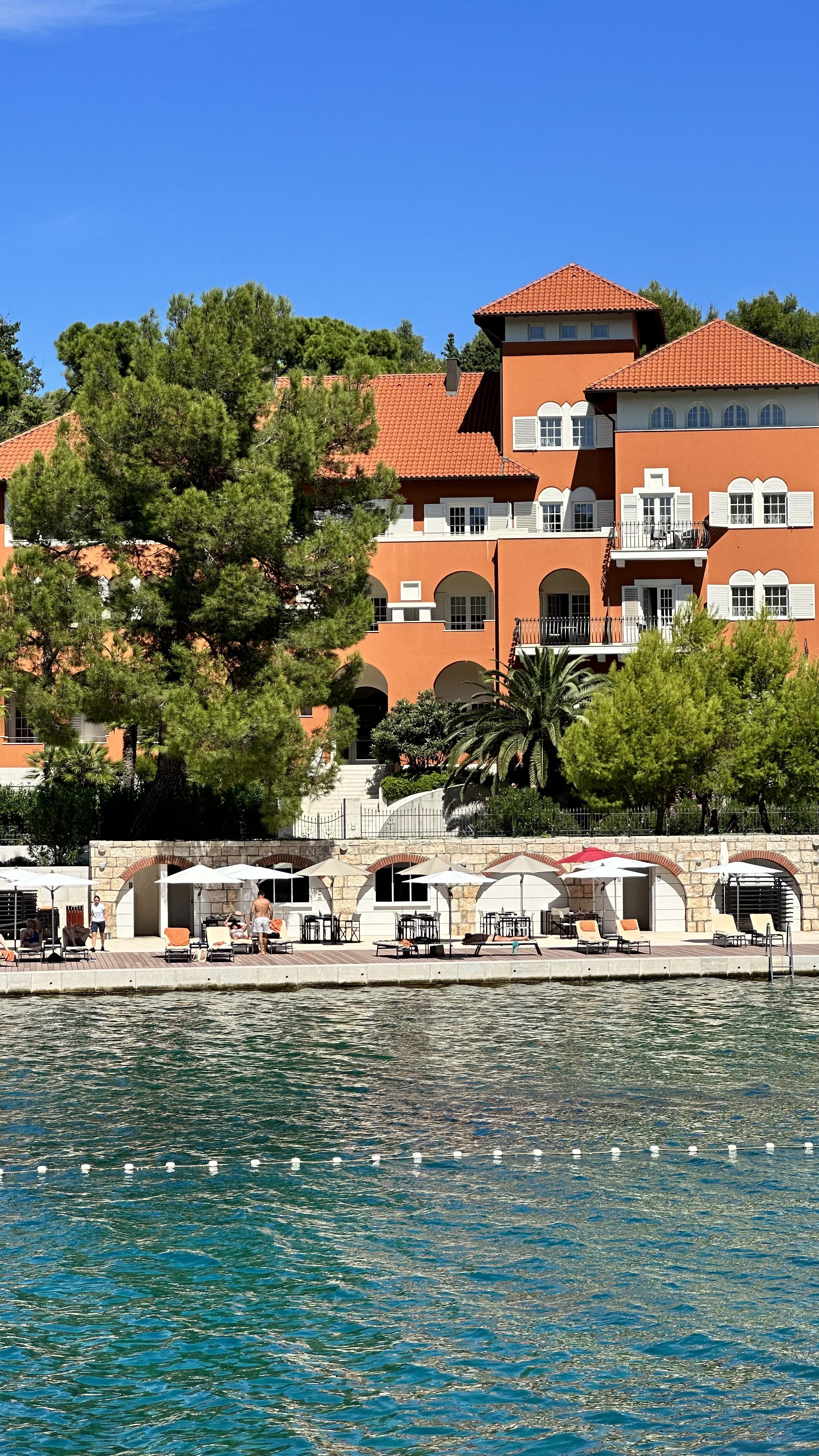
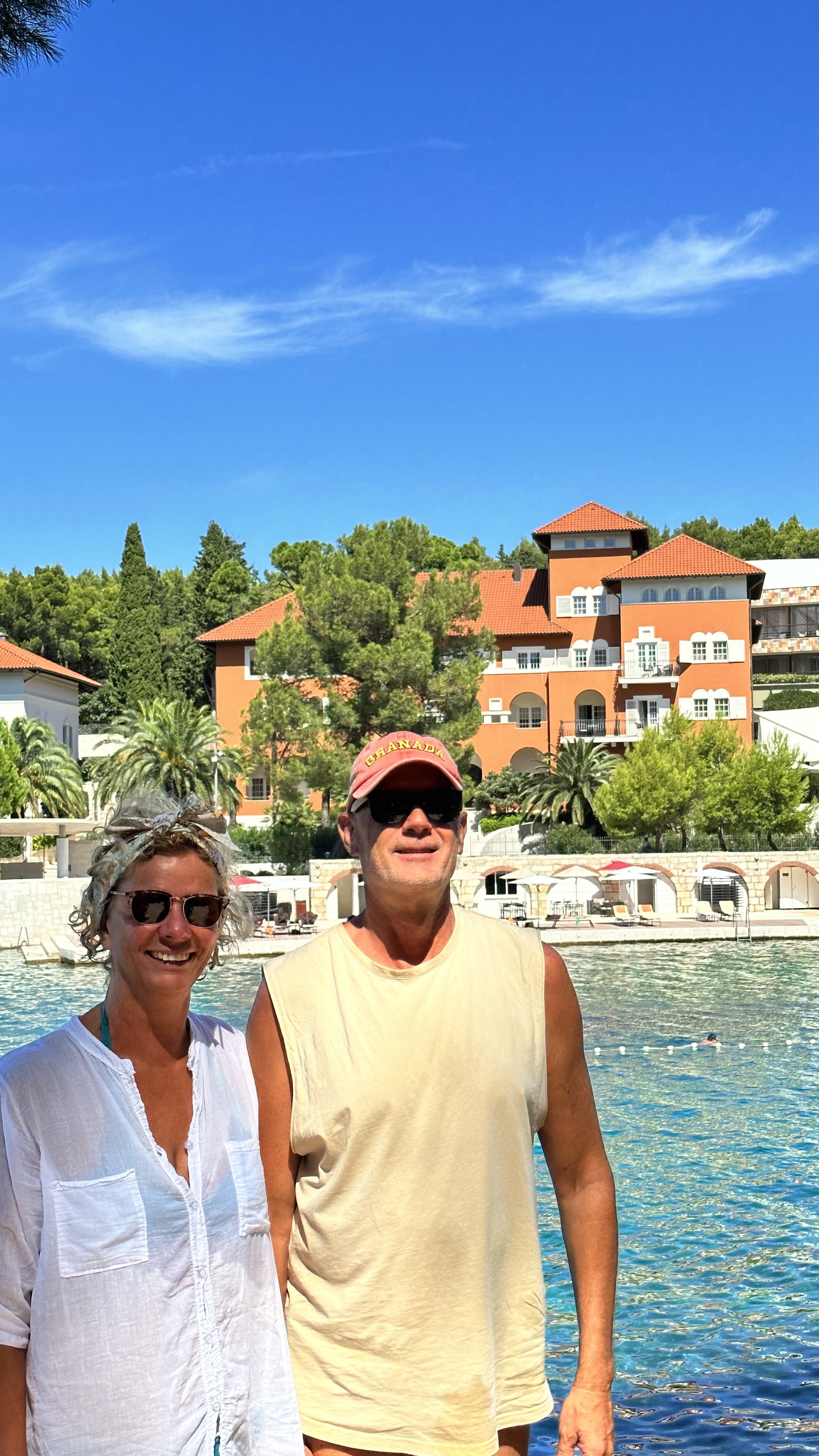
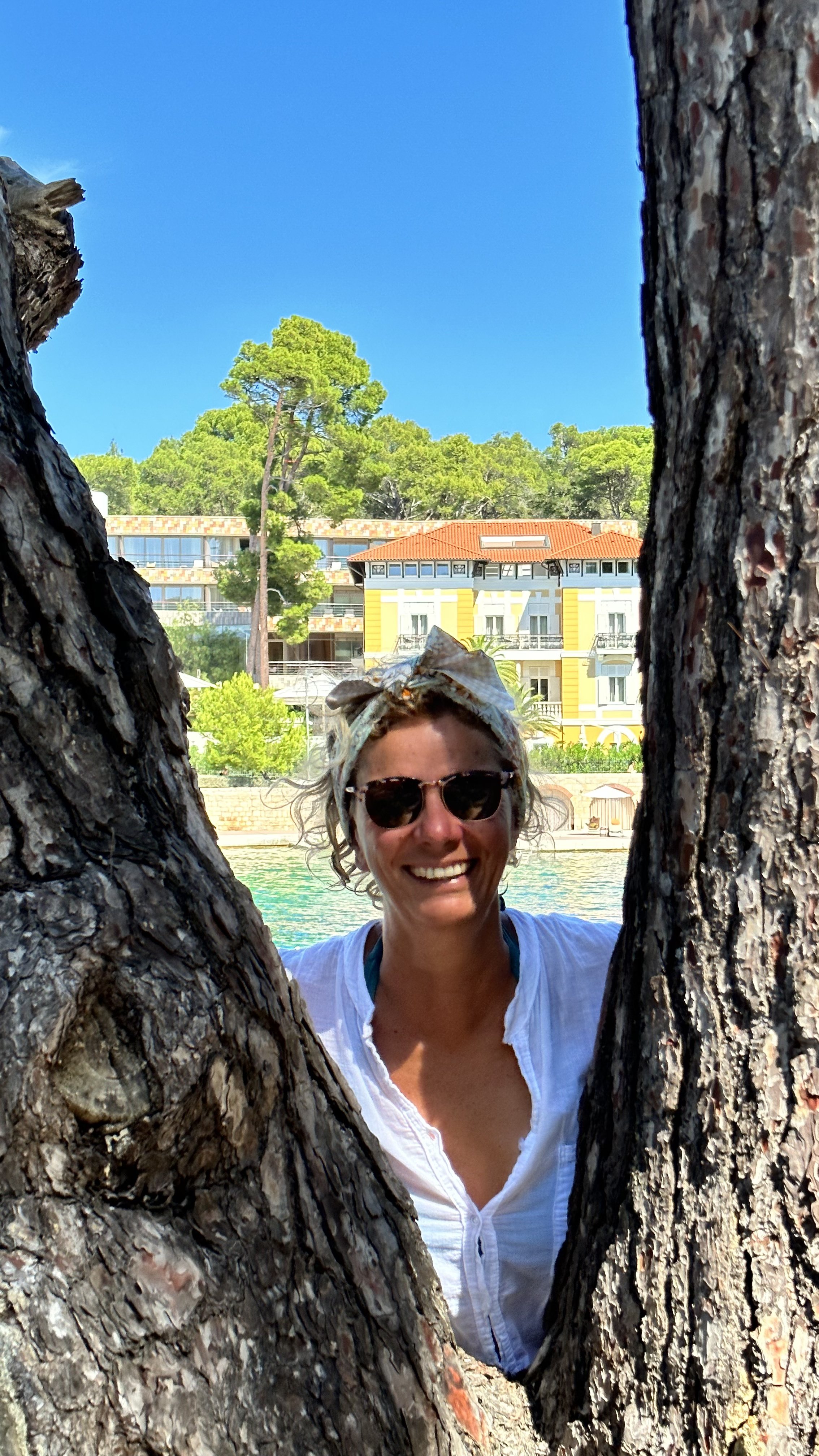
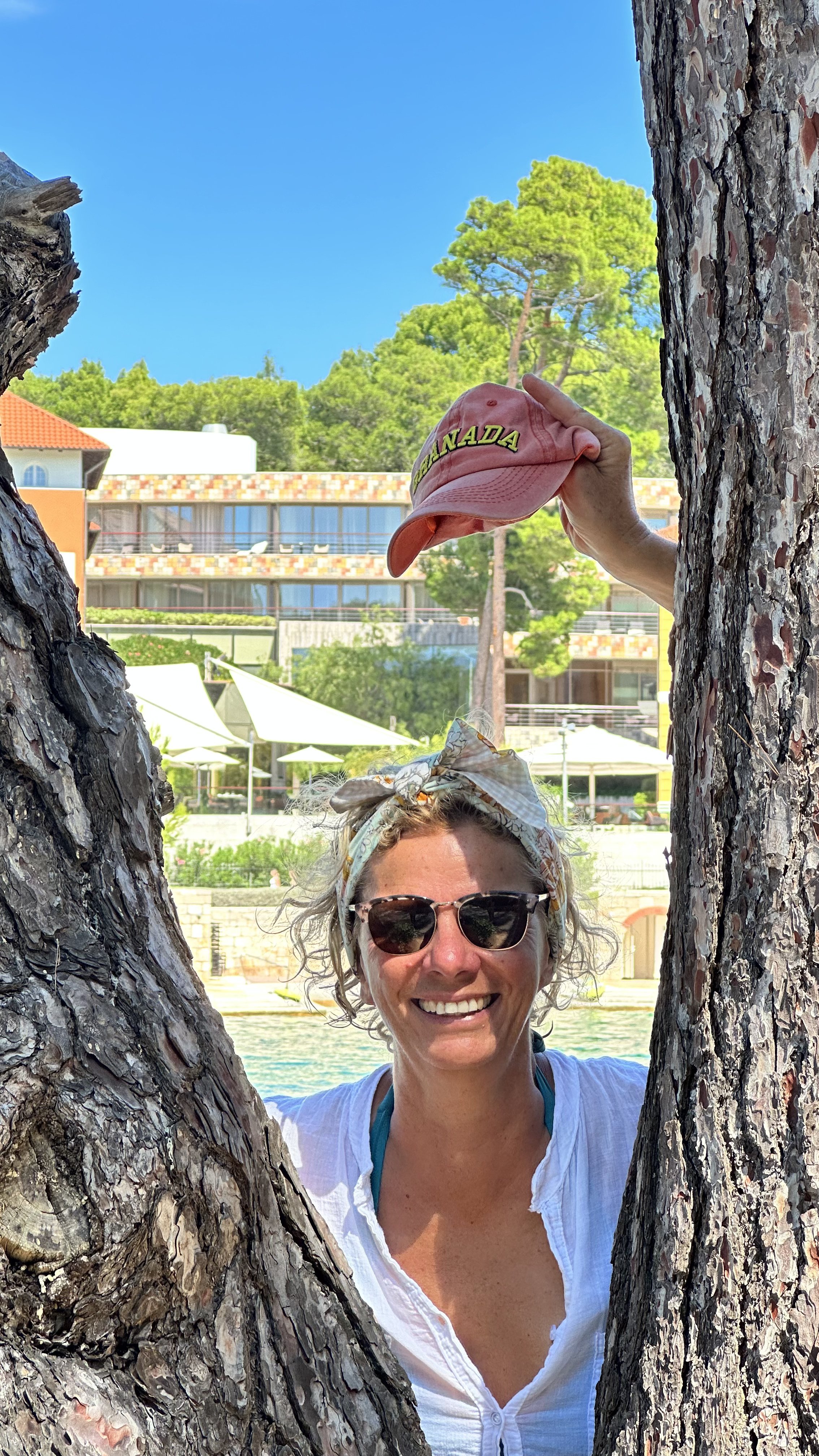
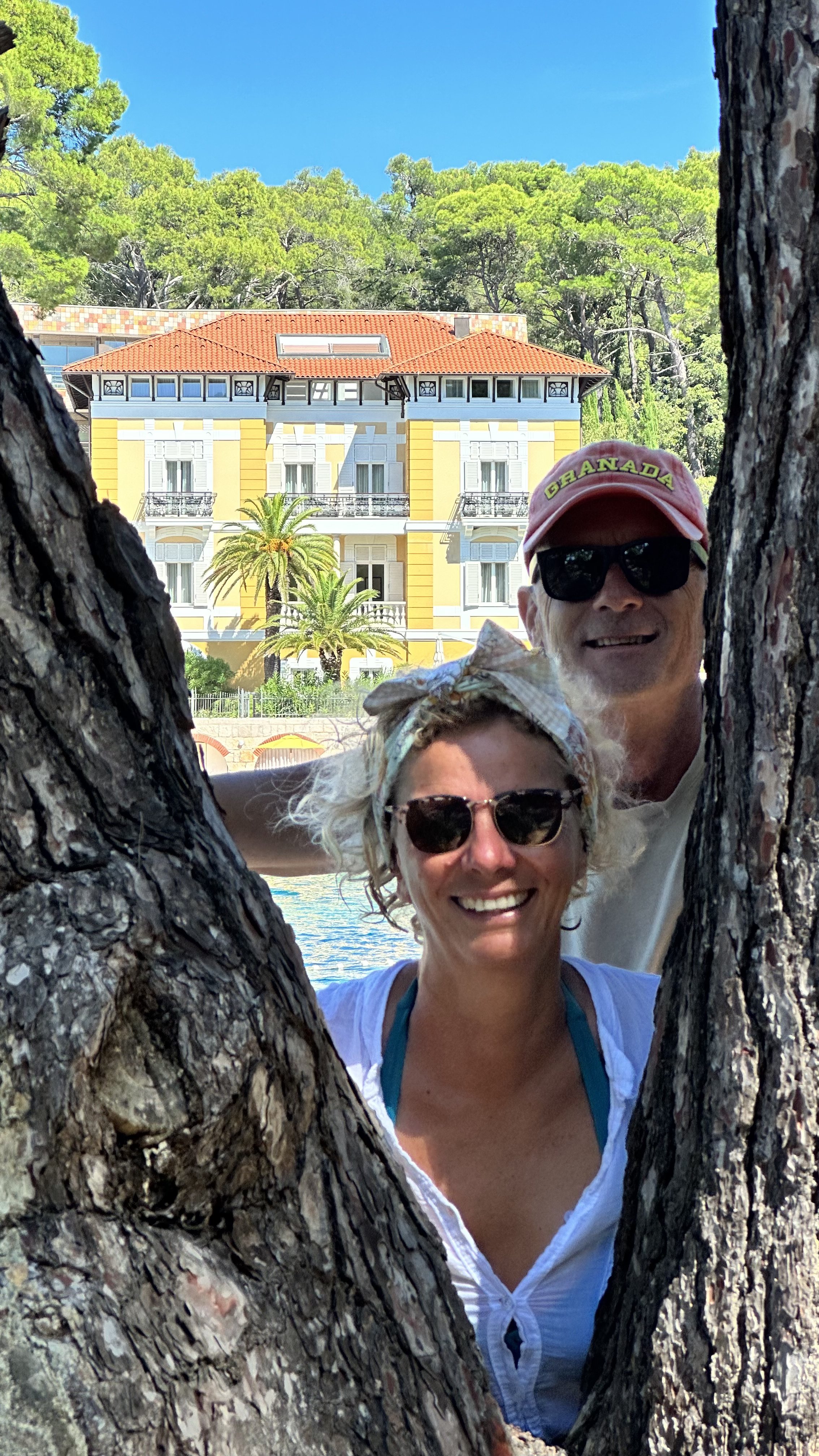
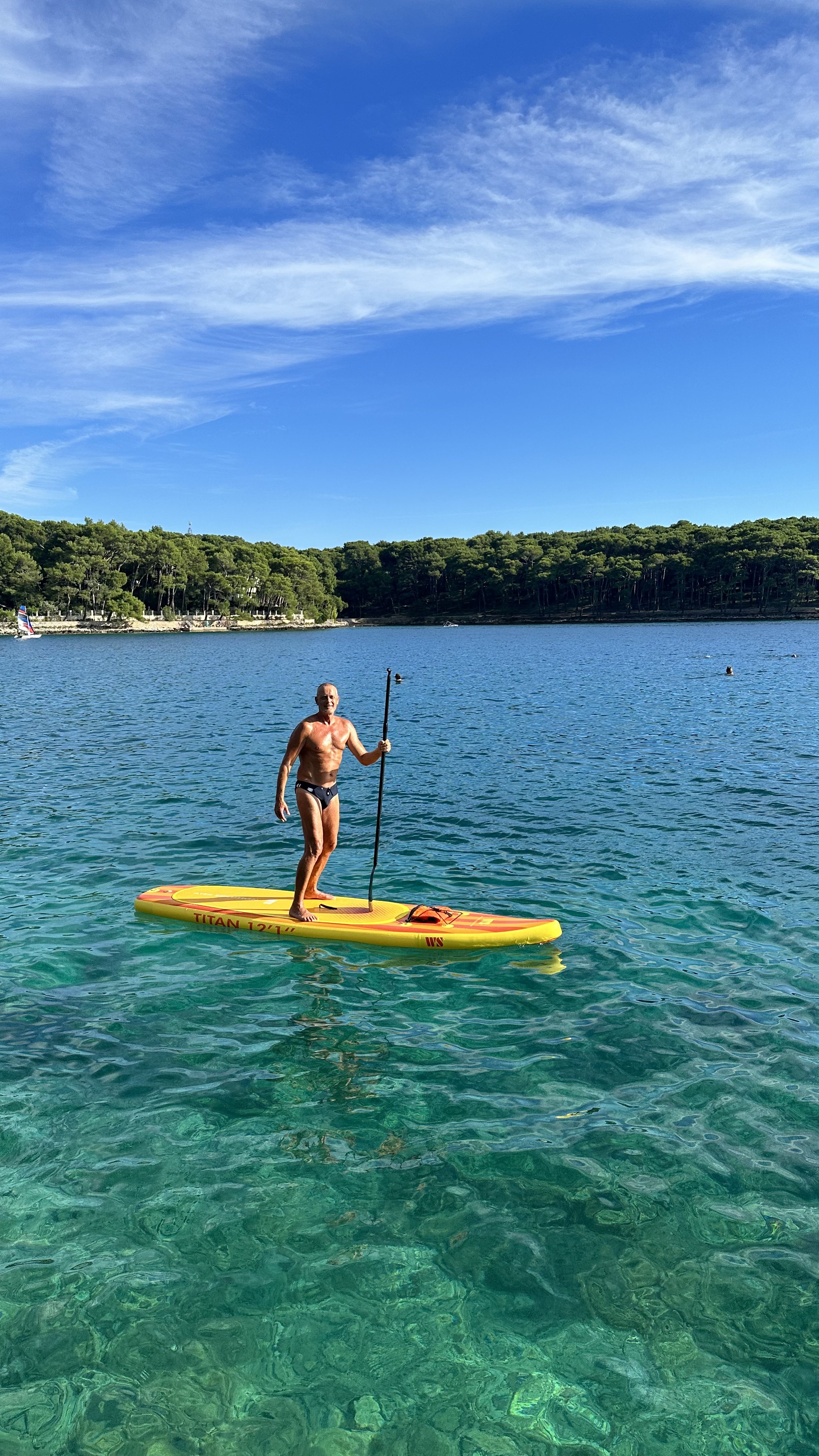
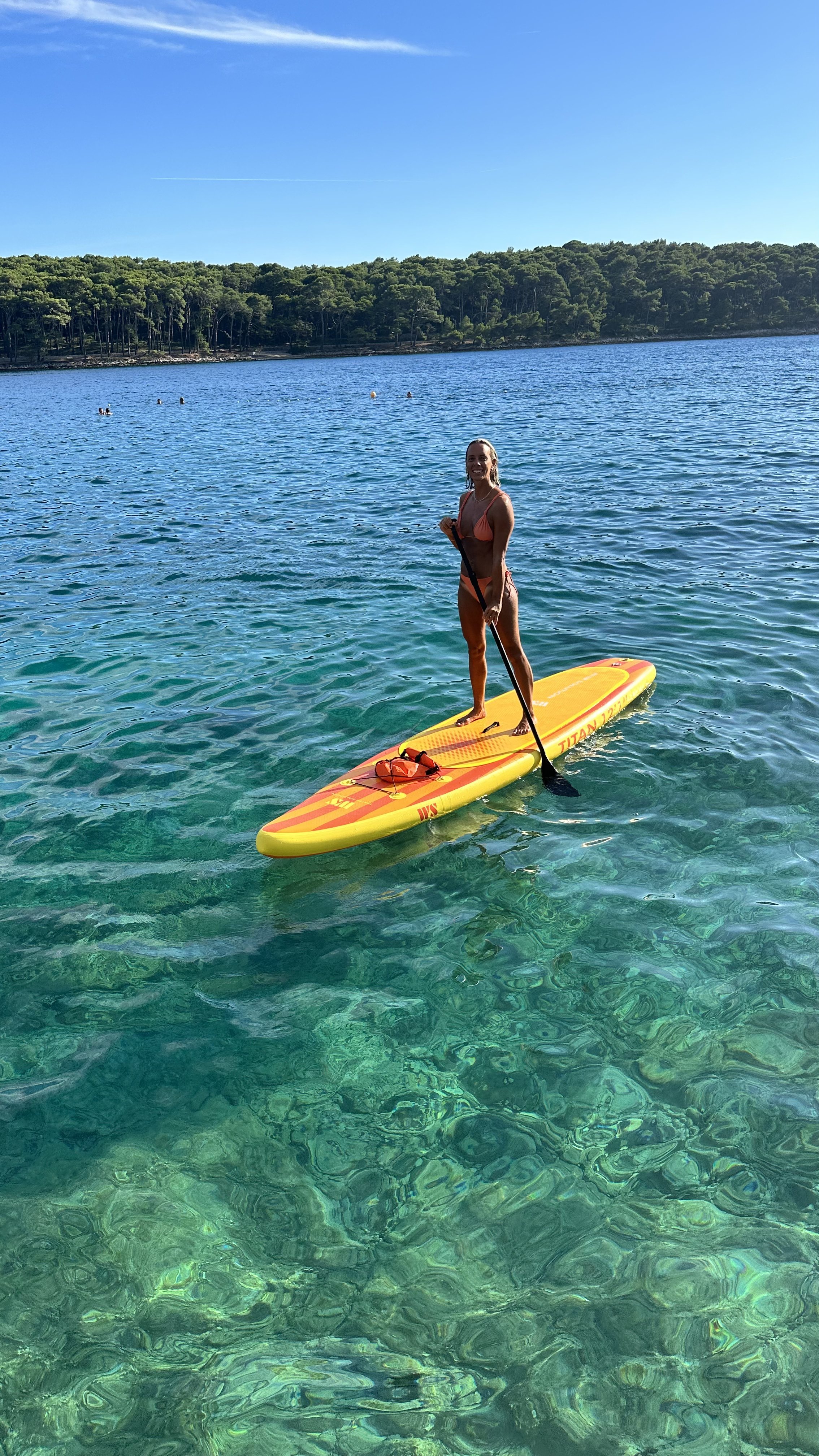
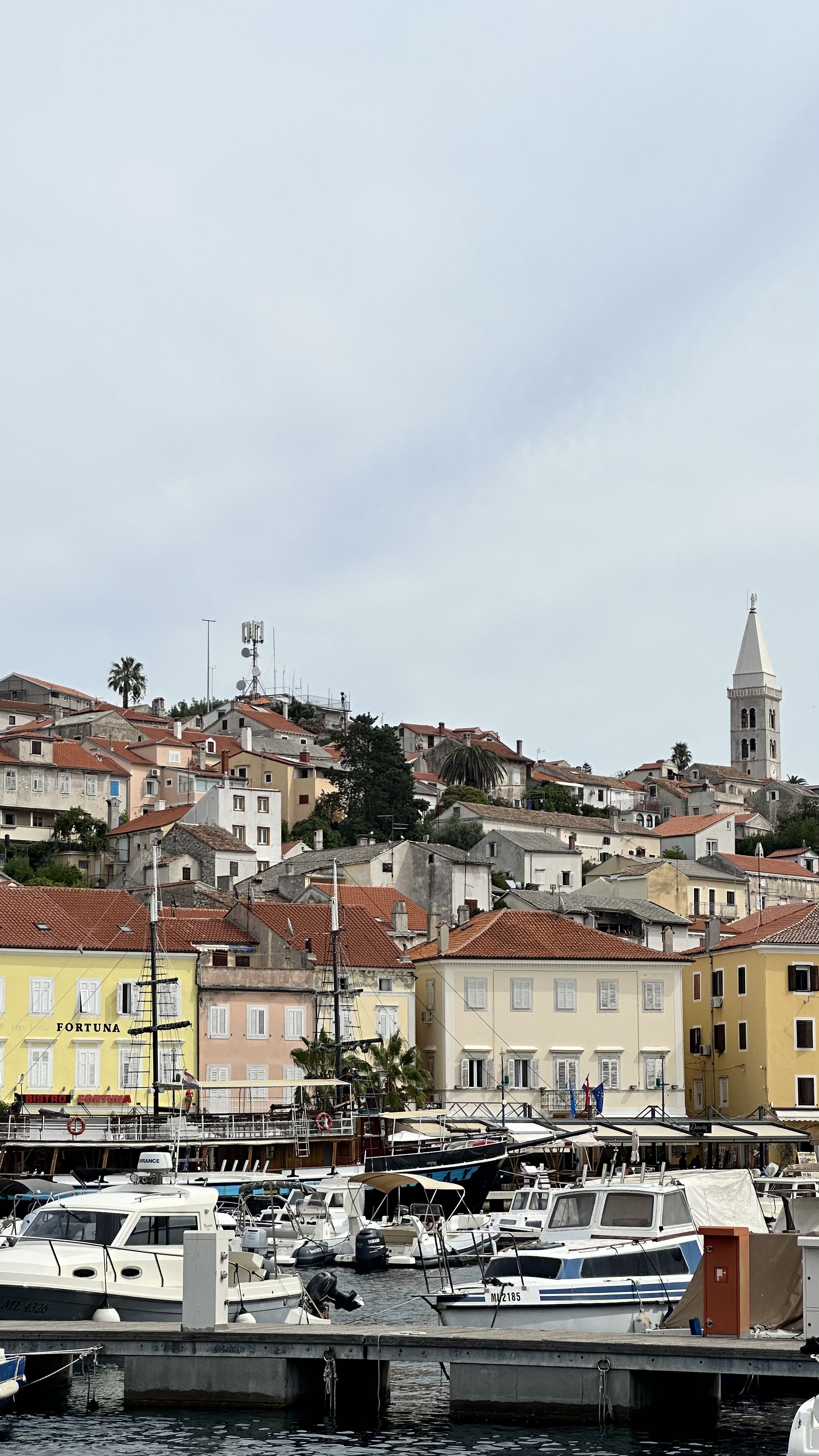
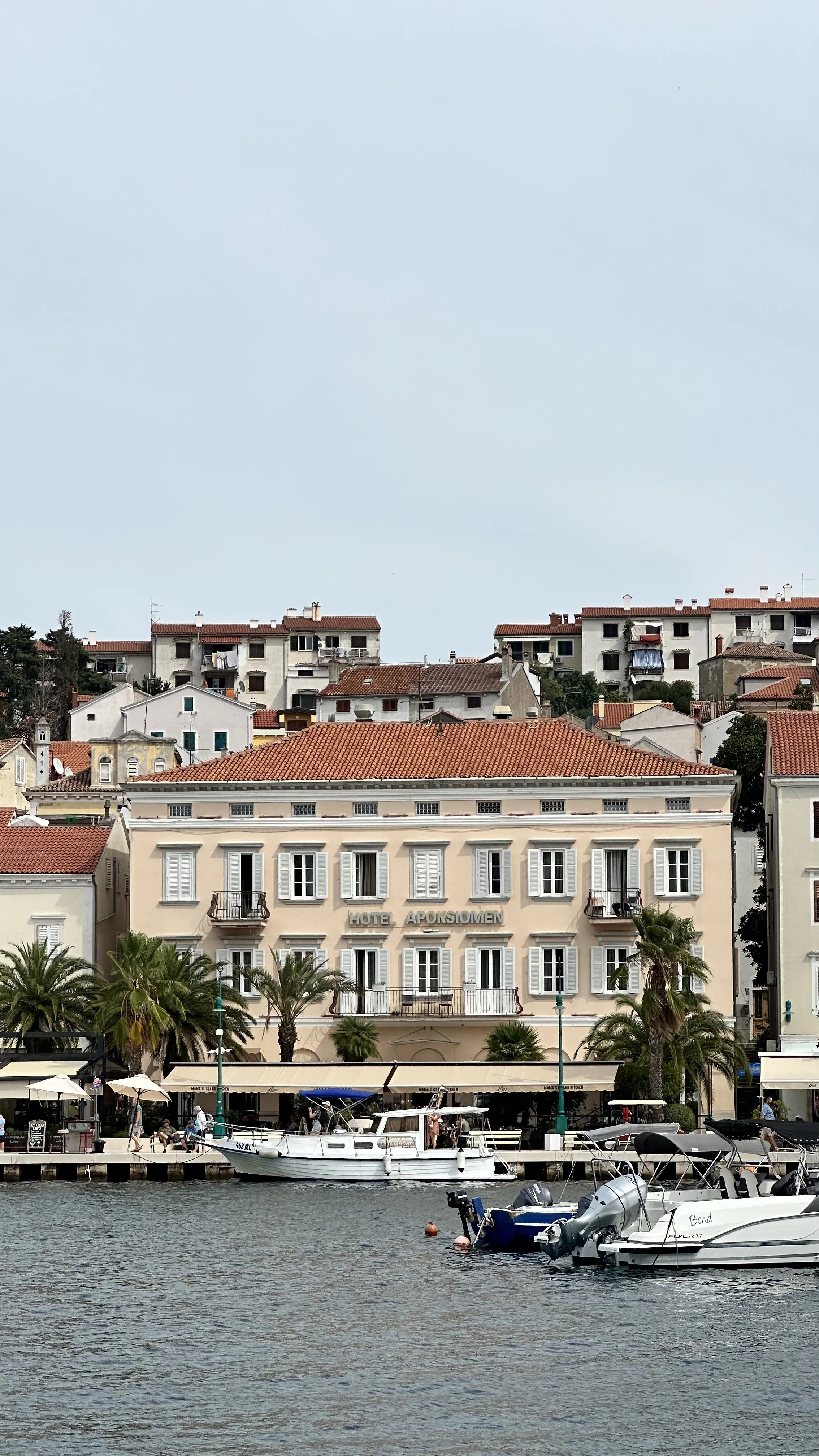
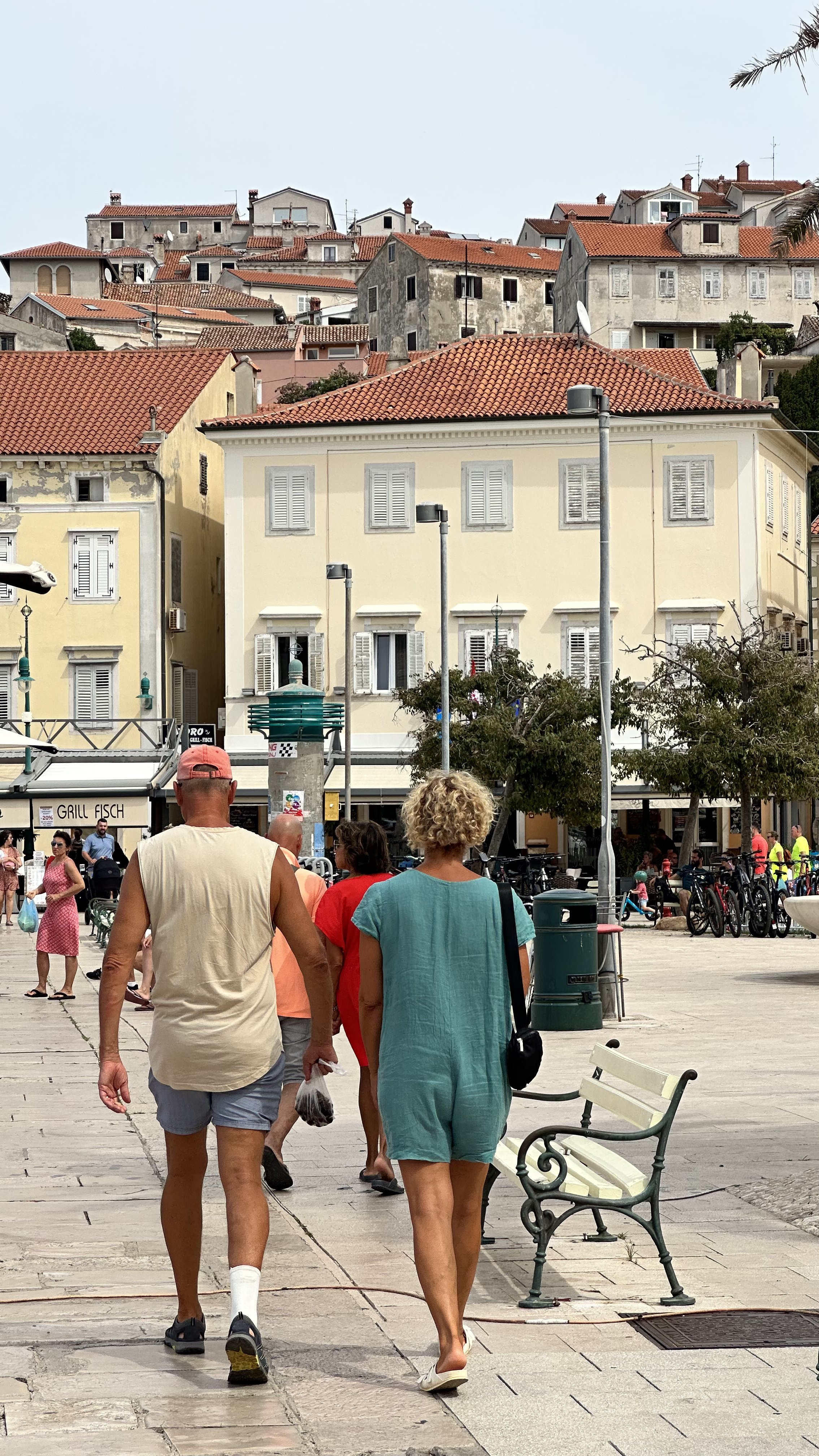
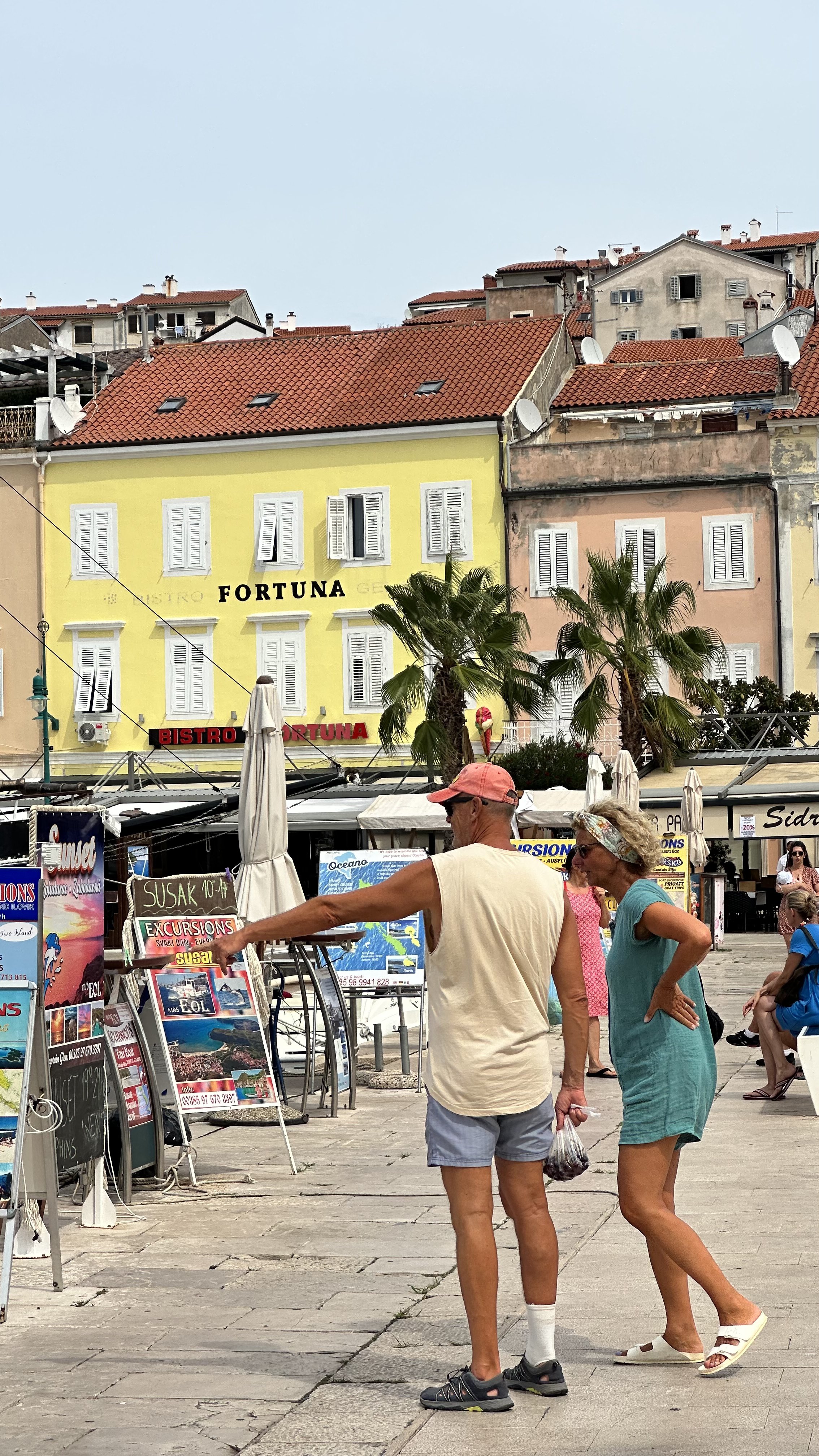
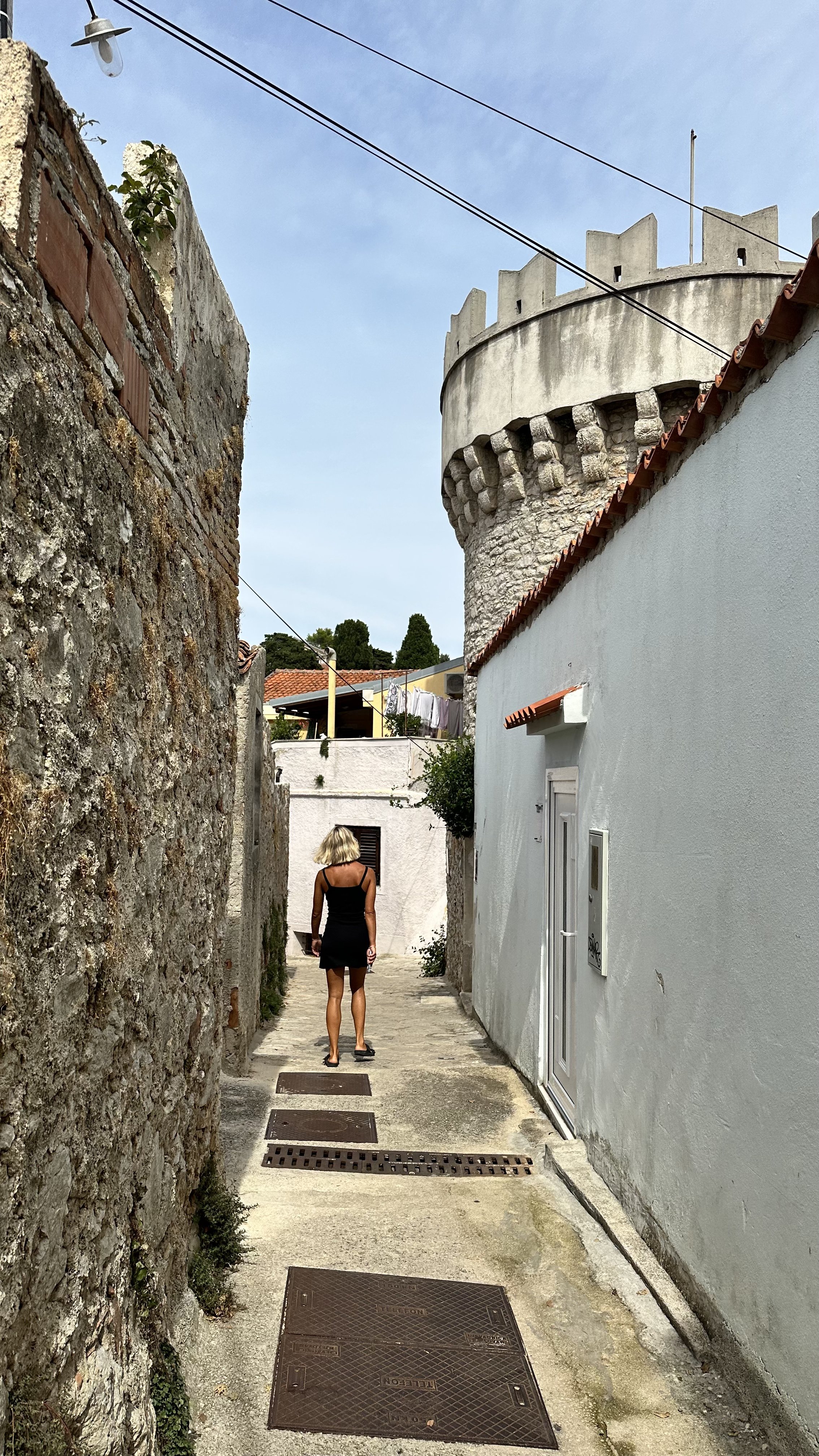
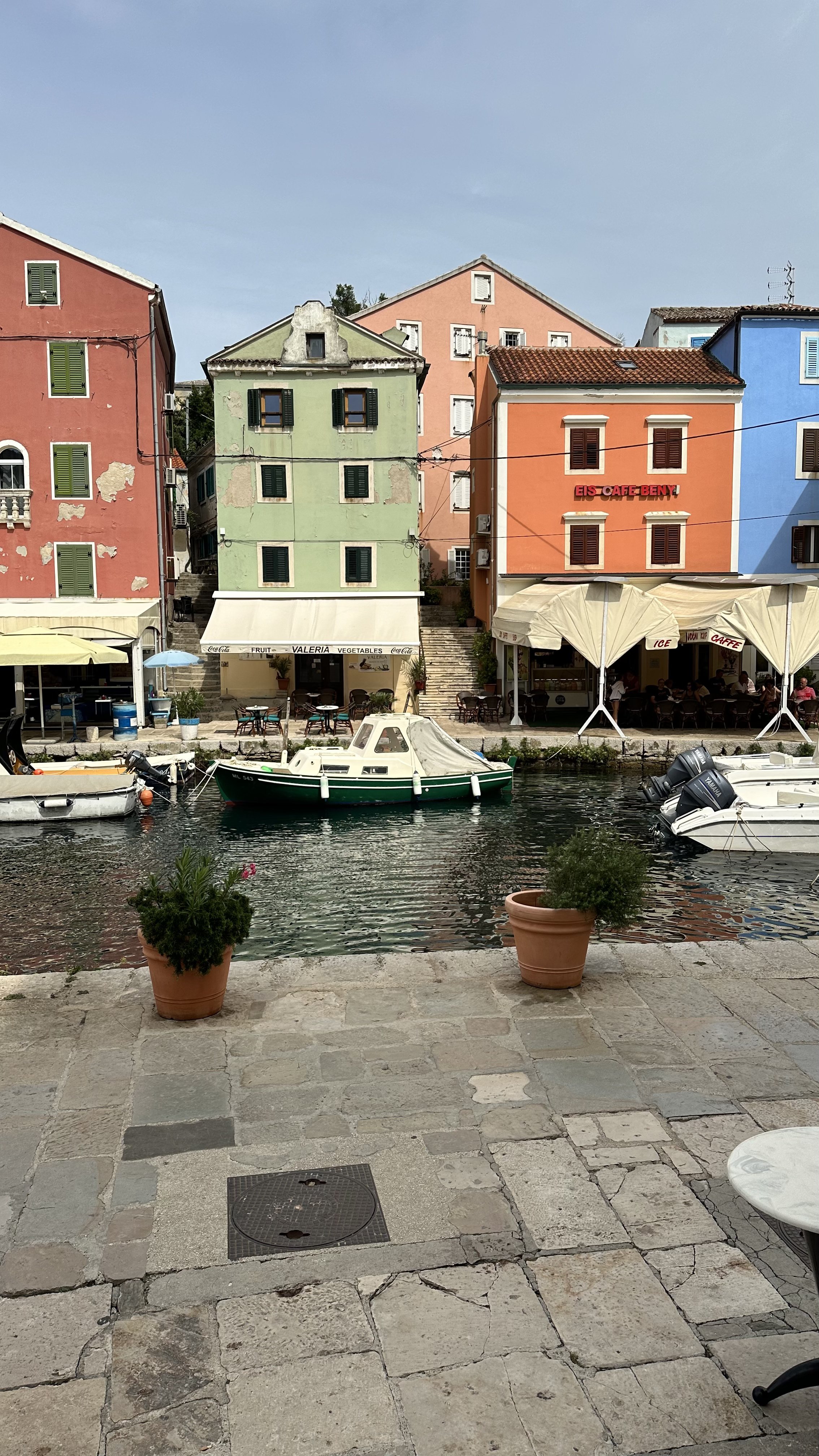
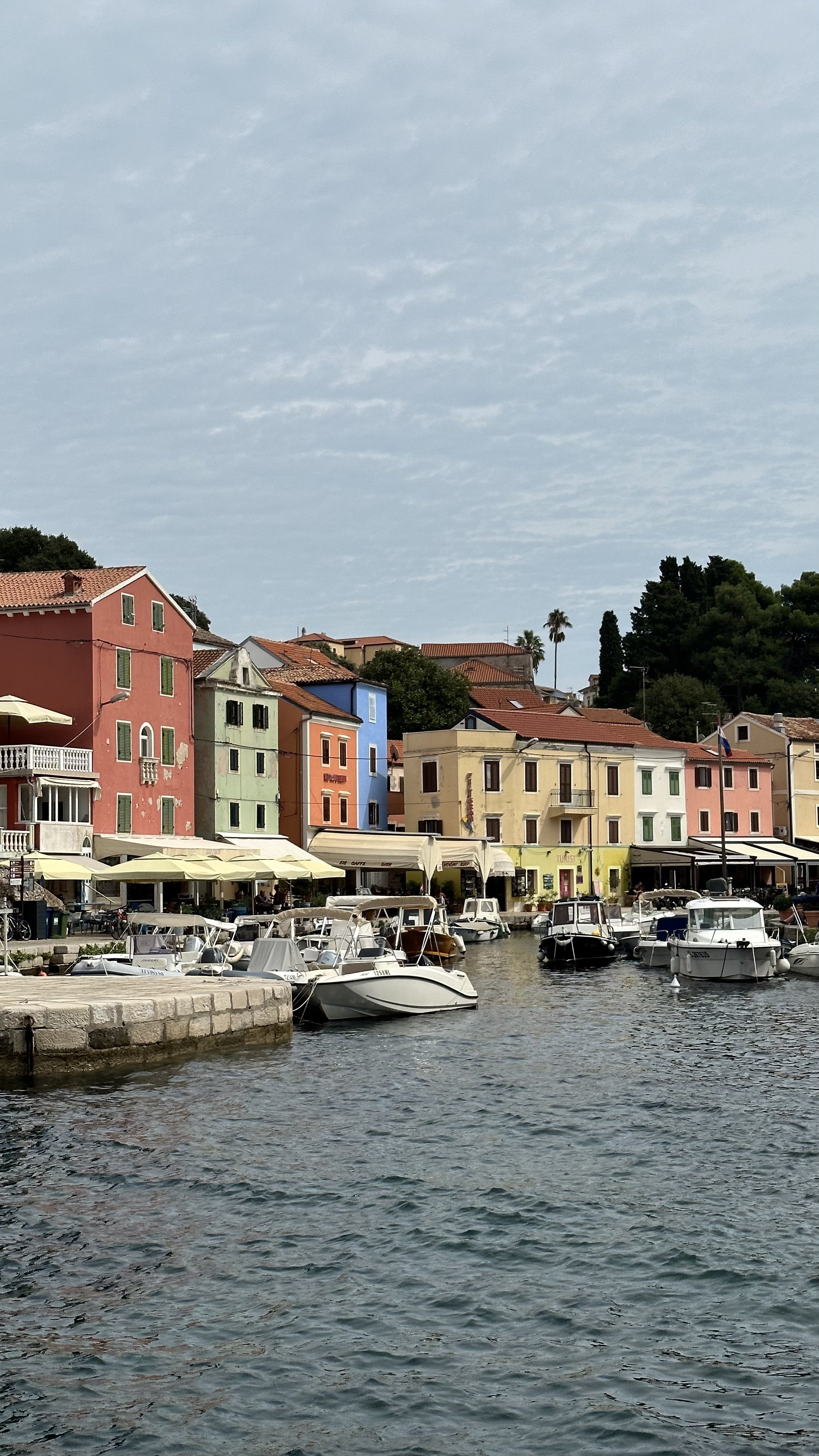
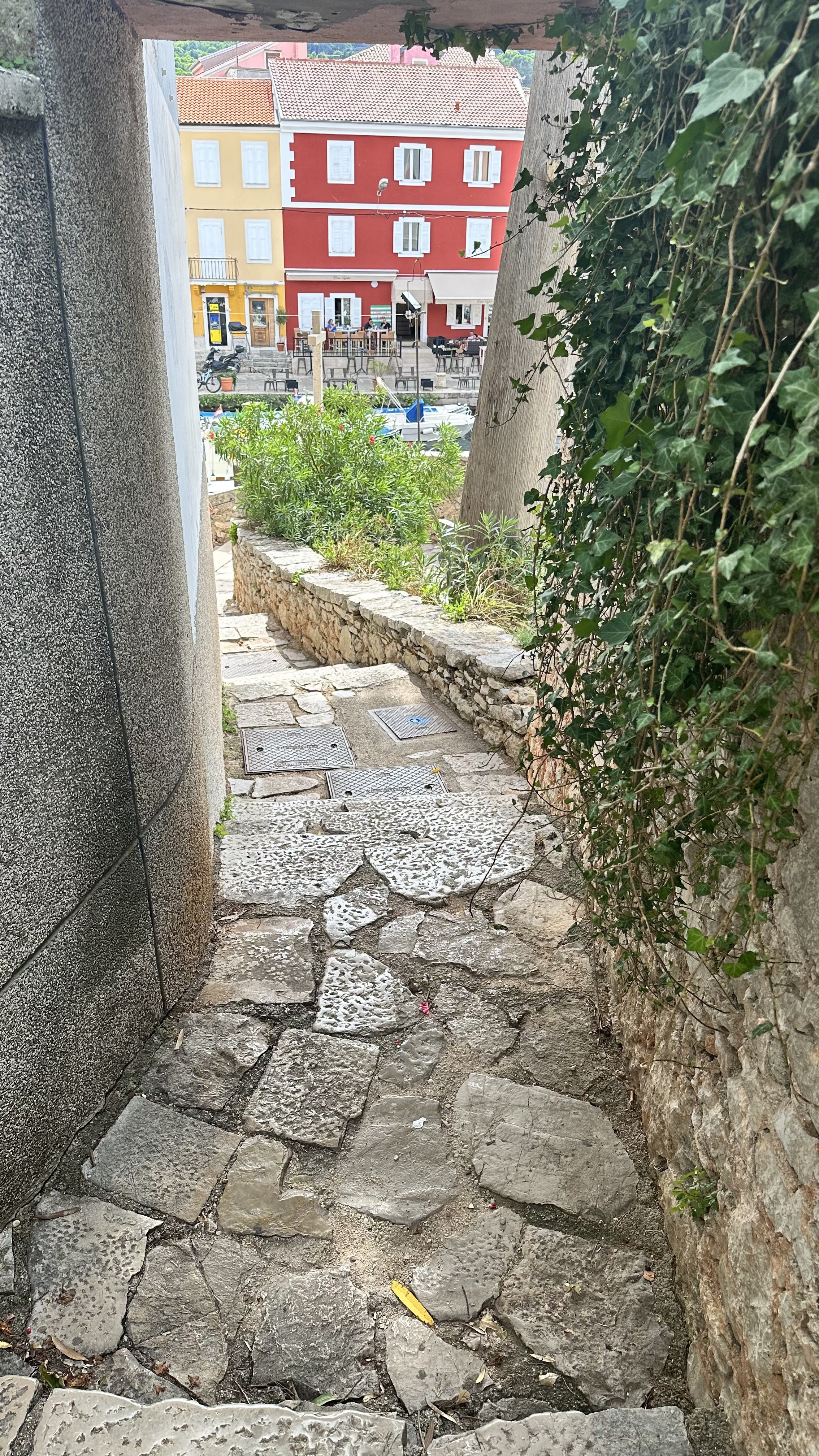


Friends Visiting Rovinj
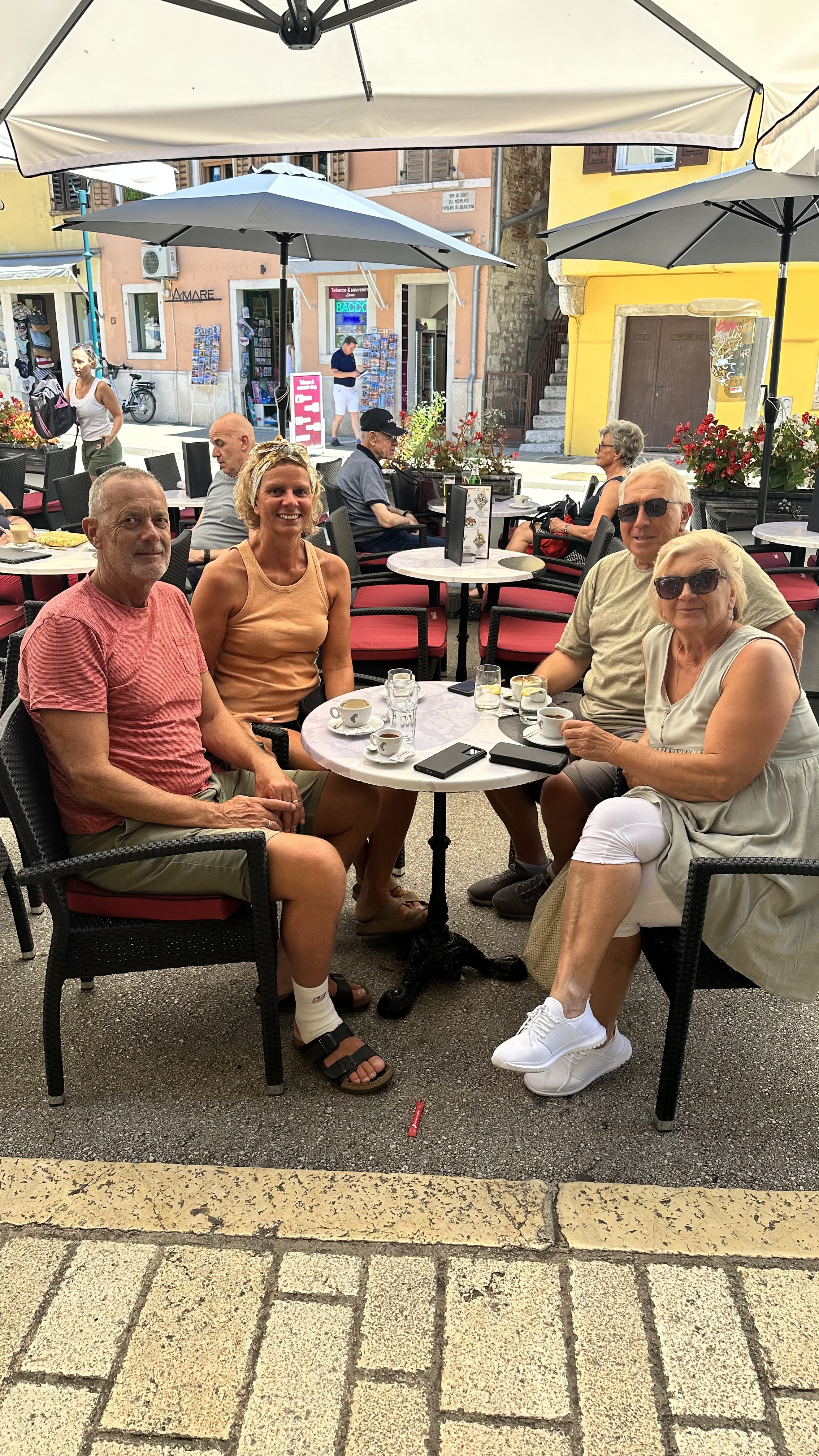


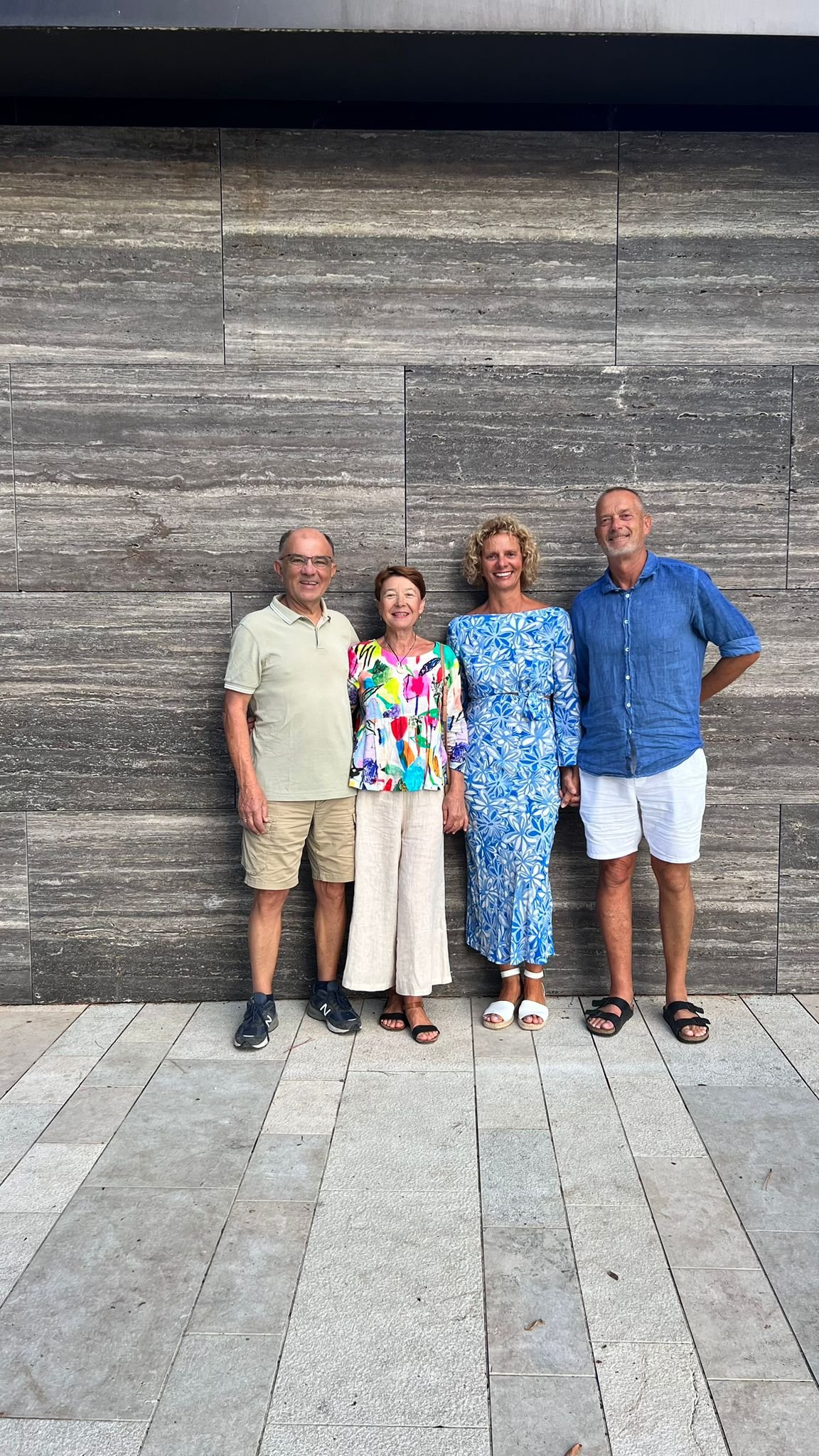
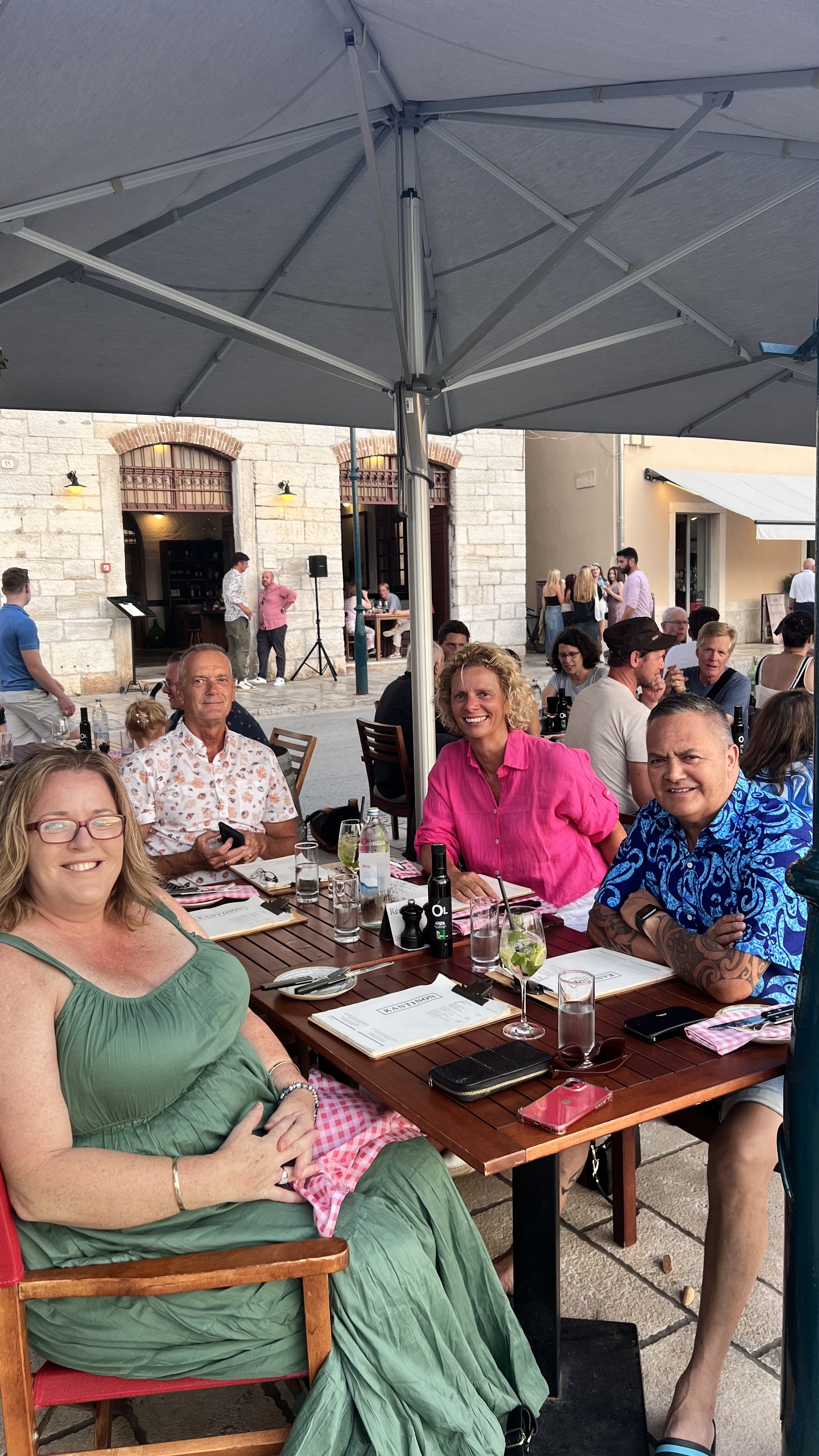
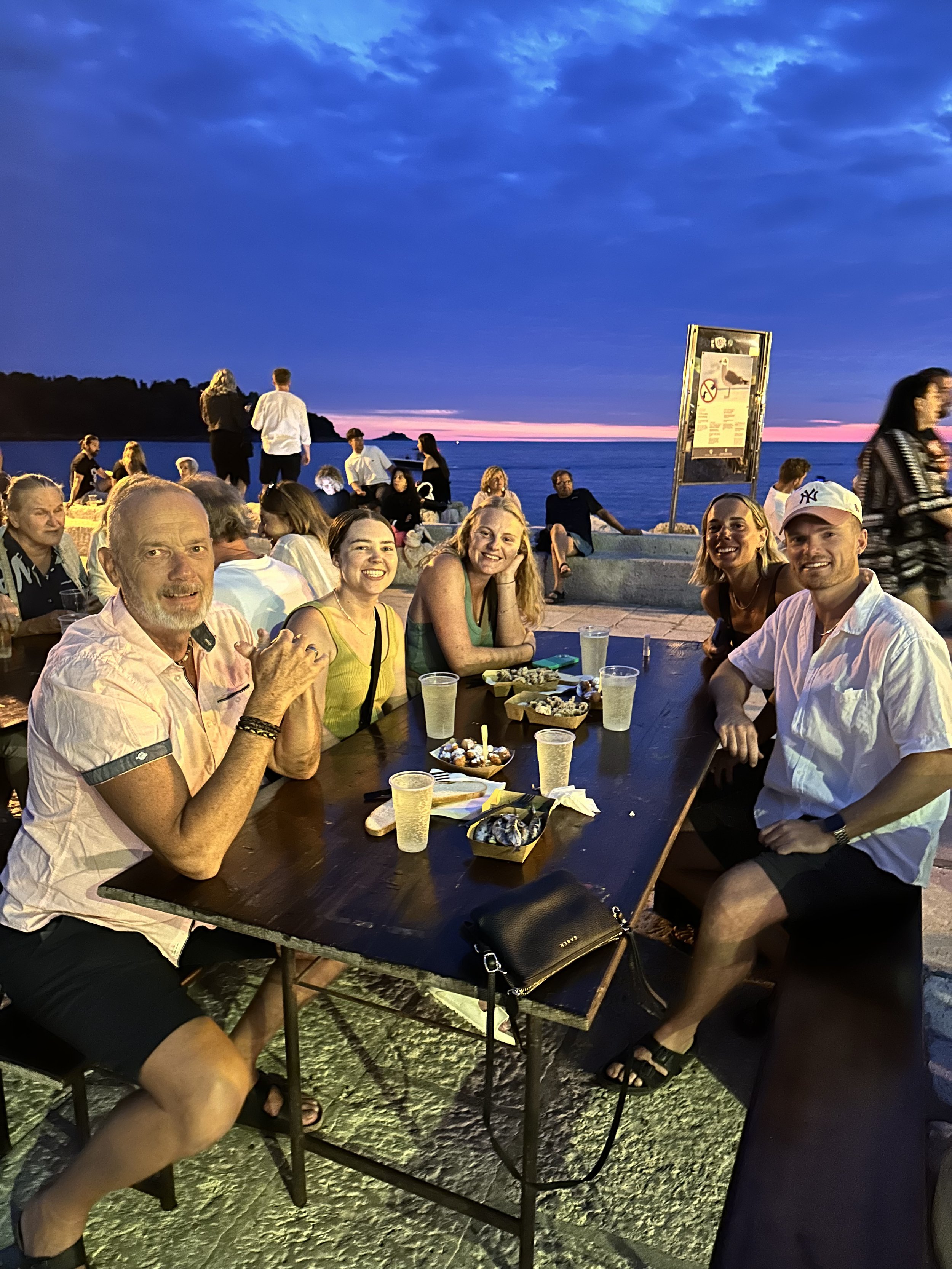
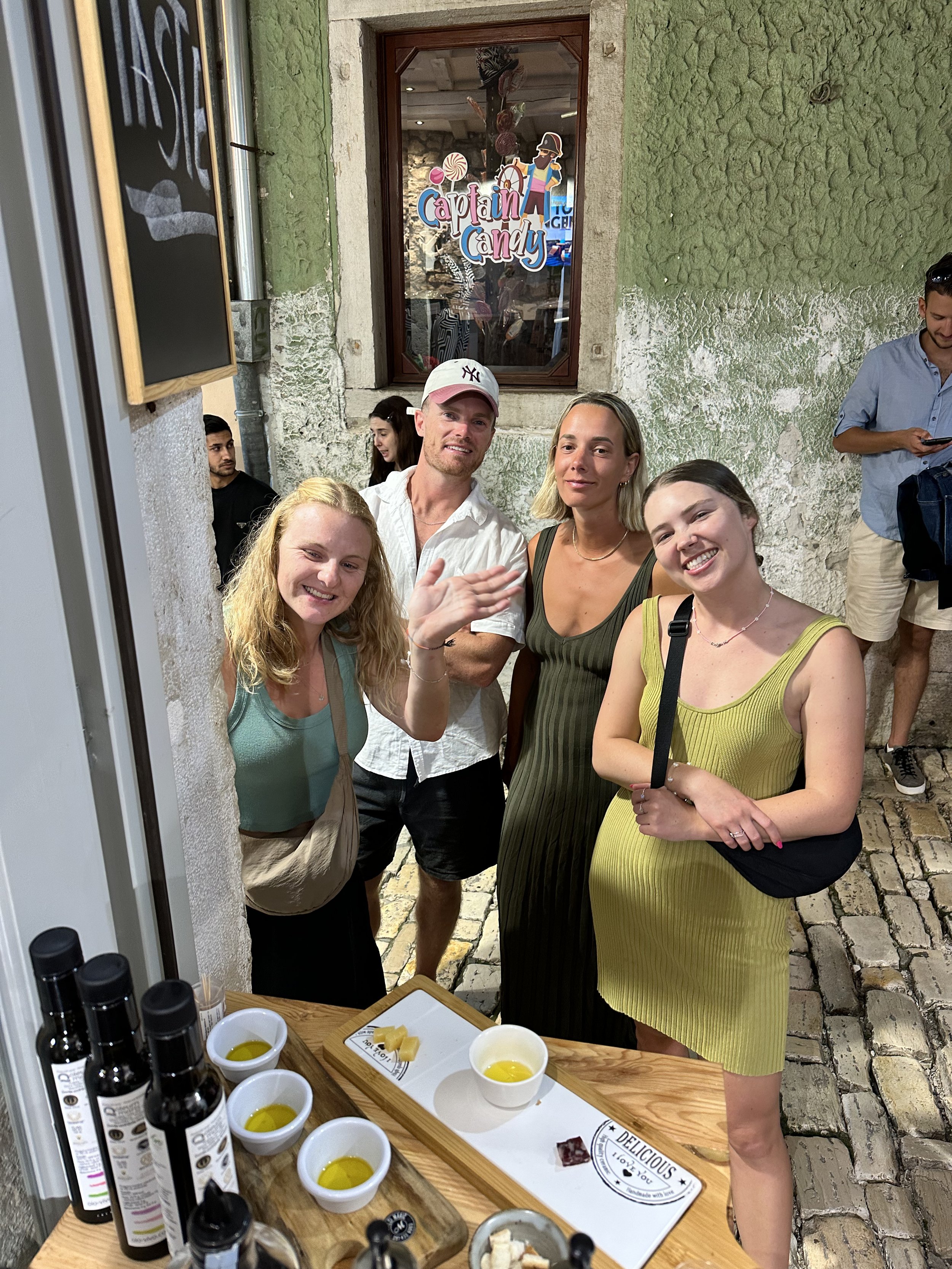
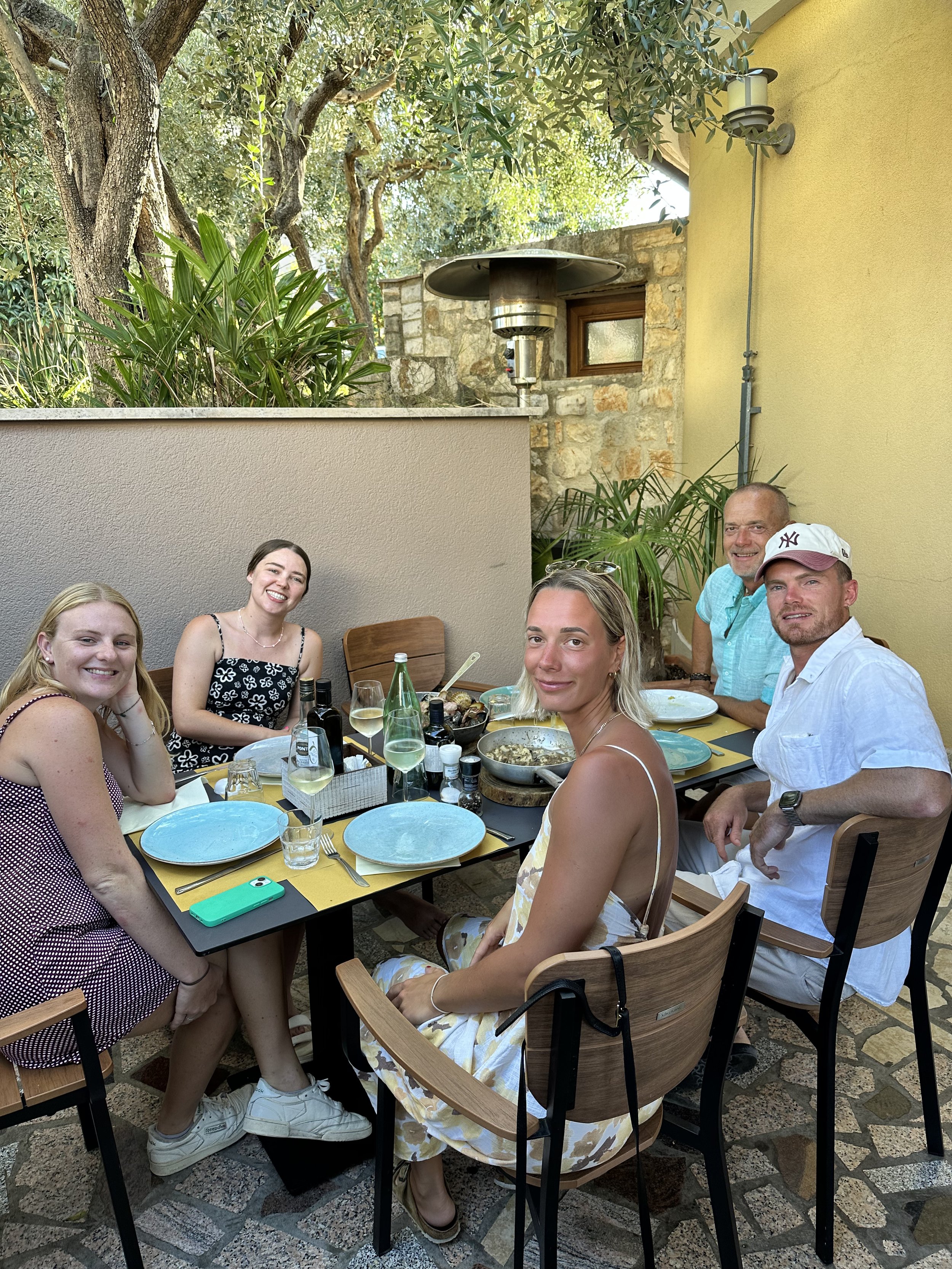
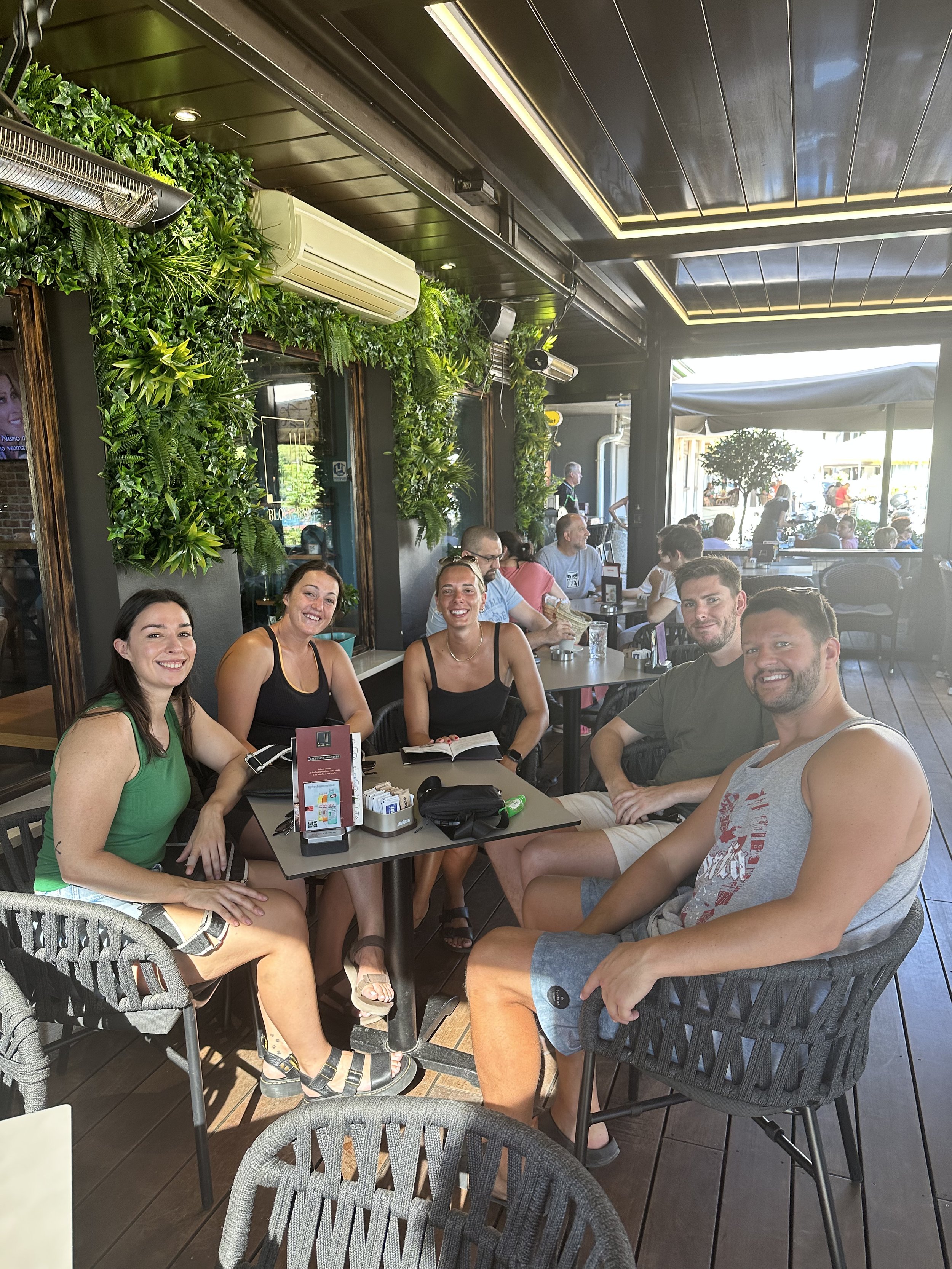
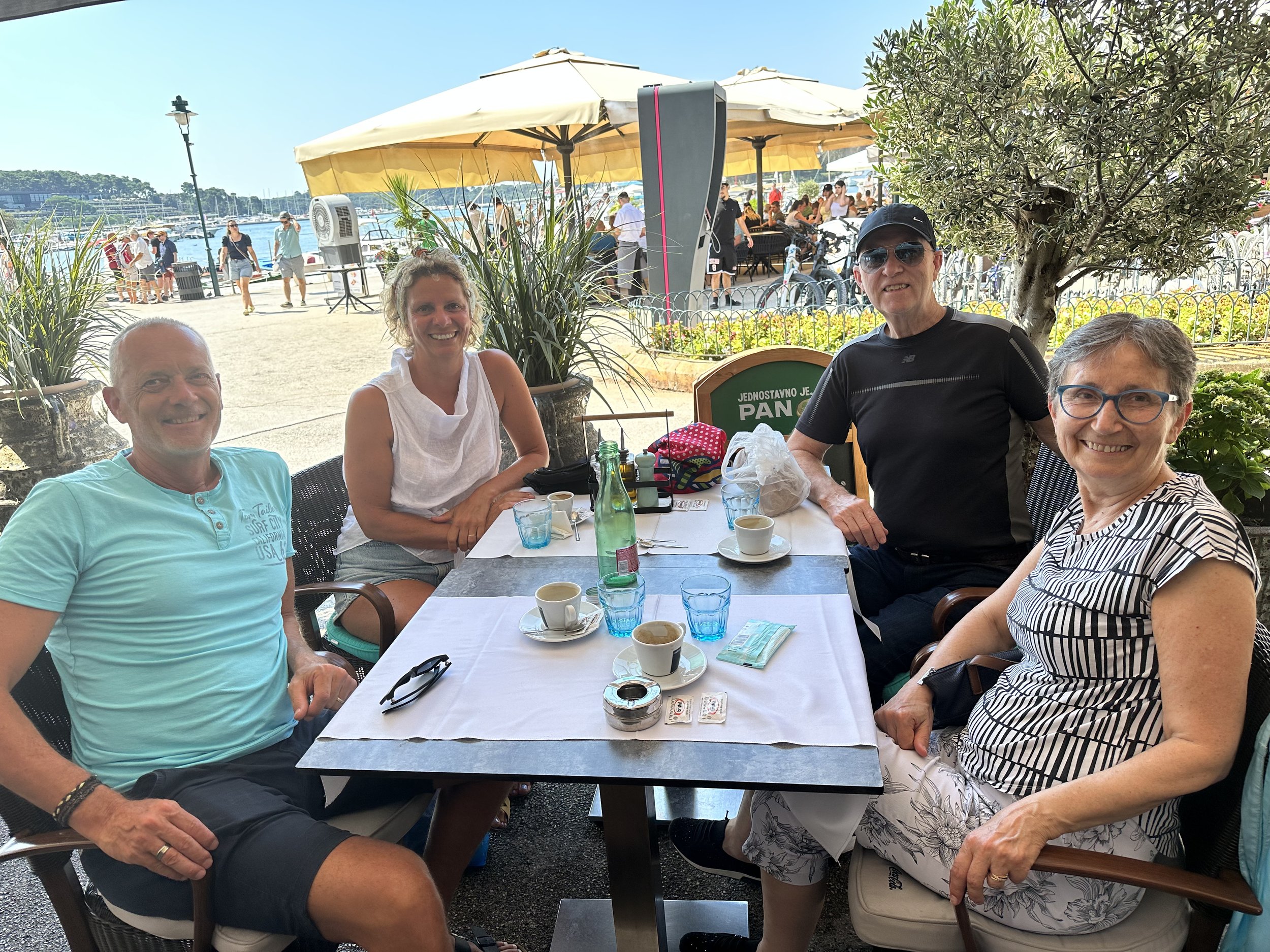
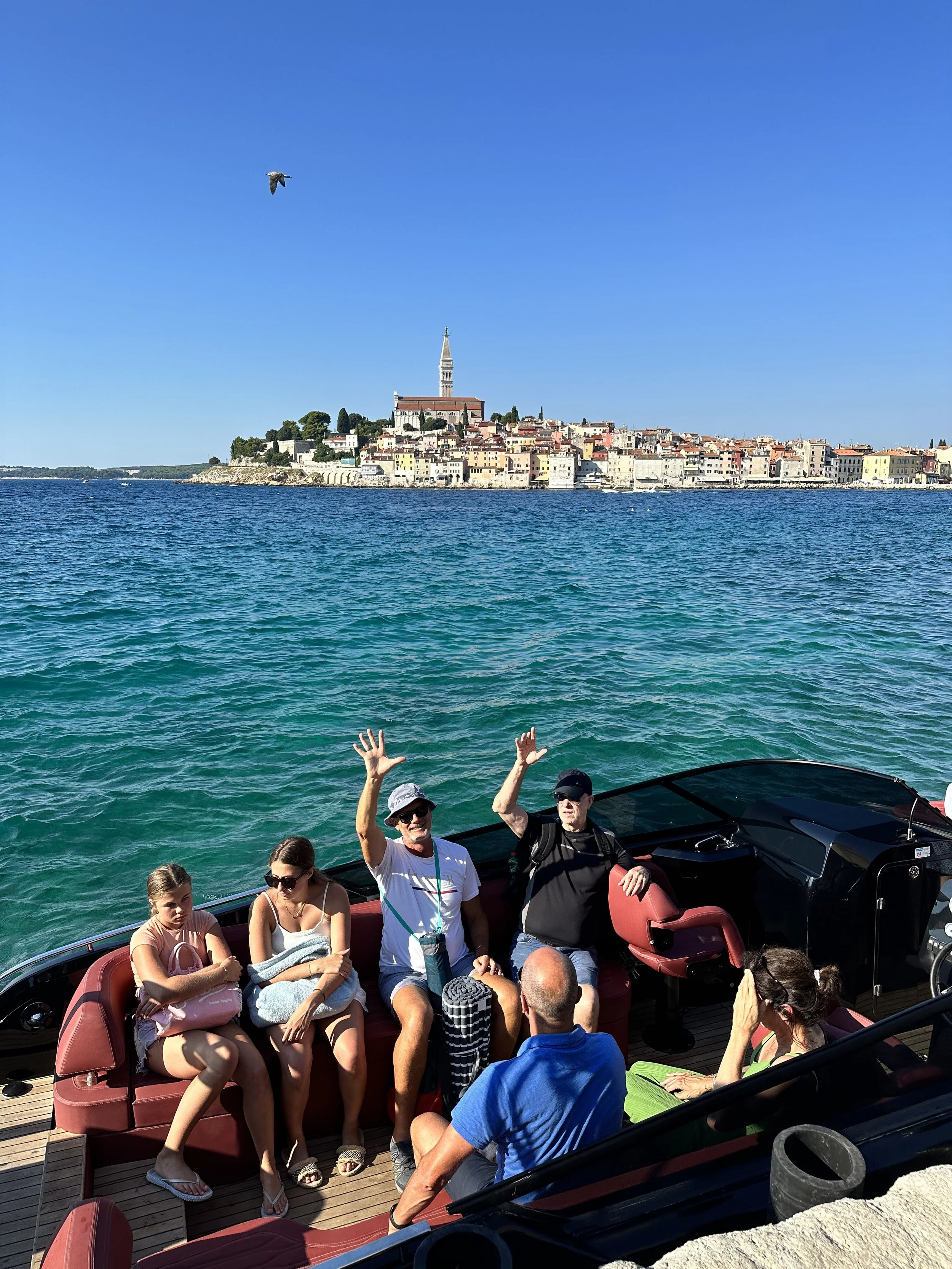
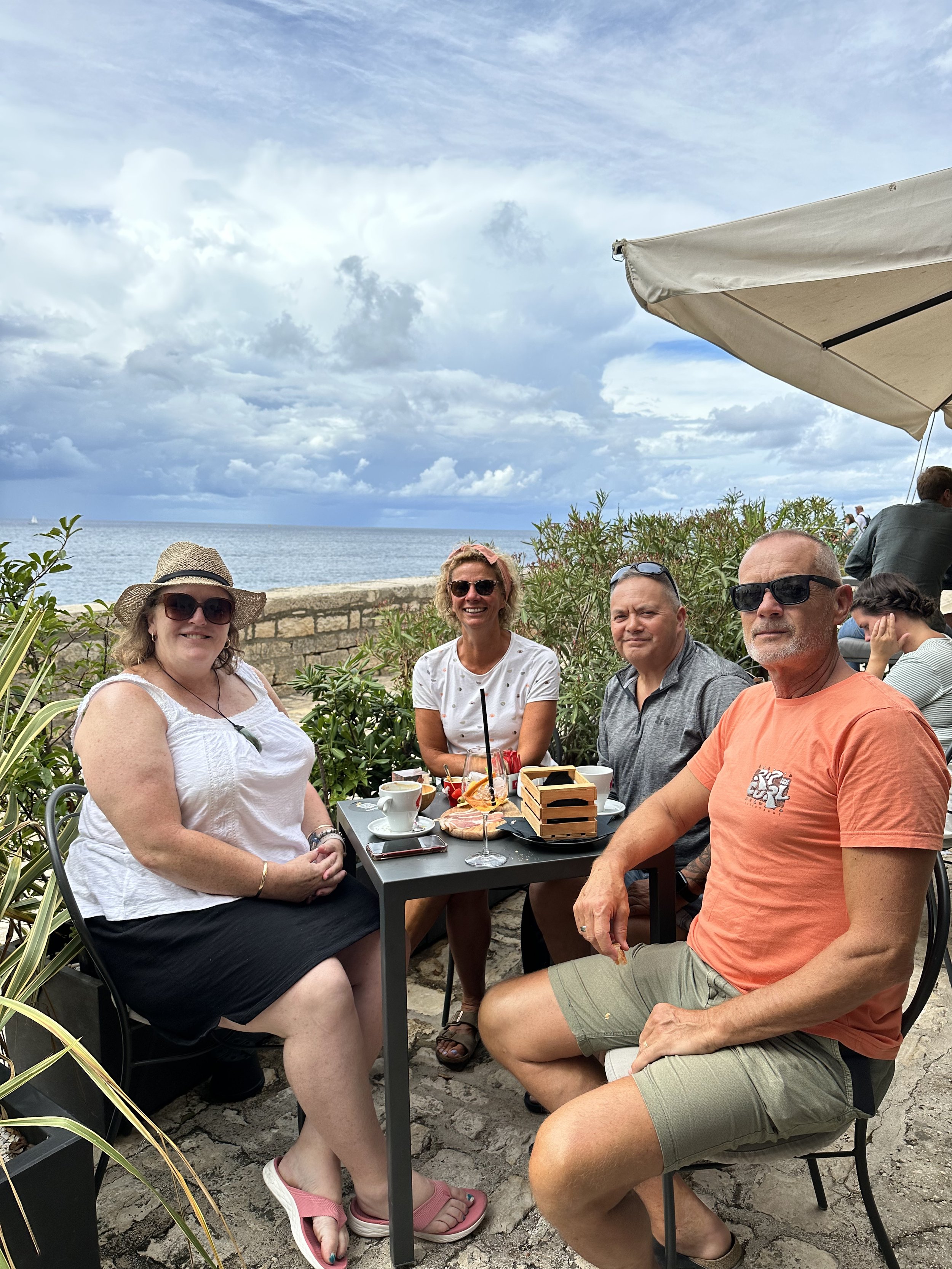
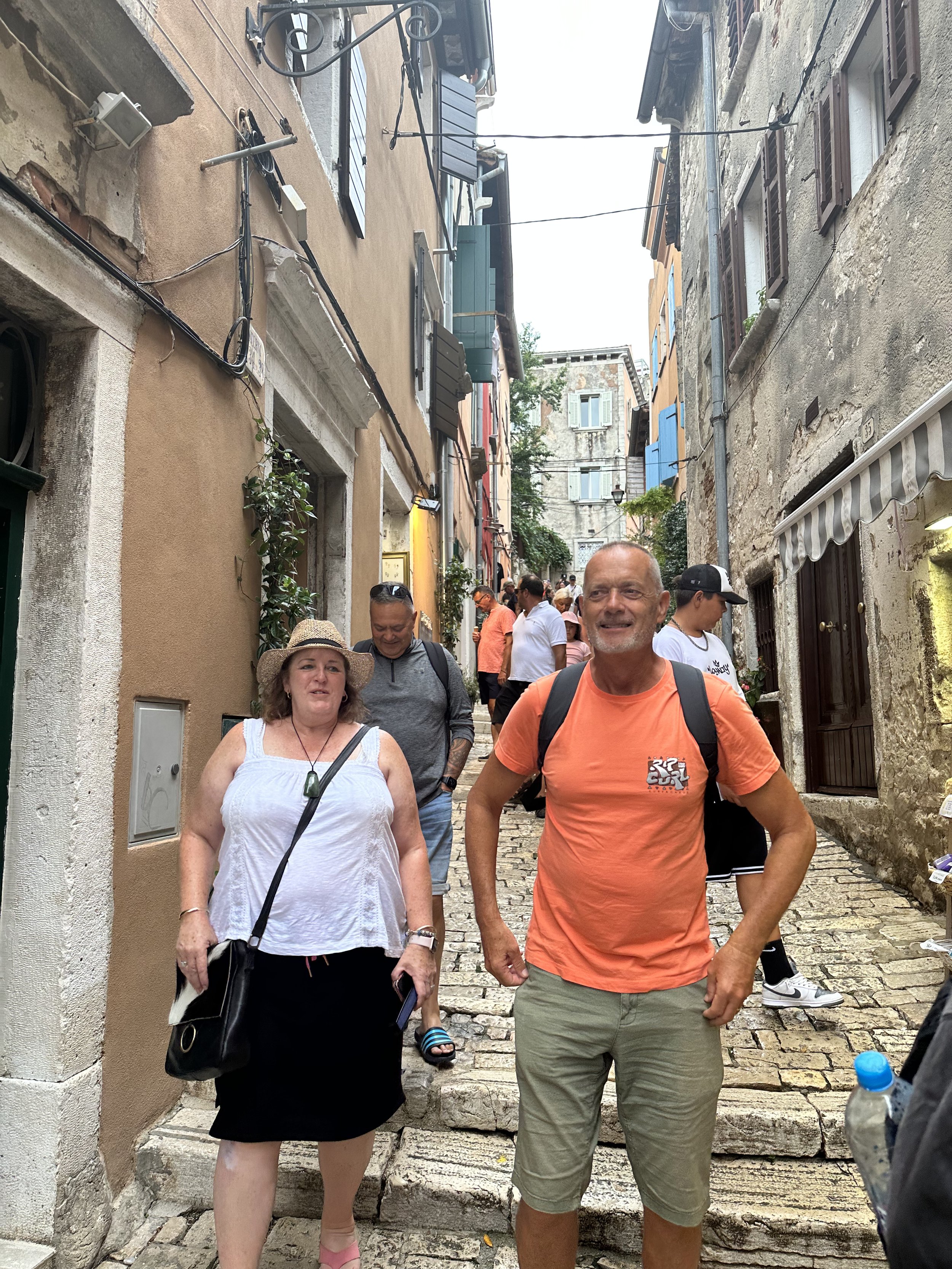


Eufemia Festival - Perpetuum Jazzile