New Plymouth: The weekend we didn’t expect to love
Sometimes the best trips begin with very low expectations.
New Plymouth was one of those places for us.
Neither of us had been before. It was simply a long weekend idea, somewhere different, somewhere close enough for a short escape, somewhere neither of us felt we had to see. In fact, Nebojsa was convinced there would be very little there at all.
How wrong we were.
Within a few hours of arriving, New Plymouth had quietly worked its way under our skin.
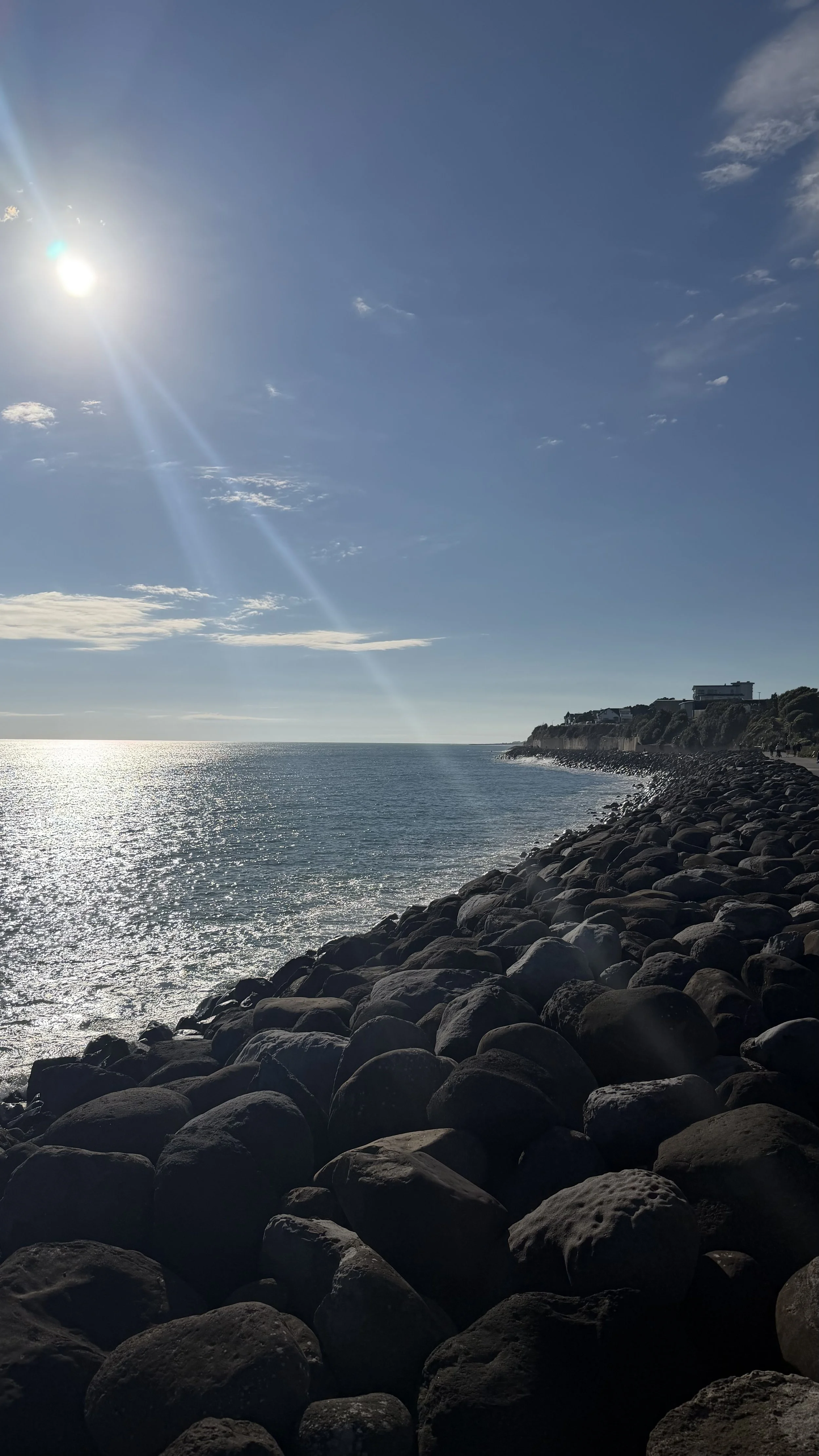
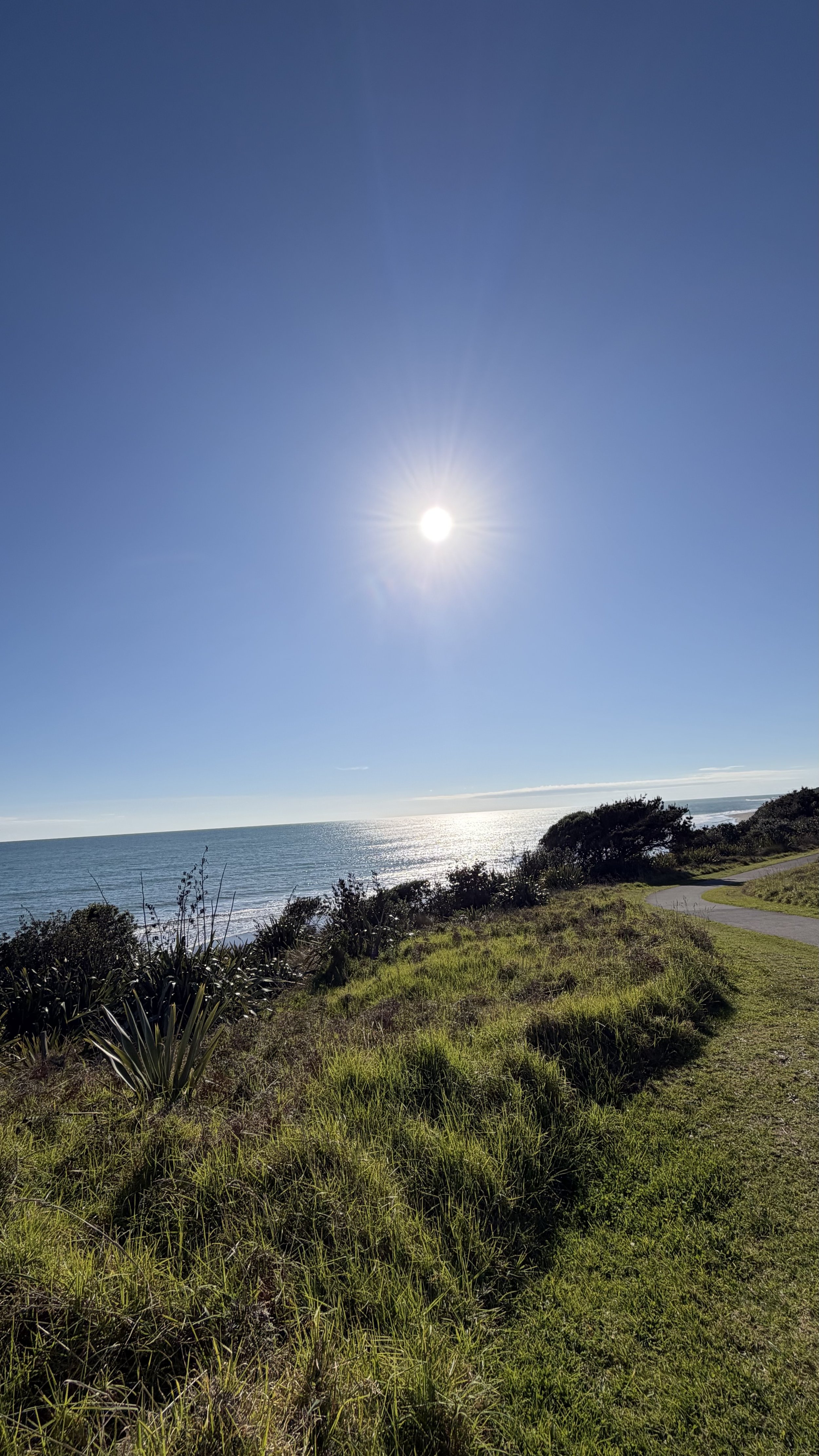
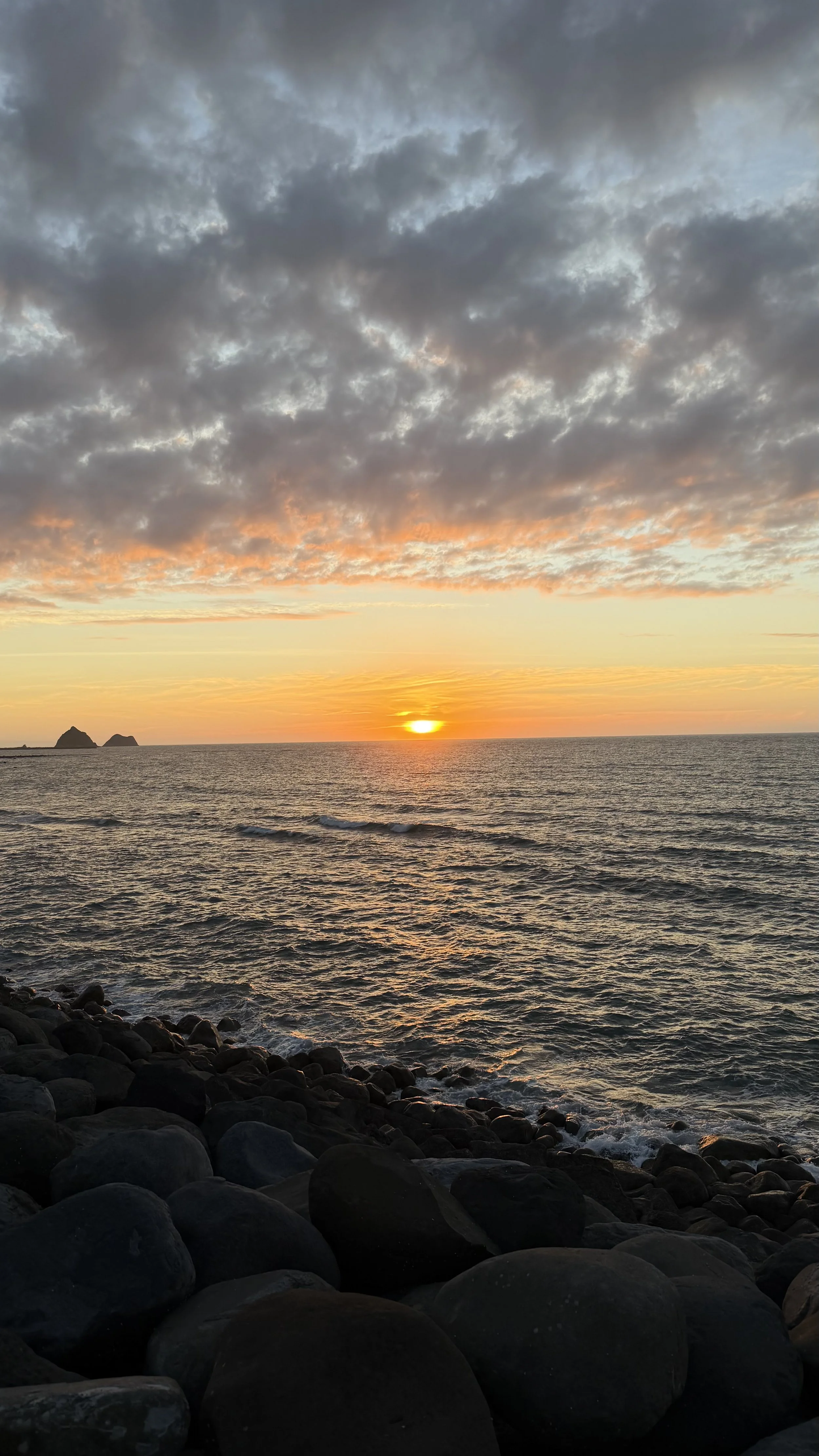
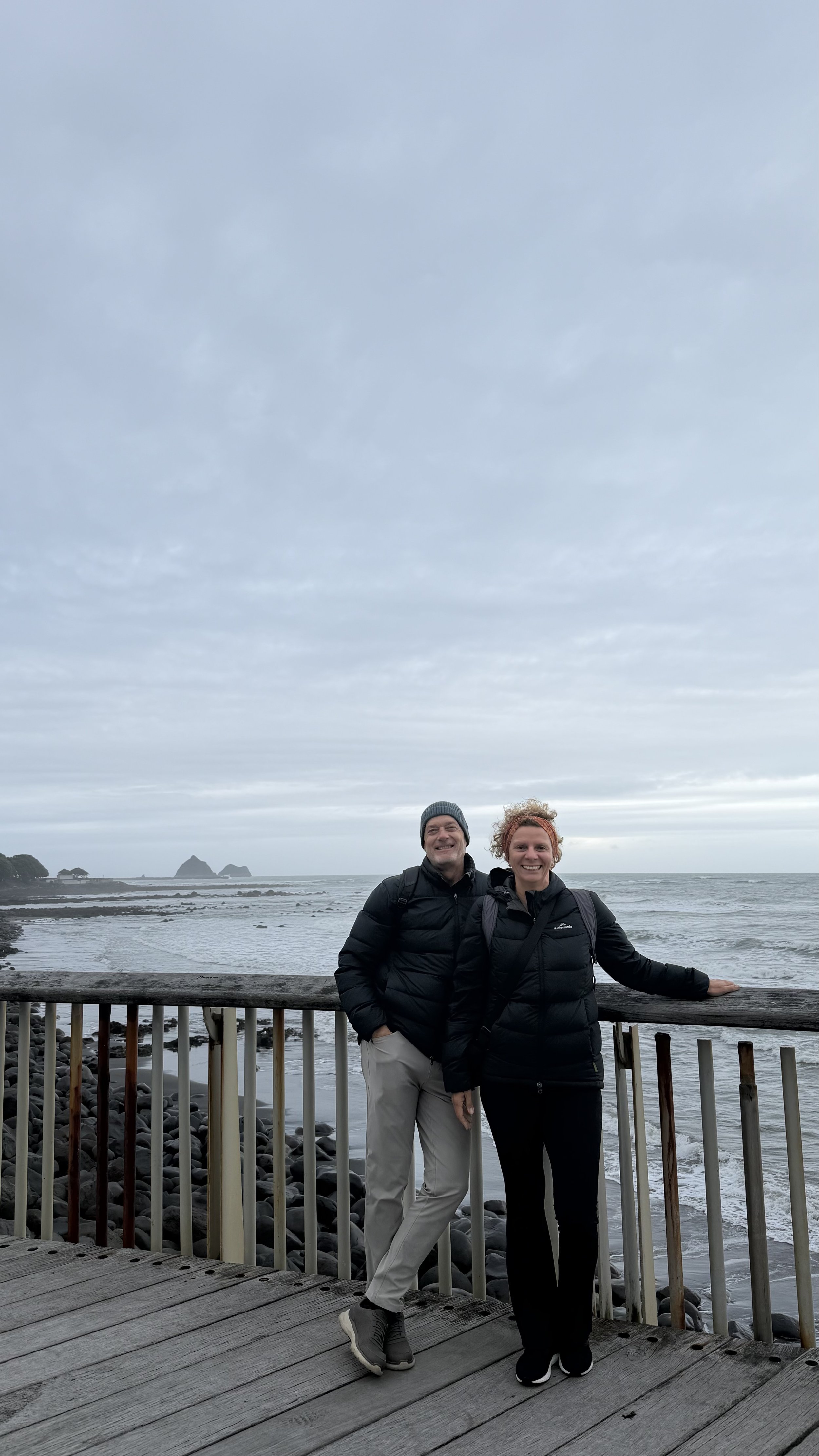
What struck us first was the extraordinary relationship between the town and the sea. The Tasman Sea is not gentle here. It is beautiful, powerful and slightly intimidating all at once. Even on a beautiful sunny day. The waves crash against the volcanic coastline with a force that reminds you nature is always in charge.
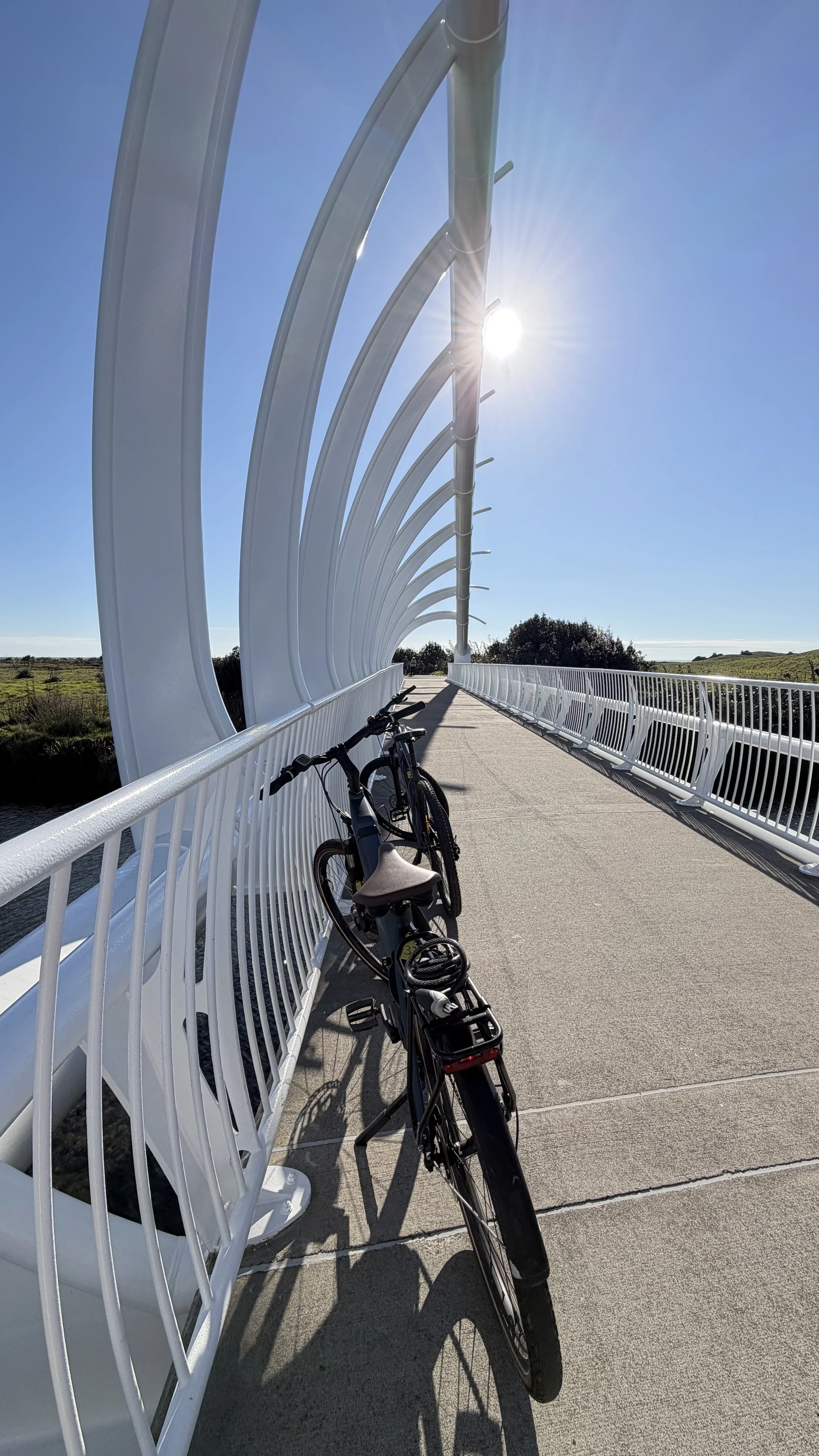
The coastal walkway is, quite simply, one of the best urban walking and cycling experiences we have encountered in New Zealand.
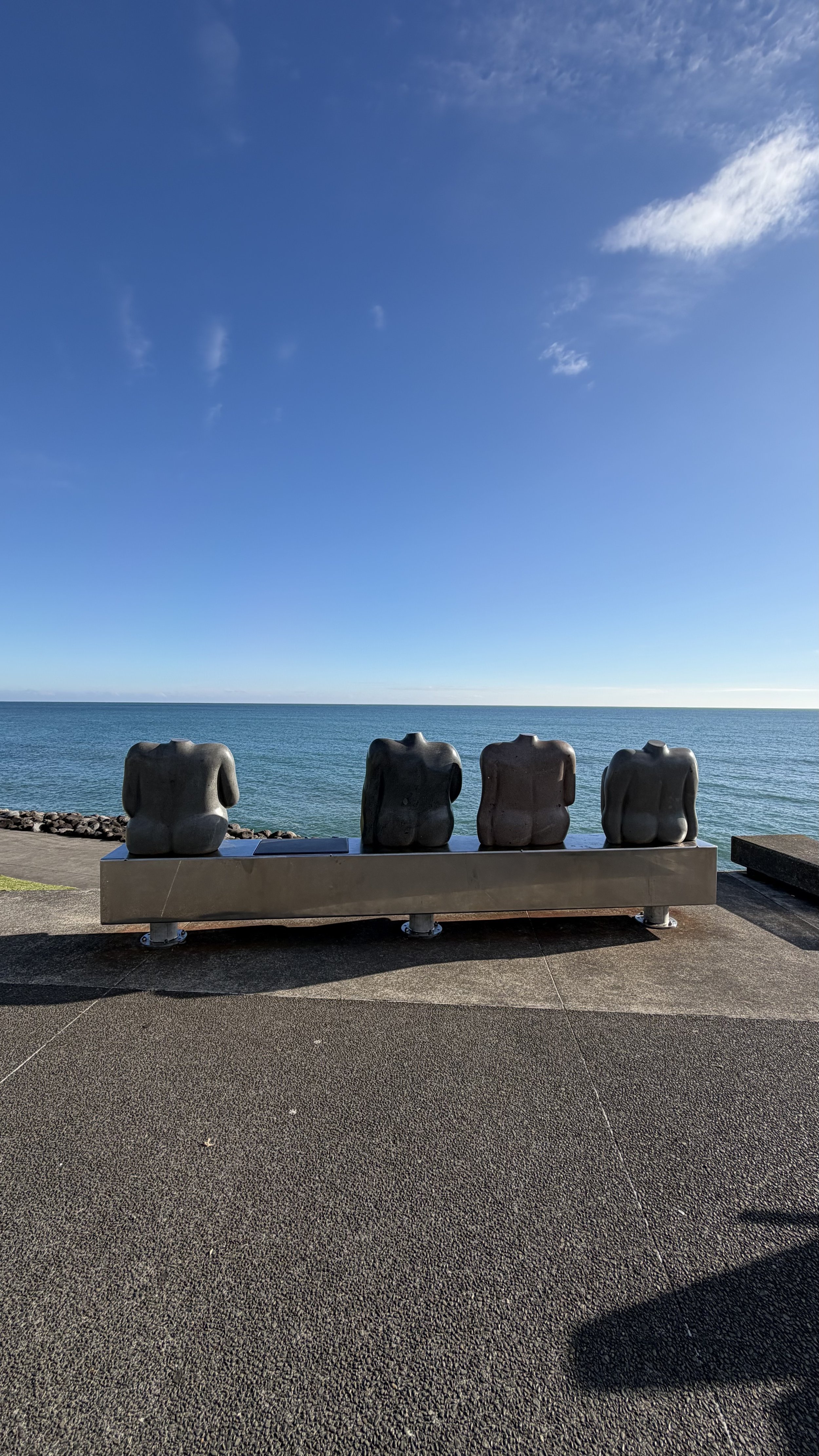
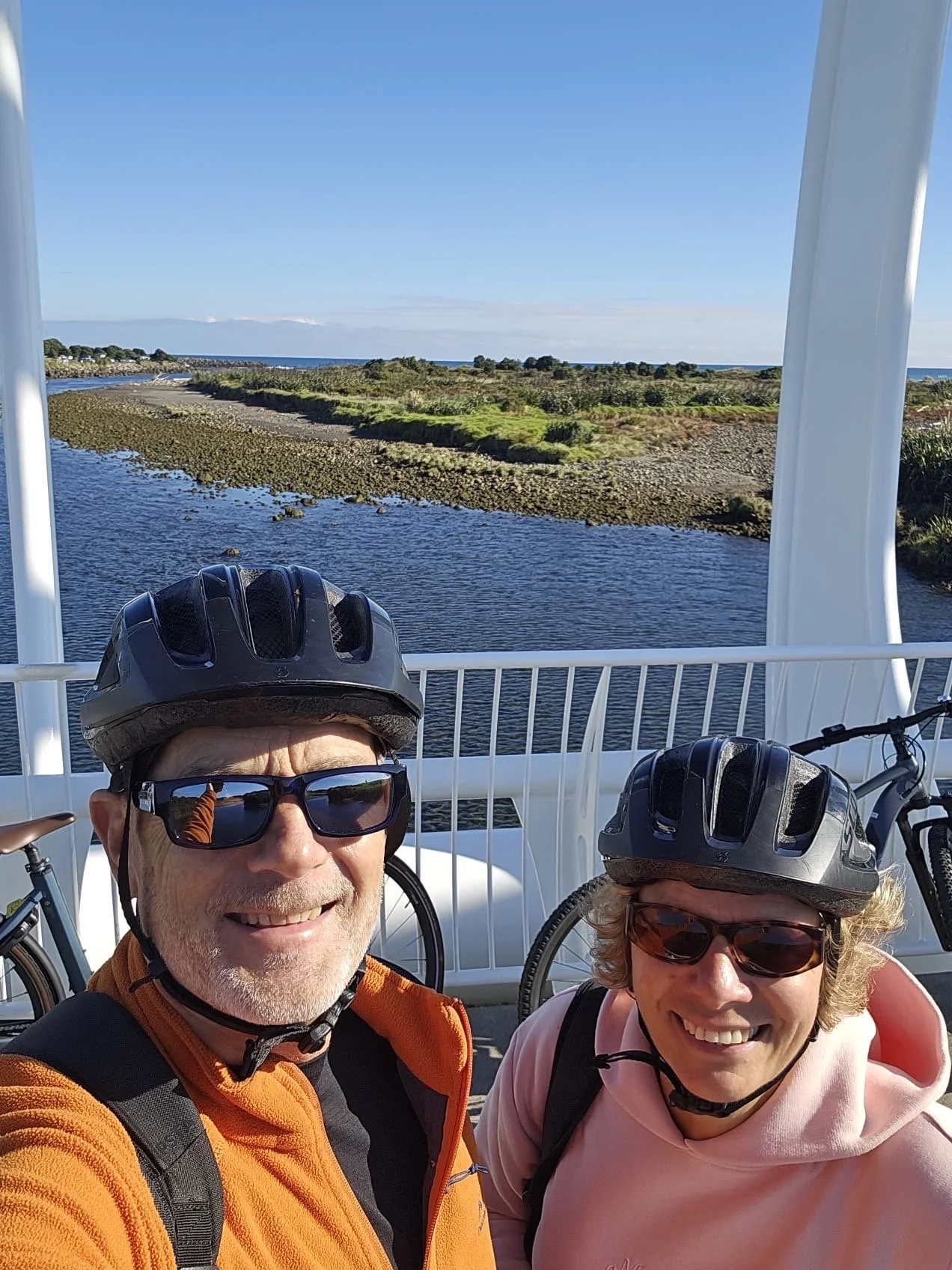
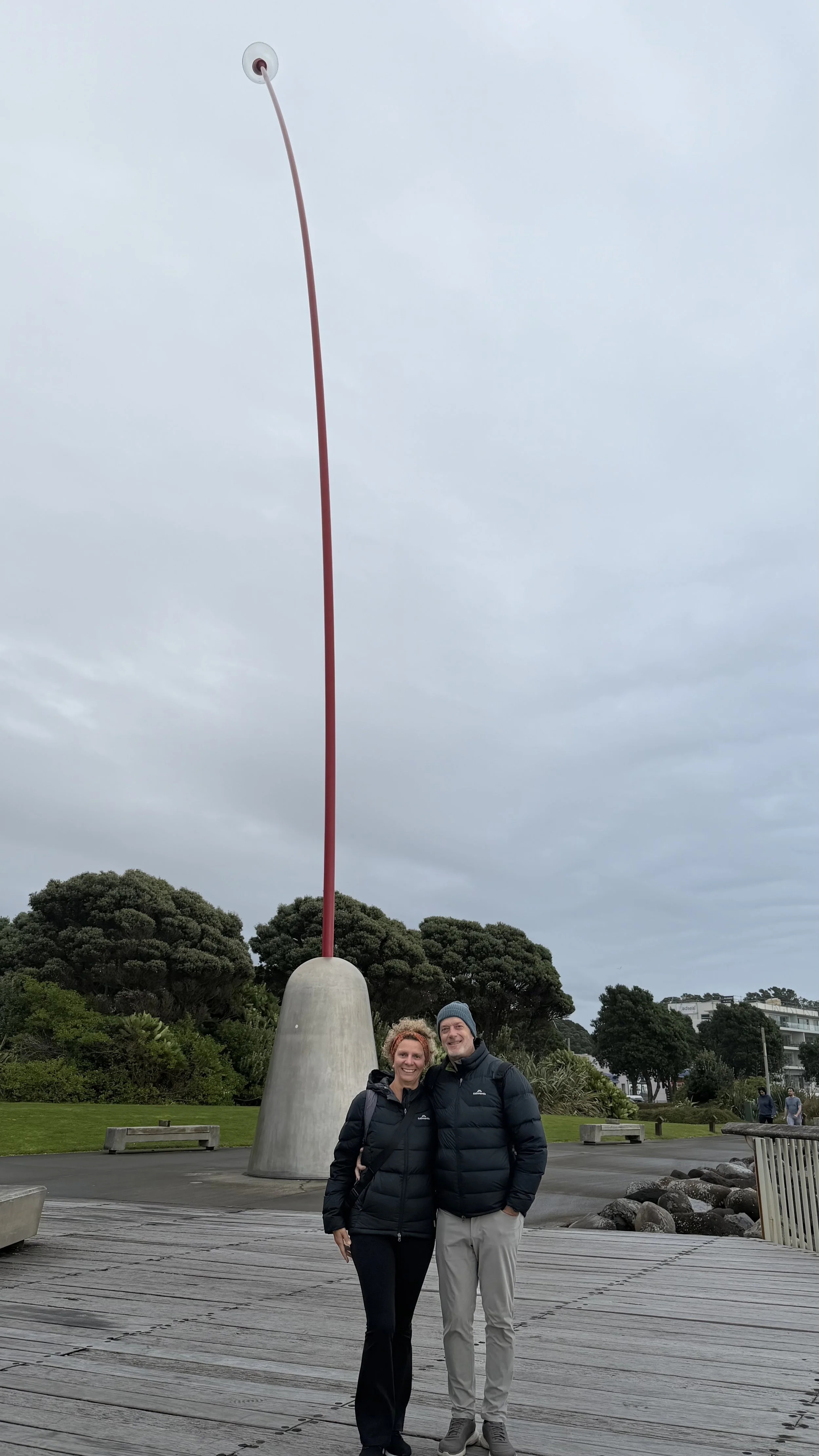
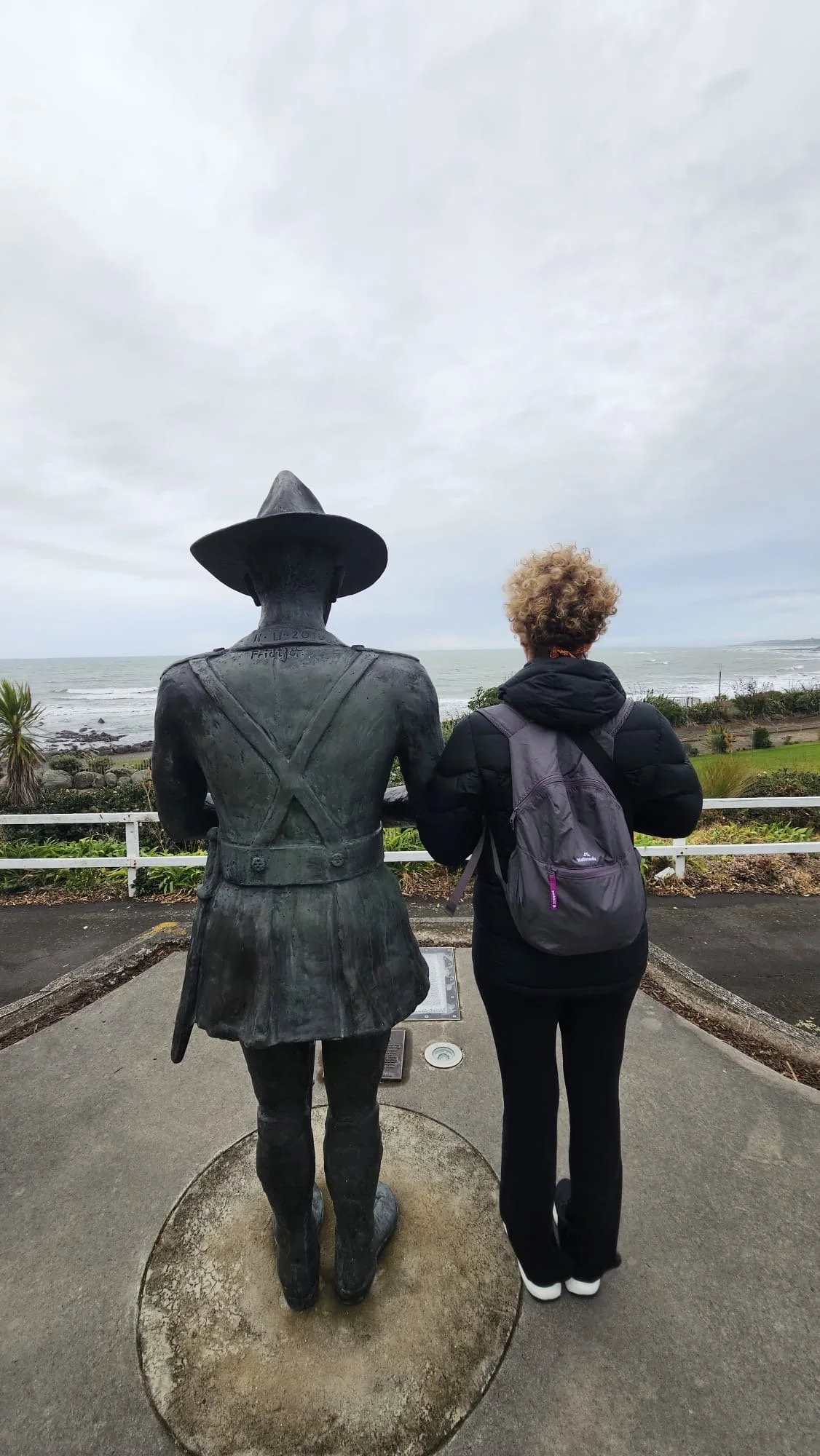
On our first day we cycled 28 kilometres and clocked more than 20,000 steps along the New Plymouth Coastal Walkway. Yet it never felt like exercise. Every turn revealed another dramatic view, another sculpture, another stretch of coastline where the ocean seemed to stretch endlessly towards the horizon.
The city has done something many places struggle to achieve. It has reconnected itself with the sea.
The walkway threads together neighbourhoods, beaches, parks, art installations and viewpoints, creating a living public space used by everyone; cyclists, runners, walkers, families, older couples and children. There is an energy to it, but never chaos.
And yet alongside the beauty sits something more sobering.
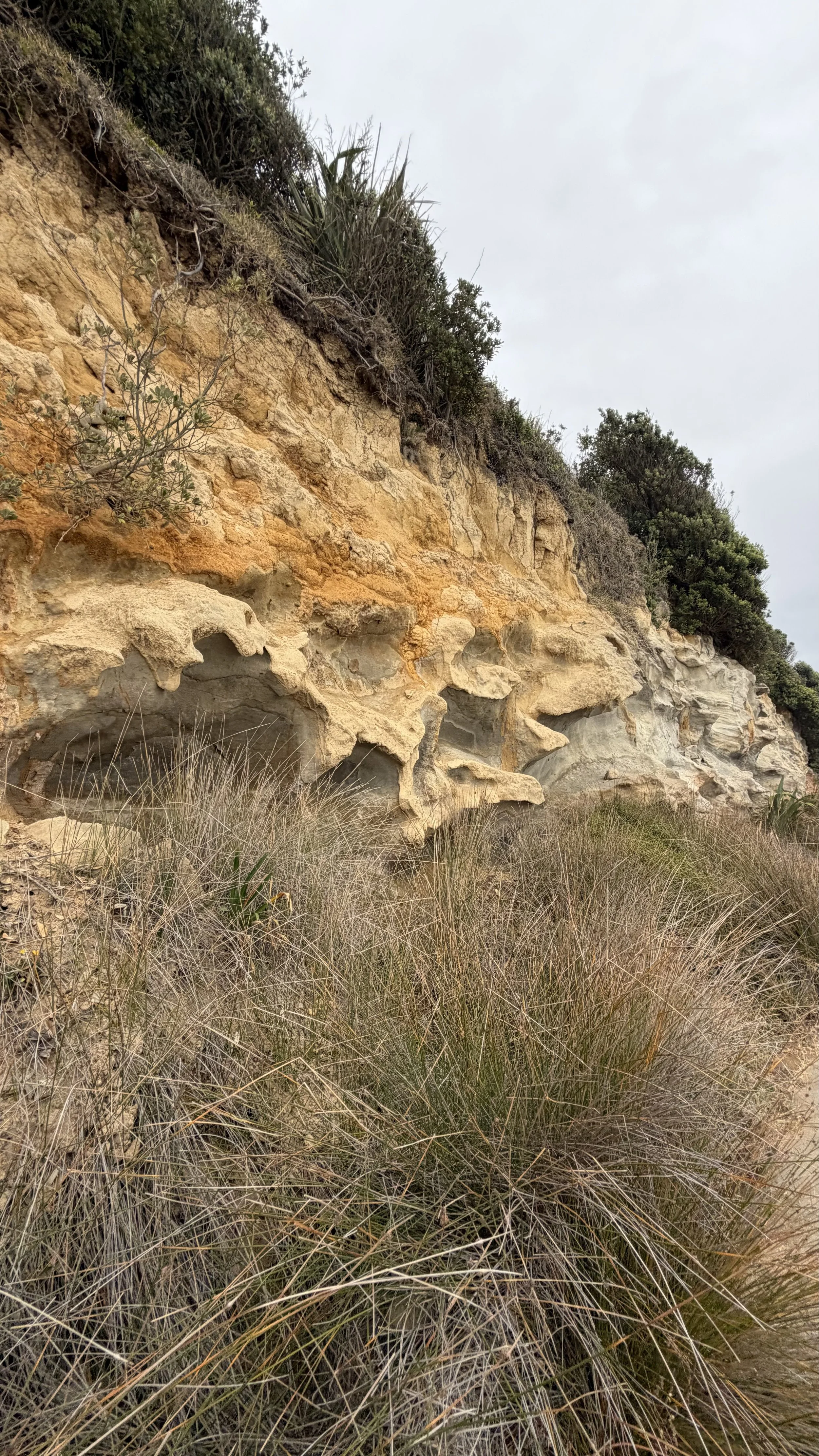
The evidence of coastal erosion is impossible to ignore. Sections of coastline have been reshaped by the relentless force of the sea. Looking down from parts of the walkway, we found ourselves reflecting on how vulnerable even the most beautiful landscapes can be. Climate change often feels abstract until you stand in front of a coastline actively being reclaimed by nature.
Perhaps that contrast is what makes this place so memorable, beauty and vulnerability existing side by side.
One of the unexpected delights of New Plymouth is the friendliness of its people.
Conversations begin easily here. Café staff chat. Shop owners ask where you are visiting from. People smile. It sounds simple, but in an increasingly busy and transactional world, these small moments matter.
And there are cafés everywhere.
Our favourite was Chaos Café, a place that somehow captures the relaxed spirit of the town itself. Excellent coffee, healthy food, welcoming staff and an atmosphere that encourages you to slow down rather than rush to the next thing.
New Plymouth is also far richer culturally than many visitors might expect.
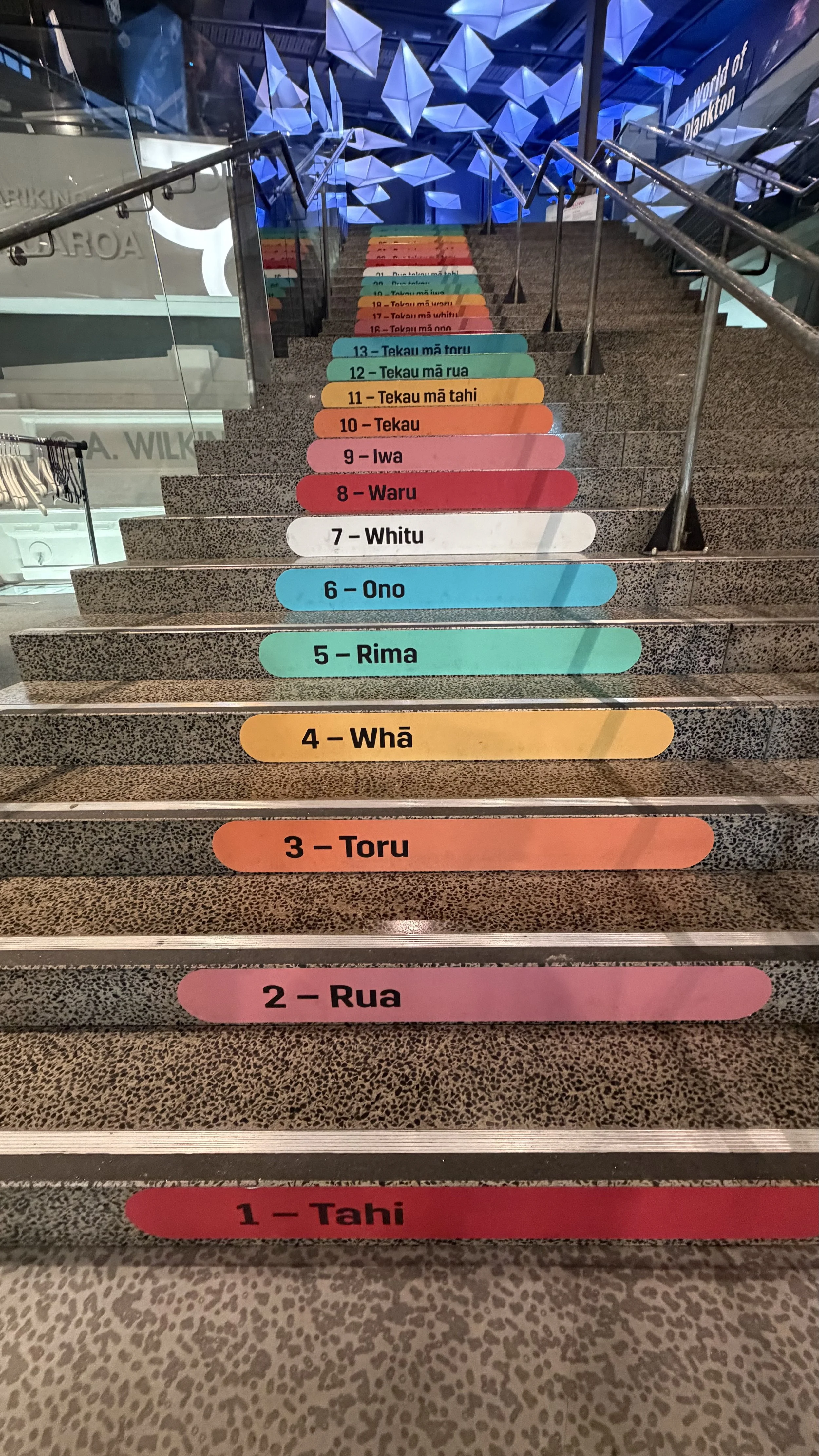
A visit to Puke Ariki became one of the highlights of our weekend. More than a museum, it tells the story of Taranaki itself, a region shaped by Māori settlement, colonial arrival, conflict, resilience and reinvention.
Long before European settlement, this coastline was home to established iwi communities whose lives were deeply connected to the land and sea. The name Puke Ariki - “Hill of the Chiefs” - reflects how significant this place has always been.
The arrival of European settlers in the 1840s, many from Britain, brought rapid change. New Plymouth became one of the earliest organised European settlements in New Zealand, and with that came new systems of land ownership, agriculture and governance, but also misunderstanding, tension and ultimately conflict.
By the 1860s, the Taranaki Wars had reshaped the region. Fortified settlements, land disputes and military presence left deep and lasting impacts on both Māori and settler communities. What stands out in the museum storytelling is not only the conflict itself, but the way both Māori and European communities were forced into adaptation, reshaping identity, livelihood and place under extraordinary pressure.
Walking back into the present-day streets of New Plymouth after that visit, it is impossible not to see the layering. The calm parks, the coastal walkways, the cafés and galleries all sit above a deeper history that continues to shape the region quietly.
The city’s contemporary identity is equally fascinating.
Historically, Taranaki’s fertile volcanic soils made it one of New Zealand’s most important dairy regions. Later, the discovery and development of oil and gas resources transformed it into the country’s energy capital. The deep-water port enabled exports and growth, while agriculture remained central to regional prosperity.
Today, another layer has been added.
New Plymouth has embraced art.
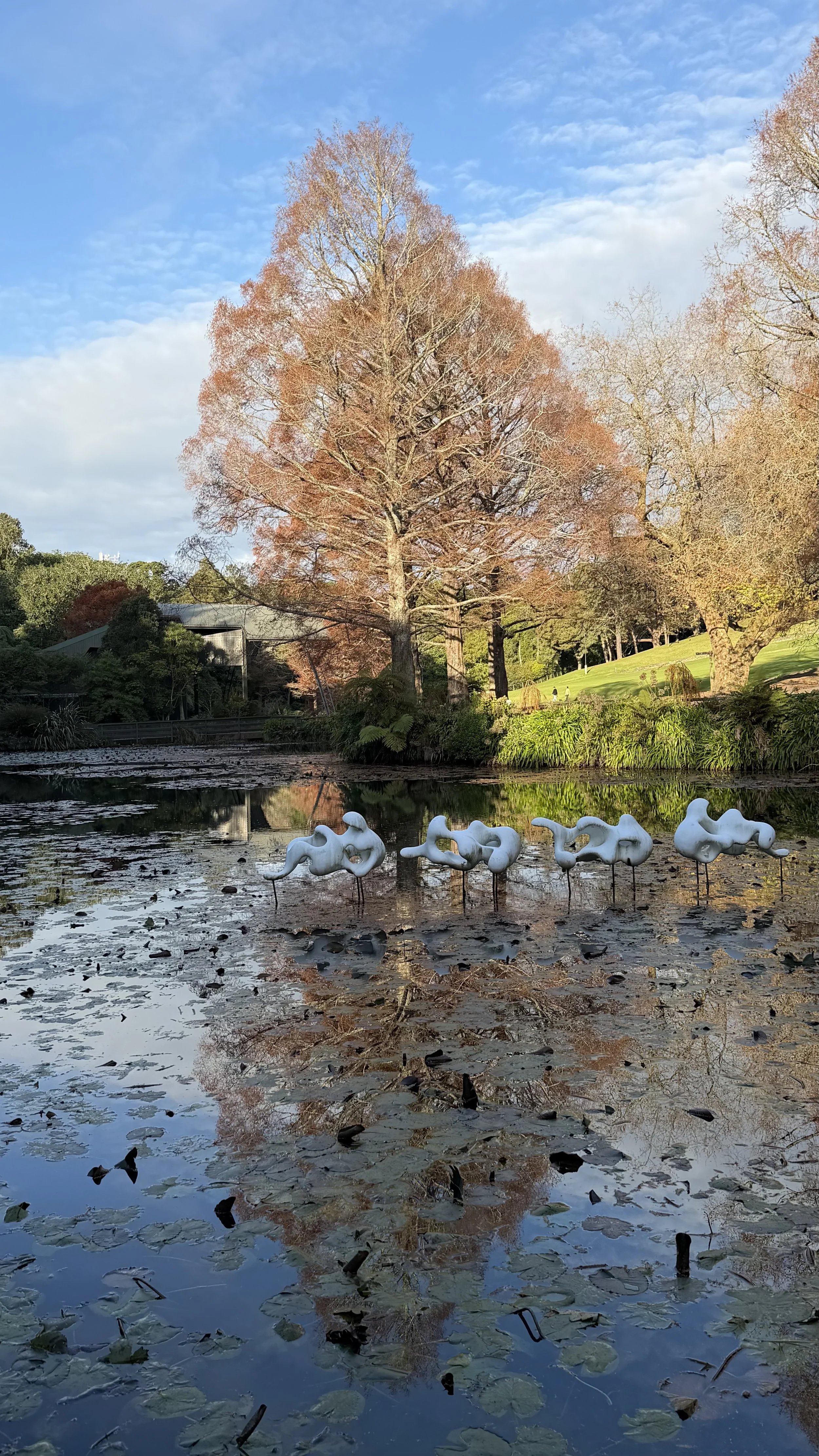
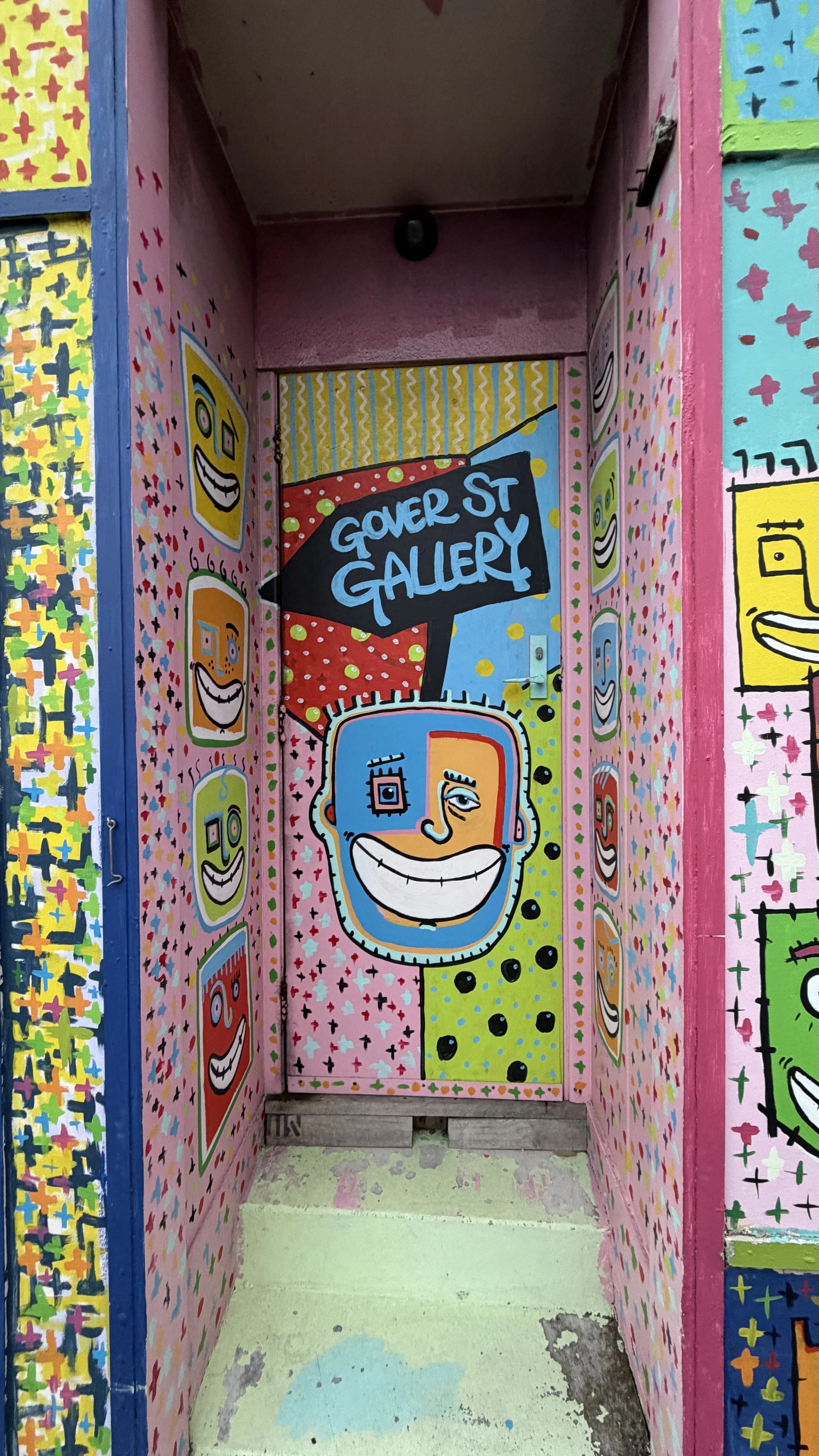
The Govett-Brewster Art Gallery and the Len Lye Centre have helped reposition the city as one of New Zealand’s most significant contemporary arts destinations. Rather than relying solely on its natural assets, the city has invested in culture, architecture and public space. The result is a place that feels surprisingly sophisticated while remaining relaxed and approachable.
One exhibition that stayed with us was the work of Lawrence Abu Hamdan, whose practice explores the politics of sound, listening and memory. His work asks us to consider sound not simply as something we hear, but as evidence, experience and power.
I spent time watching one of his documentary works and found myself unexpectedly absorbed. For twenty minutes, sound became the central character. Rather than relying on dramatic imagery, he draws attention to what can be learned through listening, how sound carries traces of conflict, place, surveillance, history and human experience. His work sits somewhere between art, investigation and storytelling, challenging the assumption that seeing is the primary way we understand the world.
It felt particularly fitting in New Plymouth, a place where the crashing sea, the wind along the coastline, the silence of the parks and the stories held within the landscape all seem to remind you that places are experienced not only through what we see, but also through what we hear. Like history itself, understanding often requires us to pay attention to what lies beneath the obvious.
Perhaps that is the best way to describe New Plymouth.
It is full of contrasts.
Wild ocean and gentle parks.
Deep history and modern architecture.
Industrial roots and creative ambition.
A majestic mountain, known today as Taranaki and historically to many as Mount Egmont, hidden in cloud, and a city that never seems to take itself too seriously.
We arrived expecting a pleasant weekend away. We left wondering why it had taken us so long to visit.
Some places demand attention. Others quietly earn it.
New Plymouth belongs firmly in the second category.
Perhaps that is what this weekend really offered us. A reminder that perspective is often shaped more by what we are willing to notice than by how “important” a place is on paper. New Plymouth didn’t demand attention, it invited it quietly, and in doing so shifted something in us.
In travel, as in life, it is easy to overlook places that don’t announce themselves loudly. Yet some of the most meaningful insights come from slowing down, staying curious, and letting a place reveal itself in its own time. This weekend was a reminder that presence changes what we see and what we think is possible.
What stayed with me most came from the Puke Ariki Museum, not as information, but as a way of understanding what we had just experienced:
“There is much truth in the observation that if you want to understand the present you have to understand the past. The circumstances of today were shaped by the events of yesterday. To predict what will happen tomorrow, you need to understand what is happening today.”
This quote was said by Paul Temm (The Honourable Mr Justice Temm), a prominent New Zealand High Court Judge and one of the original members of the Waitangi Tribunal.
It lingered because it felt true not only to the history of this place, but to the entire experience of being there. The coastline, the galleries, the stories of conflict and resilience, the people we met, and the layers of history beneath seemingly ordinary streets all pointed to the same truth: places are rarely understood at first glance. New Plymouth revealed itself slowly, layer by layer, moment by moment, rewarding curiosity, attention and respect for those who came before us.